Canakkale, where I stayed to visit the Galipolli Peninsula and the ruins of Troy, is a very lively student town – there is drumming and whooping going on outside right now, , midnight (the hotel is sandwiched between the seaside promenade/port and the main drag). Had a chat with a medical student in the fish restaurant (VERY nice food, and good Suvla wine); spent a couple of hours with a young chap learning English; met an Erasmus student from Germany, taking her mum around the sites; and on the ferry to Eceabat, the Galipolli side of the Dardanelles, a flattering chat (they liked my fair looks – this was the third time someone spontaneously commented on it, which takes getting used to) with a bunch of high school girls on a school trip.
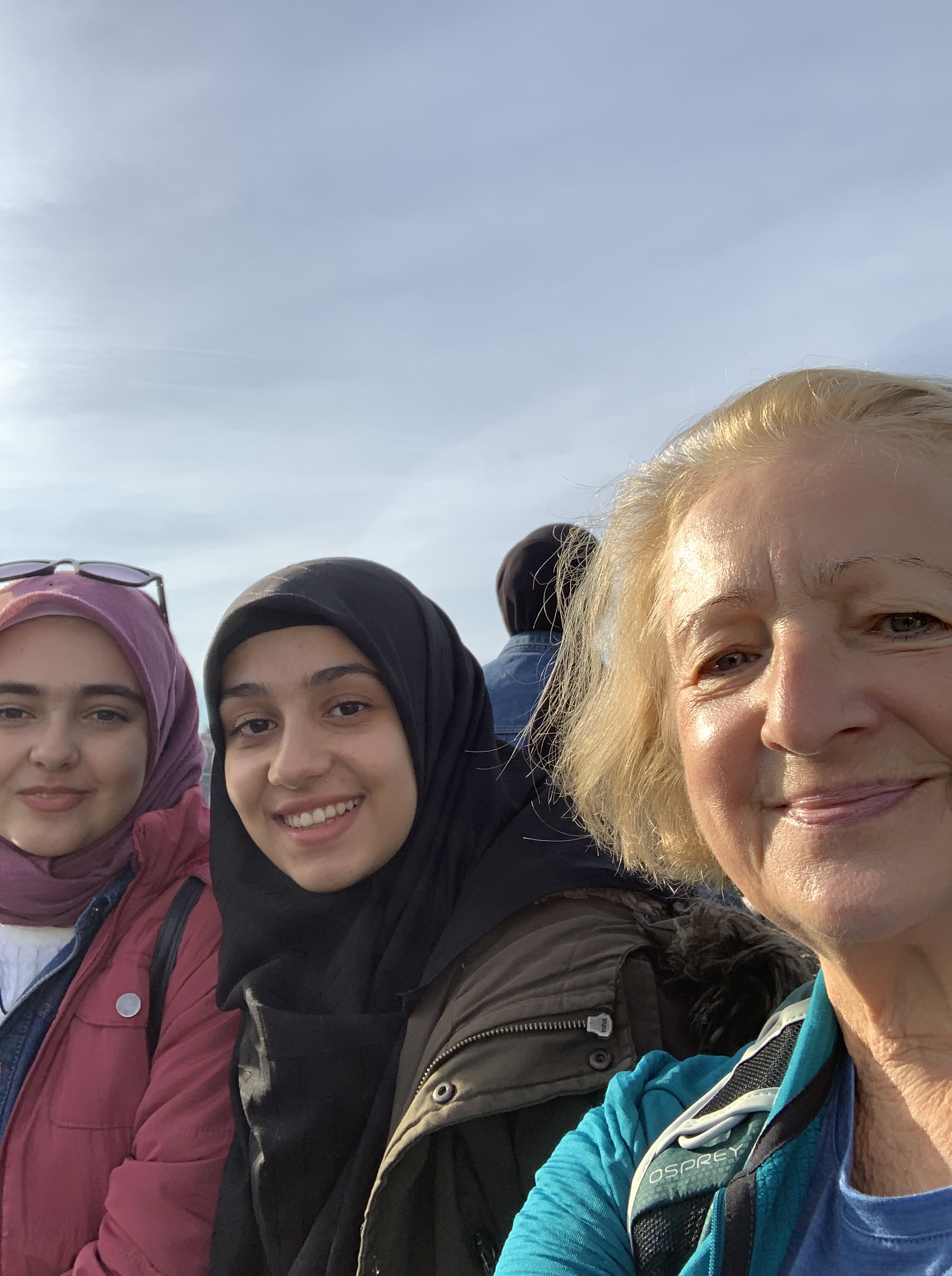
The only available trip to the killing fields was to the Anzac area, joining a group of 3 Aussies. The guide (from TJ travel, a sort of Aussie outfit) was excellent, and presented what was an enormous amount of facts, data and detail in a clear and engaging way – having just the four of us to talk to made it a lot easier, and he could answer all questions.
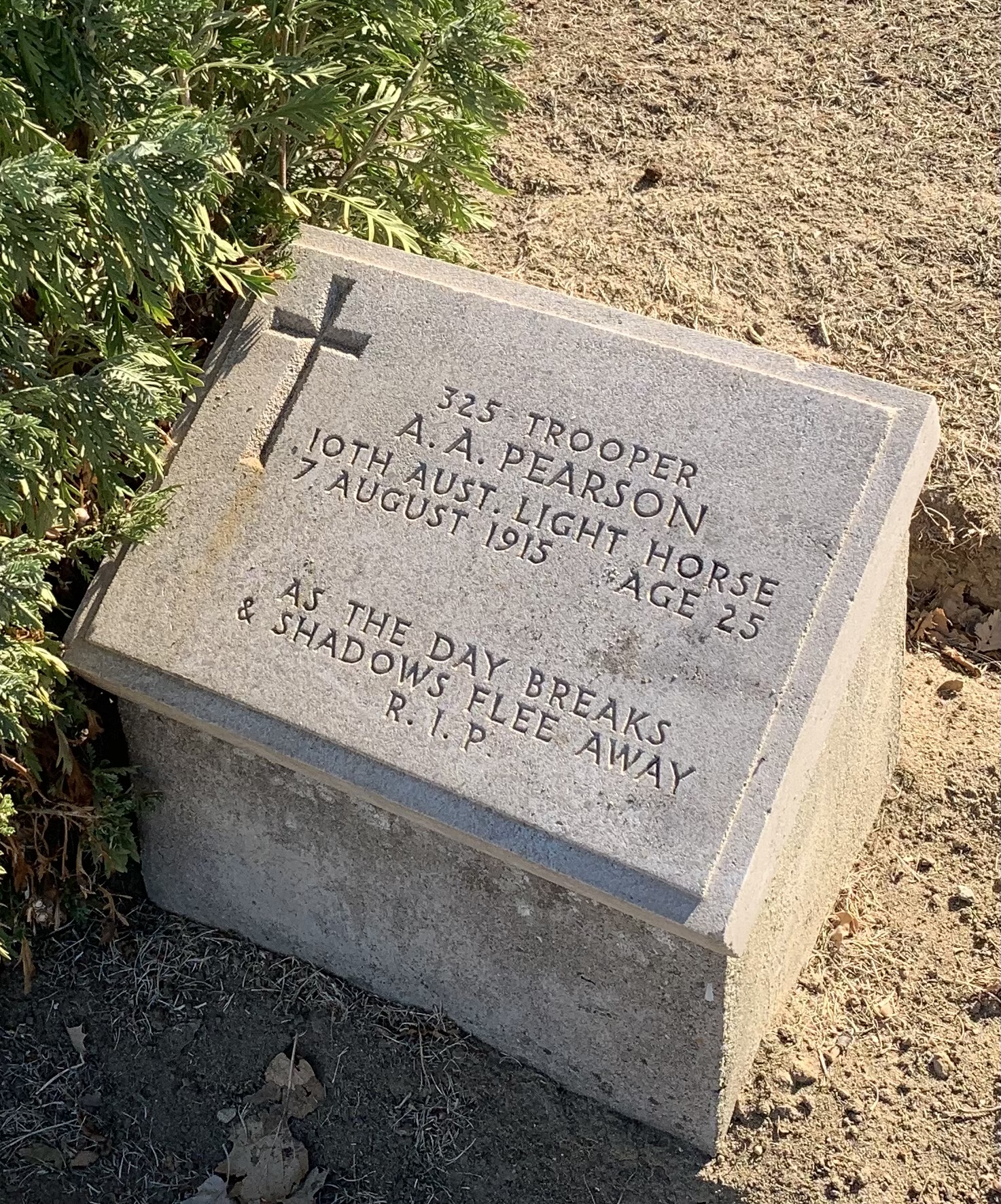
Almost 200.000 men lost their lives here. The poignancy of those small grave stones denoting lost lives, the futility of the war, the arrogance of those sitting in the capitals of Europe carving the Ottoman empire on their maps while sipping port or cognac.
The Allies were much quicker in honouring their dead here than the Turks, putting up memorials and gravestones – that has been reme. But this was where Mehmet Kemal aka Ataturk (‘the father of Turks’) made his name. His photos and sculptures are everywhere – the Turks truly honour and love him – he created the new, secular, democratic Turkey and one of the keystones of his programme was the change in the Turkish script (which had been a confusing mixture) to a simple 26 letter alphabet, which helped grow literacy (I read this) from 2% in the 30’s, to 98% + now. I’m not going to comment on the current political trend.
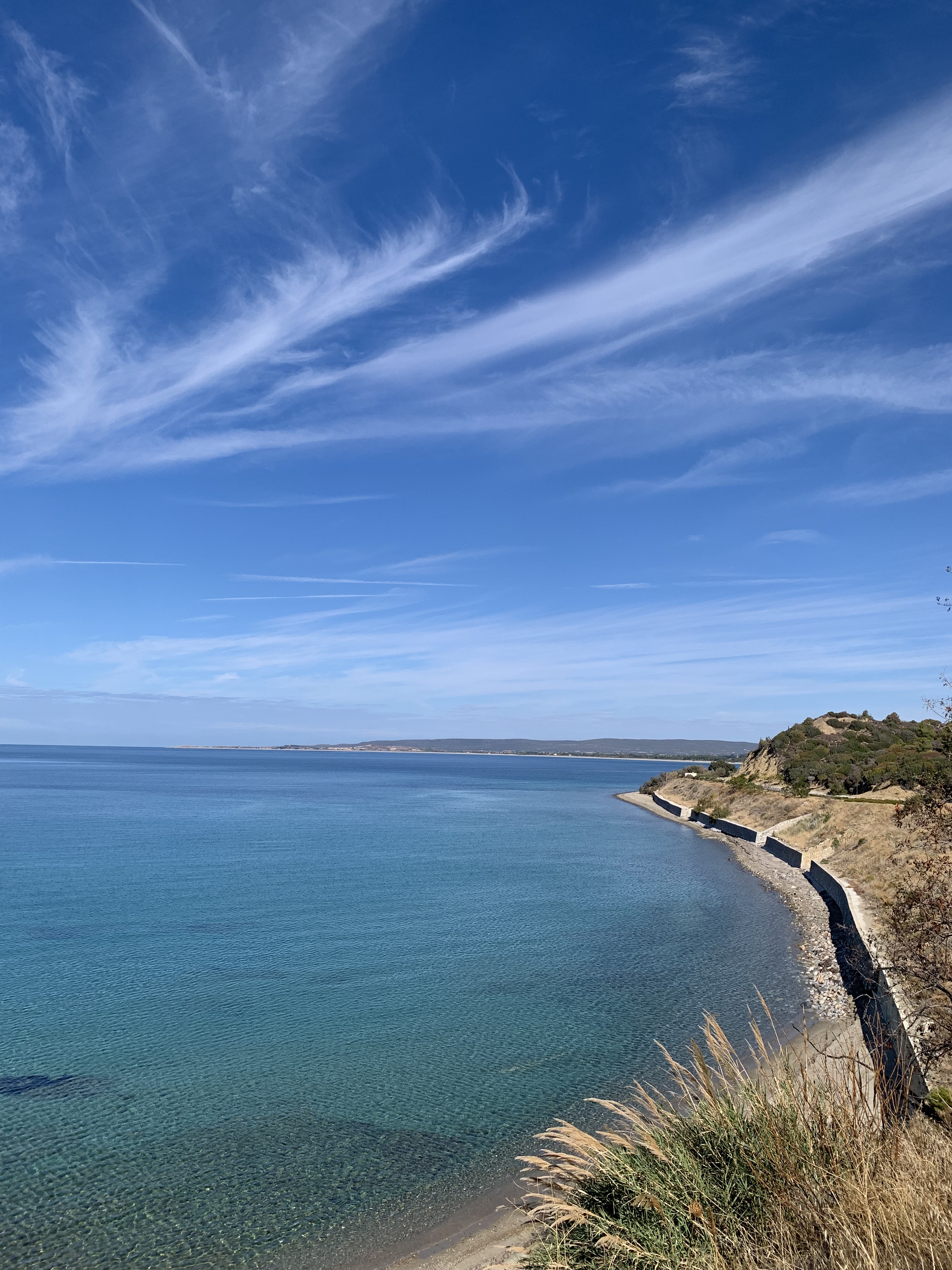
We had such a beautiful, sunny day; so sad thinking of those young men ordered to get over the parapet and die, for a couple of yards which were lost the next day
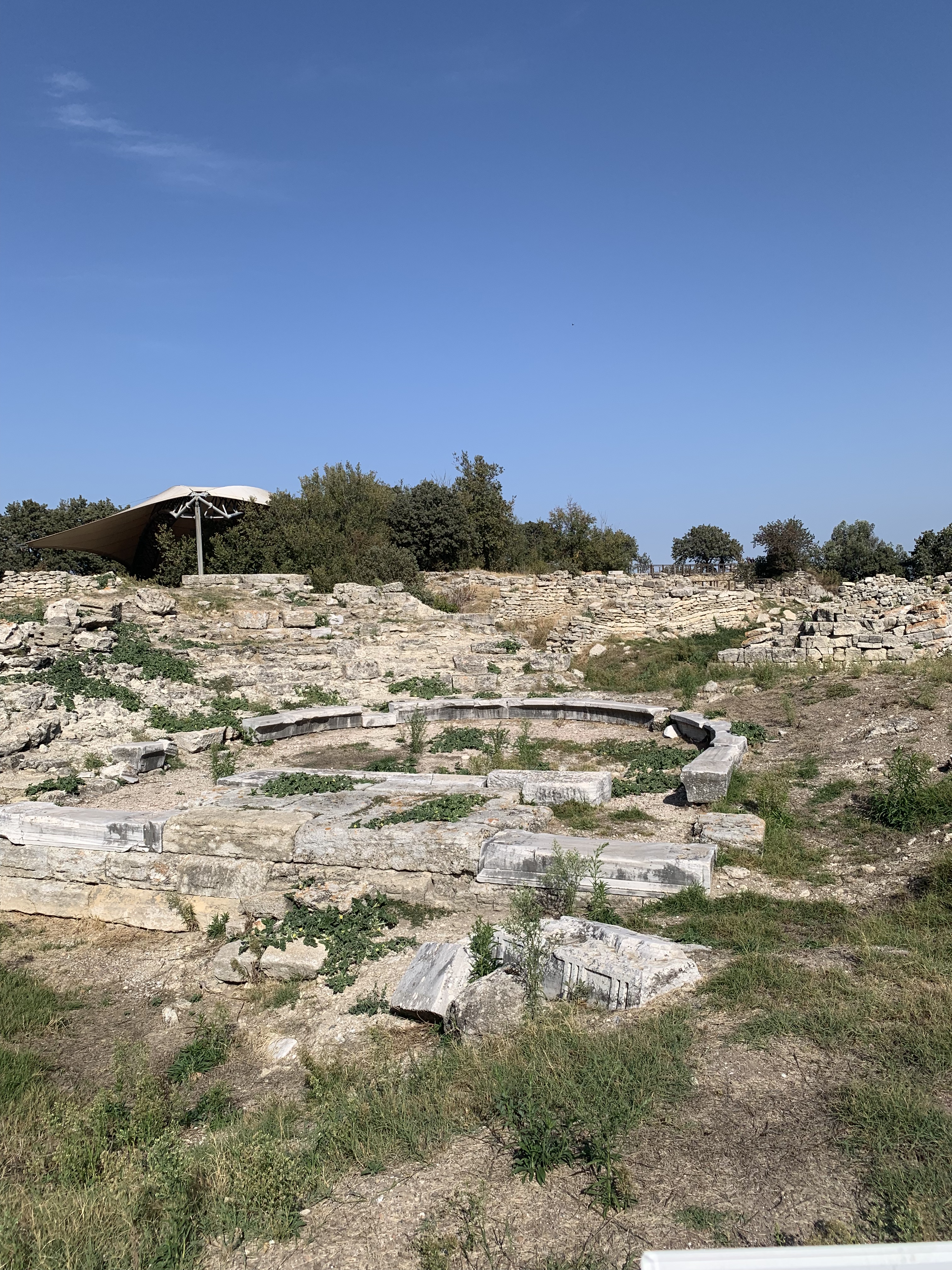
Troy is now a site a long way inland, showing 9 layers of various civilisations over some 5000 – 6000 years, from Stone Age to the Romans. Wars, fires, earthquakes, more wars.
One man is still very much a thorn in the side of the Turkish Ministry of Antiquities: Mr Schliemann, a late 19 ct German treasure hunter (definitely not an archeologist) seems to have been given a permission to dig here and he found gold and jewellery – he thought it was “Priam’s Treasure” (it wasn’t) and took it to Germany (they say he stole it); it disappeared after the WW2, only to reappear in the Pushkin Museum in Moscow some time later… and they are not giving it back.
Off to Selcuk and Ephesus next.
 Maribibi_travels