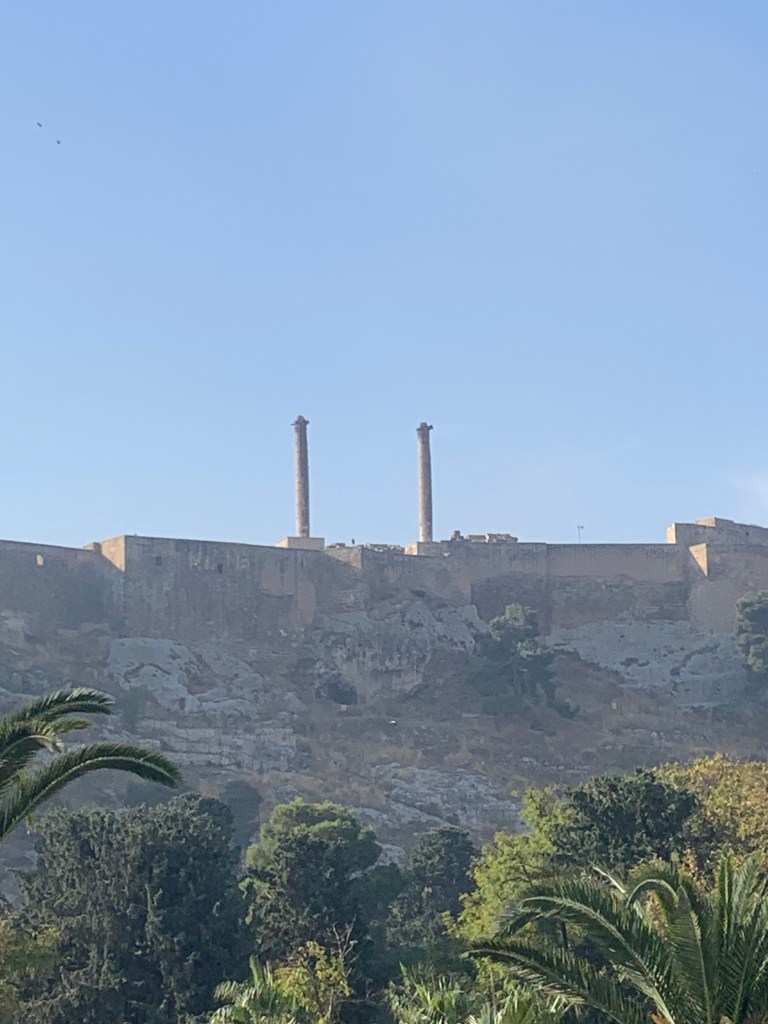
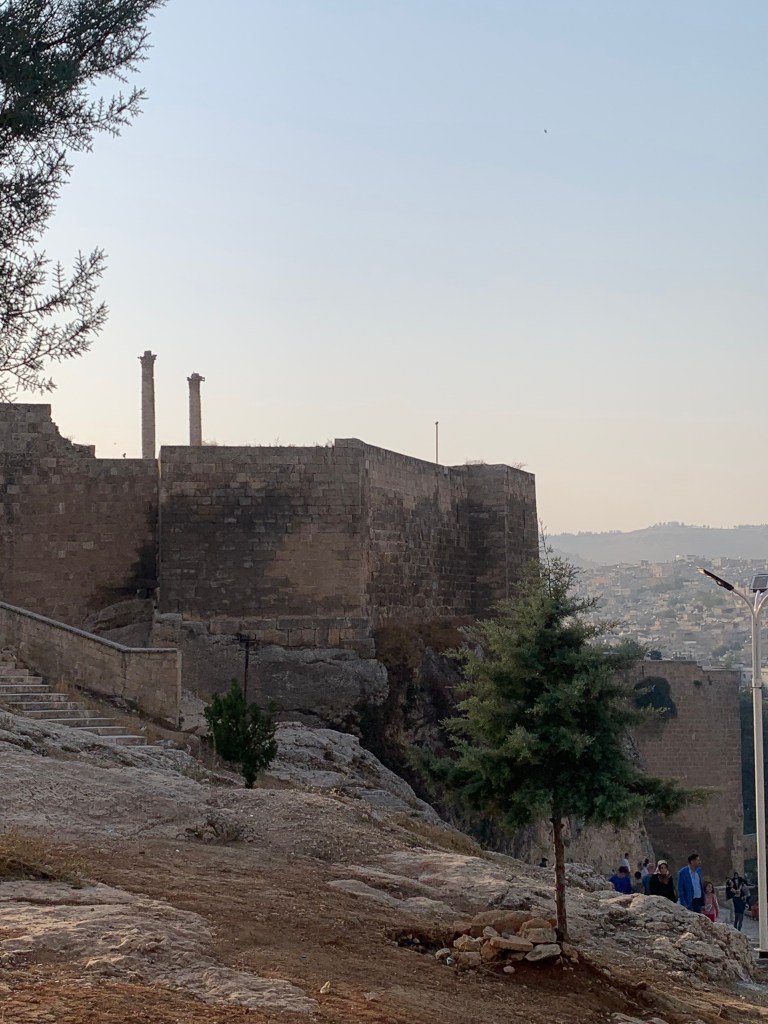
This part of the trip through Southeastern Anatolia is all on the spur of the moment and some recommendation. I wanted to go to Antakya, to see a large mosaic floating under a hotel (look it up, looks fab), but the travel logistics were so complex that when Mehmet in Isparta INSISTED I could not possibly miss Mardin, his home town, both because it is beautiful and because it is on the Silk Road, I agreed. Urfa (Shanliurfa, officially), was on the way and (they say) is prophet Abraham’s birthplace, and there are two important and highly rated museums there… Unfortunately, both the Archeological museum and the Mosaic one are “temporarily closed” – the February ’23 earthquake damage. The Abraham cave, the mosque etc, all the places of pilgrimage, are in good working order. Maybe miracles do happen. (After all, Abraham was saved after having been hurled from the fortress by “landing in a bed of roses”. The perfume was slightly different when I visited – the manure had just been put on the beds throughout the park. The other part of the Abraham legend is that the flames of the fire prepared for him by the pagan ruler were turned into cool water and the hot coals into fish – hence the fat carp, never caught or eaten, in the two pools. )
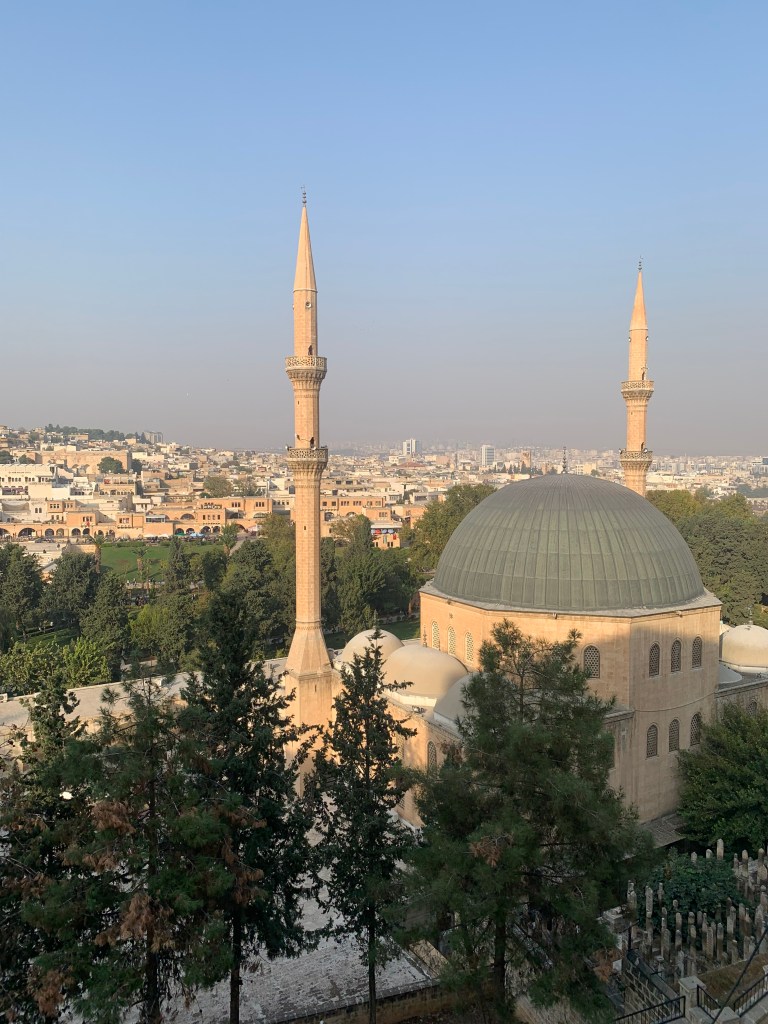
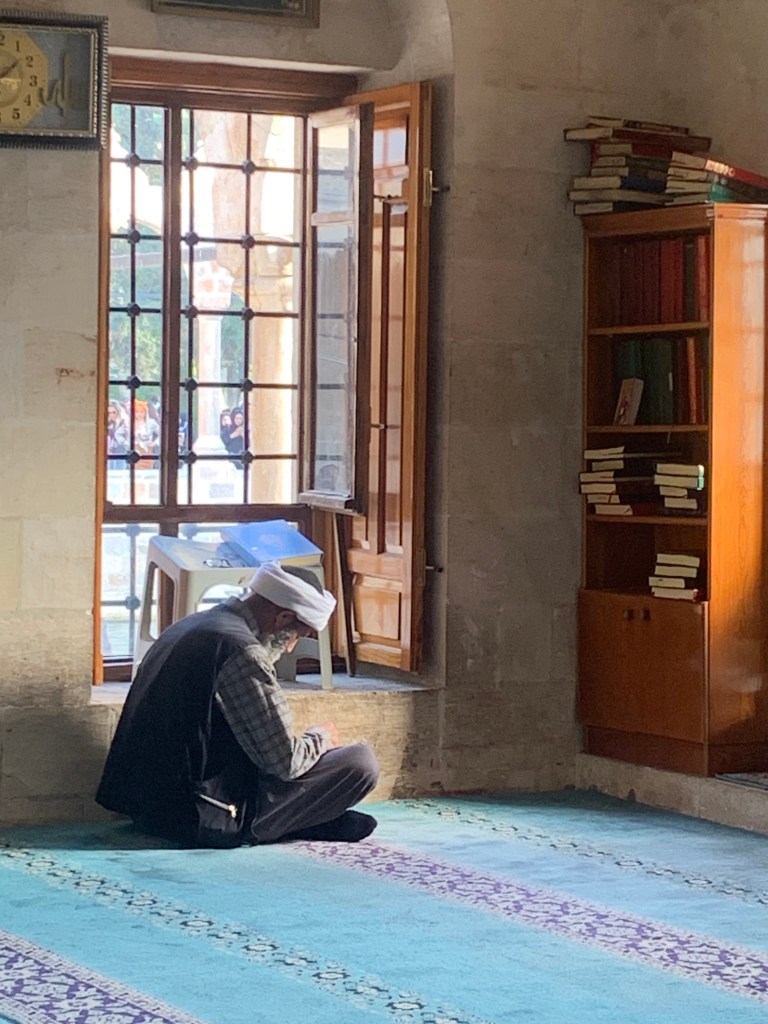
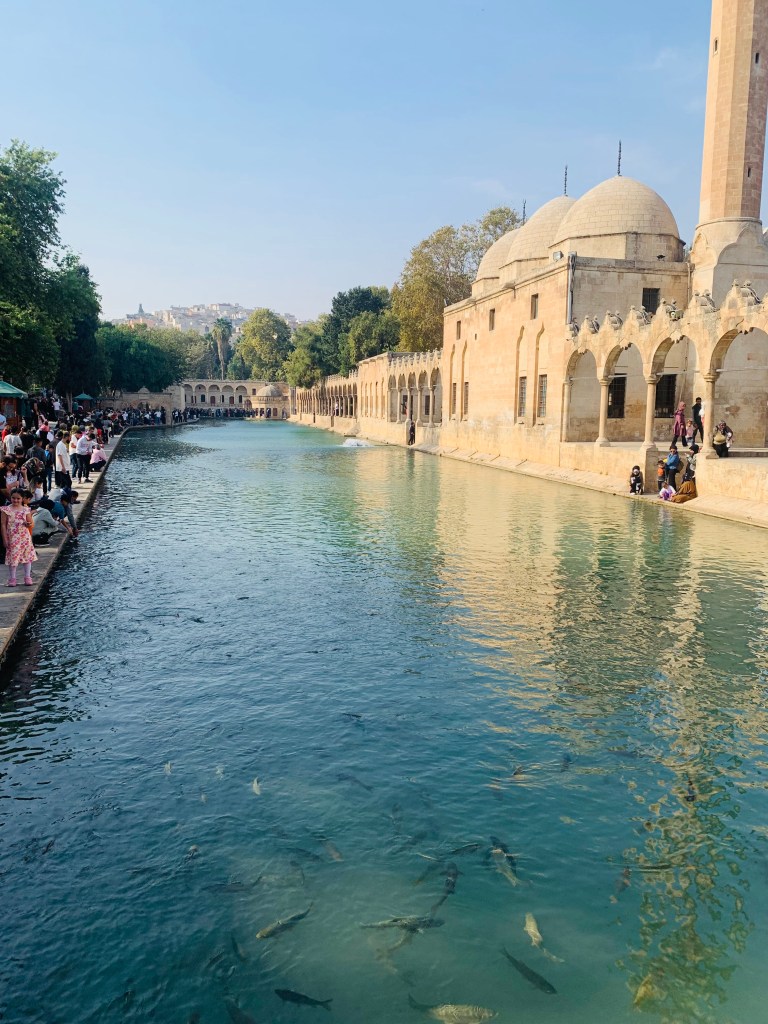
The “Kervid Butik Otel” in Urfa was recommended to me by Yunus, who I climbed the Nemrut Dagi with. He said it was central (it is), run by his cousin (it is), and I would be well looked after (I wasn’t). When I arrived, Mahmout, the Syrian “manager” (he said it in such a way that the inverted commas were implied), was sitting in the middle of the untidy cafe space, smoking a hookah, looking very much like a thin version of a caterpillar in Alice in Wonderland. The two nights spent there were not the best. There was a nice terrace, but it did not feel comfortable with all the hookah-smoking men and the sweet smell of flavoured tobacco. The bazaar was near and very lively, the views great. Though there was a constant flow of pilgrims and tourists, the park area was clean and well maintained. This is noticeable as generally there does not appear to be much civic pride – there is rubbish everywhere, from cigarette butts to plastic and all in between.
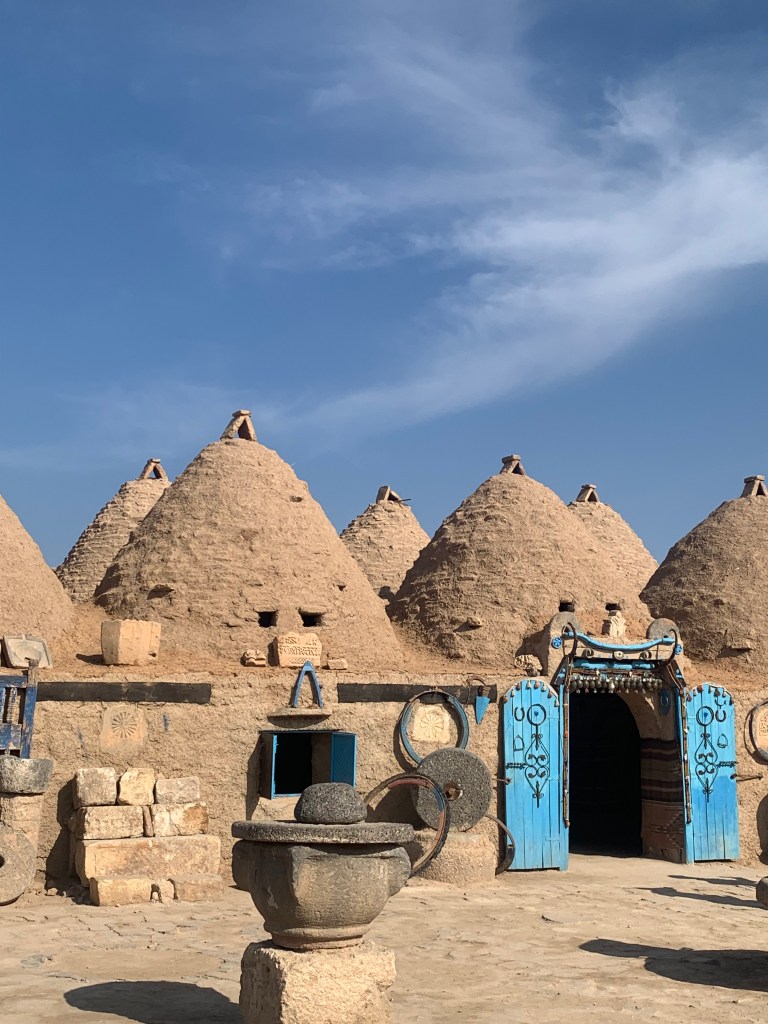
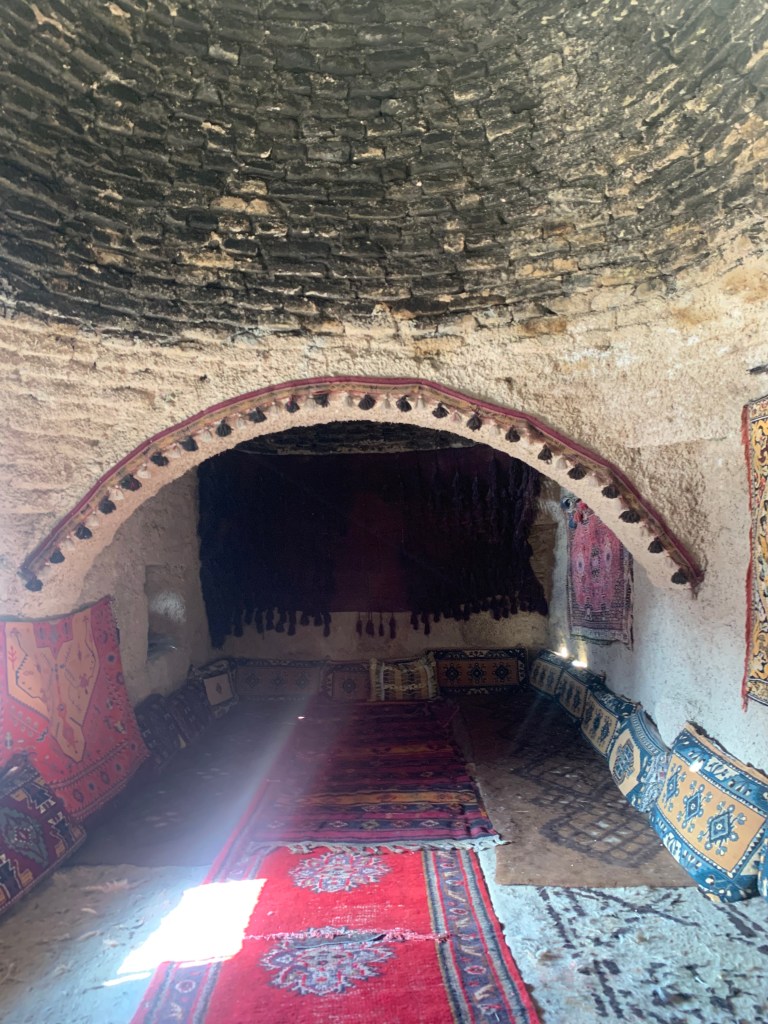
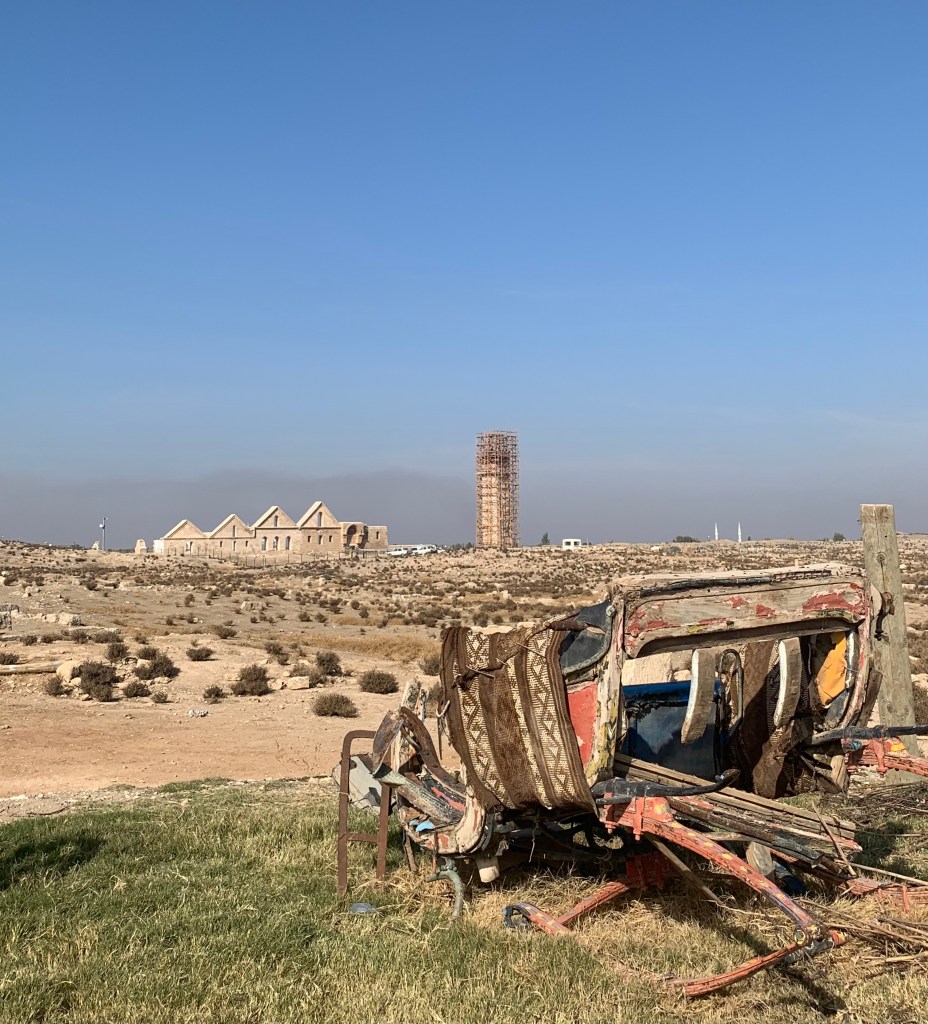
I had a nice day out in the area around Urfa – Harran is a small village now, but it is one of the places that has been continuously occupied for at least 5000 years. The beehive houses made of mud bricks are still in use, though now as stables and sheds, rather than the living quarters. There is restoration work being done on the very old Grand Mosque and its square minaret, but it is clear that there’s a lot more archeological work to be done in the area.
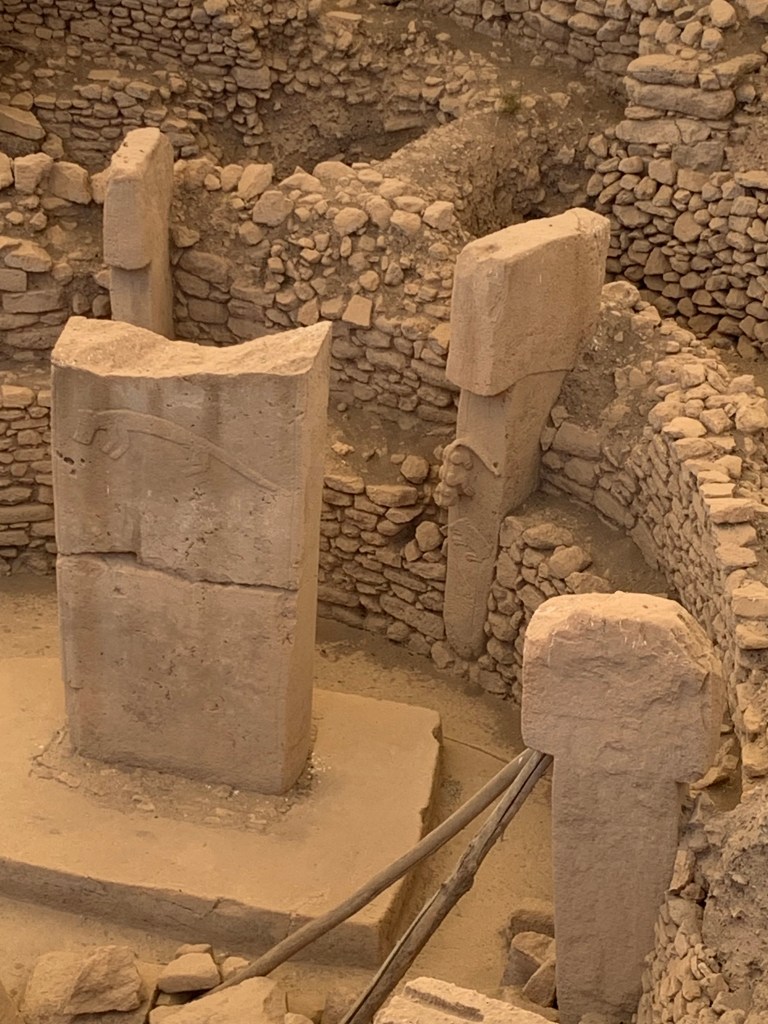
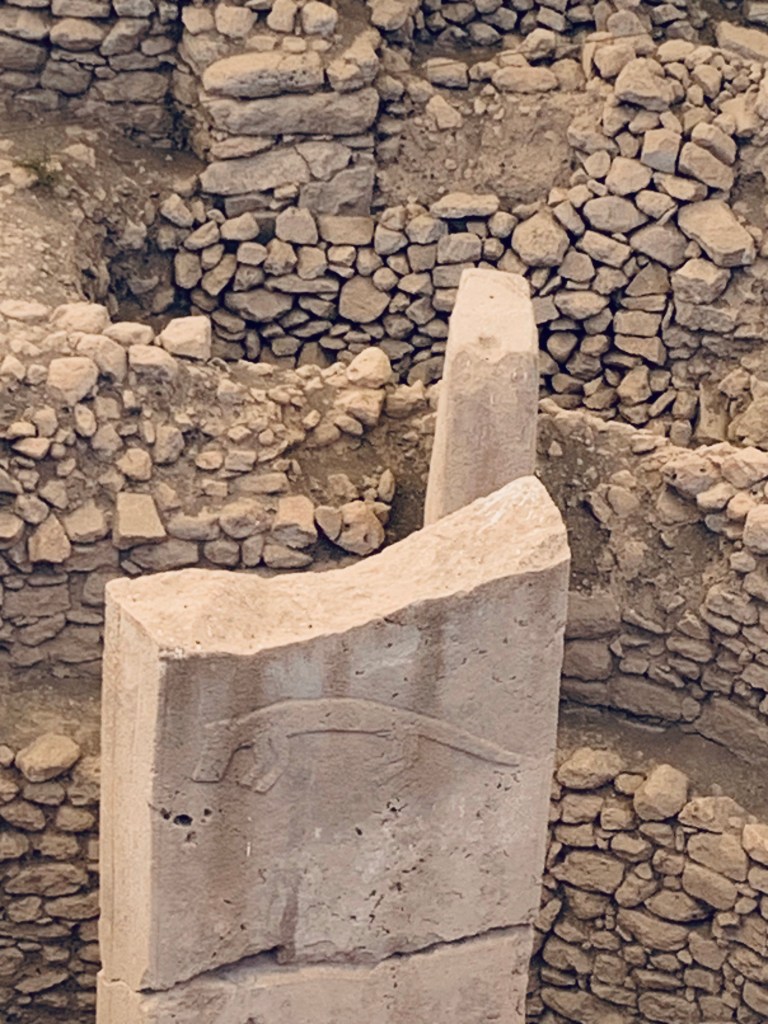
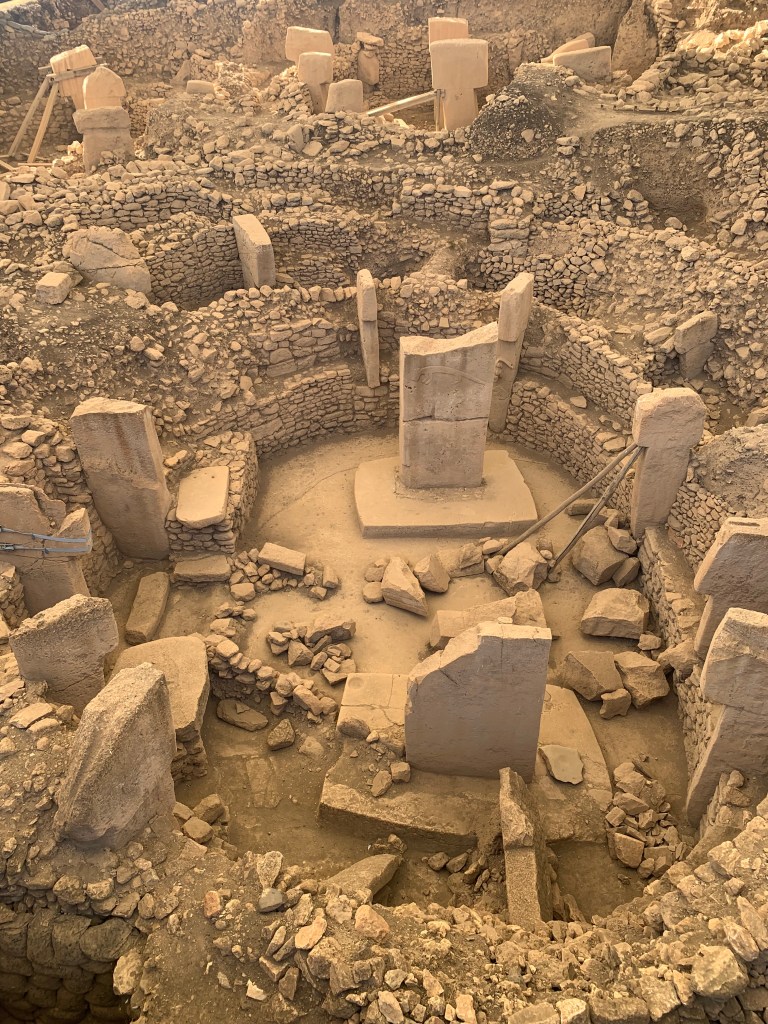
And Gobeklitepe, the 11-12000 year old site with its stone circles, megaliths and T-shaped pillars is “turning the accepted wisdom that worship/religion followed settling and agriculture on its head” – the site is older than the pyramids or Stonehenge. And so far only 5% of the site has been excavated – there are 16 more circles in the area, as radar and modern imaging techniques have shown.
As I move east, fewer and fewer people speak English, so Google translate is a true boon. Everyone seems to have the app, which is handy. I am here out of season (though the weather has been superb; it is mid-November and all I need is a cardigan in the evening. I shall have a proper shock when winter really hits, whenever and wherever that might be.), but Mardin is a popular destination for Turkish visitors – especially as it’s half term here this week.
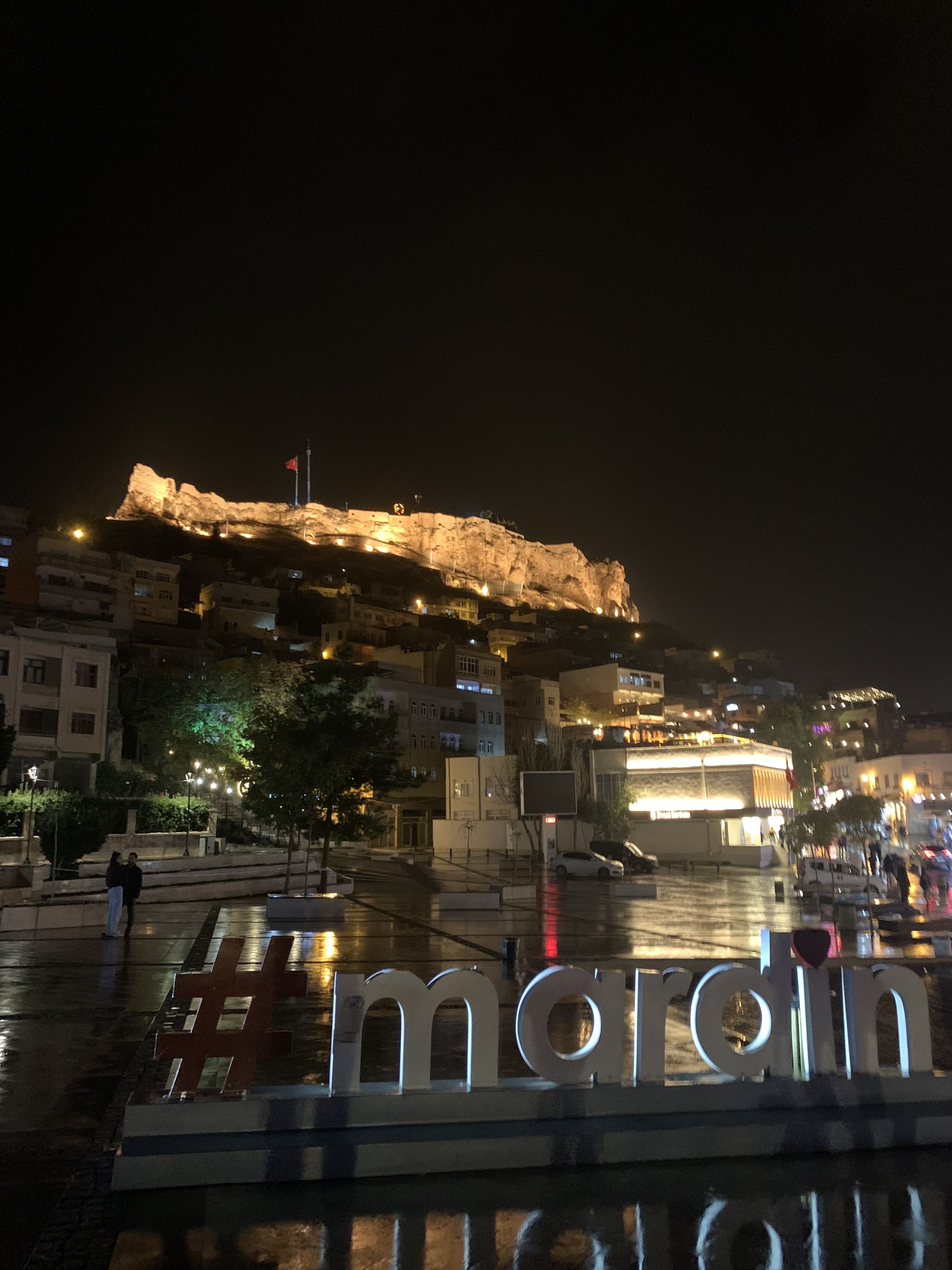
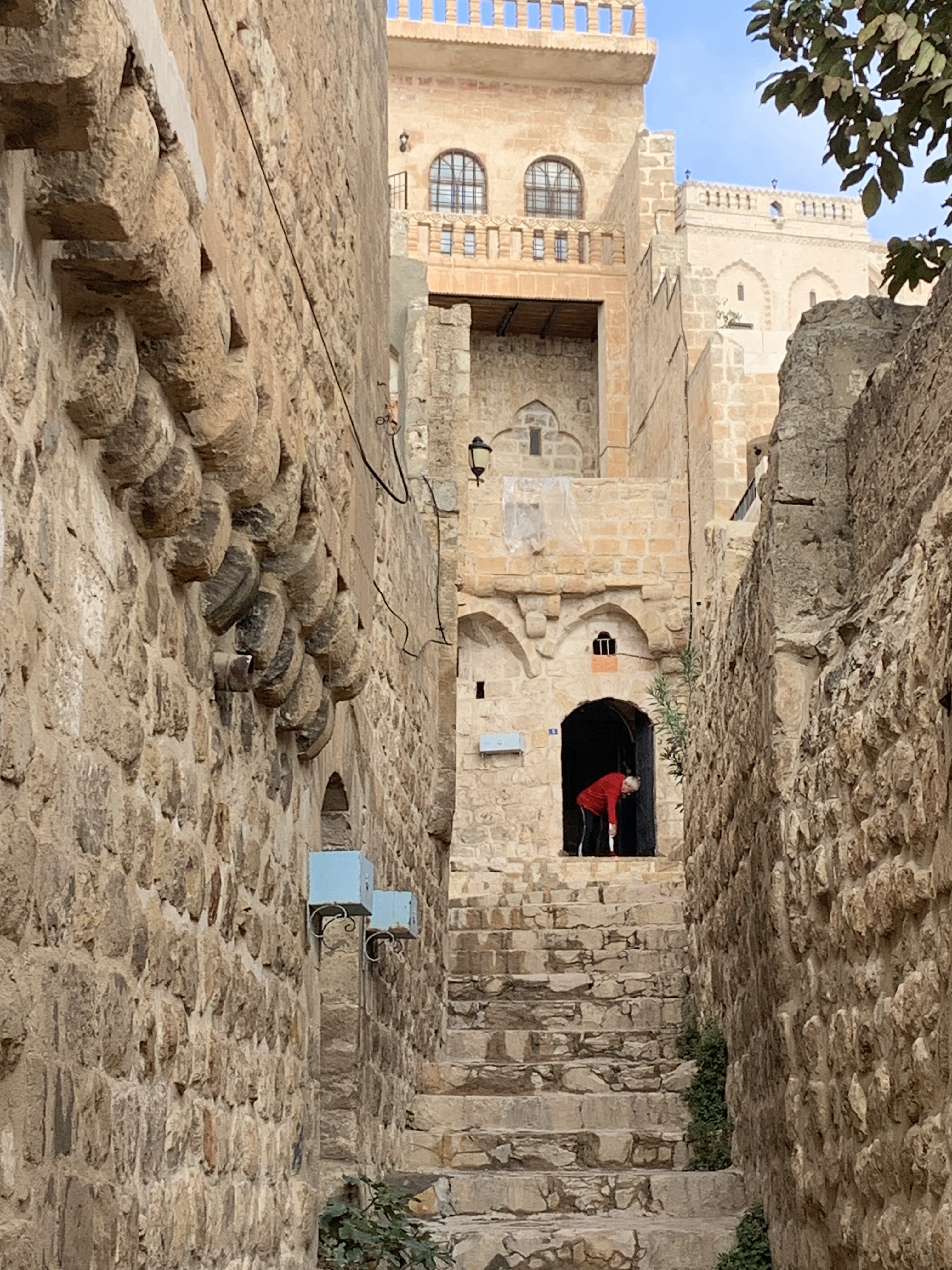
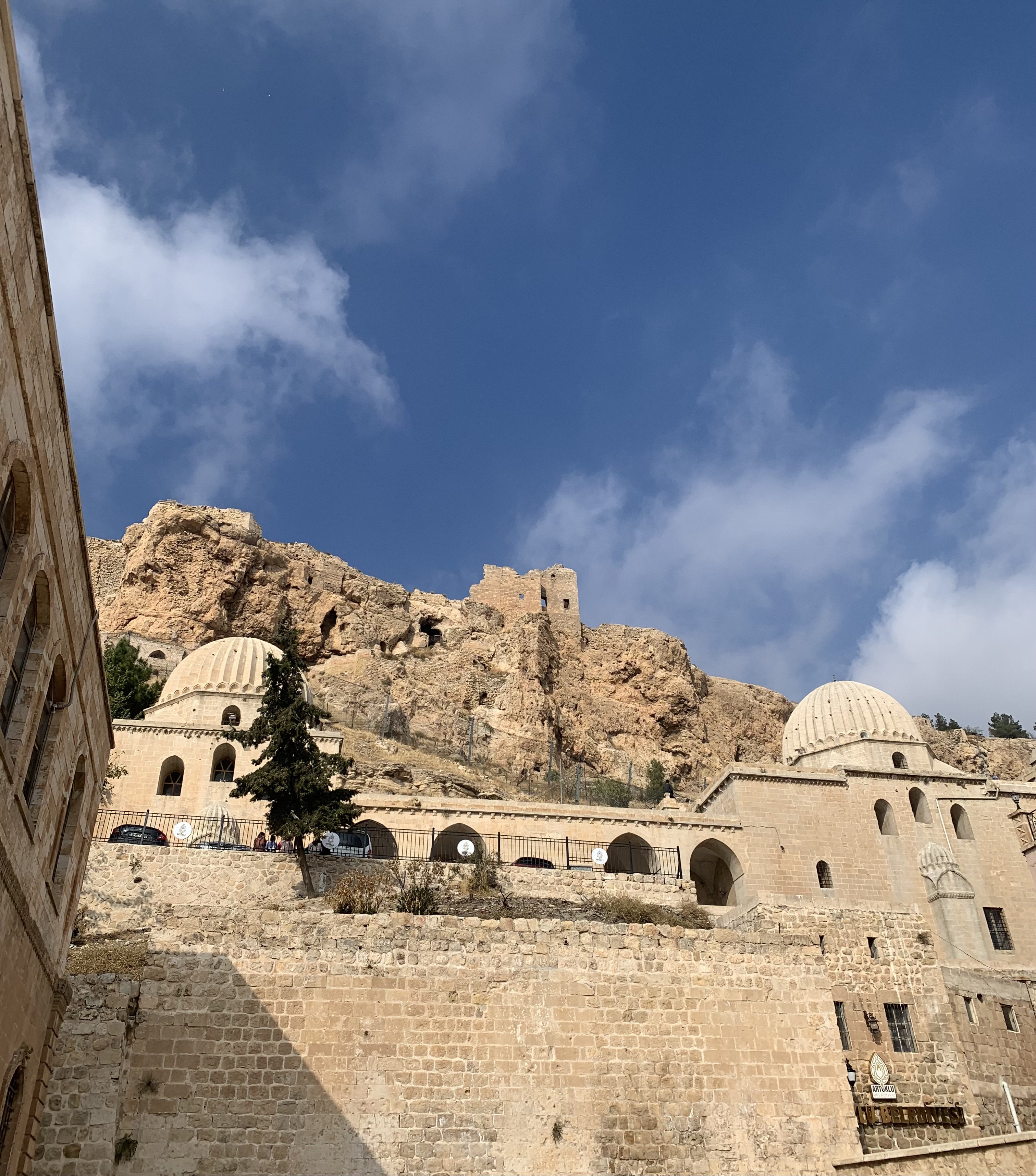
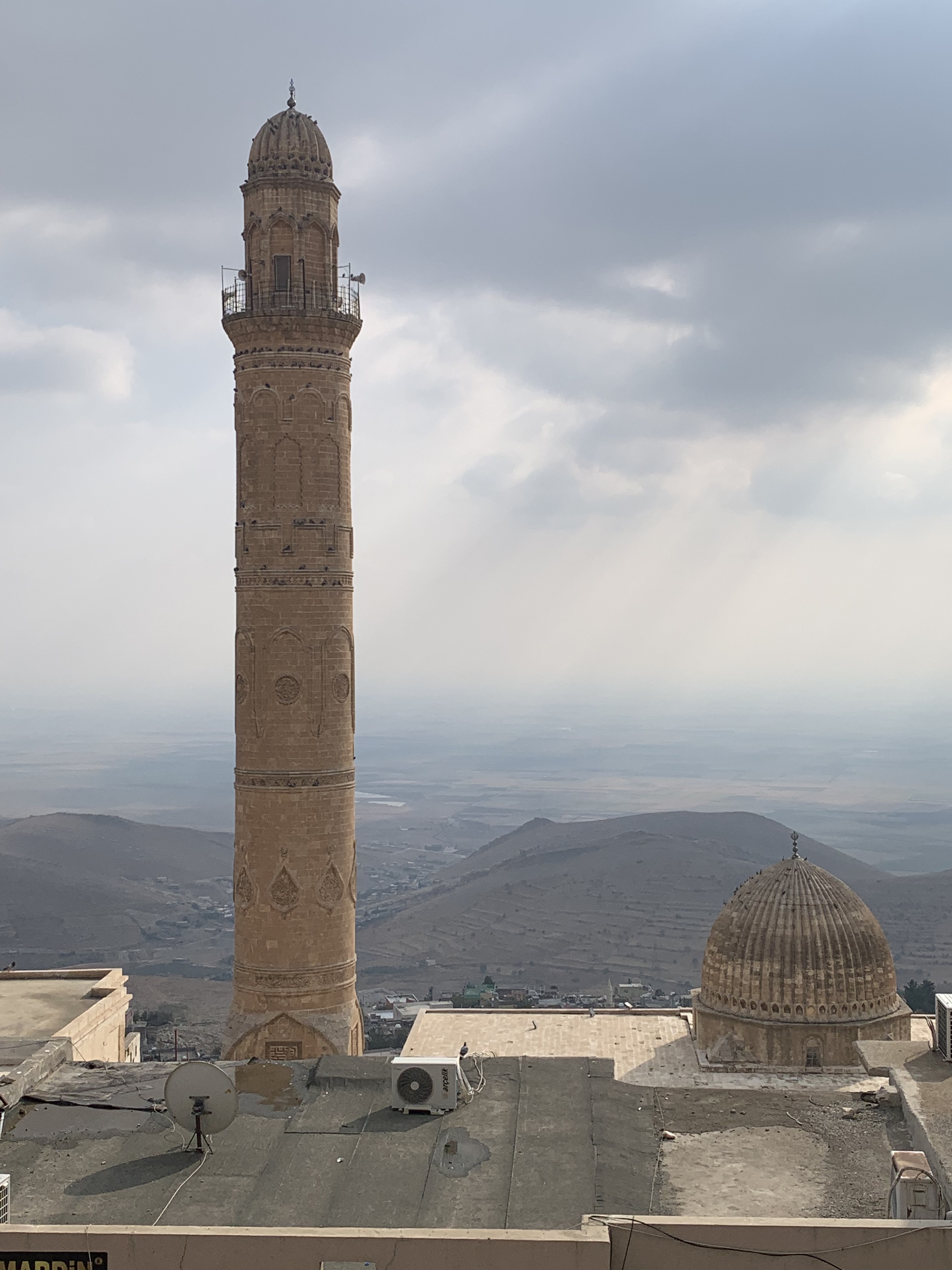
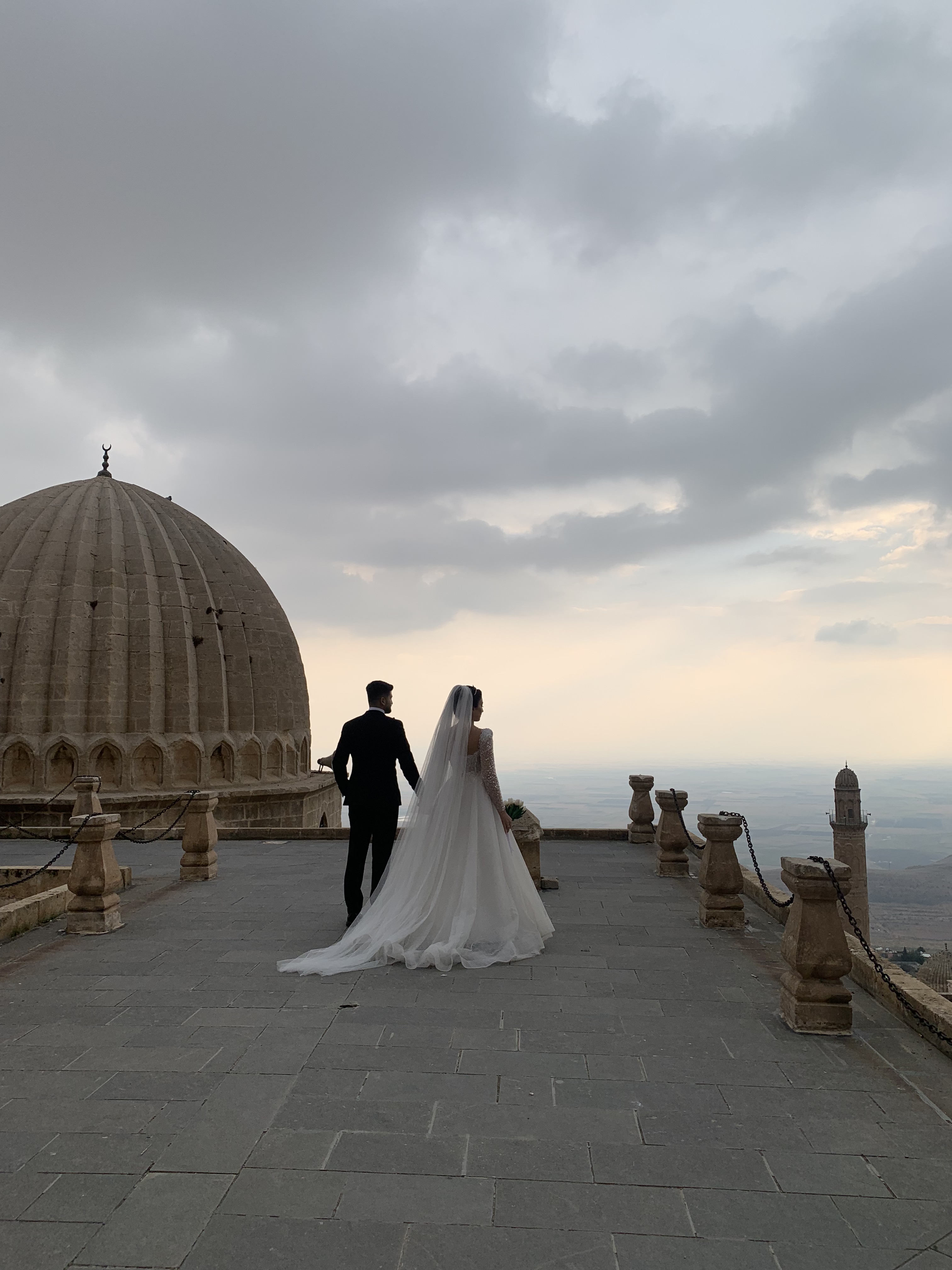
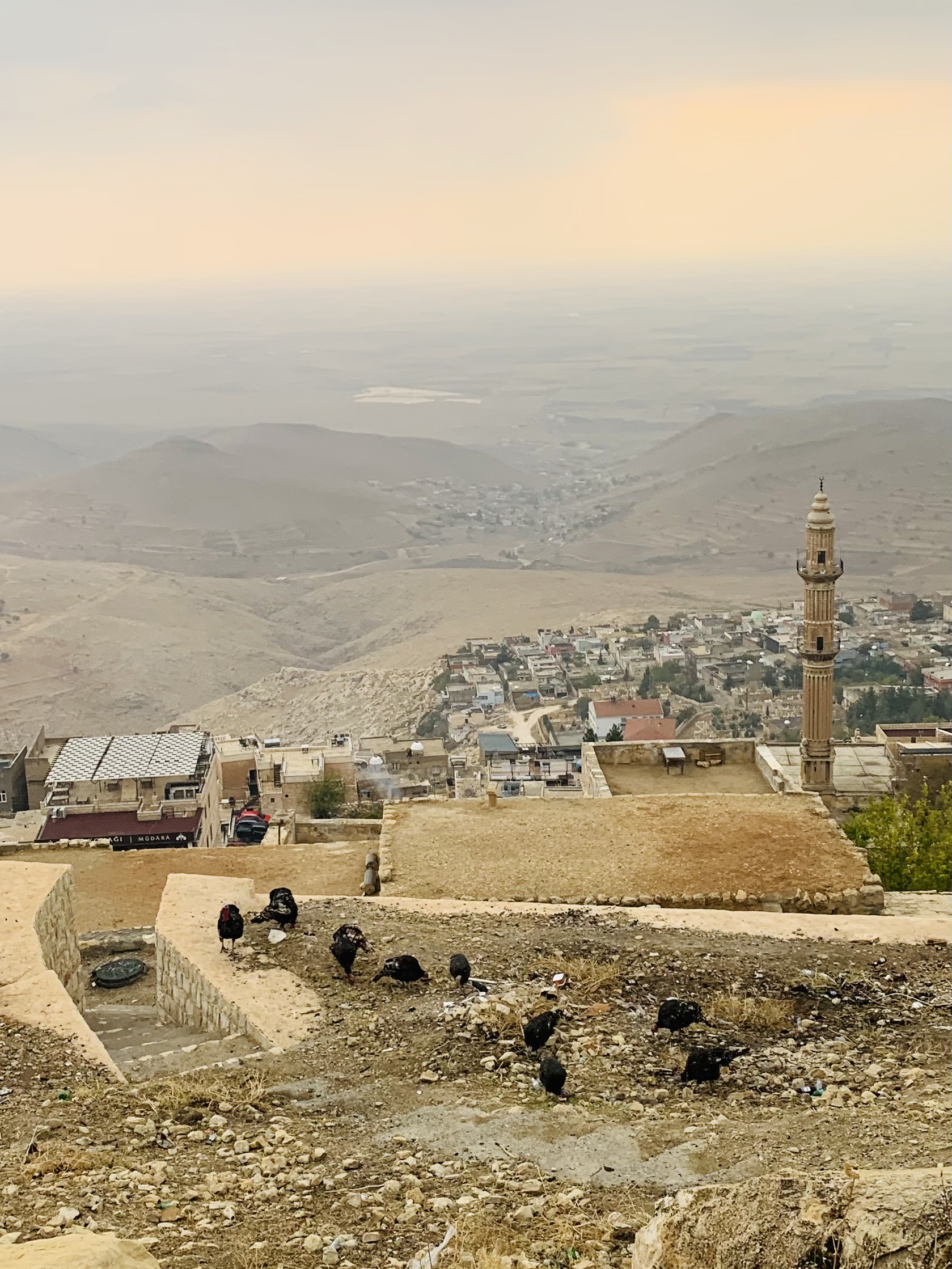
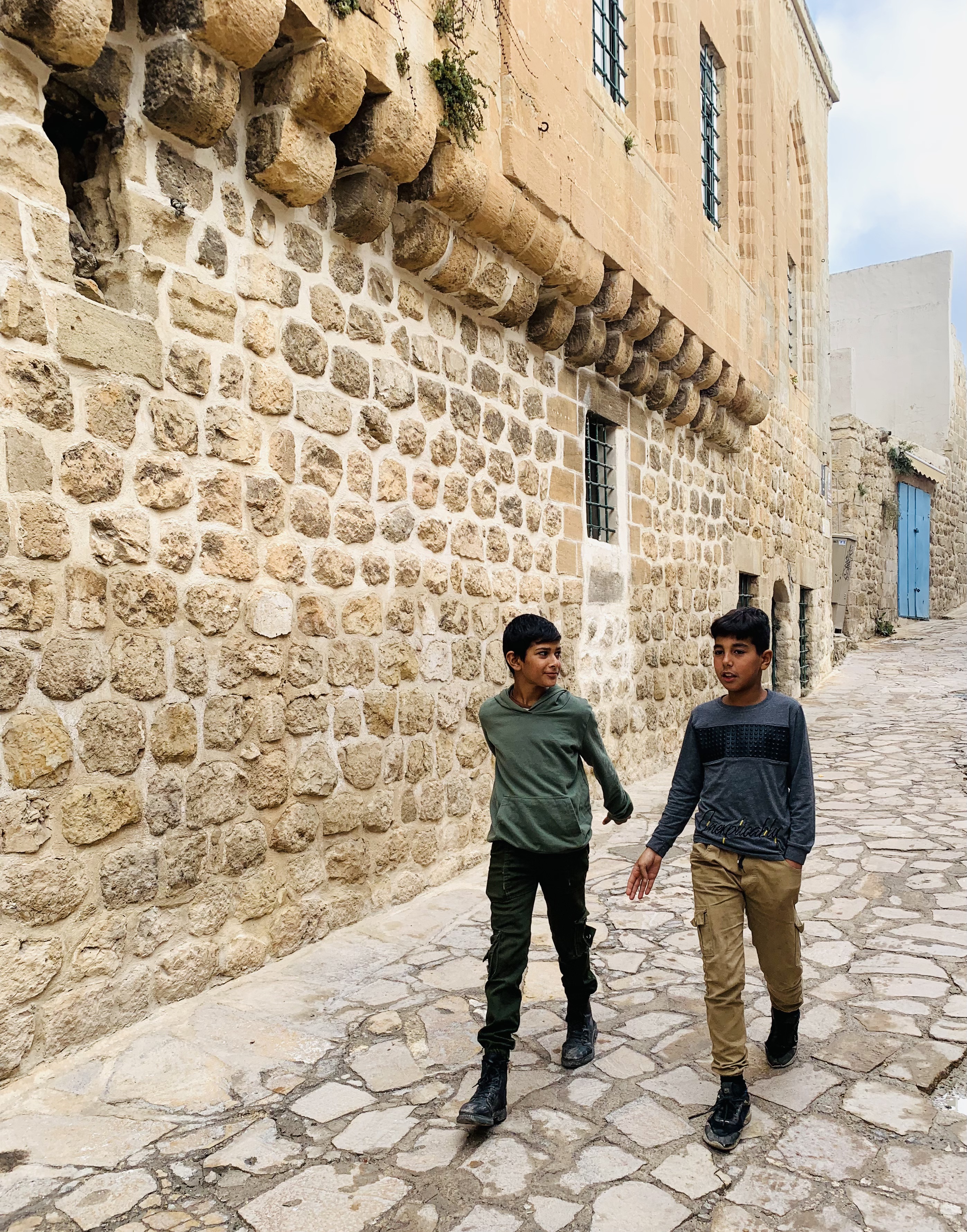
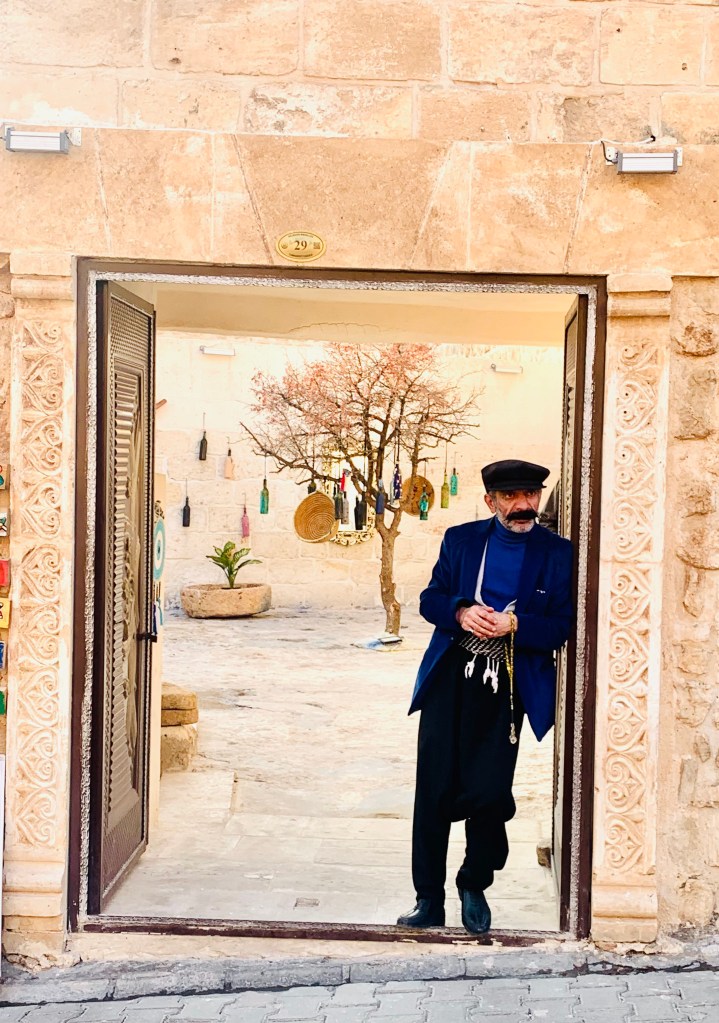
Mehmet is right: it is a beautiful, honey and biscuit-coloured town, spilling gracefully down the steep slopes below the fortress. The streets are all steps. (Those few that aren’t steps are congested with cars.) It feels like a labyrinth at first , but it is a grid of sorts and fairly easy to navigate. The mix of cultures and faiths – Greek, Syrian, Kurdish, Yezidi, Chaldean, Christian, Jewish, Babylonian, Ottoman – I probably missed several – shows in the buildings, the food, the faces.
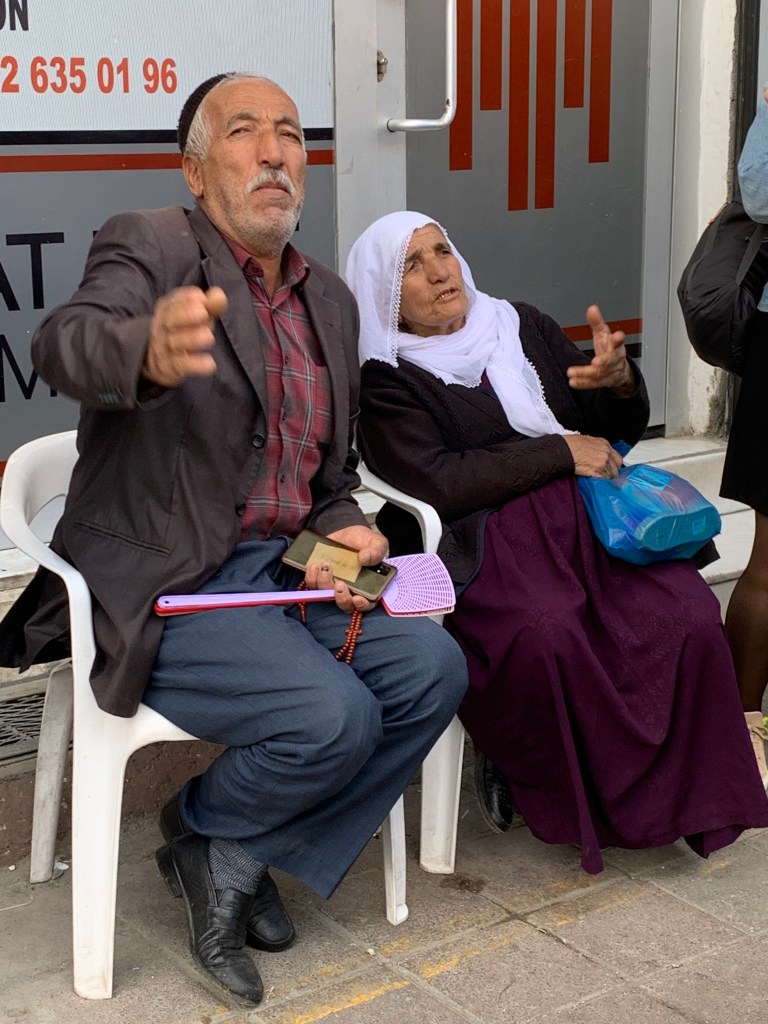
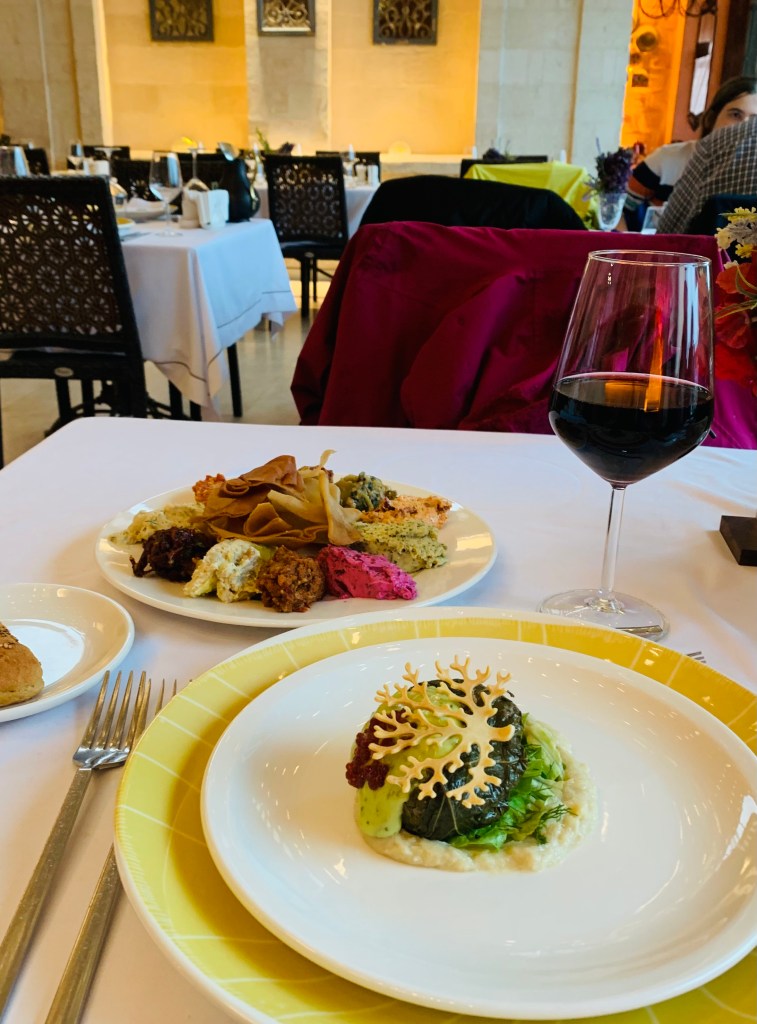
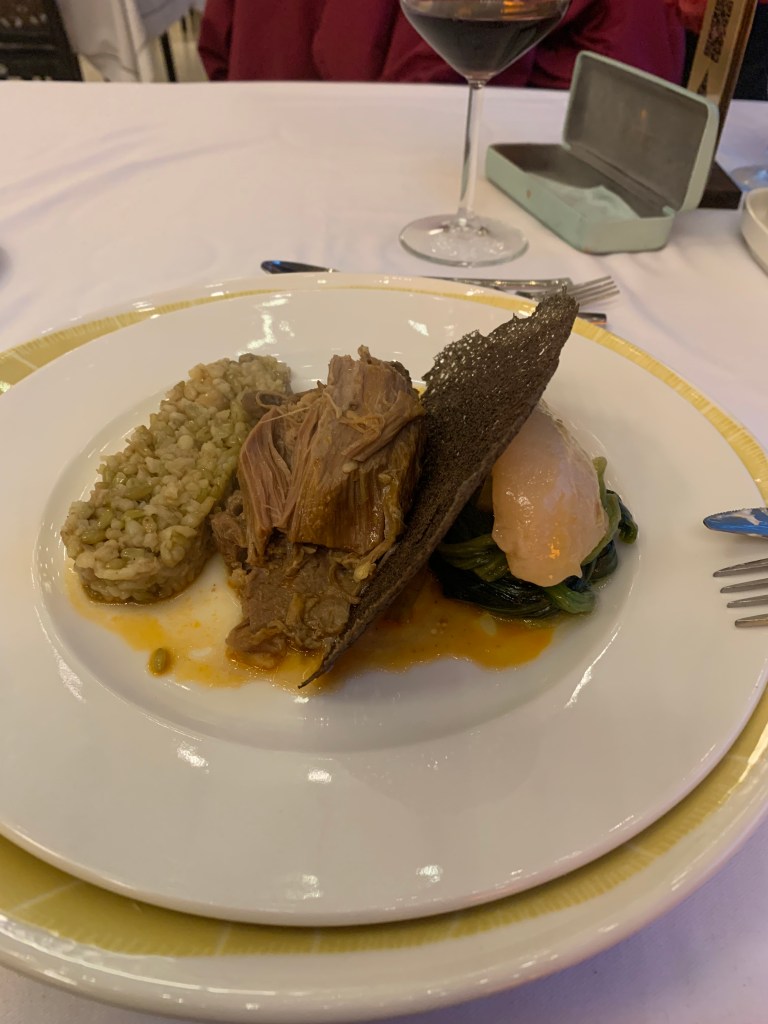
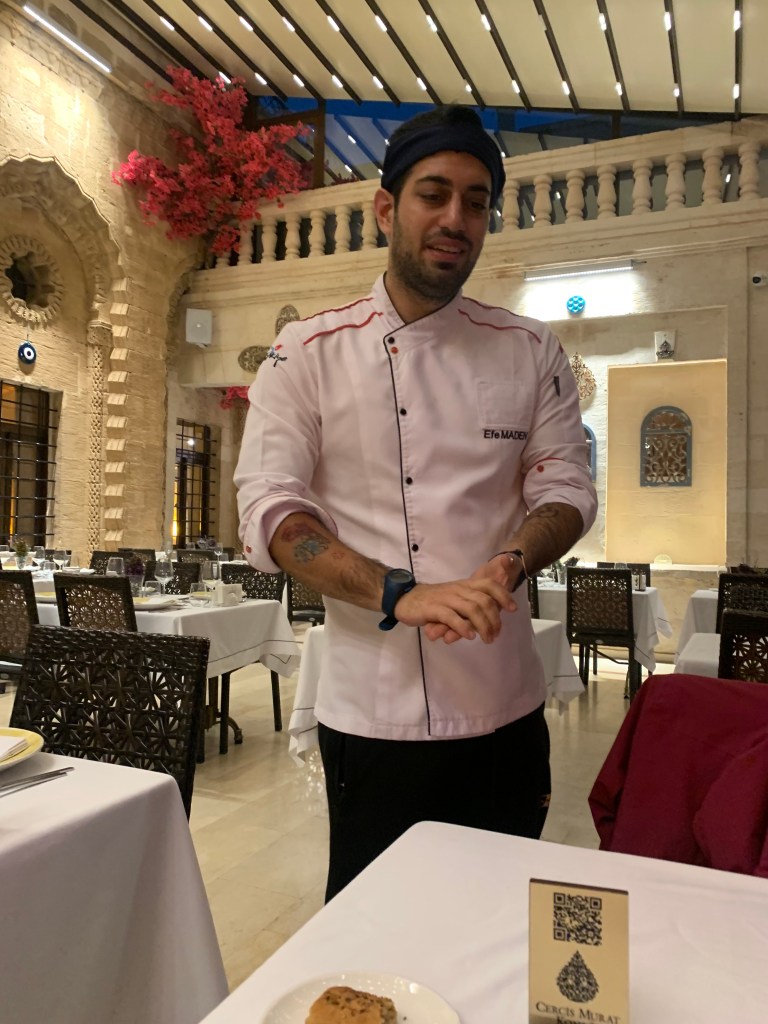
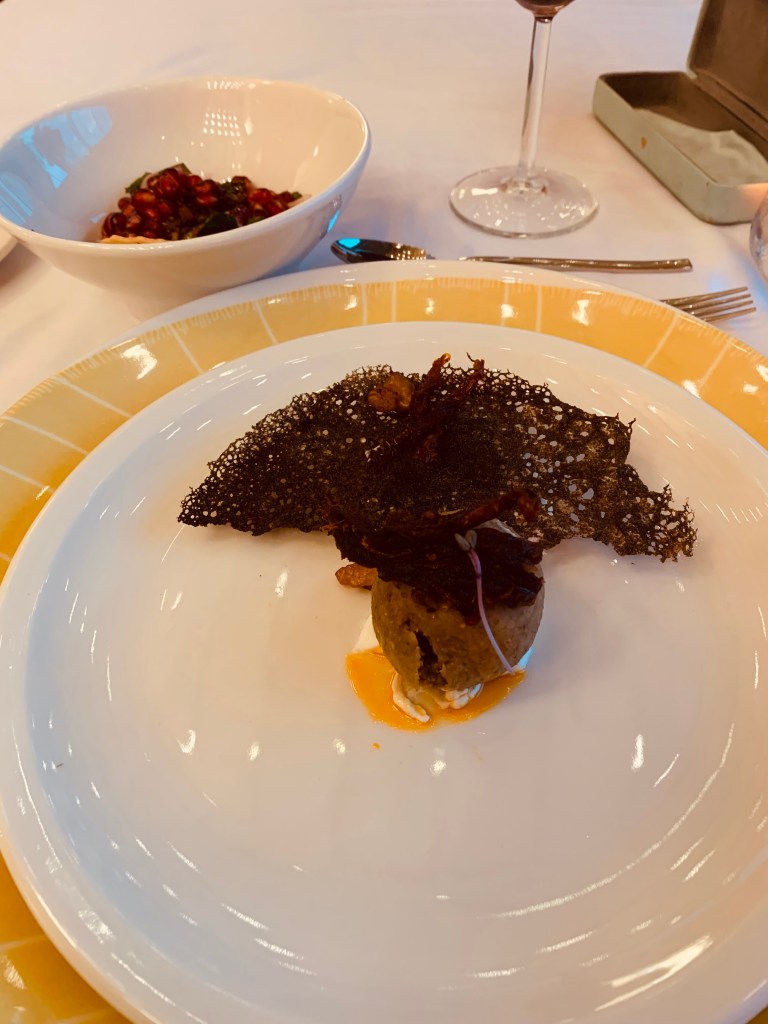
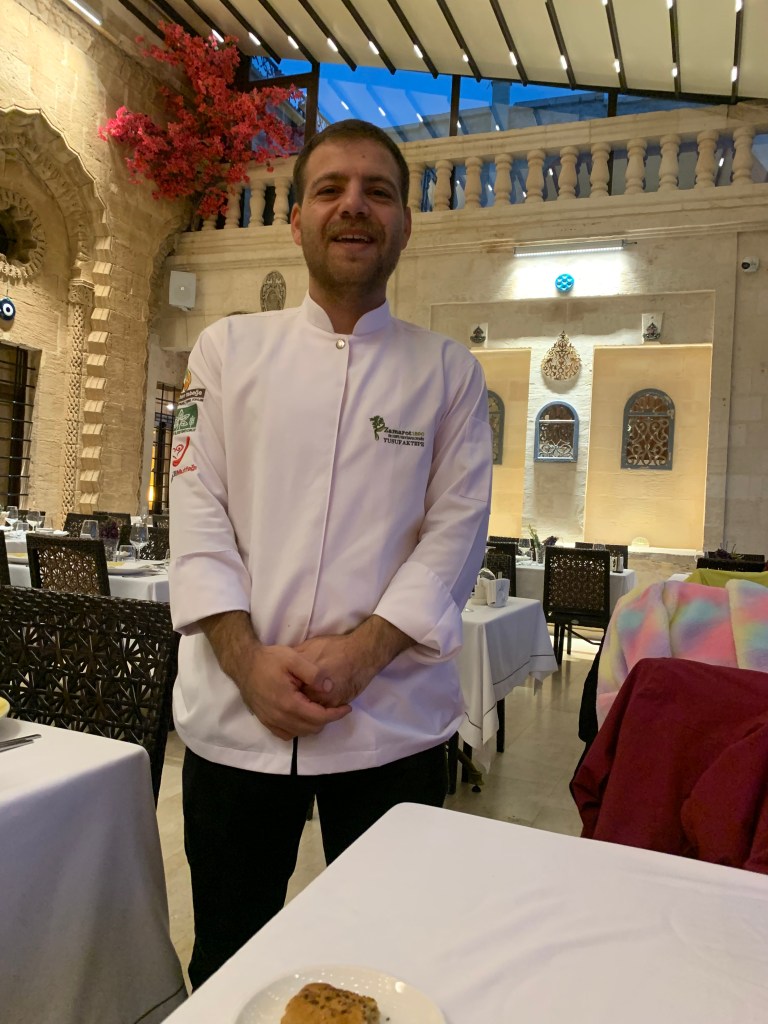
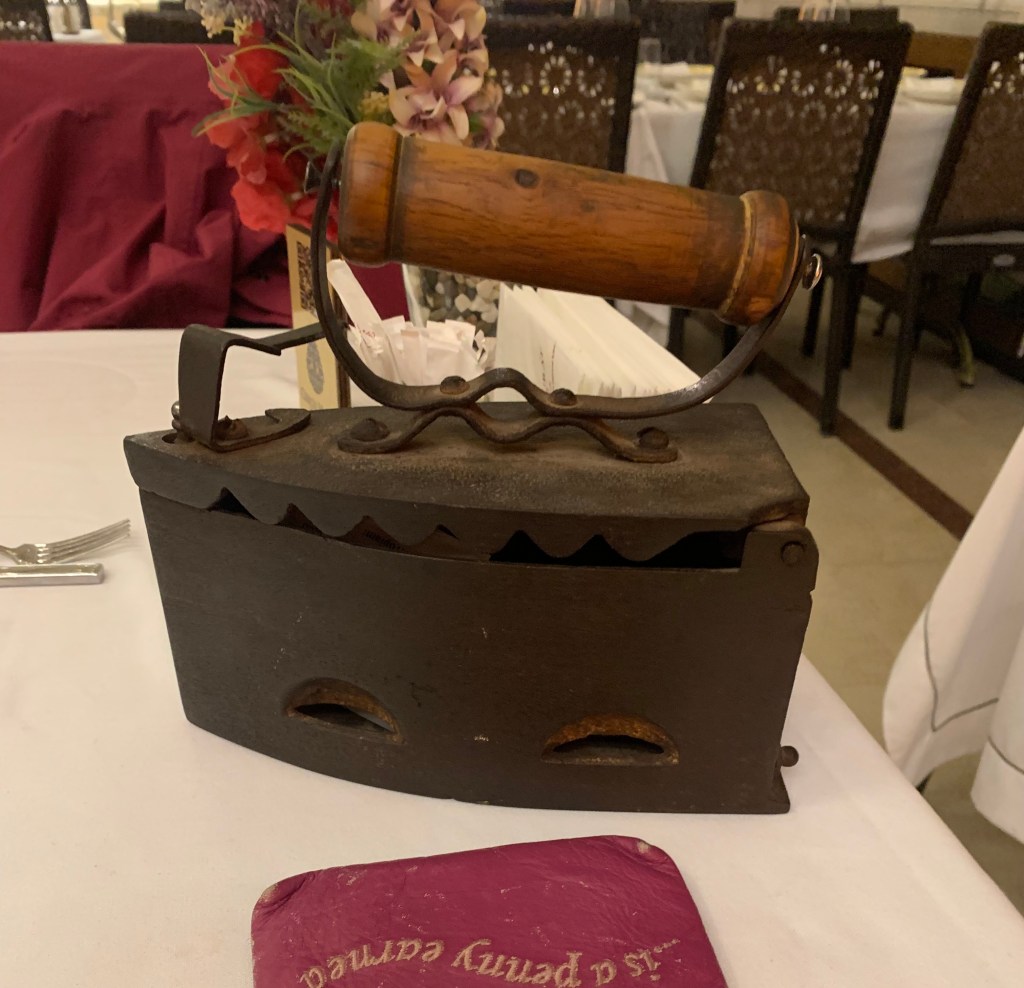
On my first evening in Mardin, I went to the Lonely Planet recommended Cercis Murat Konagi restaurant ($$, according to the LP). A lovely dining room, nice linen, wine glasses ready on the table. No English menu, but we managed. The set (tasting?) menu was delightful and the chefs (Yusuf and Efe) came out to explain what was in the dishes as they were served. There is a Masterchef feel to it all. The Mesopotamian Classic red (their house wine) was wonderful. And the bill ($$$$) was presented in the old iron.
 Maribibi_travels