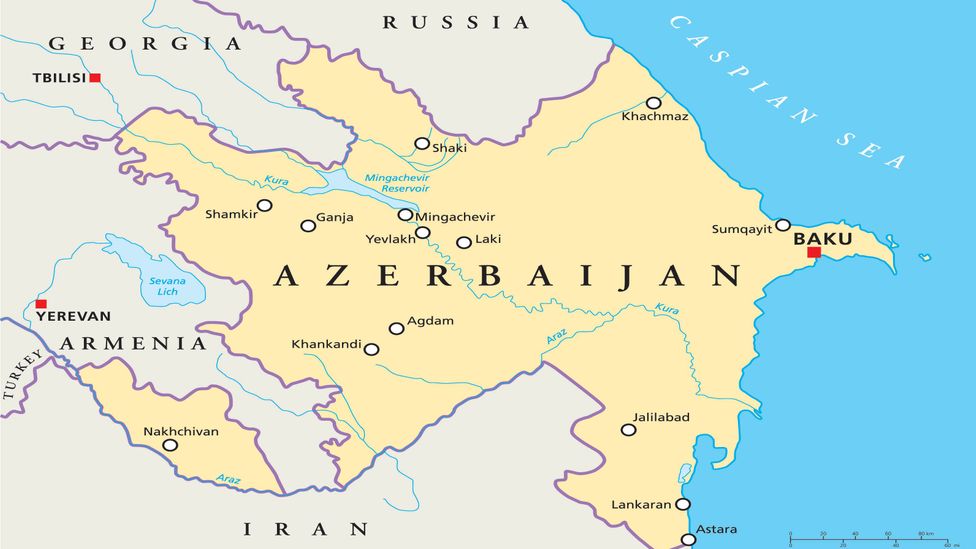
As the guide book says, a place you probably never heard of. A lozenge of land, bordered by Iran to the south/southwest, Turkey (a sliver) to the north and Armenia to the north/northeast, but an autonomous province of Azerbaijan. It would have been nice to pop over when I was in Eastern Turkey, but the land borders are closed for foreigners. So I flew in from Baku (flights are inexpensive and frequent).
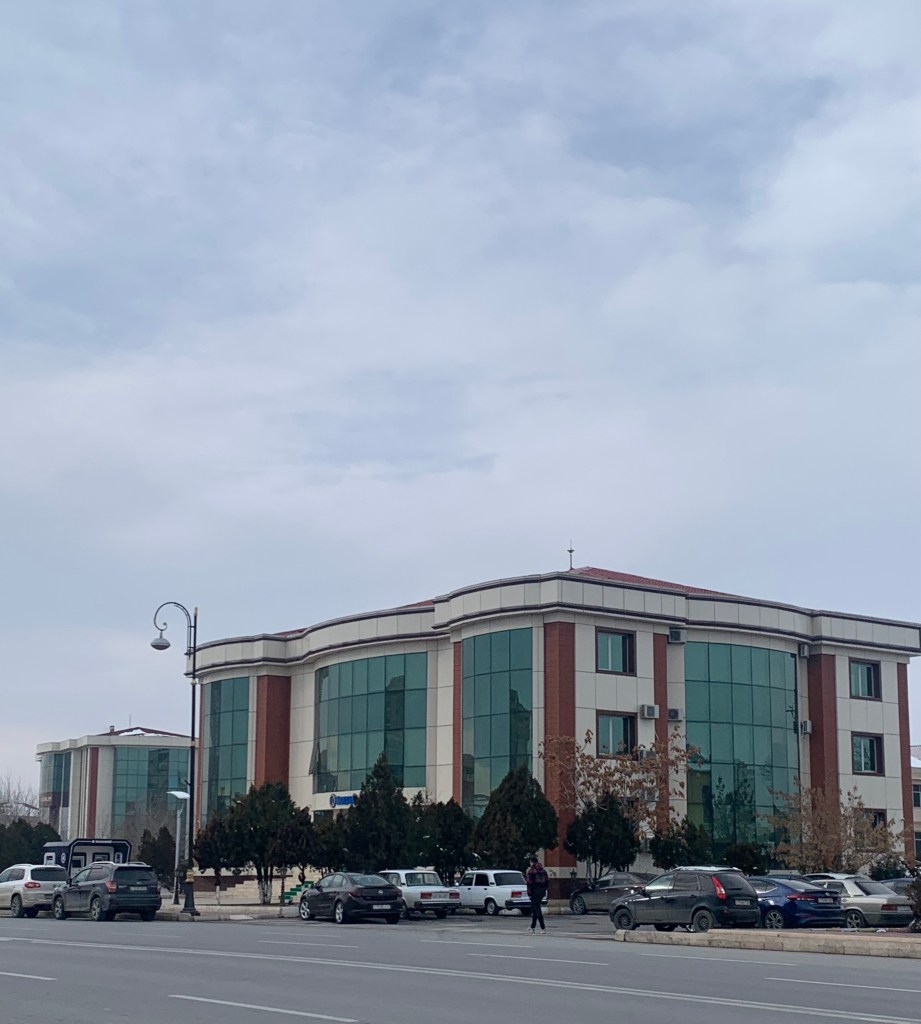
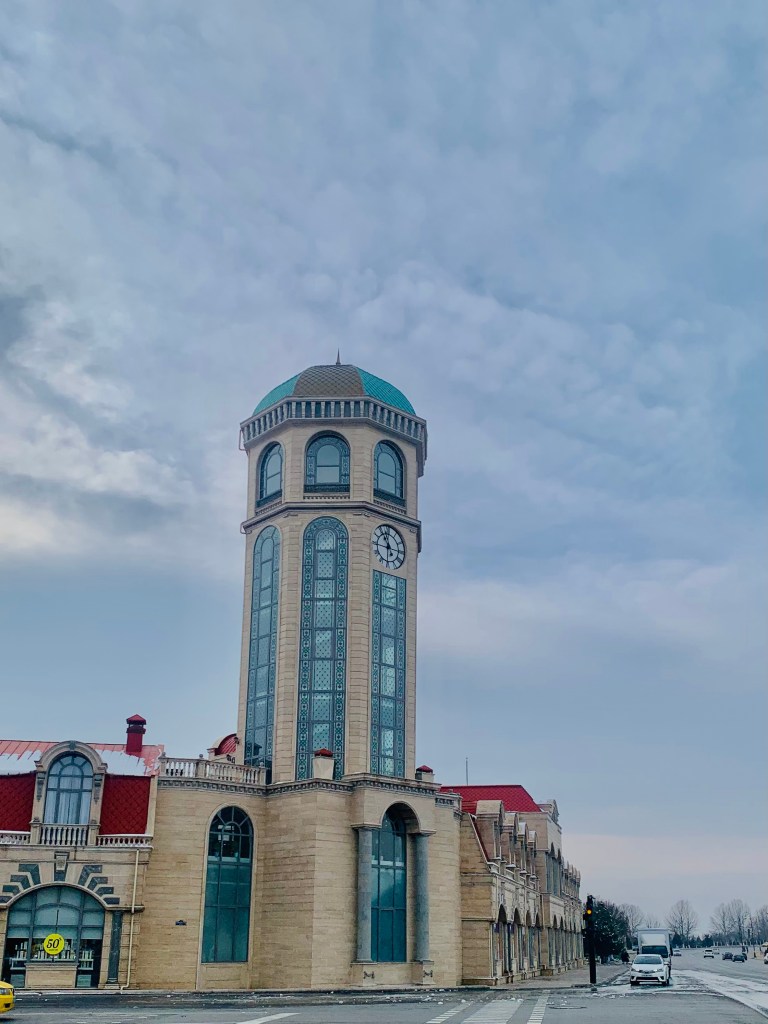
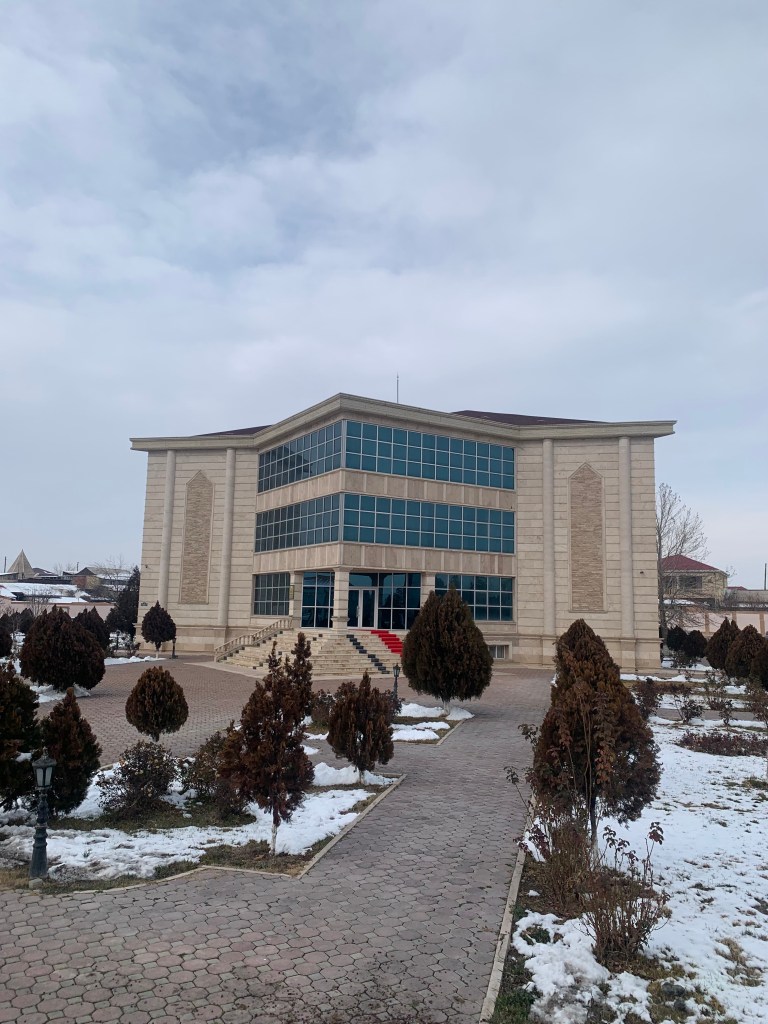
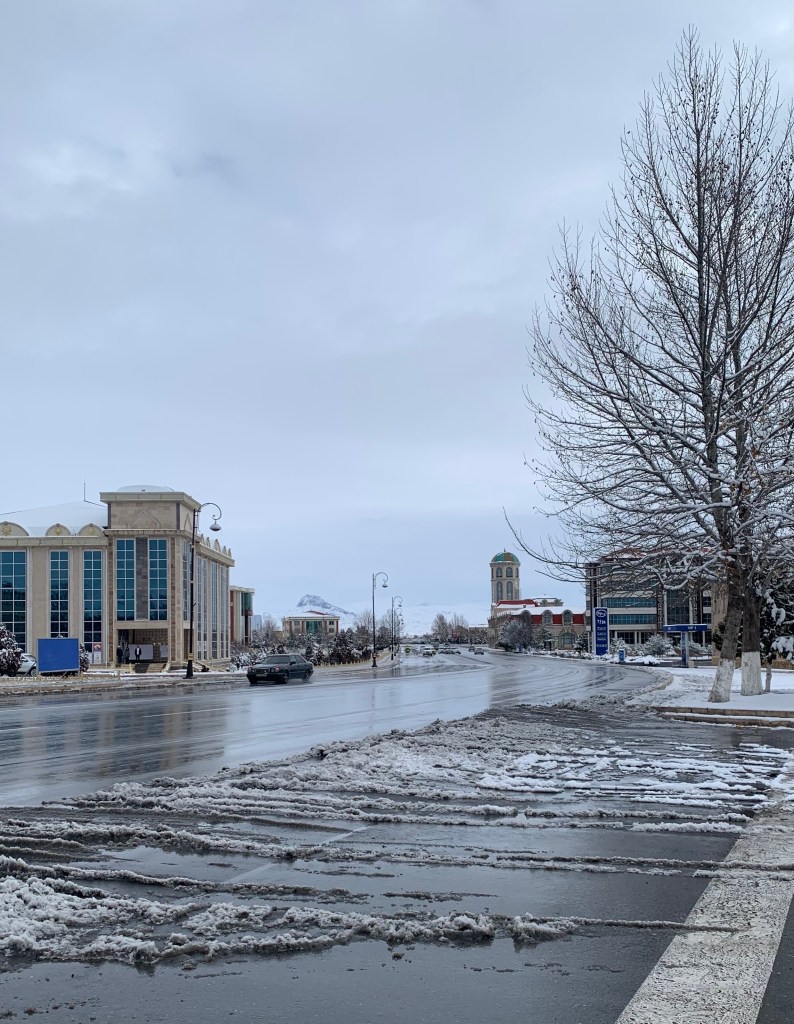
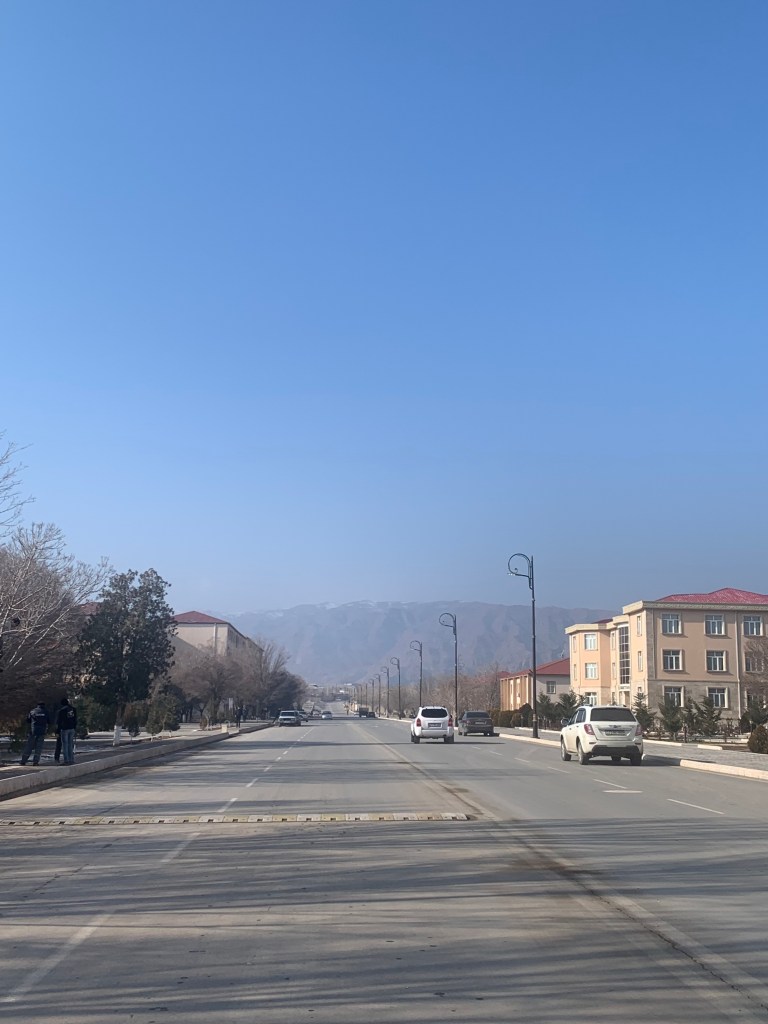
The capital, Nakhichevan, has a slightly surreal feel to it. The roads are wide and clean, the buildings well spaced and new-looking (even the giant Soviet built apartment blocks), the traffic light and, considering this is Central Asia, well behaved. I read that government employees voluntarily (or they might lose their job :)) clean streets and plant trees in their spare time… a hangover from the Soviet era “sobbotniki” system.
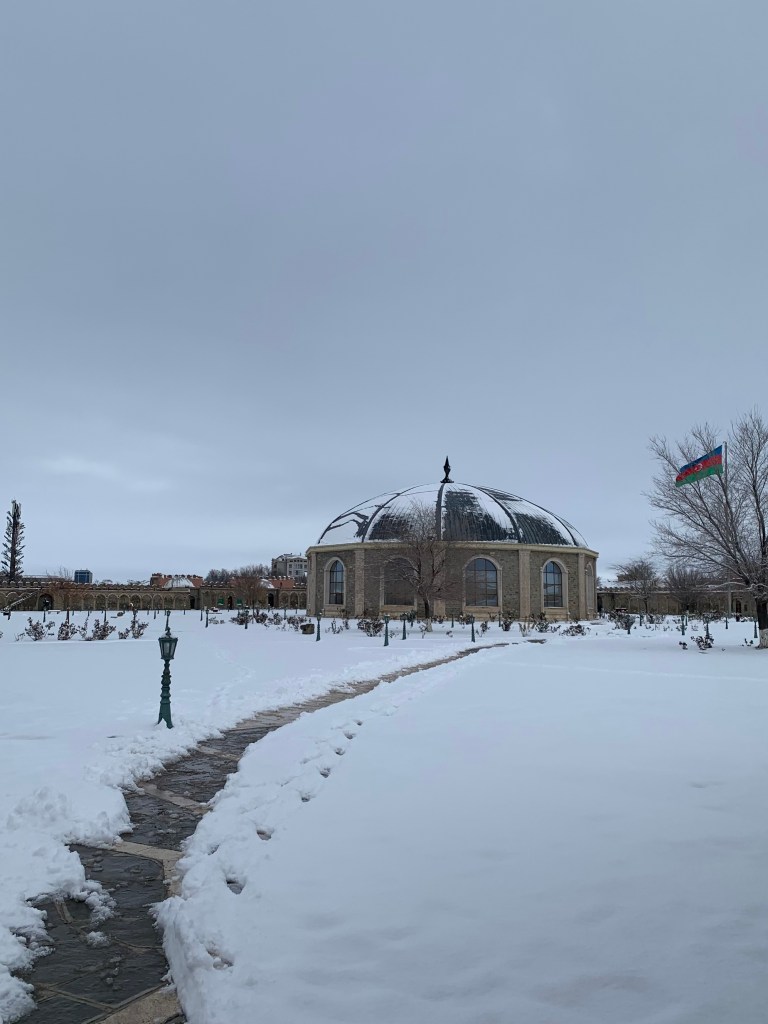
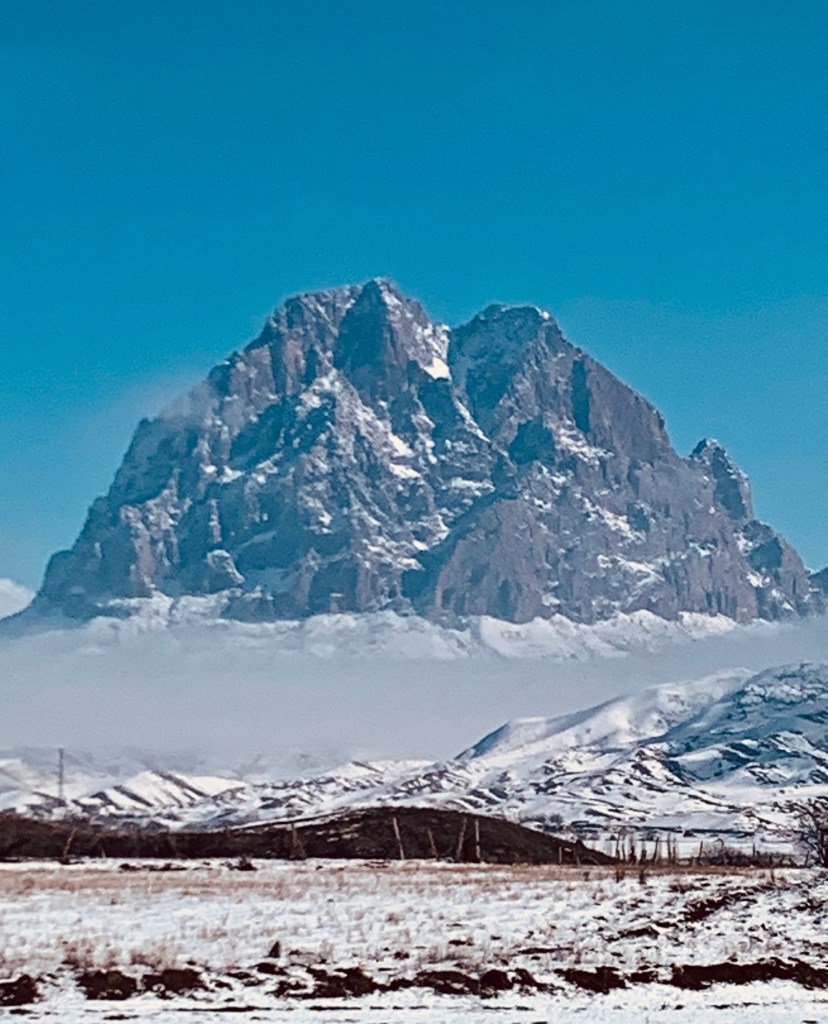
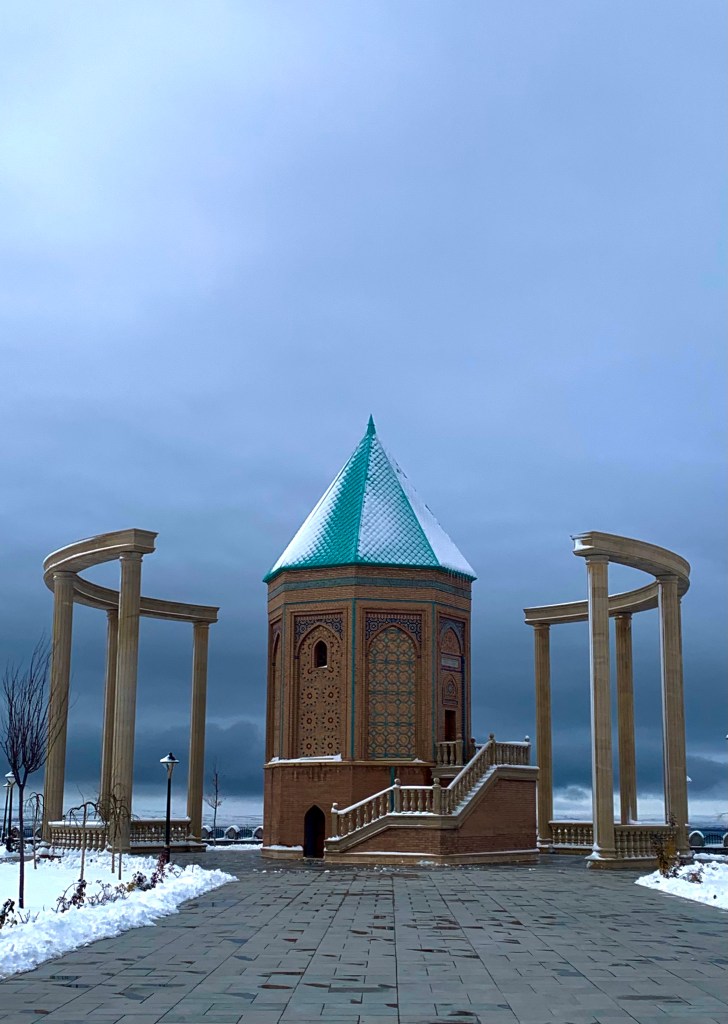
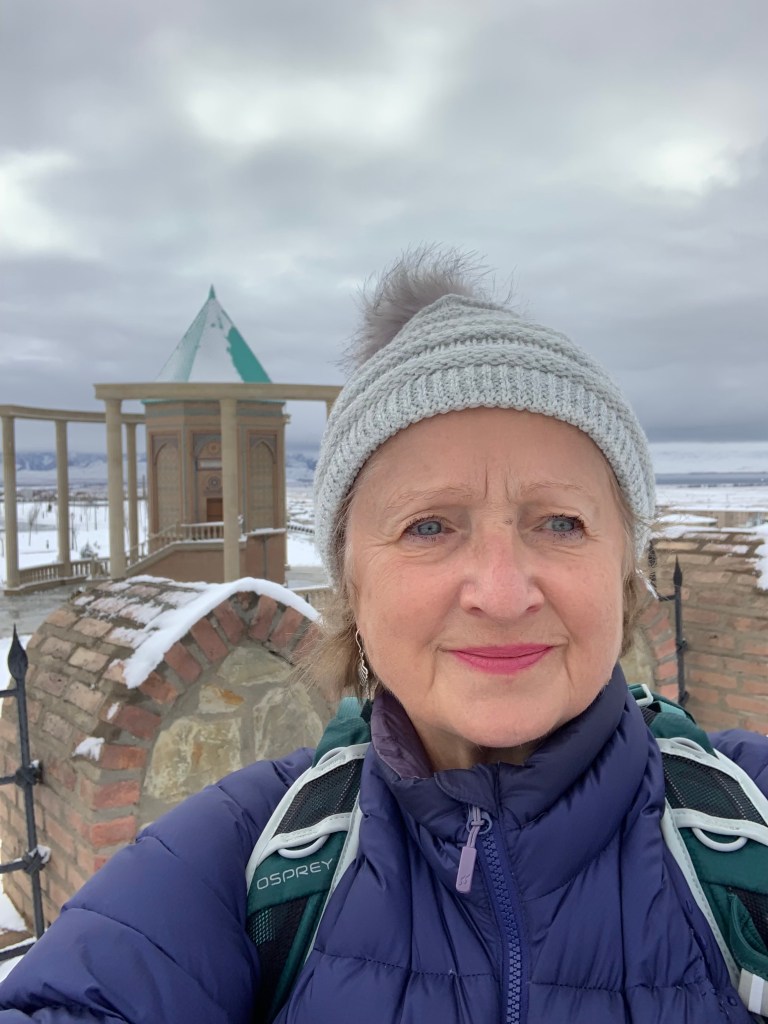
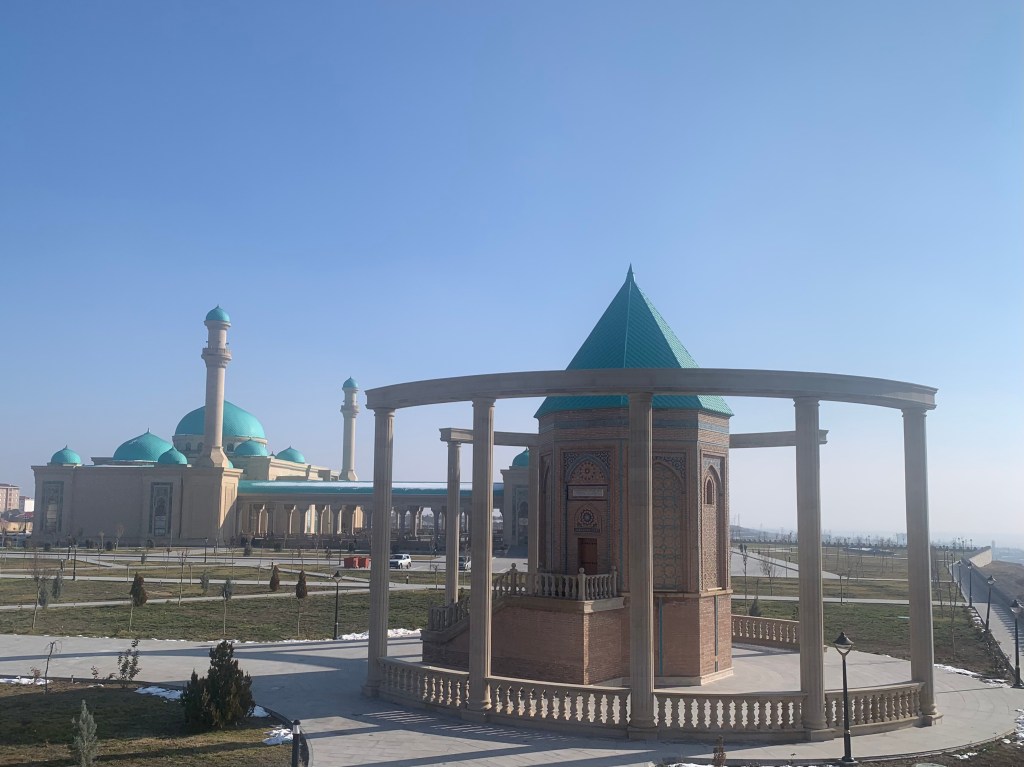
Nakhichevan claims to be the spot where Noah (of the Ark) lived out his days, having rammed his Ark on the Ilan Dag (Snake Mountain), and caused the top of it to cleave (“he made wine, and lived for another 369 years”). The tomb, said to be originally from VI ct BC, has had several iterations and the current version is a very recent construction. On a clear day you might be able to see Mt Ararat, poignantly, behind it to the north (some 180Km away).
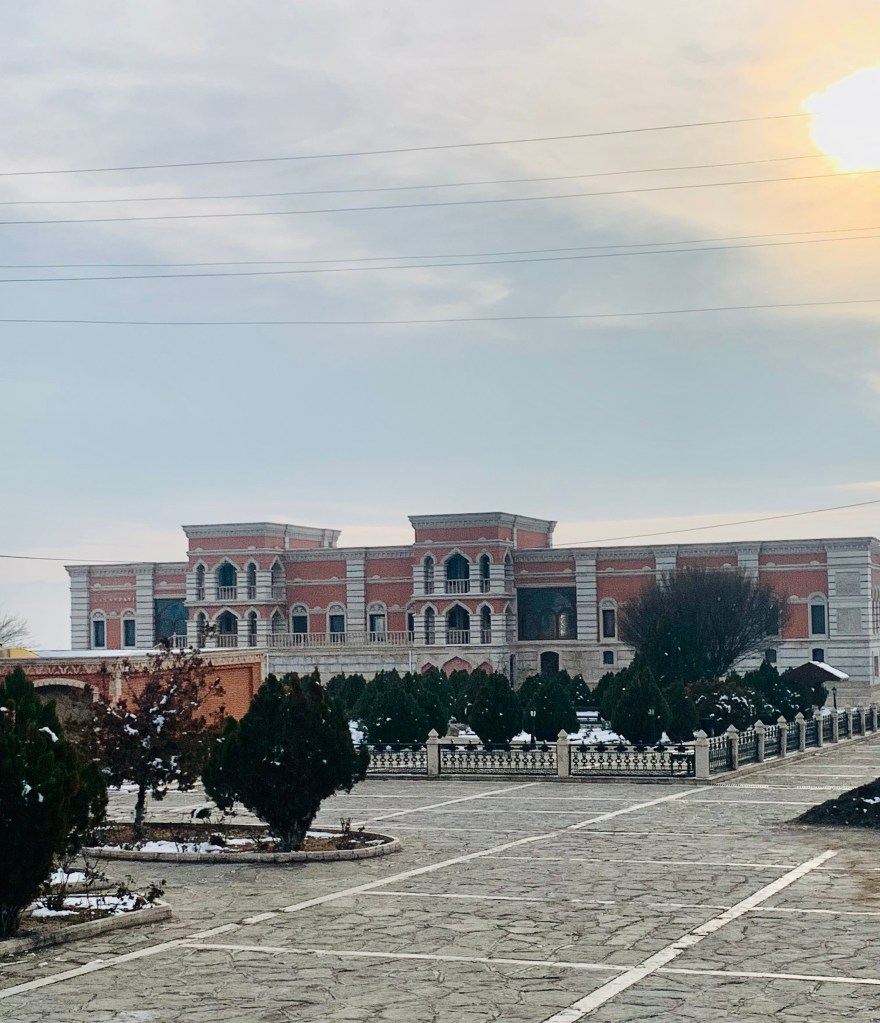
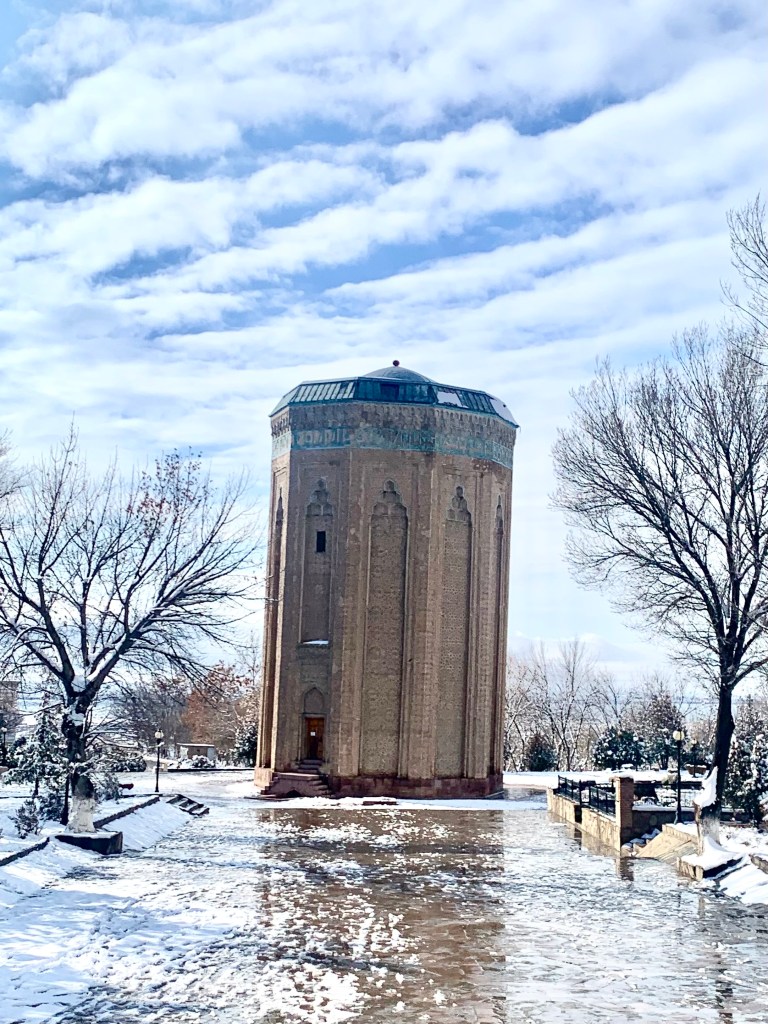
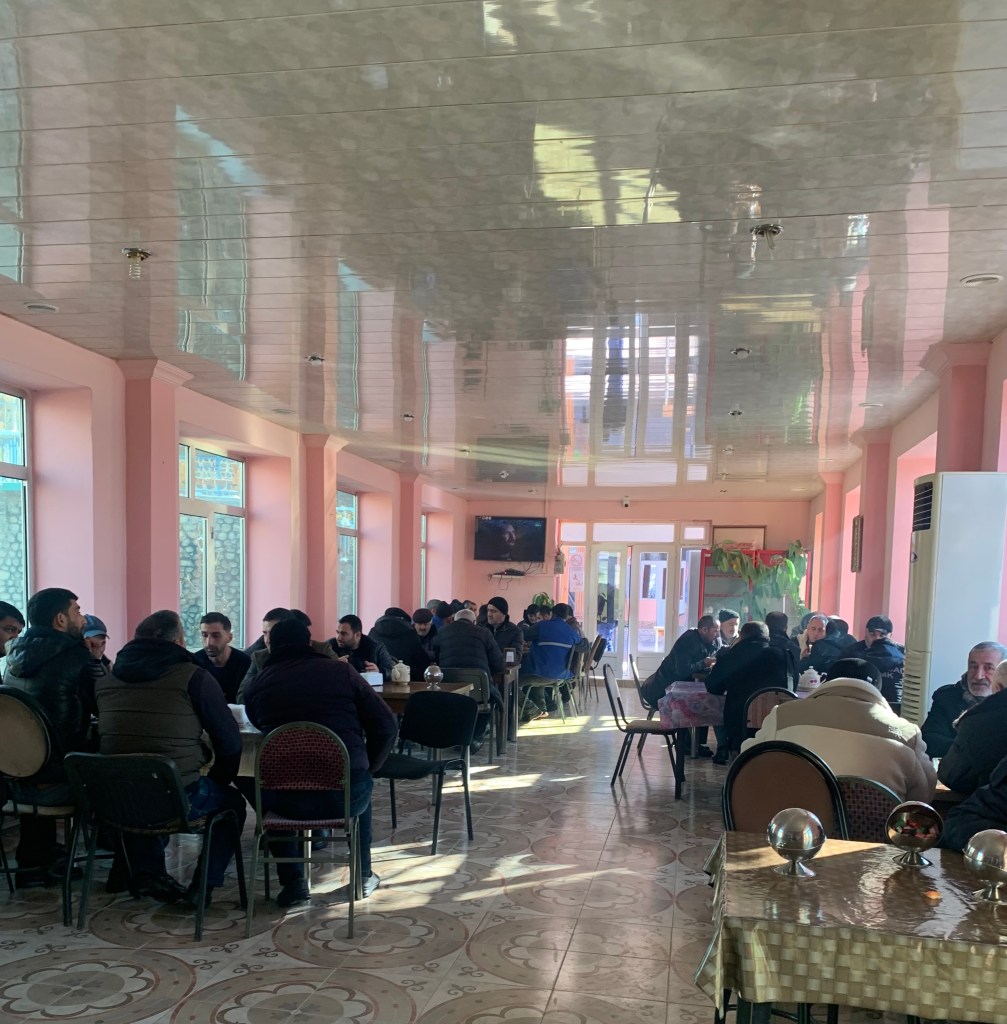
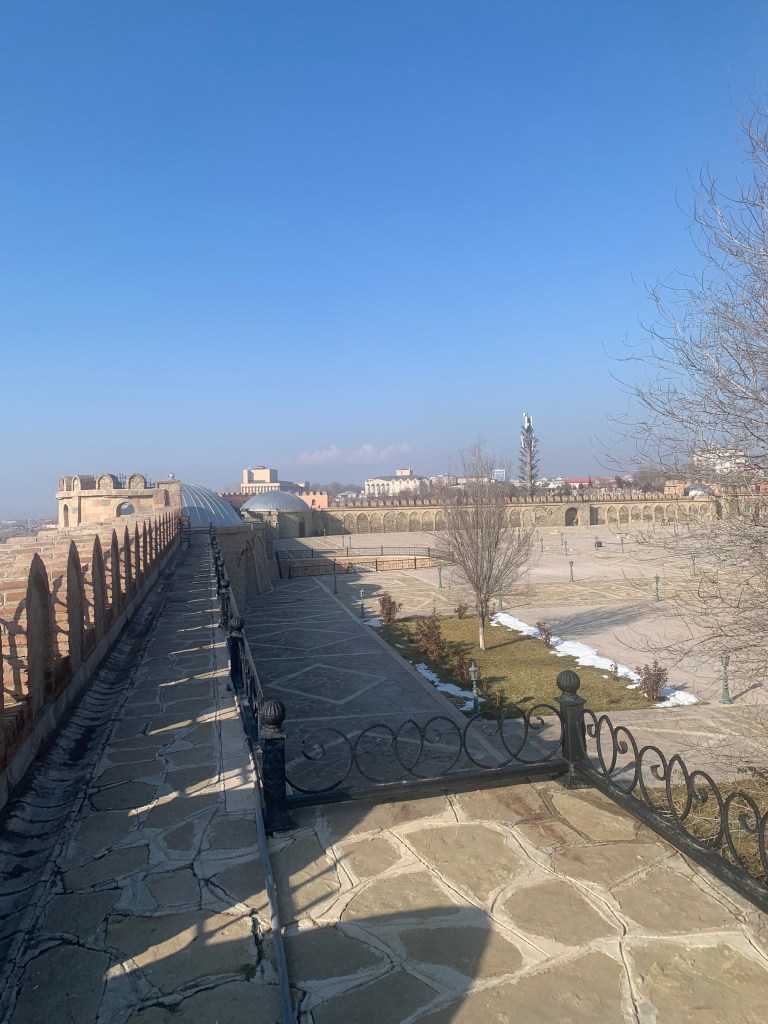
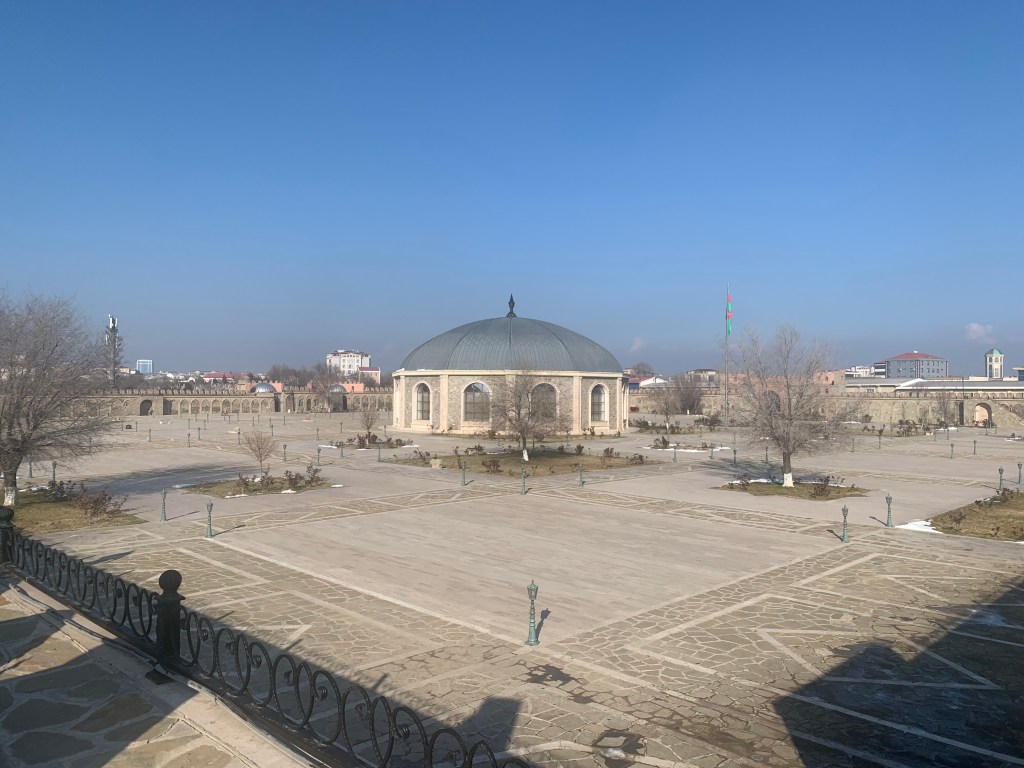
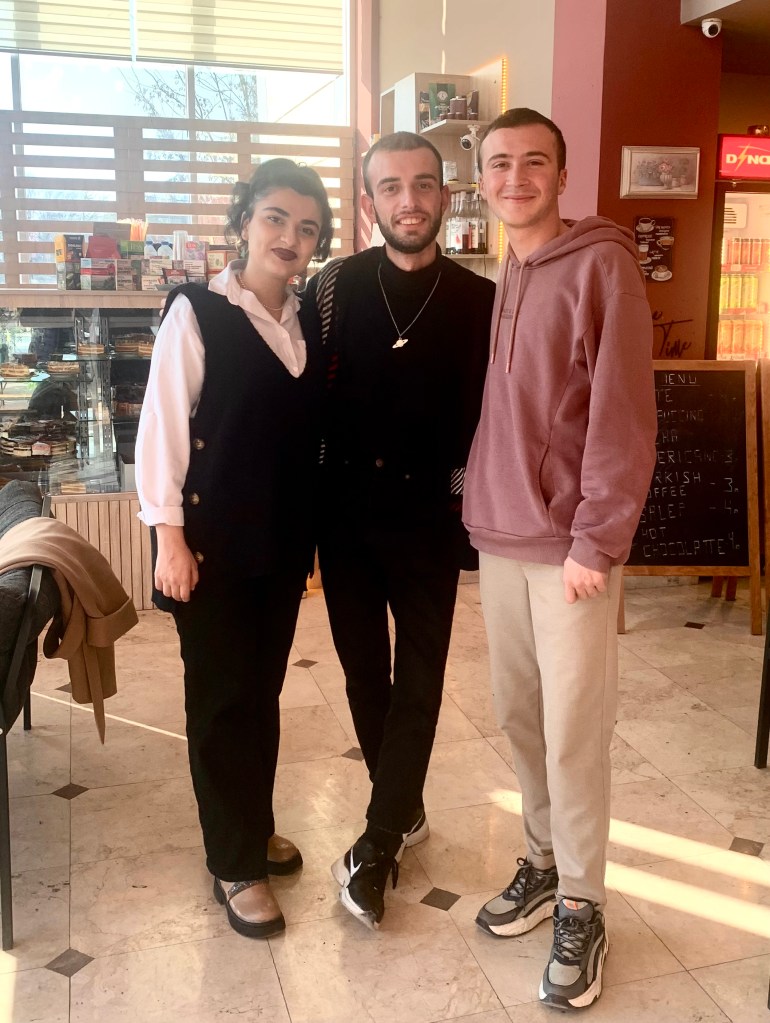
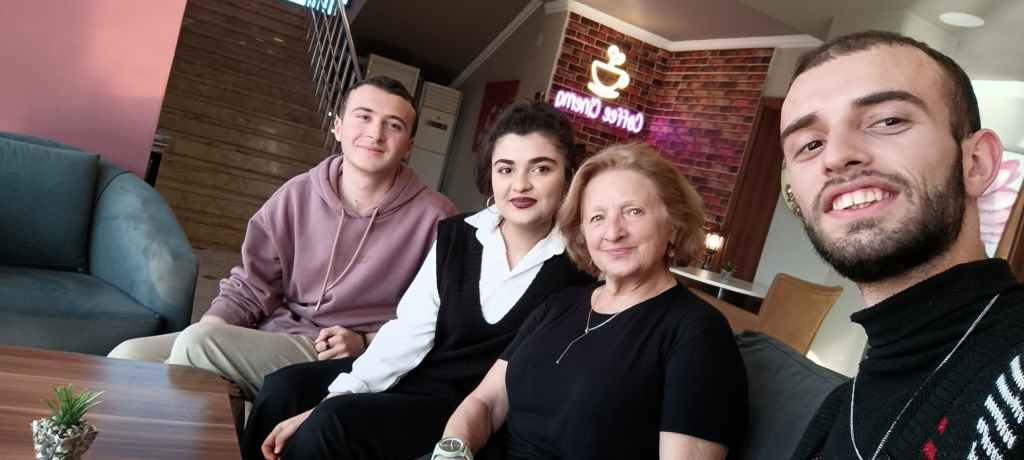
Another mausoleum is the 12 ct Momine Khatun, built for the mother of one of the Nakhichevan Khans (the palace, heavily restored and soulless, is behind it). The basement tomb has been removed by the Russians, which has caused the structure above to start leaning gently. I went there with two very nice young people, Gulu and Ulvi, who I had met in a cafe across the road. They were keen to speak English and Ulvi, a 19 year old chemistry student, especially wants to use it to get away from Nakhichevan. Gulu taught English at a local school and also spoke wistfully about going abroad.
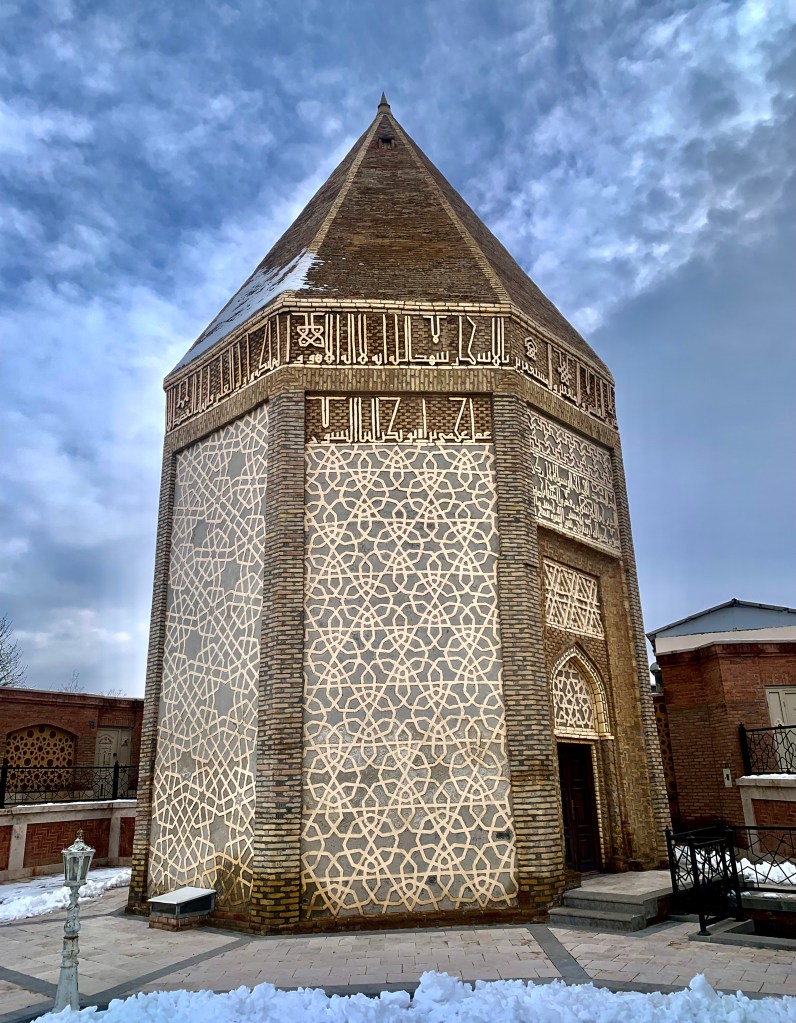
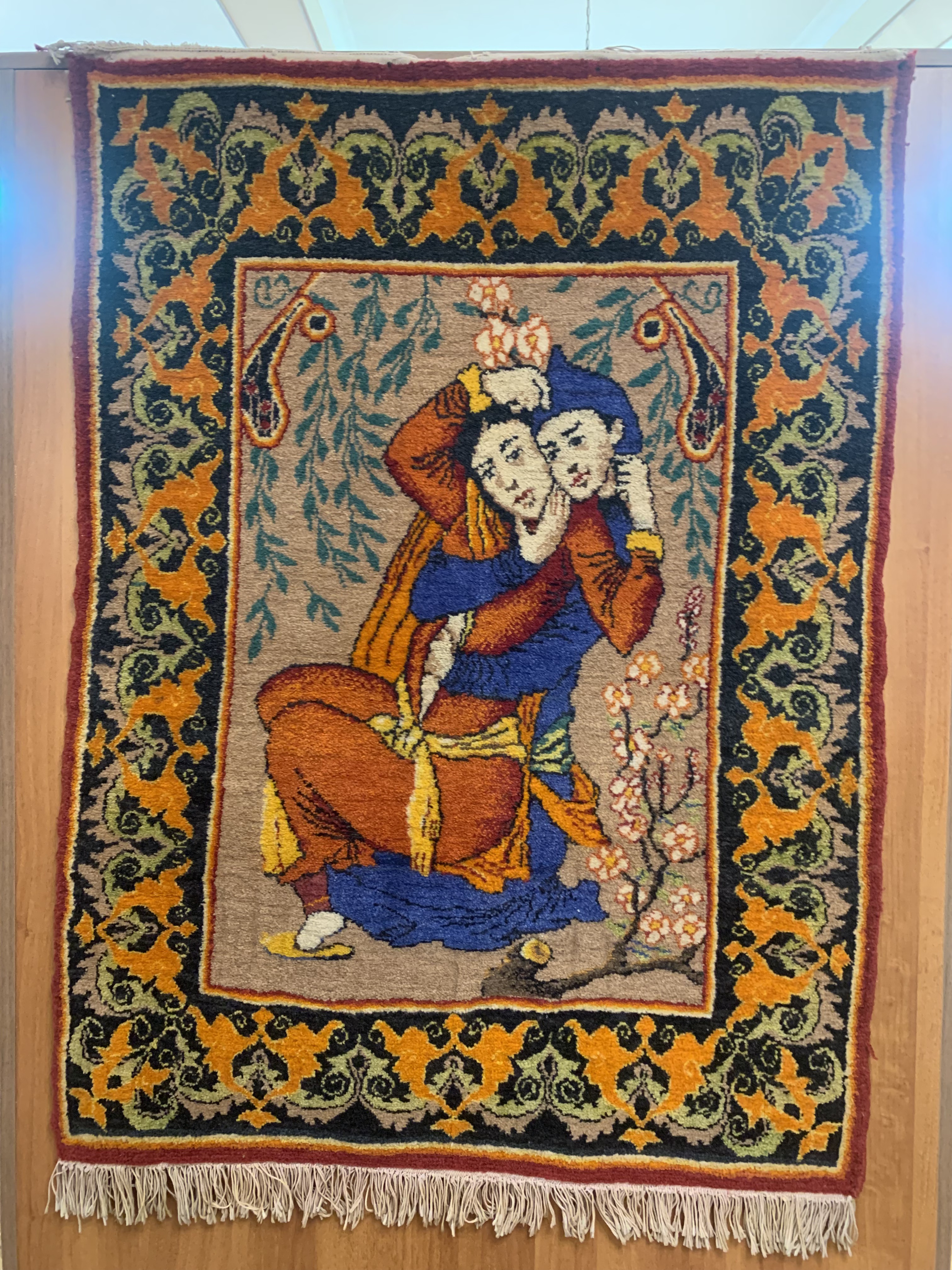
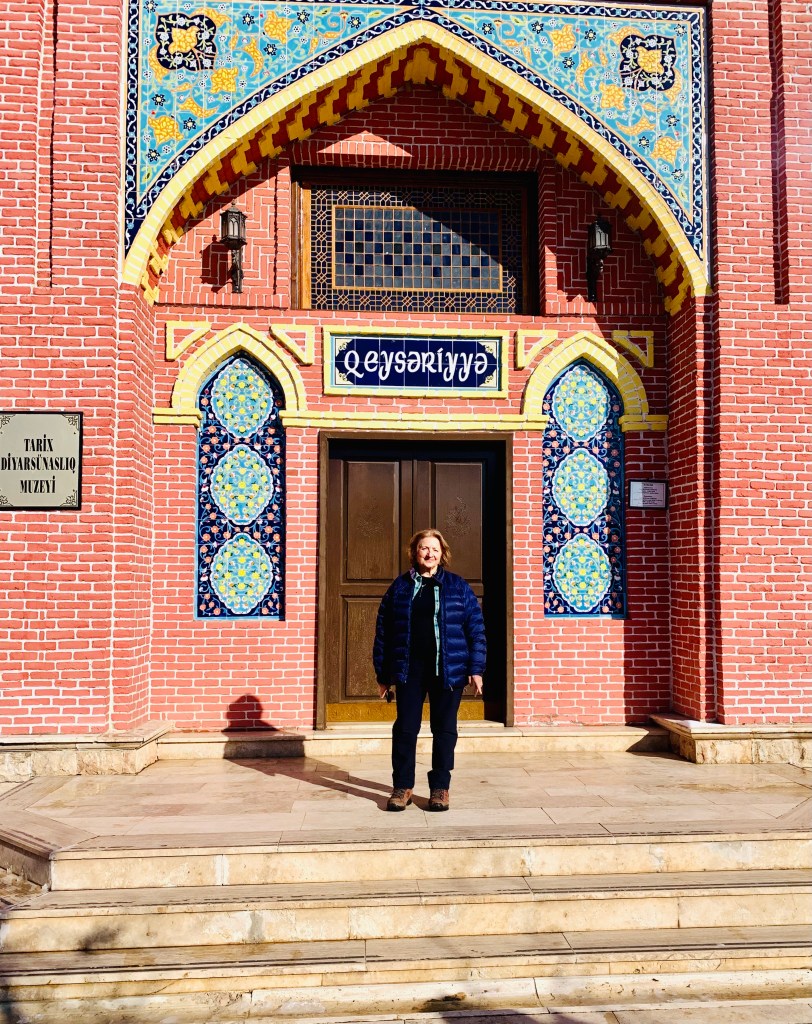
There are a number of (free) museums in Nakhichevan, but the pride of place must go to the Carpet Museum which has a small but comprehensive collection, from felt ones to silk knotted ones – Nakhichevan rugs and carpets are respected for their high quality. The paisley is the symbol of Nakhichevan and can be found on carpets as well as incorporated in the pavements and everywhere else.
The bazar is the usual affair of prettily arranged colourful fruits and vegetables, nuts, herbs, dried fruits, cheese, spices… It puzzles me that with so much available produce the “5*hotel Duzdag” I’m staying in (no slumming it this time! ) never serves fresh fruit – the breakfast is an anaemic affair, sad and unappetising, repeated daily without any variation.
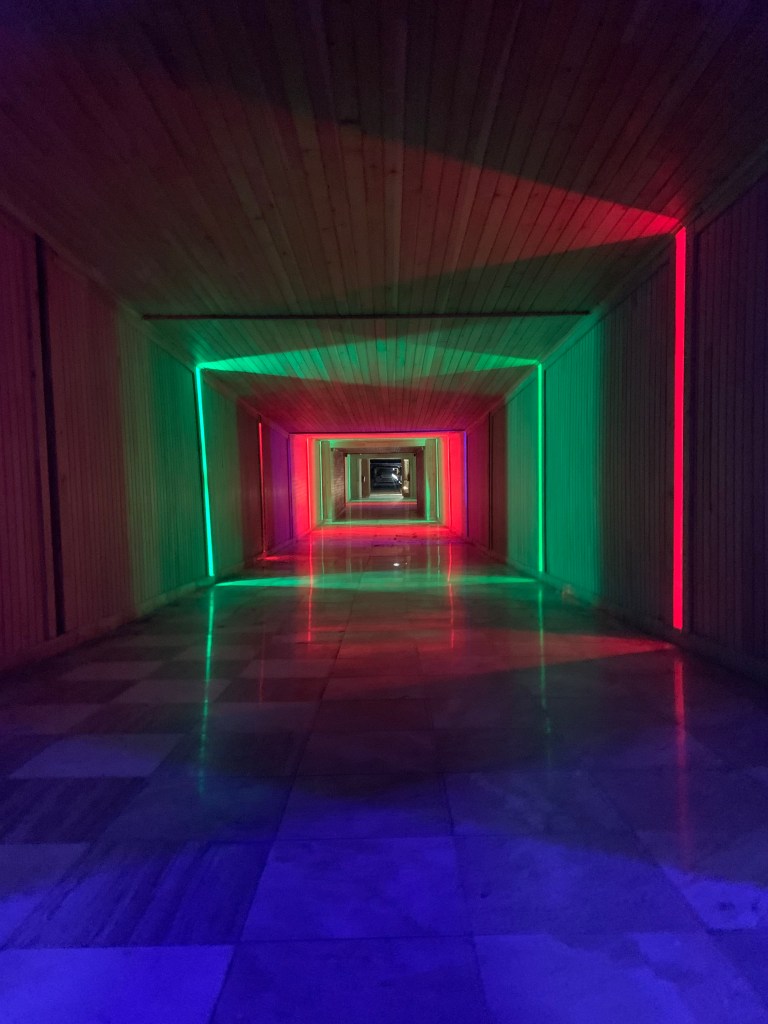
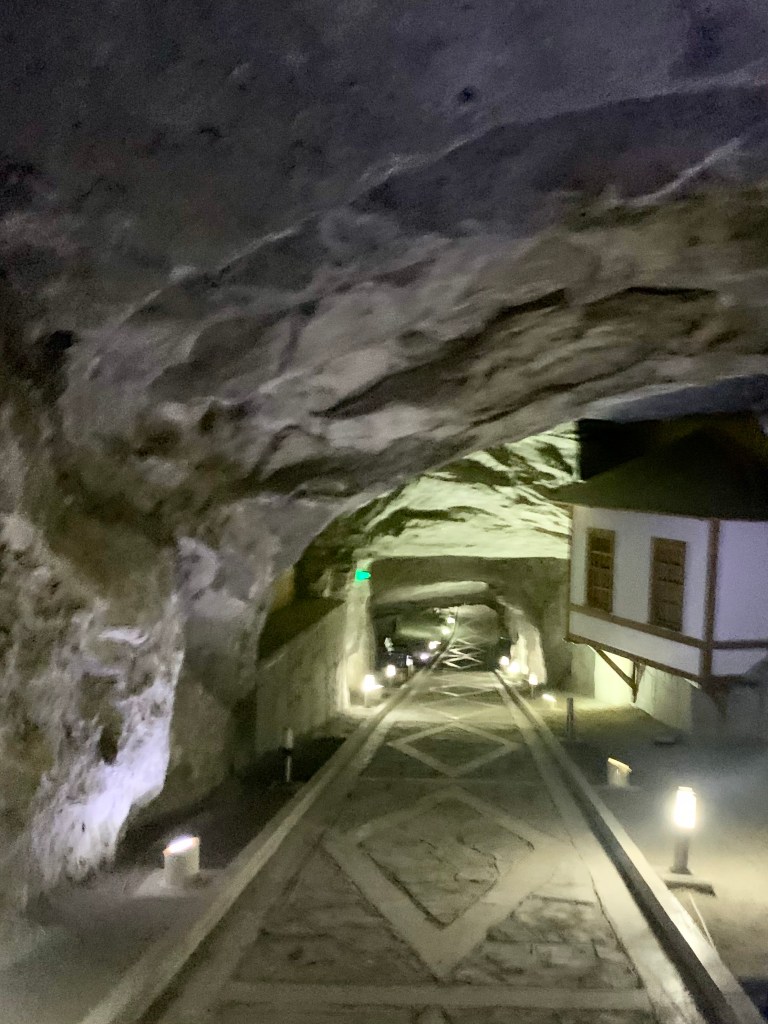
The reason I’m staying in Duzdag is that it is the base for the Duzdag salt mine Centre for treatment of respiratory problems. (Thought I’d give it a go as have had the post-Covid cough for a while). The Gulag times are long gone, but even then it had been noted that people who spent time in the mine did not have any respiratory or skin issues. The rock salt mine has now been repurposed as a curative resort: there are dormitory style bedrooms with no ceilings or doors, paravane type walls and salt floors – allowing salt and mineral laden air to circulate around. The temperature is a steady 18 degrees C and there’s a difficult-to-describe smell, an aroma: something like a combination of pressed dry figs, straw, wet bird wing, sour plums… Never thought of salt having a scent.
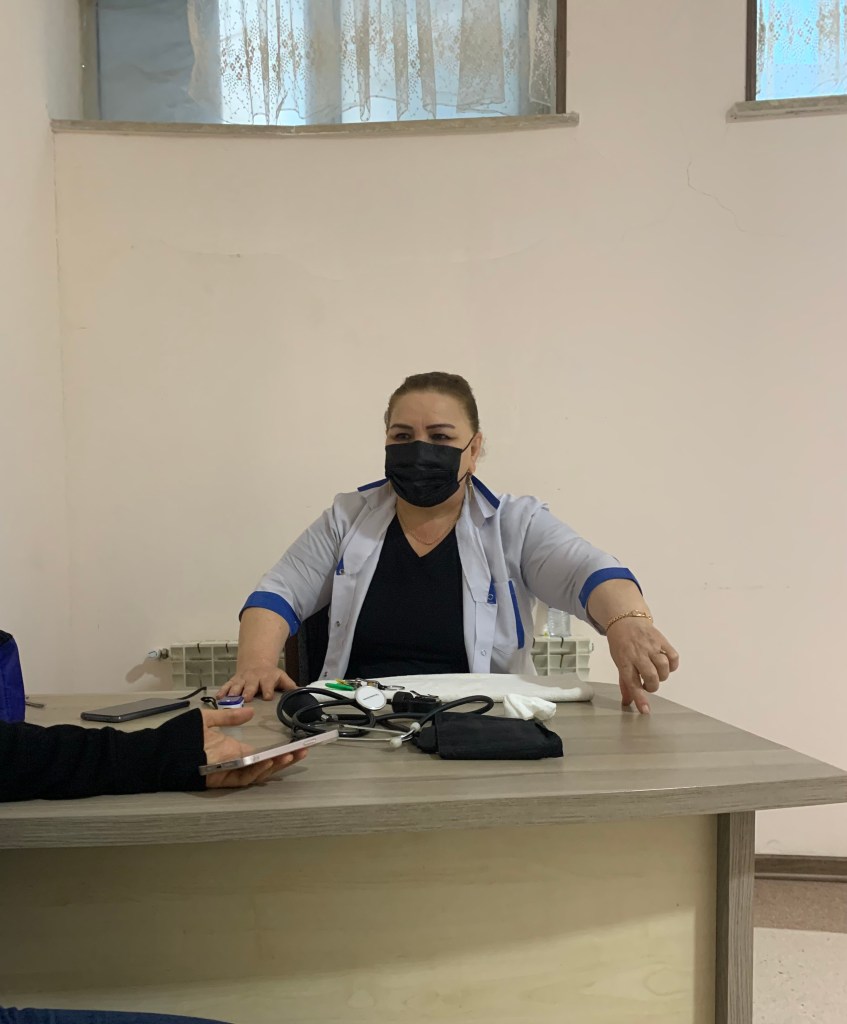
One can either spend the night there, or go for an afternoon shift of c 4 hours. The professional medical advice is included in the price of the room. (I saw Tibb, a nurse, first, and she so reminded me of the women guards on each floor of the student dormitory in Kiyv in the 1970s, except for the fact that they were silent, moustachioed ones, and Tibb liked to chat – Azerbaijani only!). The doc, Amil, is an allergy specialist. (Winter is the least popular time to come here – fewer than 10 people staying in the hotel when I arrived – right now I am the only guest!) In the high season there are a number of medical staff – and stays in the mine are in 3 shifts.
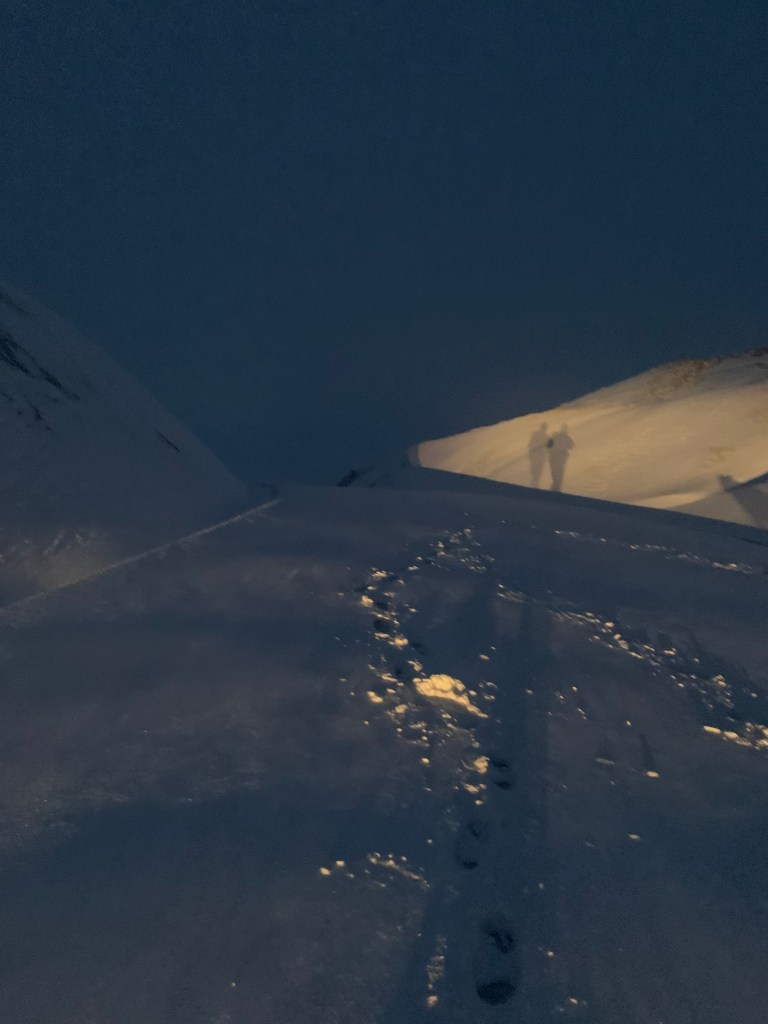
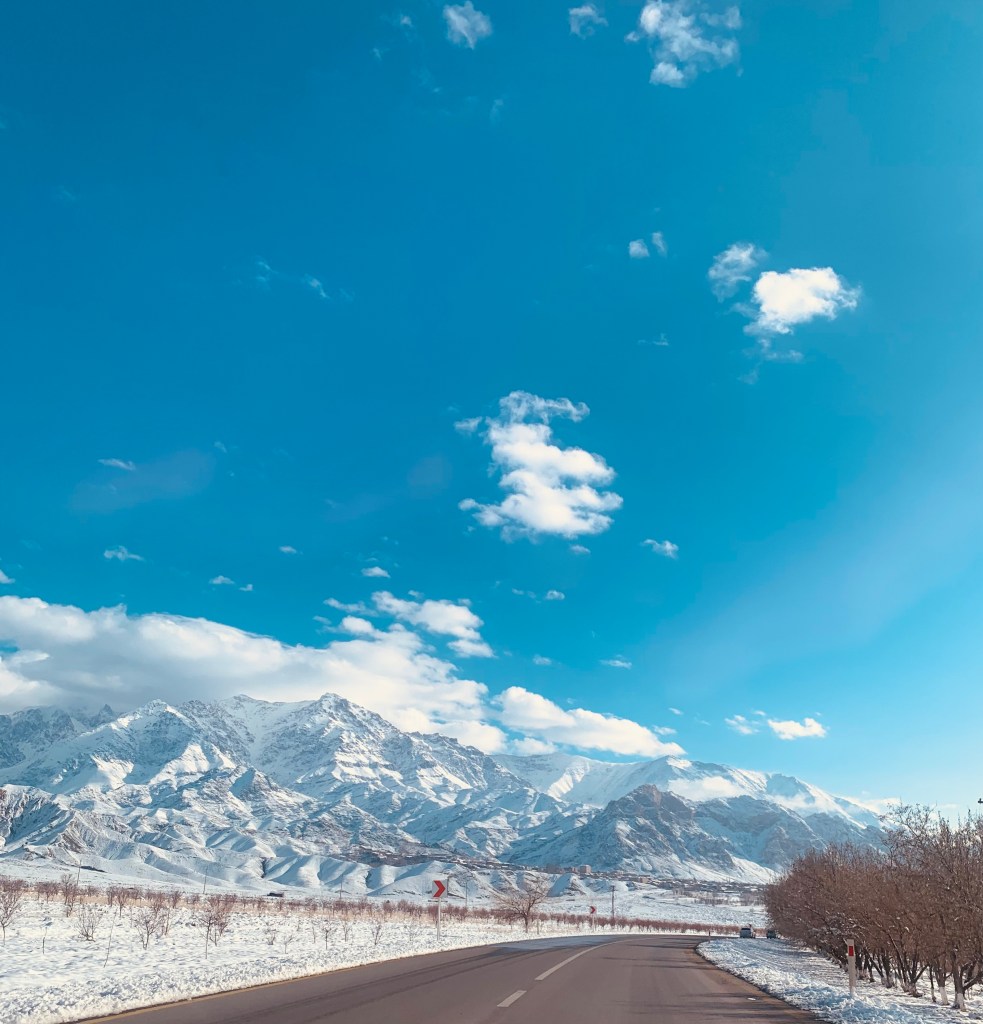
It snowed a couple of days ago – about 10cm came down overnight (“it doesn’t snow here”, said a taxi driver, and no-one has winter tyres). The minibus couldn’t make it to the mine for a 0730 pick up, so we had to walk the 2km to the hotel – wet and uncomfortable. (I had been told off for walking to the mine on my own the first evening – the result of a misunderstanding – as there are “wolves and wild dogs”. Must say, it did not feel very jolly at the time – there is no street lighting and there was no moon – thank goodness for phone torches.)

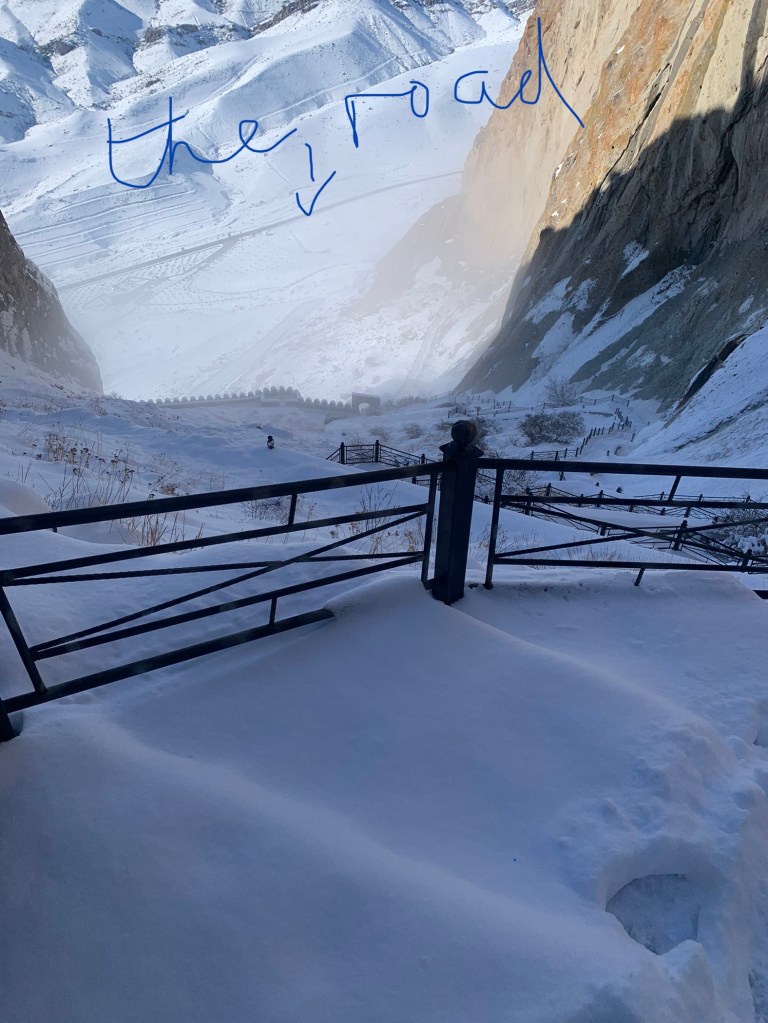
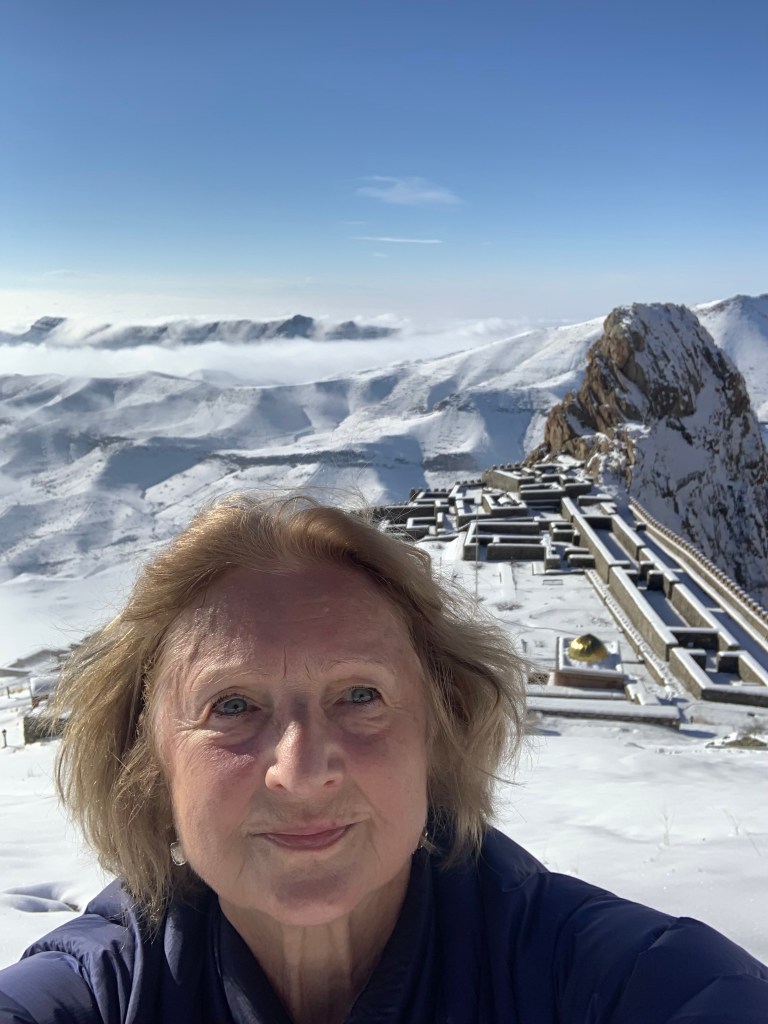
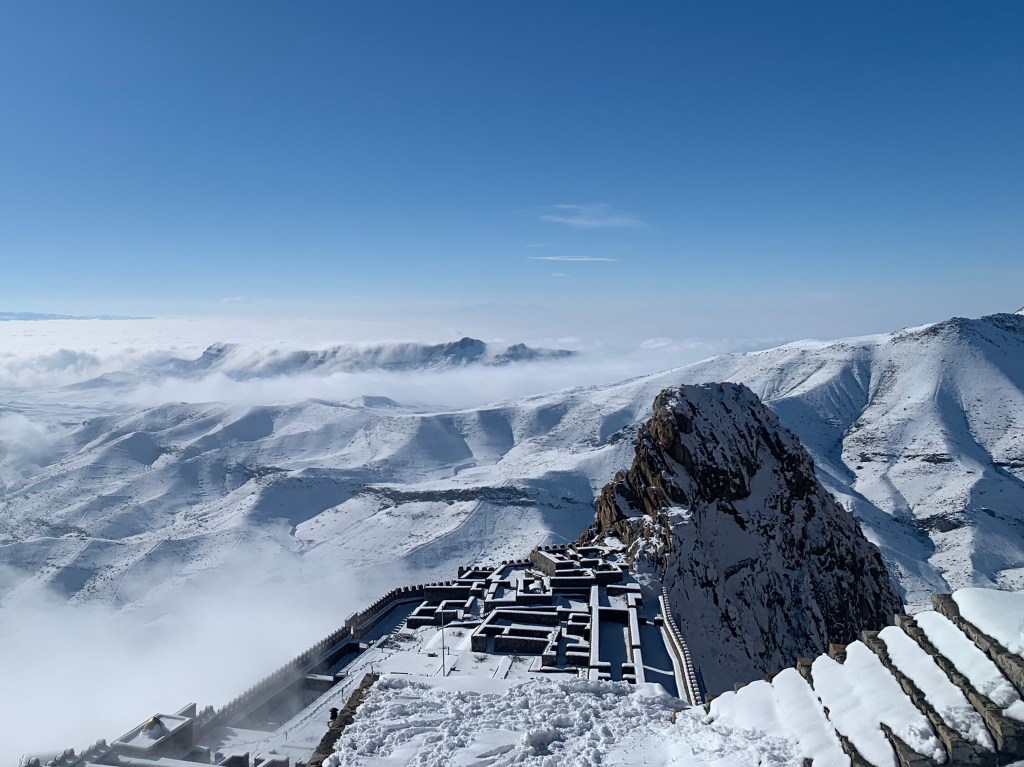
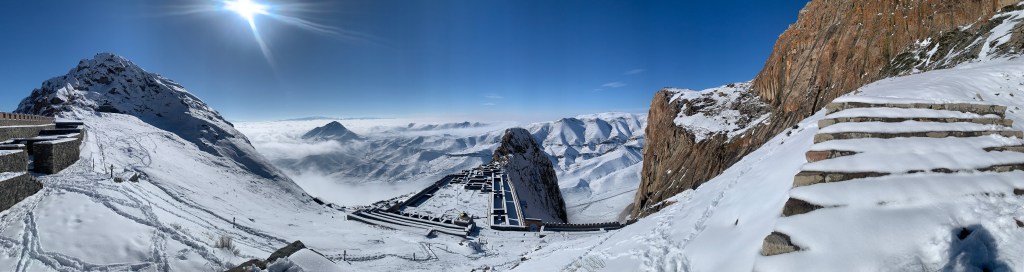
The snow has lingered, and it made my trip to Alinja Castle, Xanagah Yolu, a lot more of a challenge than it would have been otherwise. There are almost 2000 steps to it, and with snow and ice on them, it was a tough, slippery climb. The fortress was in its prime in the 12-14 ct. It withstood a 14 year siege at one point. It has been renovated sympathetically to give an idea of what it had looked like. The views are worth the climb: of the mountains around, the valleys below and the eagles above (the pair was too fast for me to photograph). Others have seen mountain goats and even wolves .
The town of Ordubad is “one of the nicest settlements in Nakhichevan”, nestling on the foothills of the mountains, looking like an oasis rising out of the desert. It is, however, a dying town: there is no employment since the demise of the Soviet Union, when there had been KOLHOZes growing fruit and a factory making preserves, and there were mulberry trees and silk making. The young are leaving, seeing no prospects. The men sit in the teahouse near the old cinar tree, smoke and drink tea, putting the world to rights. Women are at home, making sure food is on the table whenever the men come in.
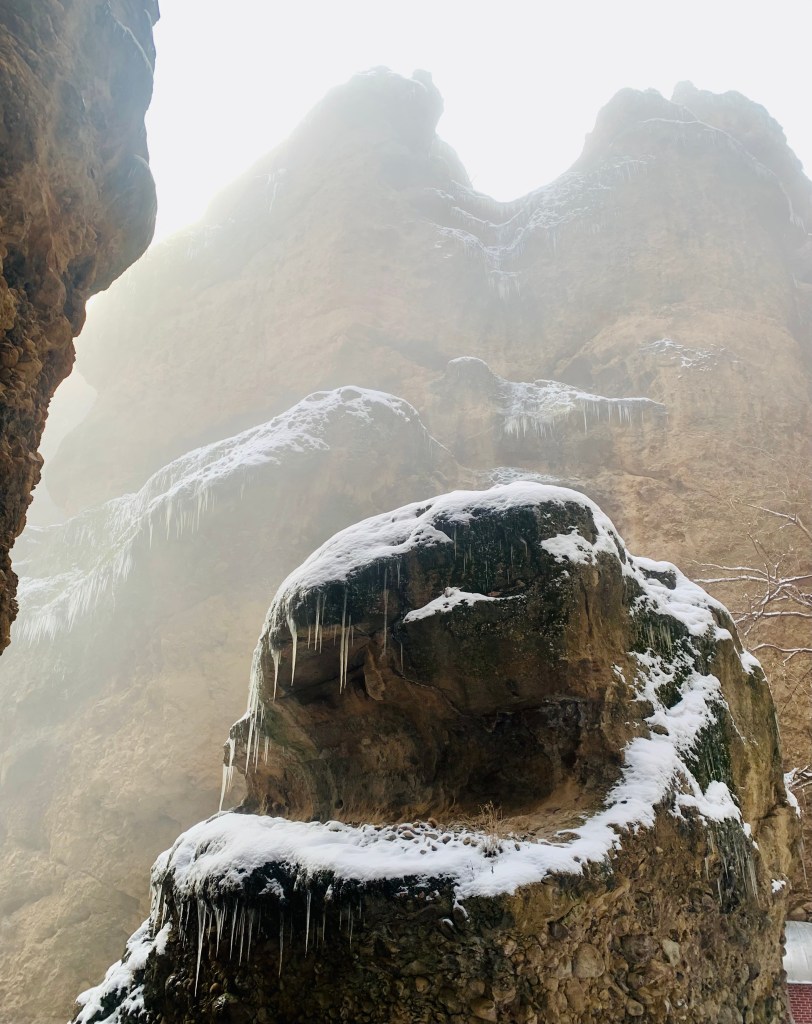
One of the holiest pilgrimage places for Muslims is the Ashanti-Kahf, a series of caves some 10miles from Nakhichevan town. It is said to be a place of a Koranic miracle, where 7 young Muslim believers (men, of course) hid from persecution; god made them fall asleep for 309 (I like the precision) years, then woke them up. They did not like what had become of the world, and prayed to be put to sleep again/forever. God obliged and they blended into the mountain. Somehow, no-one mentioned that the caves were 546 steps up… There is a small mosque and an open air prayer area nearby, but the caves are just that. Though the icicles and mist made for an otherworldly feel.
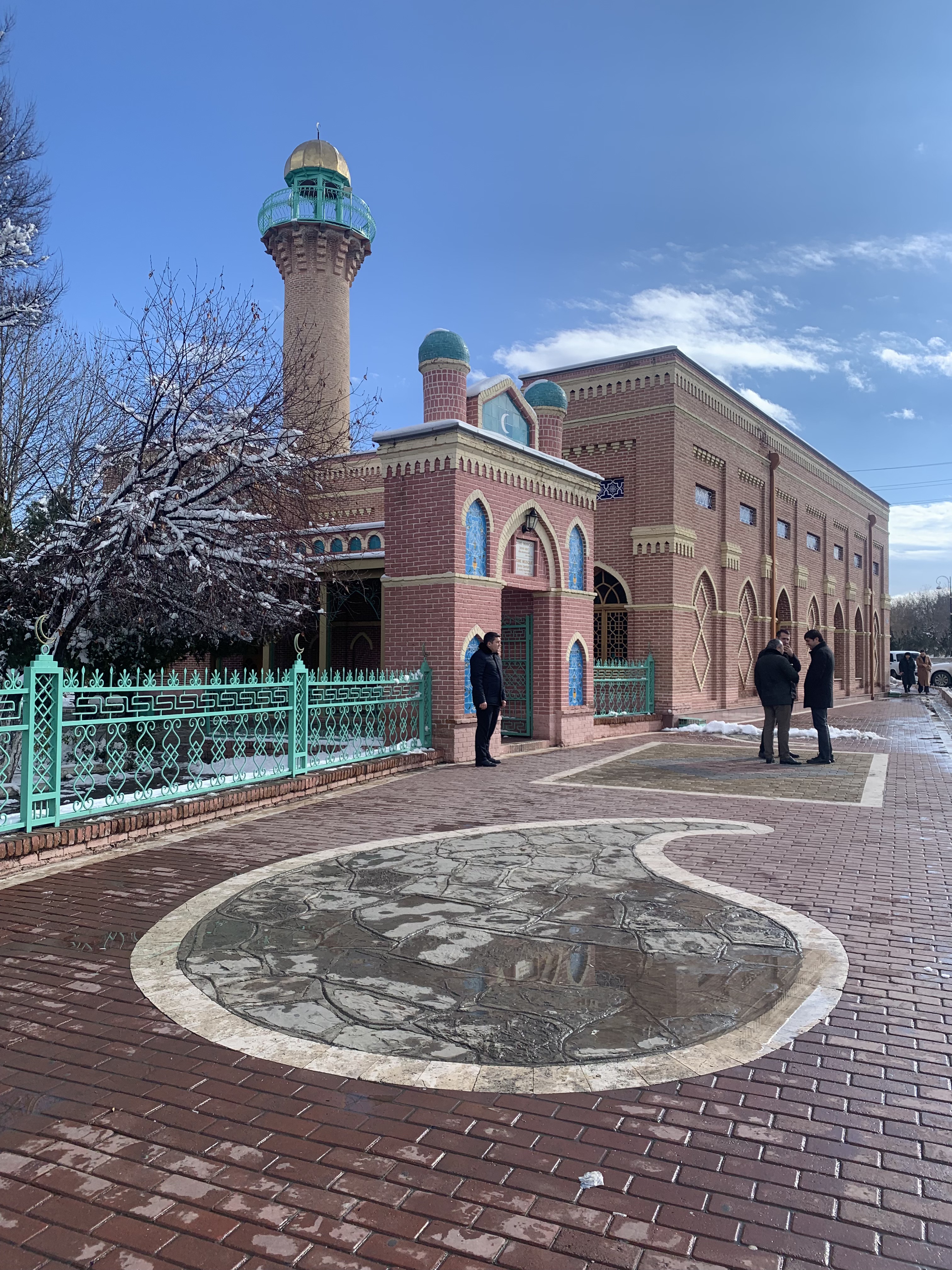
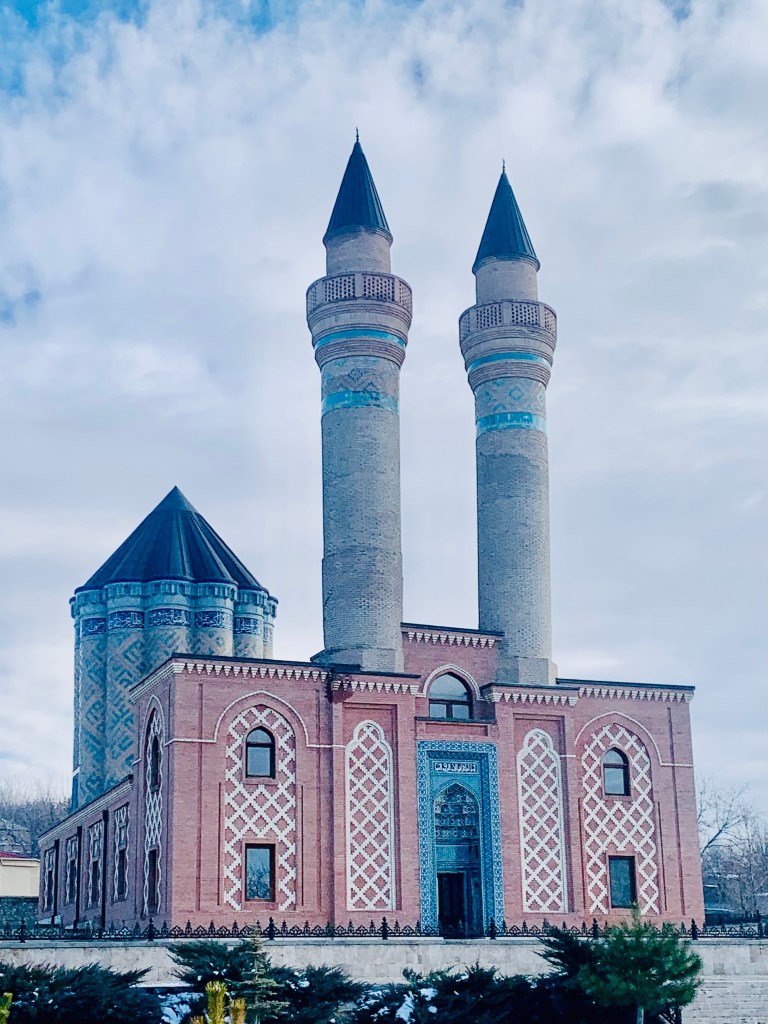
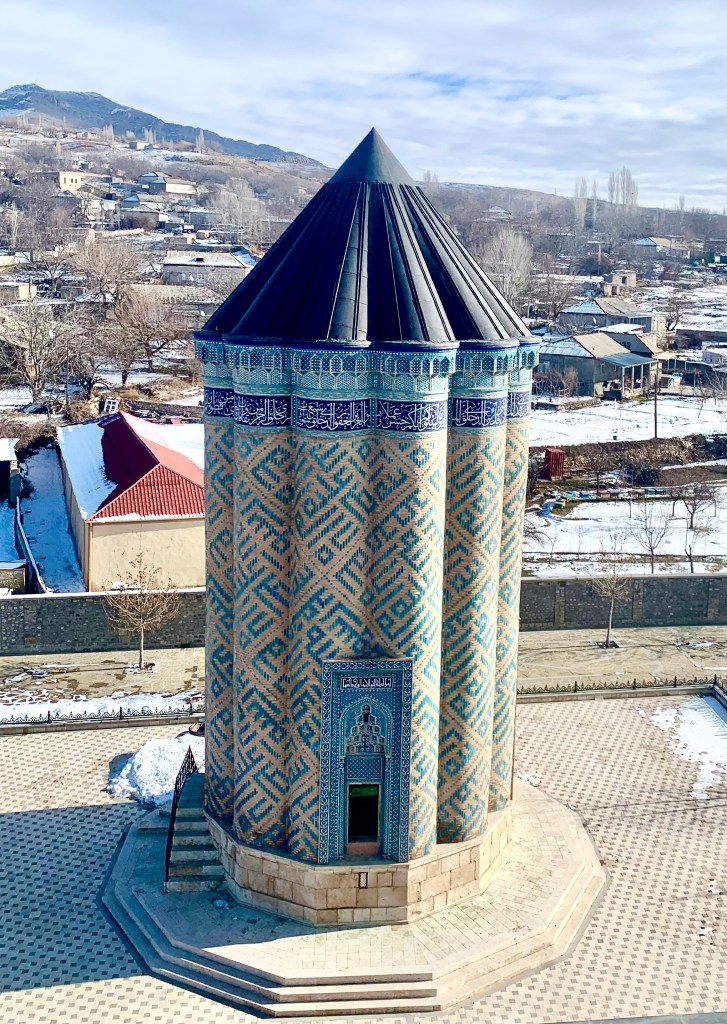
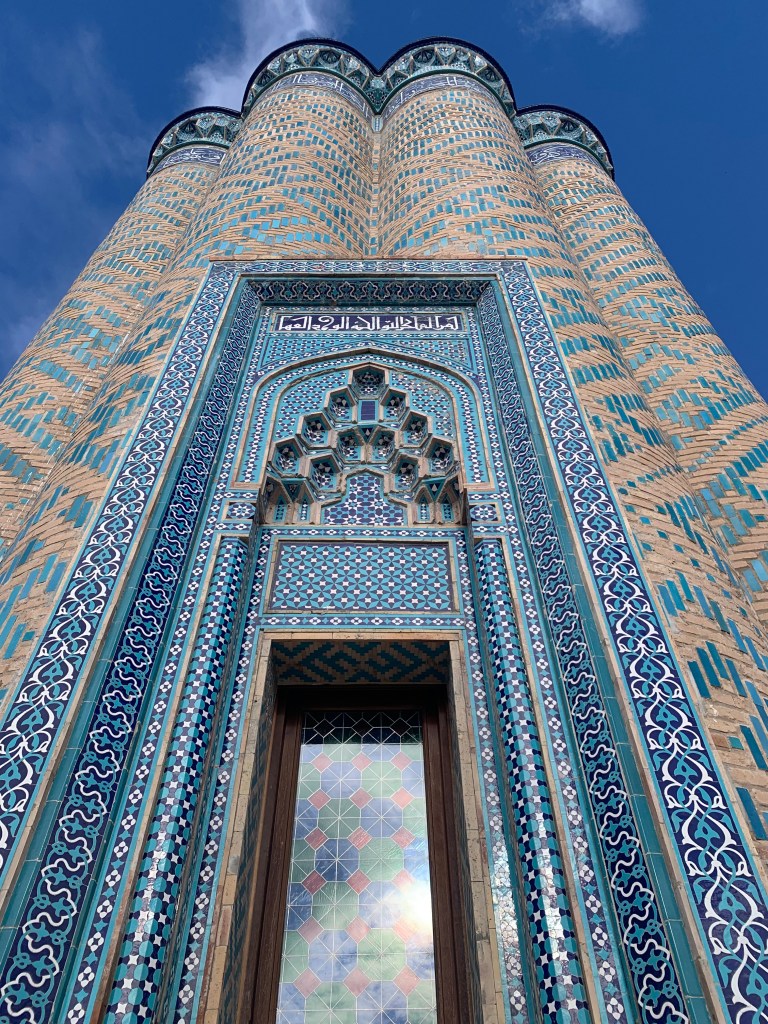
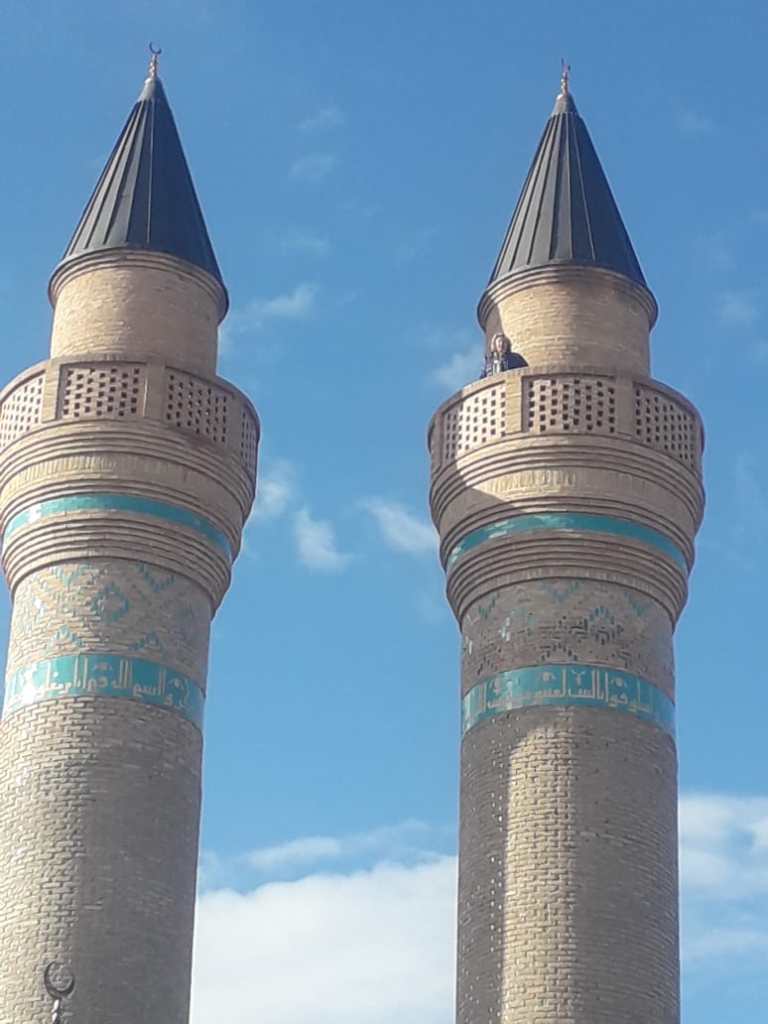
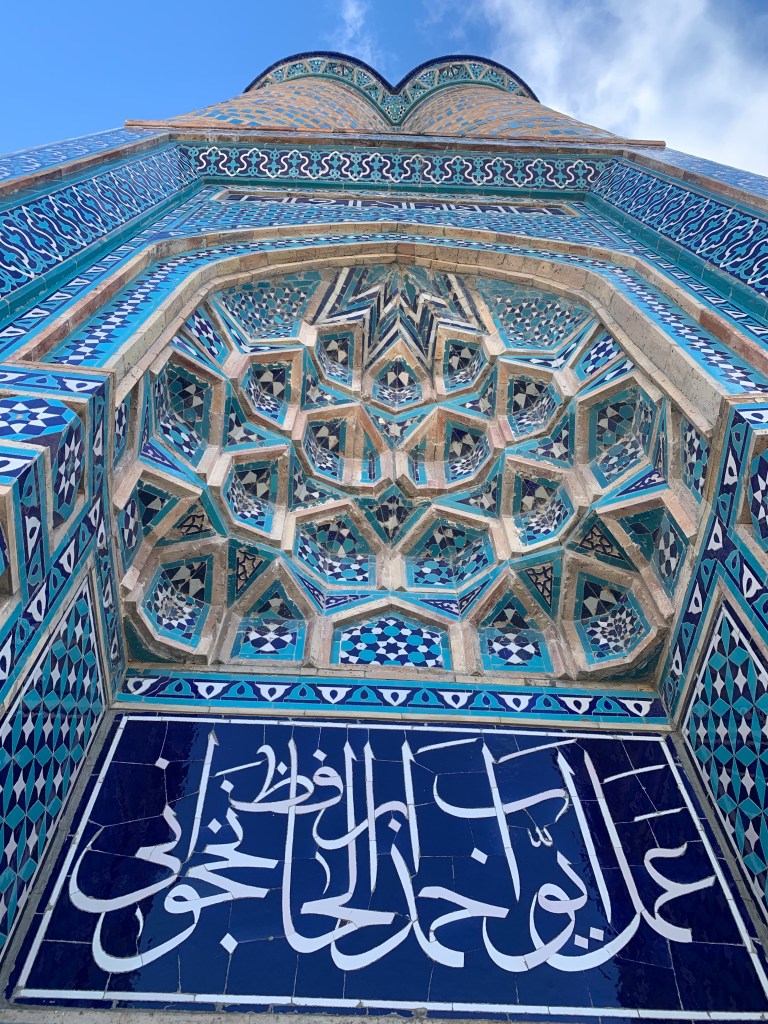
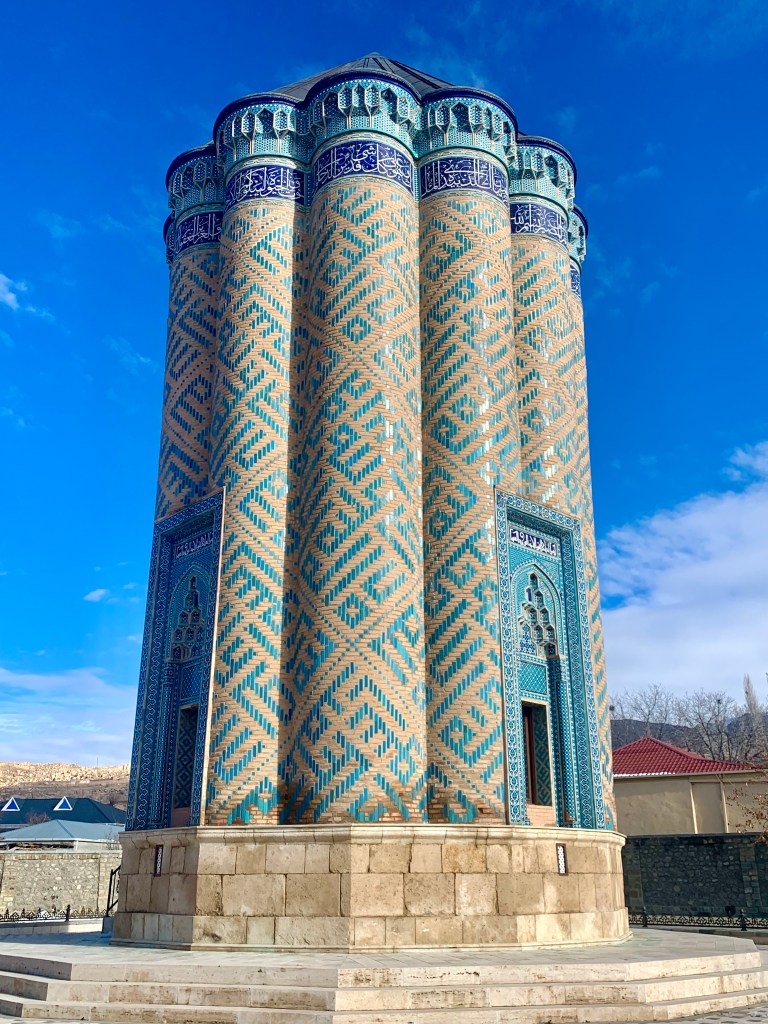
Karabaglar Mausoleum is said to be second in importance only to Momine Khatun one in Nakhichevan. Karabaglar is now a small, quiet village, but it had had major importance in the past – a large population, many mosques and civic buildings. The Mausoleum has been beautifully restored (2016). and the blue tiles gleam in the winter sunshine. Ichin, the museum curator allowed me to climb up the minaret for a view. The narrow circular stairs are a health and safety nightmare but the view is tremendous. He asked to take my photo for the site’s Instagram page – I was the first tourist in 2024 to visit. As with the Momine Khatun, the Russians took away the graves of the three people buried in the shrine. Ichin’s explanation was that the Soviets wanted to remove the Azerbaijanis’ history.
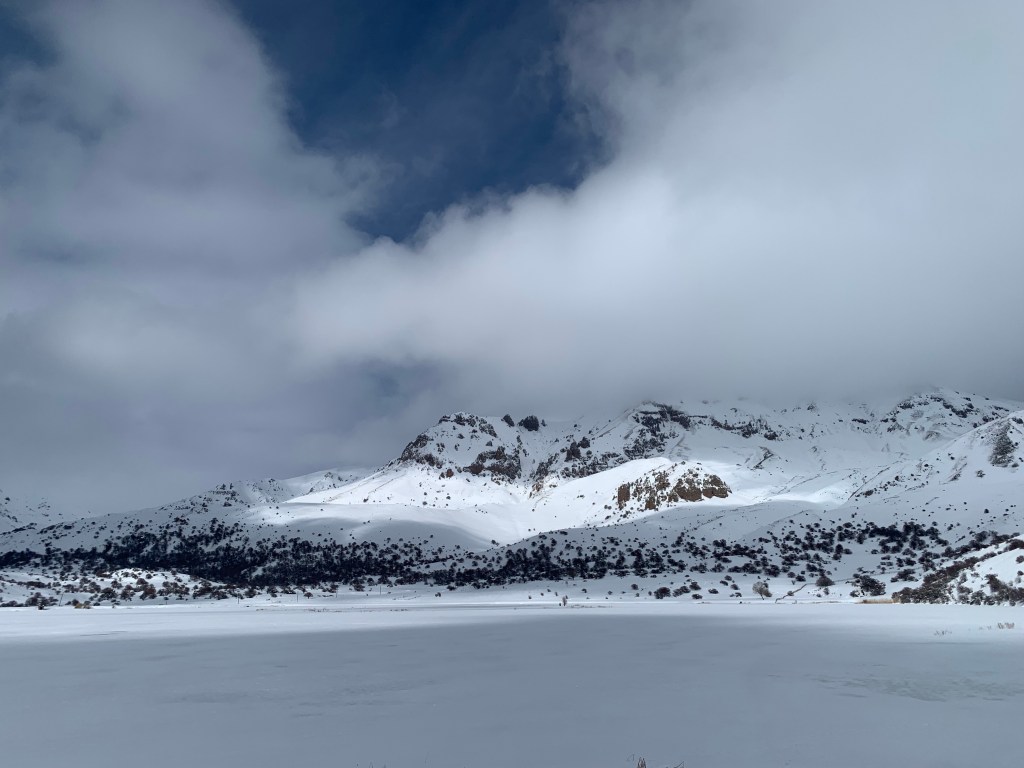
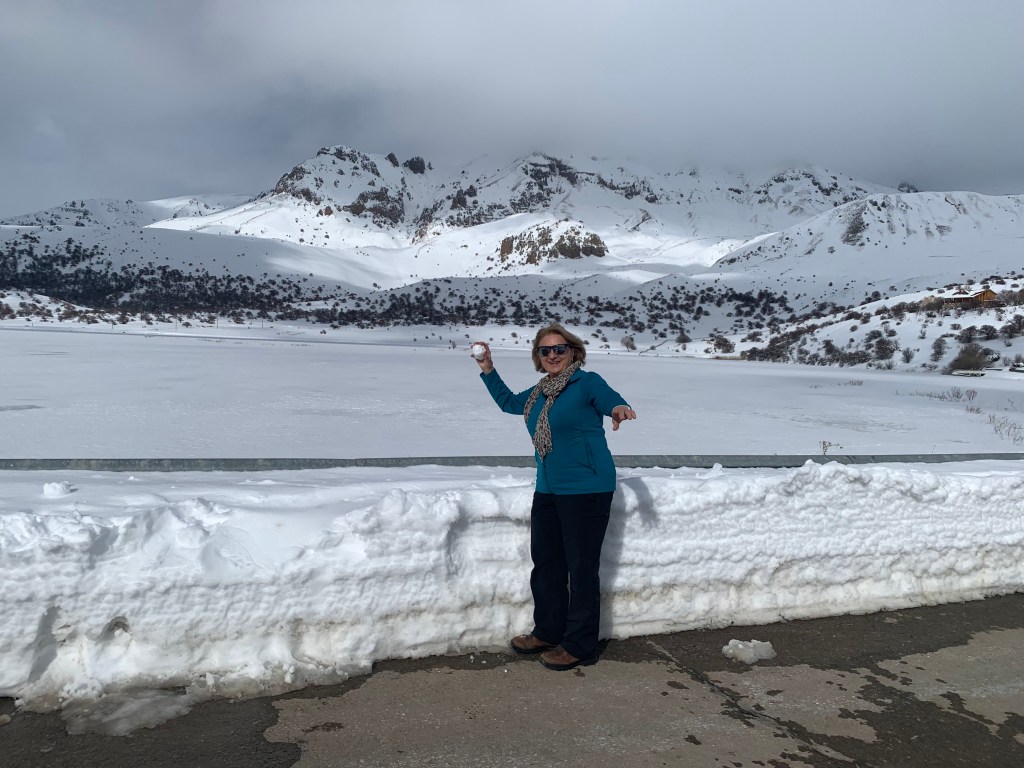
The Batabat Lakes (there are 3) are high up in the mountains towards Armenia (the advice is NOT to go higher than the top lake – the military are there, they are very touchy and it might not end well). There are floating islands, fish, trekking, picnics, summer dachas… though not today. The lakes were frozen and covered with snow. The road to them is a twisty, hairpin one, and views open with every new turn.
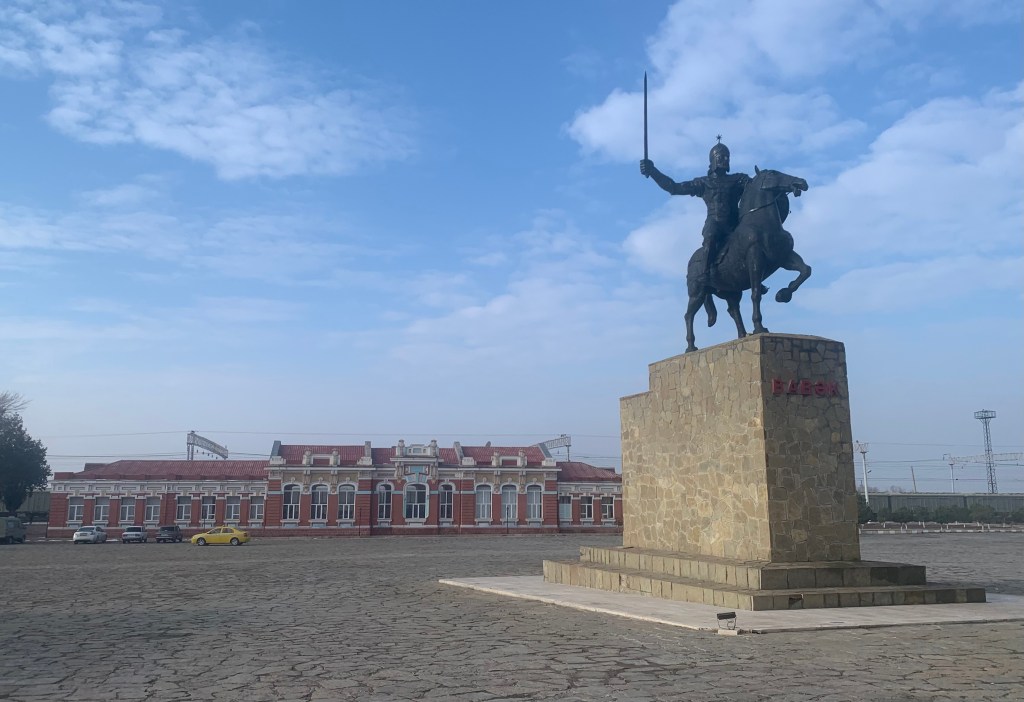
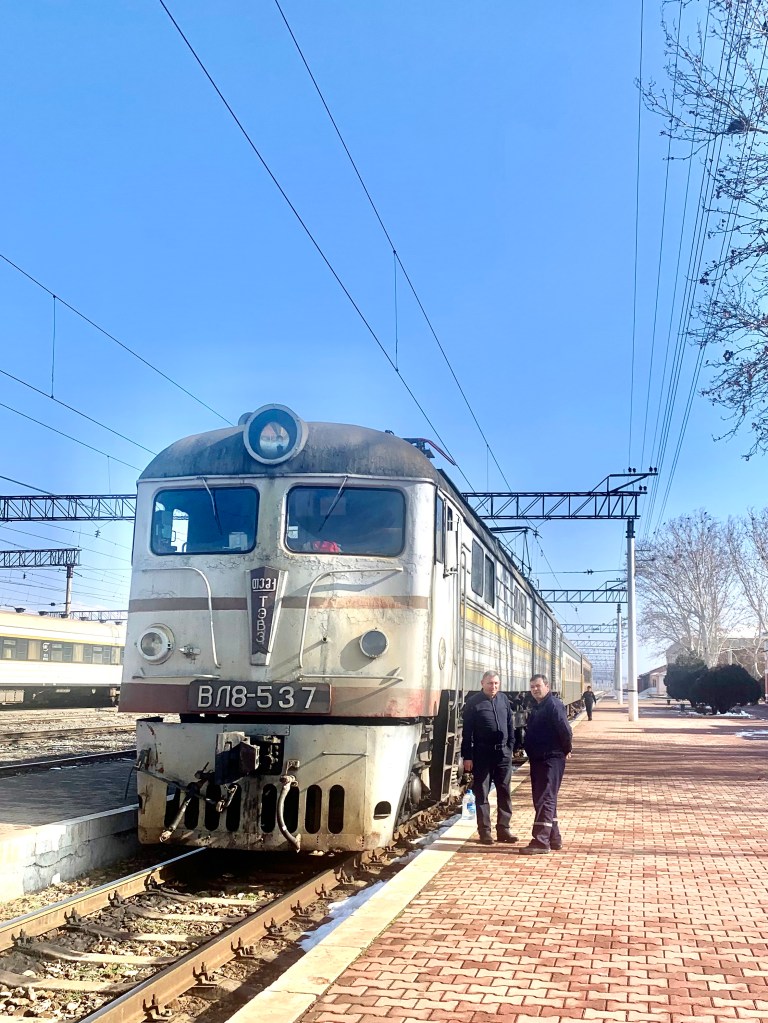
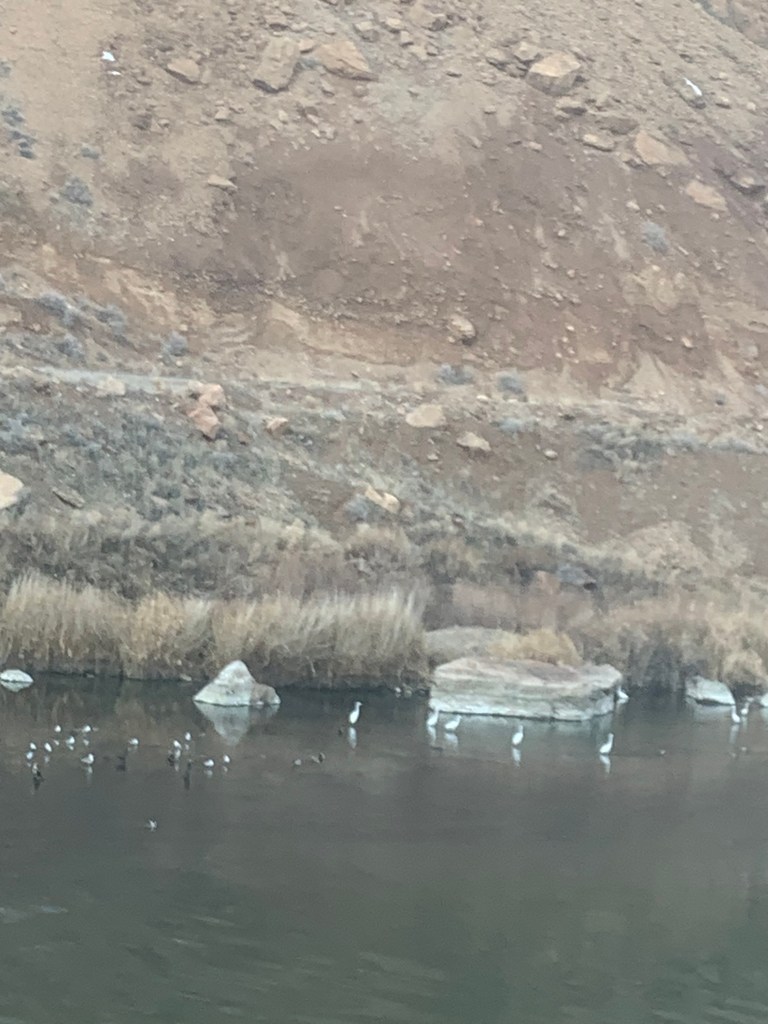
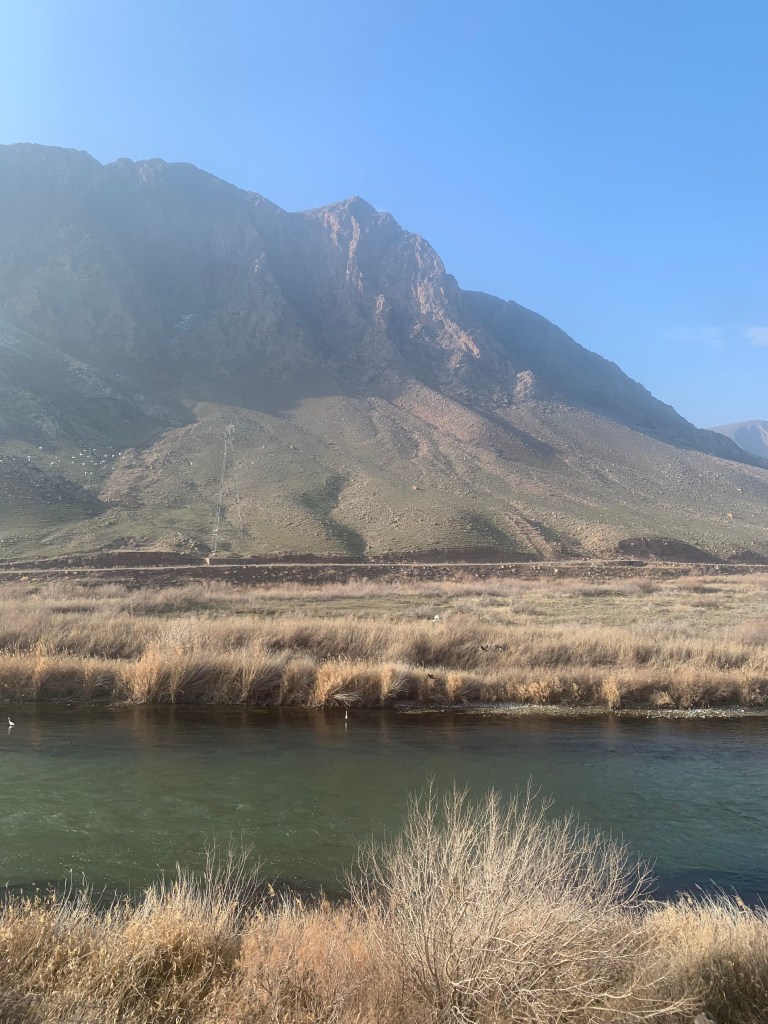
For my last full day in Nakhichevan, I went on a train journey to Çulfa, a border town with Iran. The tracks run along the Aras river (on the Iranian side) which Iran has dammed for the hydroelectric plant - I can see the lake out of my hotel window. The flat plain in which Nakhichevan lies, on the left bank of the Aras, slowly becomes a canyon, with red-tinted mountains rising on both sides – much higher on the Iranian side. The river runs clear here and I don’t think I’ve ever seen so many egrets, herons and other water and wading birds in one place. (The quails in Nakhachivan are as numerous as sparrows along some roads – it is forbidden to catch them…)
The electric engine is Russian made, and looks venerable; it runs ponderously, lumbering along the river and the barbed wire fence. It takes an hour and a half to cover the distance of some 80-90km. The carriage is also vintage Russian – the kind that used to ply all Soviet rail routes, having 4 bunk beds (covered in dark green plastic) – can’t quite recall if that was 2nd or 3rd class…
A dozen or so passengers were mainly young men coming or going to do their military service at the outposts along the border (I was again the only female around). The settlements along the way are sparse and probably also serving the border/ military presence – there is little else here. Çulfa itself is weirdly empty. I know it’s winter, and things are not good with Iran, but this felt abandoned.
It was such a lovely, almost springlike day, sunshine and blue skies, I went to have a look at Noah’s tomb and the Nakhichevan heavily restored fortress again – this time without the snow. Though there was something a little magical when it was under the snow.
Saying goodbye to Ulvi, Gula and Asger was a little sad, but they are such pleasant, fun people, I can but hope to meet them again.
 Maribibi_travels