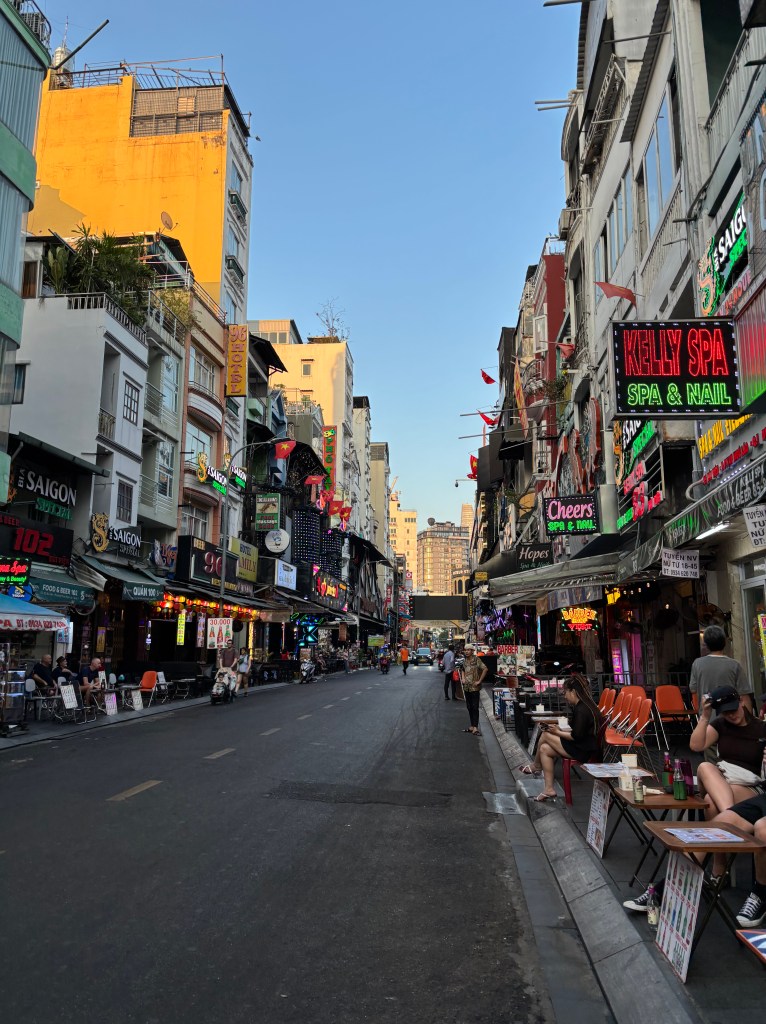
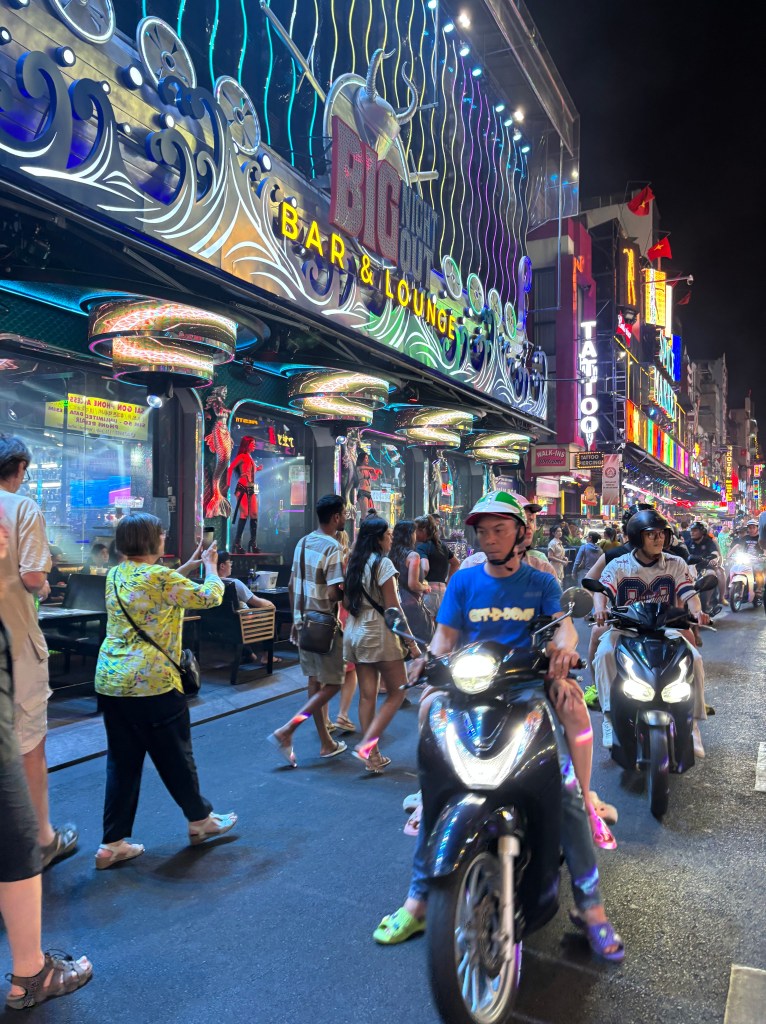
Having been told that one should stay in District 1 in Ho Chi Minh City (Saigon), I unknowingly plonked for a place (99 Hotel) on the Walking Street – i.e., the bar central. Definitely in the middle of things: come night, loud music, girls dancing on platforms, hawkers, beer, pedestrians and more clashing loud music, stools on the pavement, scooters everywhere, more loud music… If you fancy sleeping before 03:30 am, don’t stay here. My room was at the back, but my sternum reverberated with the woofer. Mornings were blissfully quiet.
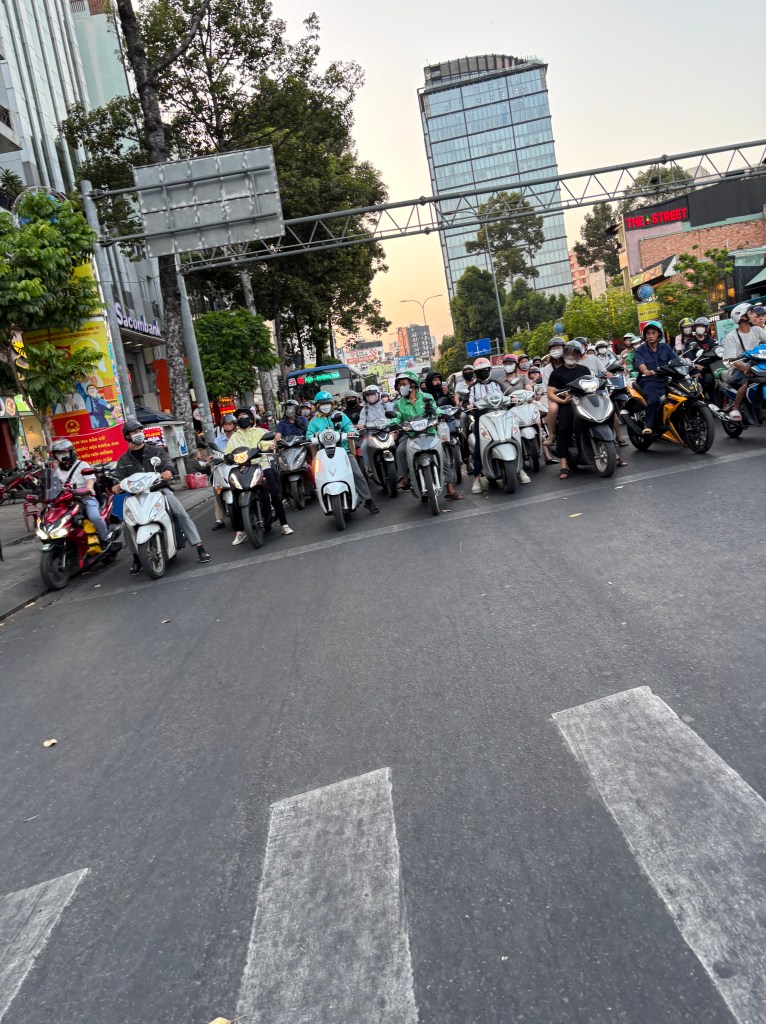
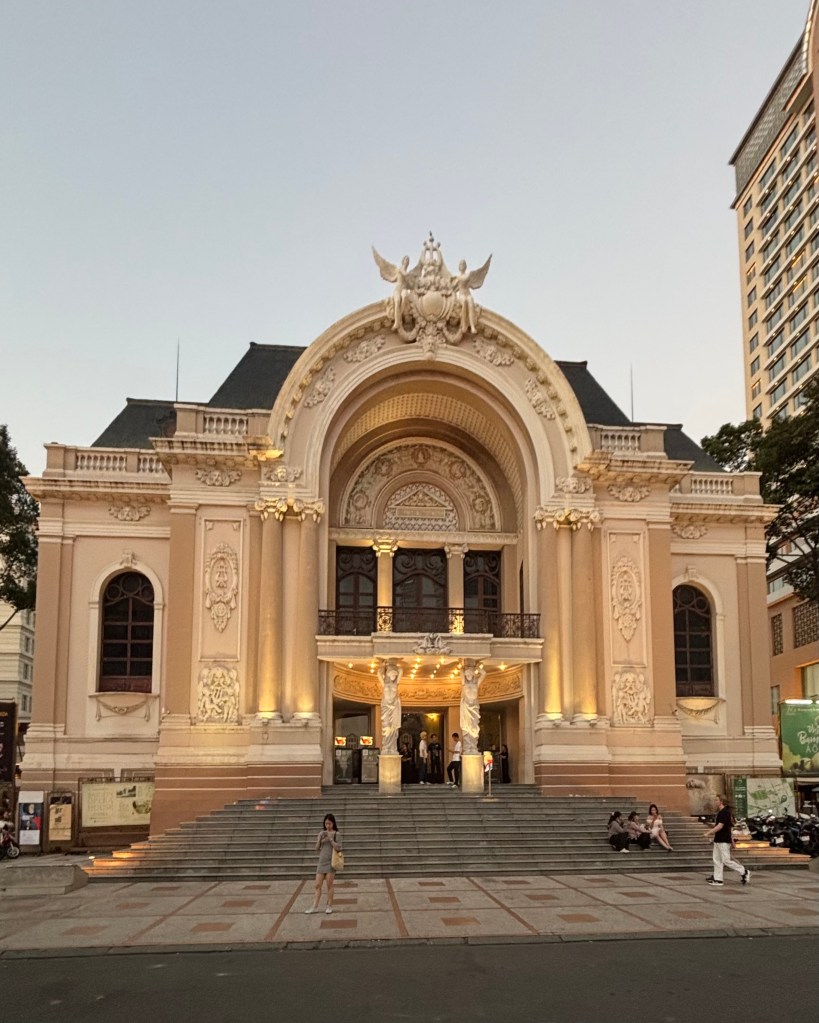
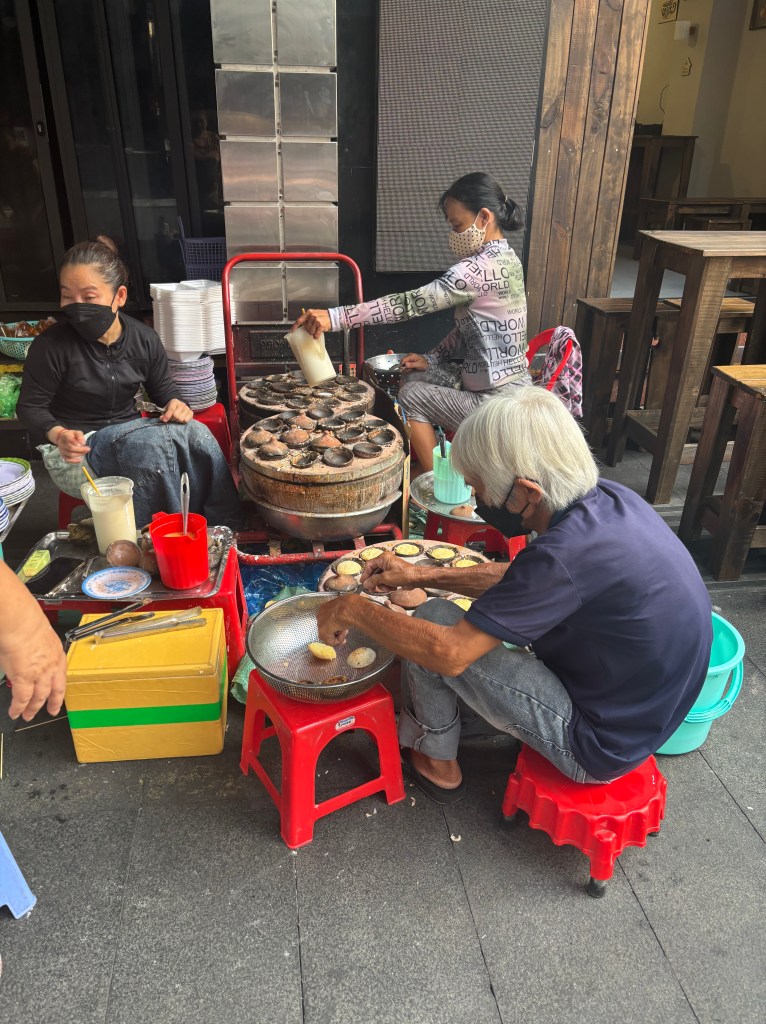
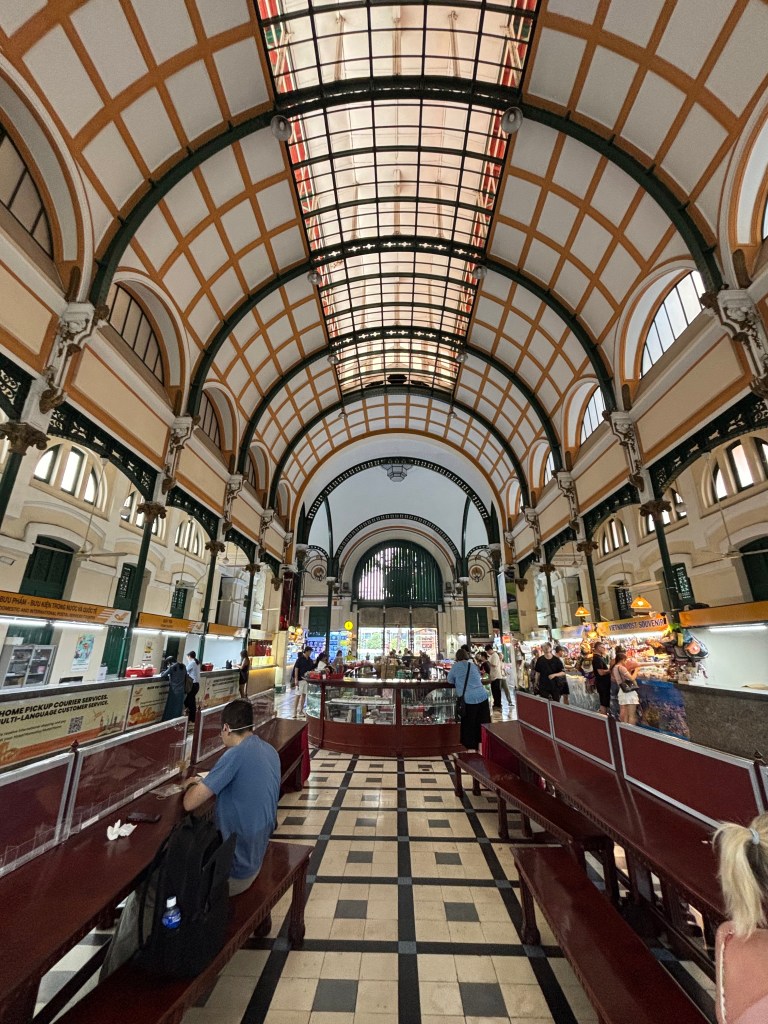
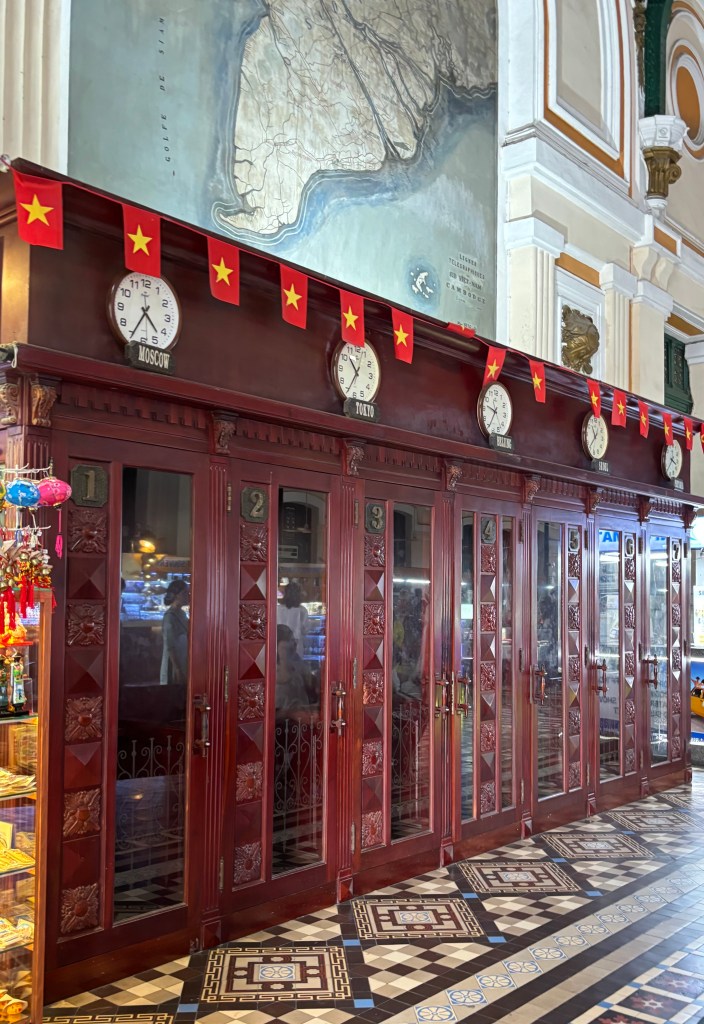
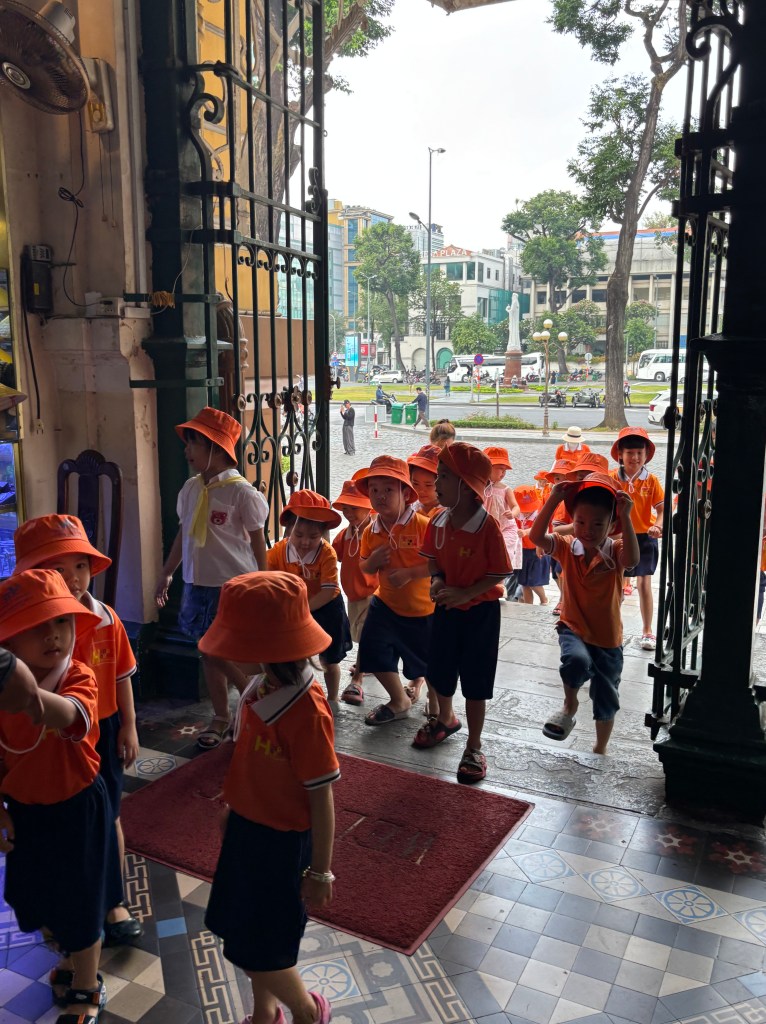
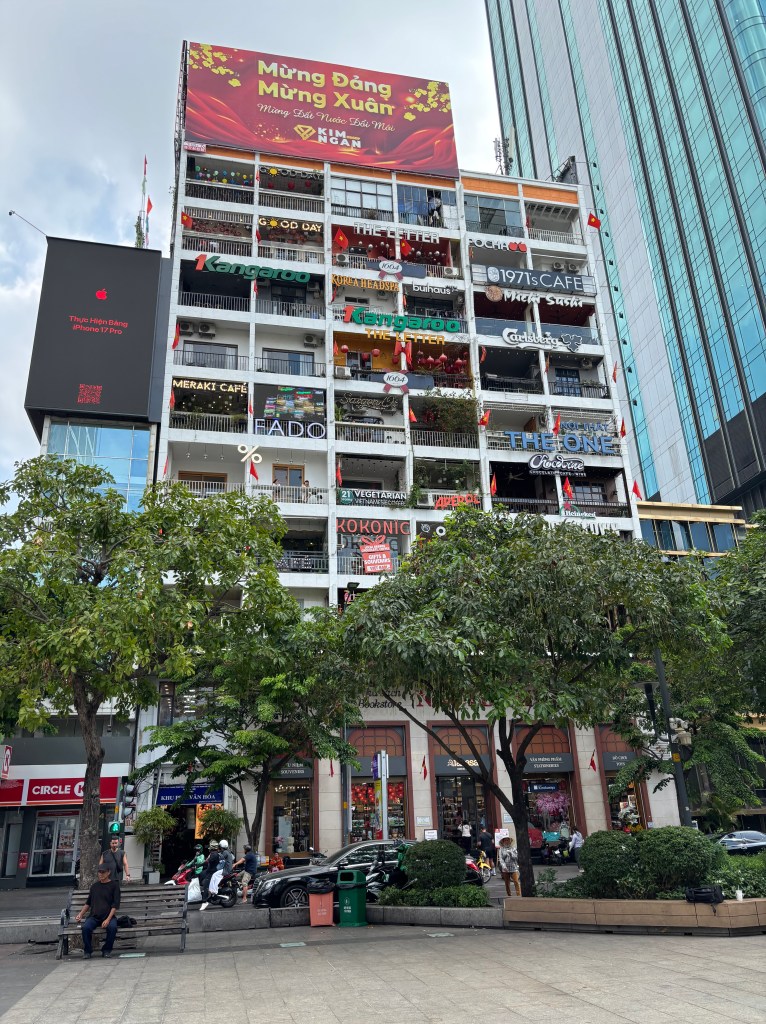
Bui Vien street – Walking St.in the morningWalking Street in the eveningWaiting at the lights: Charge!The HCMC opera houseMaking breakfast patties to eat with a soupThe old Post Office (French built)The thelephone booths…remember those?Local school children on a visit to the POALL of these shops are coffee shops – 60?
The half day scooter tour (riding pillion) was fun – good for orientation and easy to absorb information as it’s 1:1. (I had done the CBT (Compulsory Basic Training) in the UK, but would not wish to ride a scooter on a busy road in SE Asia. I’m told by an impeccable source – my medically trained daughter – that SE Asia is THE place for trauma training, thanks to the number of traffic accidents…)
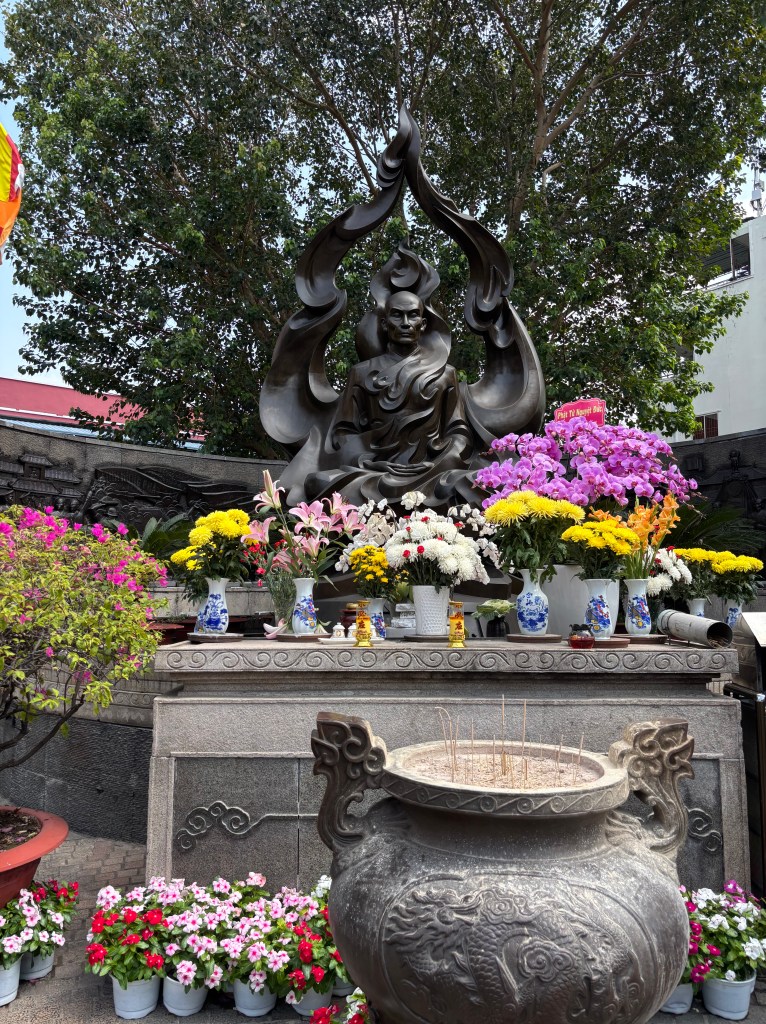
I remember reading about the self-immolation of the Buddhist monk, Thich Luang Duc, (1963) in protest at the persecution of Buddhists by the then (Catholic) Vietnamese president. There is a poignant monument to him at the Saigon crossroad where it took place.
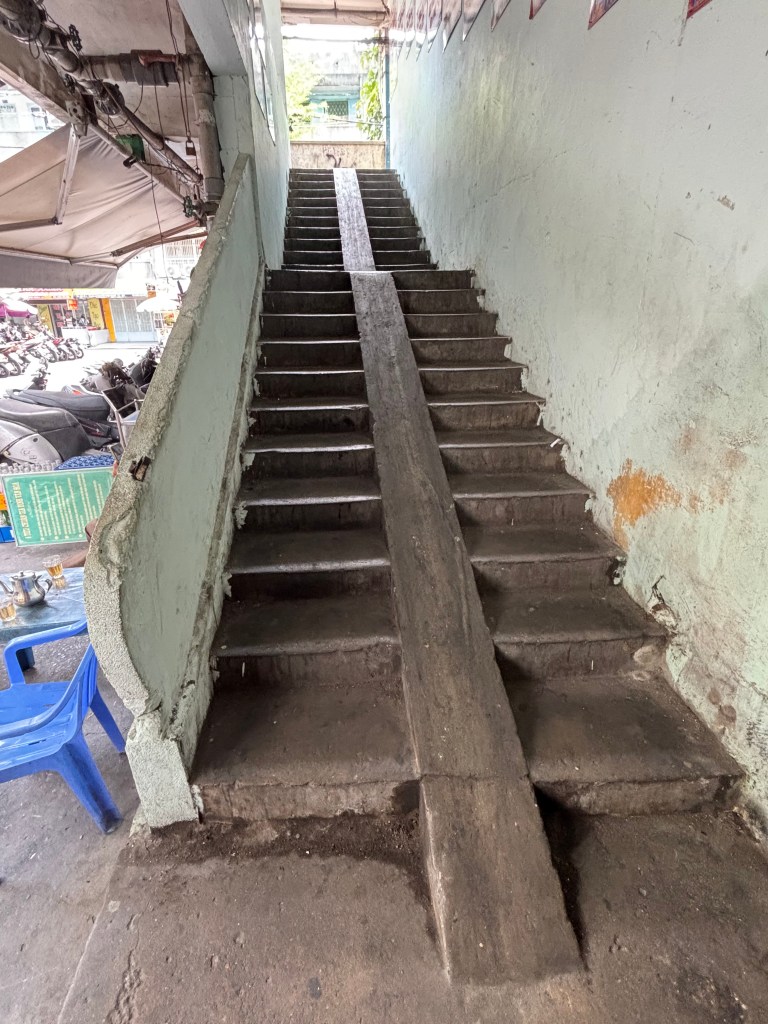
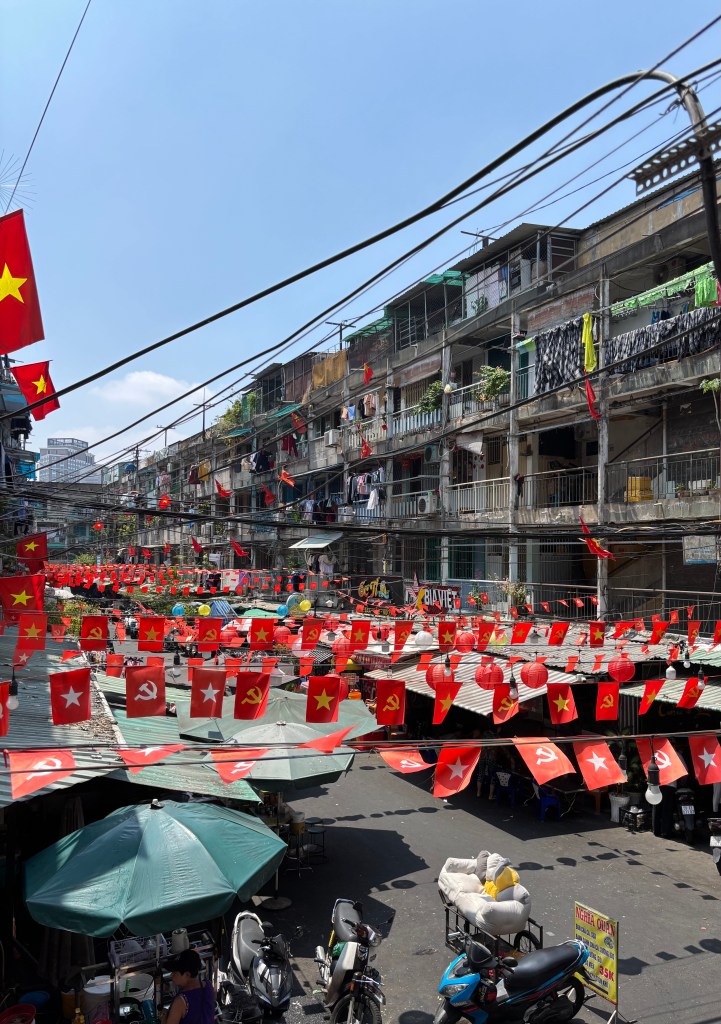
Thích Quang Đức monumentStaircase in social housing, allowing people to ride their scooters to their floor Social housing (tenements) built in the 70’s
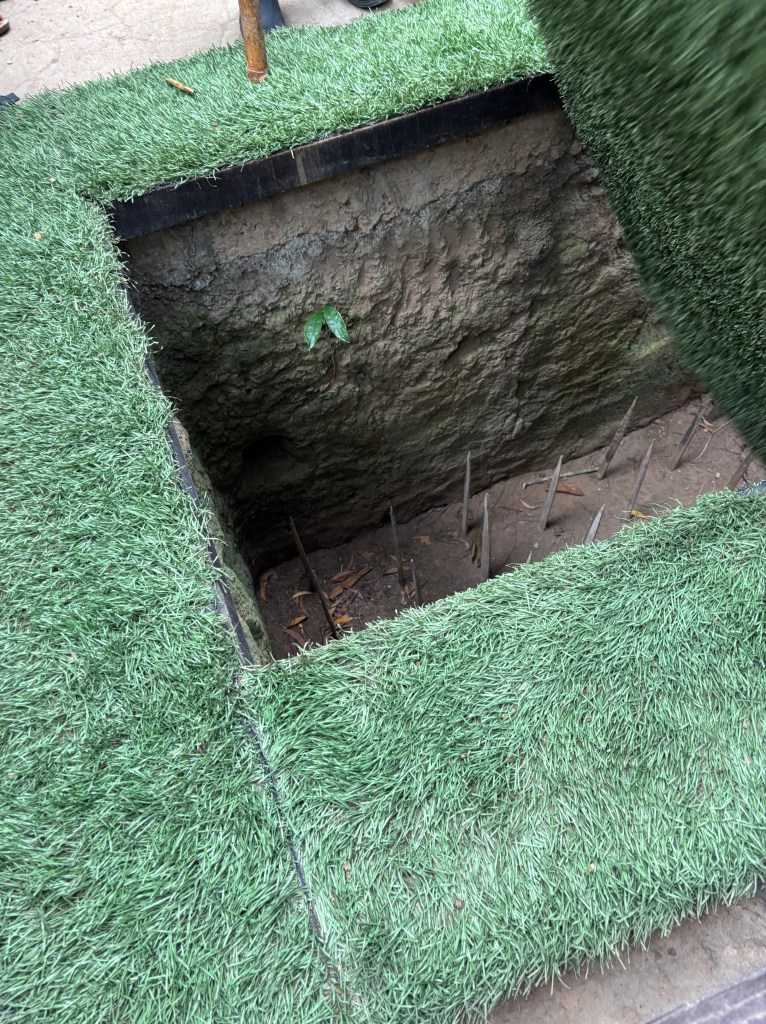
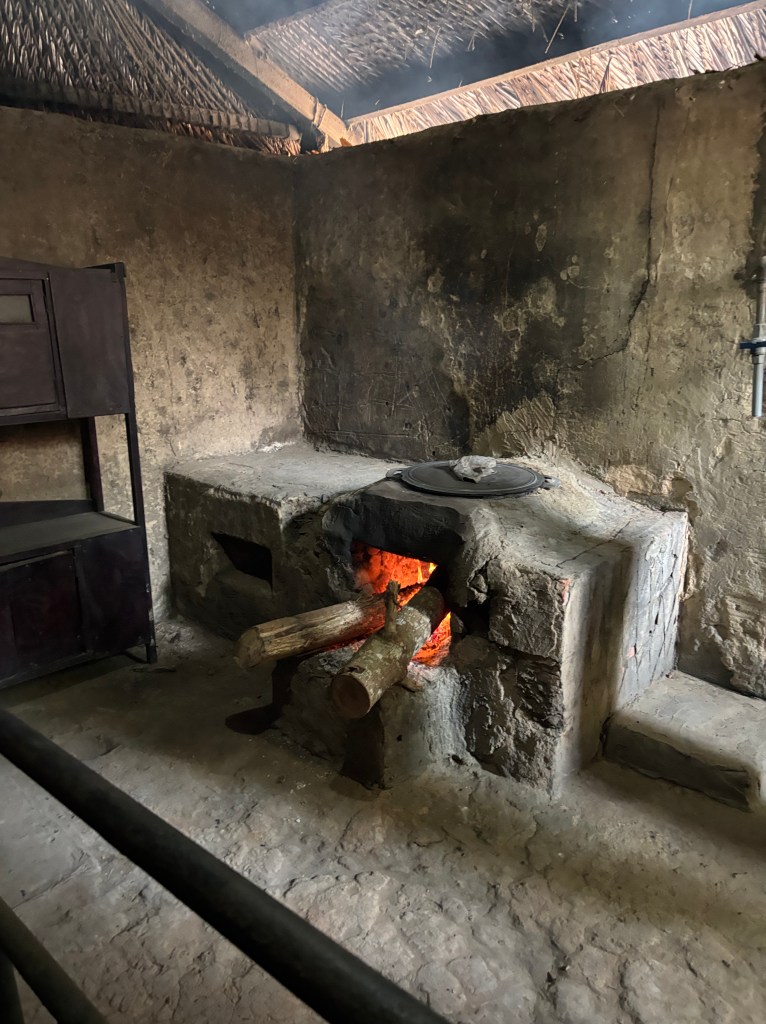
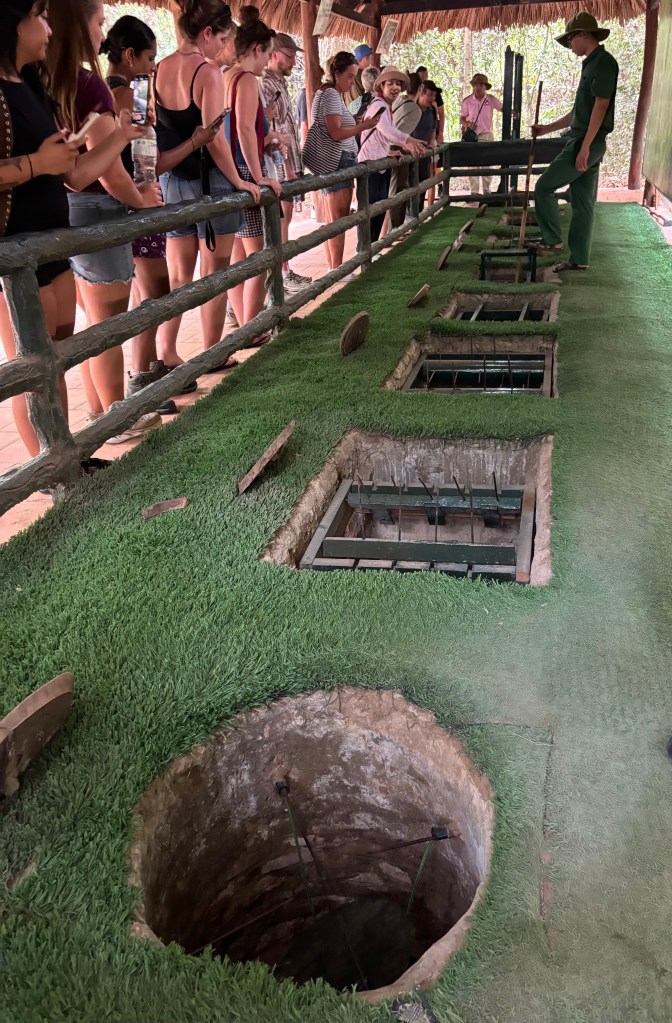
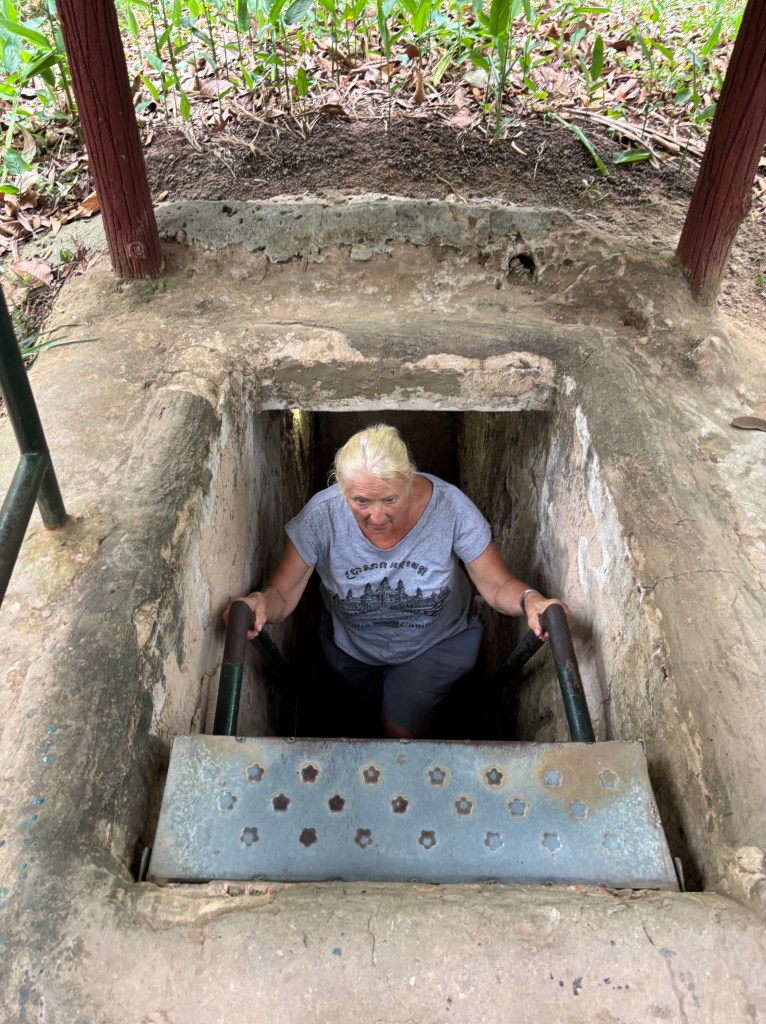
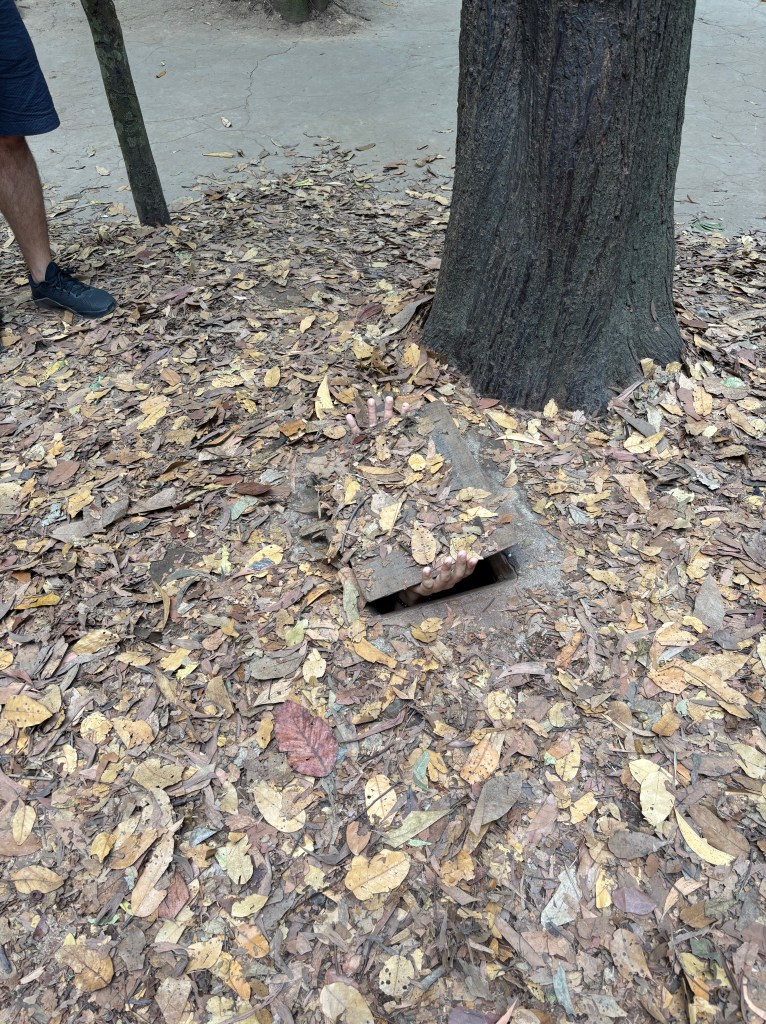
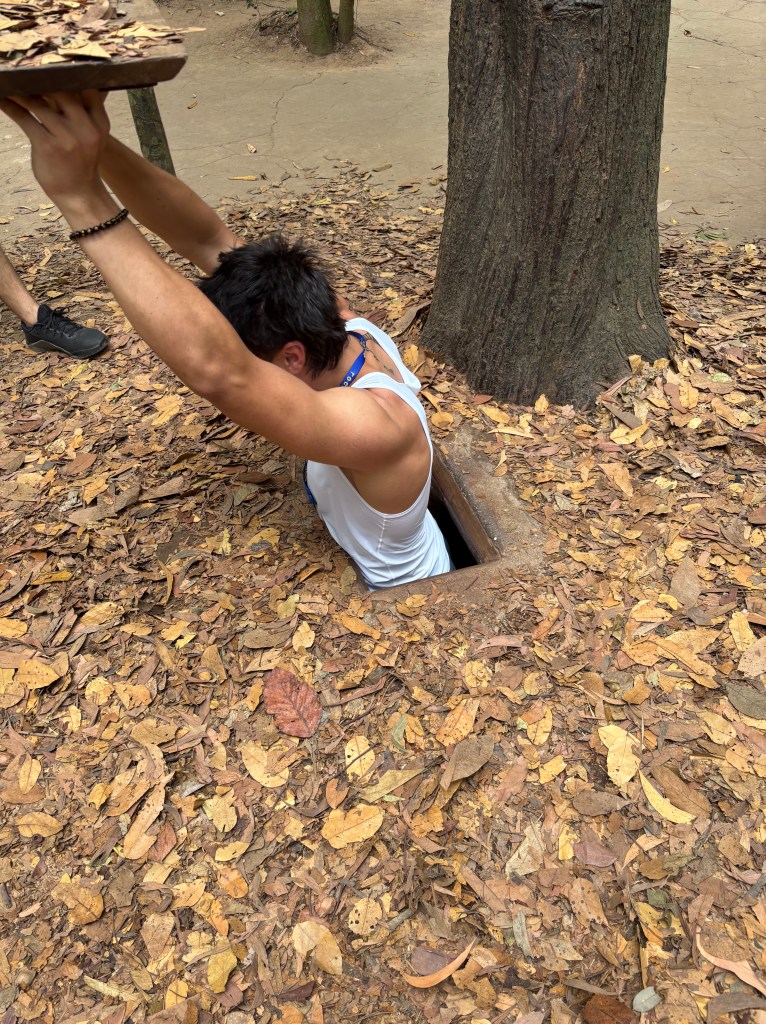
The Viet Kong tunnels are enlarged and sanitised for the tourists but still sufficiently narrow and tight to make one realise both how awful it all was and how ingenious and inventive the Vietnamese were. Ho Chi Minh’s leadership is celebrated everywhere and the cult of his personality continues.
A trap for the unwaryThe tunnel kitchen had ingenious ways for dealing with the smokeModels of various traps used in the tunnels – all spiked and medieval The tunnels make you double up and crawlA secret entryVery narrow and tight
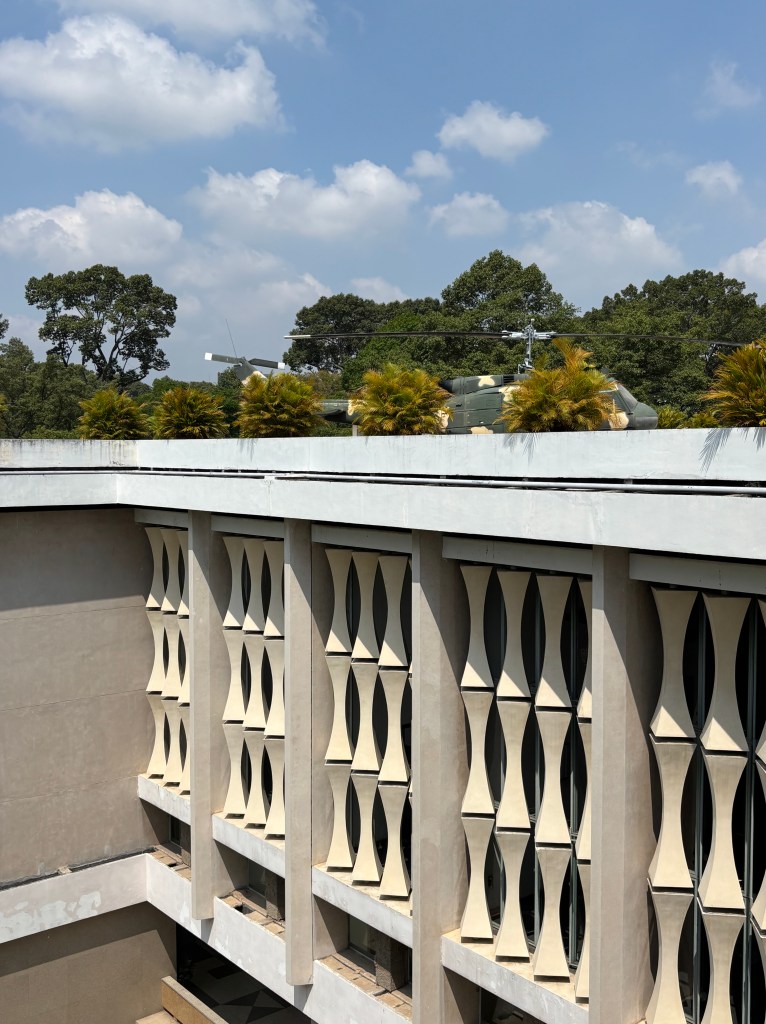
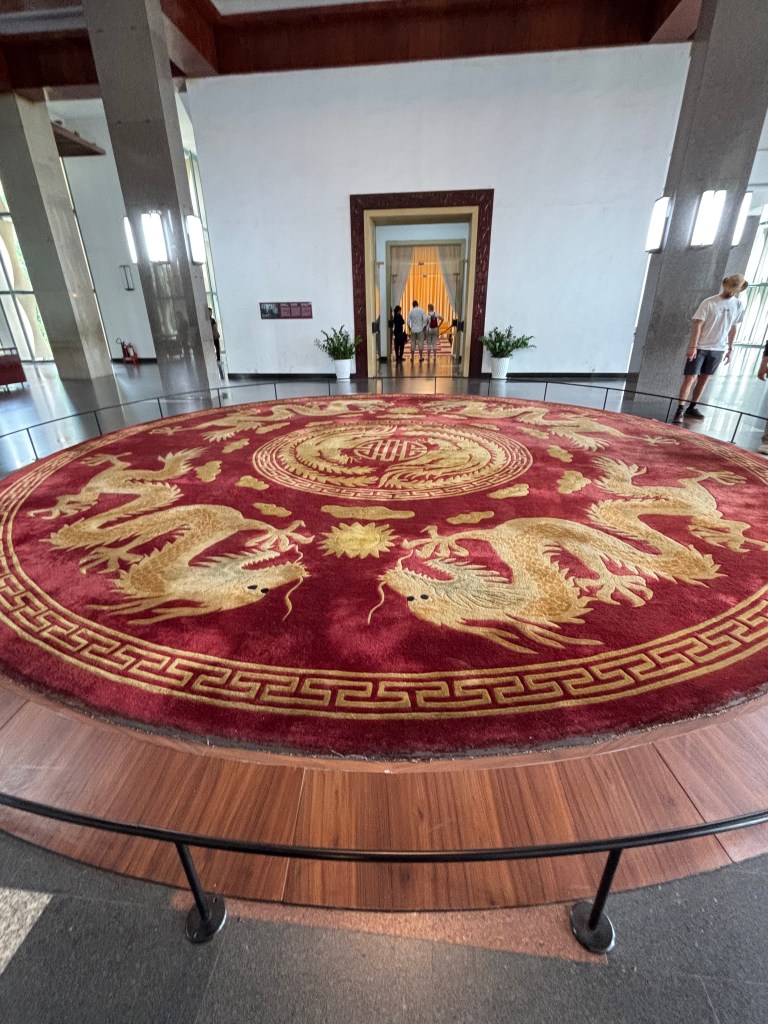
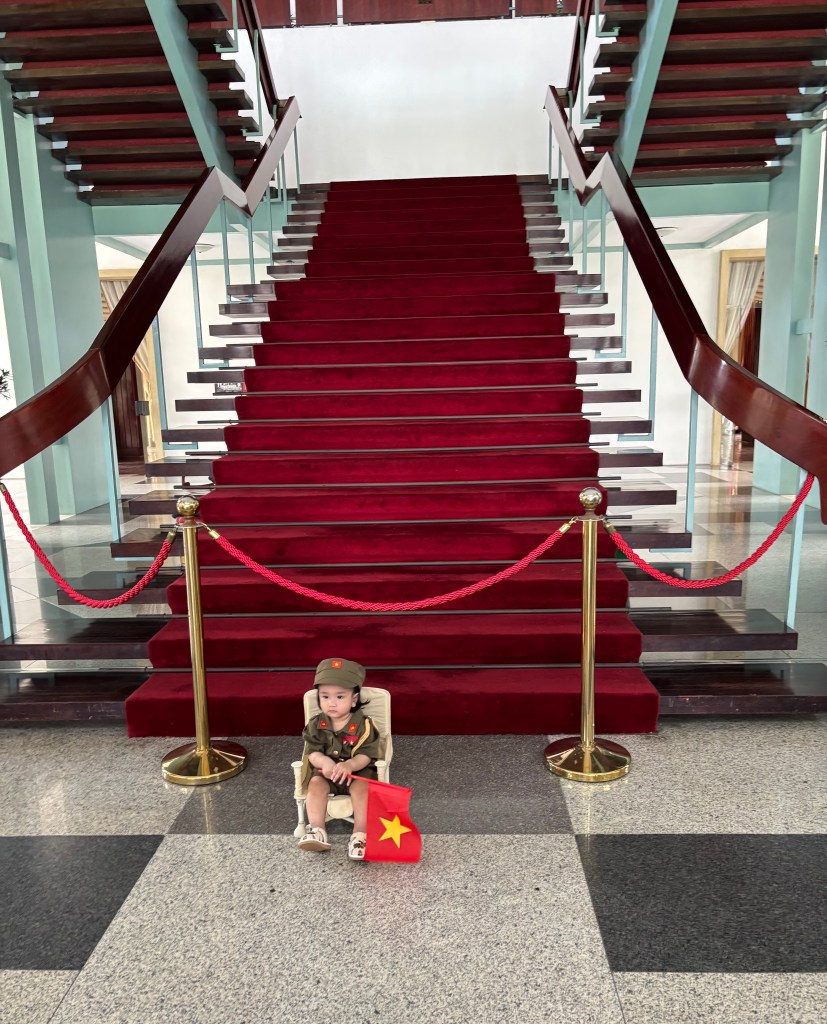
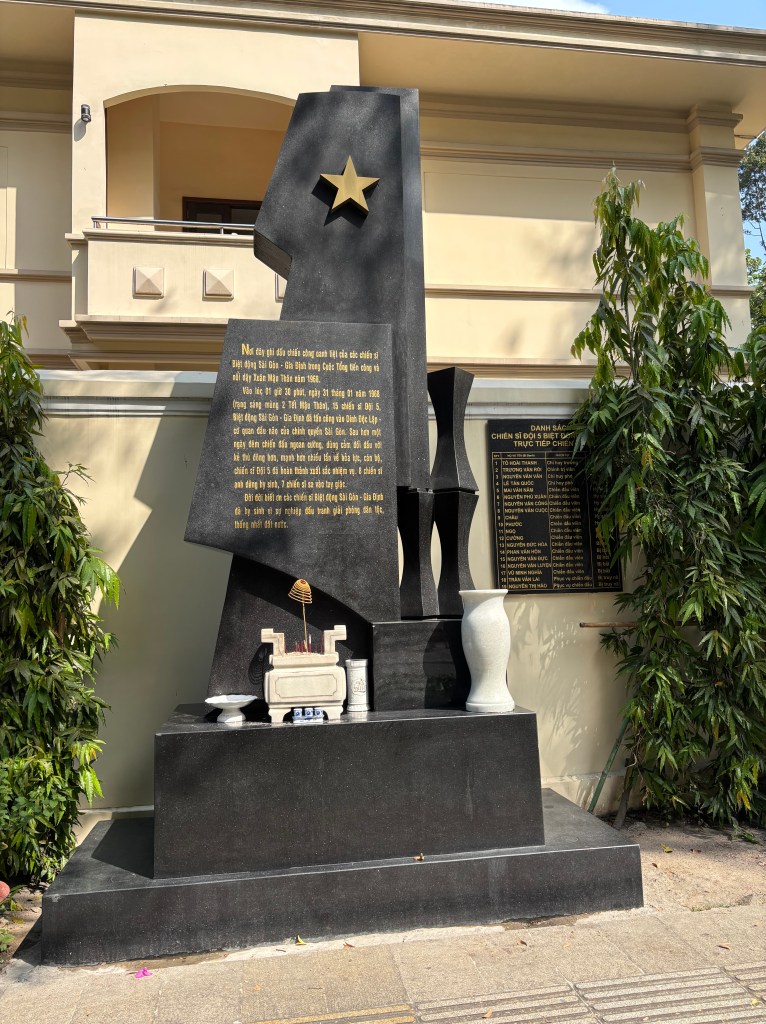
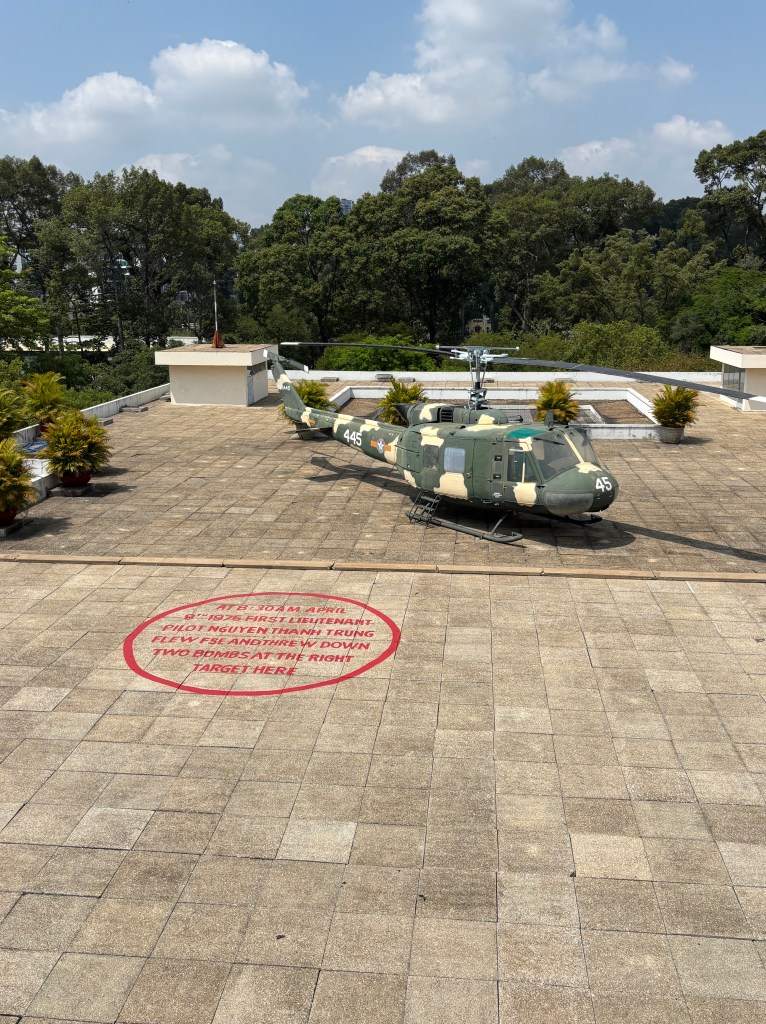
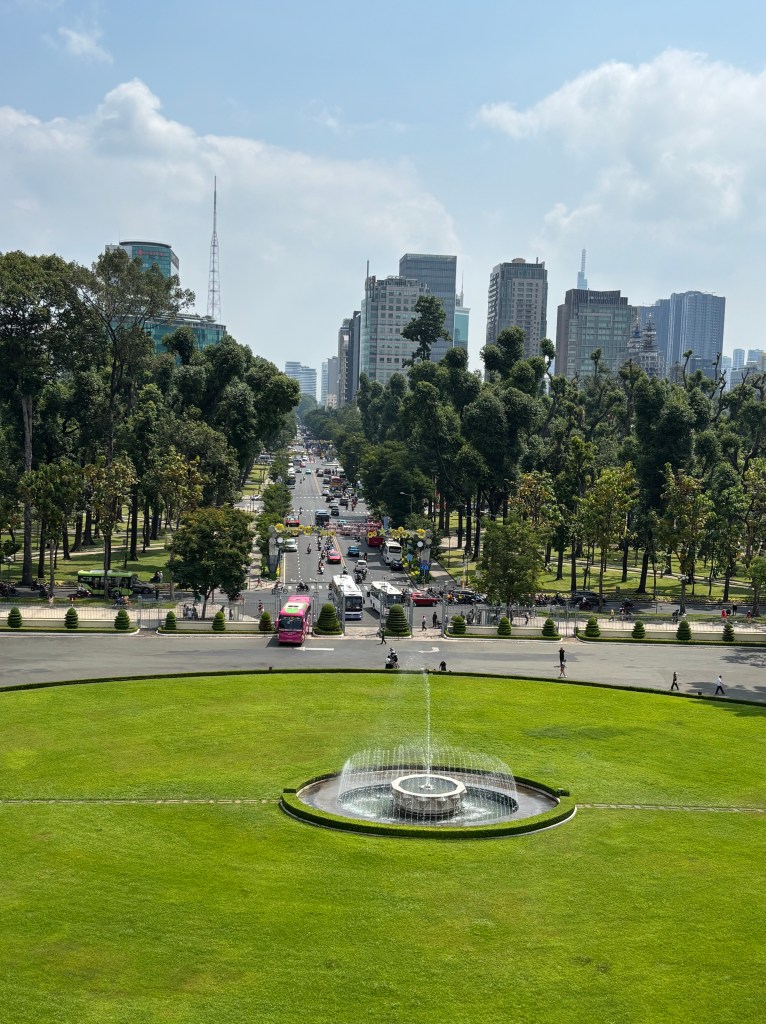
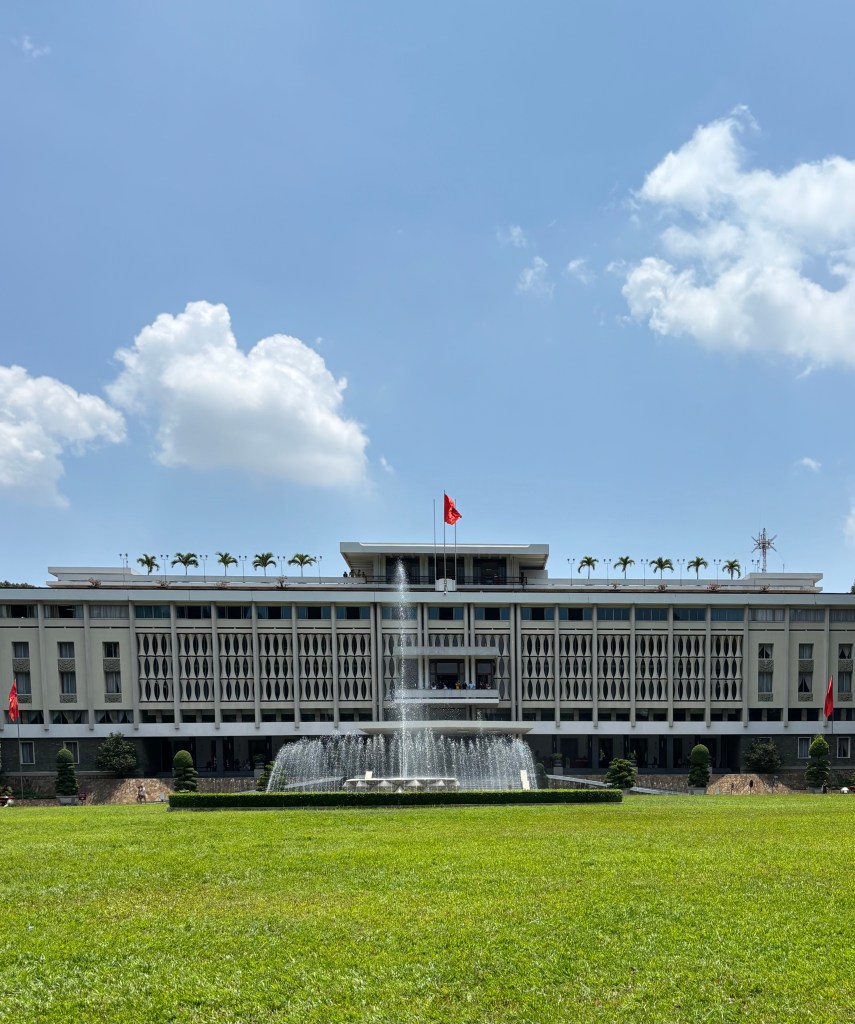
Vietnam is a “socialist” country with a religious Buddhist population. There are interesting compromises and tolerances, such as communist monuments with religious offerings. The Independence Palace, a 60’s architectural gem, is a place of pilgrimage and reverence, as is the Ho Chi Minh mausoleum.
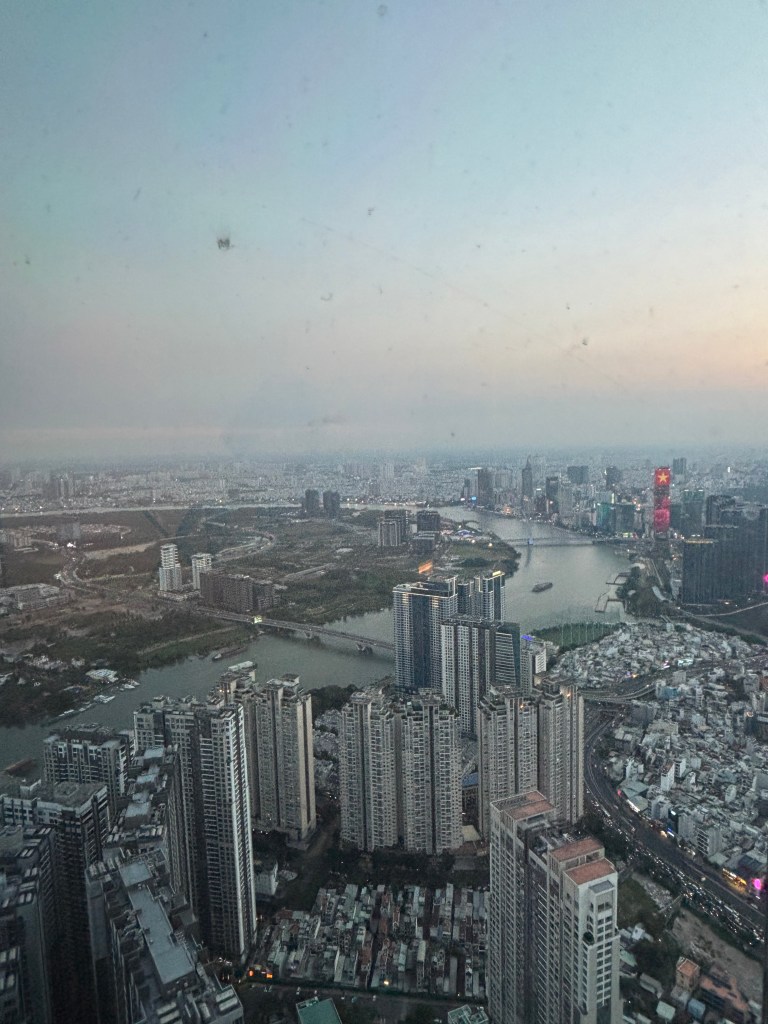
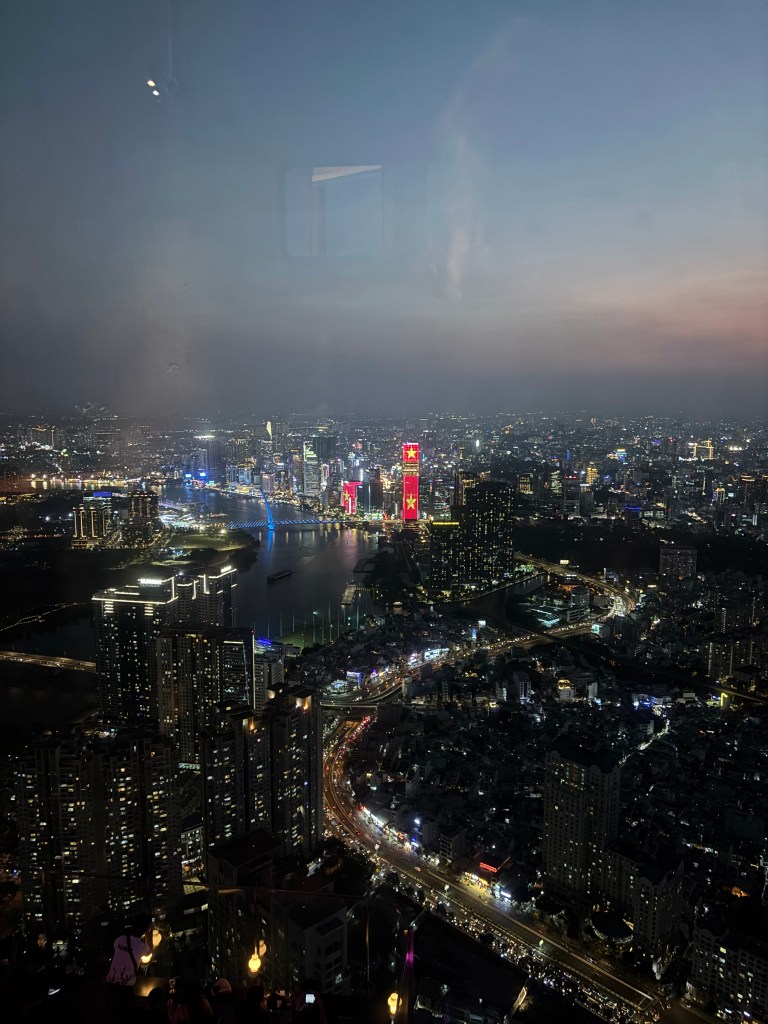
The bamboo shaped pillars that help reflect lightThe Vietnamese emblem tapestry in the Independence PalaceCute or sinister?Socialist and buddhistThe Palace roof View of HCMC thoroughfare from the PalaceThe Independence PalaceThe Mekong from the tallest building in HCMCAnd the night view
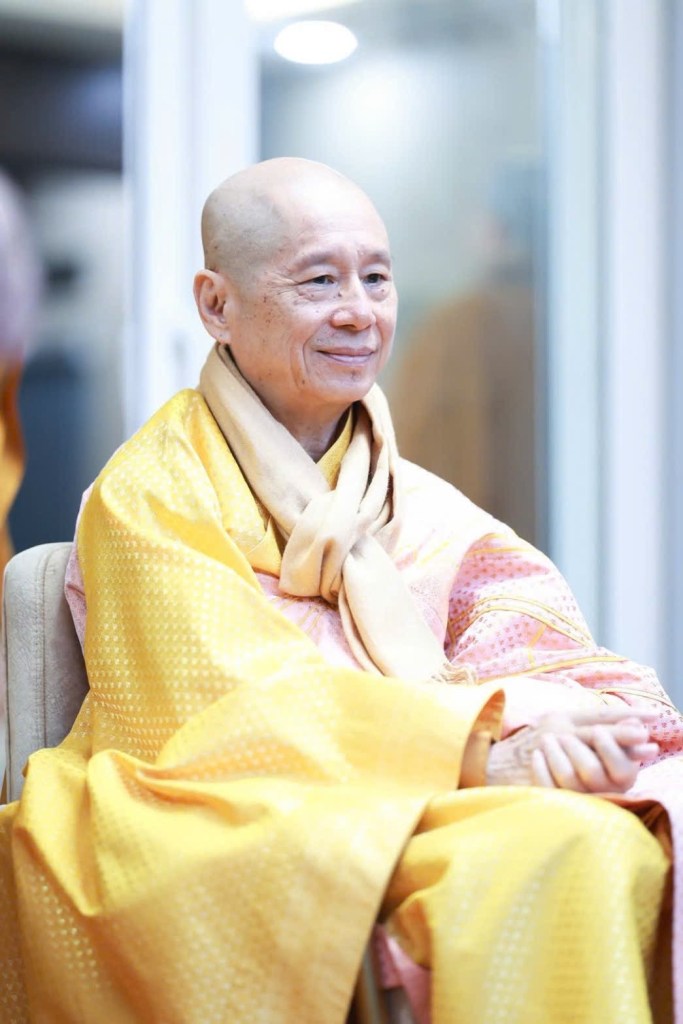
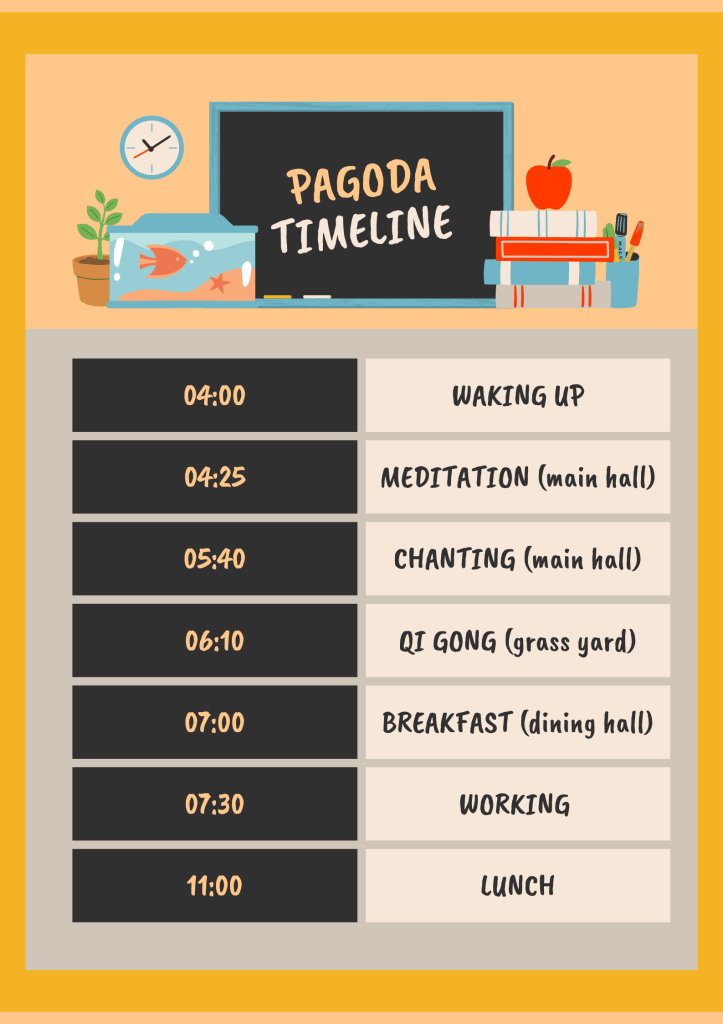
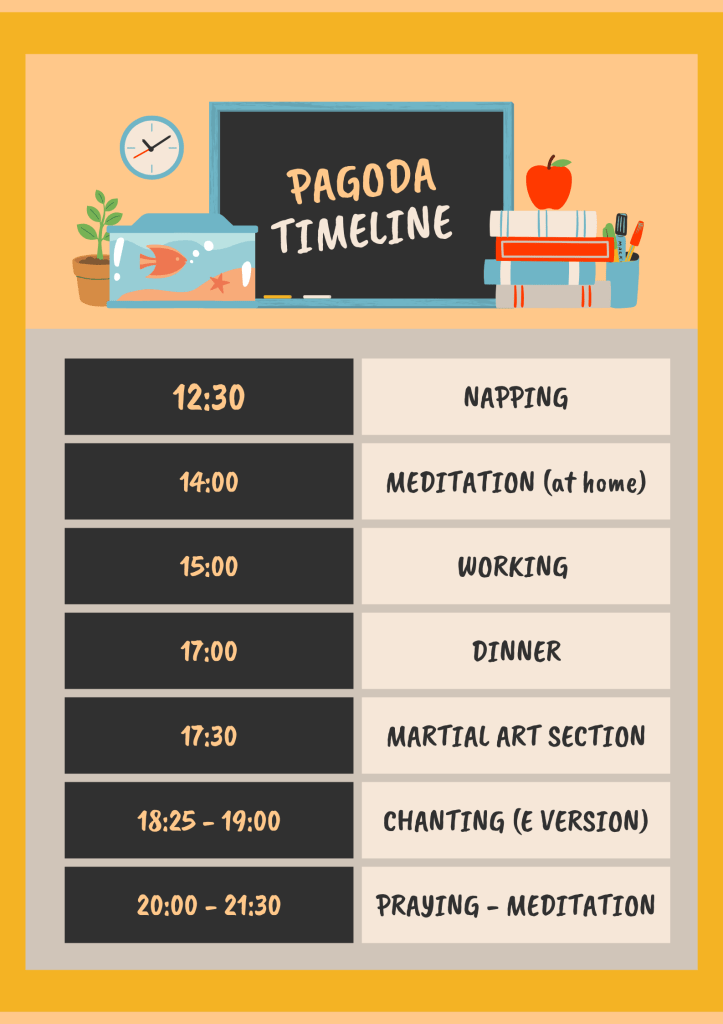
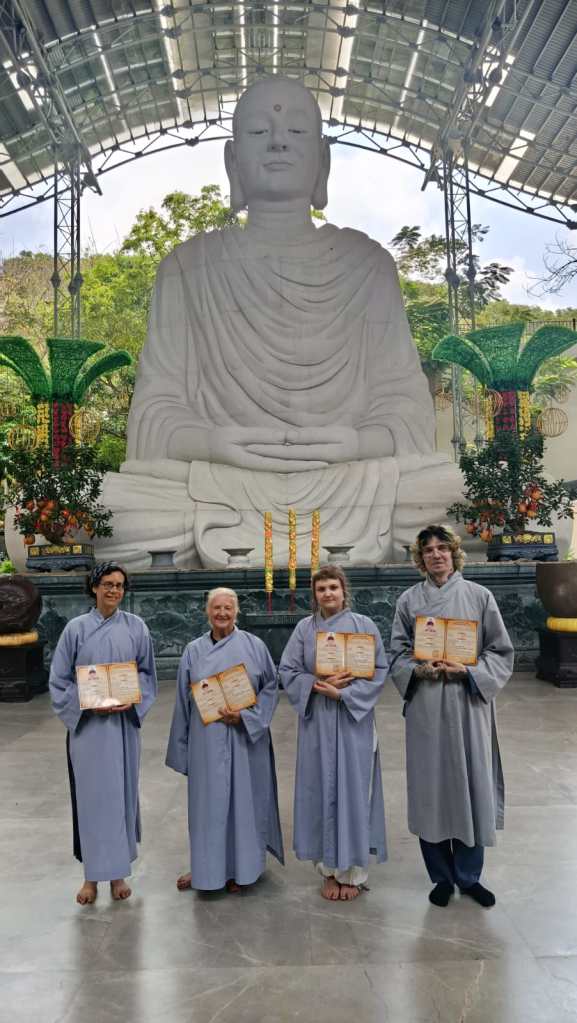
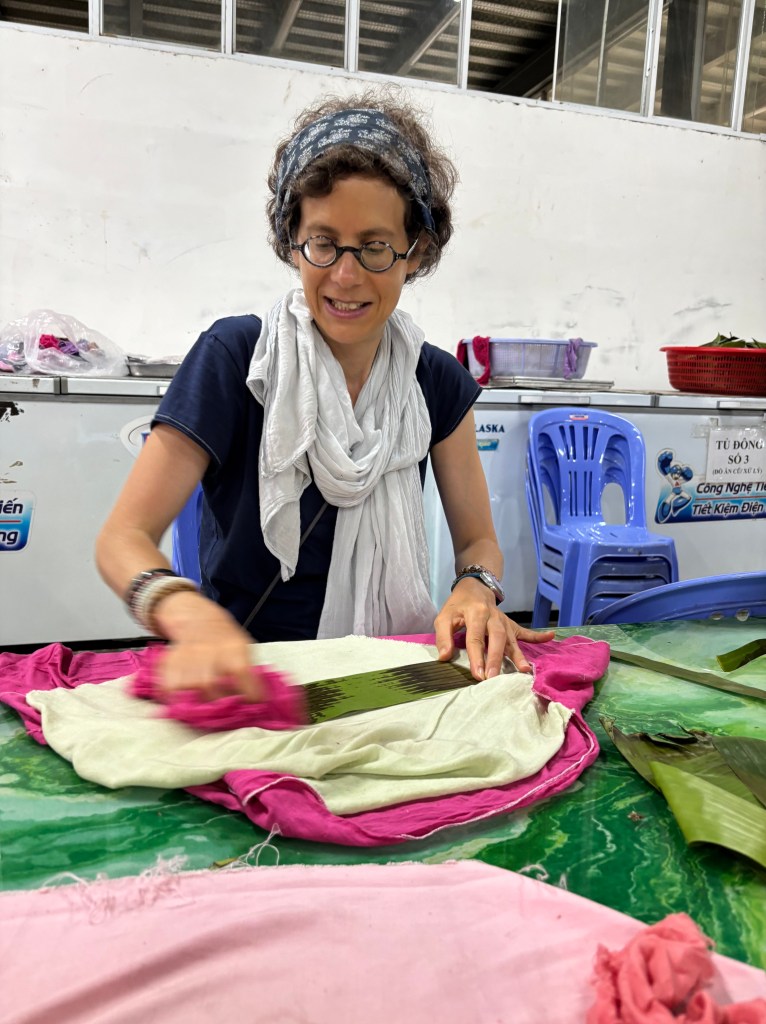
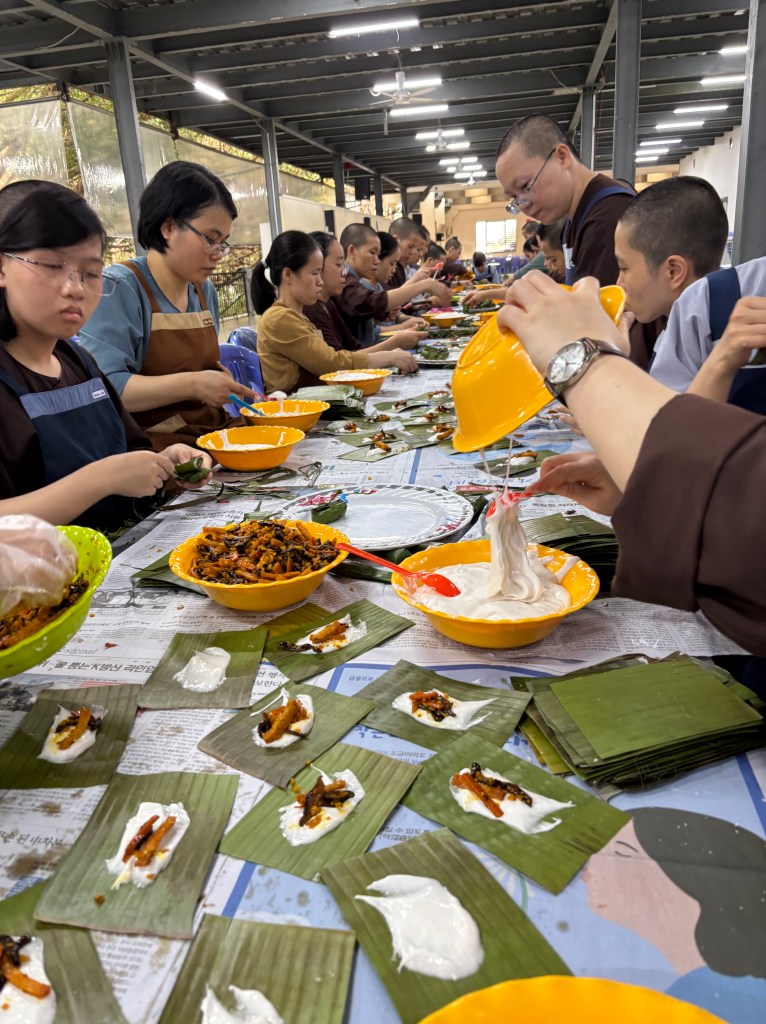
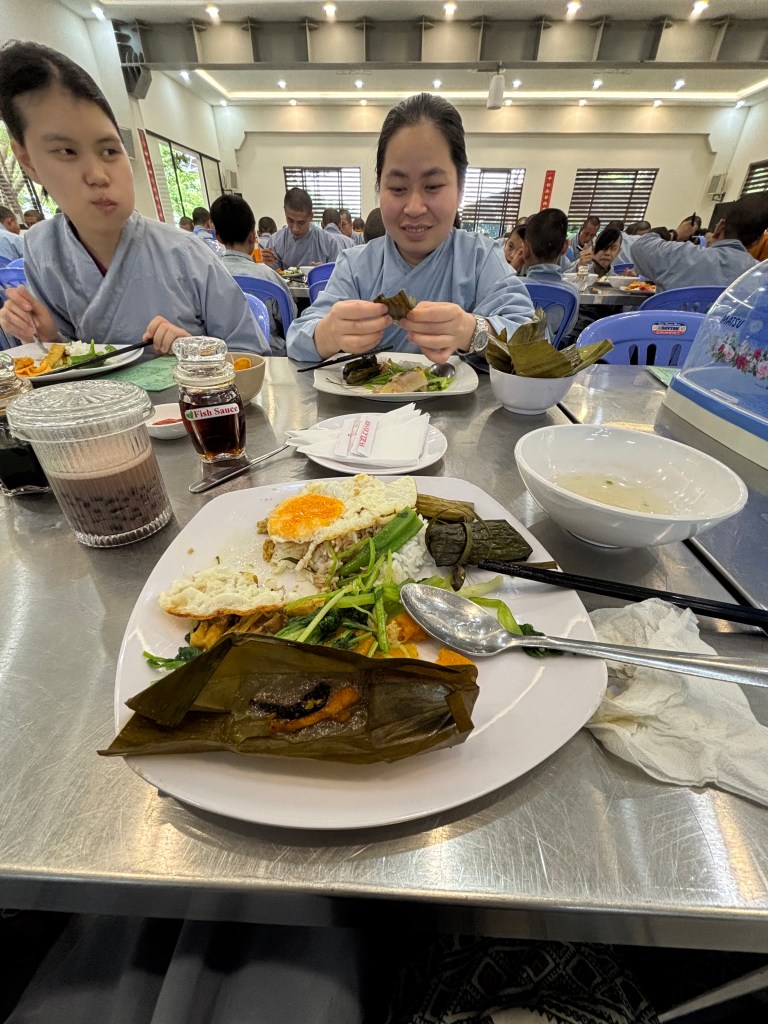
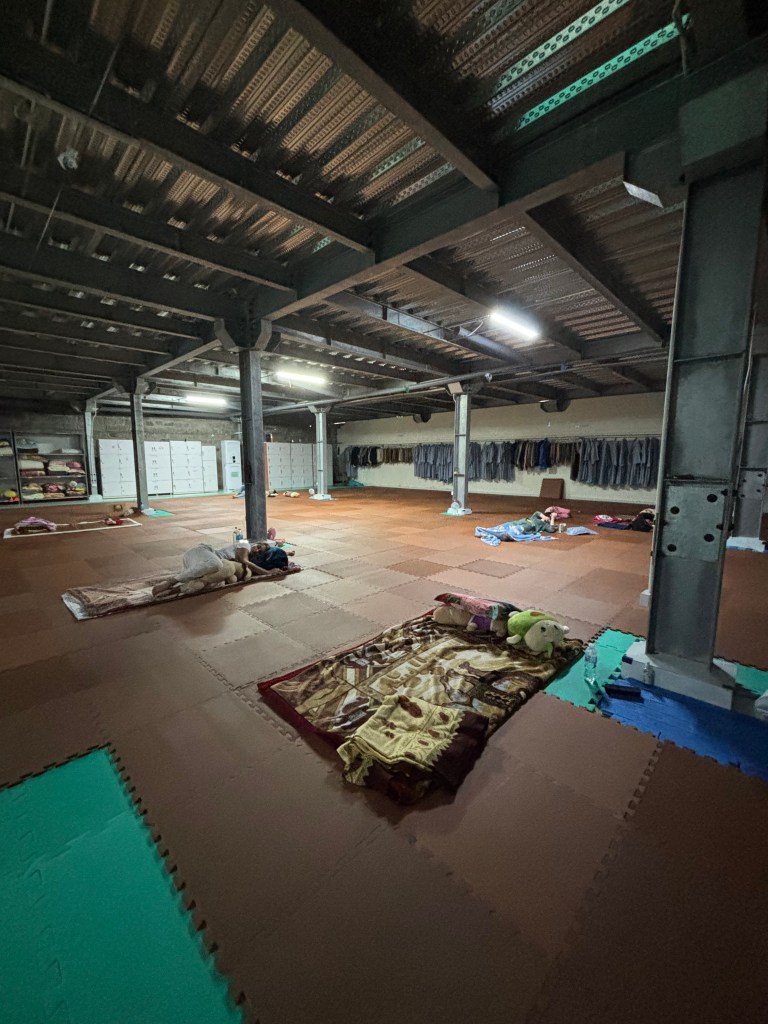
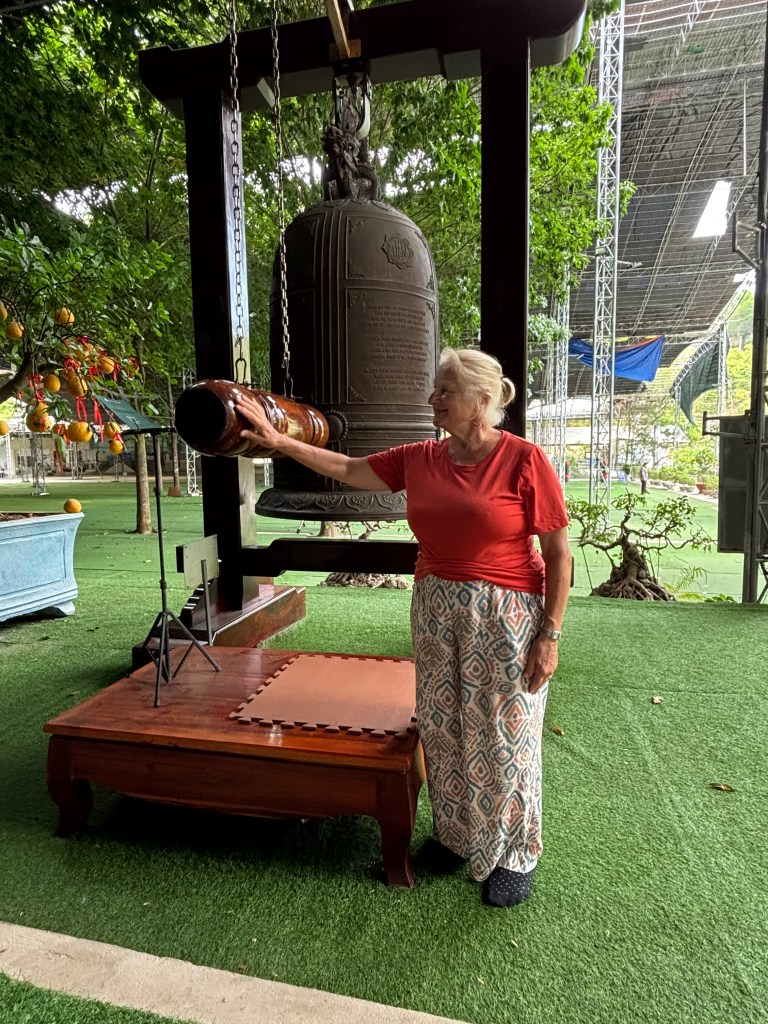
I’ve used all sort of public transport on this trip – trains, coaches, buses, motorbikes, taxis (Grab and Bolt are the apps to have) and electric cars (Vie app in Vietnam). This last one took me to the Buddhist retreat in Ba Ria. I’d learnt about it from Patricia, a fellow traveller who I met in Kampot, Cambodia – she was travelling from Vietnam, the country that had impressed her very much. She had done a lot of research (I benefitted) and found one could stay at the pagoda for free; there is also a paying stay, sold by travel agencies. The Thien Ton Phat Quang monastery was founded by the Venerable Master Thich Chan Quang. The monastery is a living, working place, with some 300+ monks, nuns and novices. The day begins at 4 am, when the giant gong is sounded, calling all to meditation and prayer. Some of the chanting was in English, and several novices and nuns came to speak to me, wishing to improve their English. Within a day I was known as “Teacher”. We helped in the kitchen, exercised, read books on Buddhism (printed in Vietnamese and English), meditate and rested, following the timeline. It was a pleasant, illuminating break in the journey.
Tich Chan QuangThe 13m Buddha n the grounds – and the 4 of us who have been instructed in the essentials of BuddhismMarie Anne, a midwife, making tofu at the monasteryMaking spring rolls for dinnerDelightful vegetarian foodOur sleeping area at the monastery The giant gong -quite mellifluous
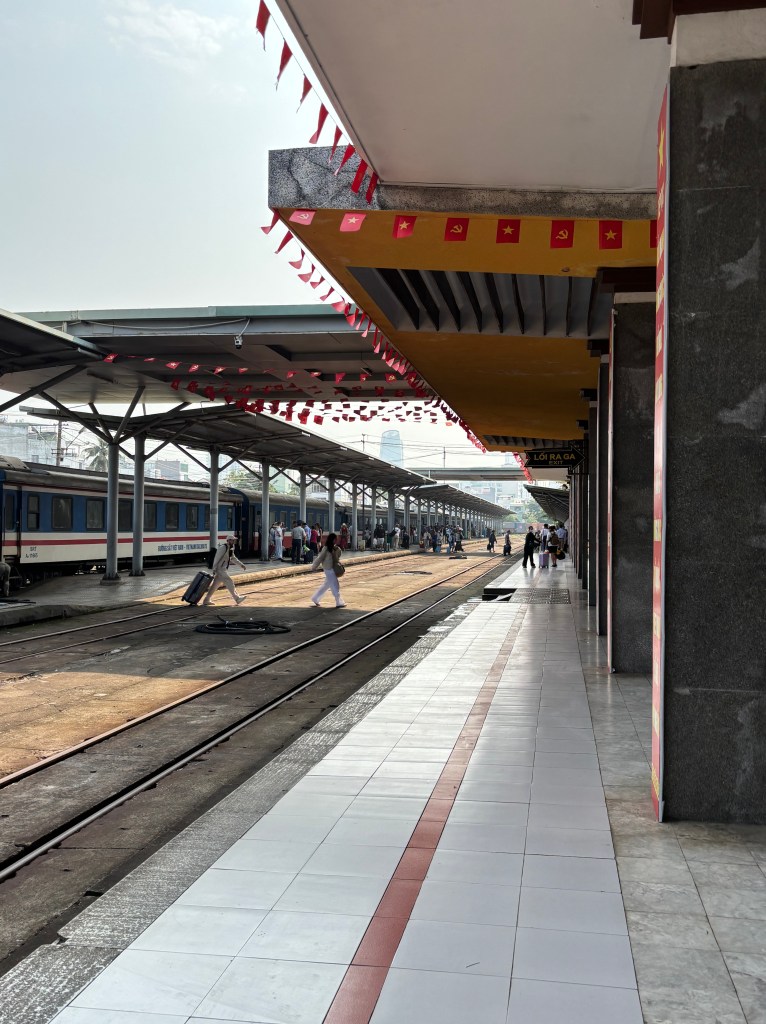
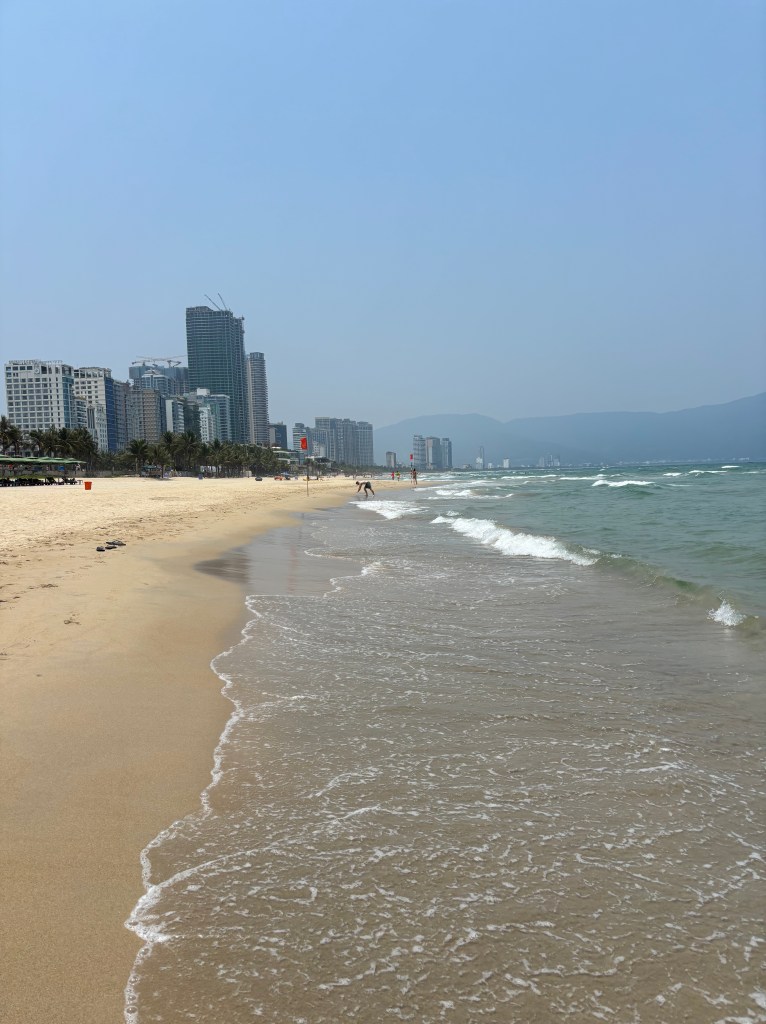
My guide, Mia, and a few others, came to see me off at the end of my stay – they’d prepared a packed lunch for me and organised the taxi to the train station in Long Khanh where I picked up the 15+ hour train to Danang. The couchette was comfortable – it is important to book the lower bunk or you might end up not seeing much from the upper bunk. (It is a great train journey along the Vietnamese coast.)
The overnight bus from Kanchanabury to Chiang Mai made very good time (a bit too good…) – it arrived at 5 am, an hour earlier than advertised. The seats recline, a blanket is provided (the a/c is ferocious), a snack and a drink given. However, the hostel doors do not open till c 7 am and there was a huddle of us (and our backpacks) waiting for dawn at the bus terminal. The little hotel I was staying at (The Pai Residence – small hotels are often cheaper than the private rooms at a hostel, and it had a pool) had no-one at the reception till 9:30. But I was able to squirrel away my case safely and go for a breakfast.
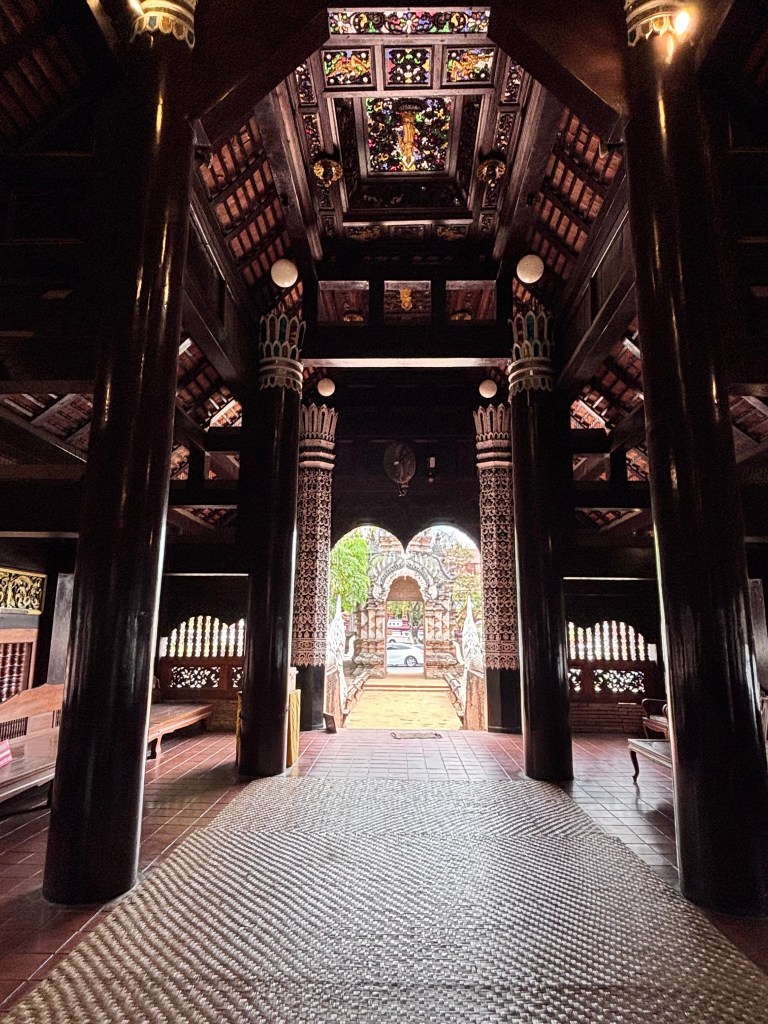
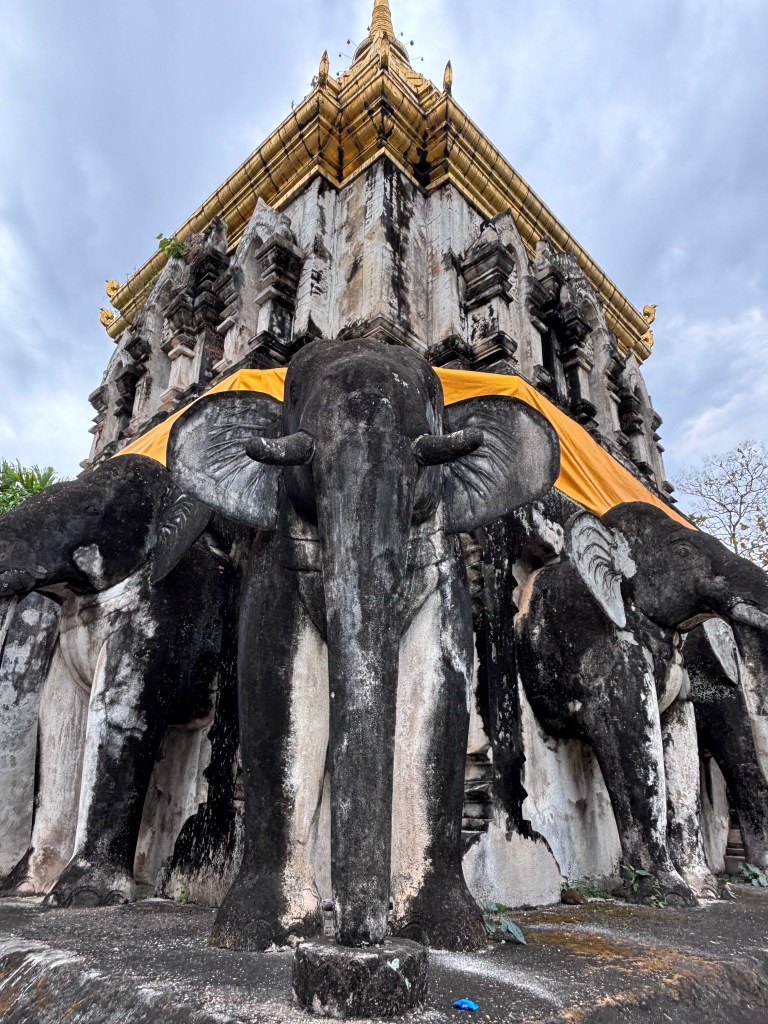
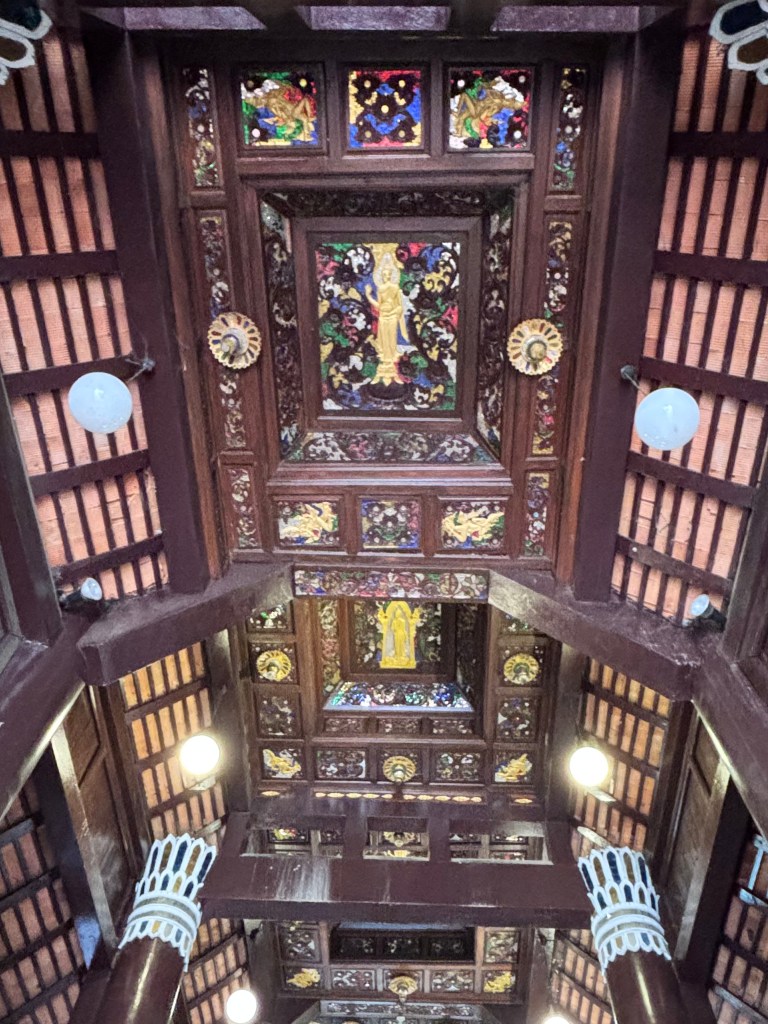
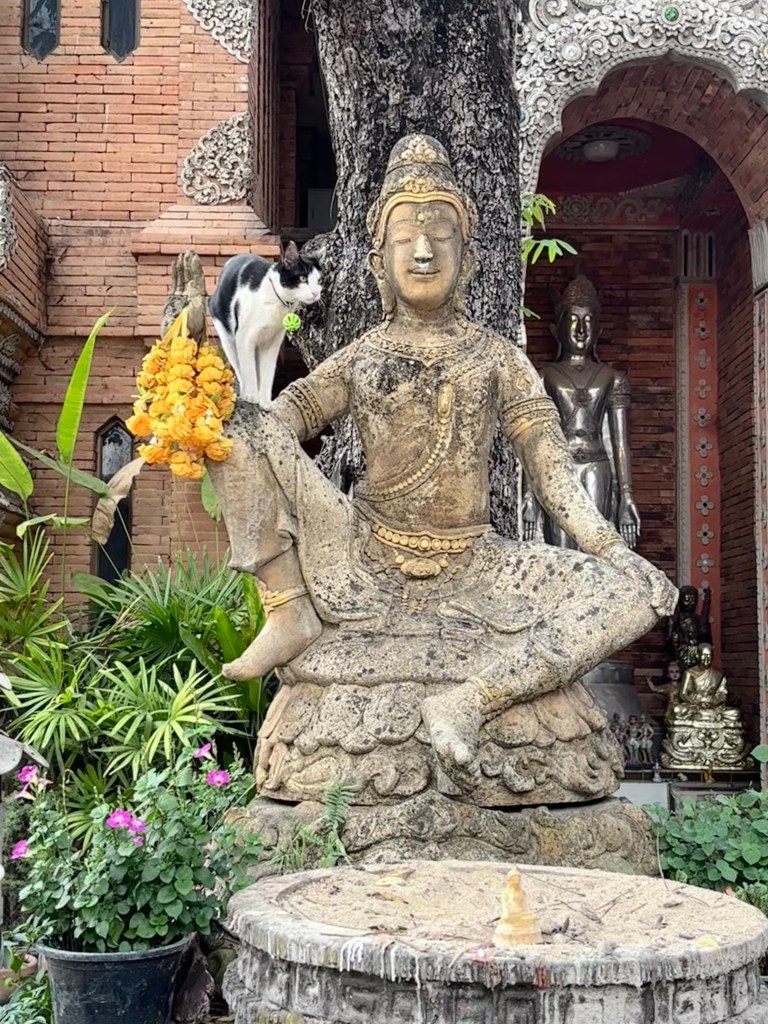
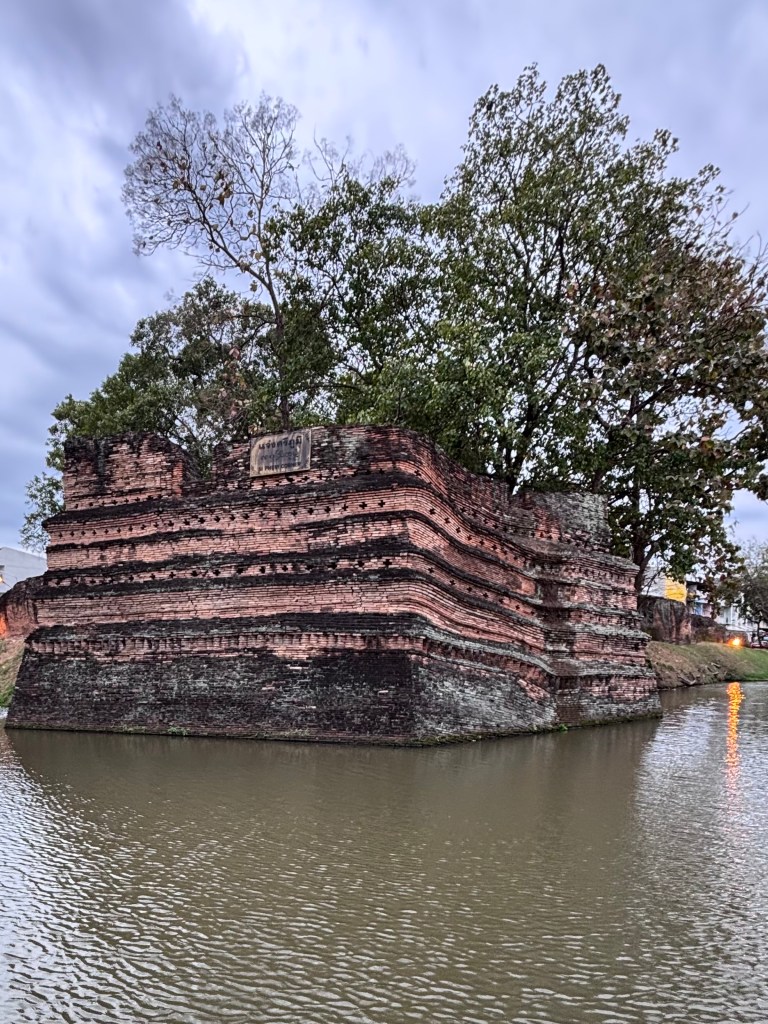
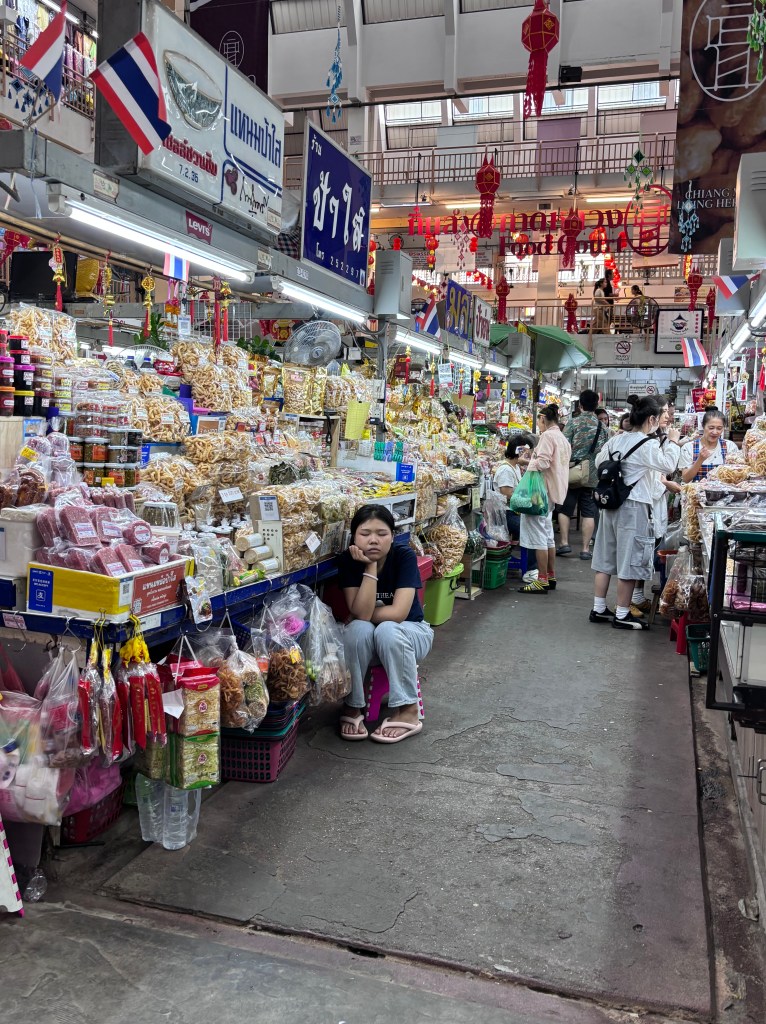
Chiang Mai oldest watElephants are enormously important in BuddhismSuch intricate workLooked familiarThe moat fort at Chiang MaiChiang Mai market
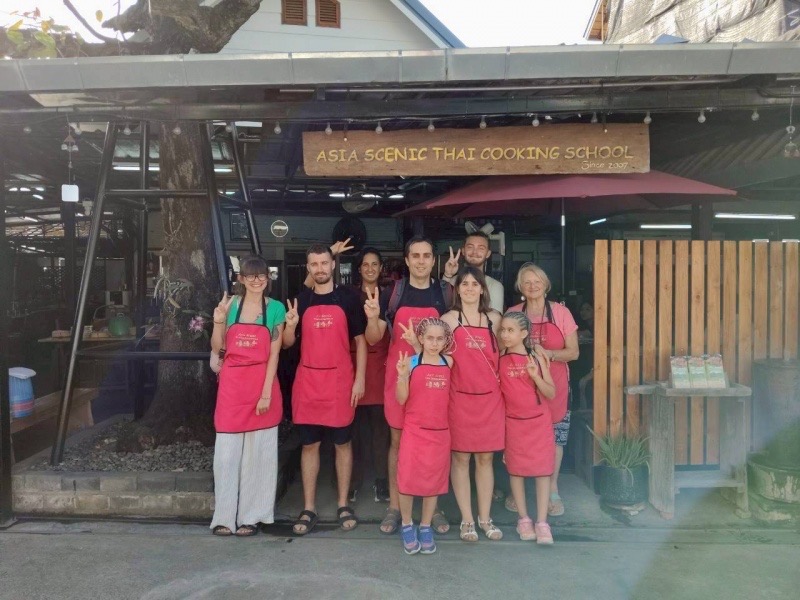
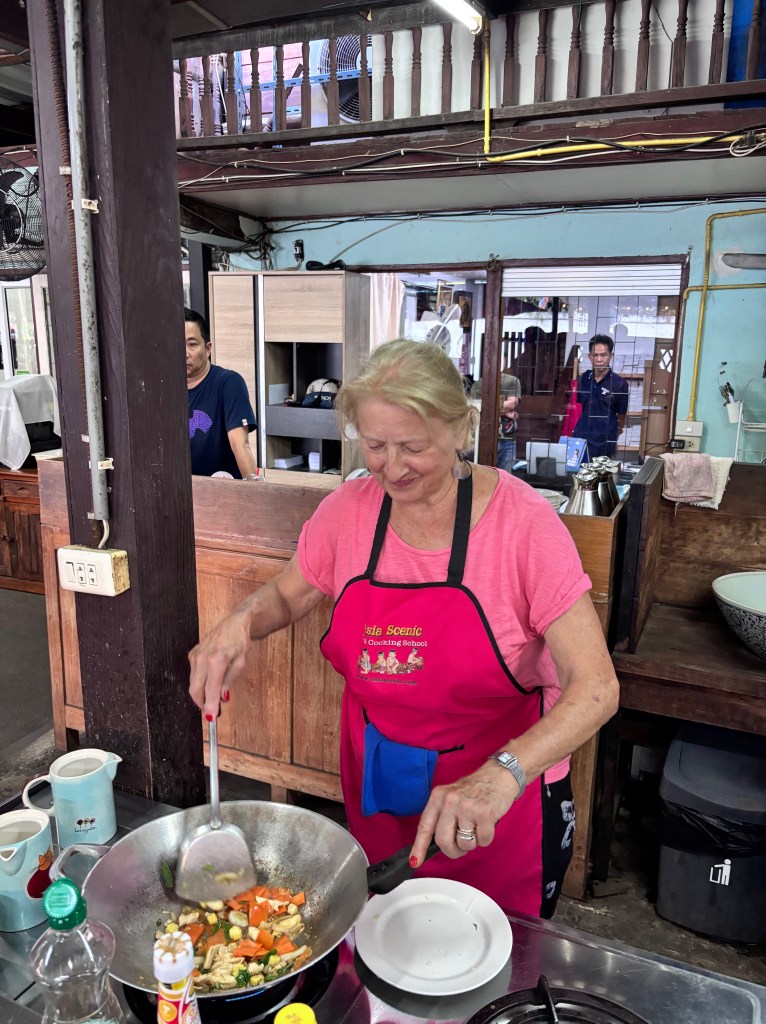
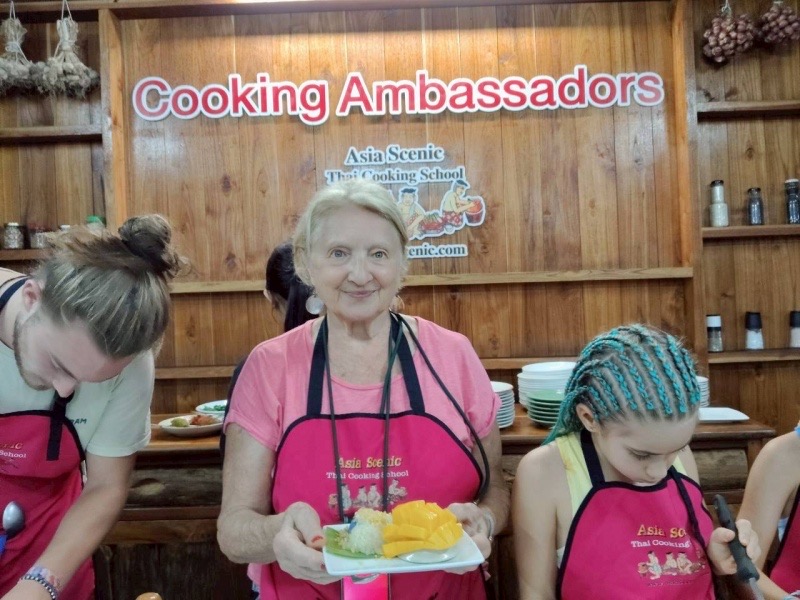
Chiang Mai old town is surrounded by a square moat. Wonderful wats, lots of history. Fun night market with terrific street food ( had grilled fish – delicious – and a green papaya salad, washed down with cool beer, all for about £4). Enjoyed a 1/2 day cooking class, well presented, fun (Nune, our Thai chef at Asia Scenic cookery school, was impressive) and tasty.
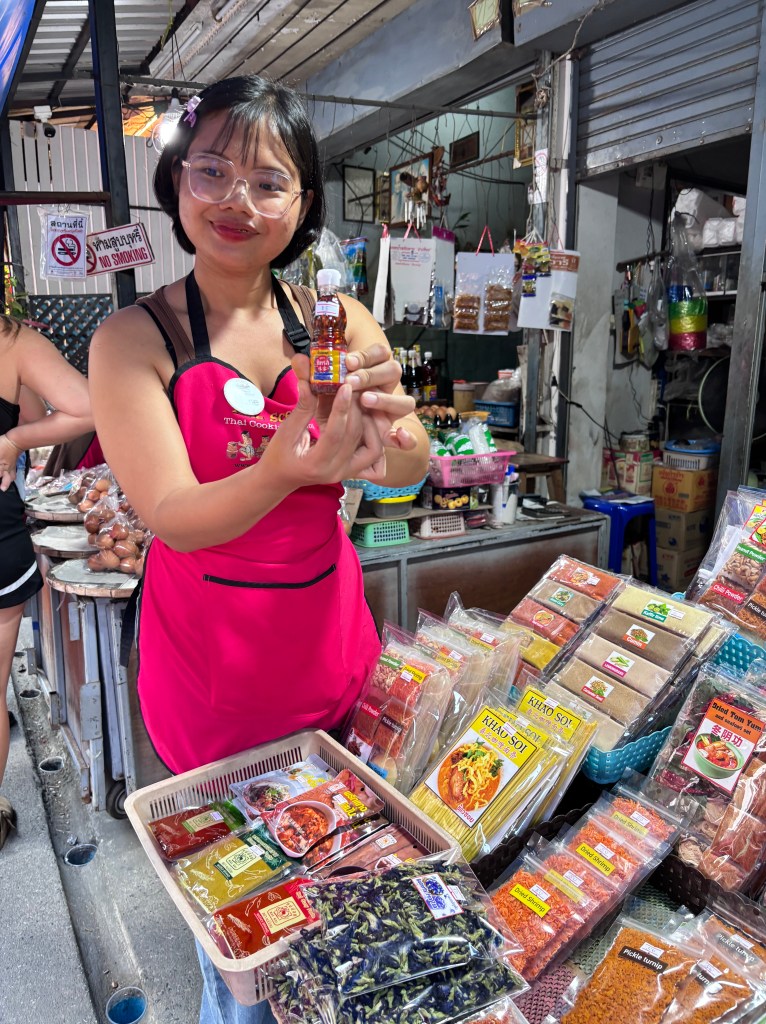
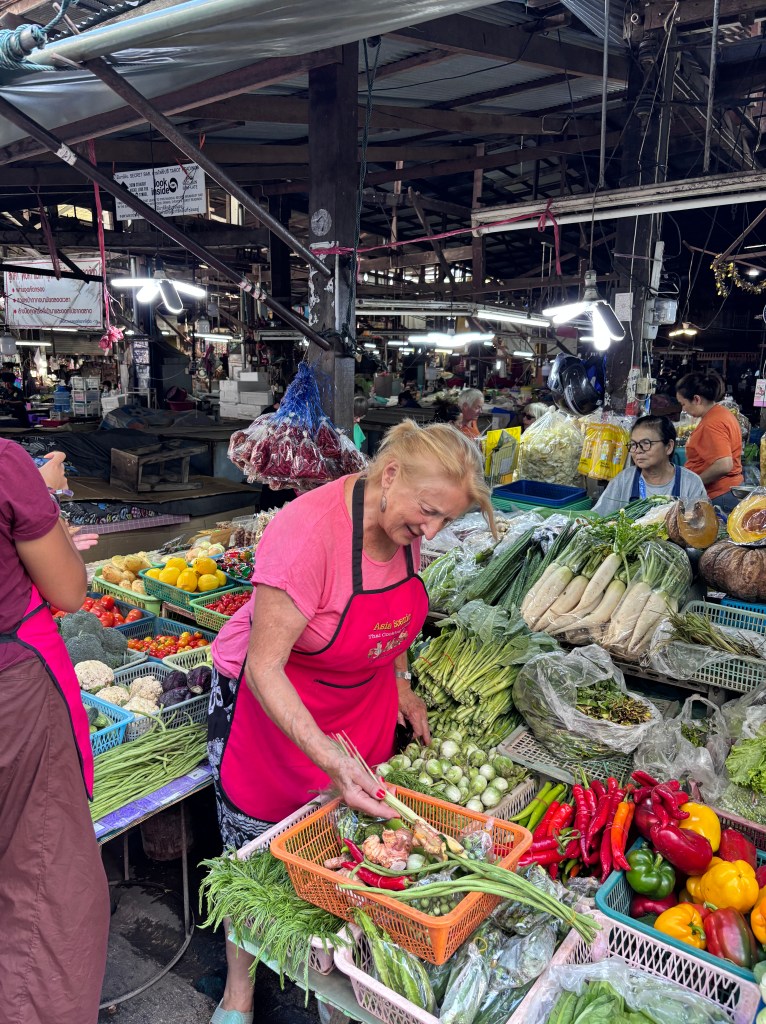
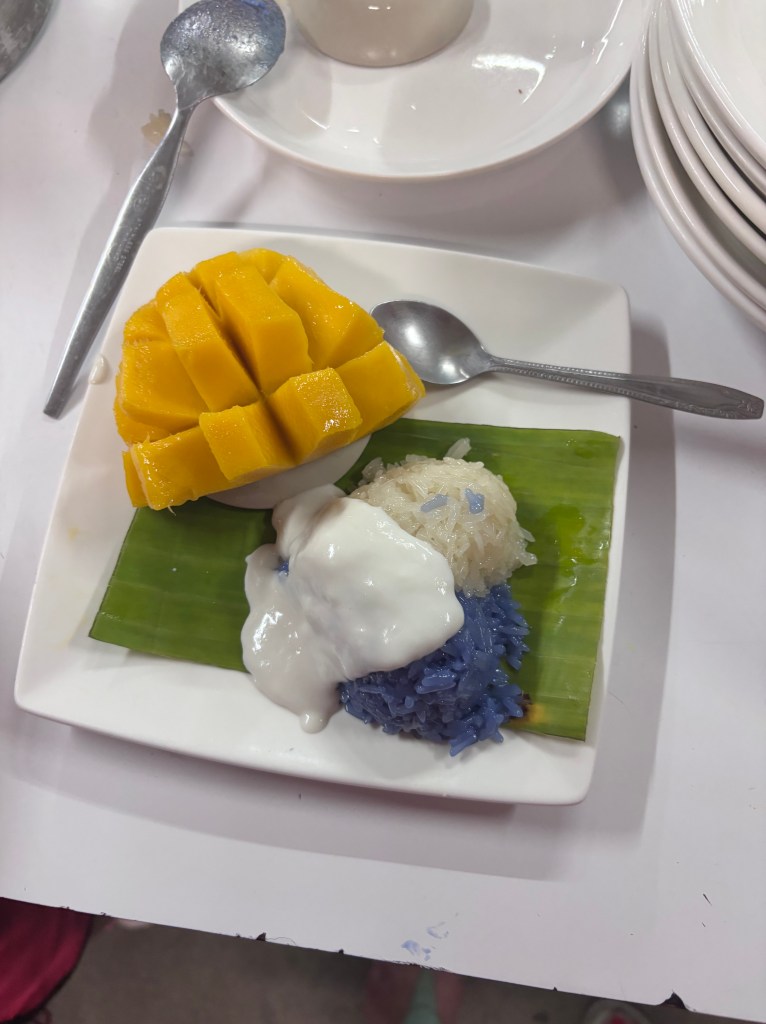
Thai cooking classWent to the market to get ingredientsMade 5 dishes!My sticky rice with mango
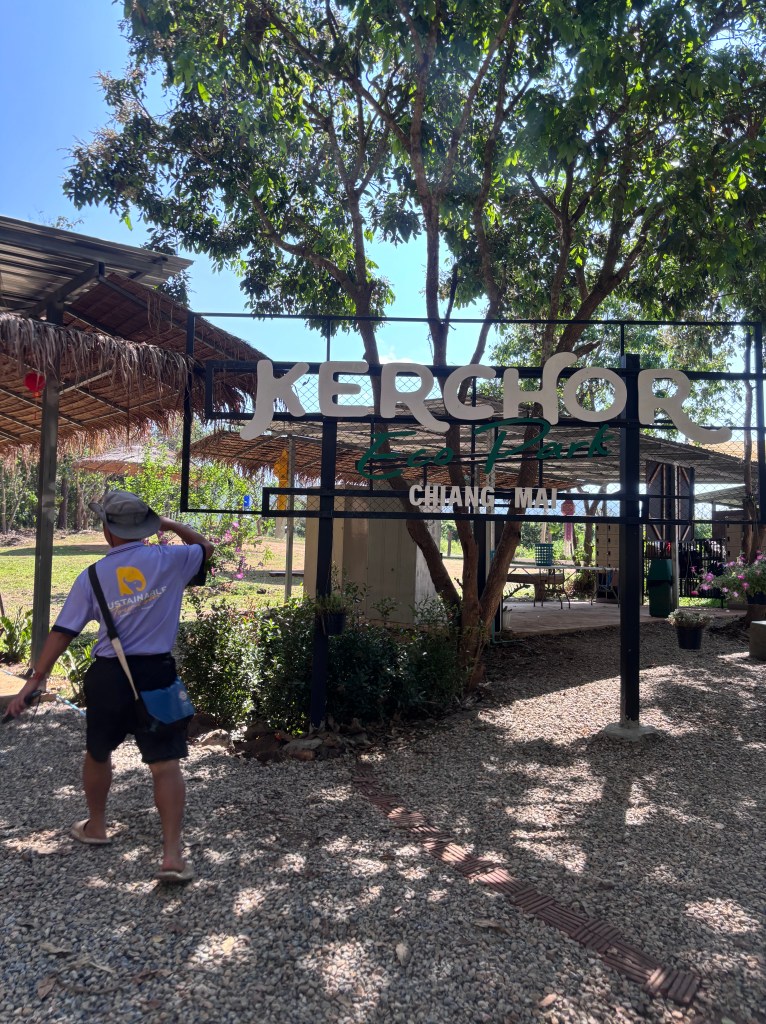
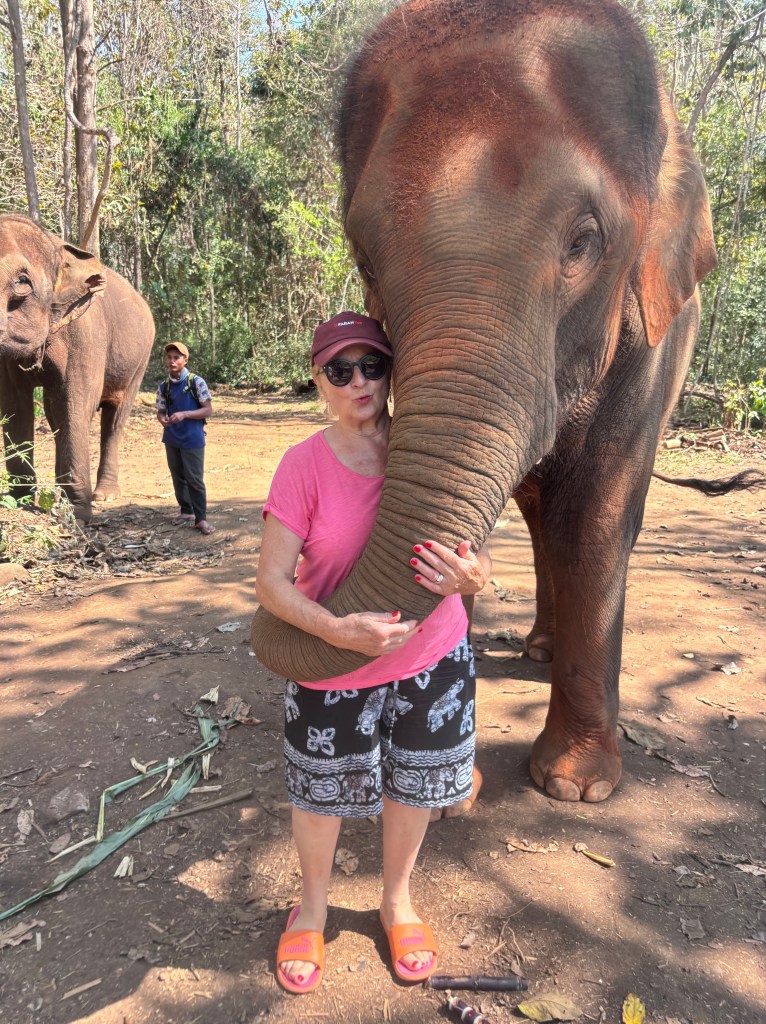
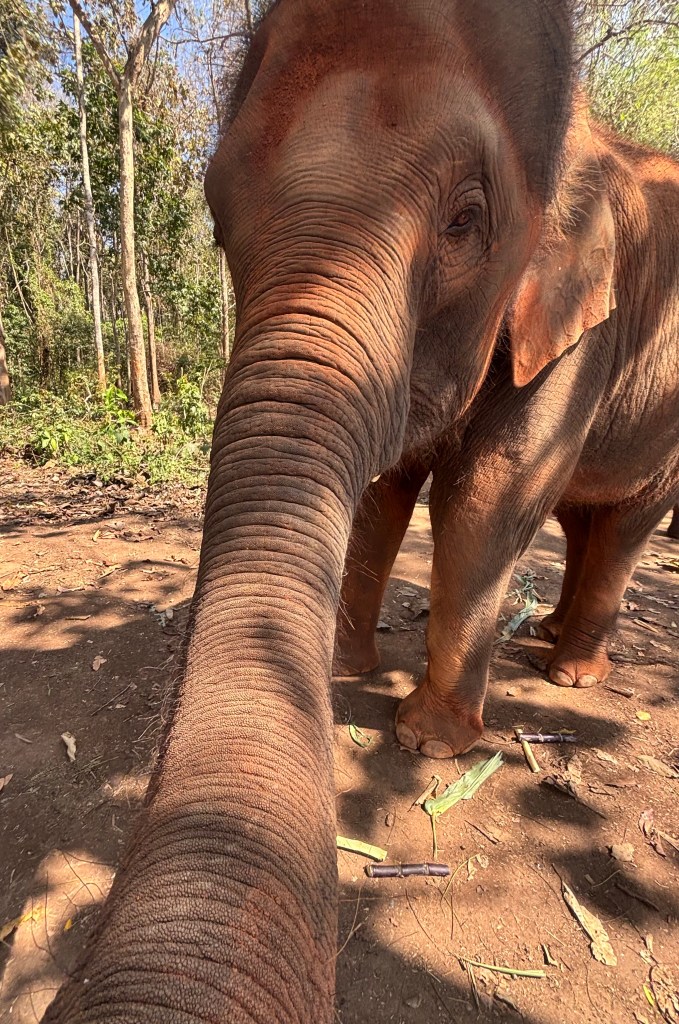
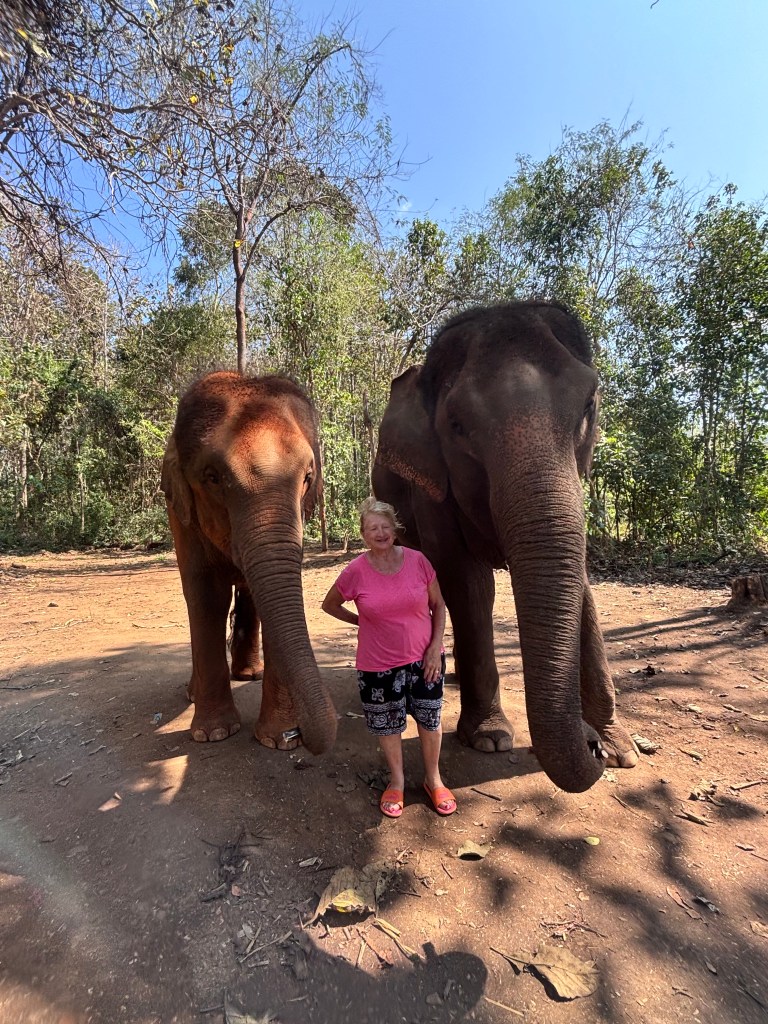
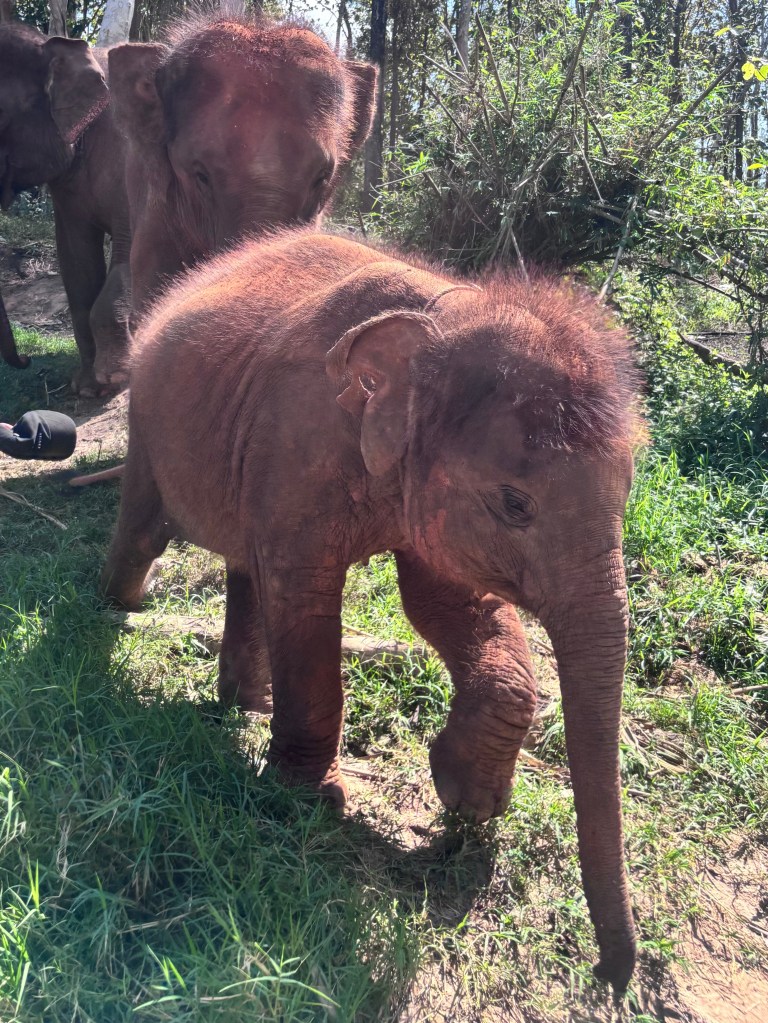
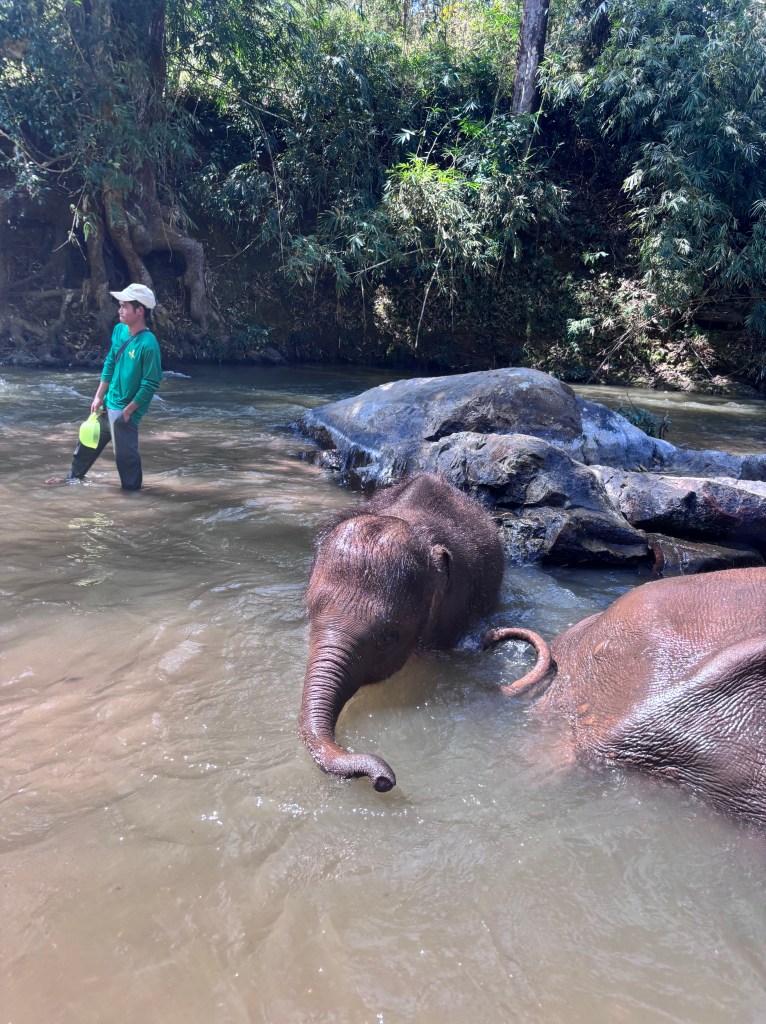
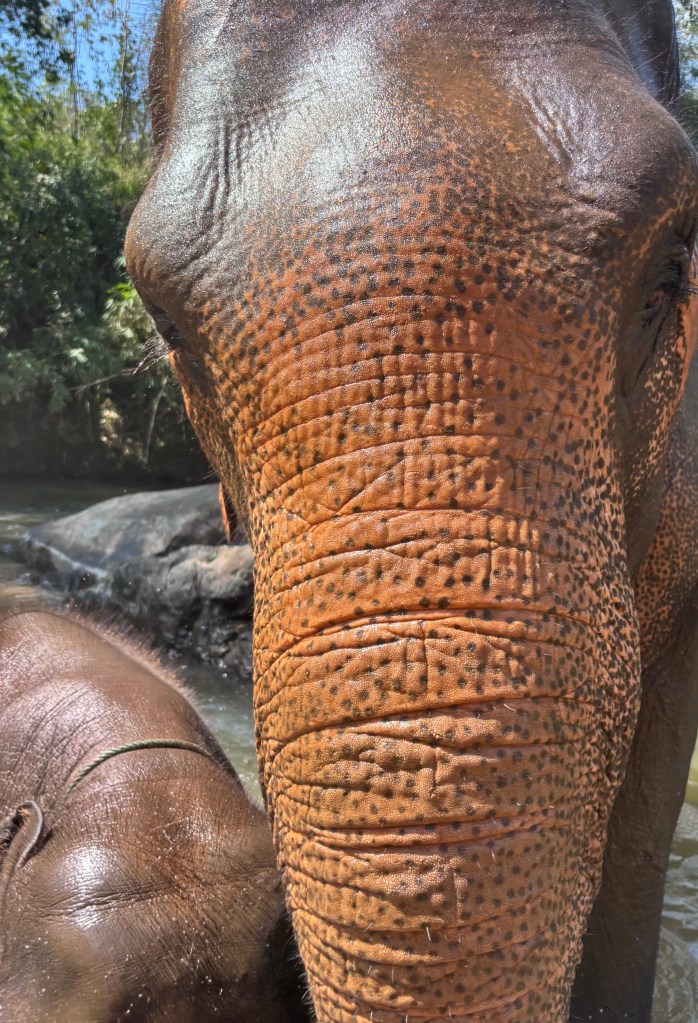
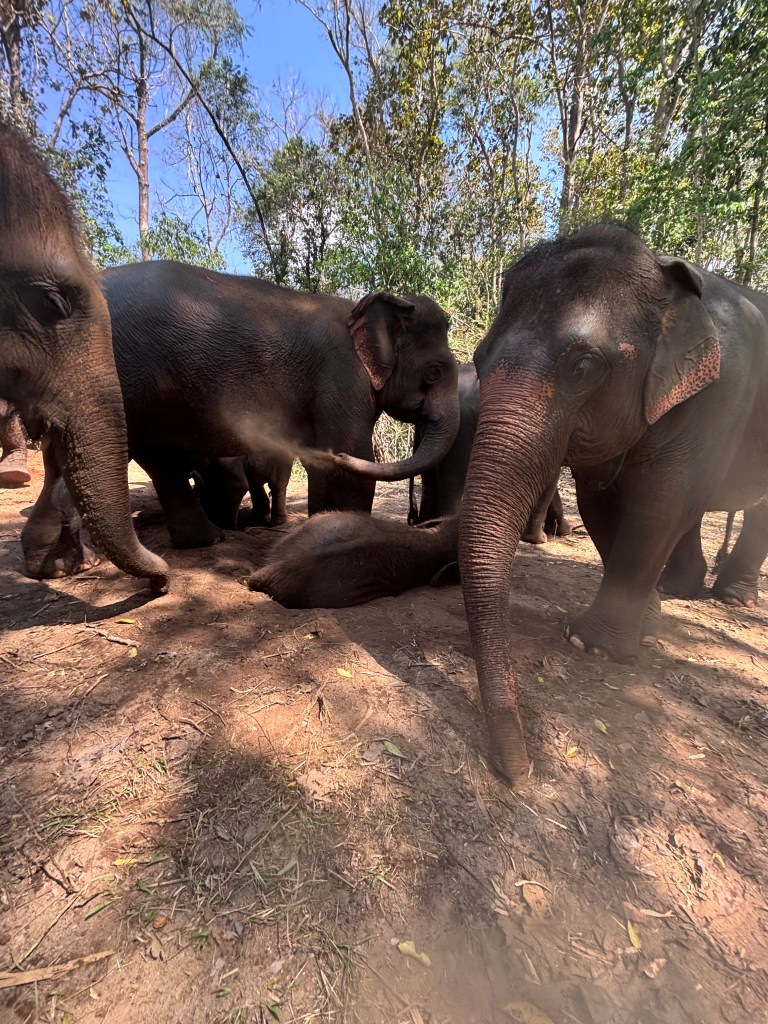
Took a day trip to an elephant sanctuary (Kerchor) that advertises its ethical approach. There are some 30-40 places around the Chiang Mai area that have elephants. When the government banned the use of elephants for logging (2018), many elephants were “redirected to tourism or sold”. Some places still offer rides, though not many, thank goodness. Kerchor, which has 8 adult elephants and 2 babies) gave us the opportunity to feed the elephants, walk with them to the river, observe them. The elephants are still being trained to “perform” – to interact with tourists – though the mahouts (all from Karen tribe, traditionally mahouts) do not use hooks and pikes but food.) I liked that I could be so close to them but also felt uncomfortable when they “posed” for photos. One could say that they contribute to their keep – conservation is not cheap. But will not be visiting another.
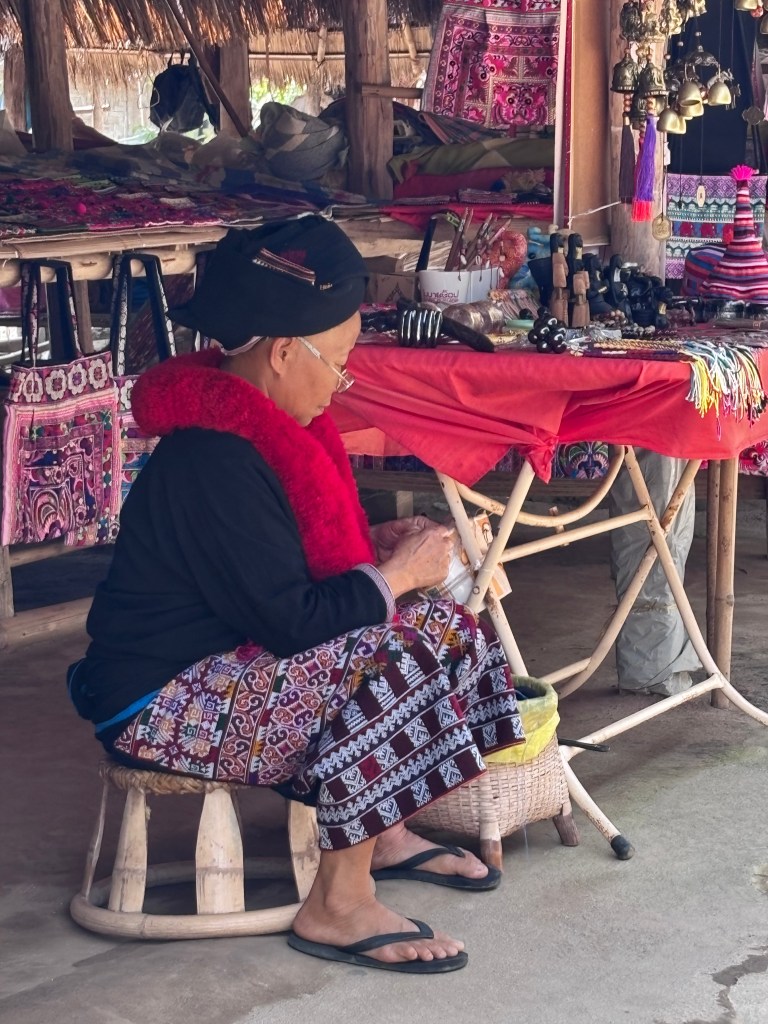
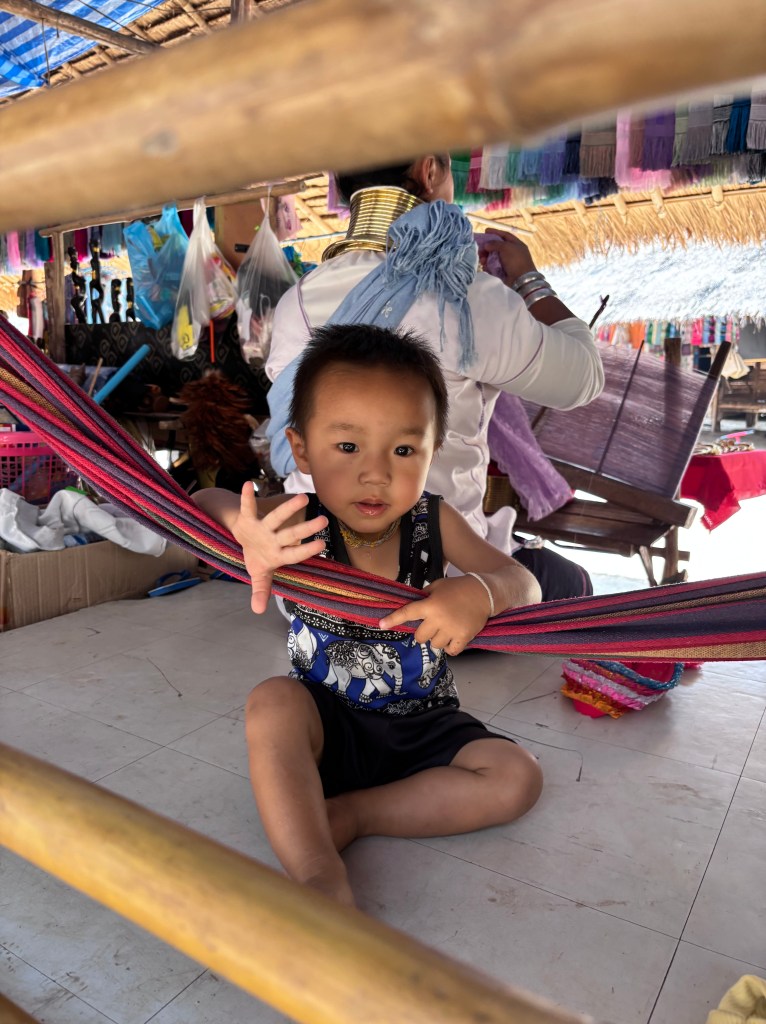
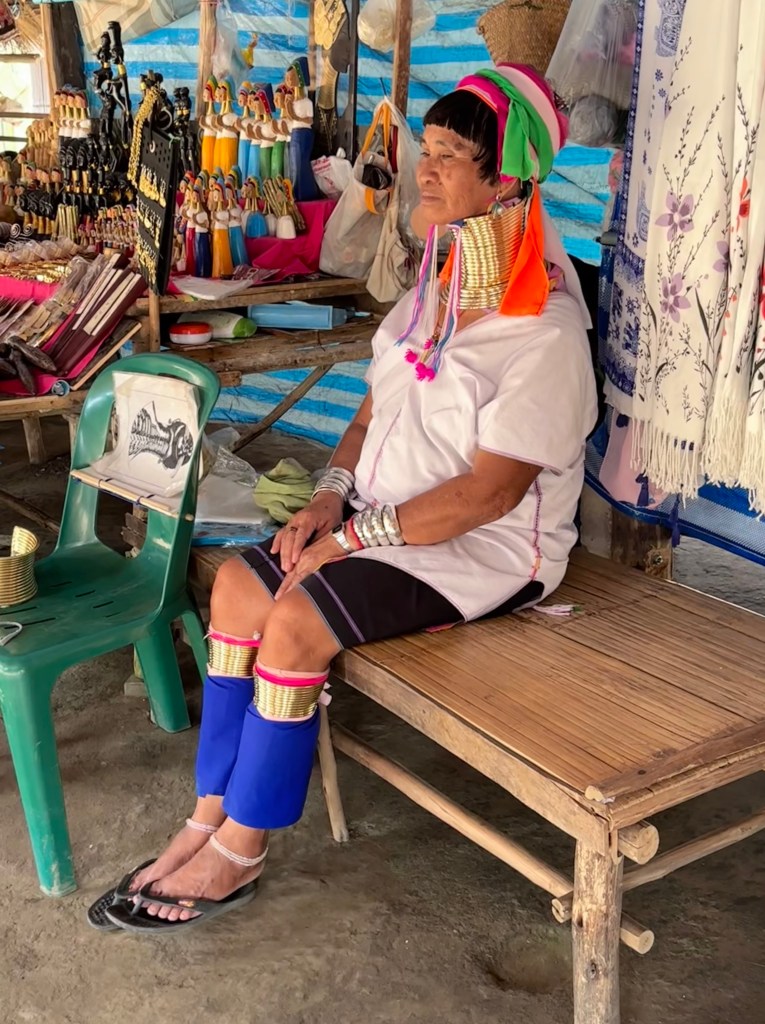
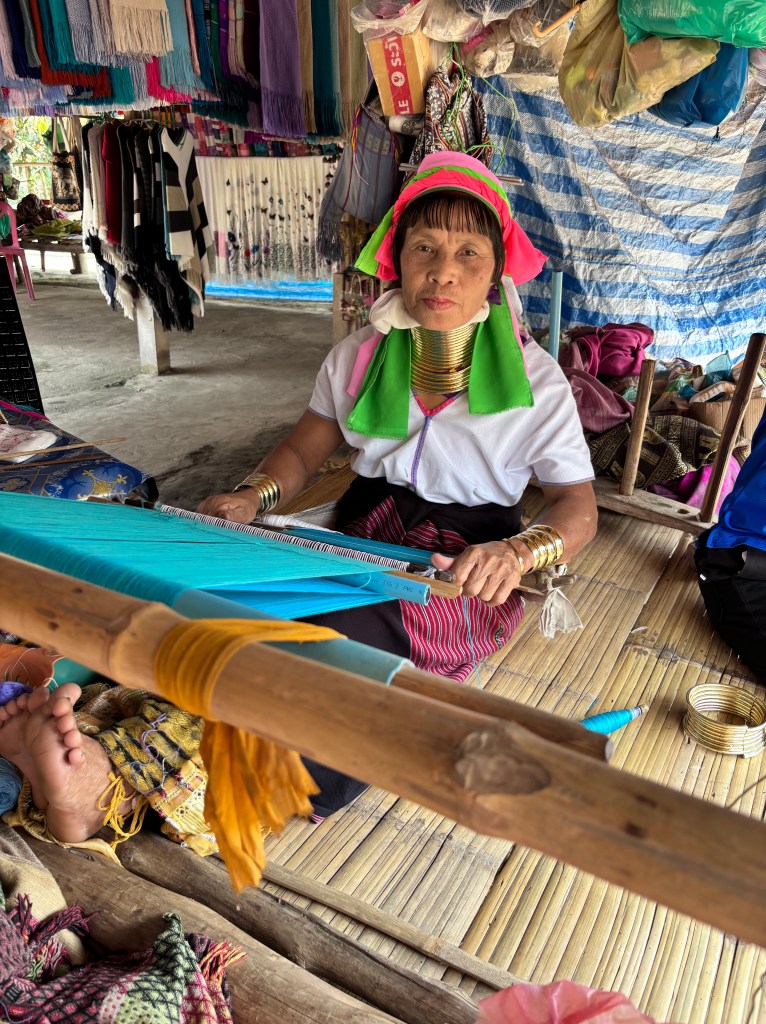
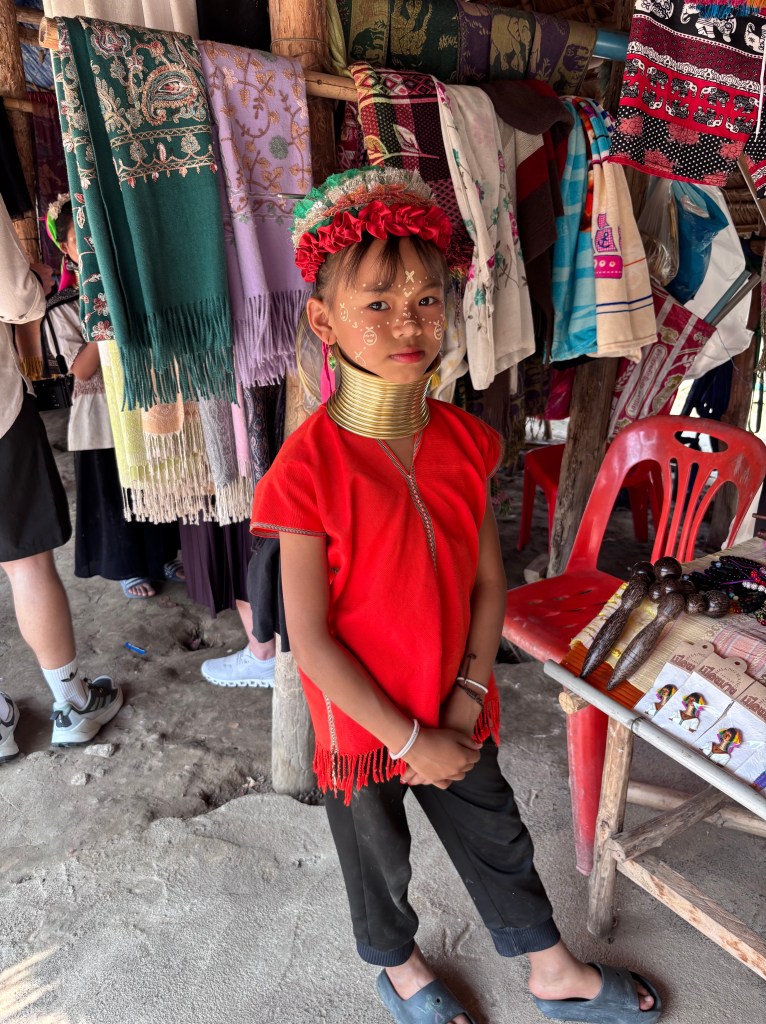
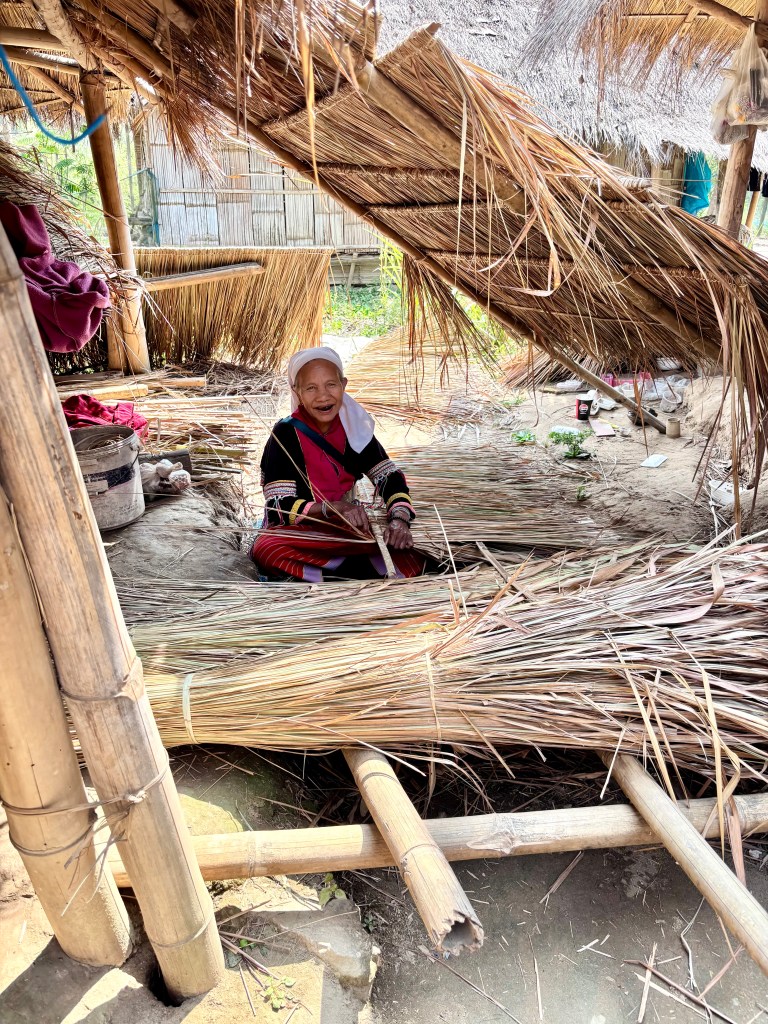
Also visited the Long Neck Women (Kayane Karen tribe, refugees from Myanmar). Horrible practice, placing (eventually) 4 kilos of brass on the neck – the weight pushes down on the shoulders, which gives the appearance of the neck length. There are still some who do this to their female children now, but most don’t – children who attend local schools cannot have the rings. Though some use removable ones (the classic ones are wound onto the neck and only removable by unwinding…)
This woman is 62 – hr rings are not easily removableHer rings can be taken off daily
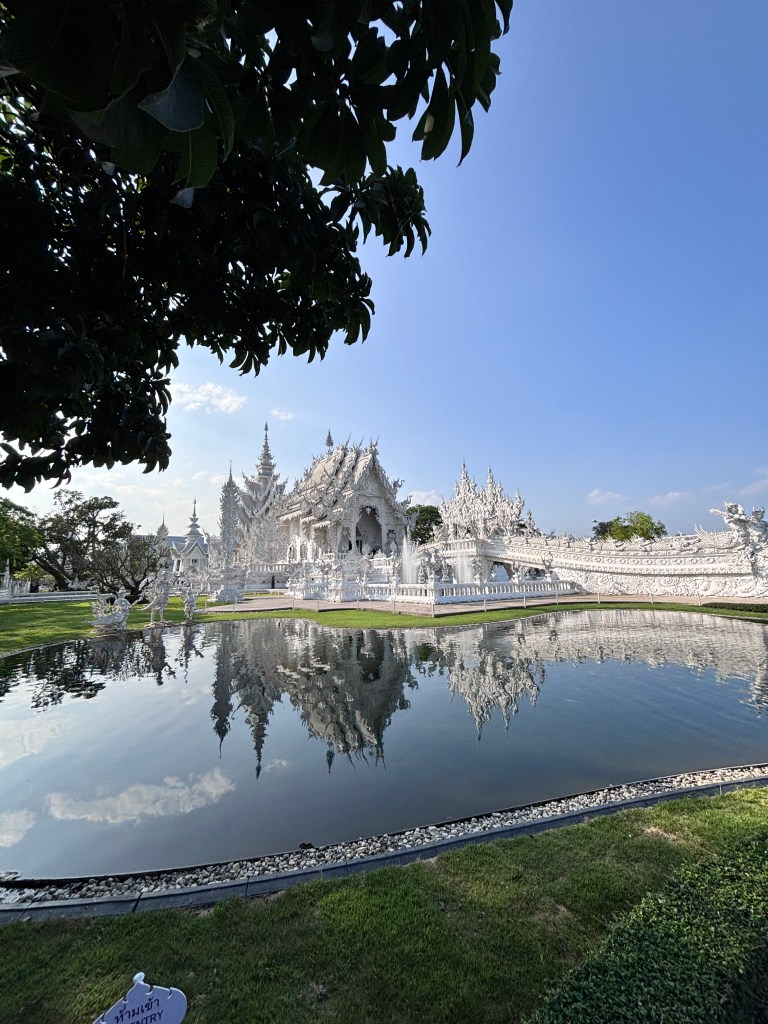
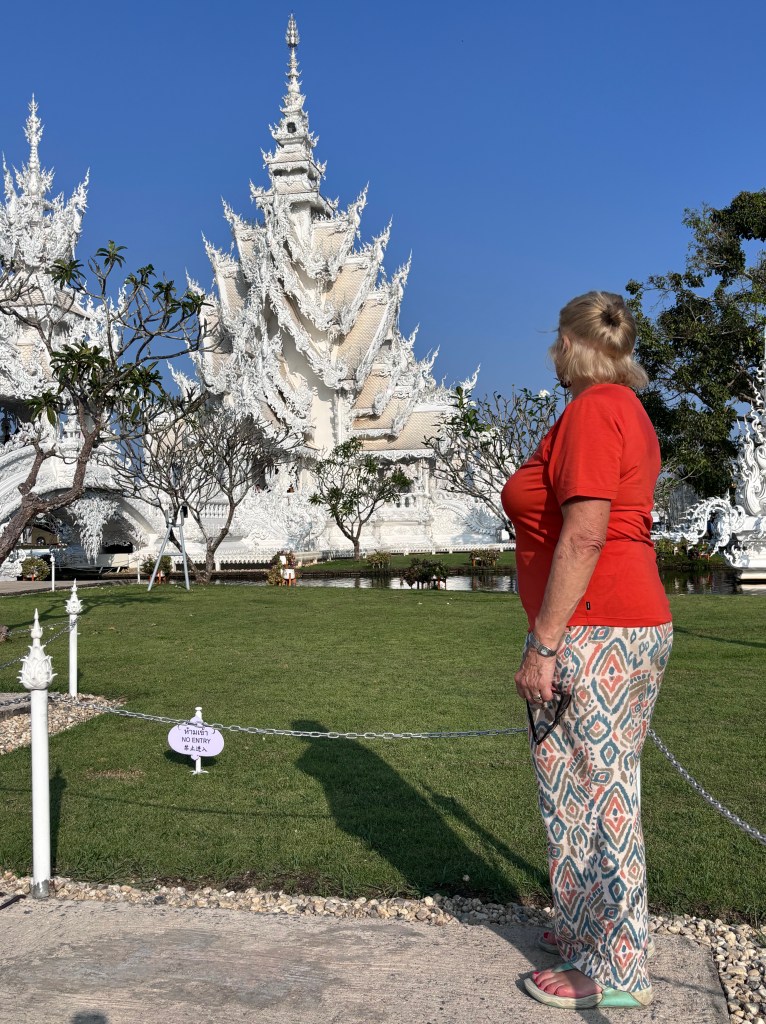
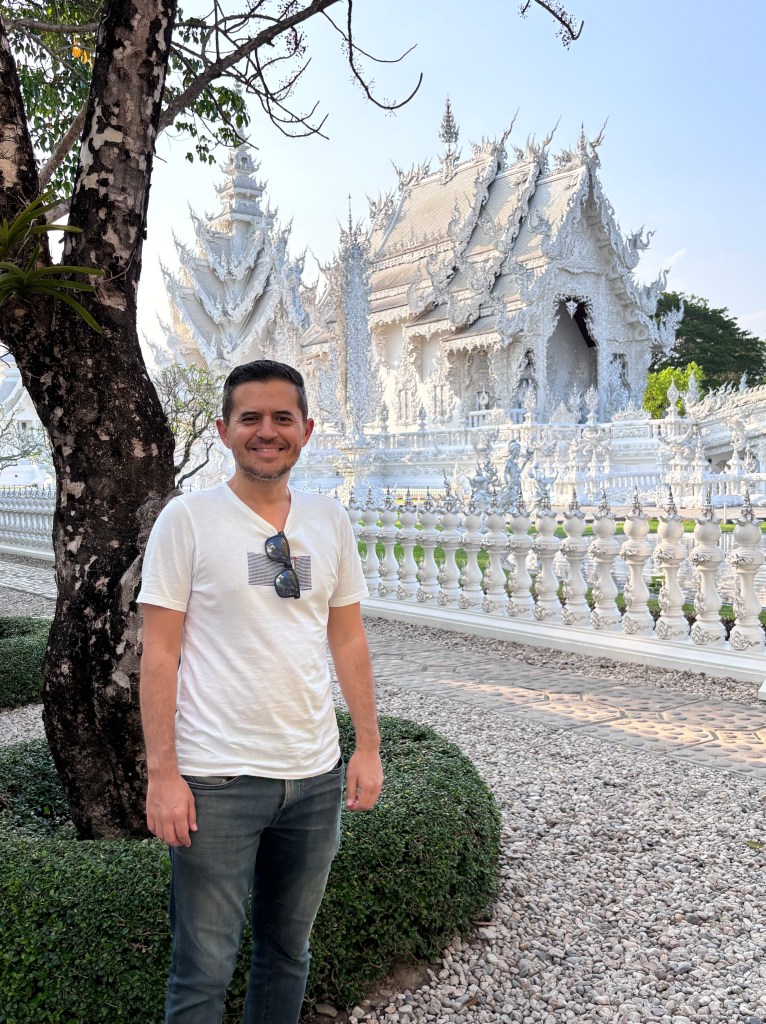
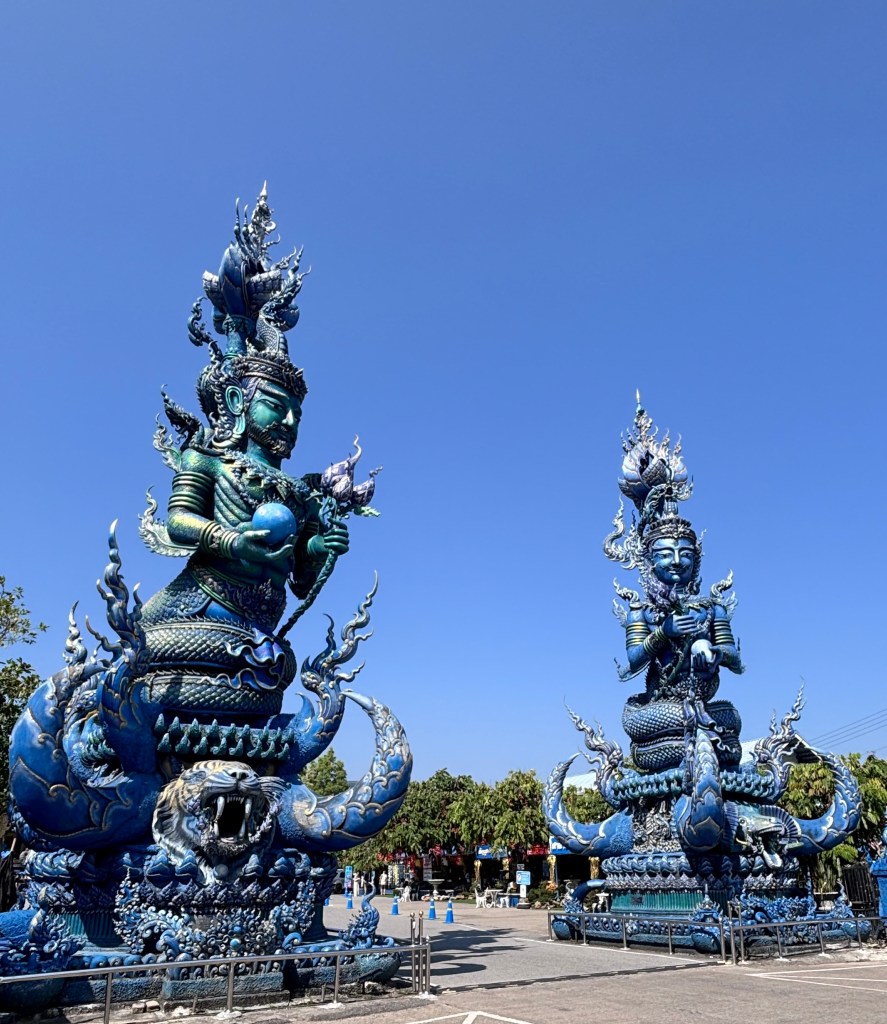
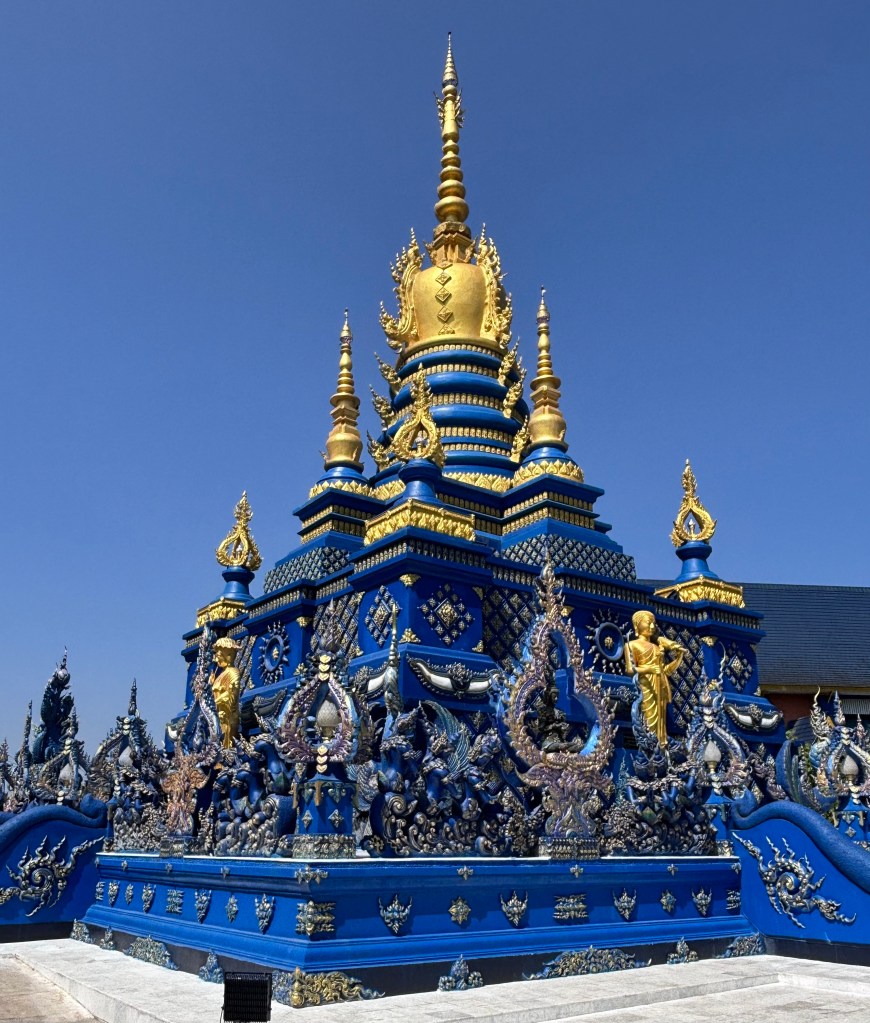
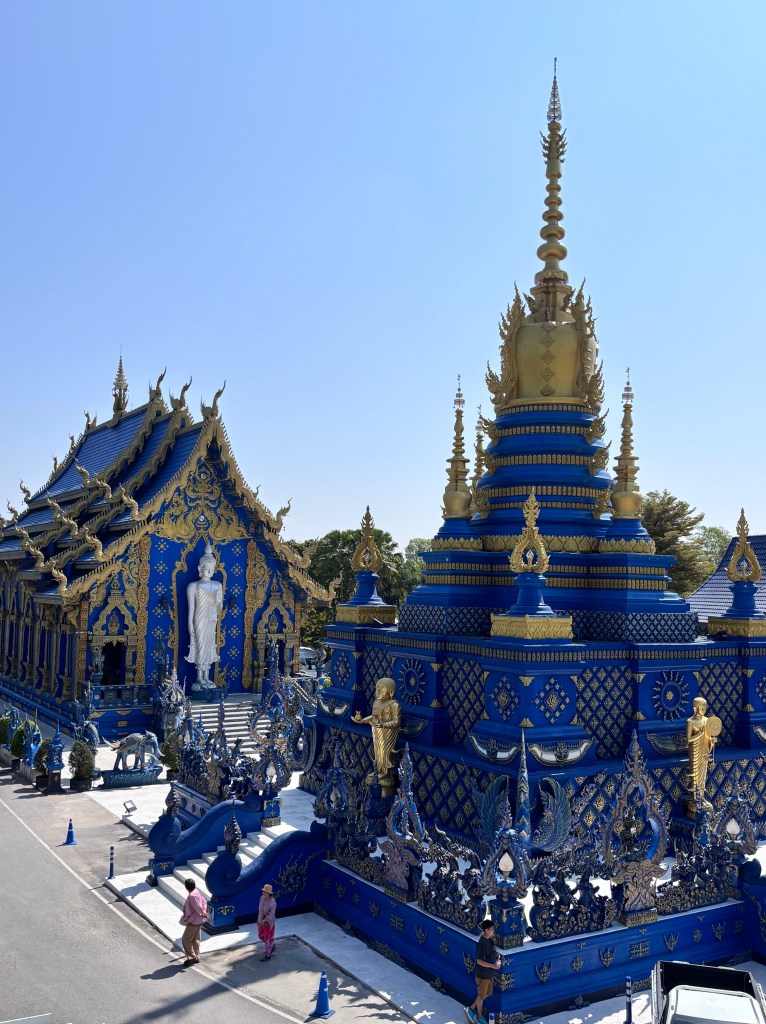
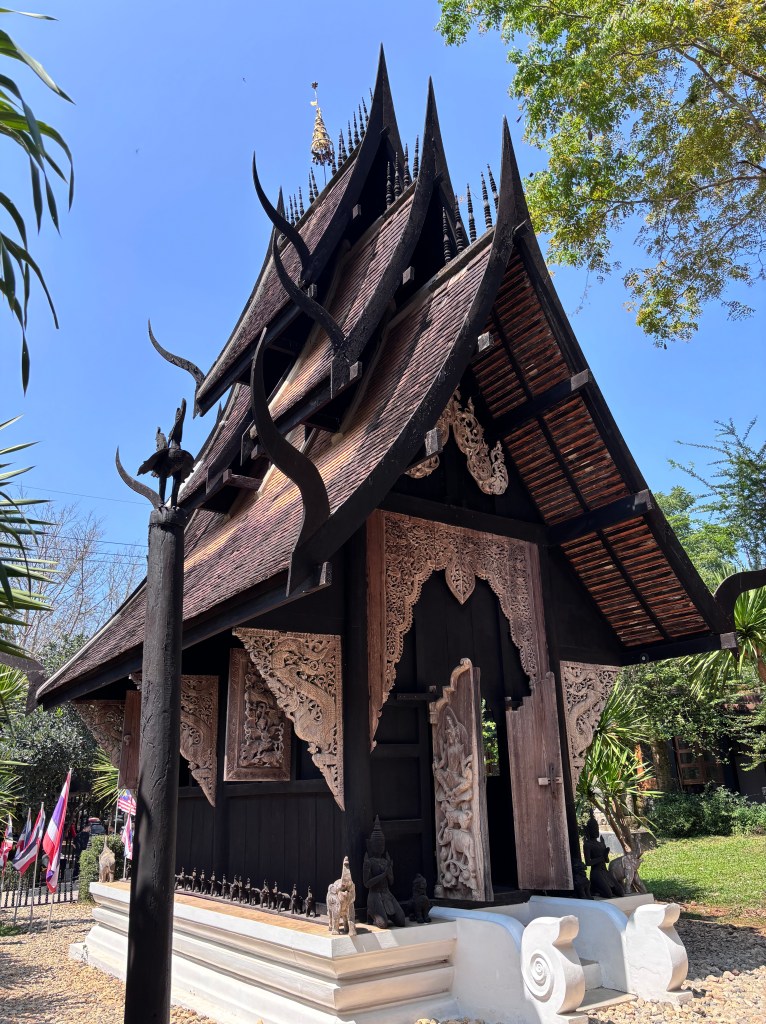
The bus from Chiang Mai to Chiang Rai takes about 4 hours. Met a nice Turkish chap, Sarkan, who helped me drag my backpack/case to the Chiang Rai Clock Tower hostel. We visited the White Wat together before he caught his flight to Cambodia (cheaper from Chiang Rai than from Chiang Mai!). Chiang Rai is advertised as a culture town. Various Lao artists have contributed to this reputation – the White, Blue and Black wats are the main ones.
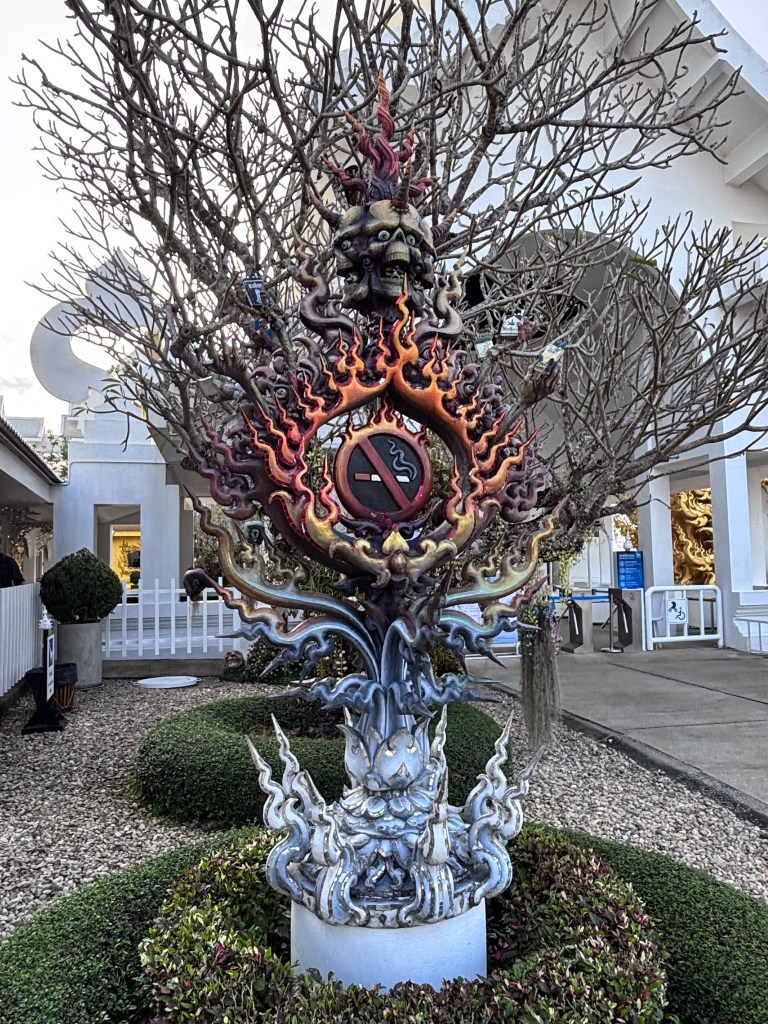
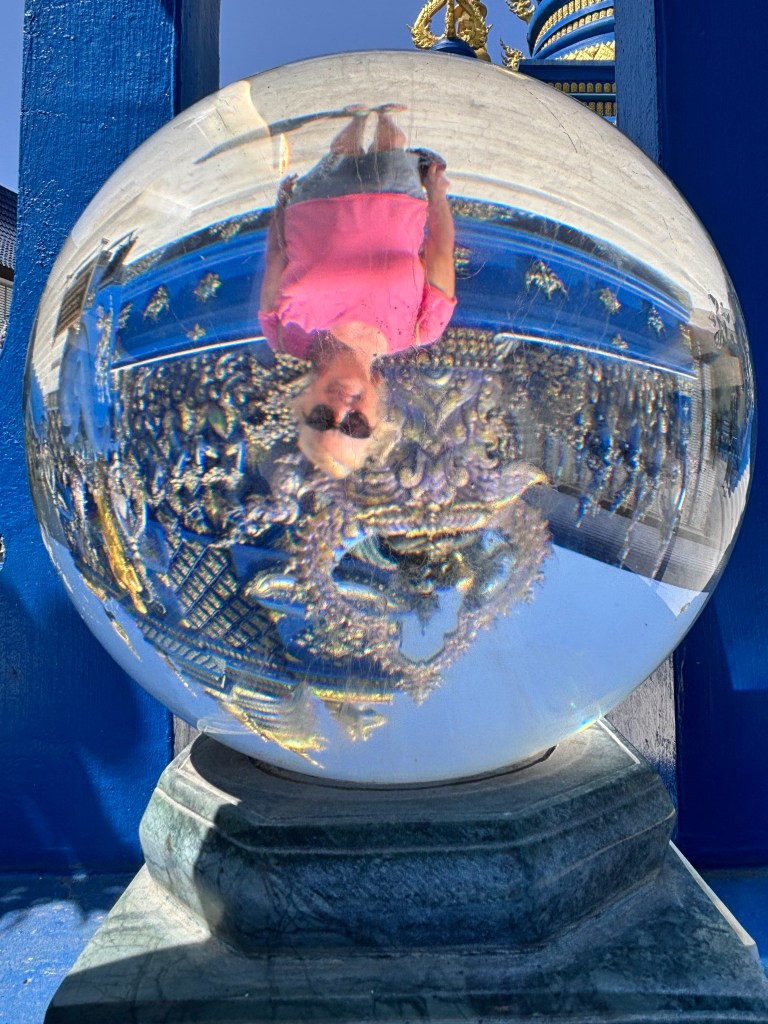
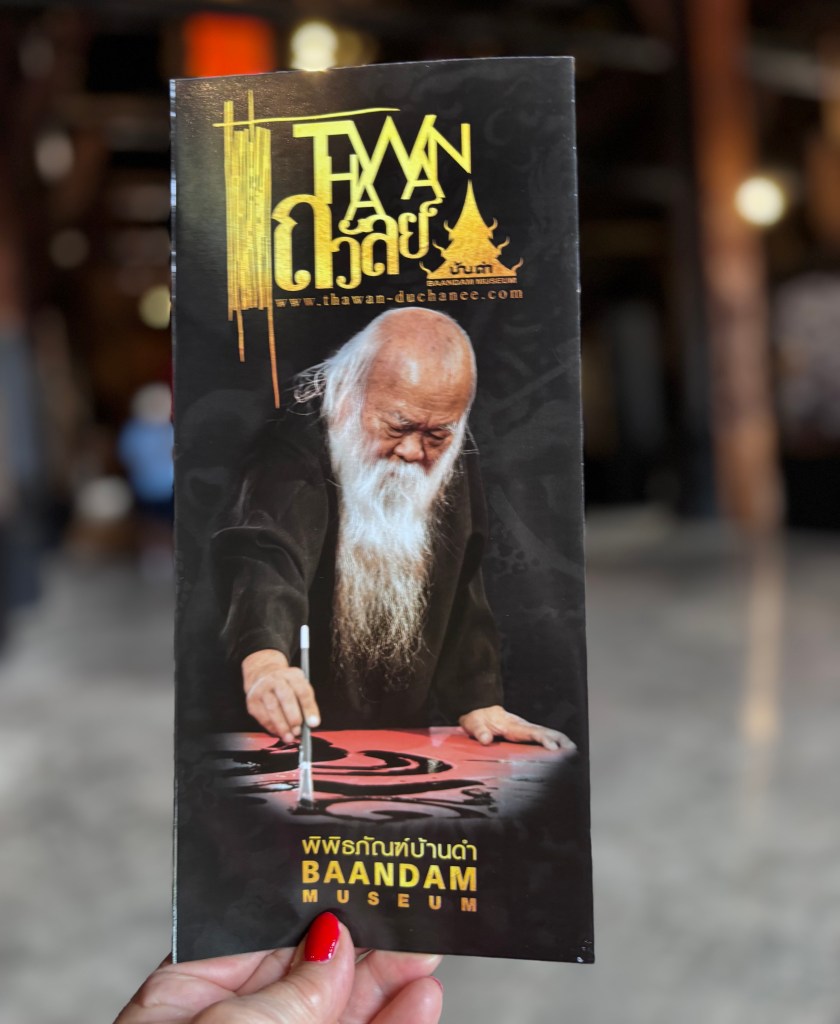
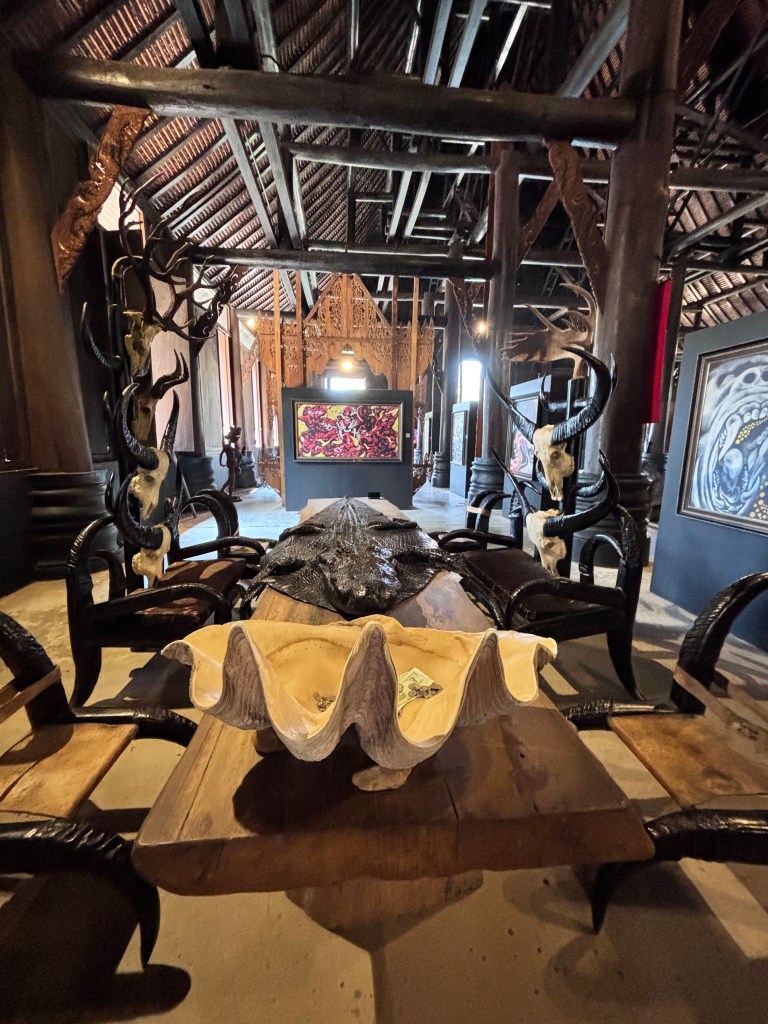
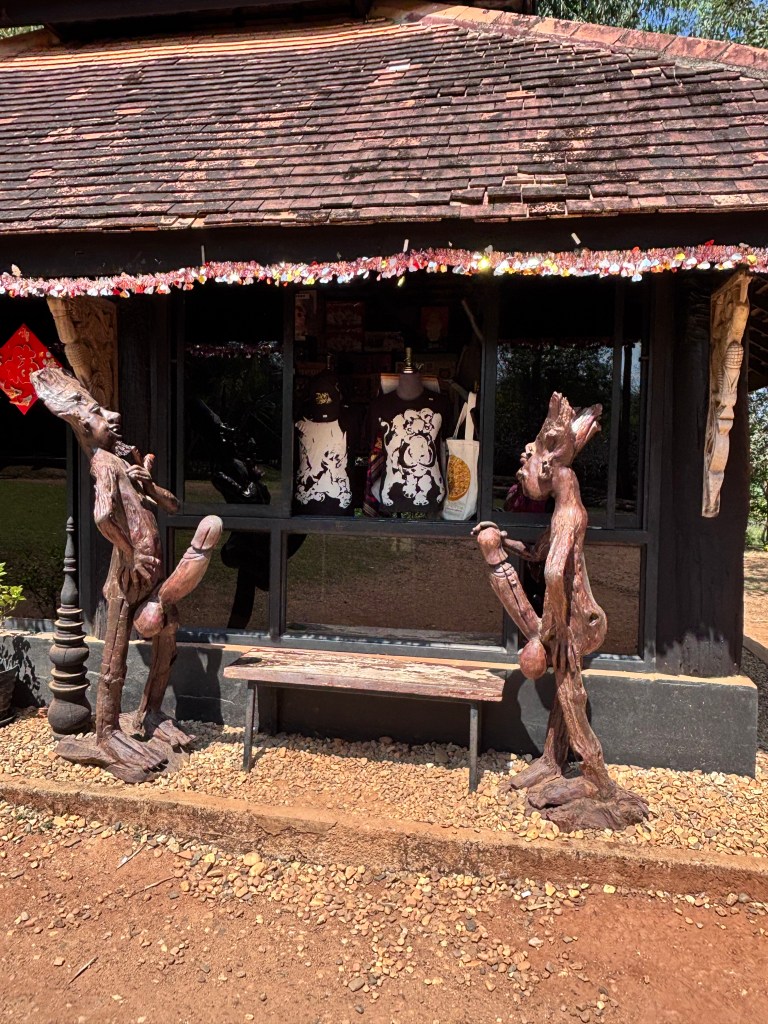
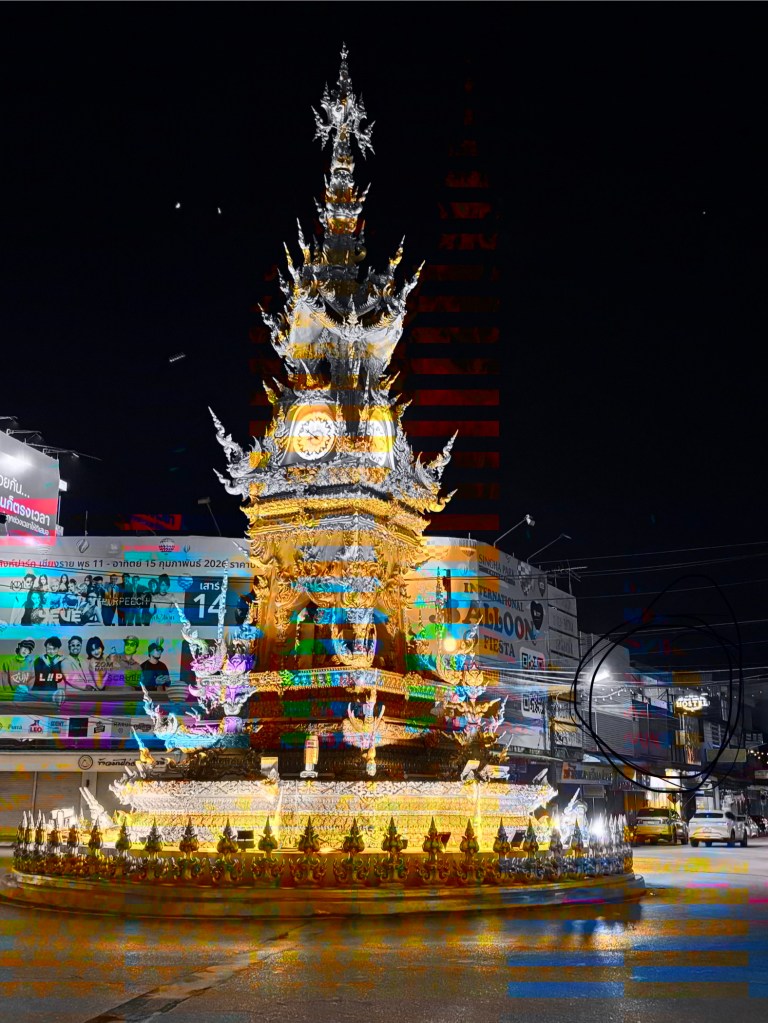
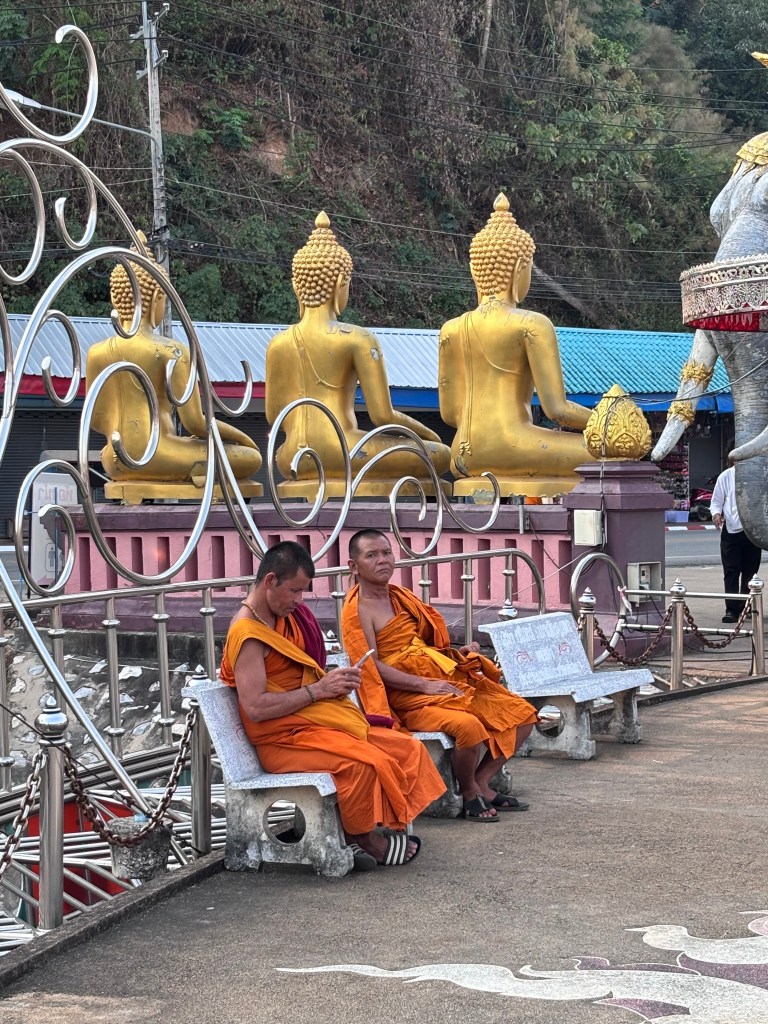
The white wat – as Buddha is pureSarkan, a Turkish fellow travellerGood NO Smoking warningThe blue temple – for sky – the artist had worked on the White one…The globes were in a couple of places, providing a different imageThe Black – really a collection of Thai living The Clock Tower
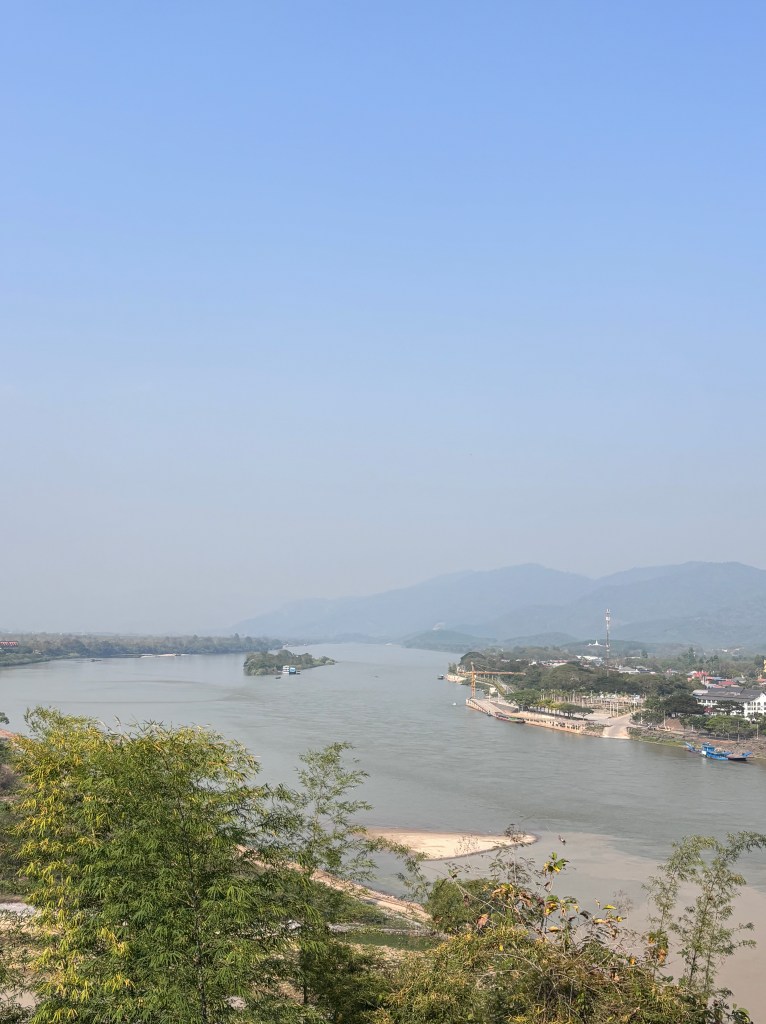
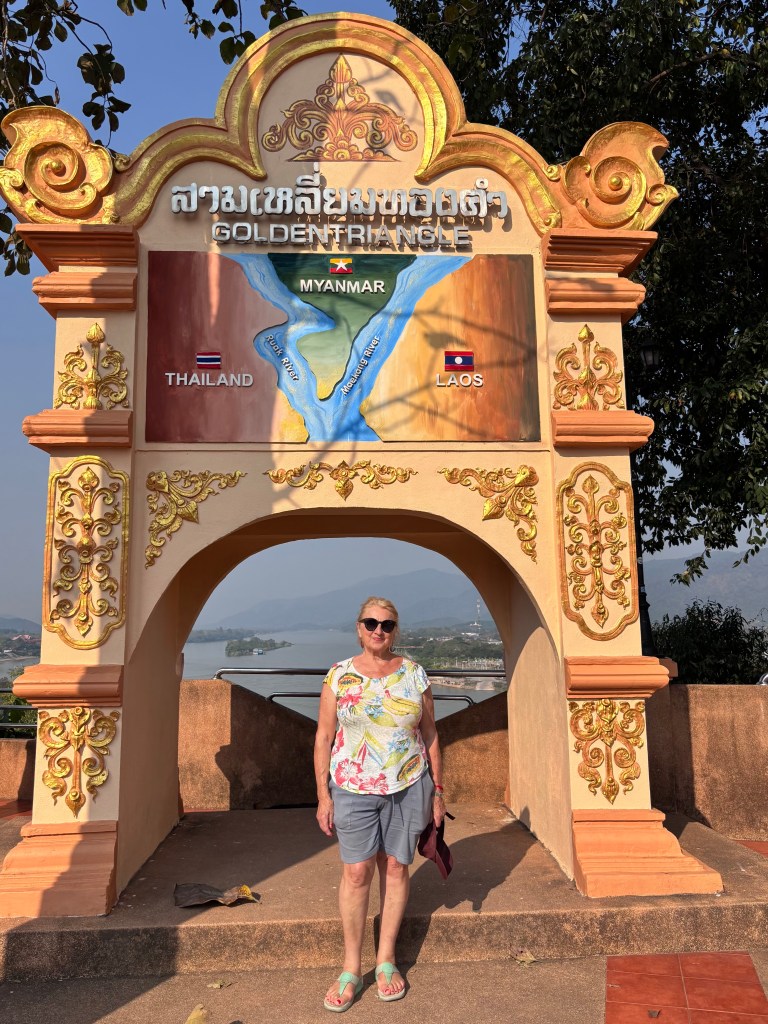
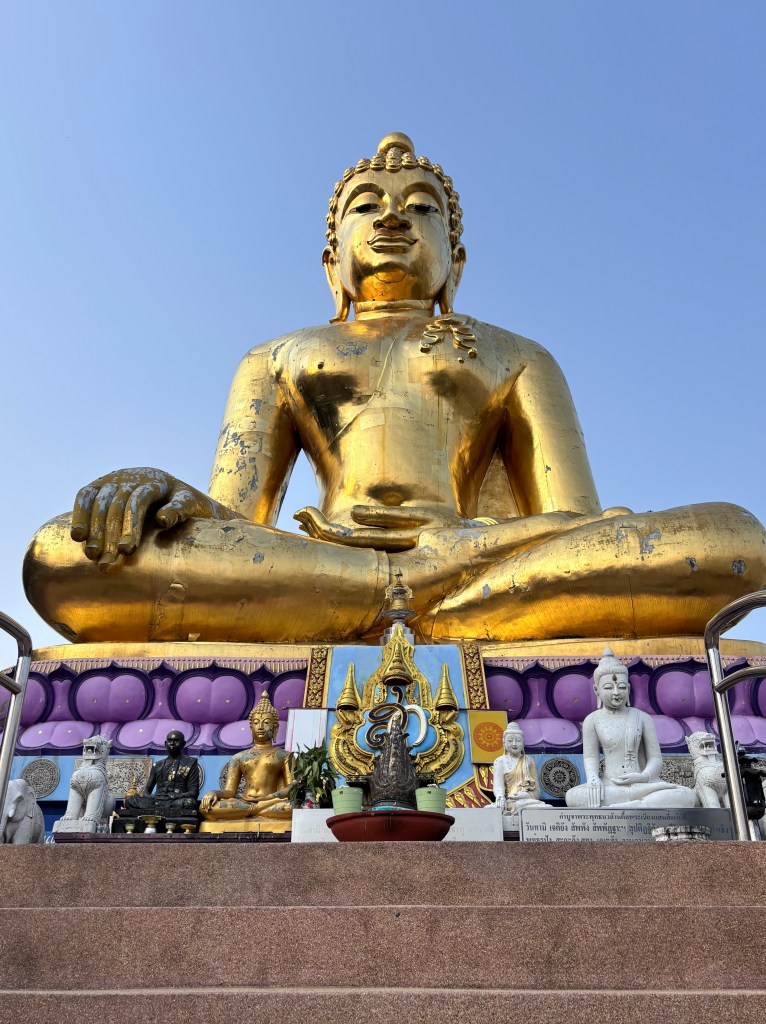
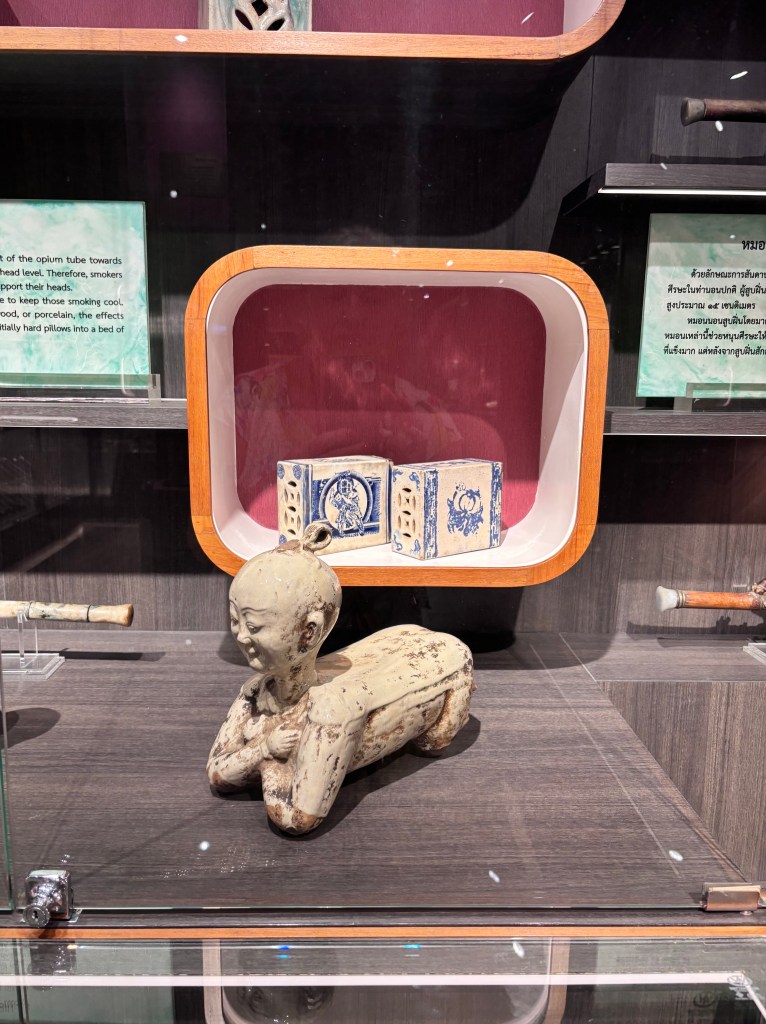
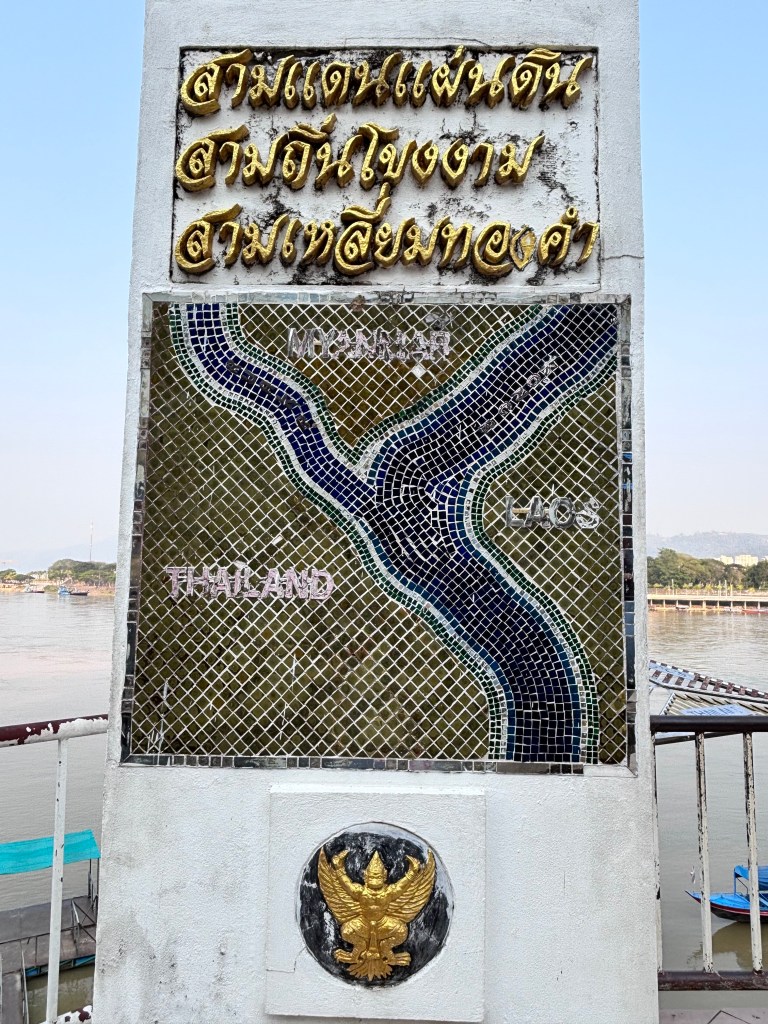
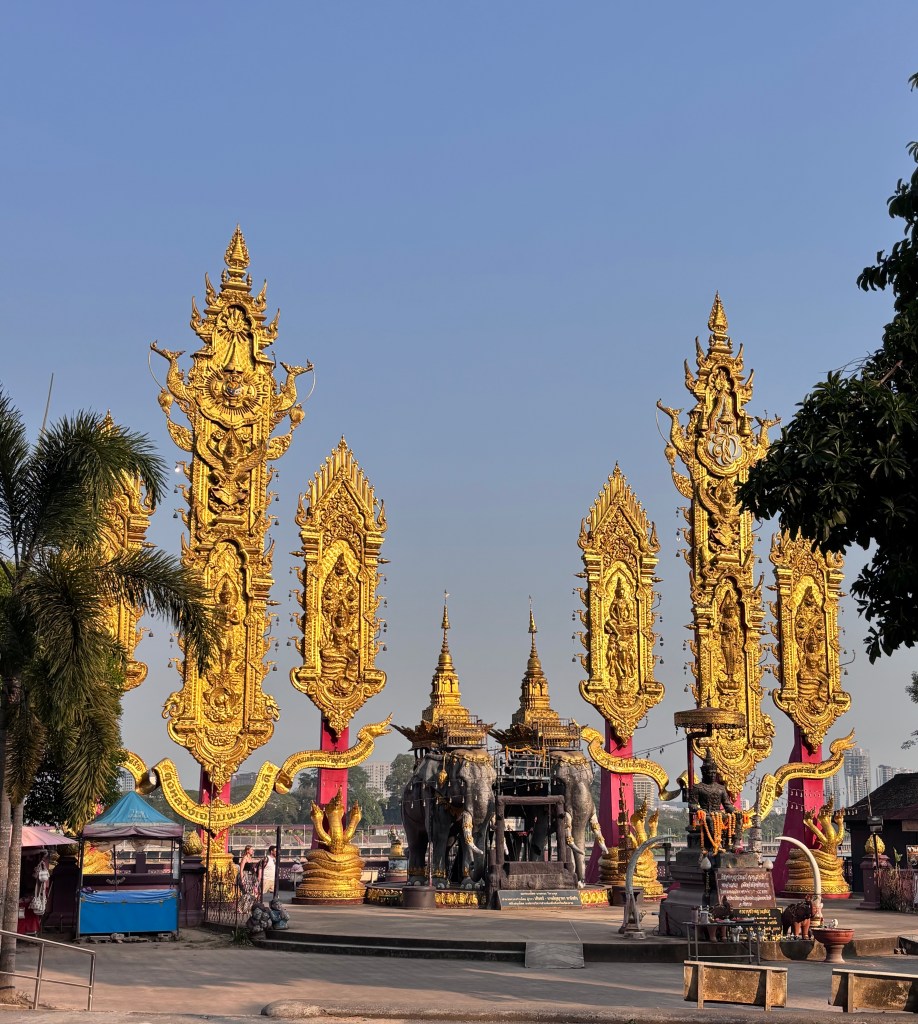
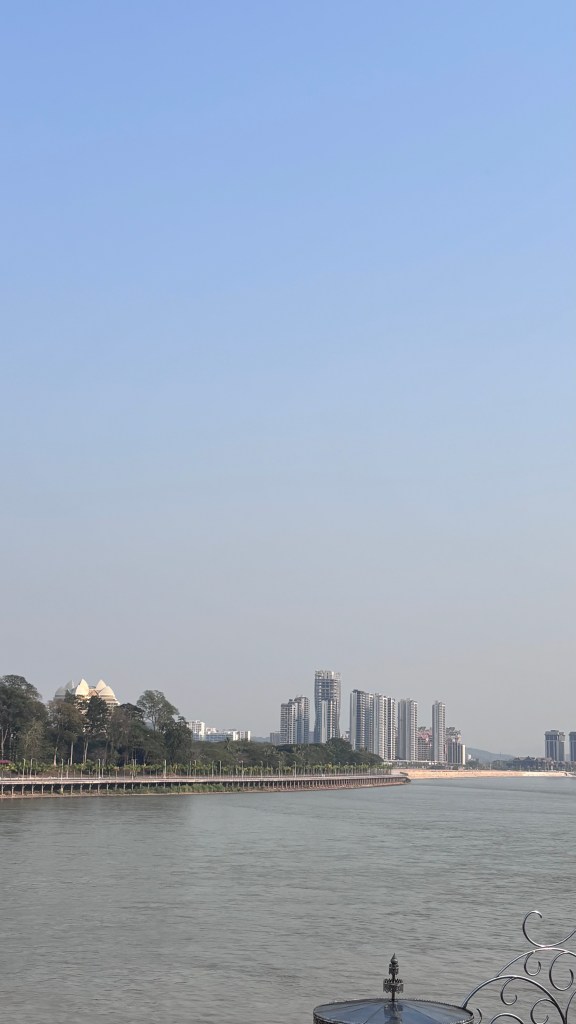
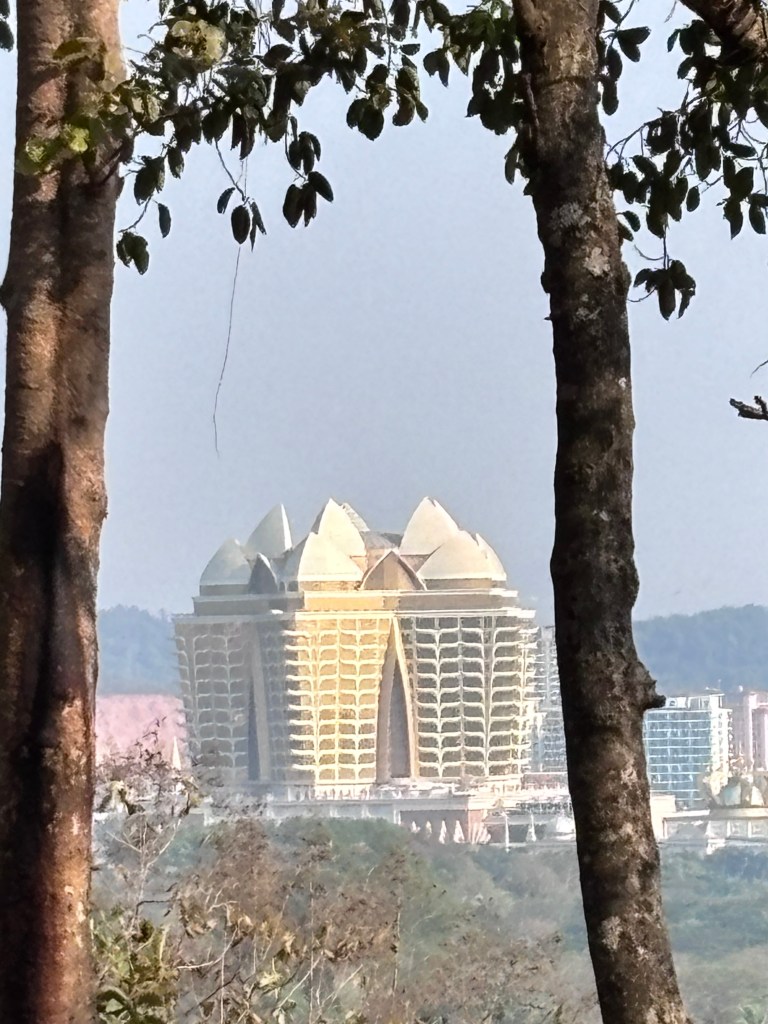
The Golden Triangle – the tripartite border between Thailand, Laos and Myanmar, famous because of the Opium trade (when opium was weighed in gold) and all the criminal activity that went with it – is now a tourist spot. The small Opium museum is good – interesting shape weights. Nice views from the peak above where the Ruak river flows from Myanmar into the Mekong over the landscape. Interestingly, the Chinese have taken a 99-year lease on a large chunk of land on the Laos side and have built a casino city there for the Chinese to visit (no gambling allowed in China…), with an airport and loads of skyscraper hotels. Looks totally out of place.
The new from the hill at the Golden triangleWe are all tourist sometimeThe opium smoker’s “pillow”The Chinese casino town across the river in LaosA casino/hotel…
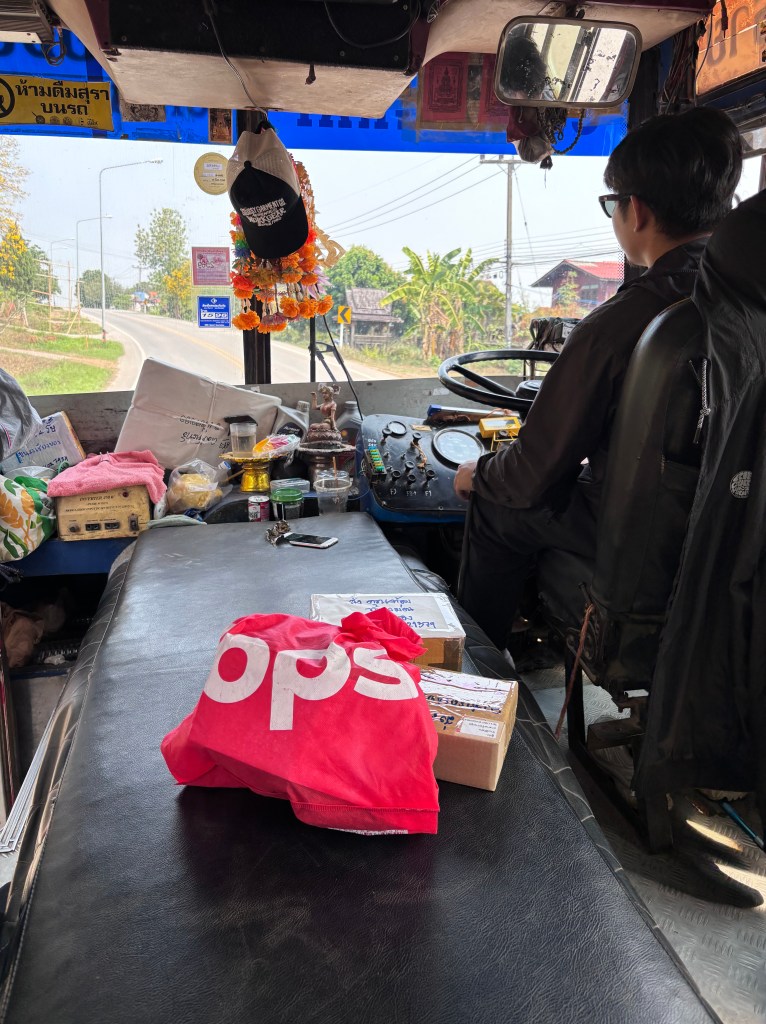
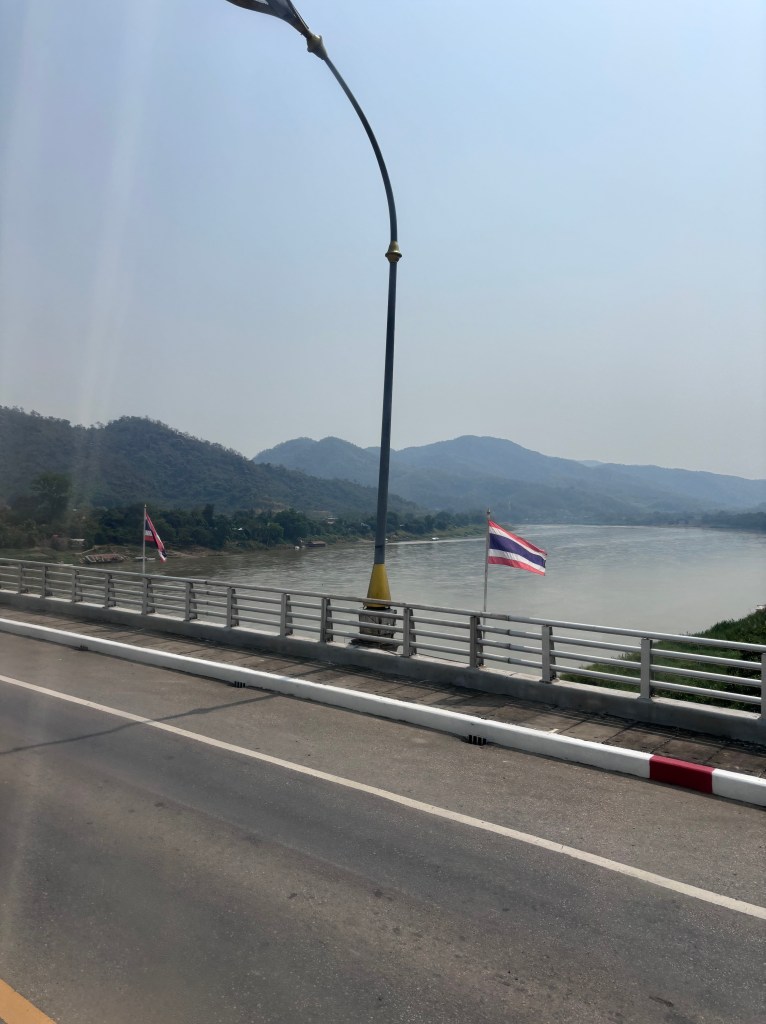
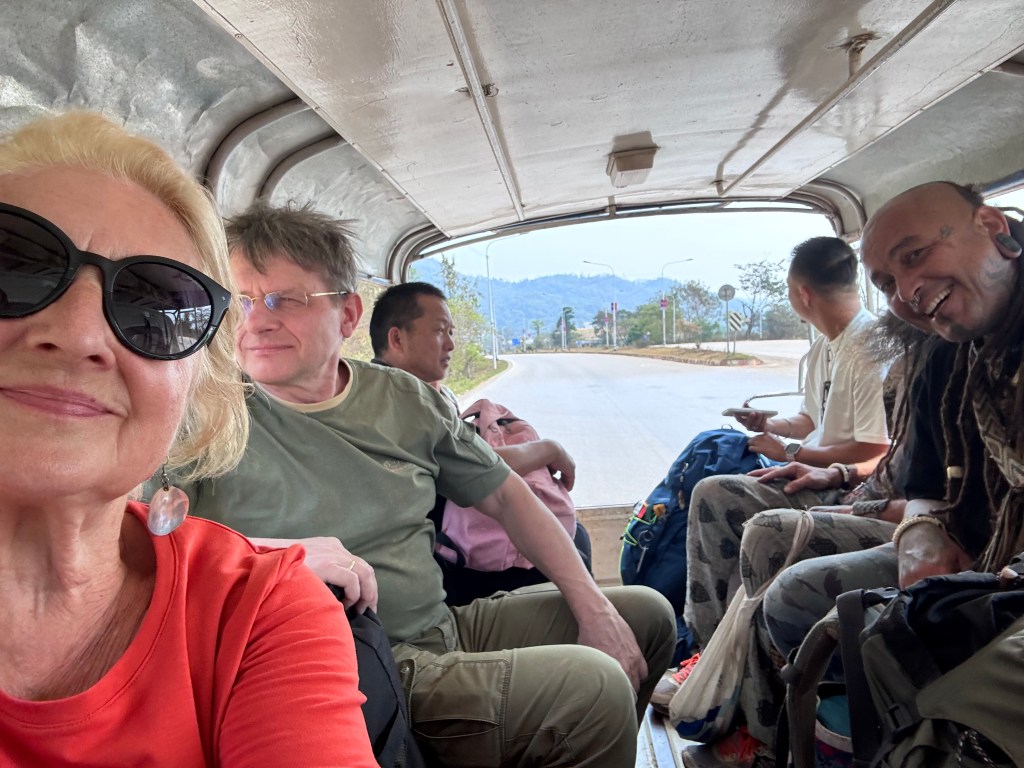
Took the local bus from Chiang Rai to the Friendship Bridge border crossing. The bus station timetable said 09:30 departure, but it only got going when it was full – over an hour later. Cost 140 Baht. The bus has seen better times. Everyone must take the shuttle across the bridge – no walking. (The cost is minimal. )
TheThai bus to the border with LaosFriendship BridgeTuk tuk from the Bridge into Huayxai
The Lao visa on arrival requires $40 in crisp, unfolded notes, a photograph and a couple of forms. The shuttle bus into Huayxay had to be negotiated though the drivers know they’ve got you – there is no other way to get into town. We paid 100K kip each. The Lao kip is fairly worthless – £200 got me some 5,5 million kip.
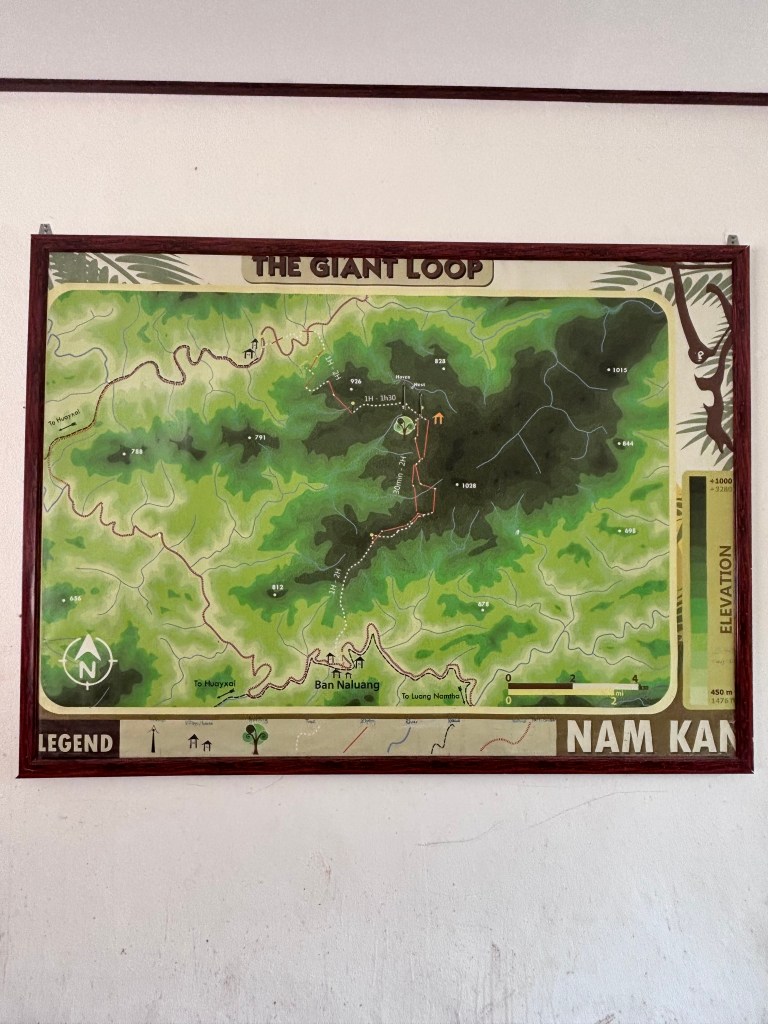
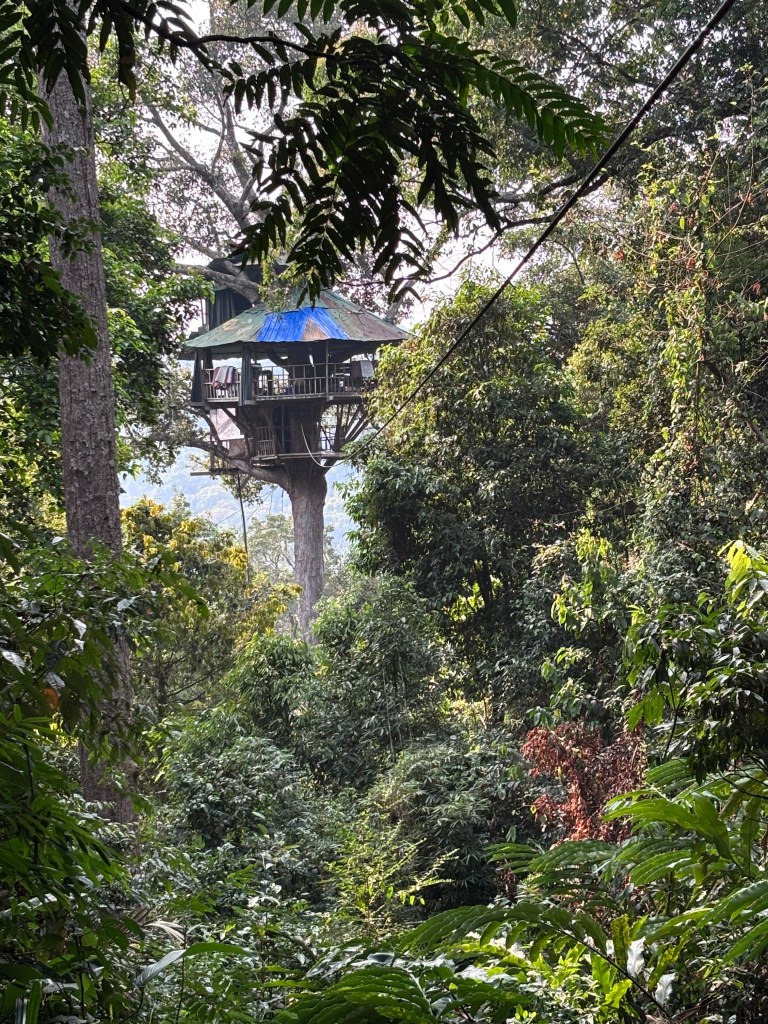
Huayxay is a small riverside village, distinguished by two things: it is the home of The Gibbon Experience, a conservation project combined with zip-lining and staying in tree houses, and it is from where the slow boat goes down the Mekong to Luang Prabang, a two day journey.
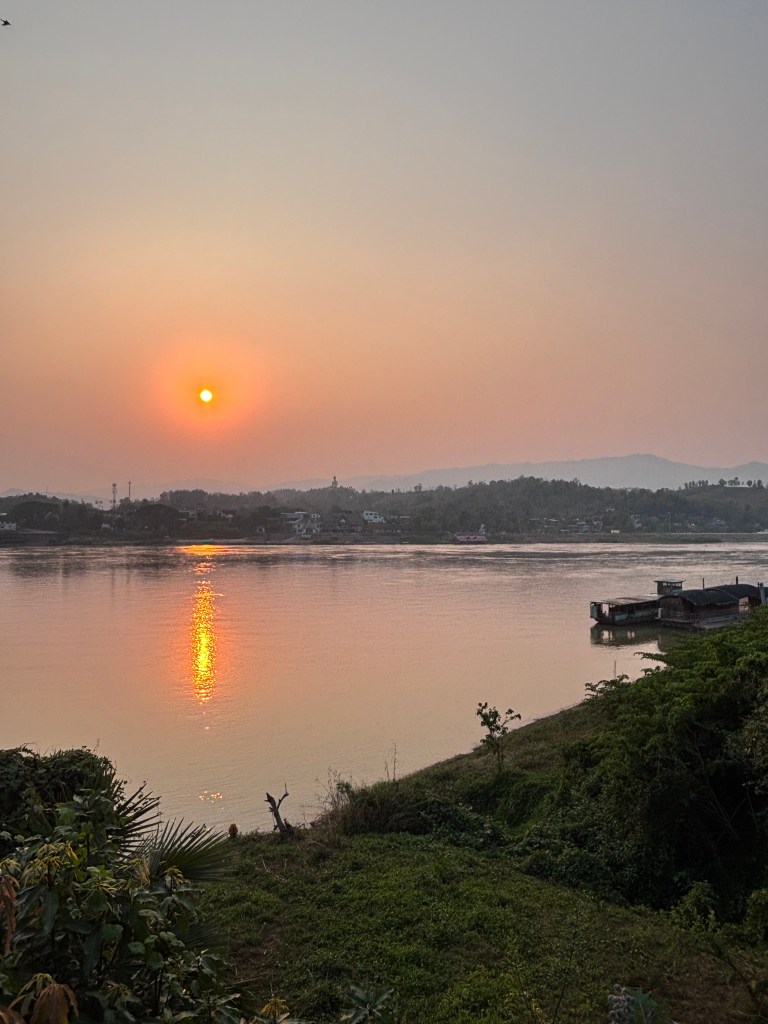
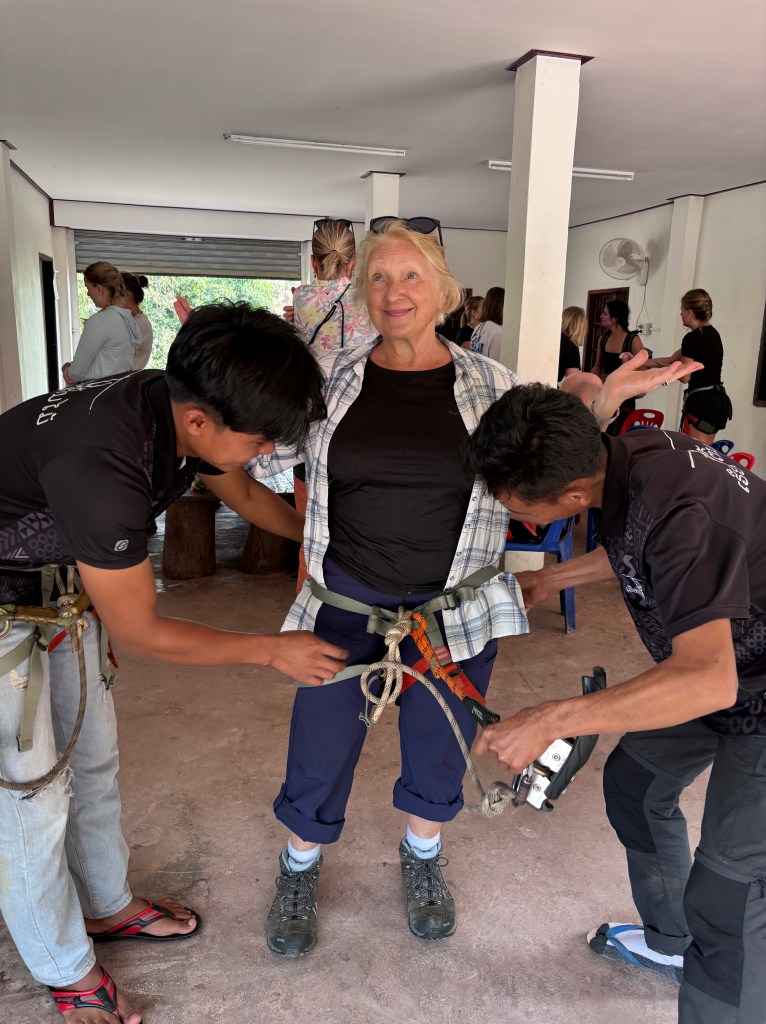
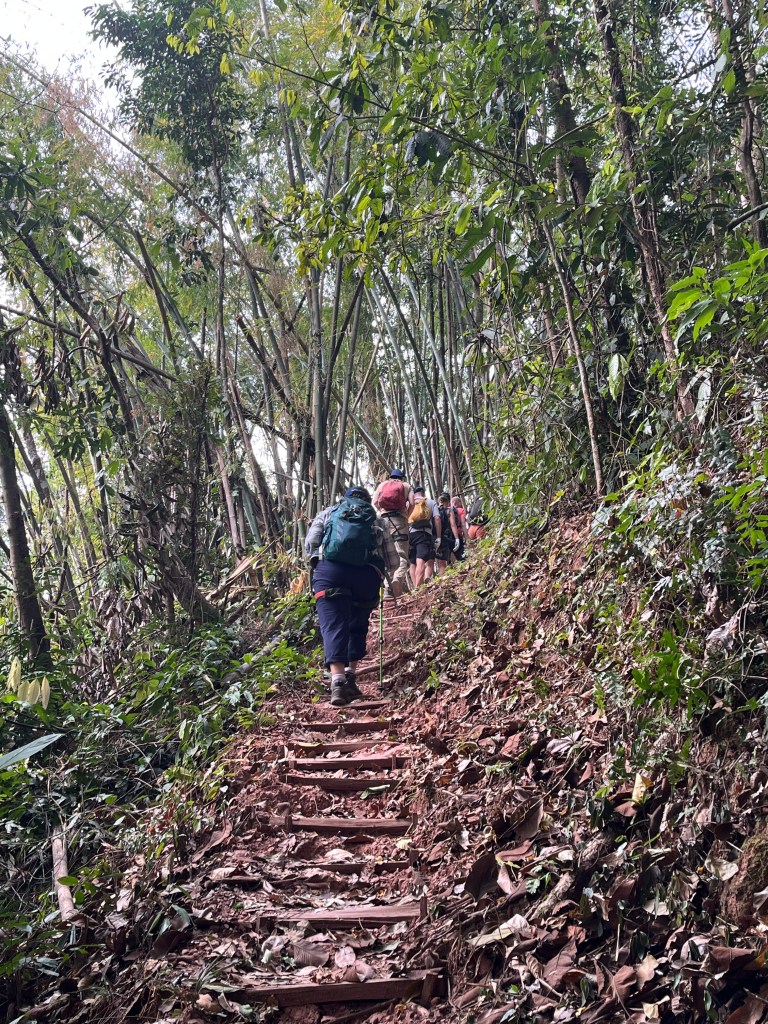
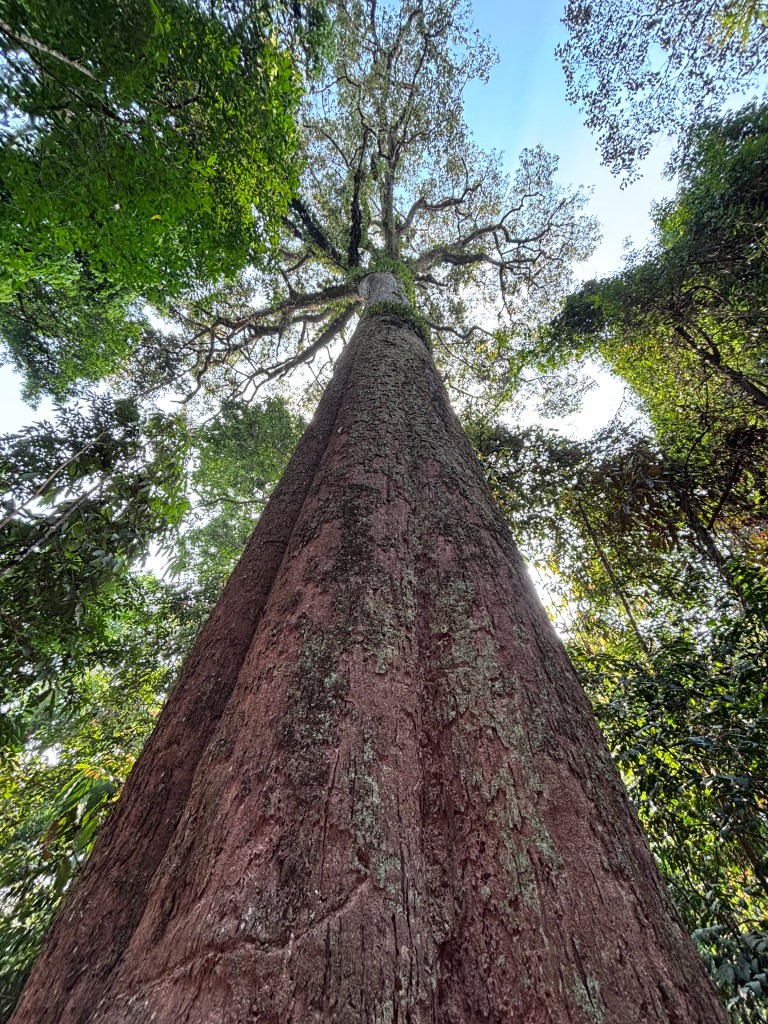
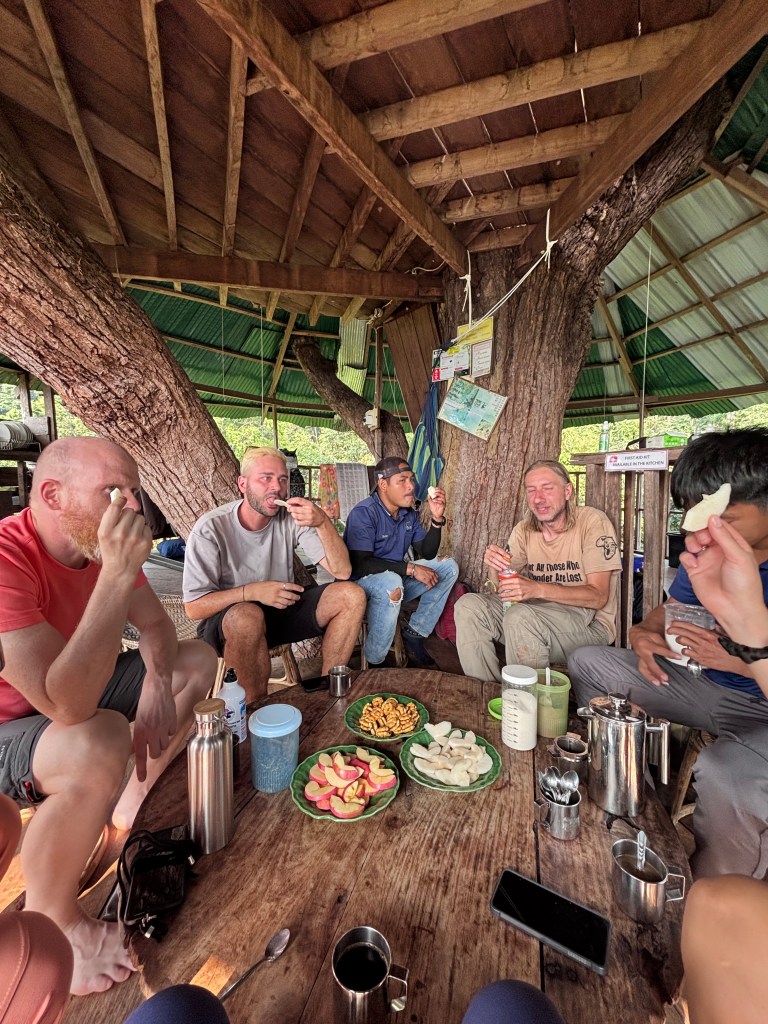
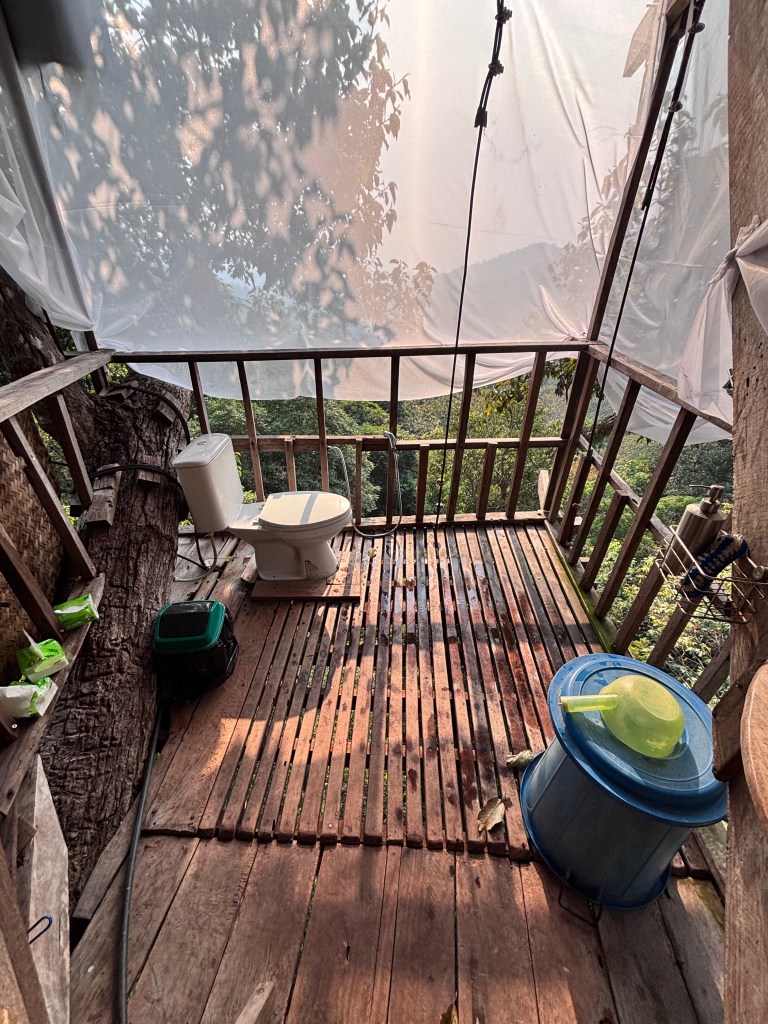
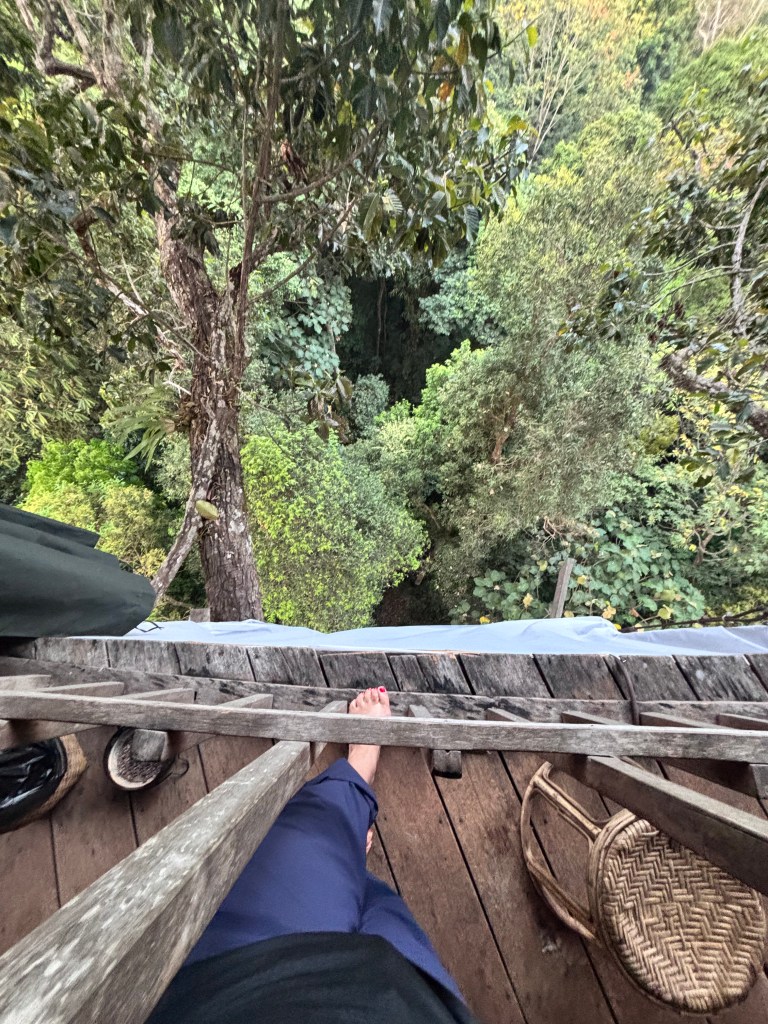
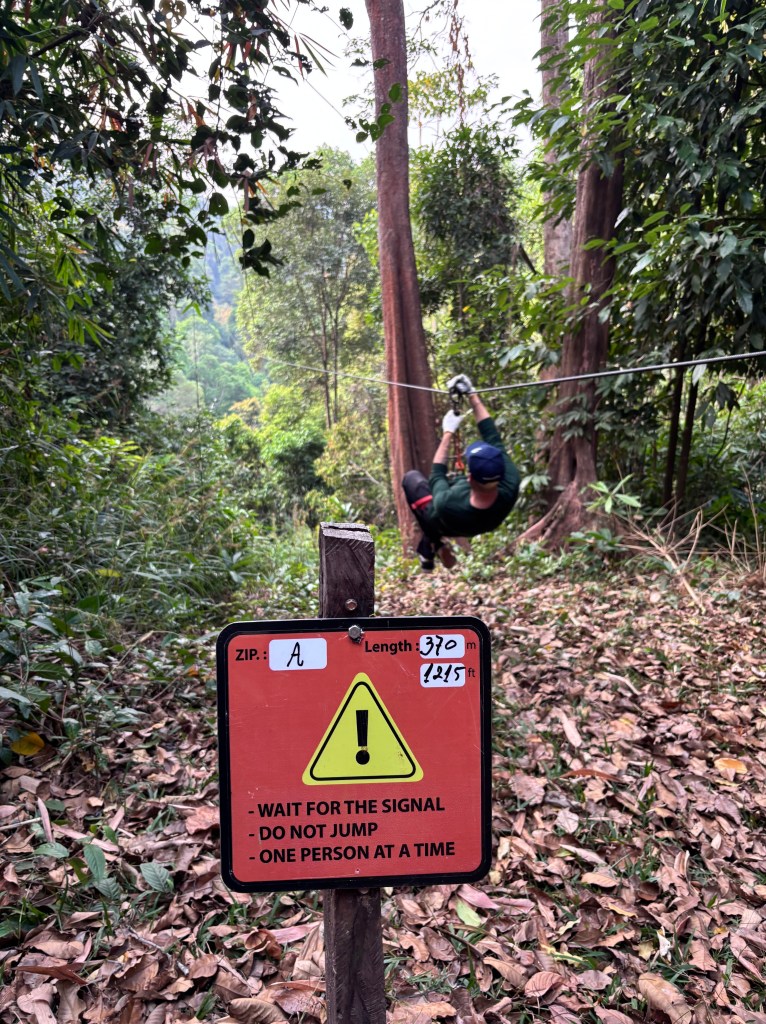
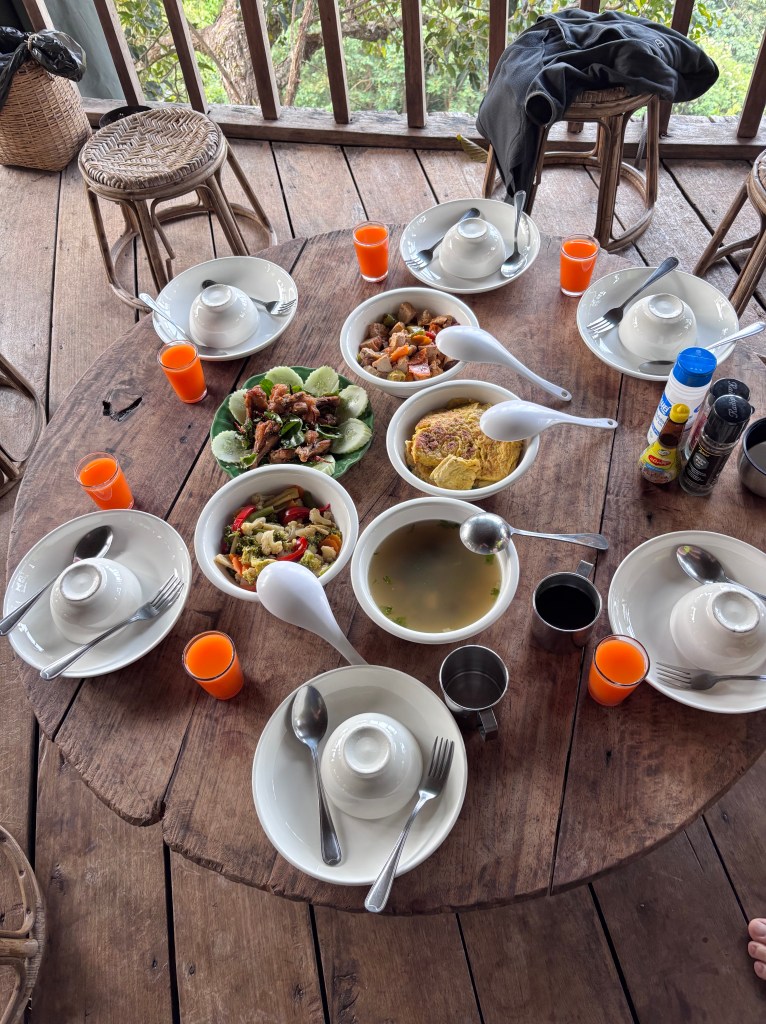
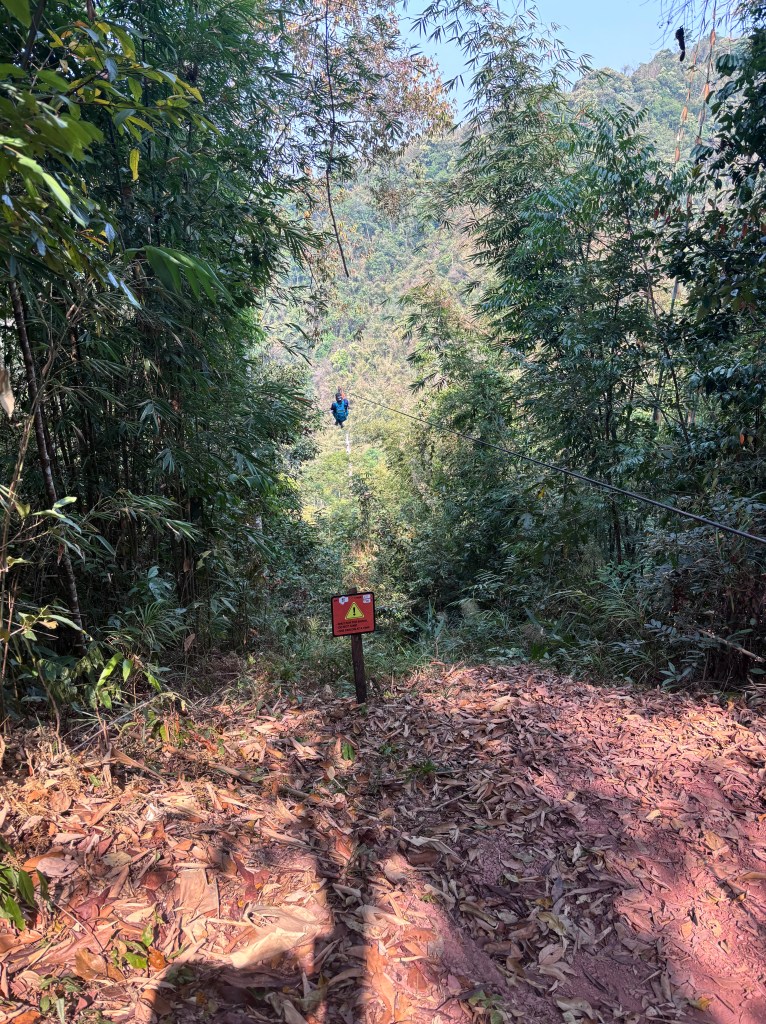
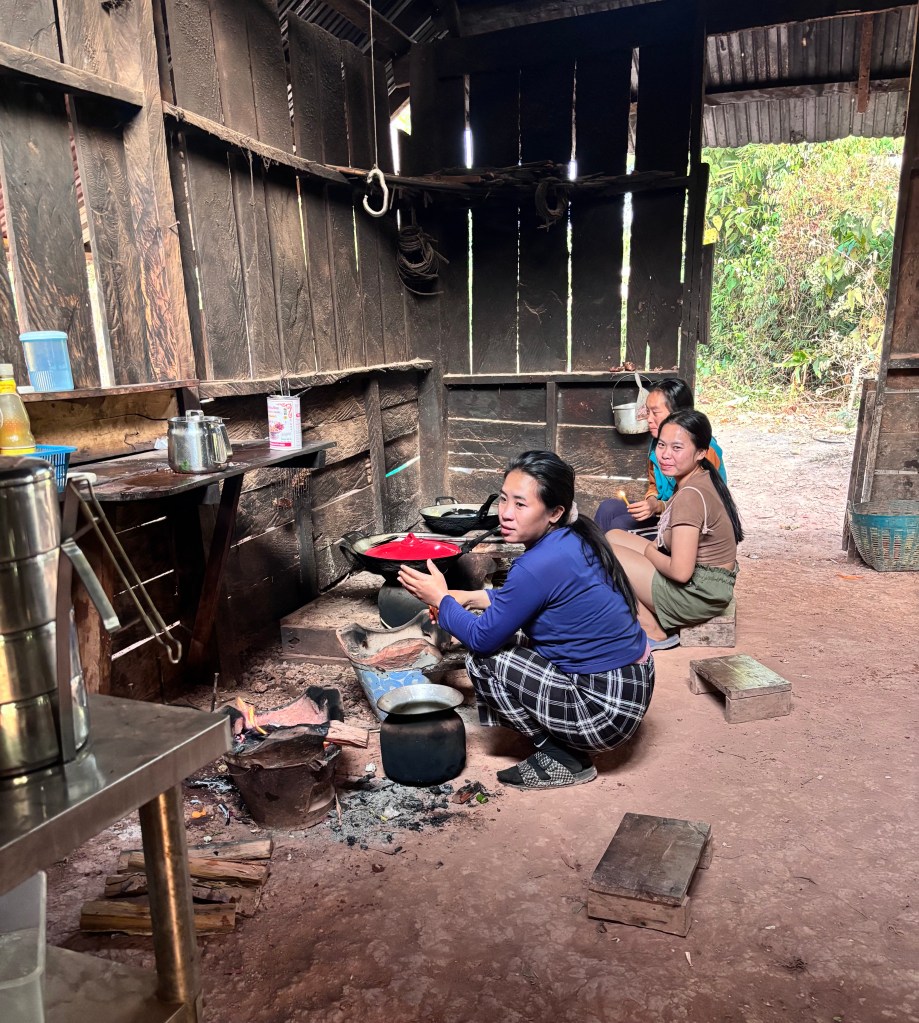
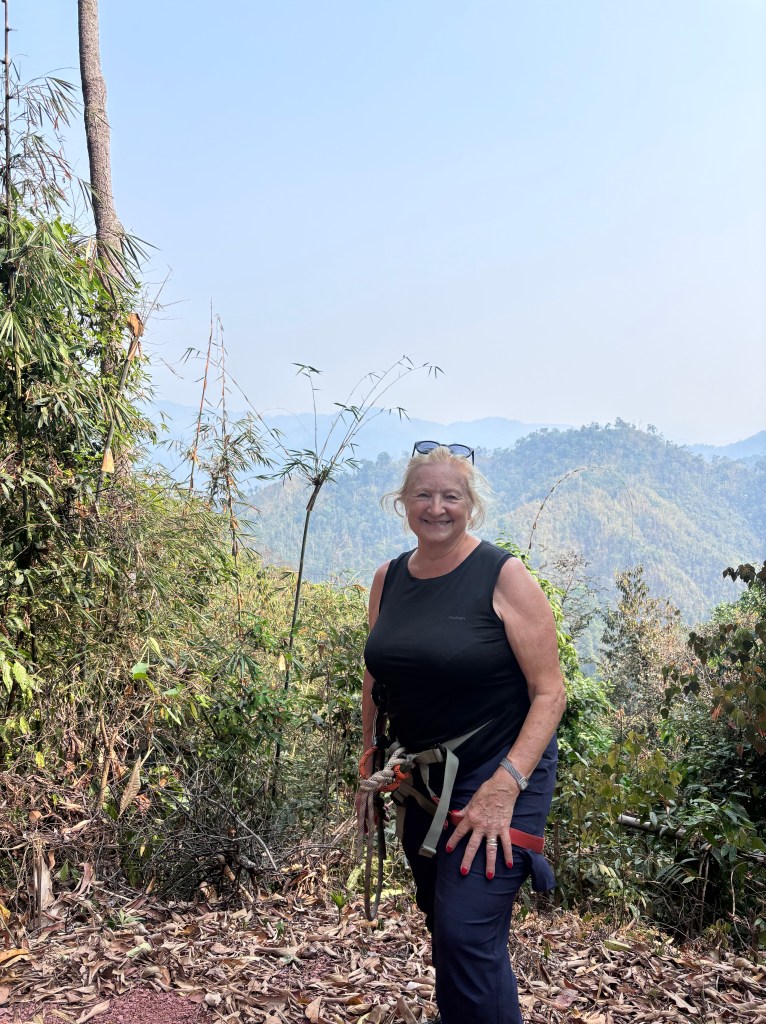
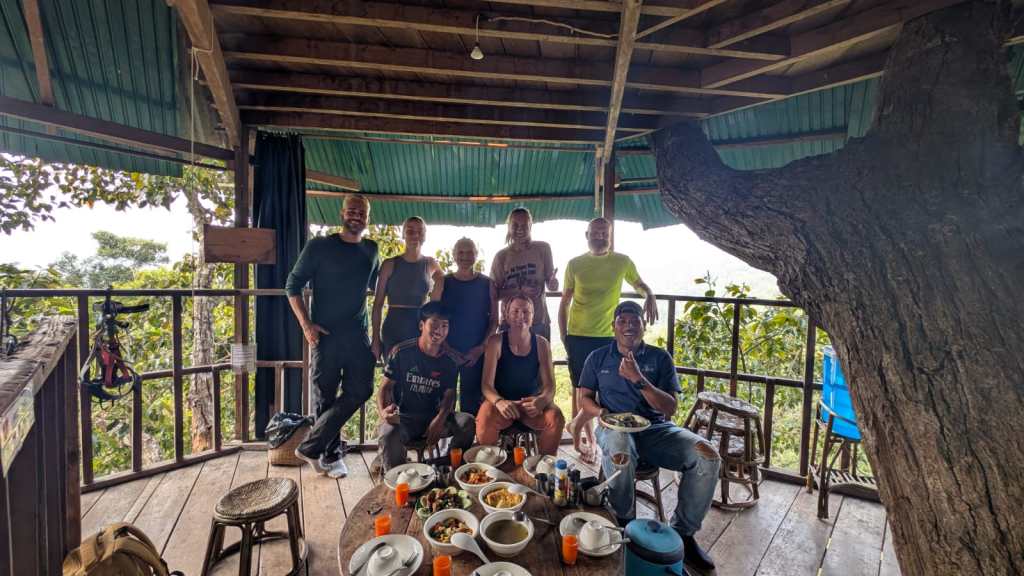
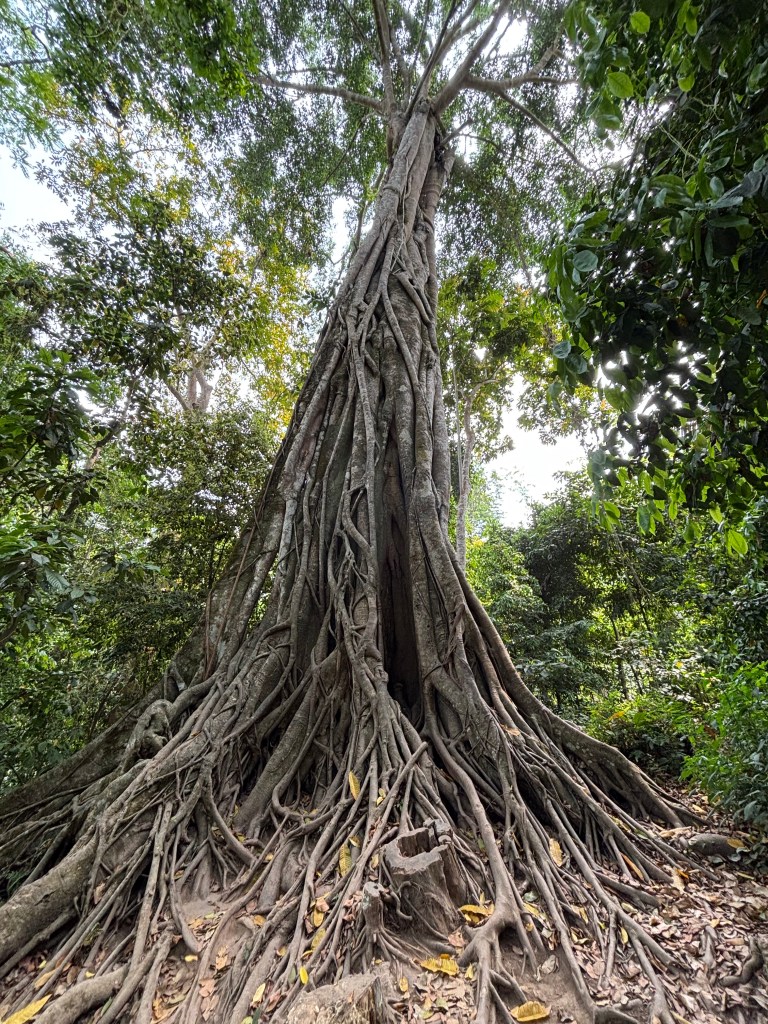
Sunset over the MekongThe Gibbon Experience mapGetting harnessedIt was VERY HOT walking up a VERY STEEP hill…“The biggest tree in Laos” said the guideOur accommodation for the night – 40 metres up and only accessible via a ziplineWe were a nice group of 6Toilet and showerGreat views everywhereWe travelled some 13 K on 25 zip lines…Wonderful breakfastThe women in the mountain kitchen who cooked out meals – and zipped them to us!
The gibbons we did not see – they have moved further into the jungle – there have been forest fires and the area is too busy with humans.
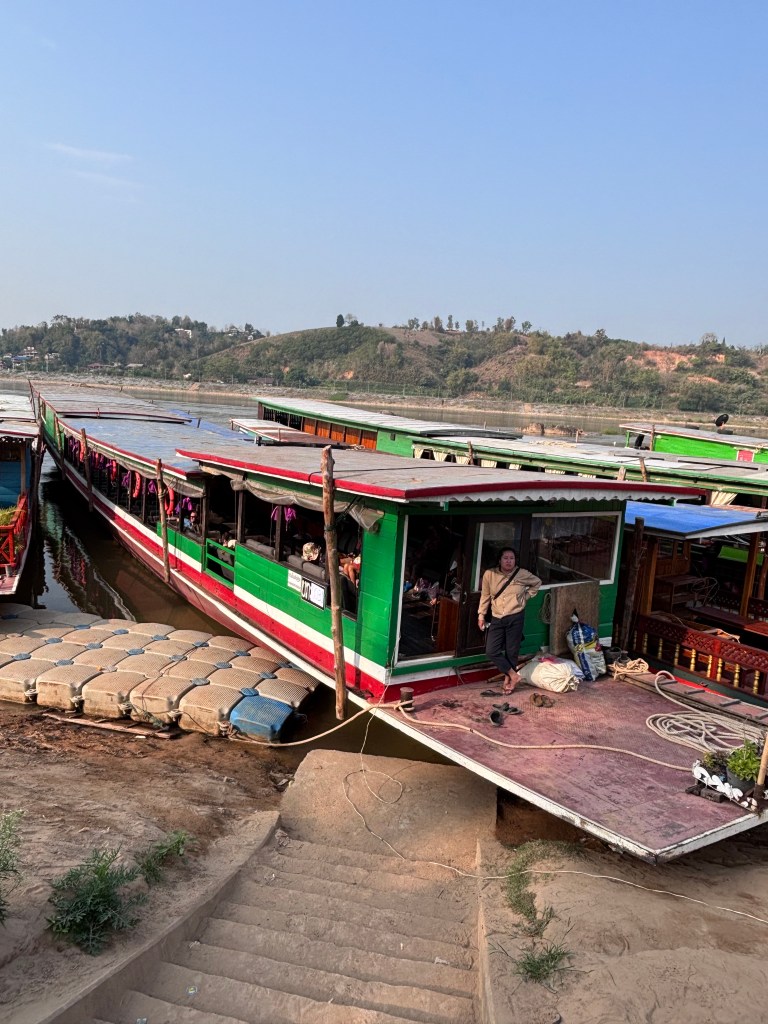
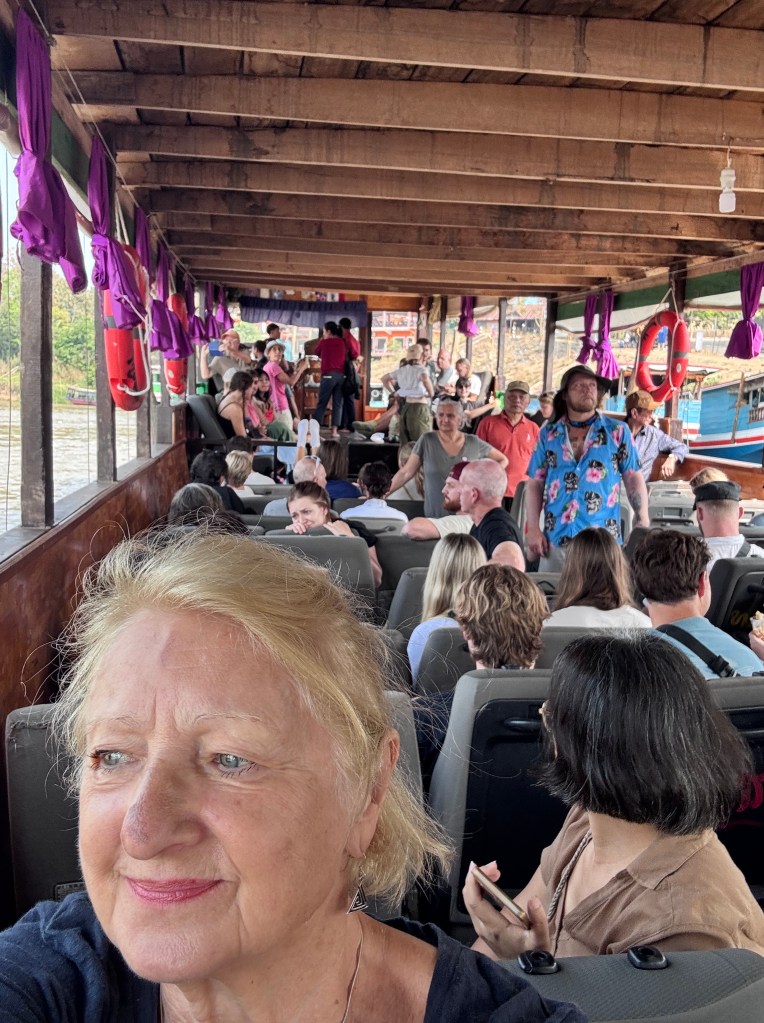
Huayxay is now a thriving tourist spot and though the slow boat still sees a local person coming on and off, 98% is tourists. The cost of the boat trip is 400,000 kip (and 50,000 for the tuk tuk to take you to the landing). The boat stops for the night about half way, in Ban Pakbeng, and everyone must get off. A lot of hostels, restaurants and guesthouses have sprung in this hamlet on the steep side of the Mekong. The next day, we were on different boat – it looks like they are sharing the burden and the income.
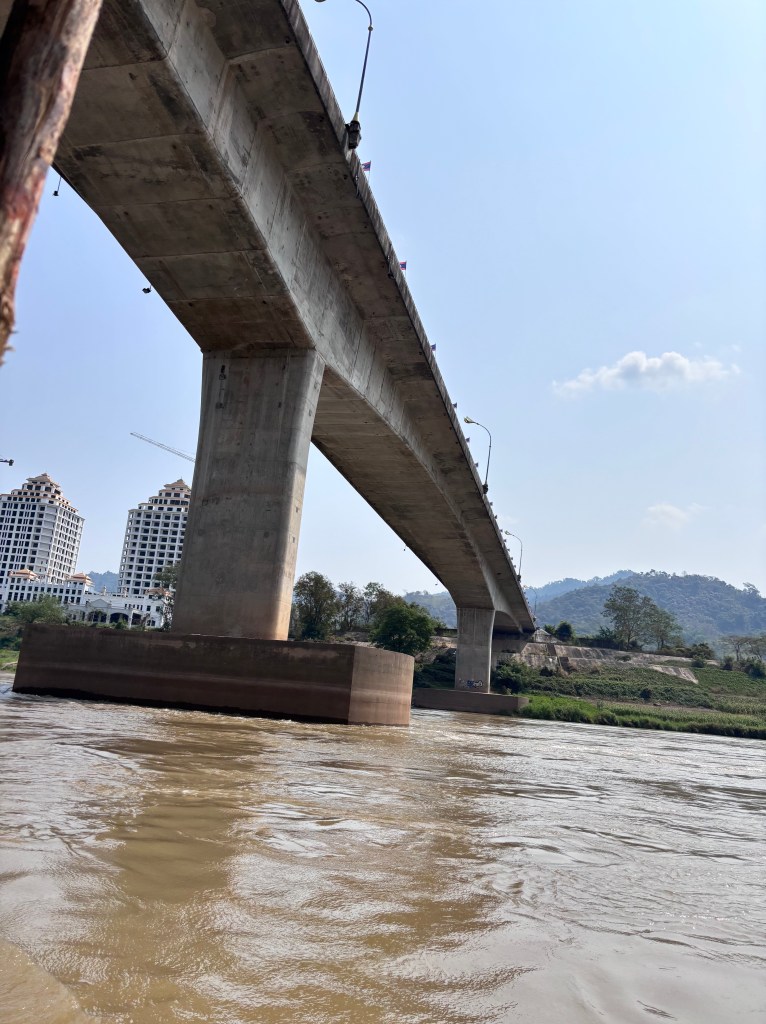
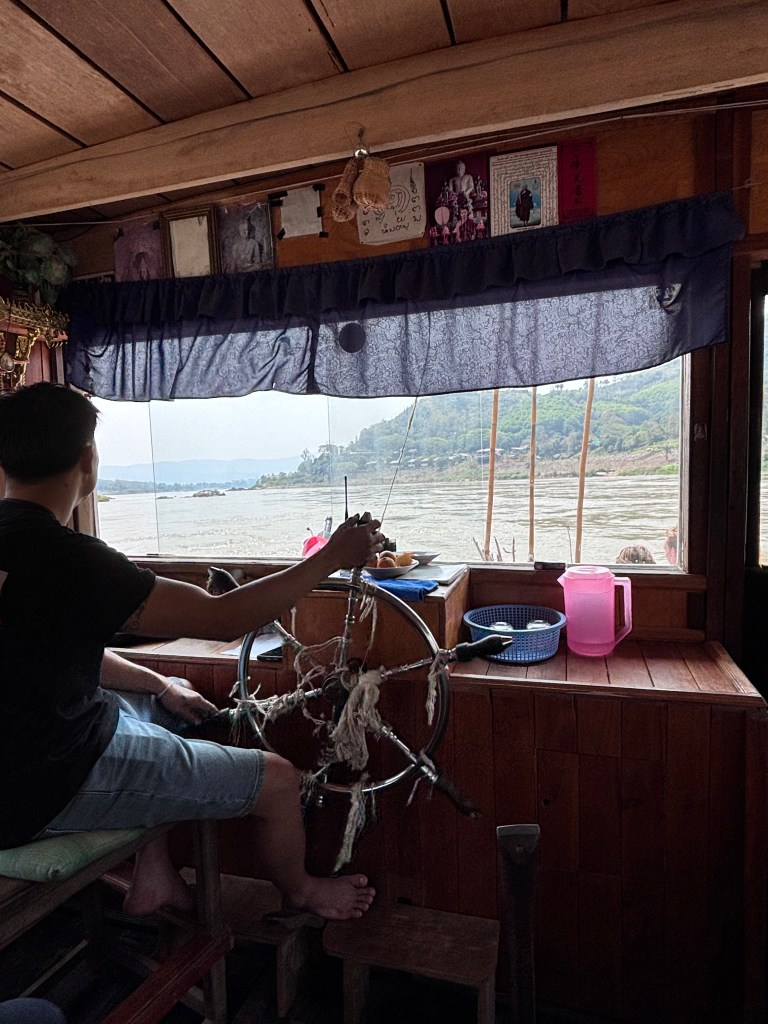
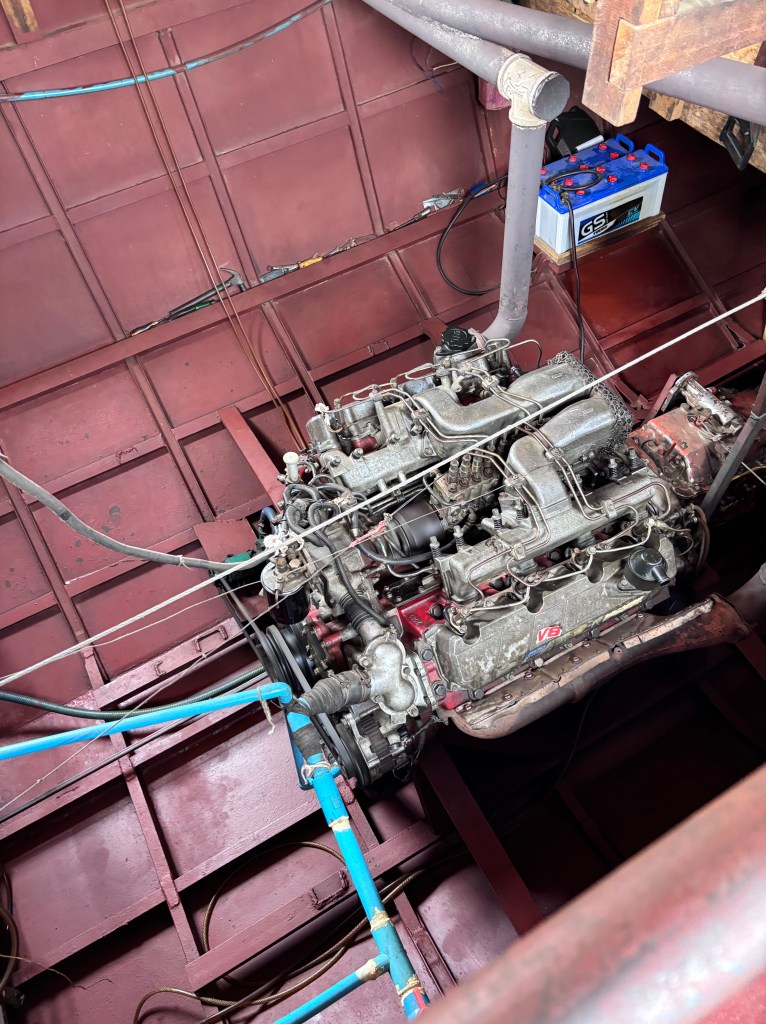
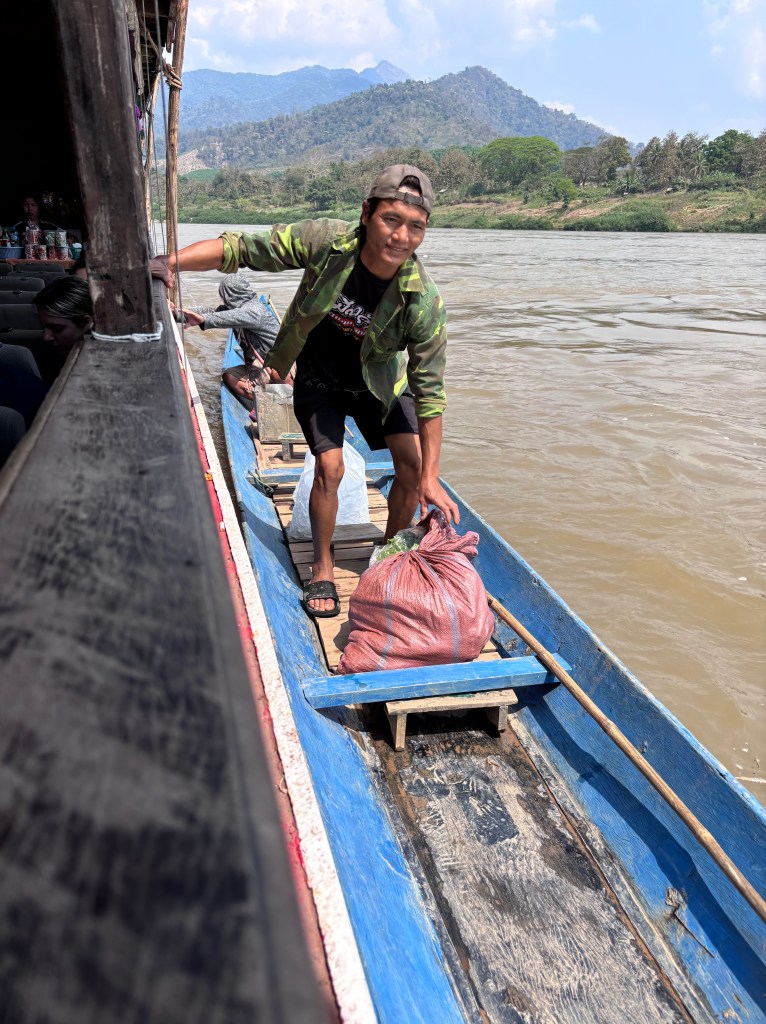
The slow boat – it can take some 100+ peopleFriendship bridge from belowThe captain at work – lots of treacherous rocks aboutThrumming engineLocal delivery – on the move
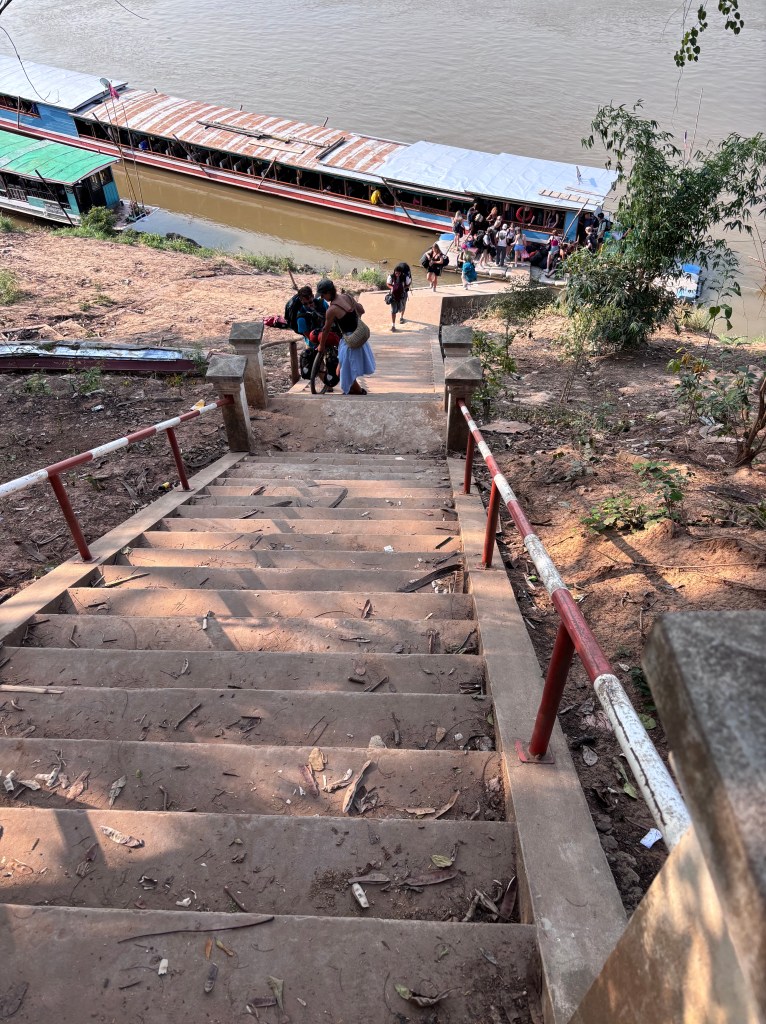
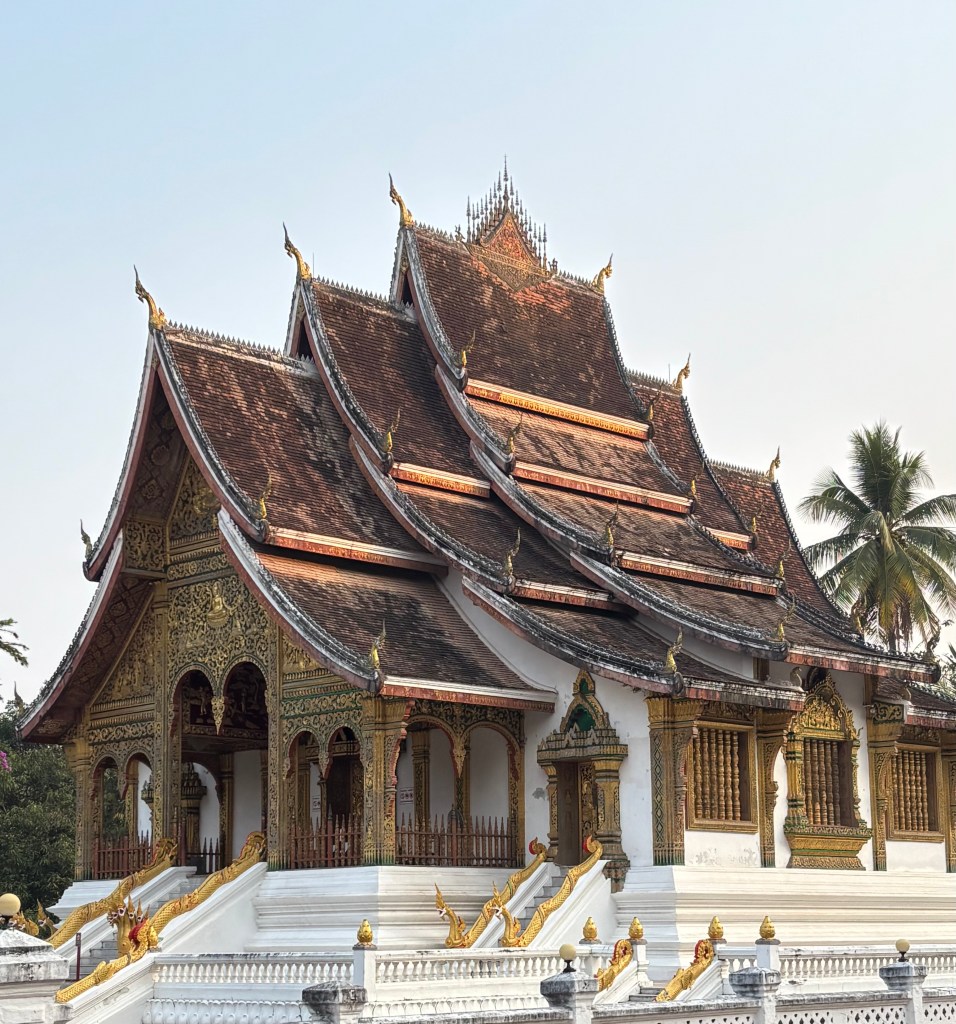
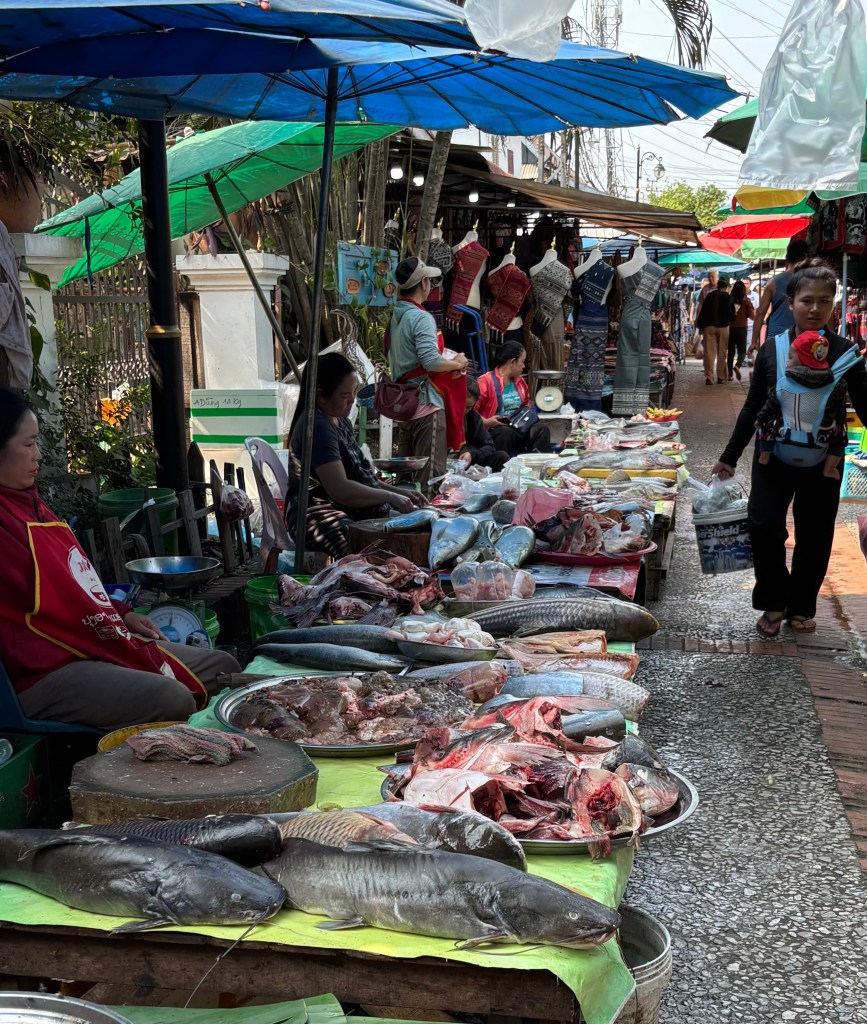
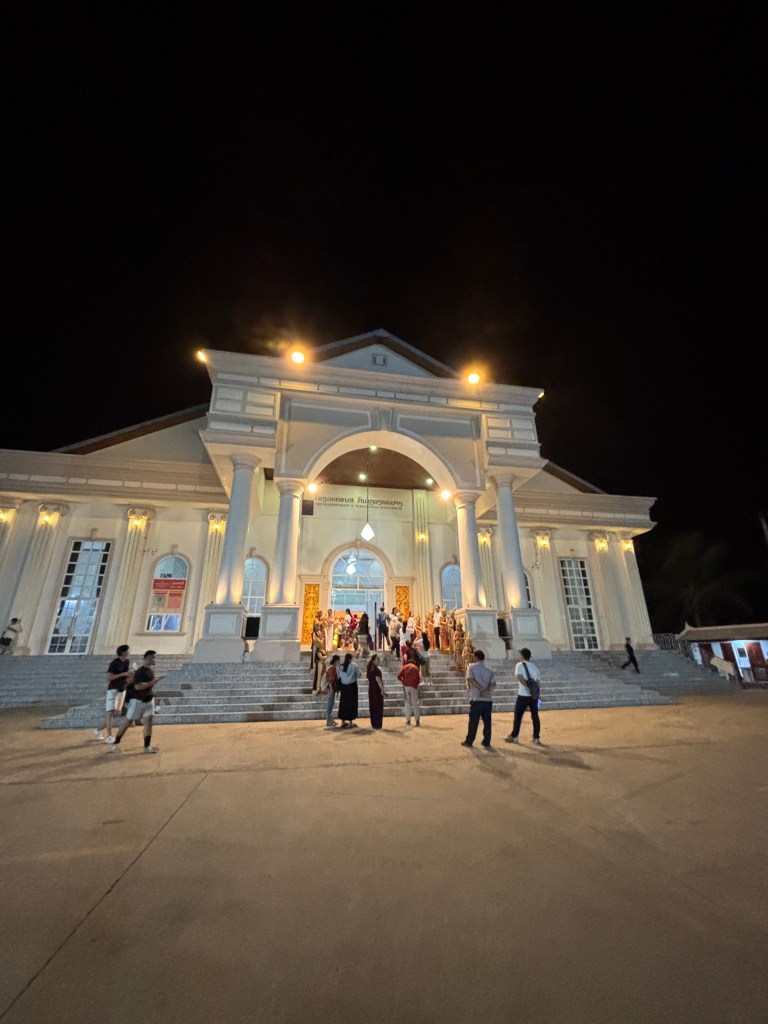
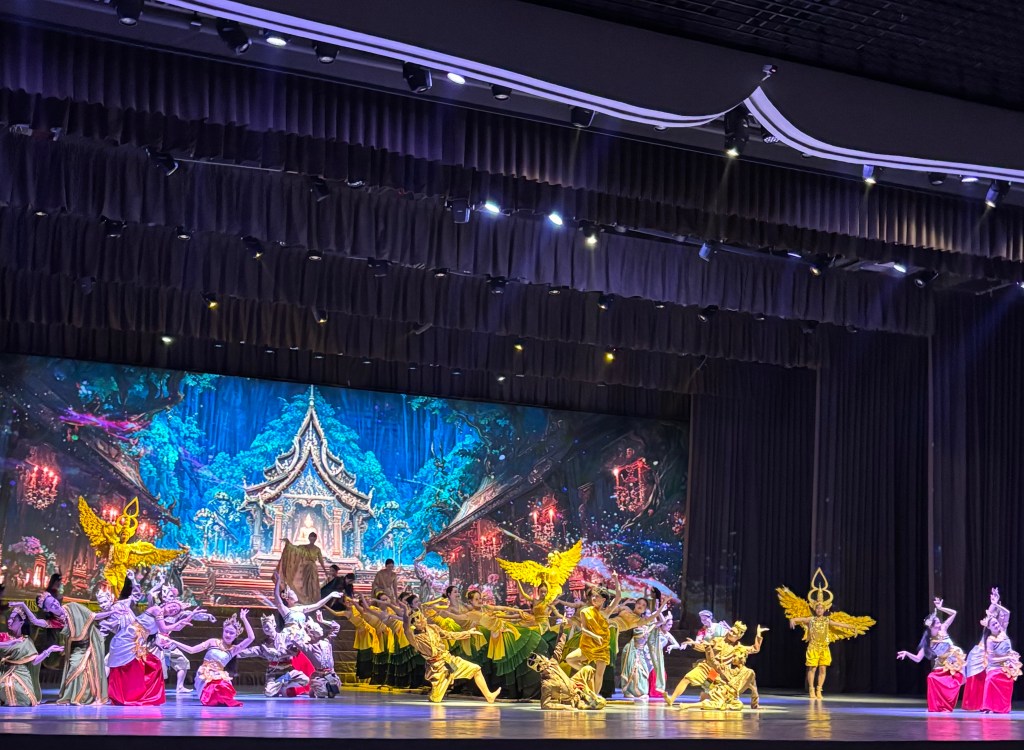
The Slow boat pier at Luang Prabang is some distance from the town and the tuk tuks charge 100,000 kip pp – and no negotiating gets it down as they know they’ve got us. Luang Prabang is pretty, packed with ancient wats, Buddhist seminaries, markets and night markets, nice views of the Mekong, restaurants offering local and western food. There’s even an International Opera house, a grandiose, socialist style columned edifice where I saw the Buddhist Light, a dance performance combining stories from the life of Buddha with stories of Lao life.
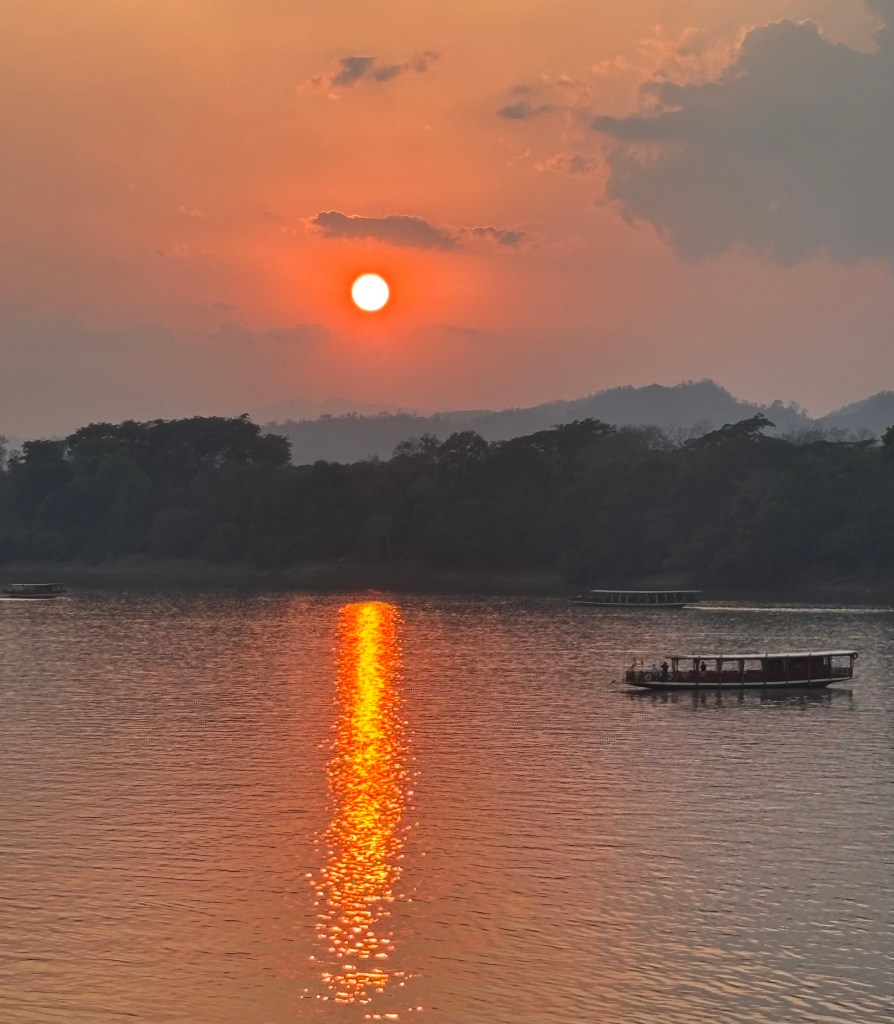
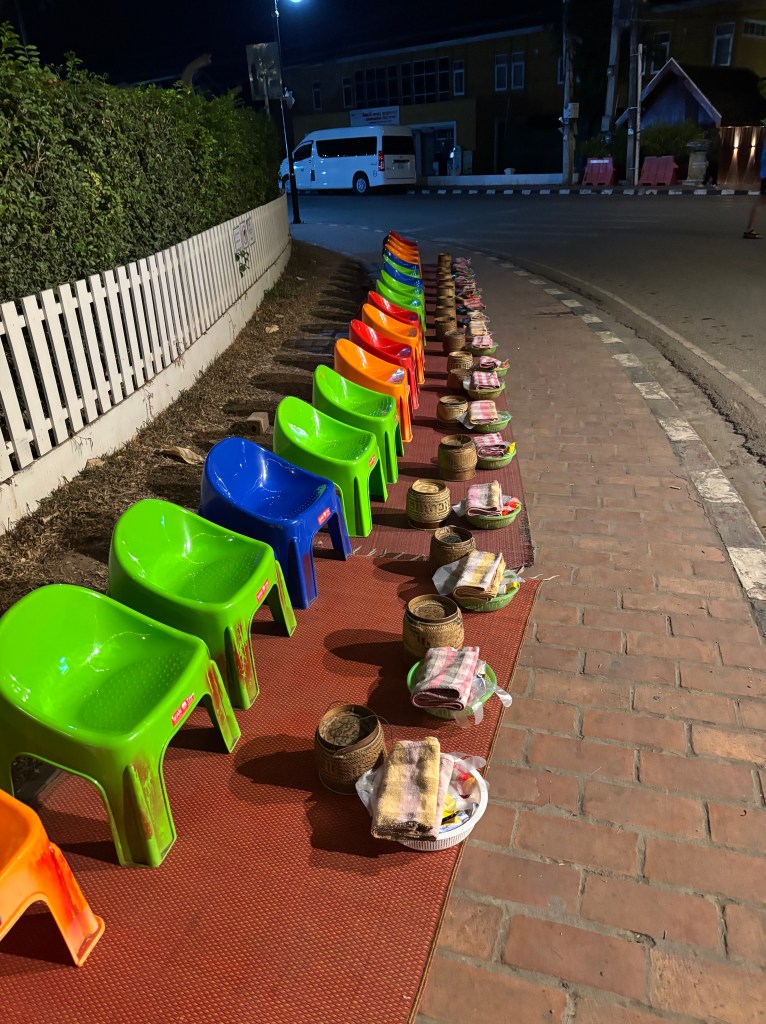
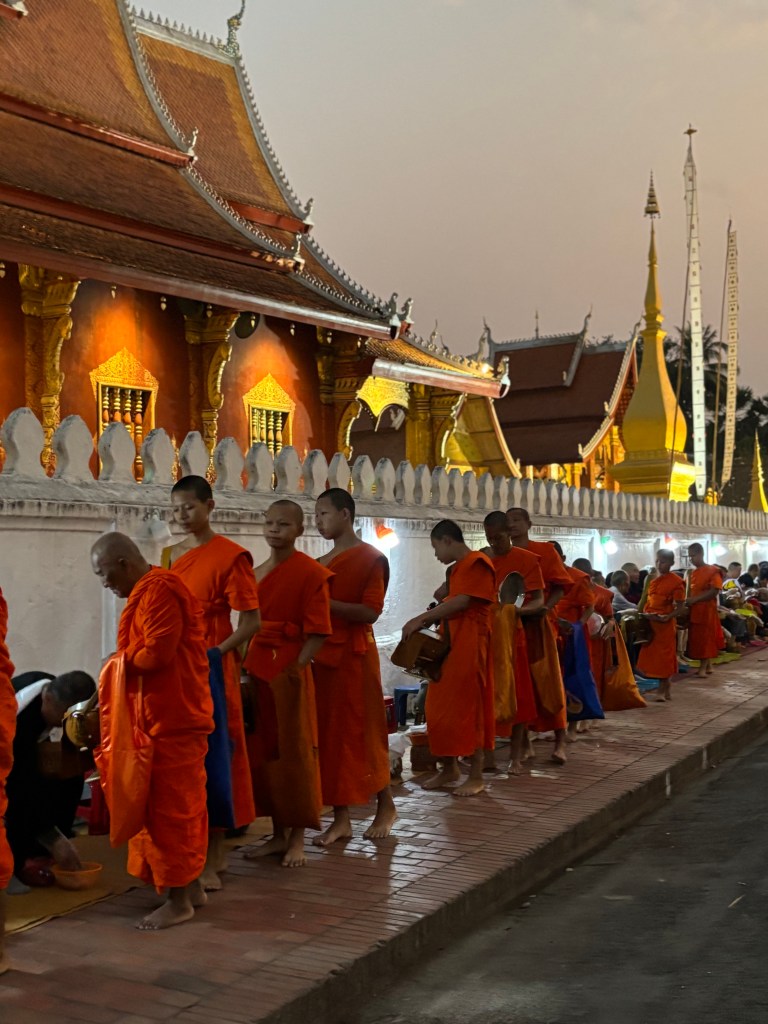
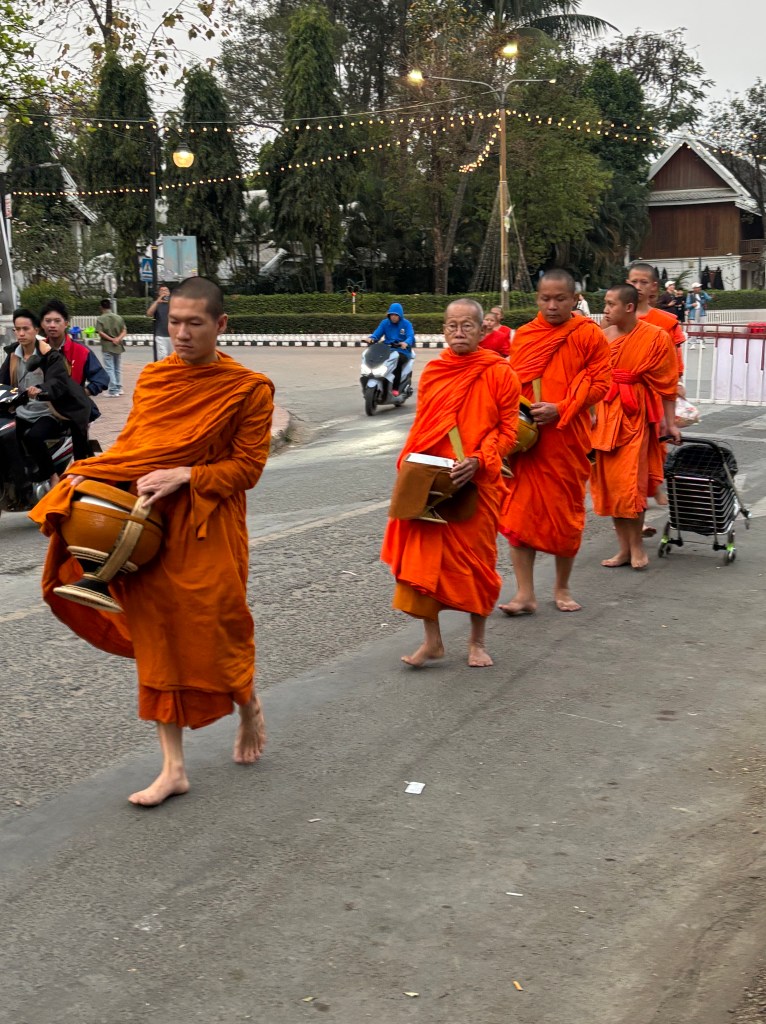
The Slow Boat pier outside Luang PrabangA Mekong sunsetOne of Luang Prabang’s many watsLocal fish at the local marketThe Luang Prabang International Opera HouseThe Buddhist Light performance05:30 am – Awaiting hundreds of tourists (Chinese all) who will be giving alms to the Buddhist monks for the photo oppMany more tourists than monks….Taking home the booty
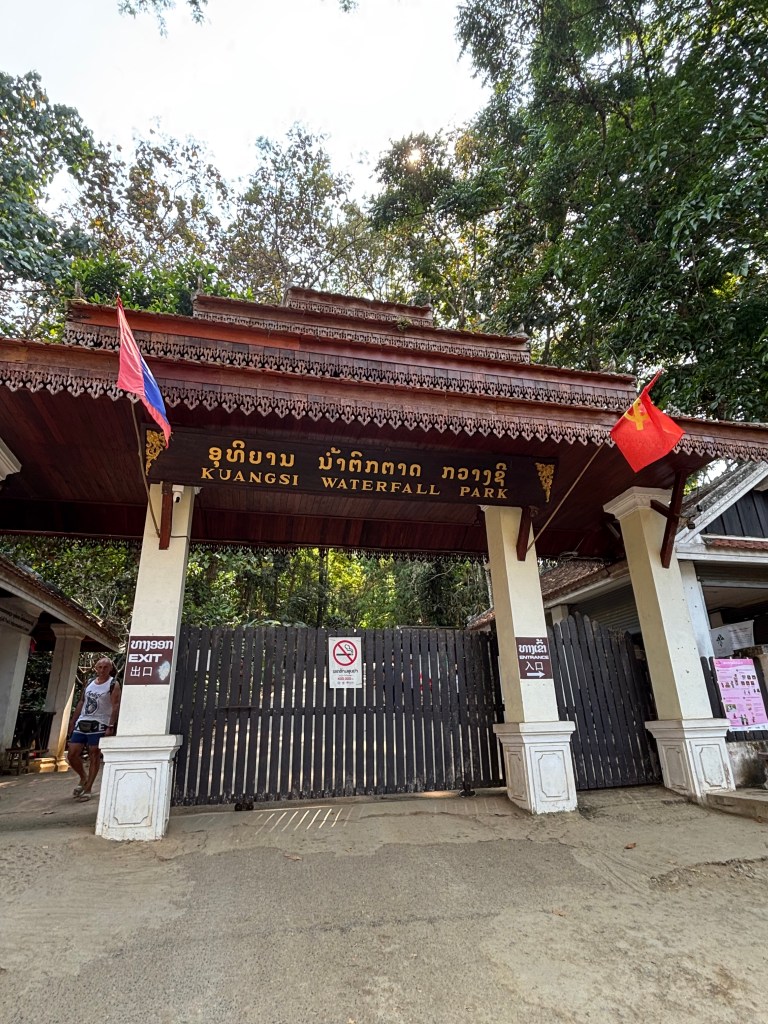
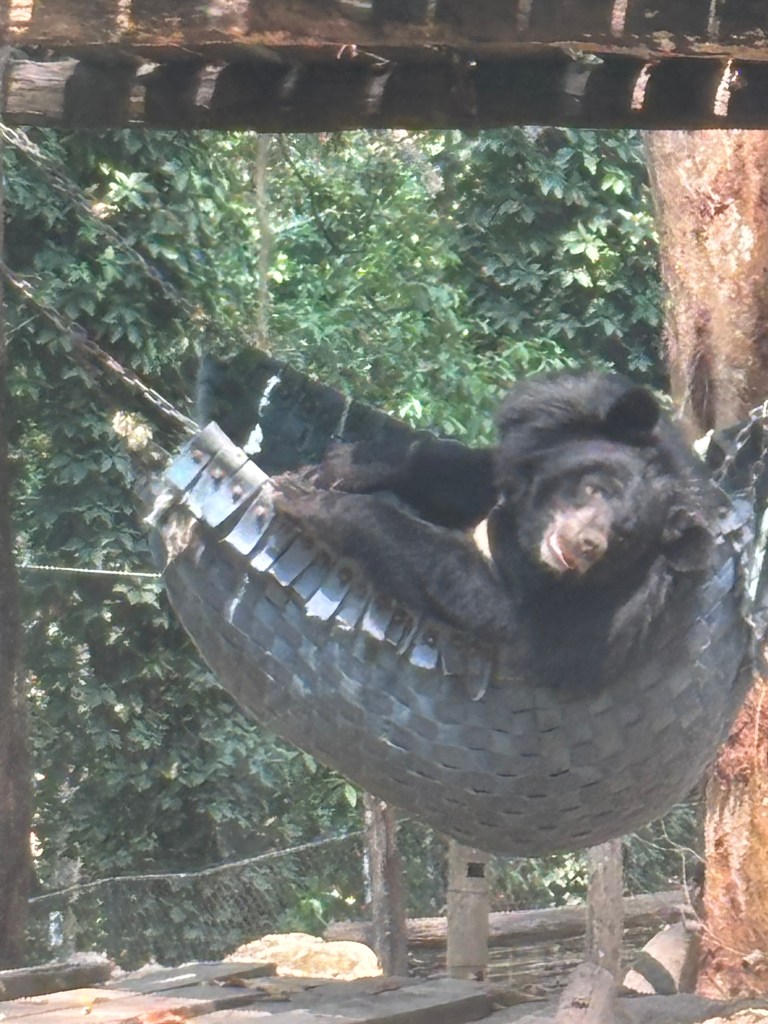
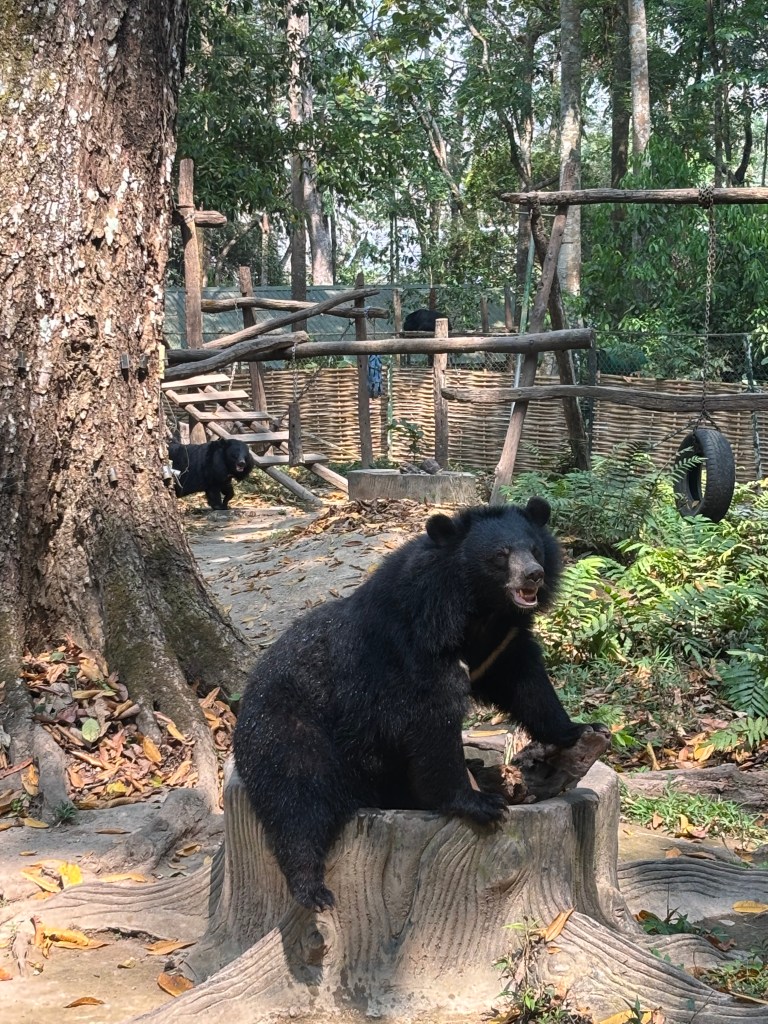
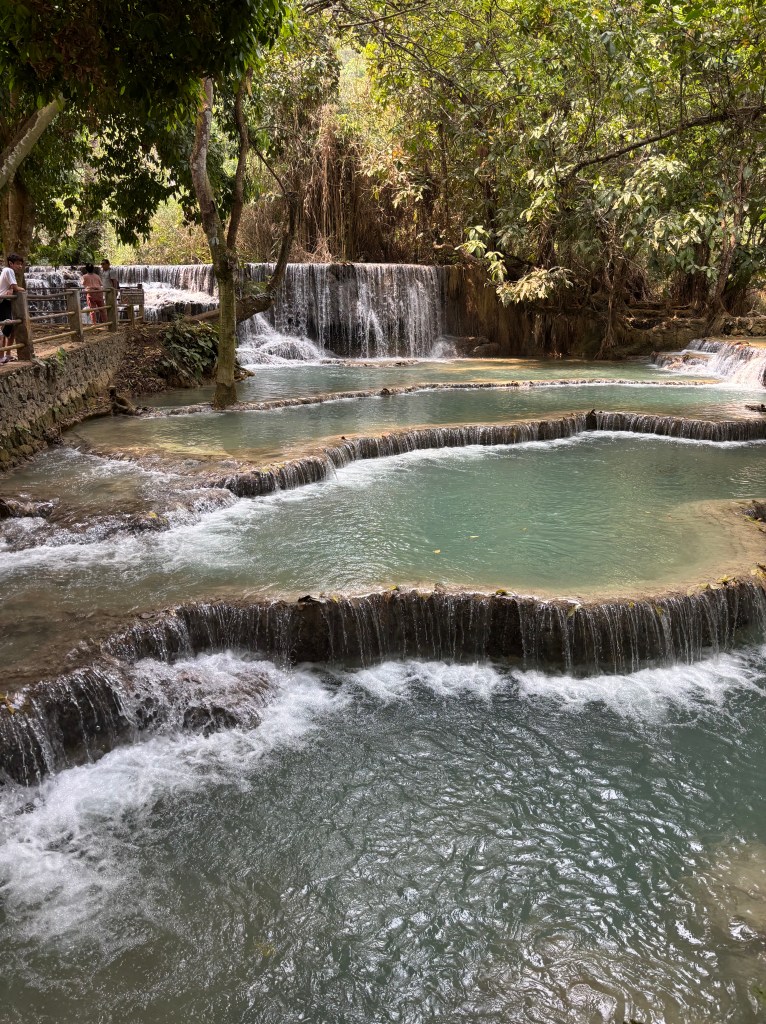
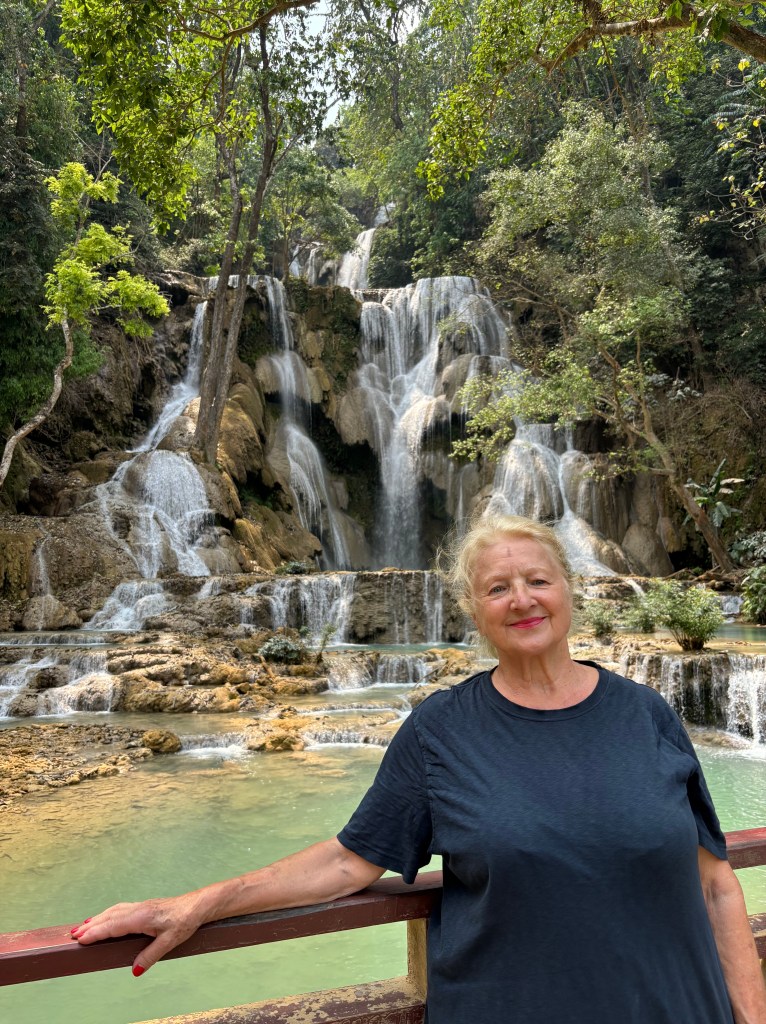
Enjoyed a visit to the Kuangsi Falls (despite the fact the foreigners have to pay 3x the local entry fee, the usual practice in Laos), especially the Free the Bears black bear sanctuary near the entrance of the national park. (The bear’s have been hunted to extract their bile – part of the Chinese medicine….) The water is refreshing, especially after a hot, winding, dusty, uncomfortable road.
The Kuangsi waterfallsFree the bears sanctuaryThe Falls
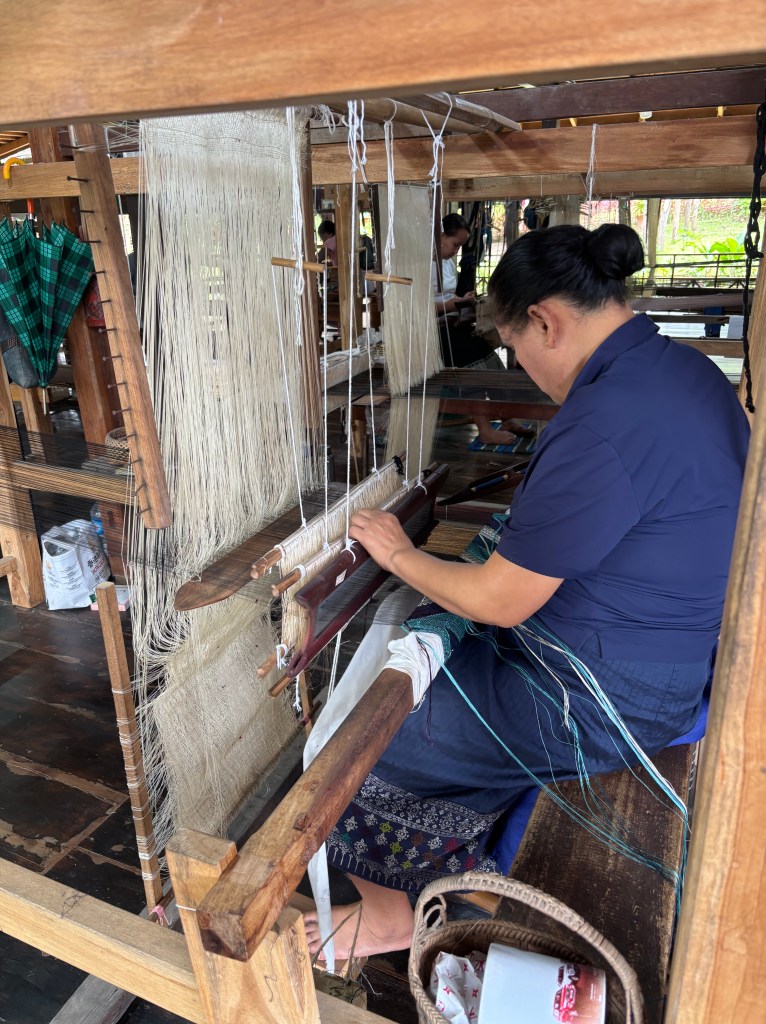
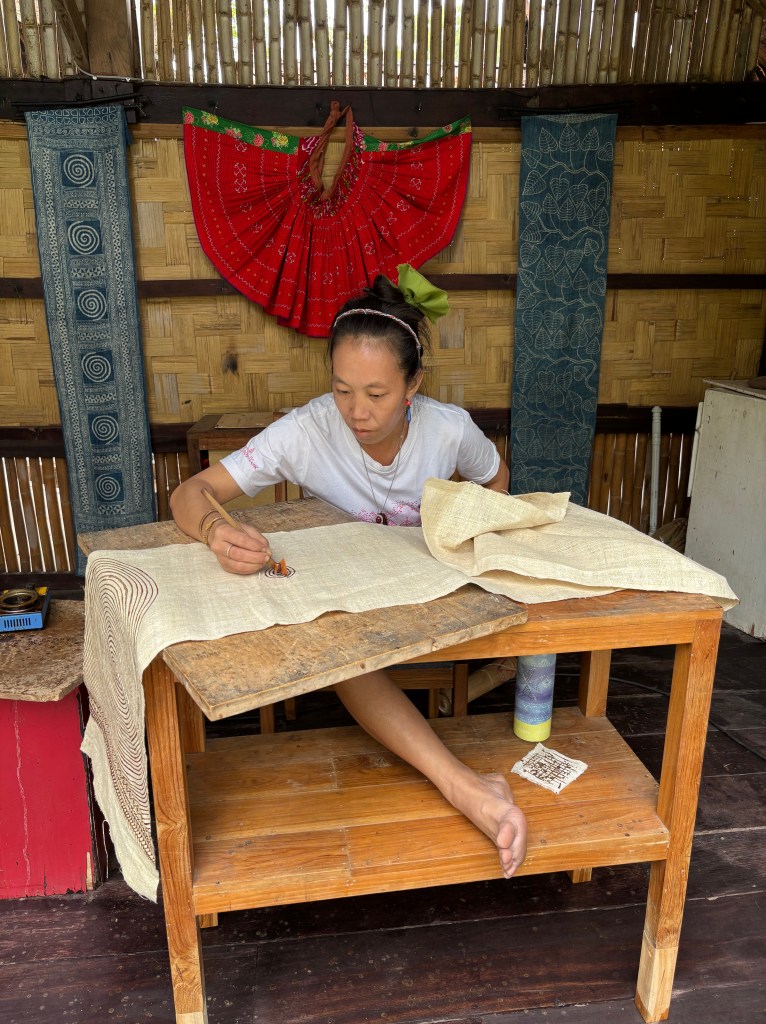
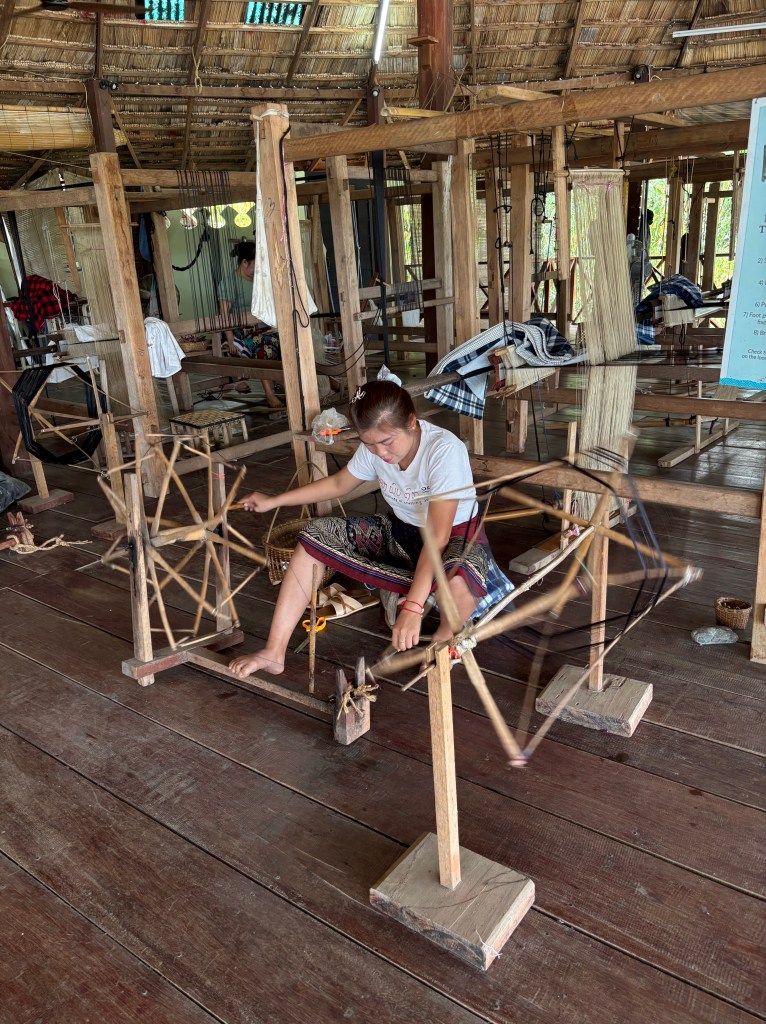
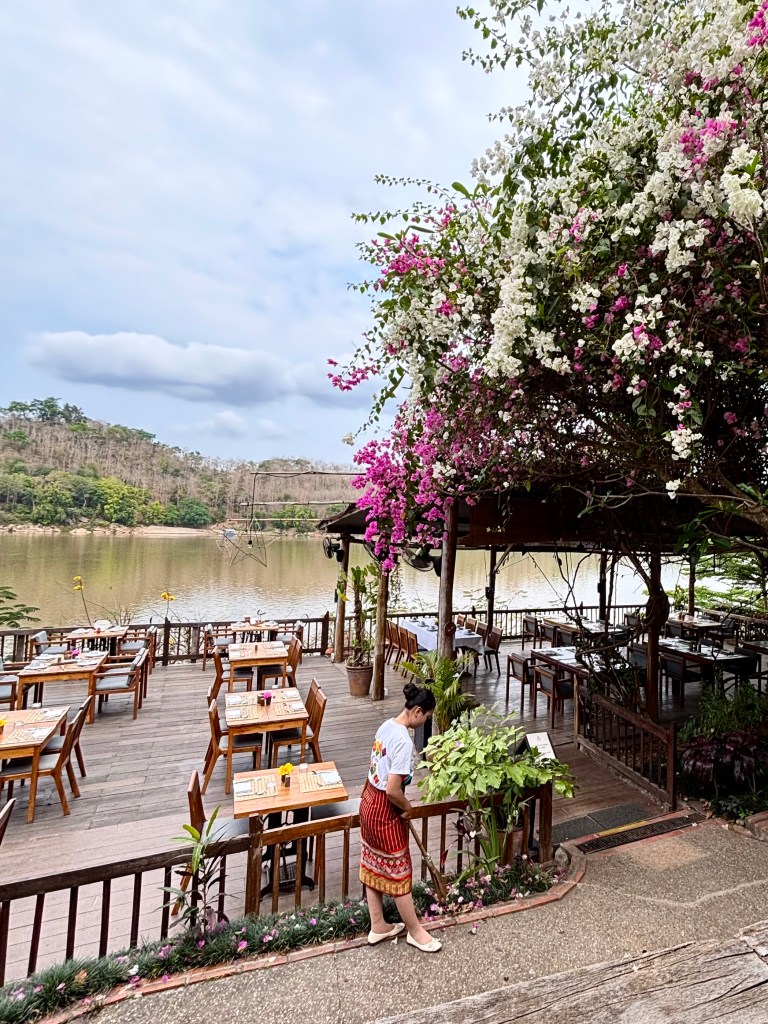
A daughter of a Prom friend lives in Luang Prabang. The Ock Tok Pok (East meets West) cooperative works with local women on traditional crafts – silk and cotton dying and weaving, and much more, at their place by the Mekong. A great initiative and thriving. (And excellent coffee.)
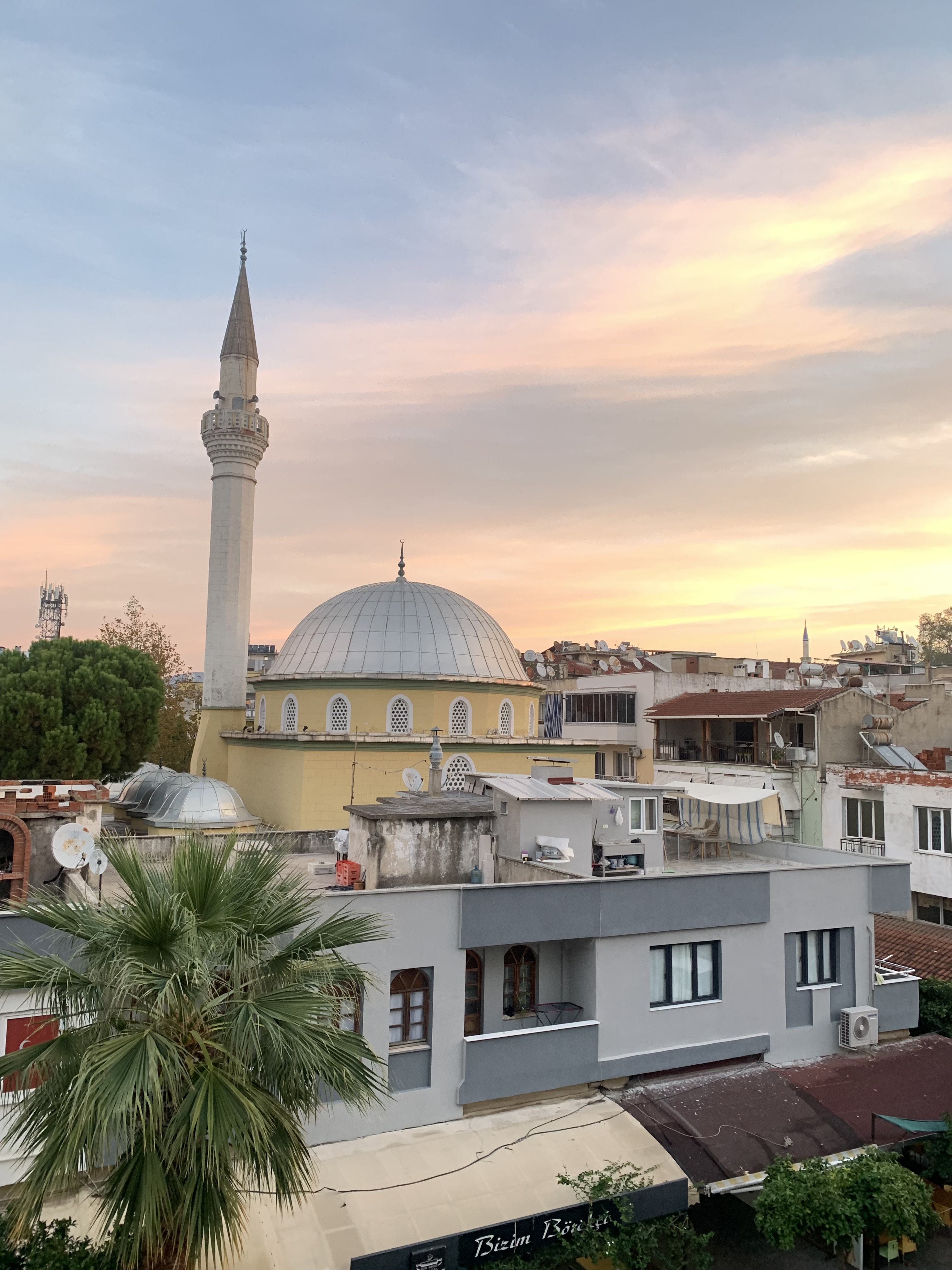
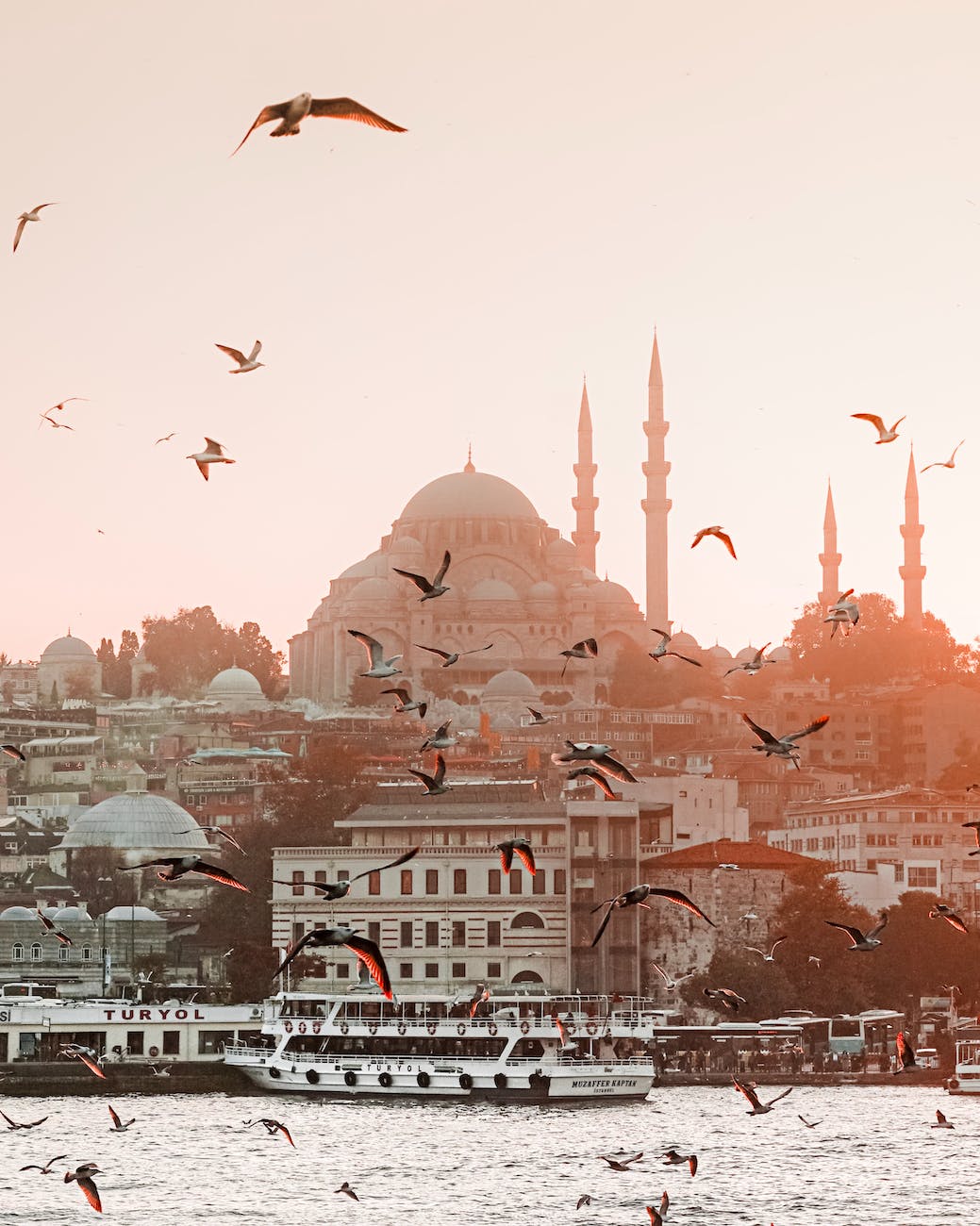
The day starts at 06:18, very loudly, as the muezzin calls the faithful to prayer from the mosque opposite the hotel. There is no snooze button – the wake up call is full five minutes long, and the sound of others can be heard further along. It drowns the barking of street dogs and the quarrelling of urban birds. The sunrise is not for an hour…
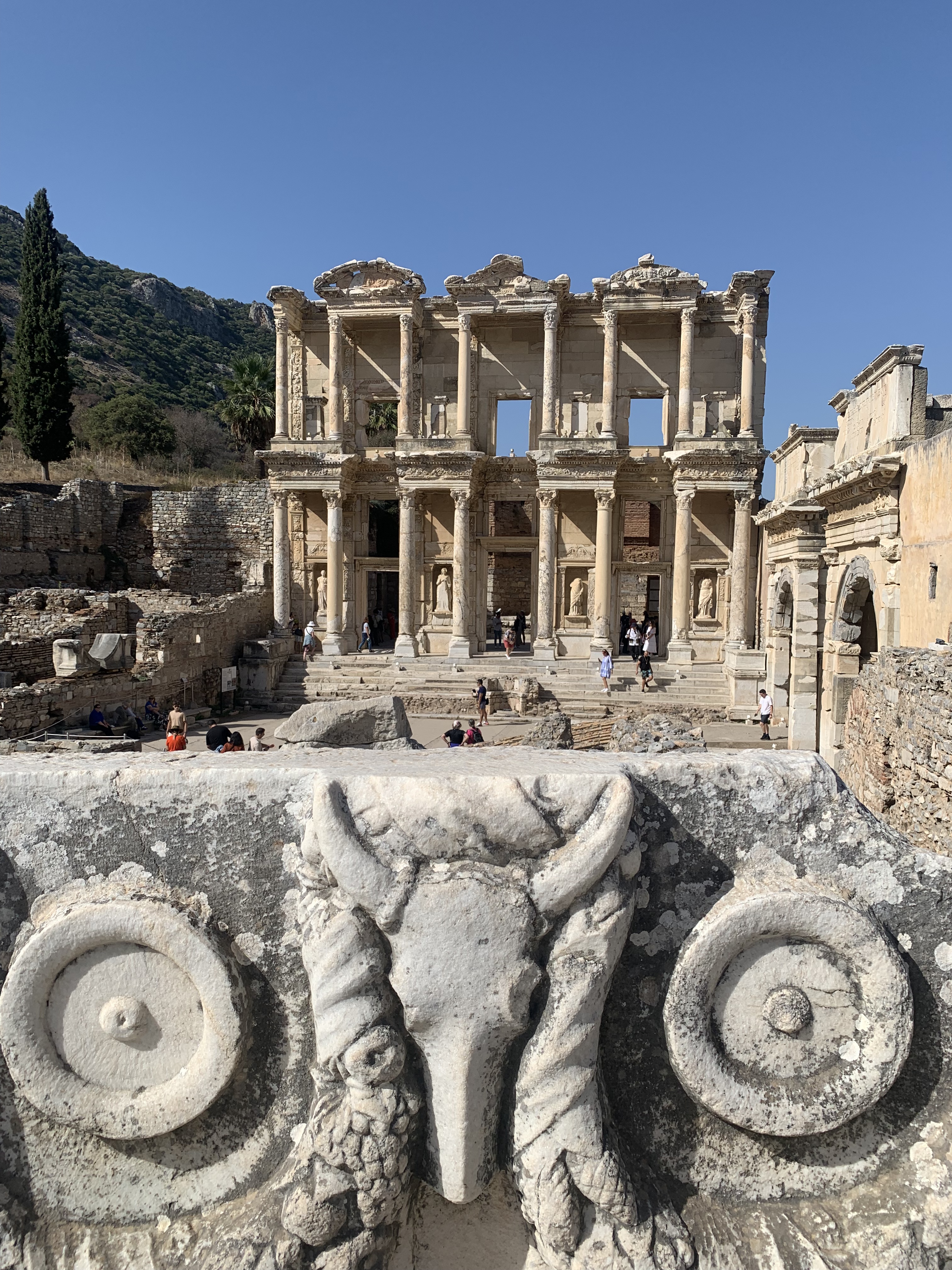
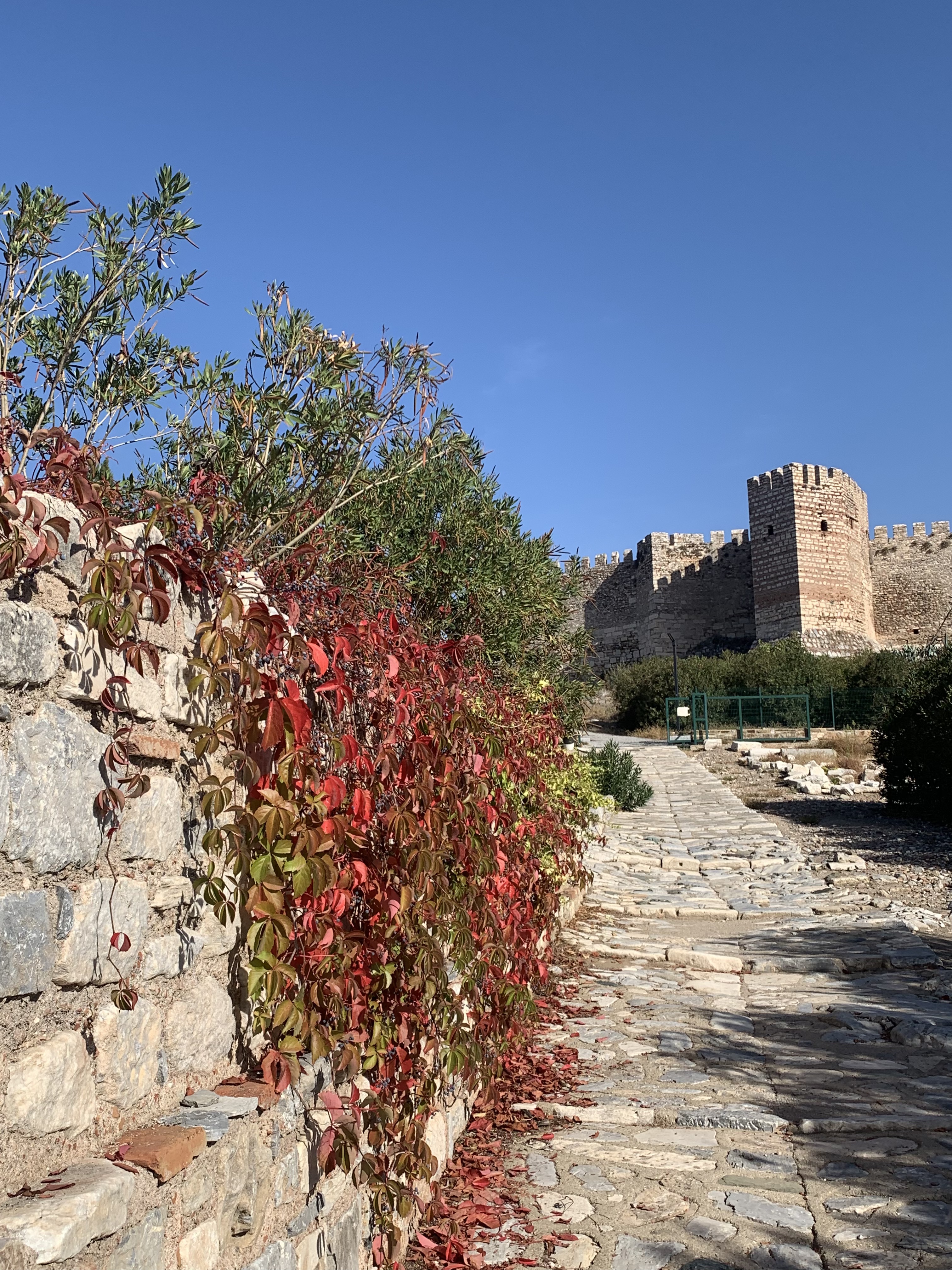
I knew Turkey was full of antiquities and history lurks everywhere, but Ephesus is truly impressive and overwhelming, as well as sad. A quarter of a million people lived here. The temple of Artemis, one of the Seven Wonders of the Ancient World, was here. (The story of how it got burned down, by a man who wanted to be famous/notorious, has loud echoes today: Herostratus, the arsonist, was condemned to NOT have anyone mention his name (damnatio memoriae), in any way. Obviously, the law didn’t work. Oh, and Artemis was away from home on that day in July 356 BC, helping with the birth of Alexander the Great, which is why the arsonist succeeded.)
The busy port of Ephesus is no more, the silt has settled and the sea is several miles away.
The beach at Pamucak, a small seaside resort a few minutes’ ride further on the same Ephesus dolmus, was empty, sandy, the sea comfortable (probably c 25 degrees, though the locals would not dream of swimming at this time of year).
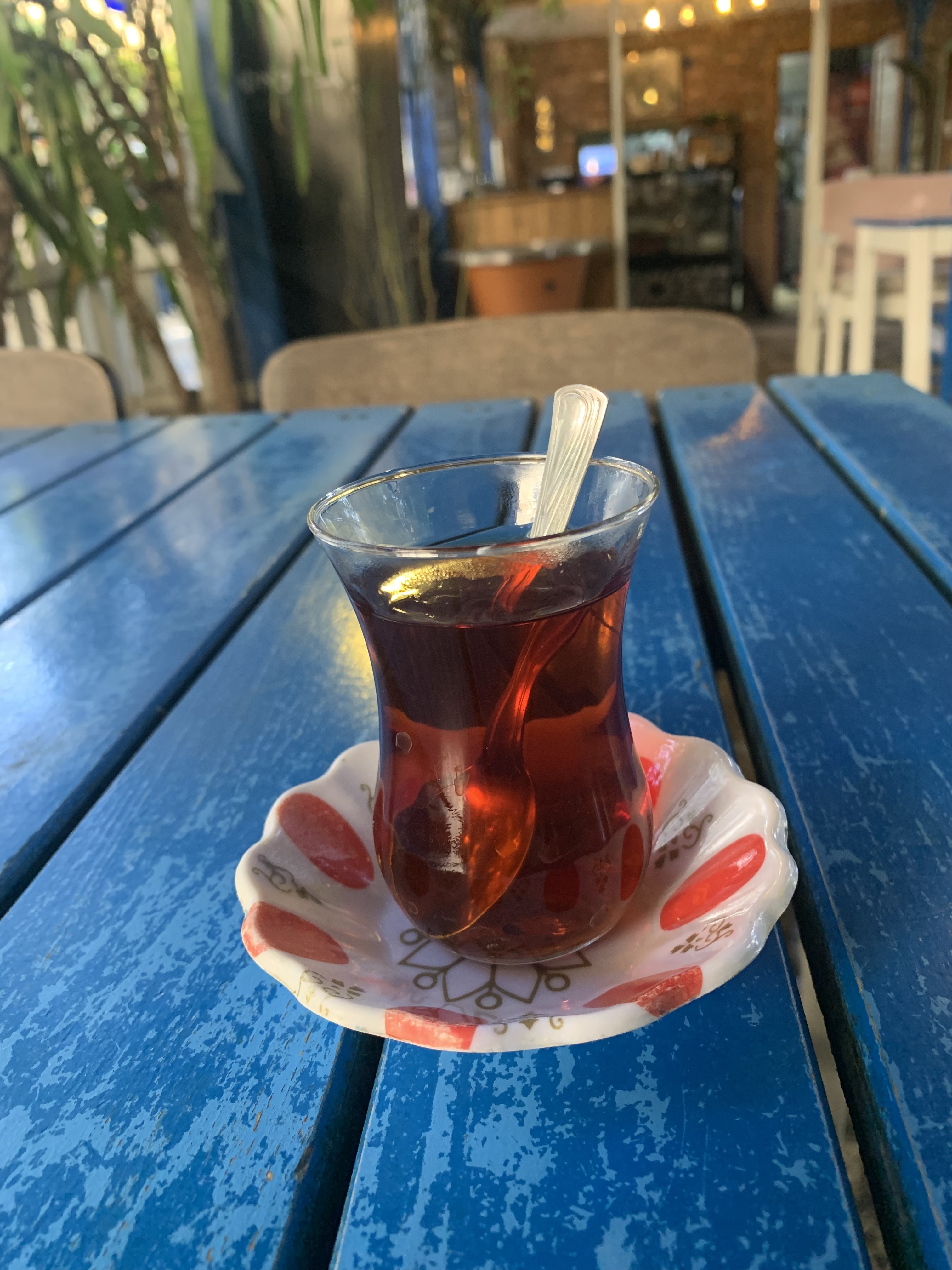
Chai is the ubiquitous drink. The stewed tea is kept warm in a pot on top of the urn of hot water, the two mixed in a waisted glass and served with sugar. The idea of milk in the tea produces the look of horror. Or you can have coffee – proper Turkish or Nescaffe. Breakfast can be a borek – cheese or minced-meat filled filo roll, your choice of size weighed and chopped up – or a setin, a large bread-roll ring covered in sesame seeds.
This area, around Izmir, is good farming country, best known for its olive groves, but there are also walnuts, pomegranates, figs, and tomatoes, zucchini, cabbages. My Turkish is non-existent, but the Ottomans in the Balkans left strong traces in the language (a bit bastardised and warped in Bosnian, but still understandable), so I know that zeytin is olive oil, that patlidjan is an aubergine, that turshe is a pickle, that charsi is a market… Baklava, of course, needs no translation.
Alejandro, who I met on my first evening in Seljuk, is a fellow traveller in more ways than one. A man in his thirties (I’d say), following his dream: he saved for ten years for this voyage from Colombia, South America, to Europe and Asia – India is a goal, where he intends to spend some time in an ashram, before returning home to his job as a mechanical engineer. I was pleasantly surprised with a thoughtful gift of a poem he sent me the day after.
Rebecca, with a website Oldbirdtravelssolo.com, is in the process of buying a place in the hills nearby, in Tire, where she hopes to “do my ceramics and sculpt in limestone”. There’s a chequered story and history, probably novel material, and I have not learnt a reason for wanting to stop here. Of course, the process of getting a residents’ permit and the bureaucracy of buying property in Turkey is fraught with pitfalls and problems, especially when you don’t speak the language, but she is still optimistic and smiling. Does not look like she wants to go back to Soho…
I’ll be trying train travel next, rather than bus – though there is little difference in the time it will take to get to Pamukkale.
Reading The 1001 Nights, stories of Sheherazade, in my early teens, has planted the germ of desire to visit Samarkand, Bokhara, Khiva…
It has taken almost 60 years to get to the point where planning and actual travelling is taking place, but I AM DOING IT. The start is the flight to Istanbul on 9 October 2023. simply because I have not visited there before – and Turkey is a part of the Old Silk Road. I’m doing it “backwards”, going west to east, and very much looking forward to unpicking the way. I want to avoid air travel as much as possible, so road and rail (and camel?) will be it. October should be a lot quieter than the summer months – especially in places like Pammukale and Cappadocia, Ephesus and Hierapolis, Kanya and Kars. The trip is very fluid – out of the 6 months earmarked for the journey, nothing booked beyond the homestay in Istanbul for 6 days…
Should someone wish to join me at any point, for any length of time, I would welcome it.
The blog seems like a good place to let those who wish to know where I am – and how I’m faring. I look forward to a true adventure, and sharing it.