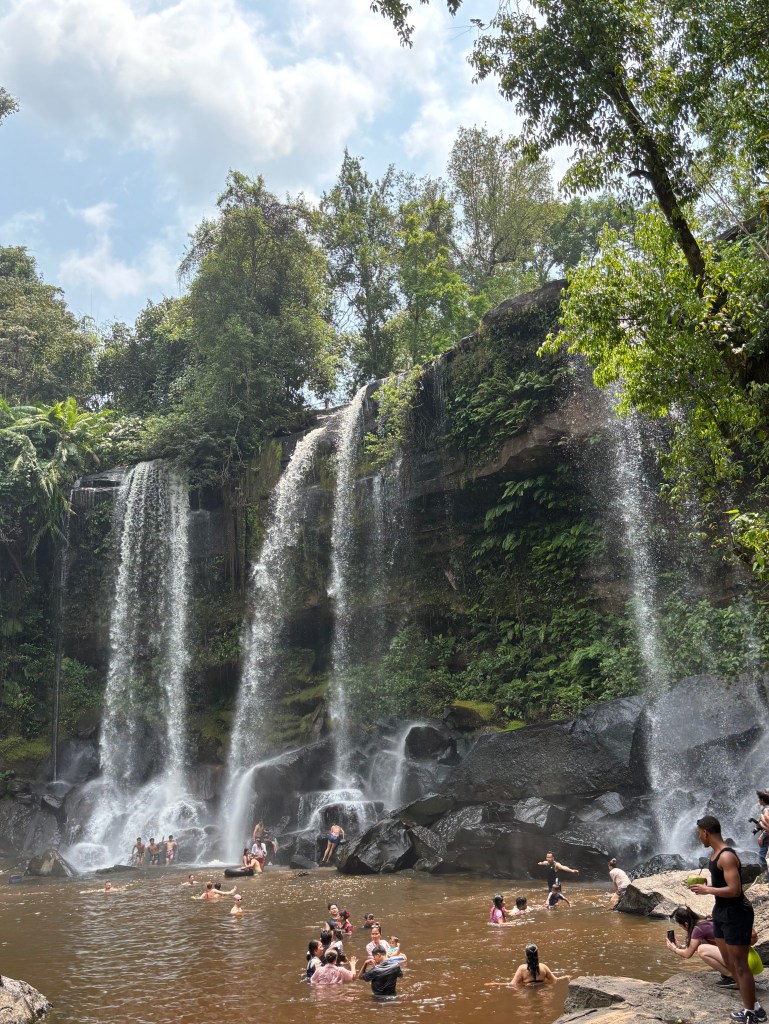
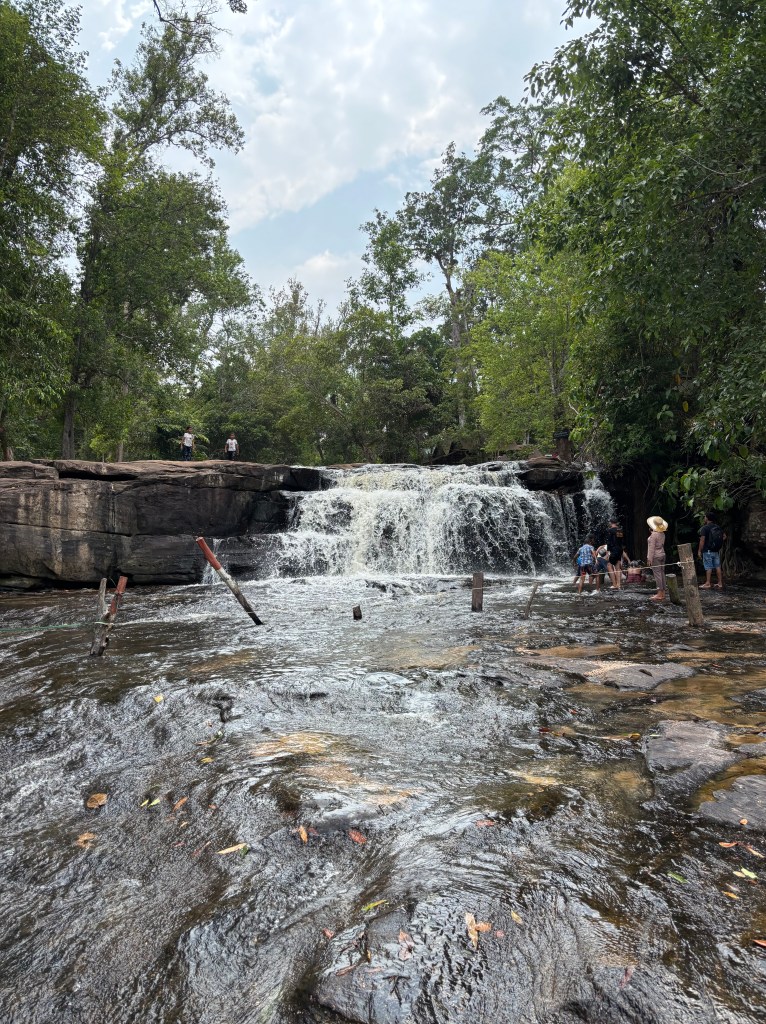
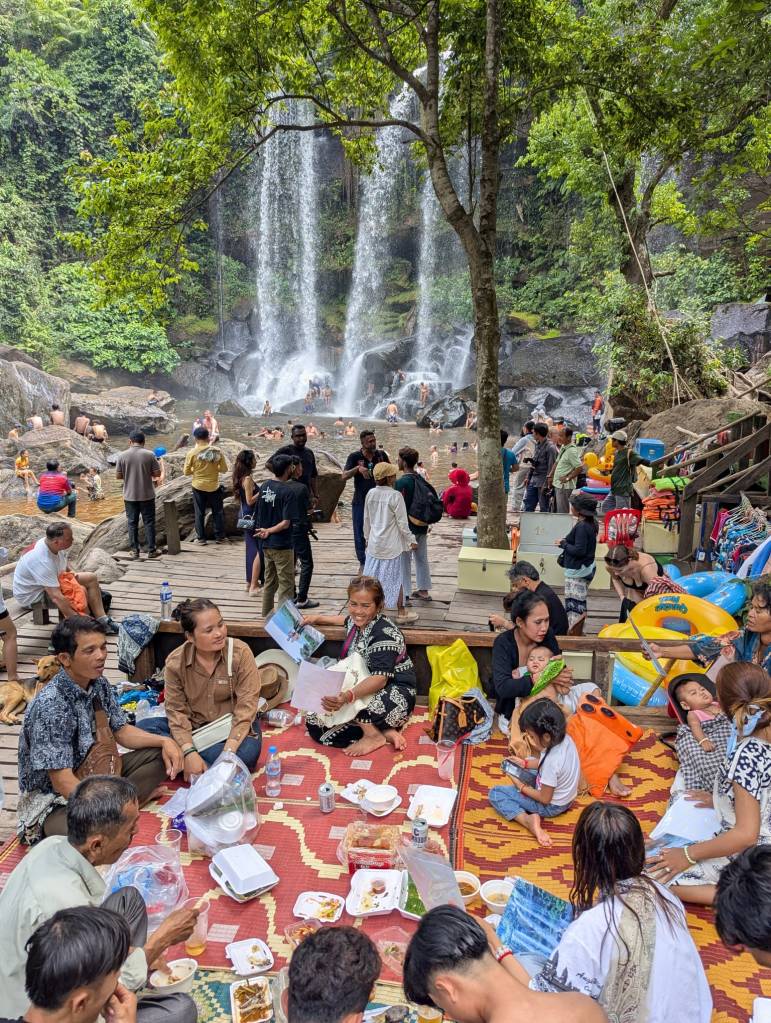
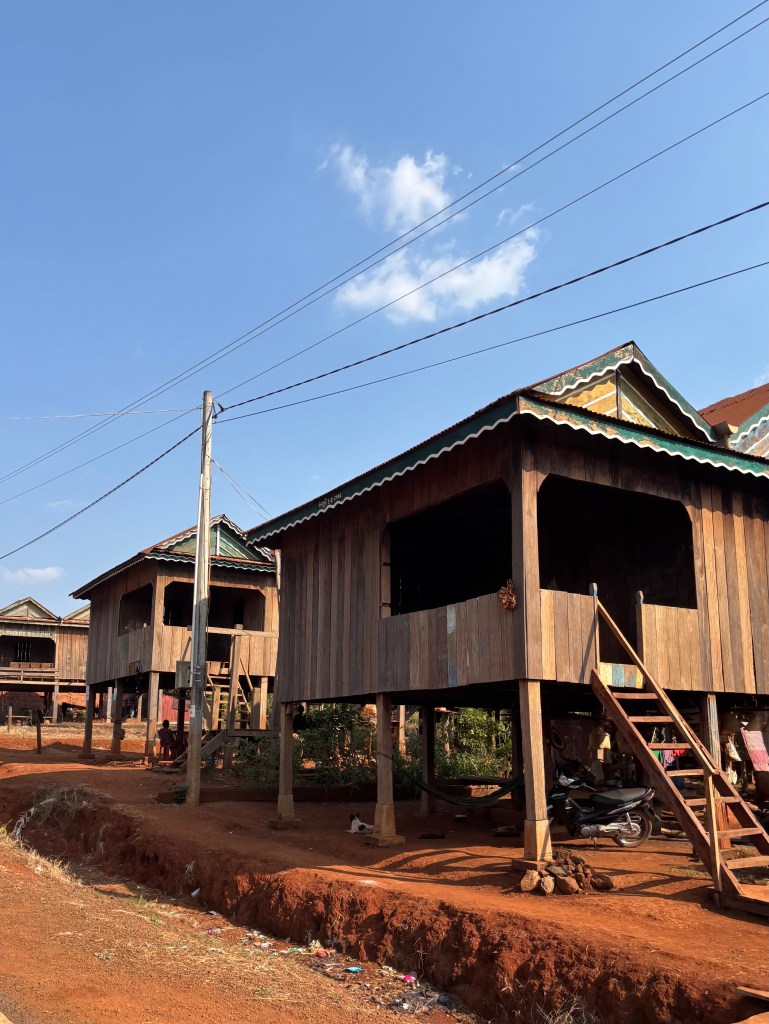
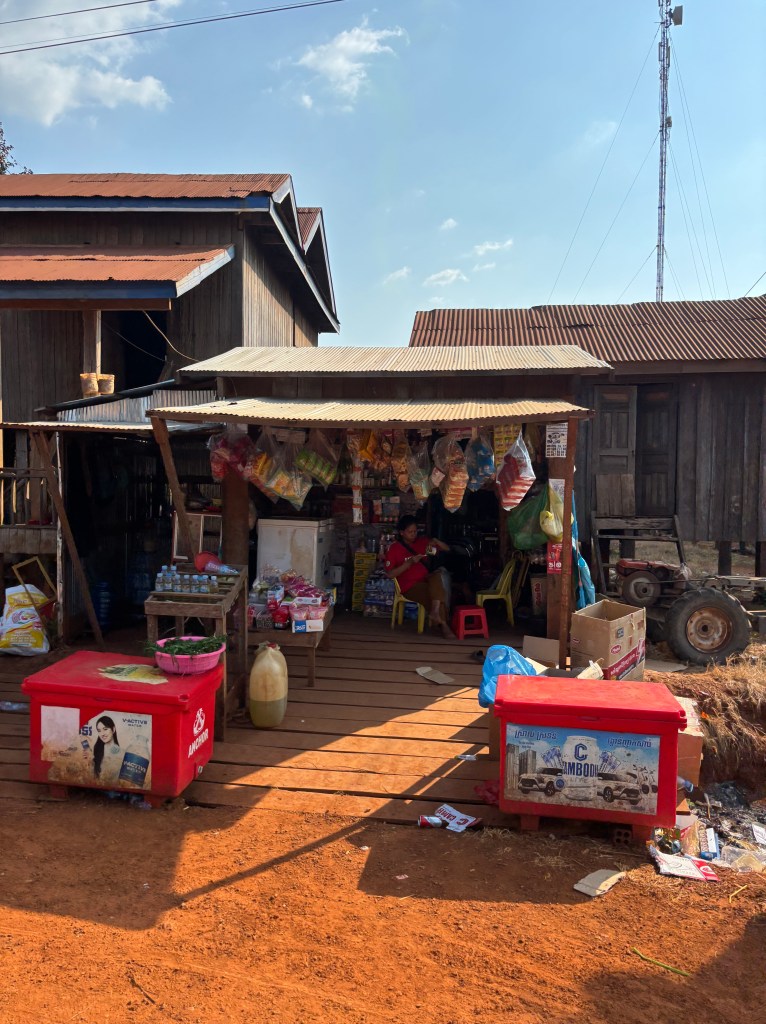
Took the bus from Siem Reap to Ban Lung, near the Virachey National Park, Cambodia, looking to do a 3-day trek in the jungle with an opportunity to hear (if not see) the gibbons call at dawn. Parrot Tours offered what I wanted and were very prompt in replying. They also offered their Ban Lung Hilltop house homestay, which seemed reasonable at $7/night. While waiting for “others” to arrive (one person, in the end!), took a couple of trips in the area (one in a tuk tuk). Pretty scenery – mountains, waterfalls, lakes. The village houses in this part of the world are built on stilts: the area under is shaded all day and that’s where people spend there time. In the past it was also where animals were kept – anything from chickens to elephants. The upstairs is for keeping things safe and for sleeping. The window openings often don’t have glass panes, just shutters for when the rains come. Most homes seem to have a little stall in the front – selling food, fresh produce, household items, drinks…
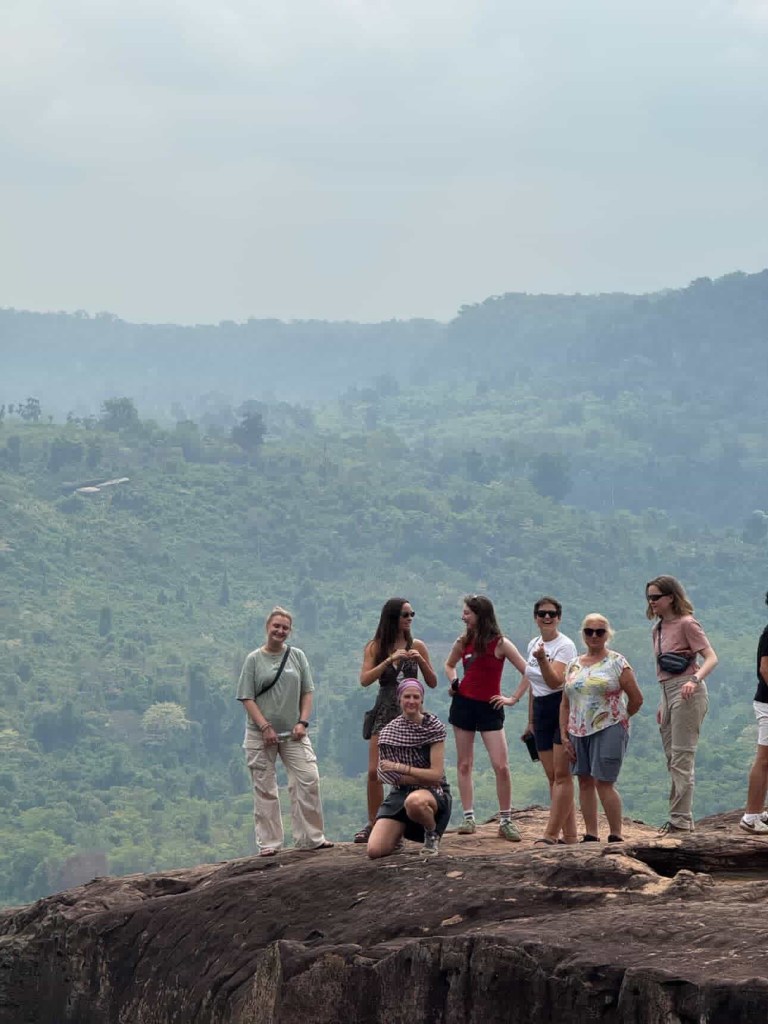
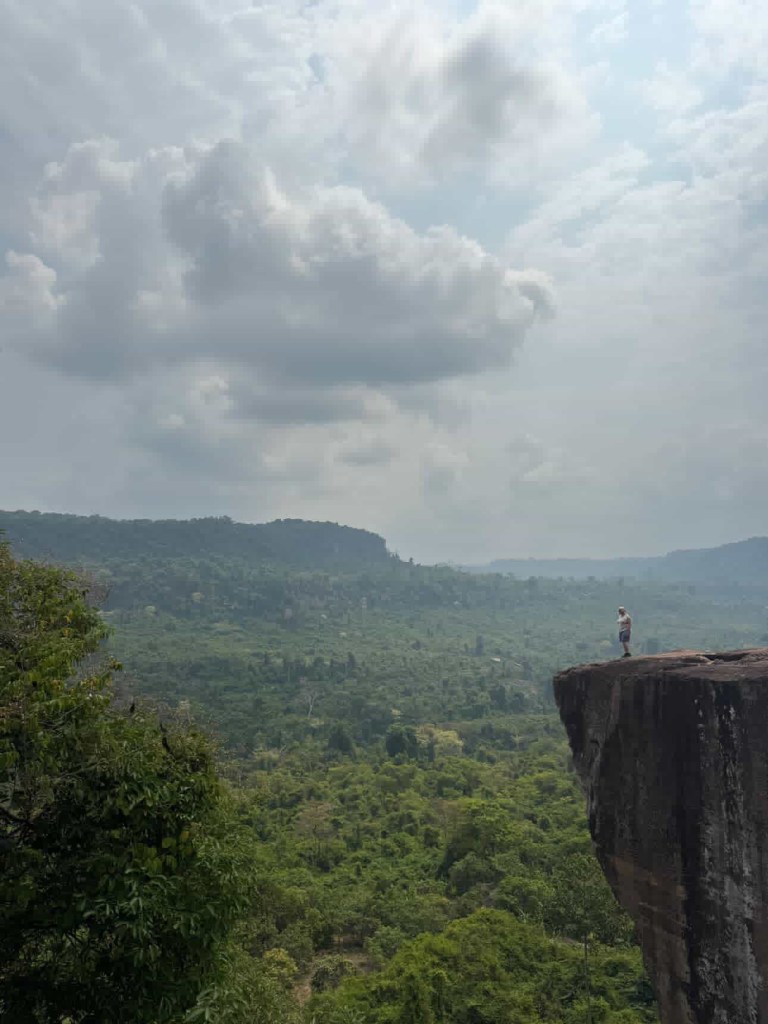
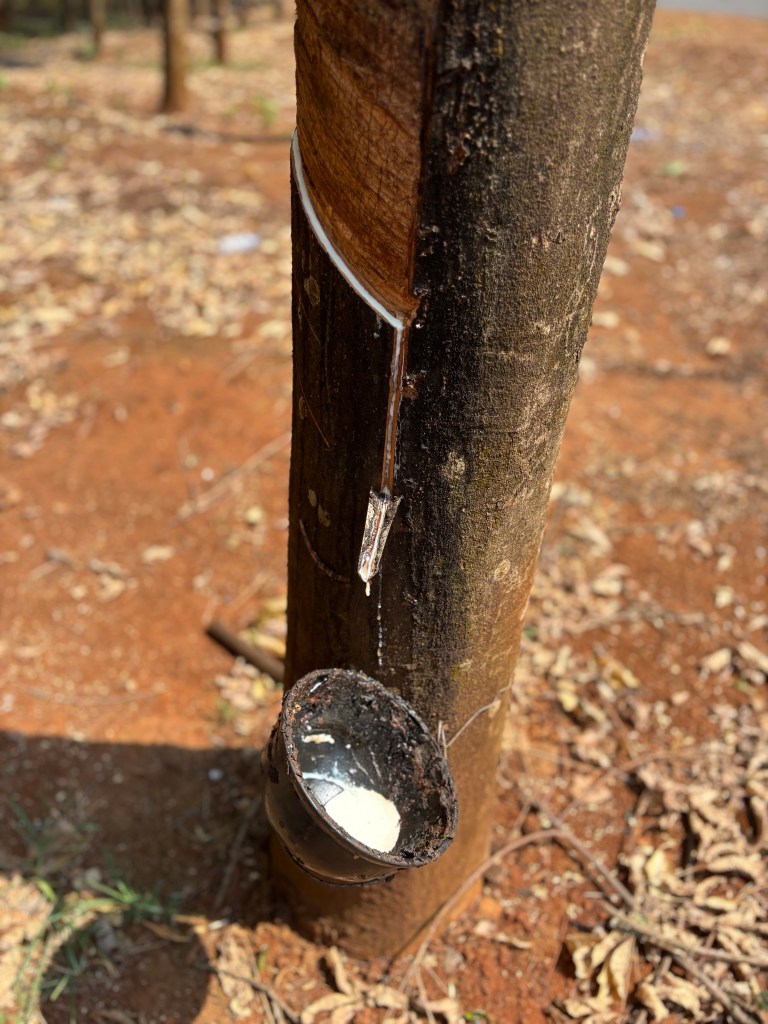
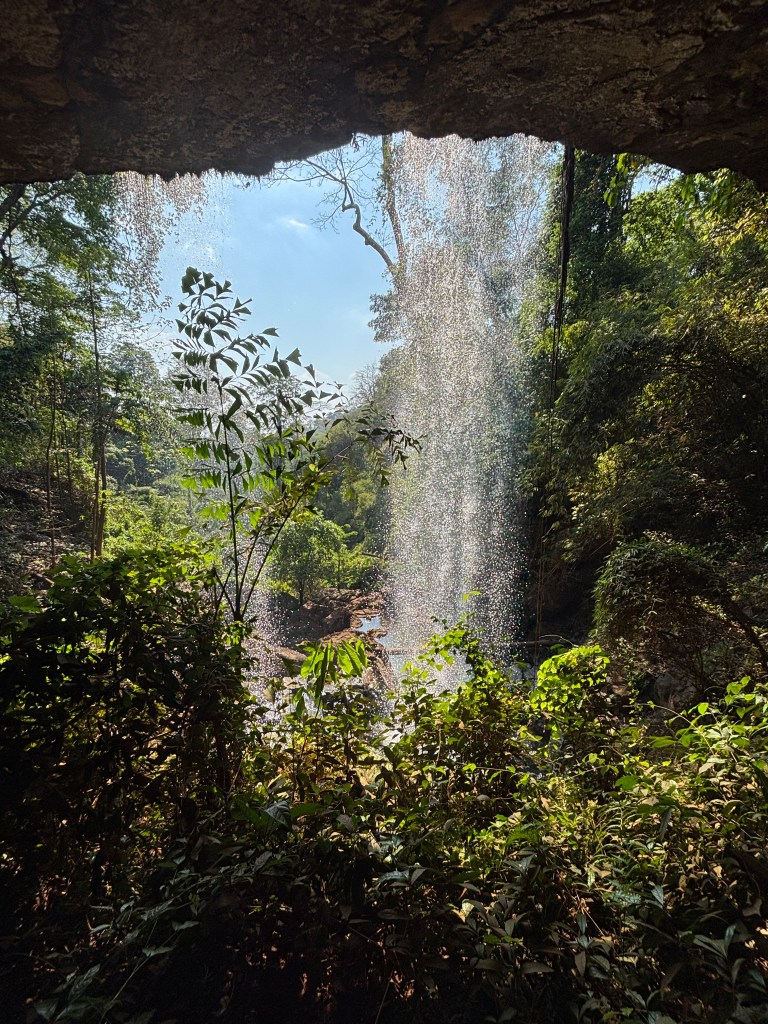
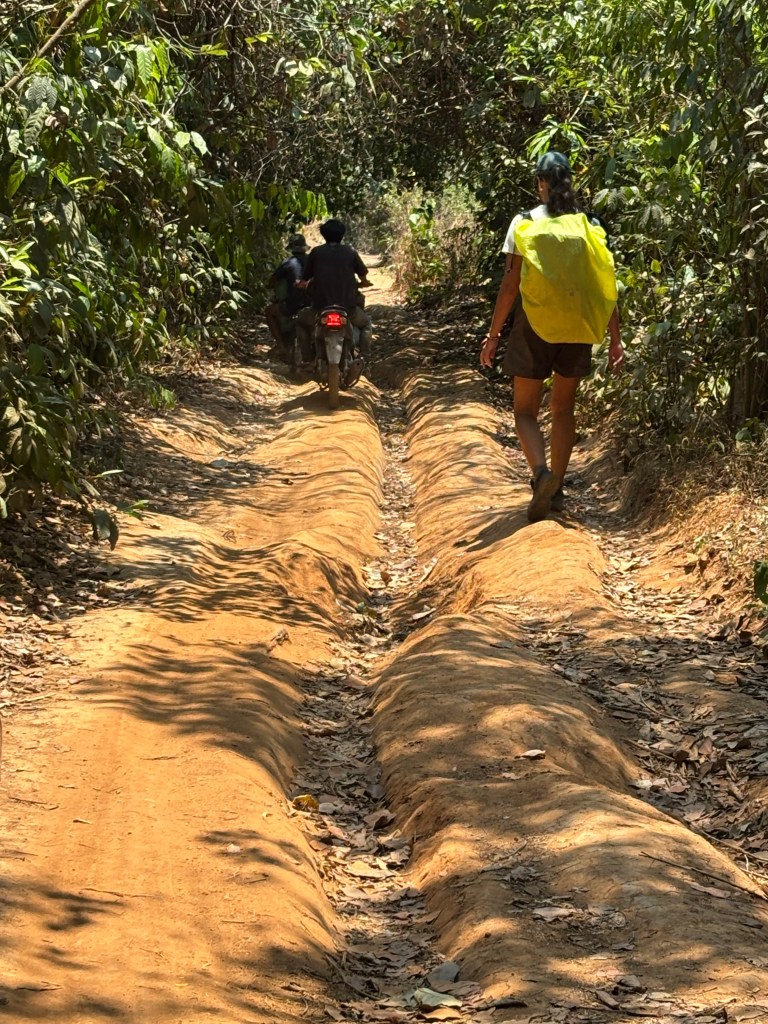
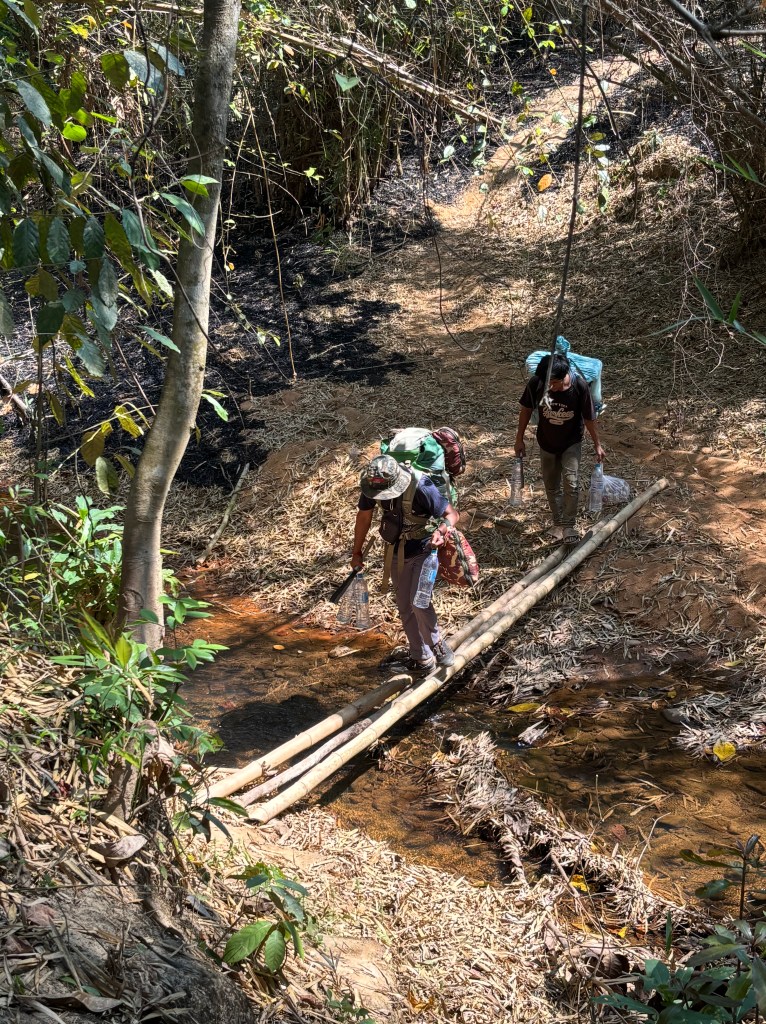
The 3-day trek in the jungle that Camille and I finally went on was interesting but not as advertised. The hardest were the heat and the humidity. Both Camille and I “enjoyed” the 1 hour + wild pillion ride on the rutted village paths before starting the trek. Our guide, Sakal, was helpful and knowledgeable but it was Roum, the 30 year old local man, who was totally impressive. Small and wiry, he carried some 25-30 kilos of kit; he made the fire, prepared the meals, washed up, helped put up the hammocks, all with a smile and an occasional break for a ciggie.
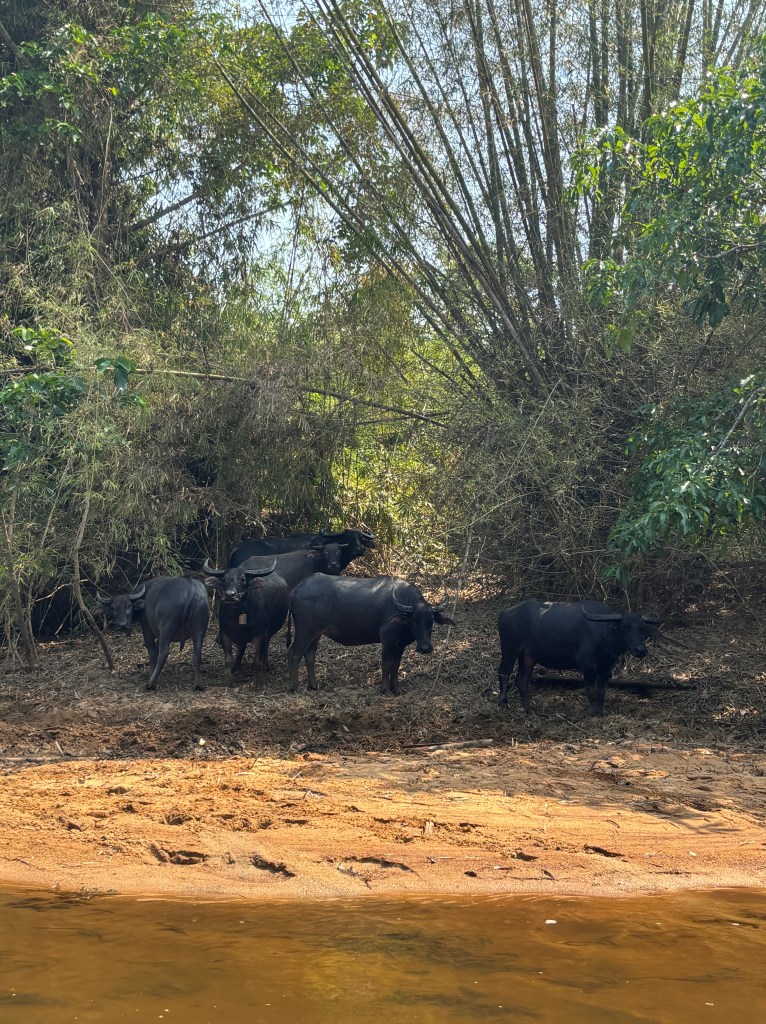
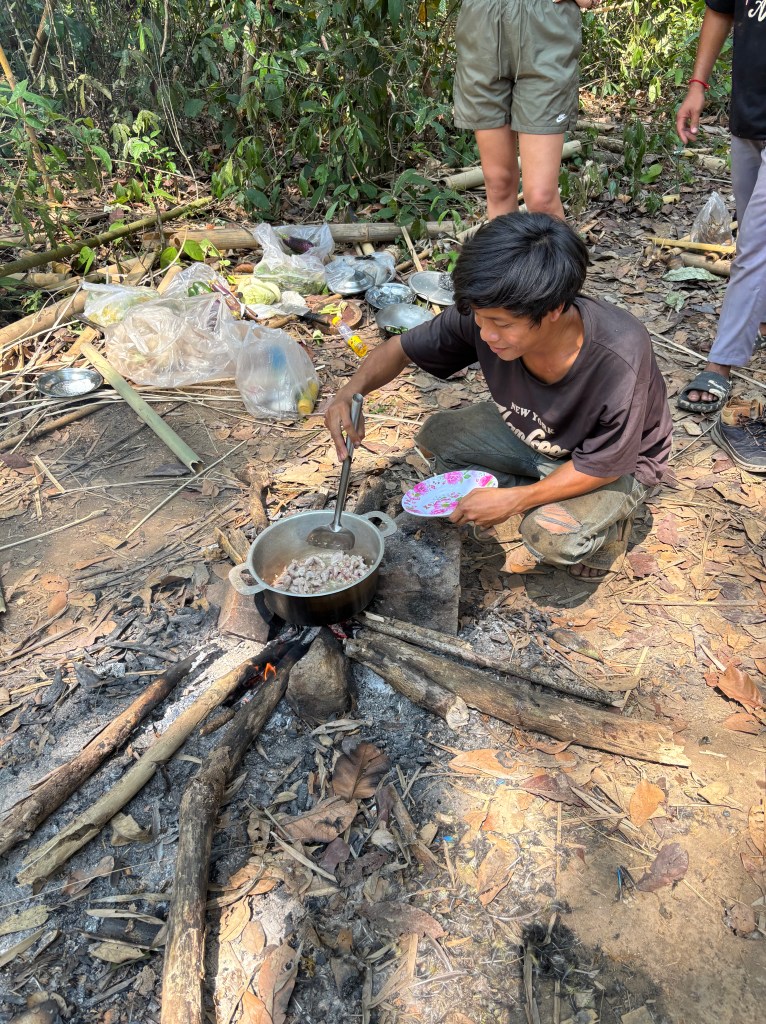
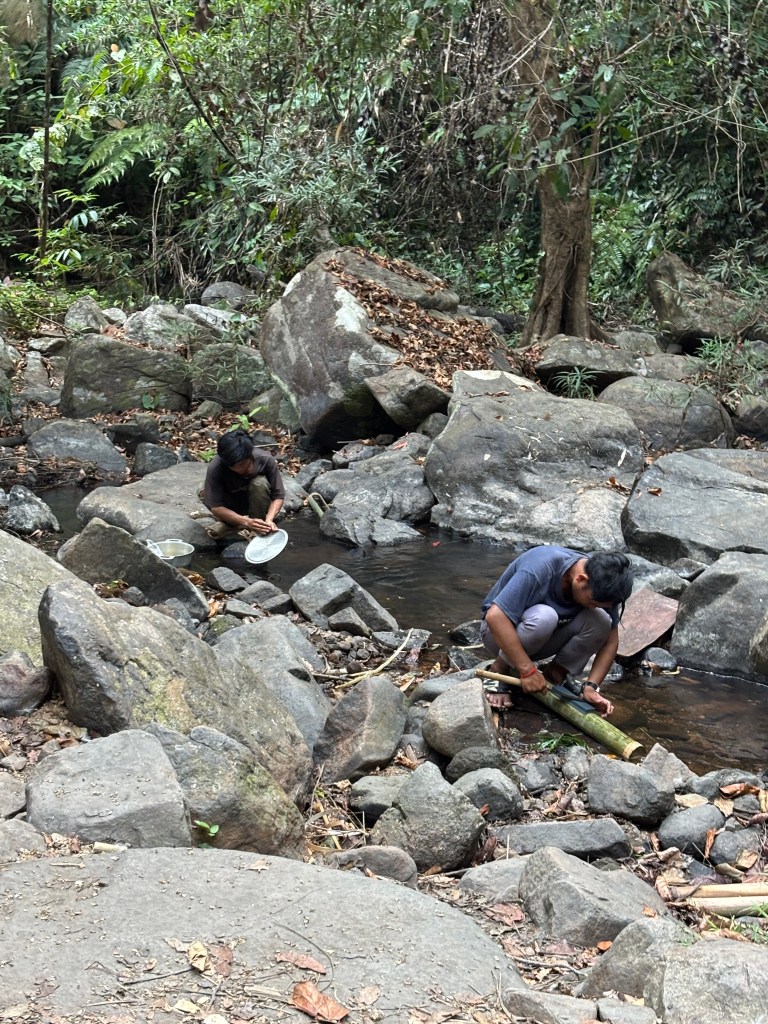
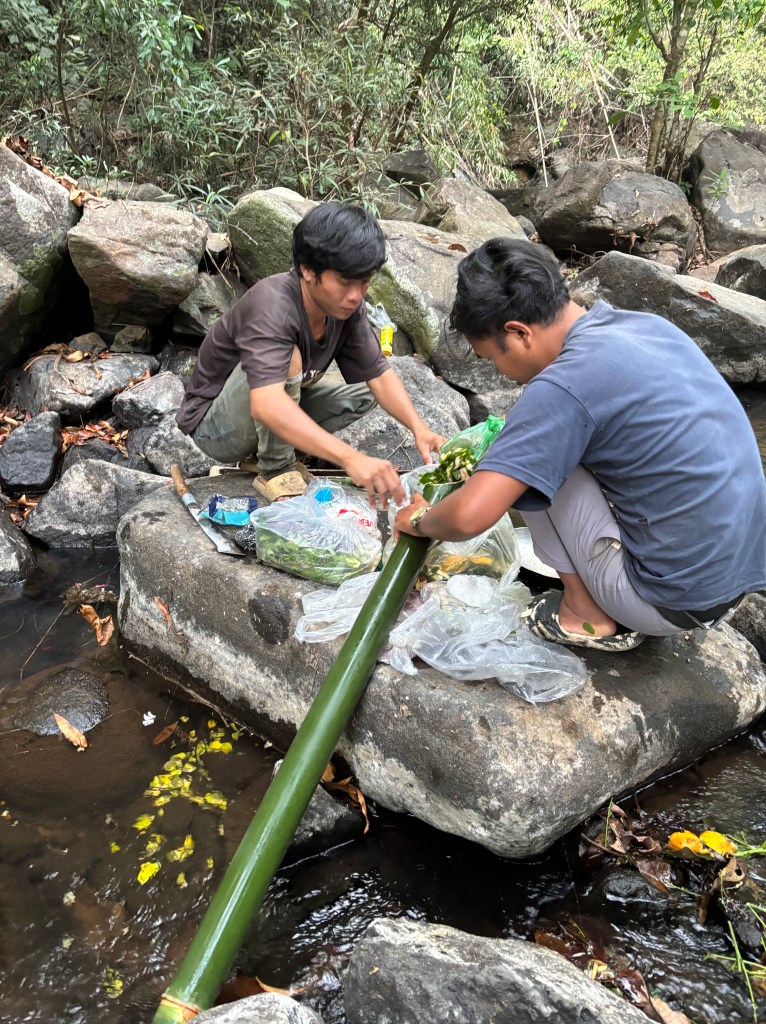
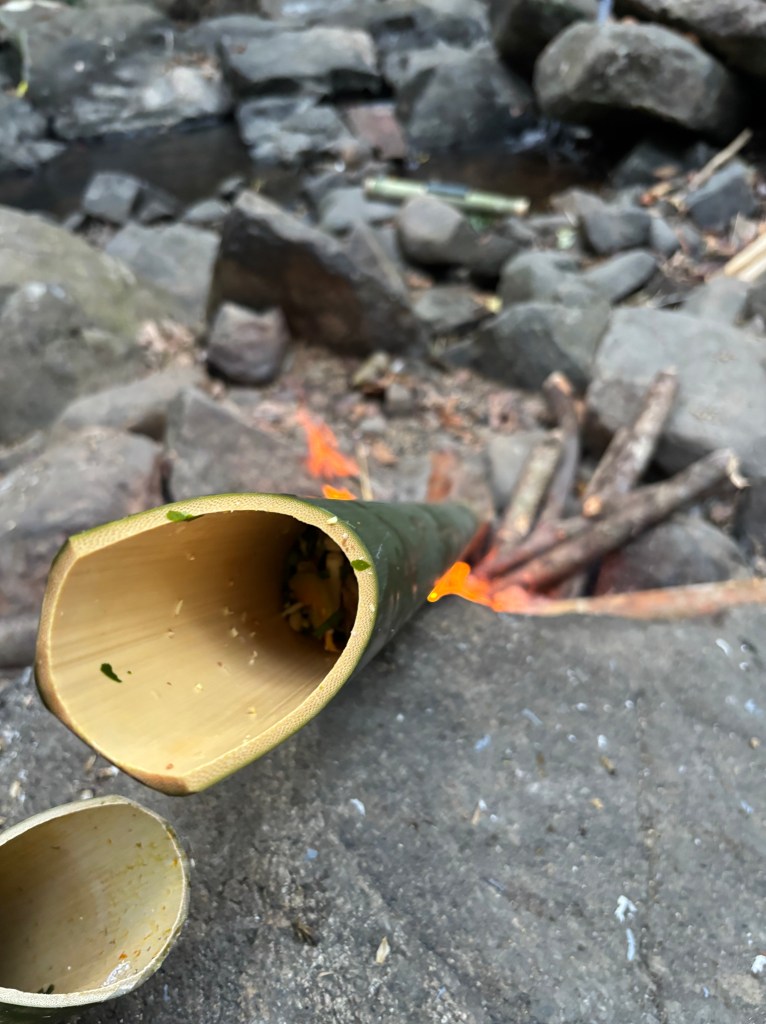
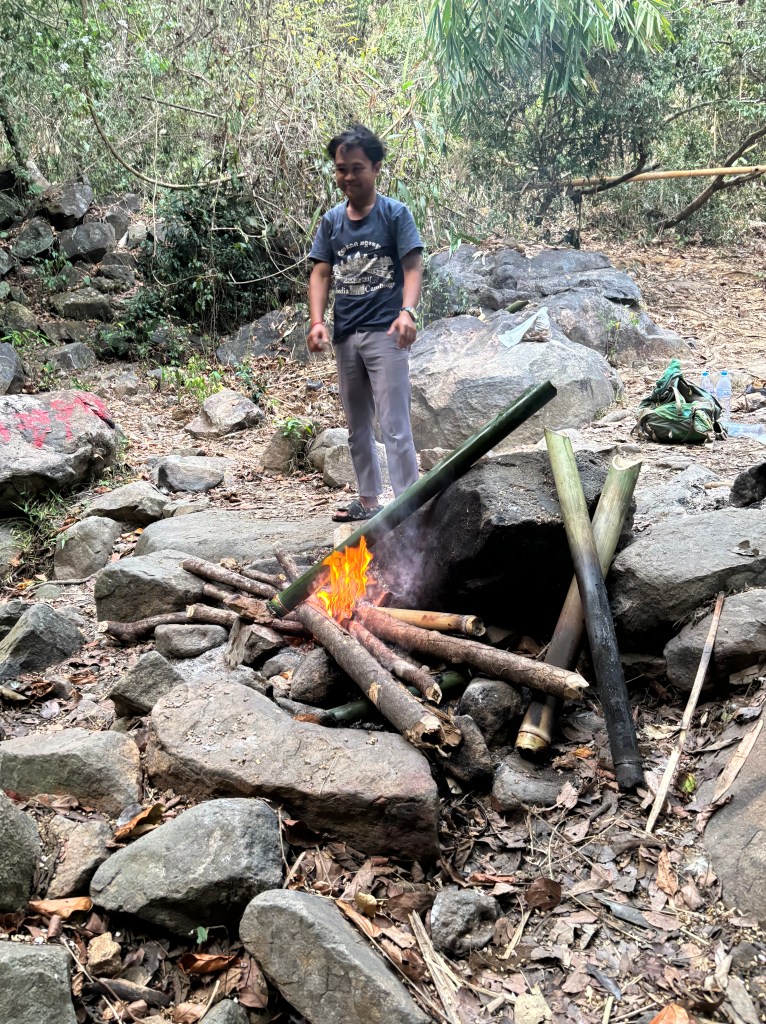
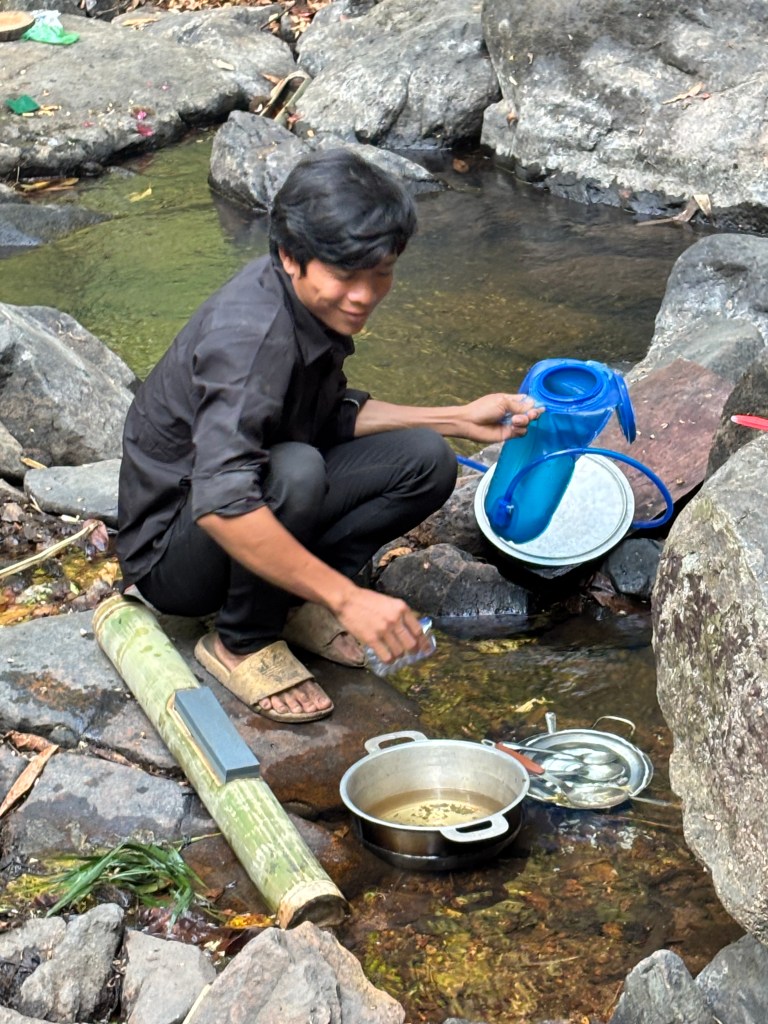
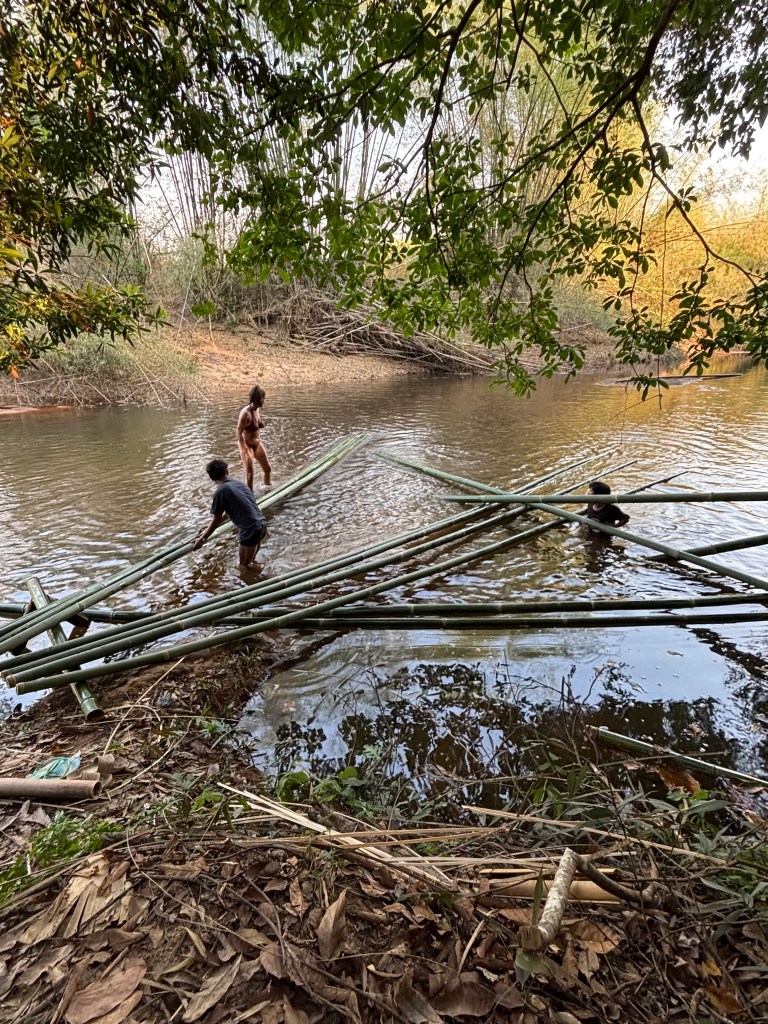
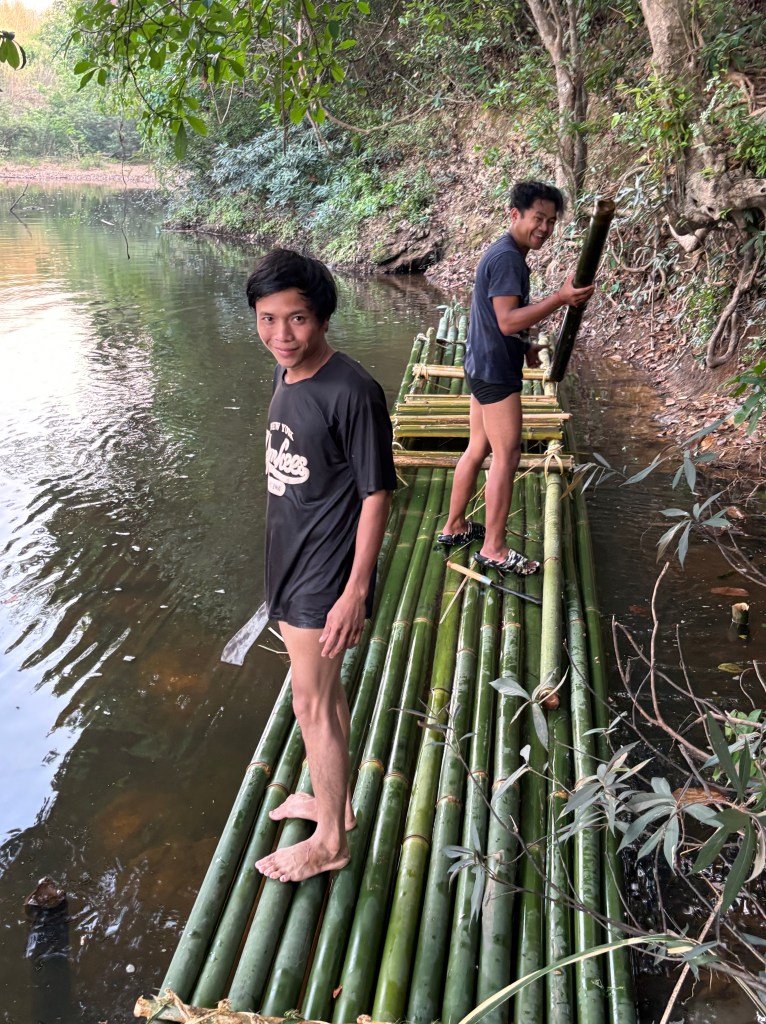
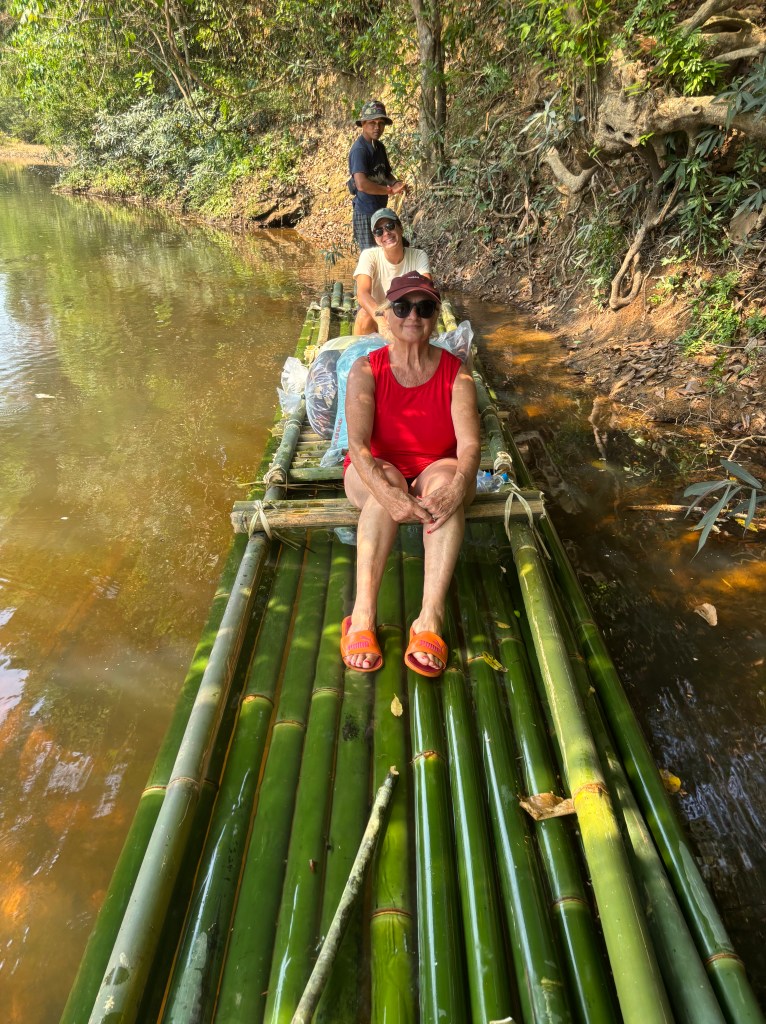
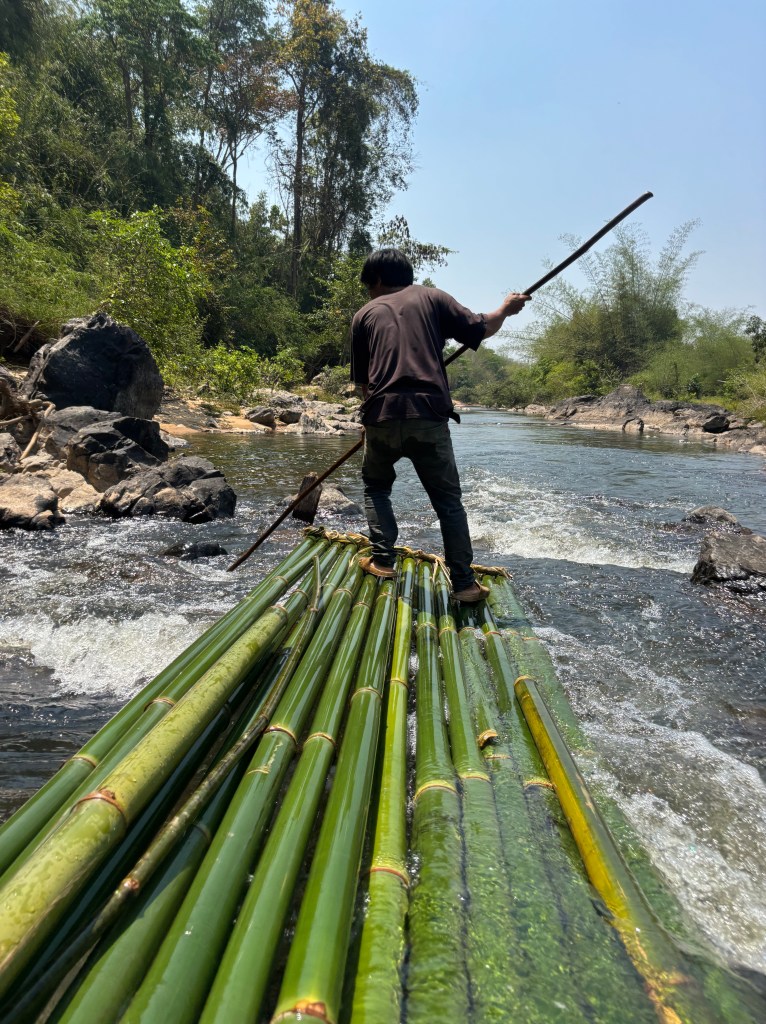
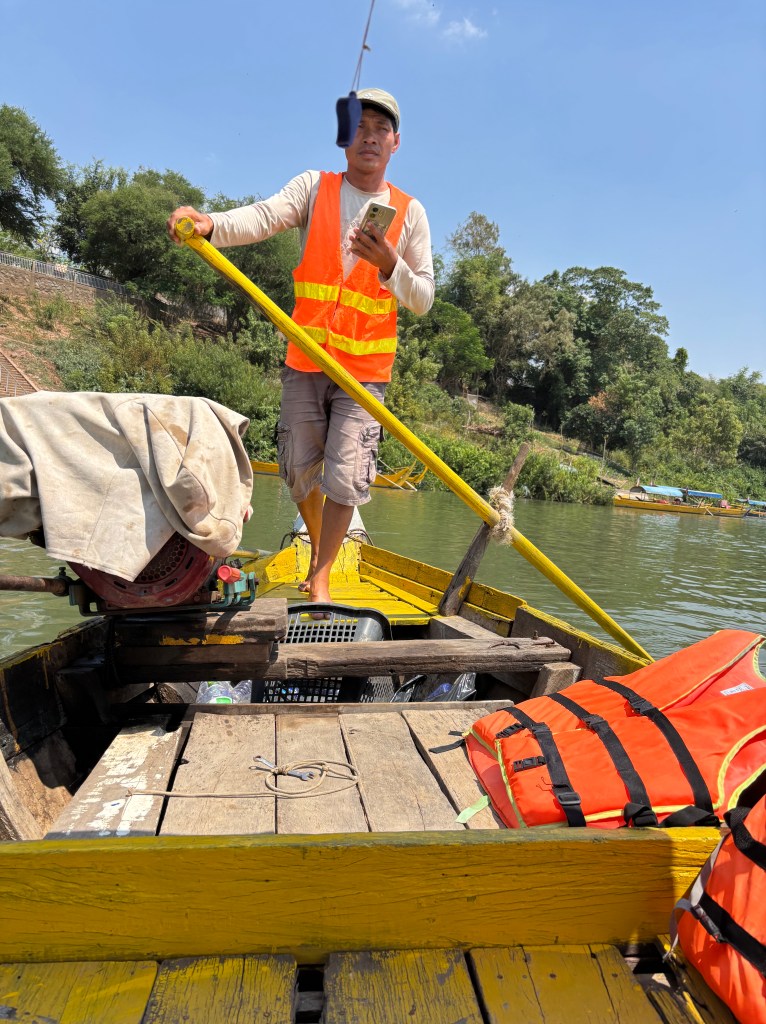
What impressed me the most was how useful and versatile bamboo was. Roum cut a 4′ length of a bamboo – a container for “bamboo soup”: a mixture of meat, vegetables and spices, stuffed into the bamboo pipe and slowly rotated (so it wouldn’t burn through) in the fire until the “soup” is done – some 30′-40′ (a pot of rice had been cooked first). Roum made us bamboo cups for coffee. Several 4′ lengths were used to carry the water from the river to the camp (c 10m up a steep slope above the river) for cooking and washing. He fixed a bamboo bench that was falling apart by cutting another length of bamboo and tying it all together. And on the last day, Sakal and Roum cut (with a machete) 14 bamboo trunks x 8m long to make a raft that would carry us downriver to the village; they prepared bamboo rope from the bamboo bark to tie the raft together. And made seats for Camille and me and even put a small raised area, like a table, for all our gear, so it wouldn’t get wet. It was a lesson in survival I could only admire. And a long bamboo pole and a small bamboo paddle for steering and propelling. Sakal finally admitted there were no gibbons in that part of the jungle. Disappointing.
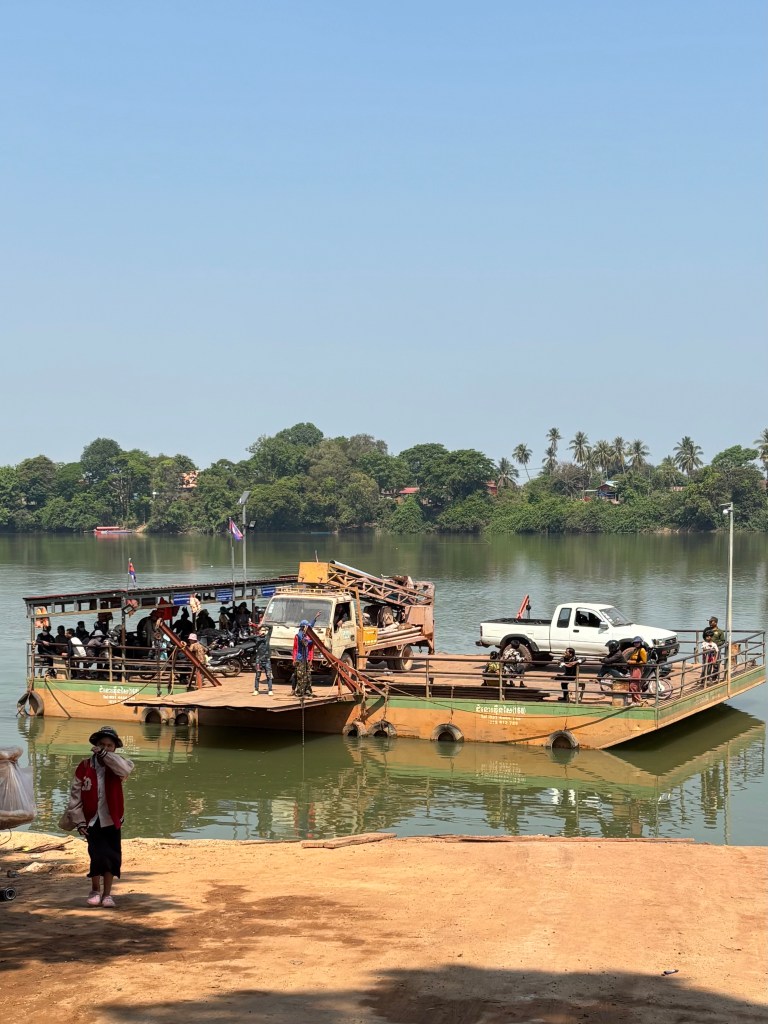
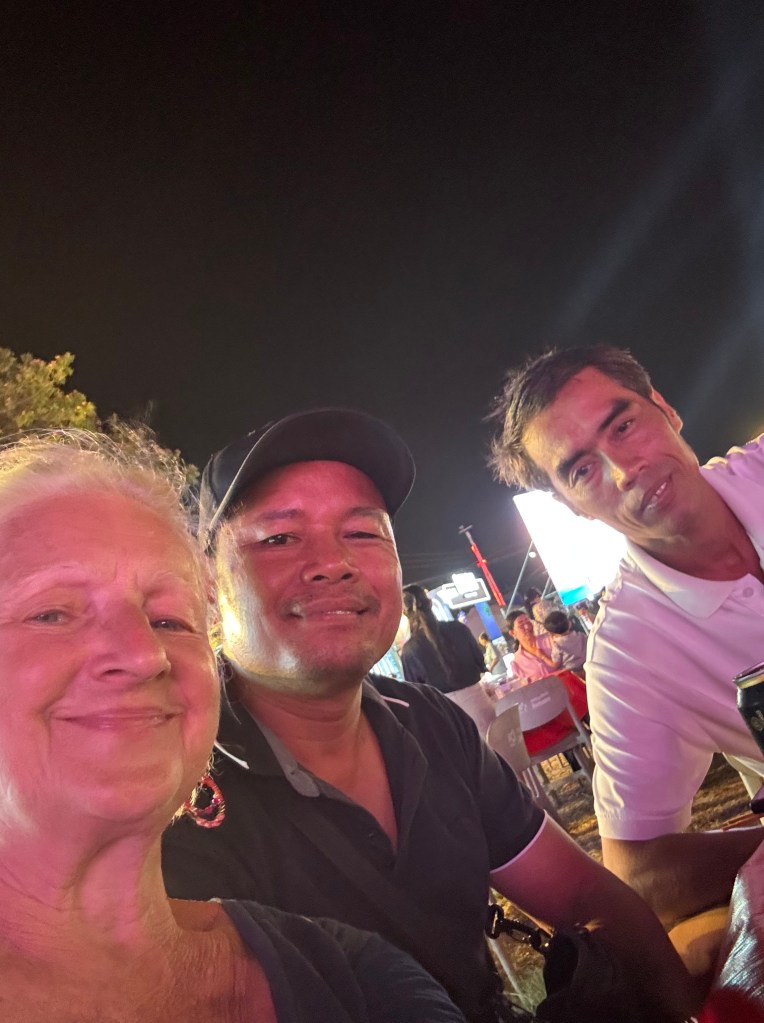
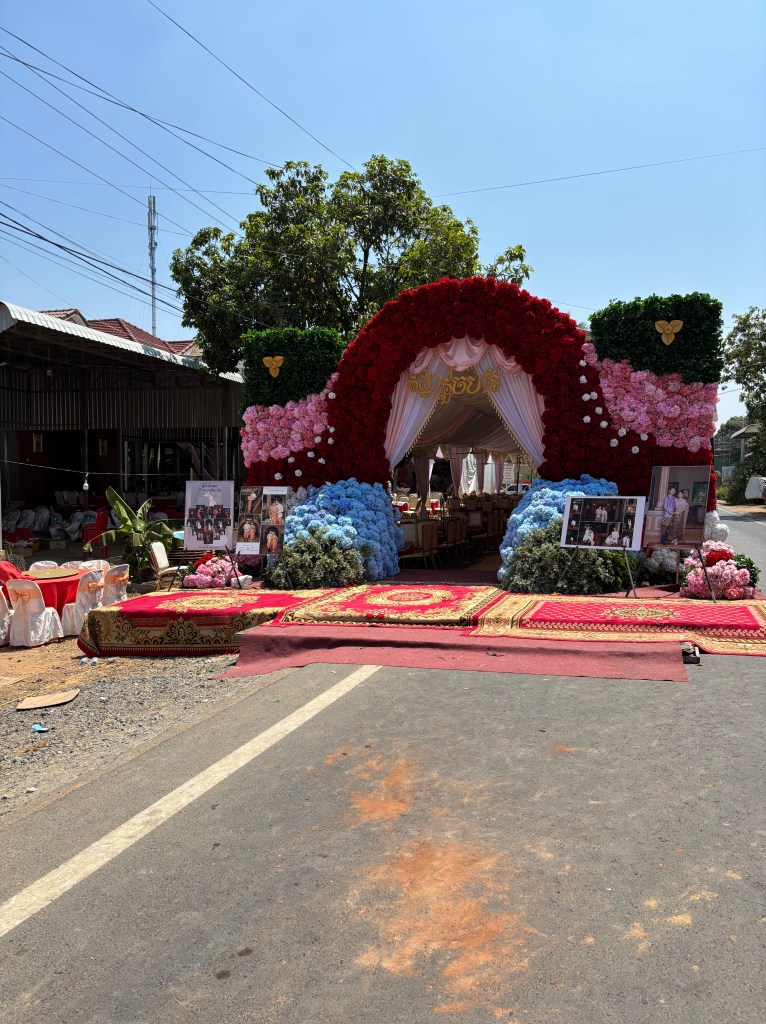
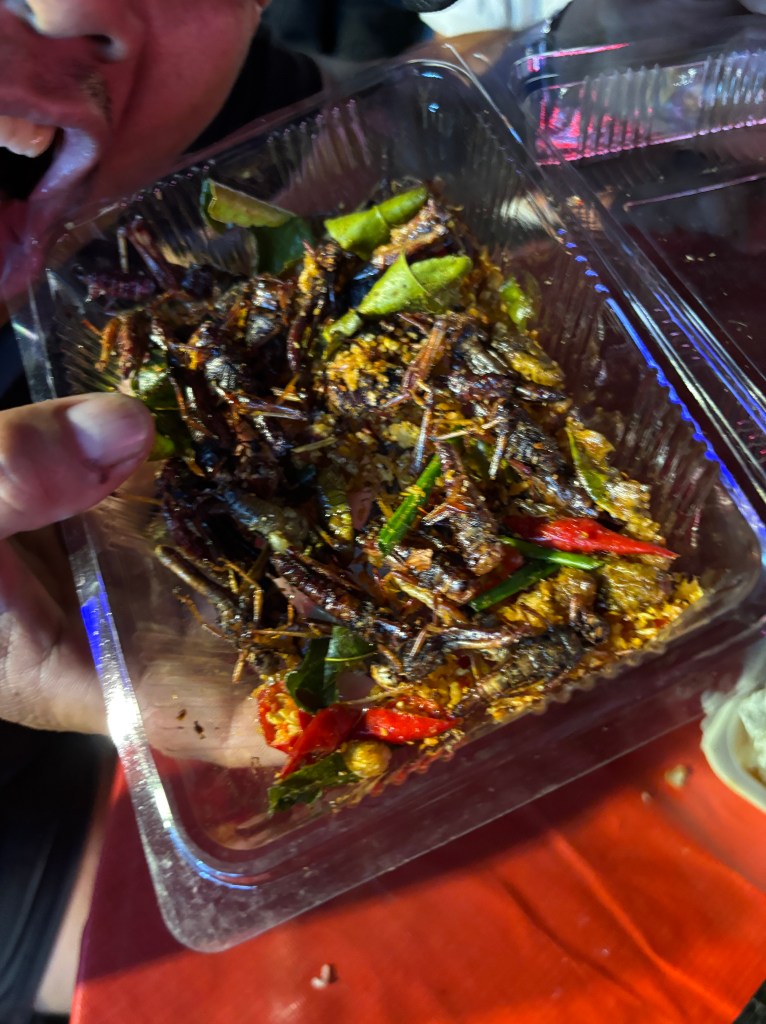
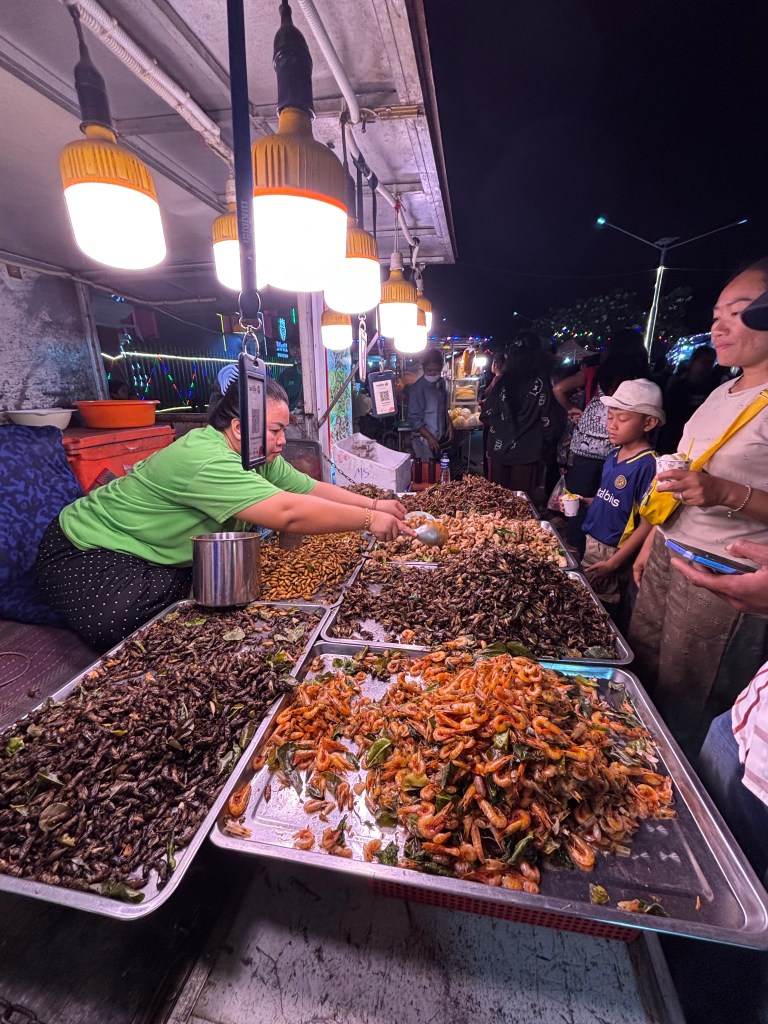
As gibbons proved elusive, thought I’d have a go at trying to see the Irrawaddy dolphins. Kratie is the spot on the Mekong where there’s a pod of some 60 dolphins. And though but fleetingly, I did see them (though was too slow to snap a photo). An added bonus was that Kratie was in a serous party mode – the first Mekong party here in 10 years – so the place was heaving. There was a concert in the evening, and my host invited me along with his friends: a lot of beer was drunk, various snacks eaten (including fried crickets and larvae and boiled peanuts) and good times were had. As it was the weekend, there were a number of weddings going on, and it is customary here to fence off half the road for the celebrations…

The shared taxi took me to Phnom Penh. As often happens, the advertised departure time is only a guideline – the car goes when it has enough passengers (11 in this case, in a Toyota estate). Stayed in a hostel called, for obscure reasons, Bliss and Beats; fairly central for several sights.
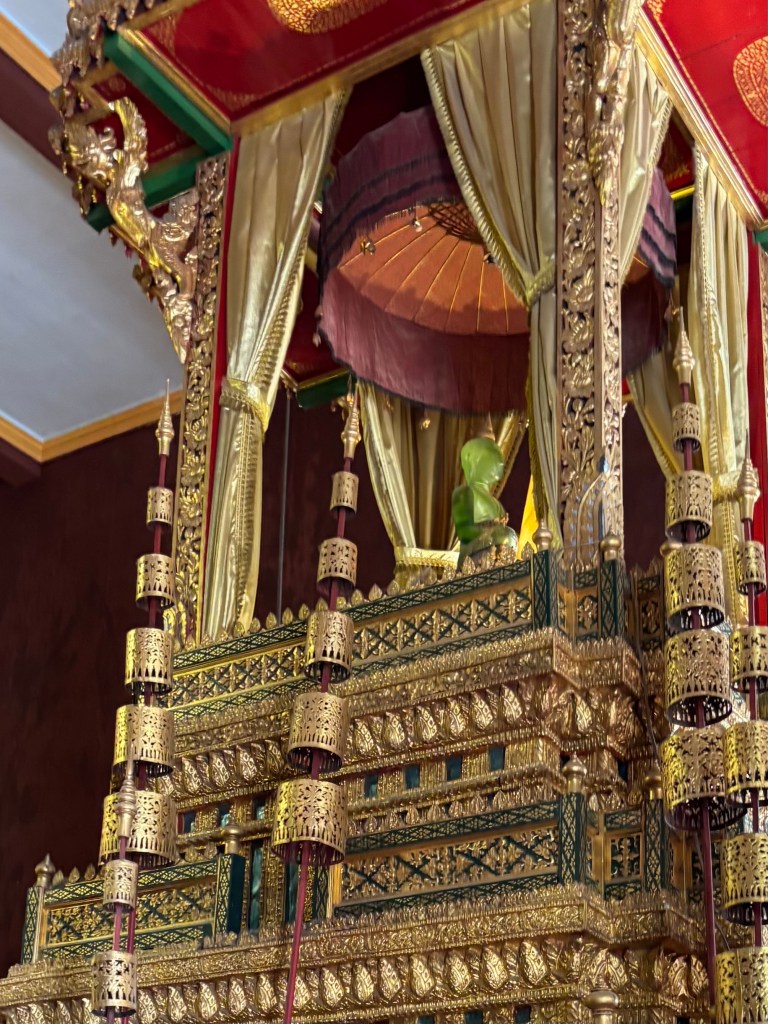
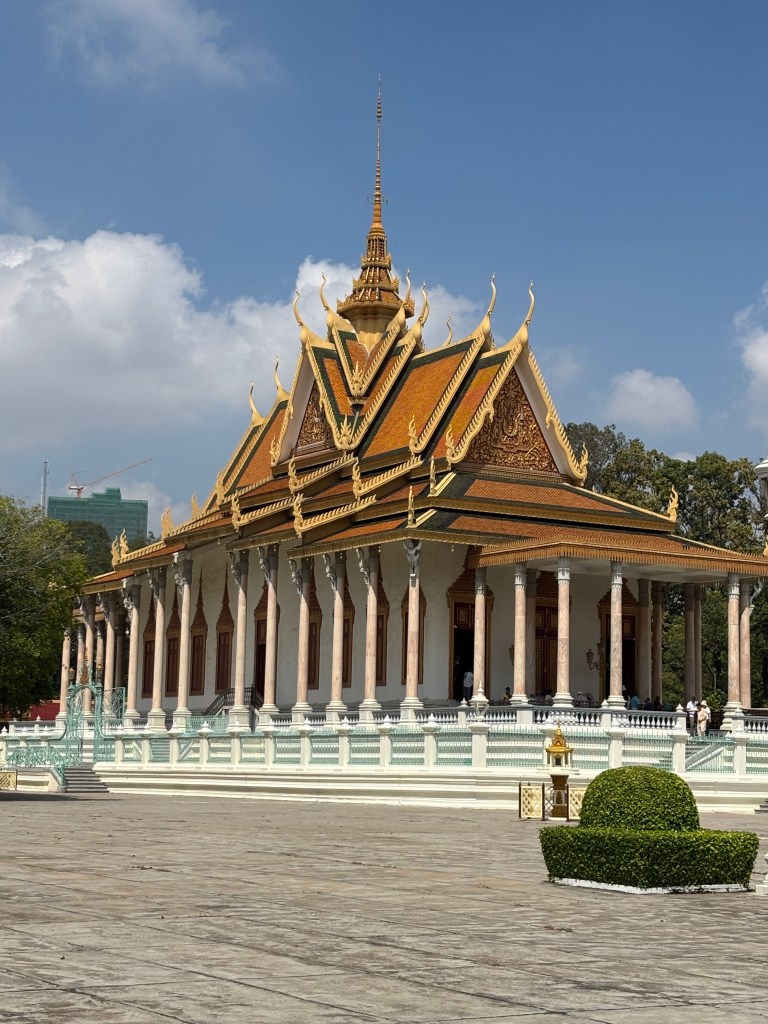
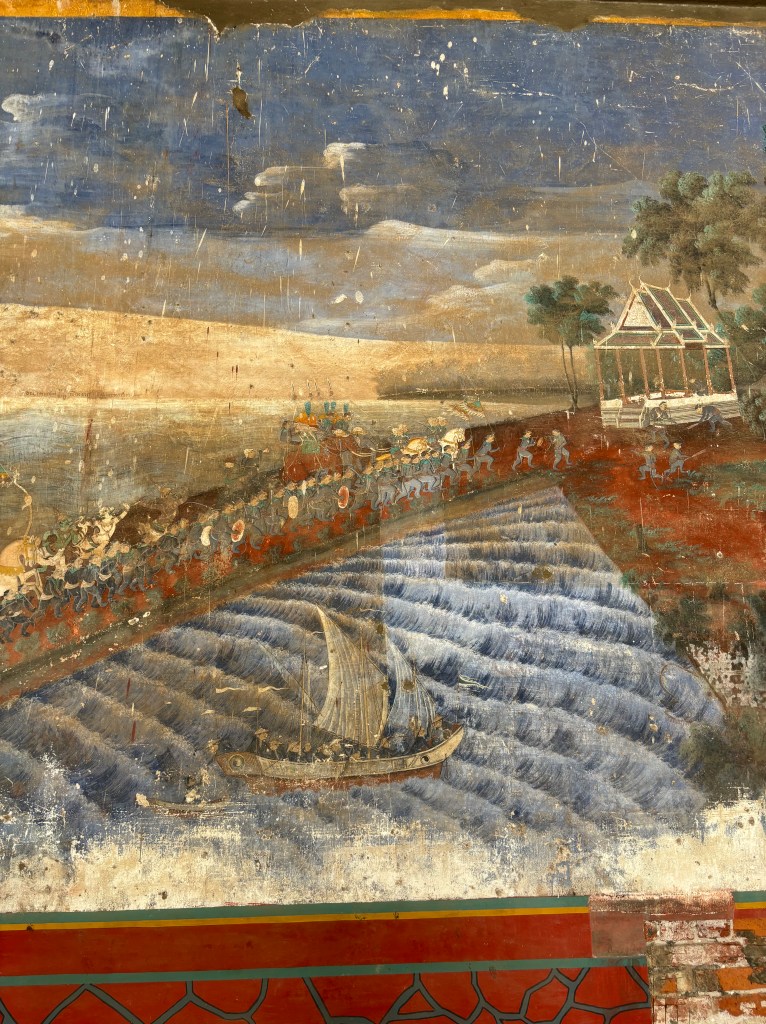
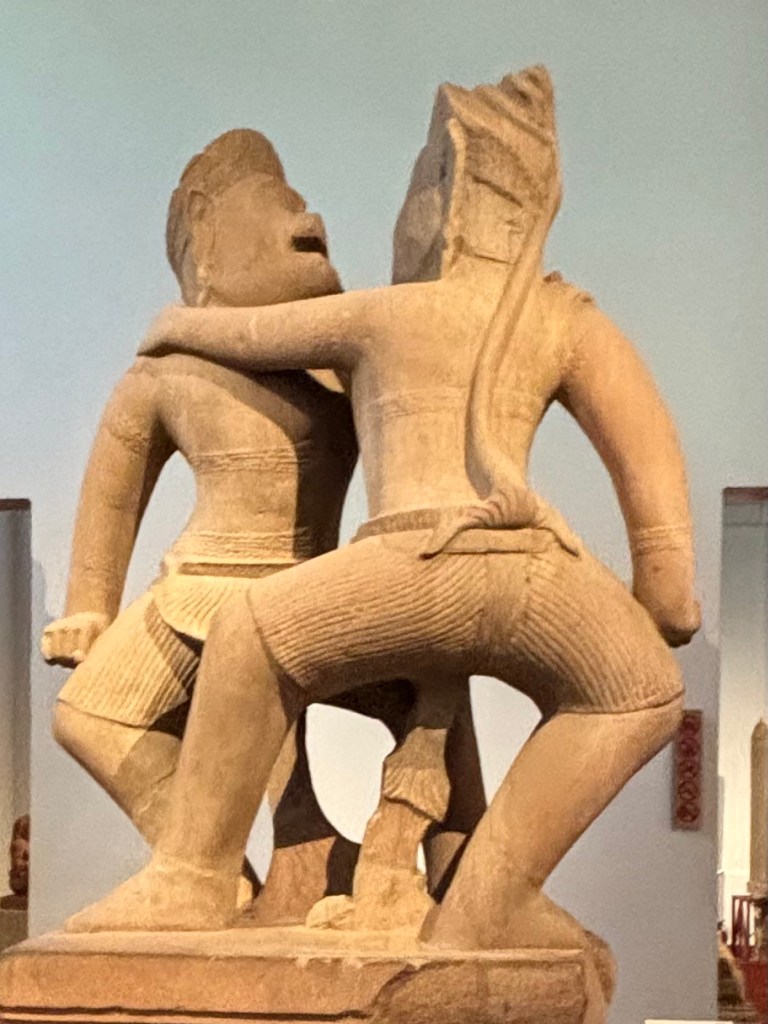
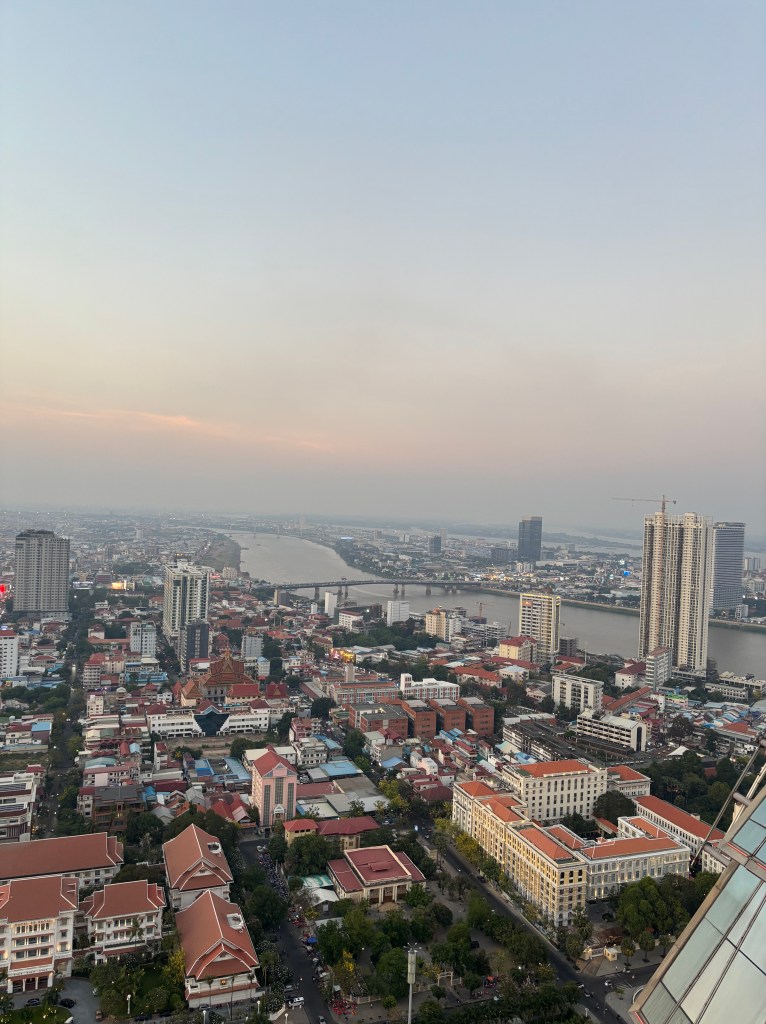
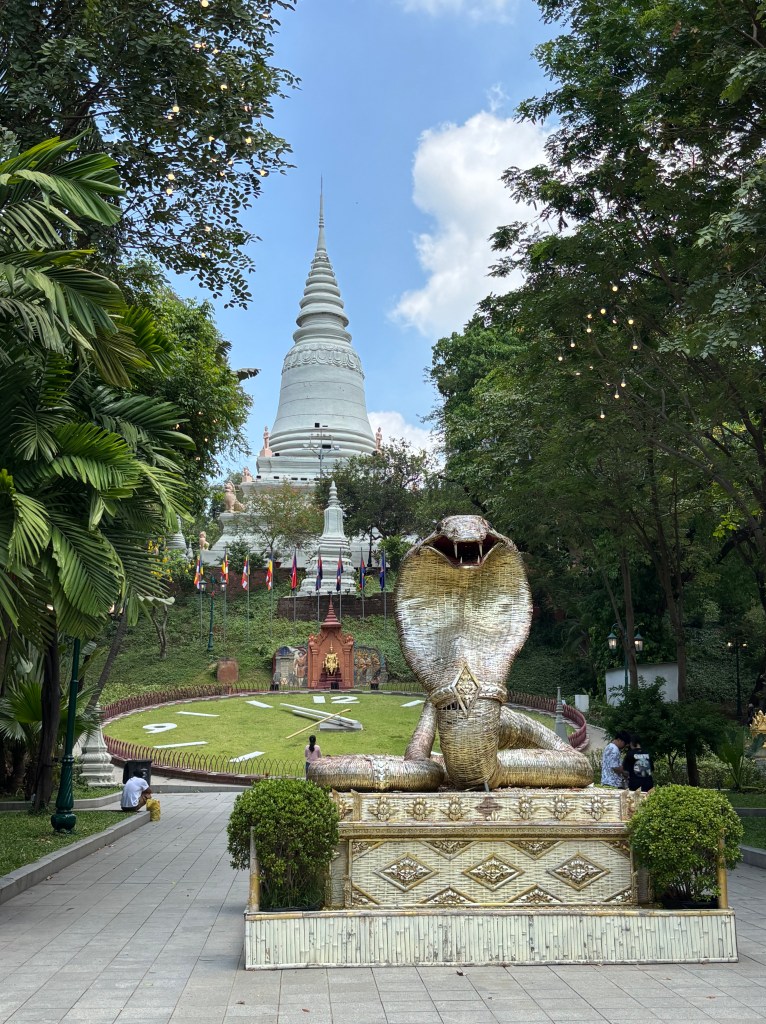
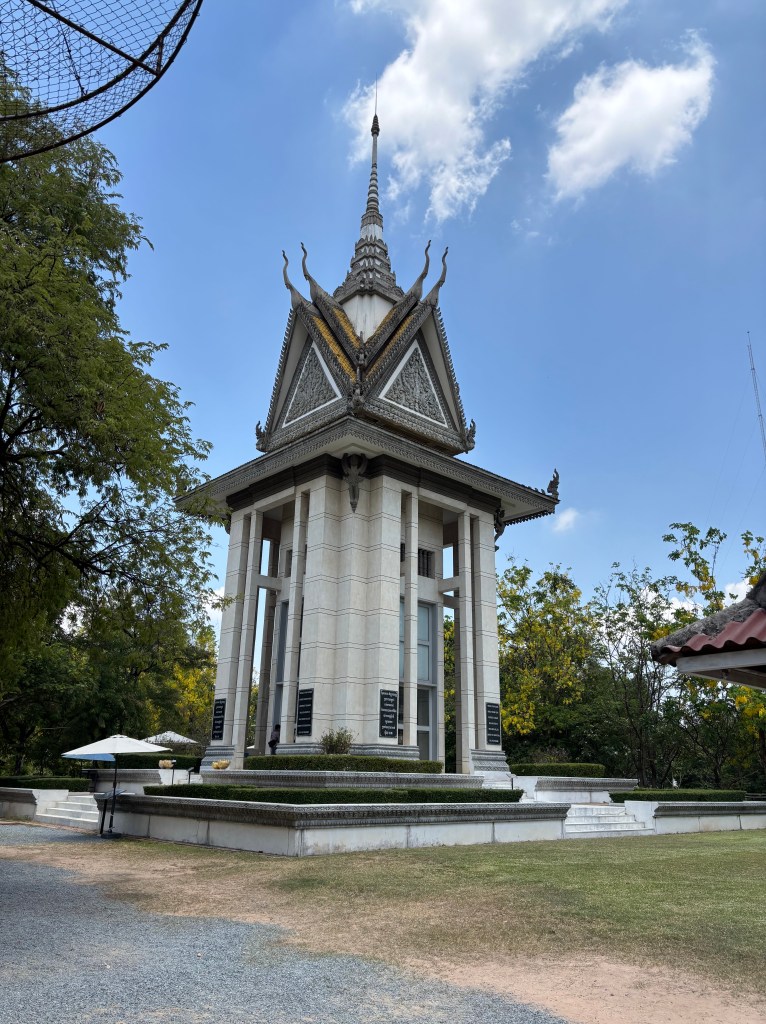
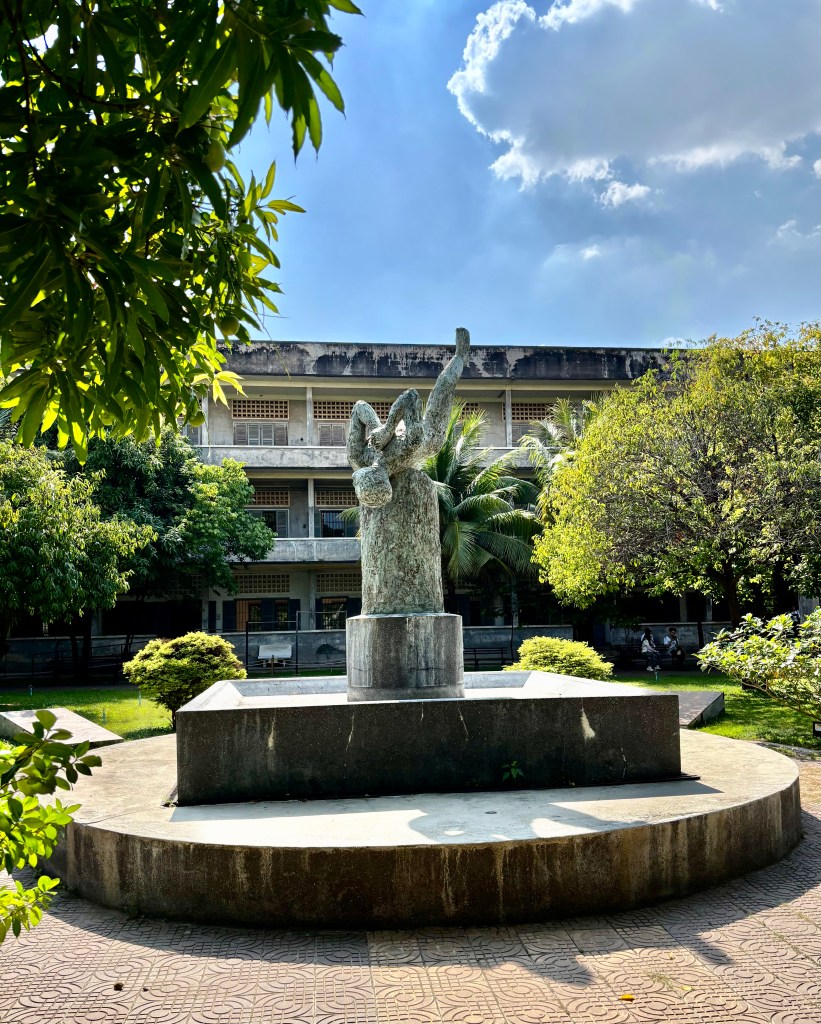
Visited the Khmer Rouge memorial and the torture centre; so much killing.
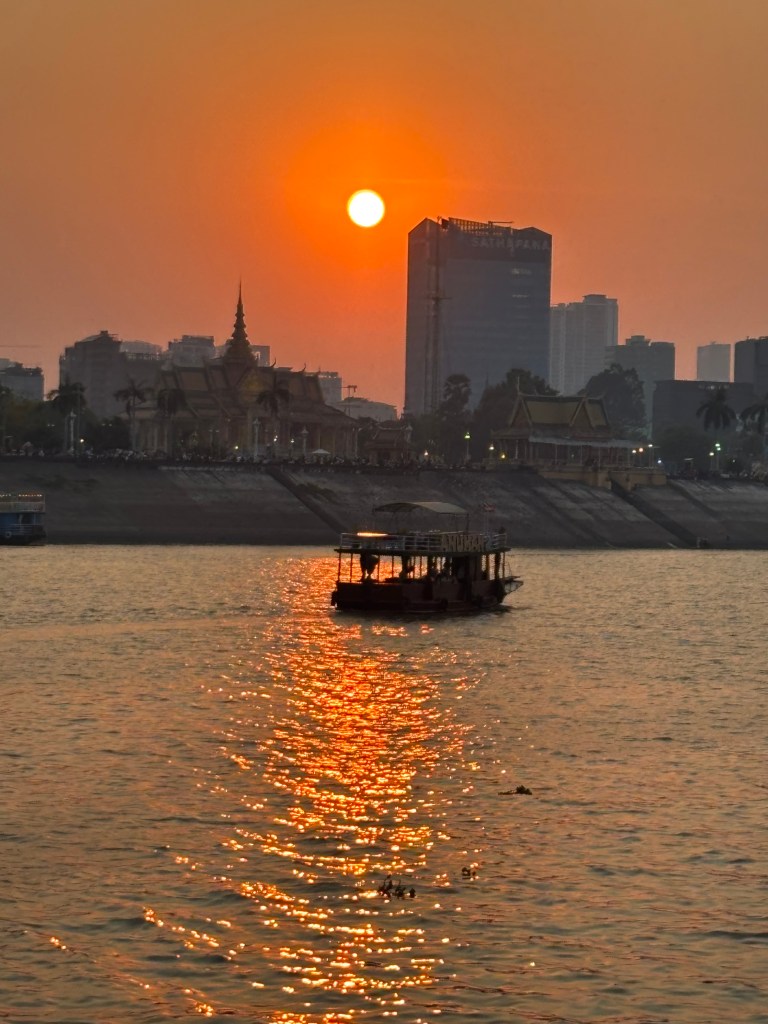
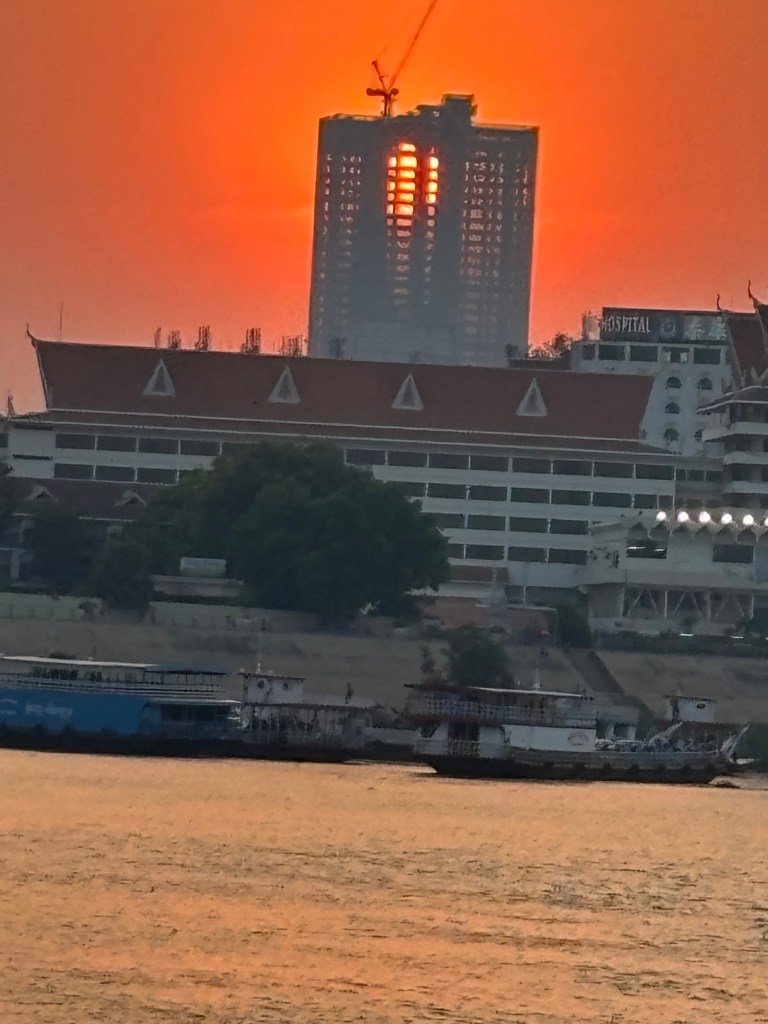
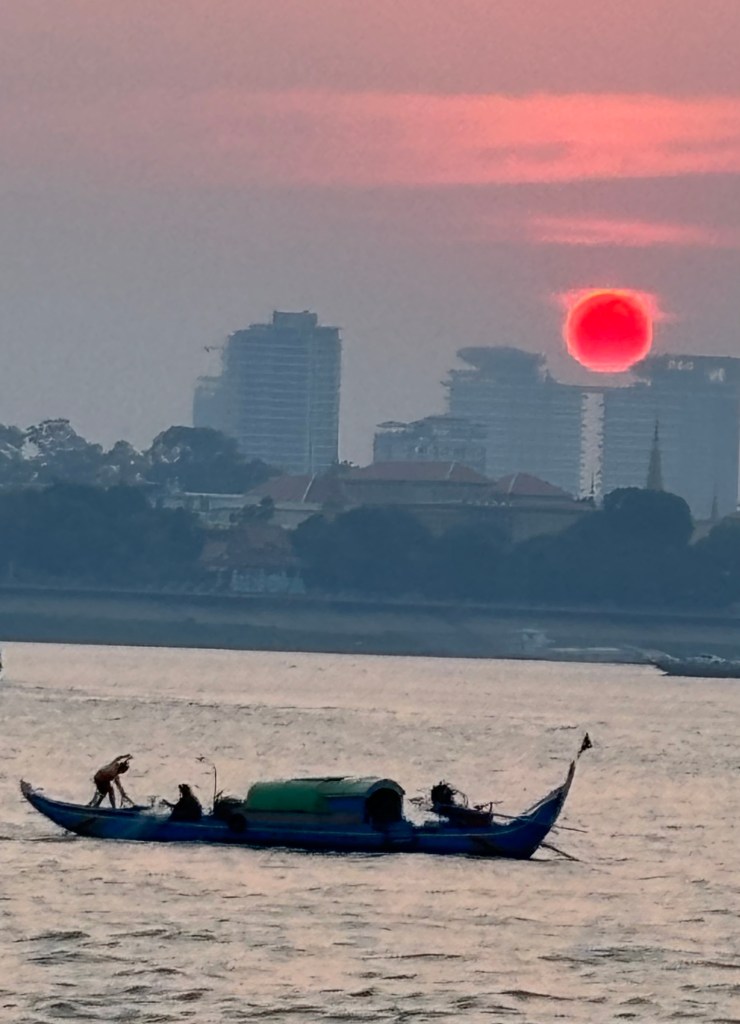
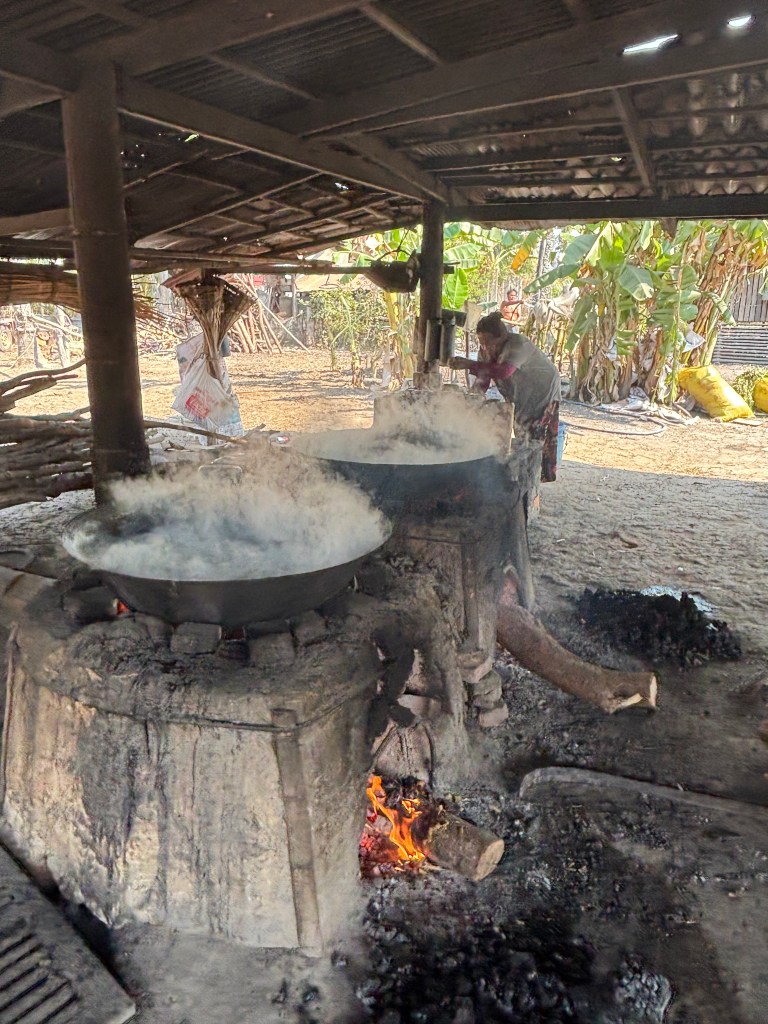
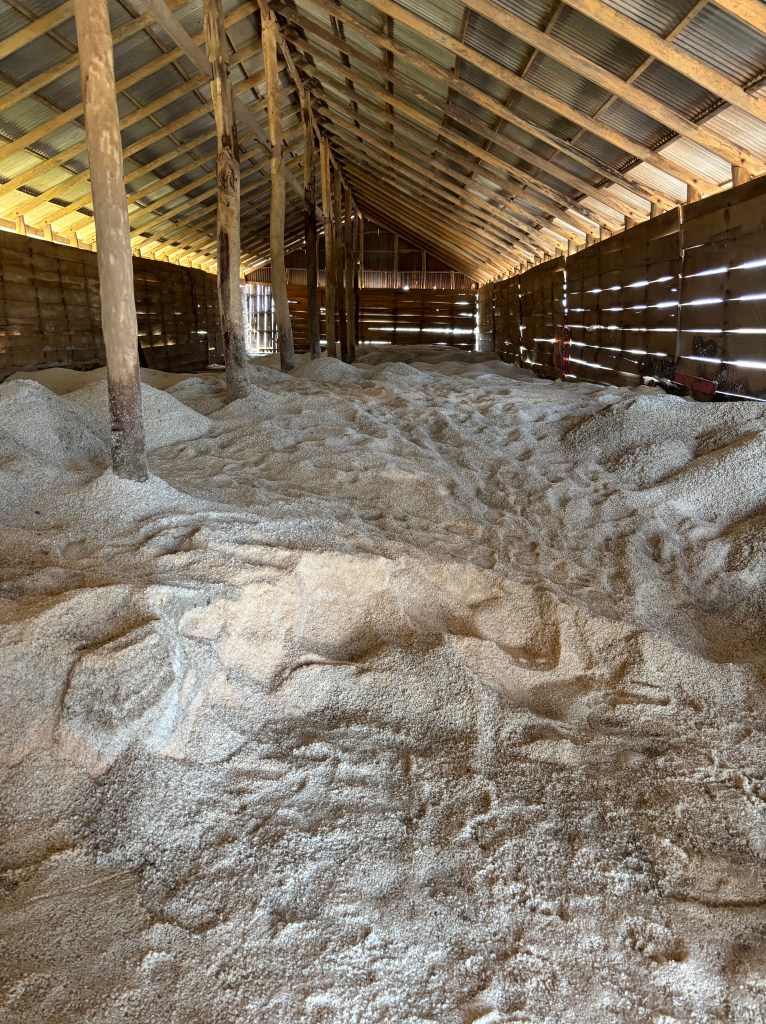
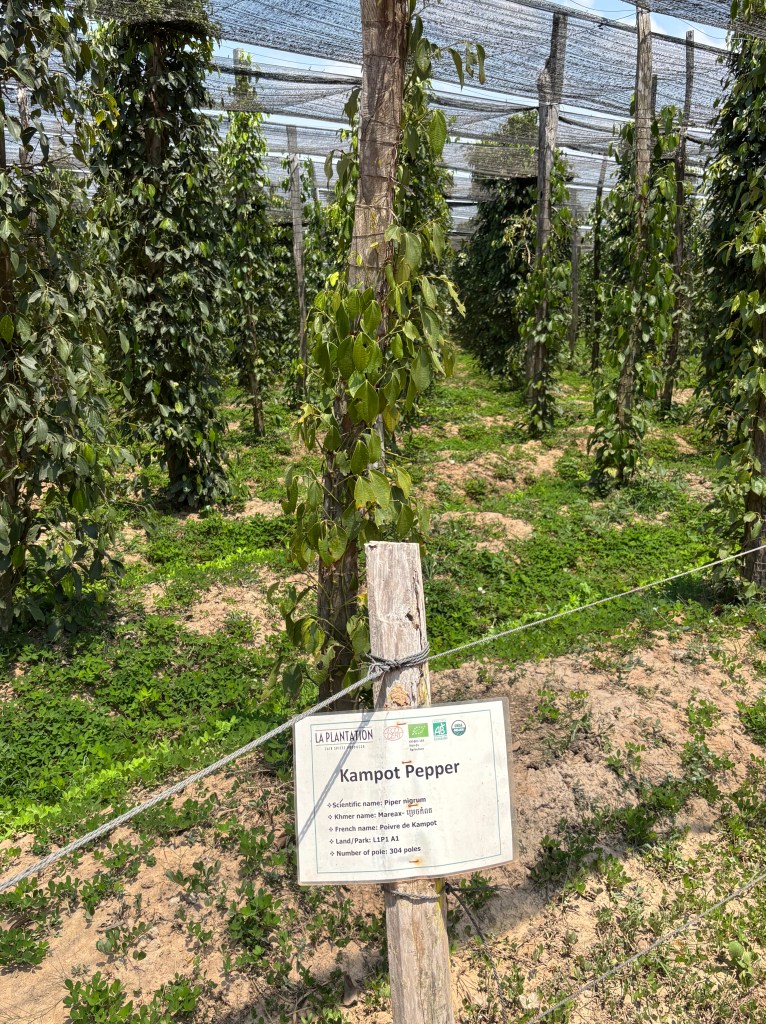
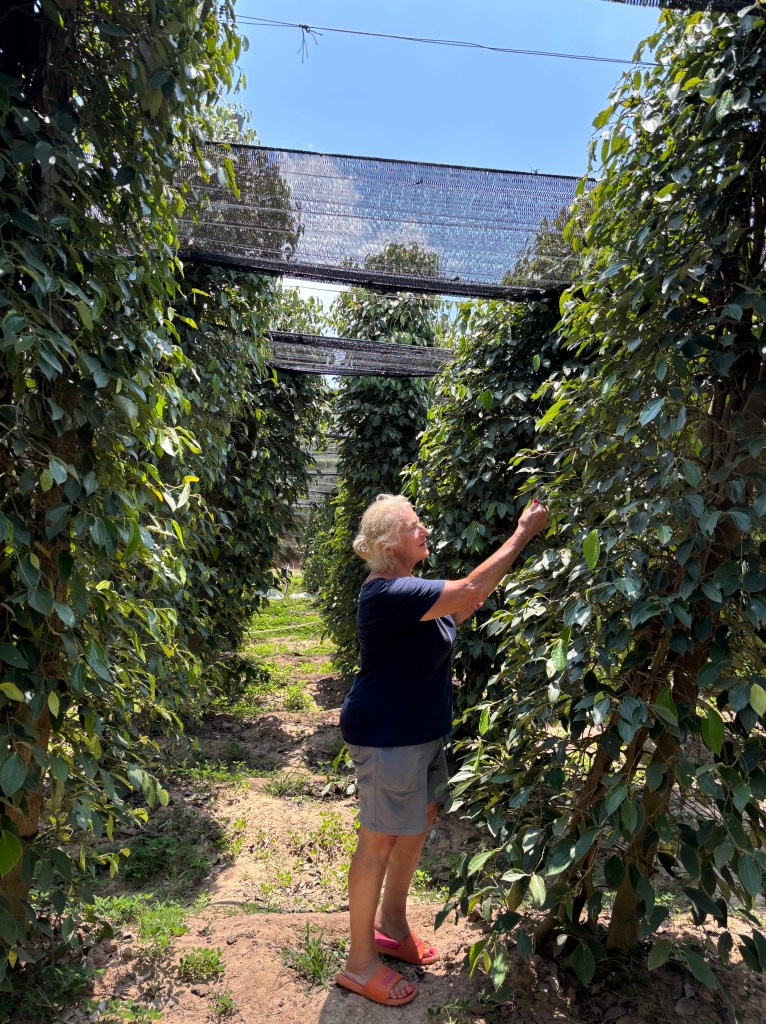
Kampot, southern Cambodia, is known for its pepper plantations and salt fields. It’s a pretty place by the river and gaudily lit at night.
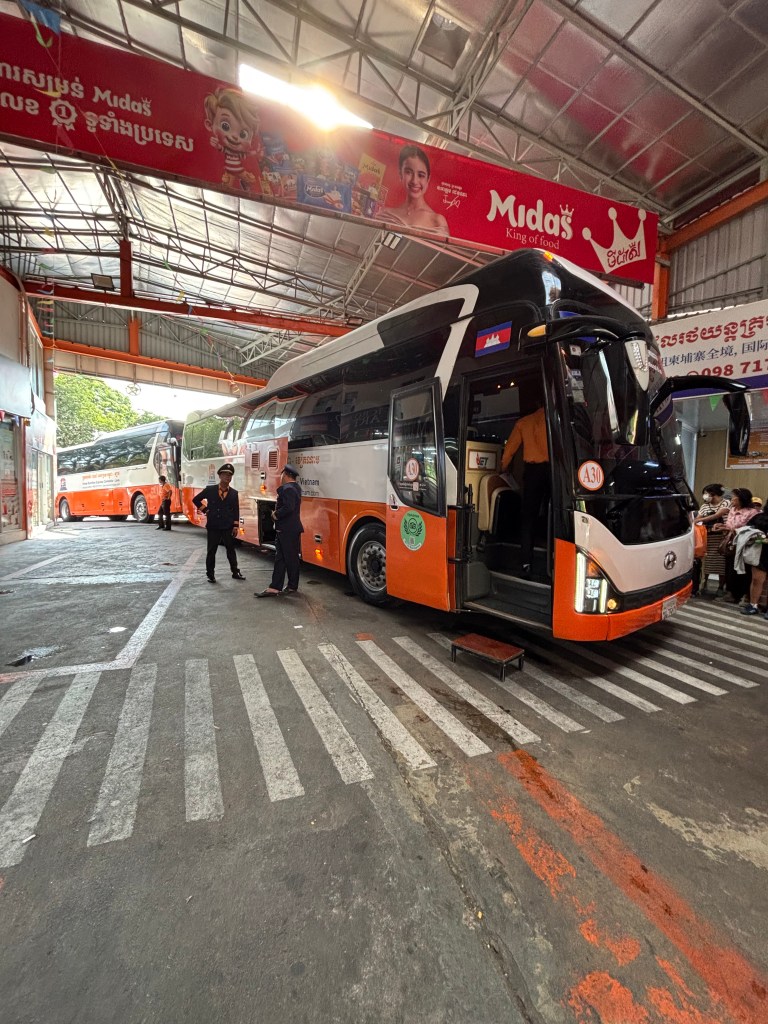
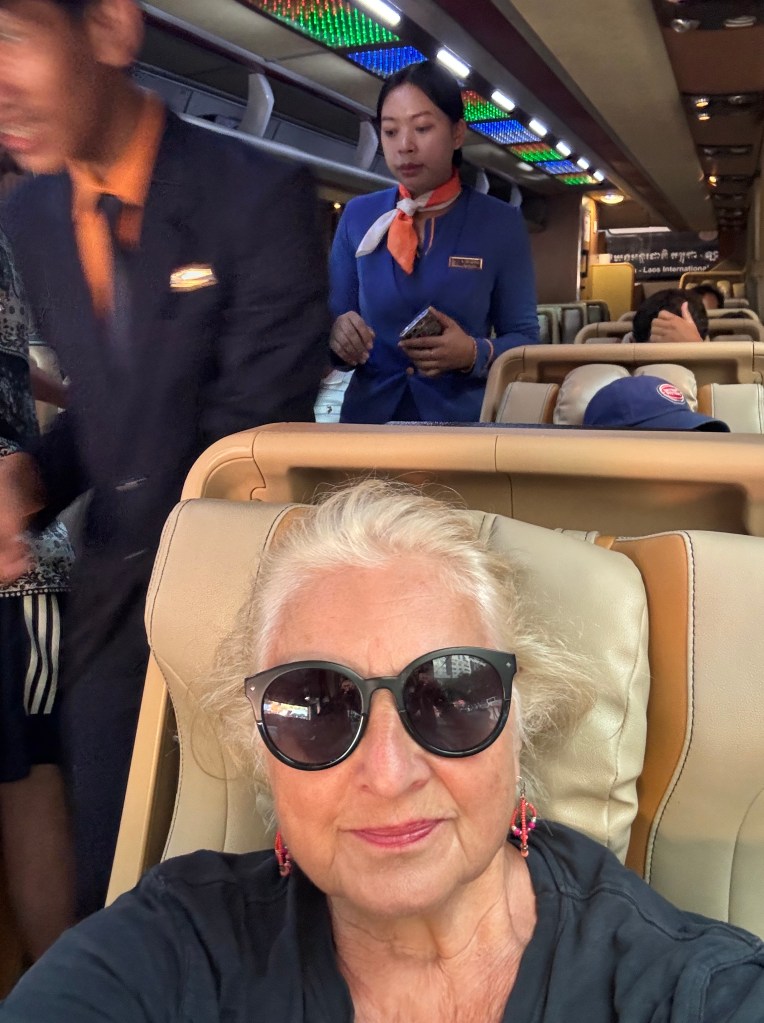
Took a posh bus to Ho Chi Minh City – imitating airline ways, all gold braid and stewardess scarfs. But, on time, efficient and helpful with a stress free border crossing.
 Maribibi_travels