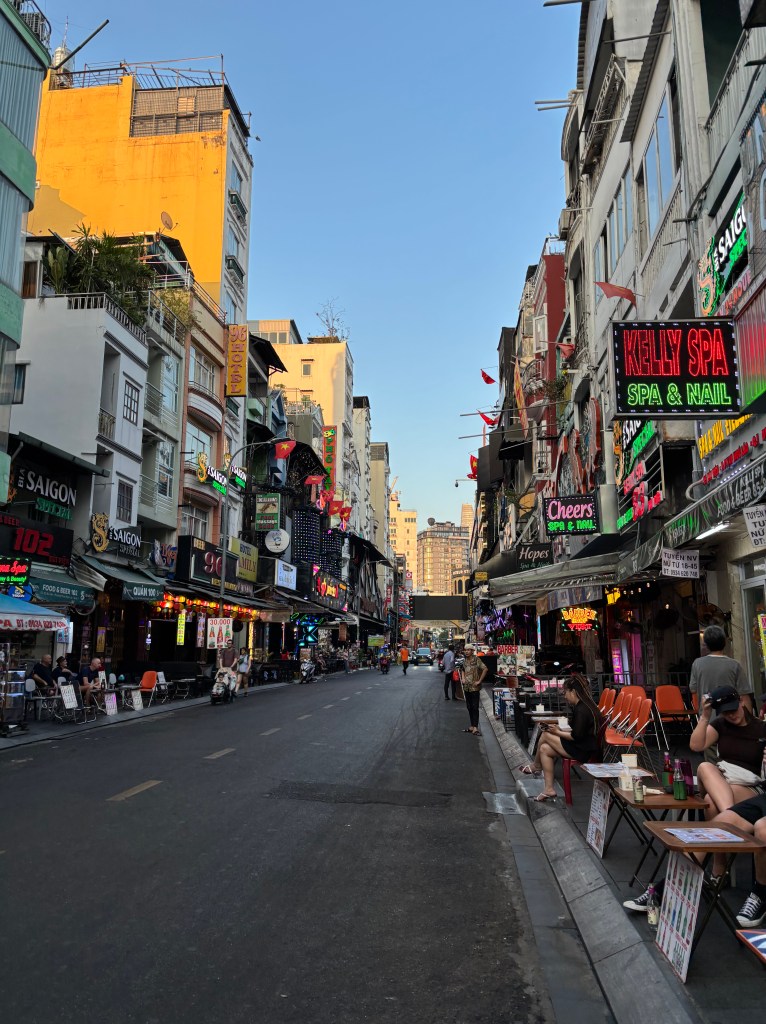
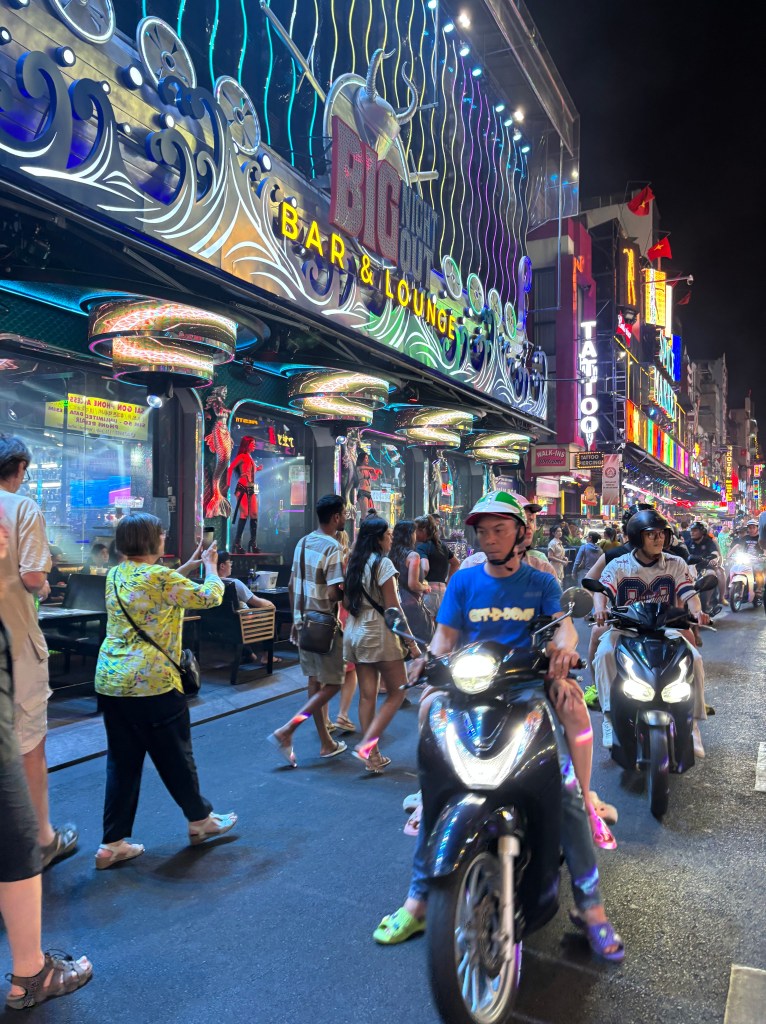
Having been told that one should stay in District 1 in Ho Chi Minh City (Saigon), I unknowingly plonked for a place (99 Hotel) on the Walking Street – i.e., the bar central. Definitely in the middle of things: come night, loud music, girls dancing on platforms, hawkers, beer, pedestrians and more clashing loud music, stools on the pavement, scooters everywhere, more loud music… If you fancy sleeping before 03:30 am, don’t stay here. My room was at the back, but my sternum reverberated with the woofer. Mornings were blissfully quiet.
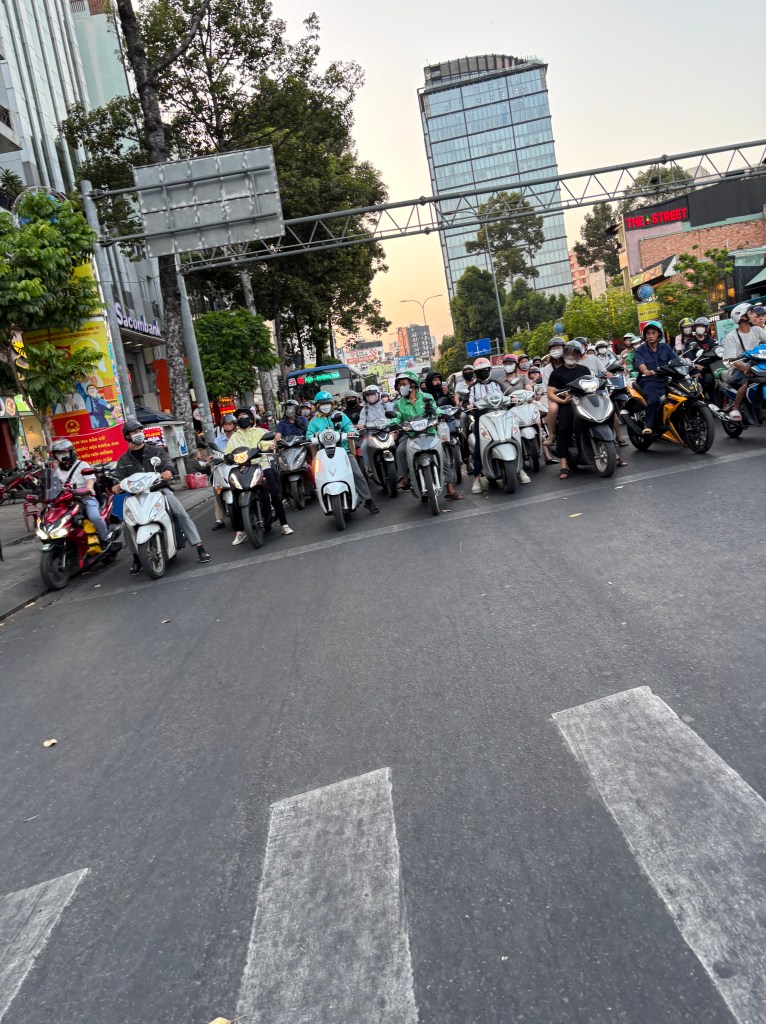
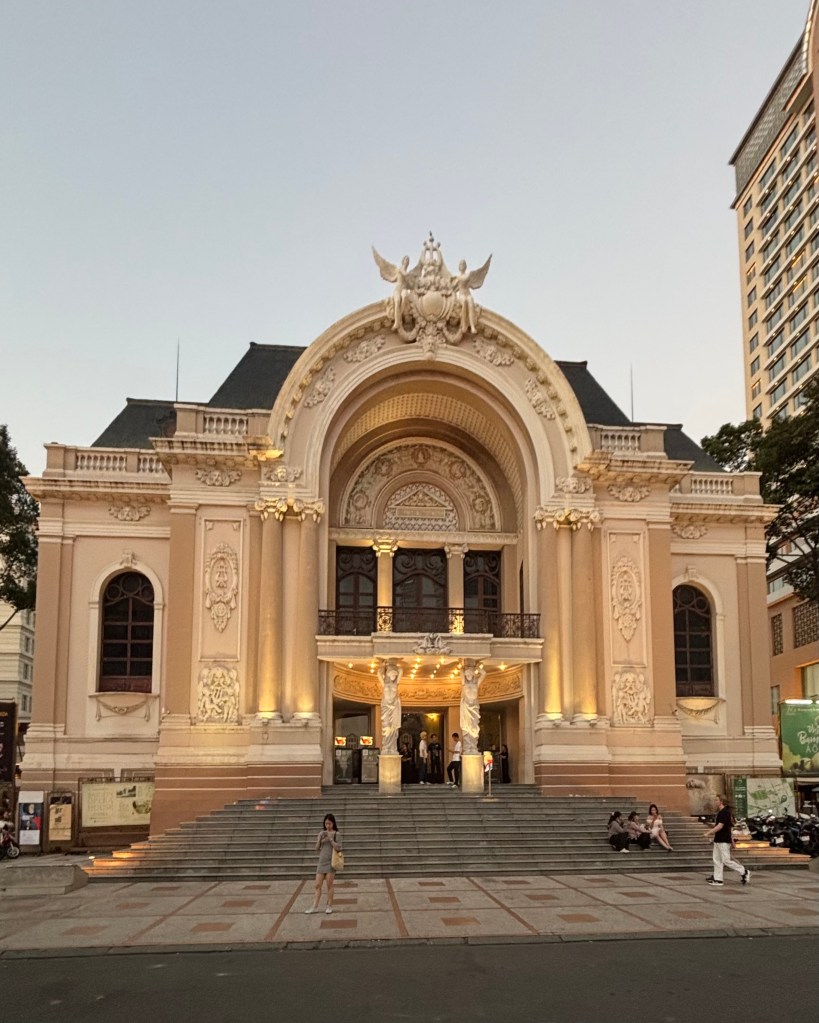
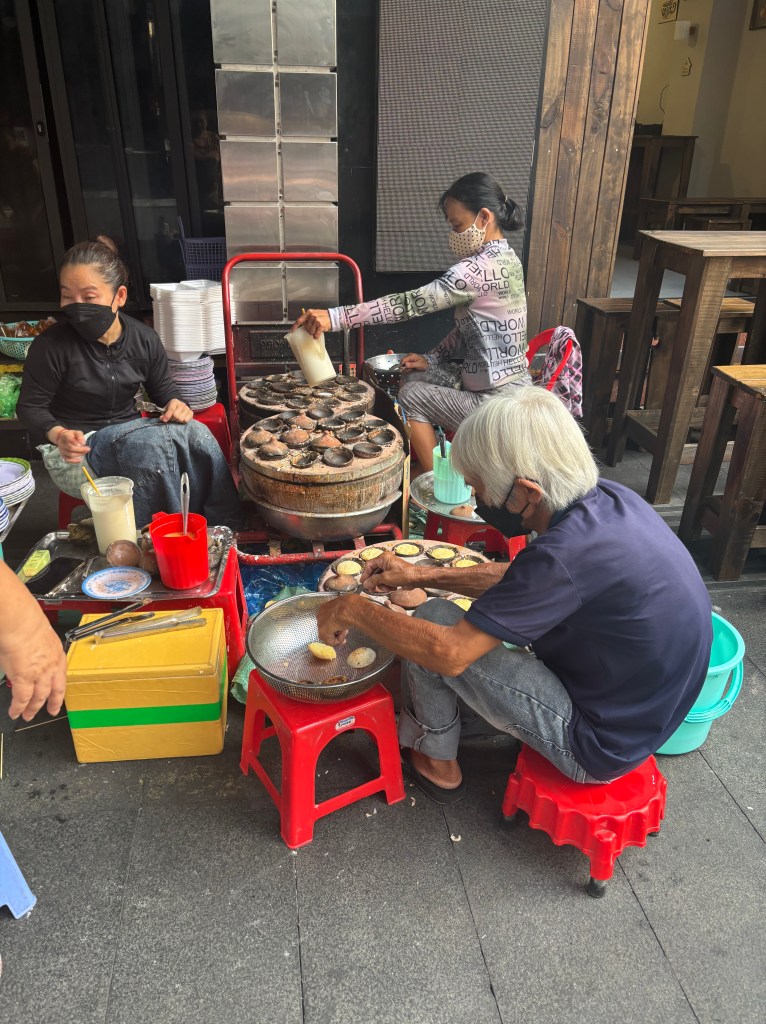
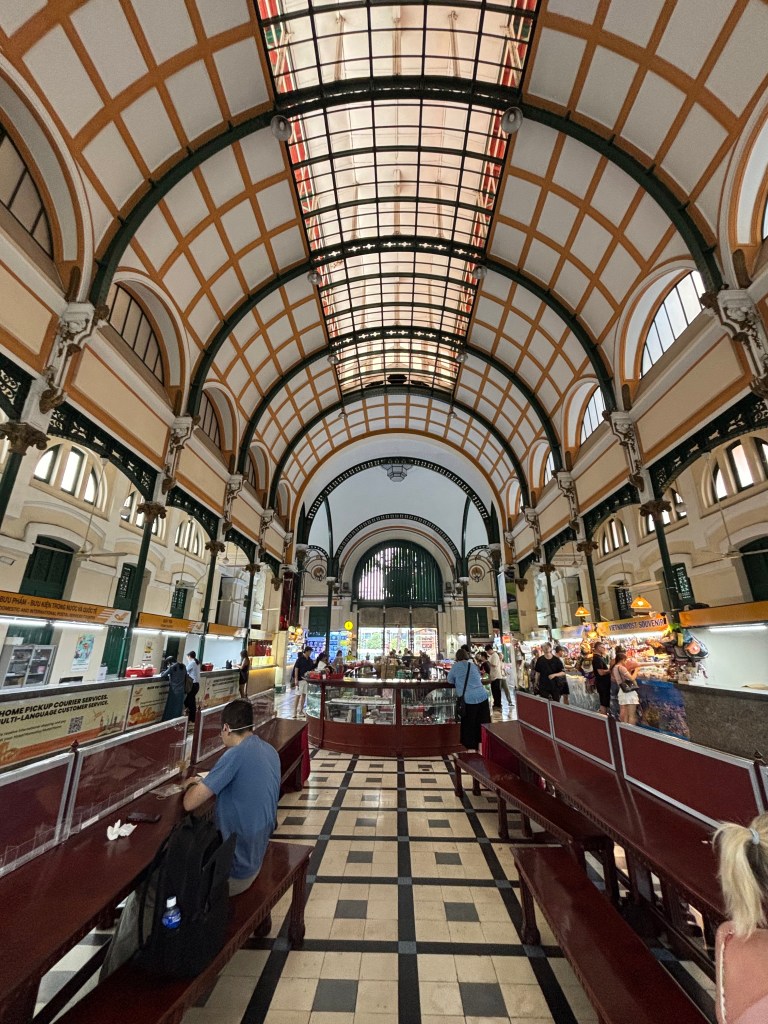
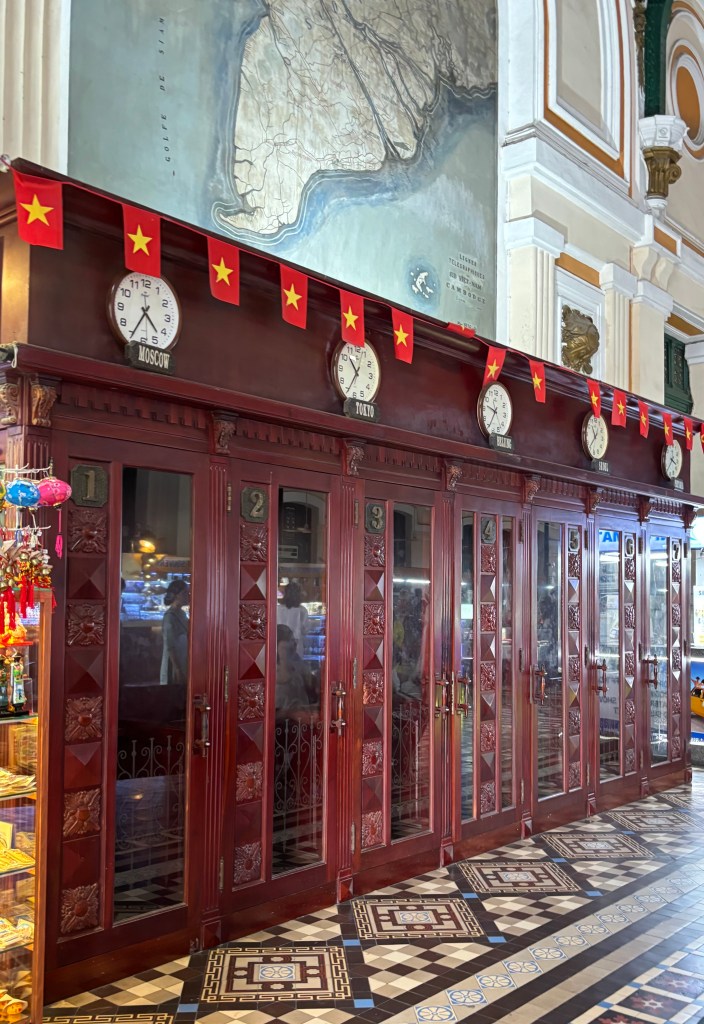
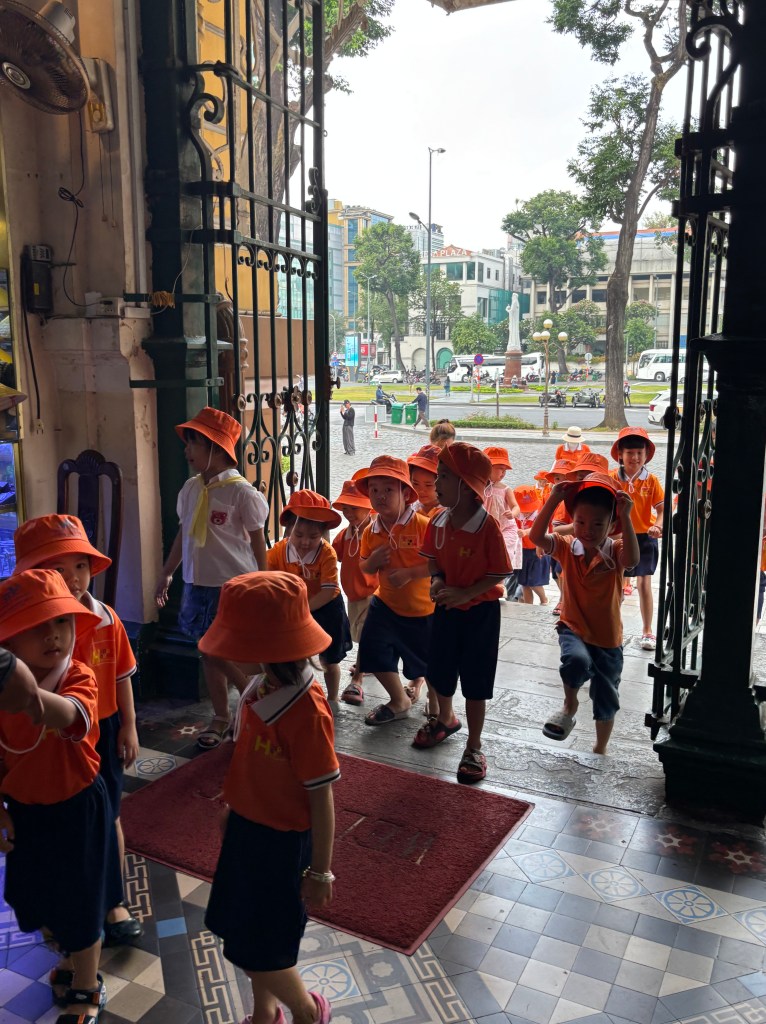
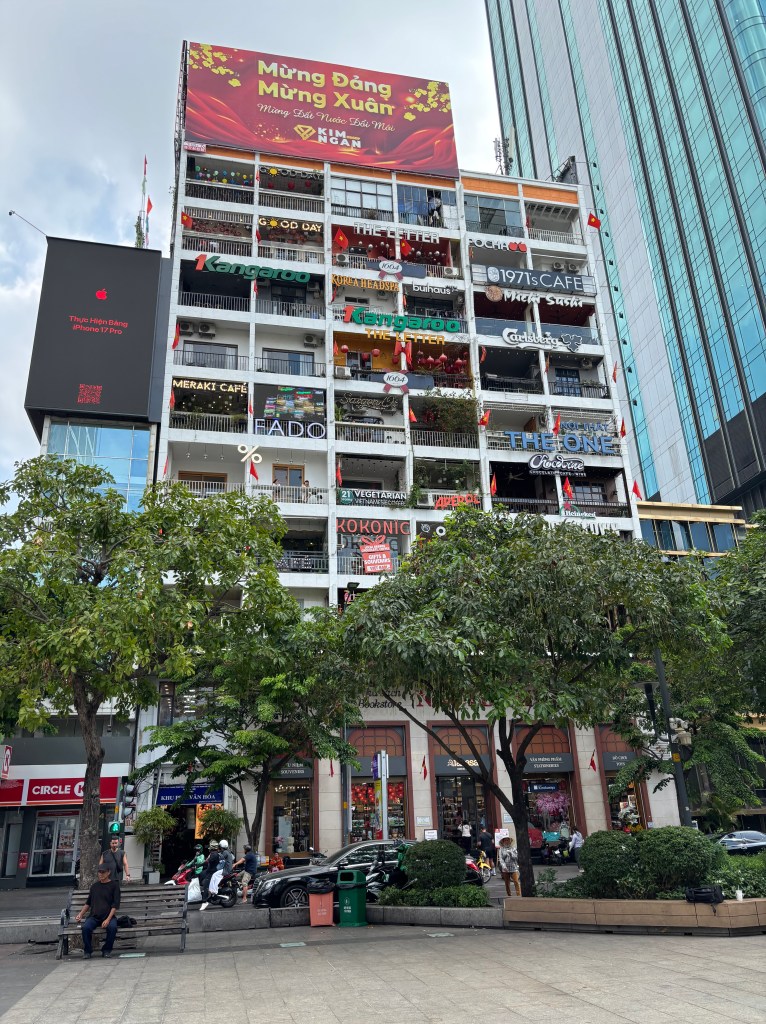
The half day scooter tour (riding pillion) was fun – good for orientation and easy to absorb information as it’s 1:1. (I had done the CBT (Compulsory Basic Training) in the UK, but would not wish to ride a scooter on a busy road in SE Asia. I’m told by an impeccable source – my medically trained daughter – that SE Asia is THE place for trauma training, thanks to the number of traffic accidents…)
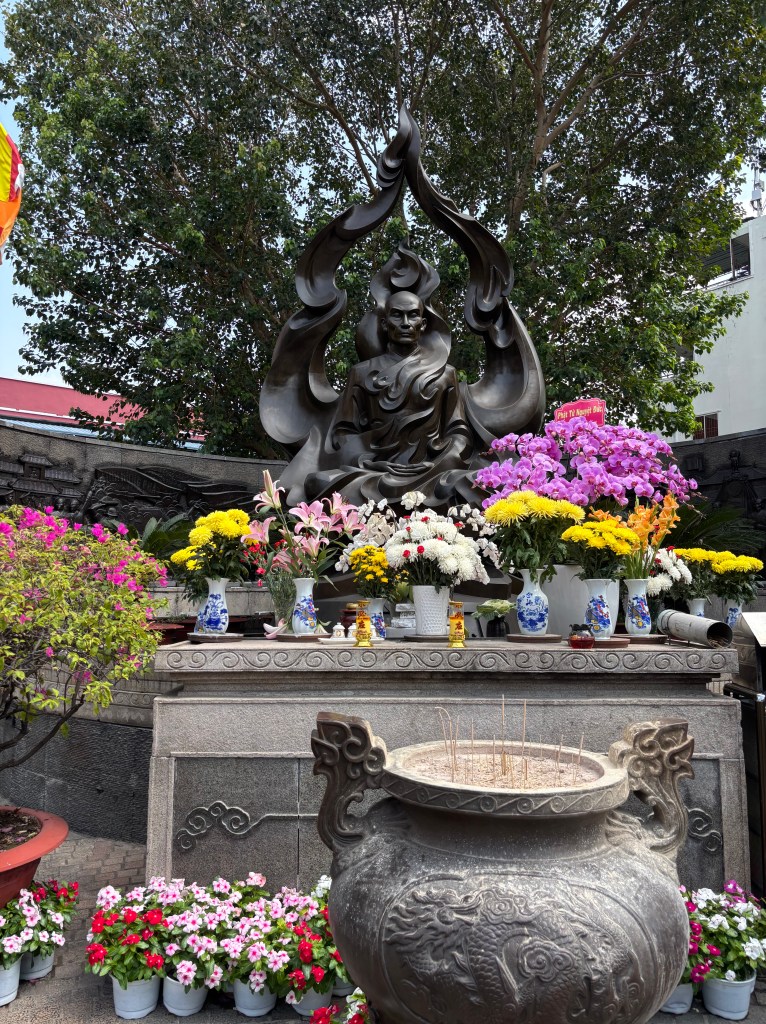
I remember reading about the self-immolation of the Buddhist monk, Thich Luang Duc, (1963) in protest at the persecution of Buddhists by the then (Catholic) Vietnamese president. There is a poignant monument to him at the Saigon crossroad where it took place.
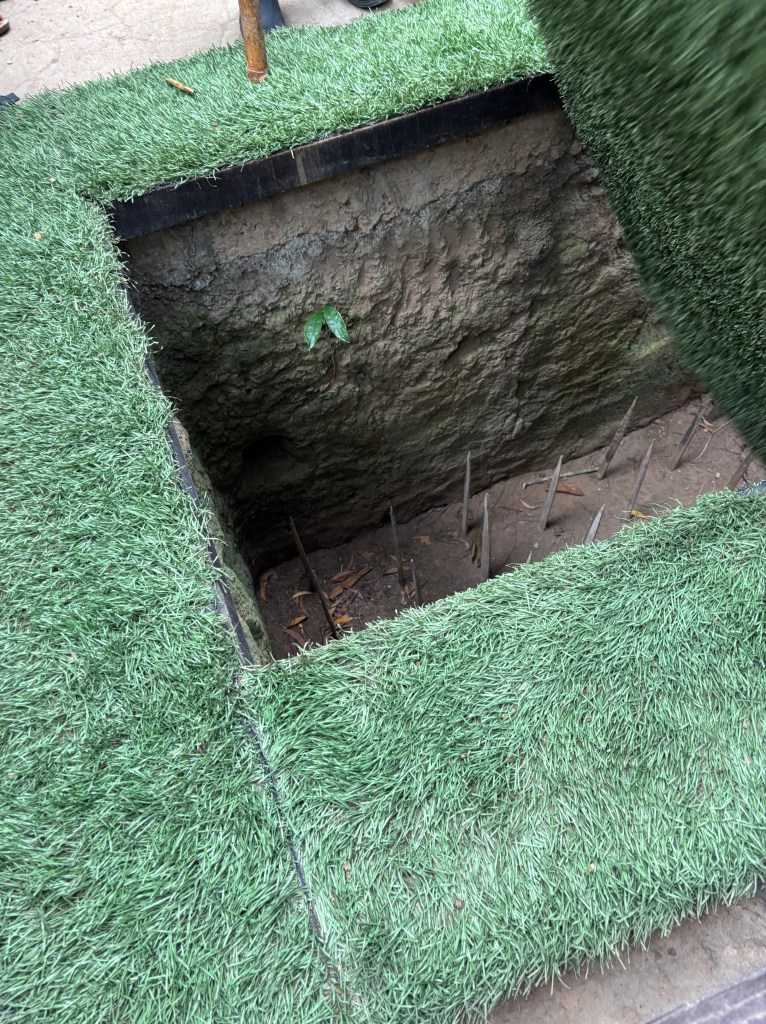
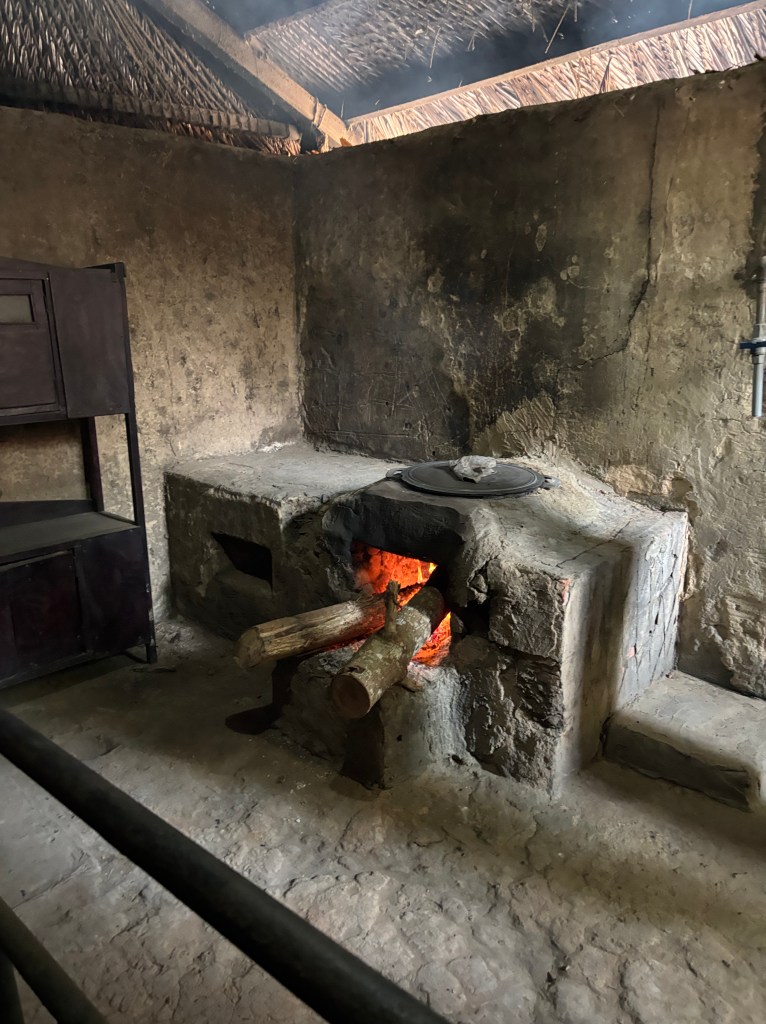
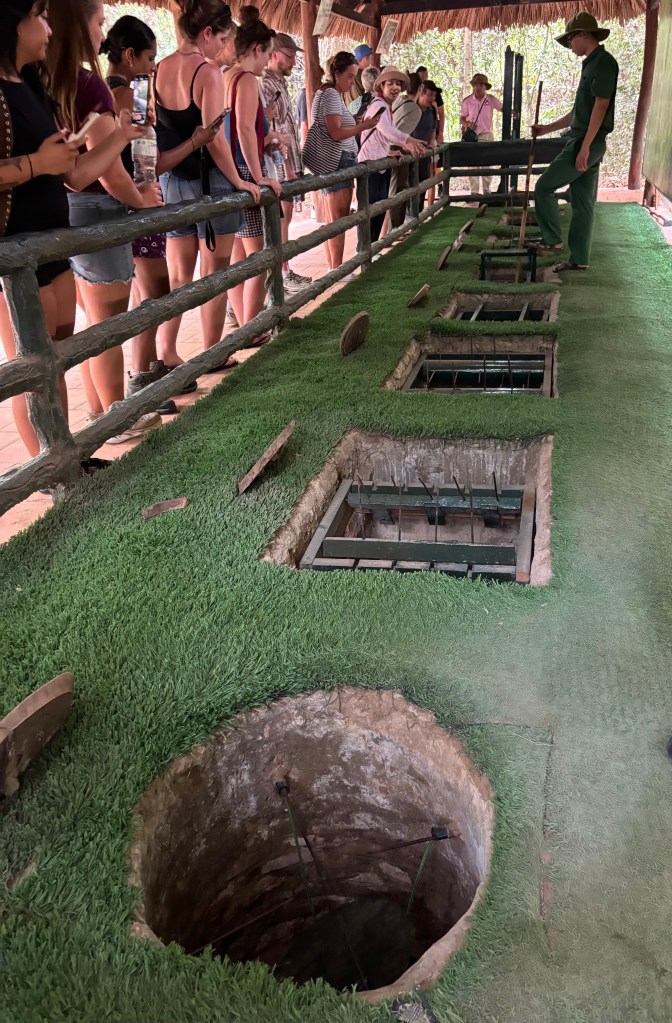
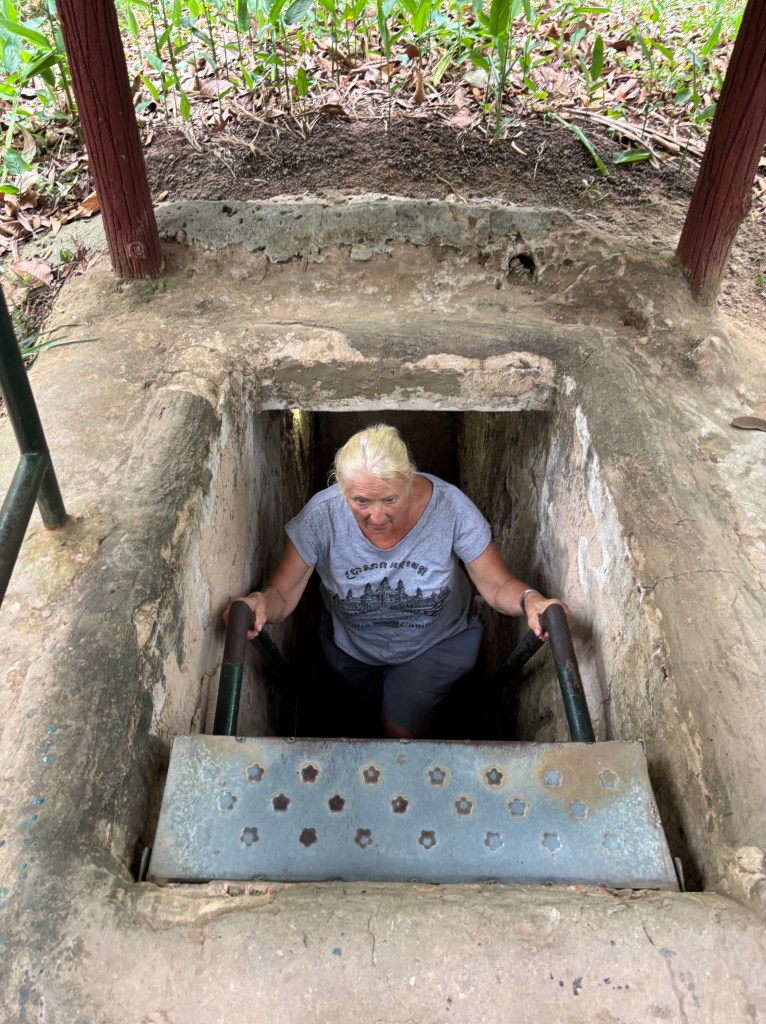
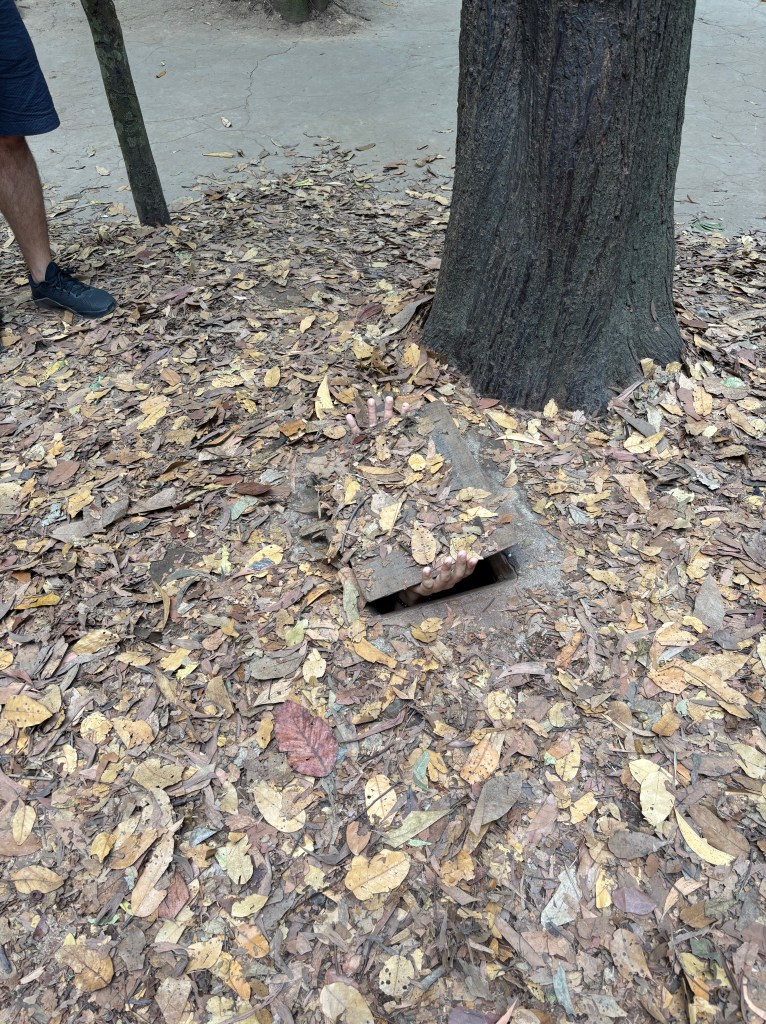
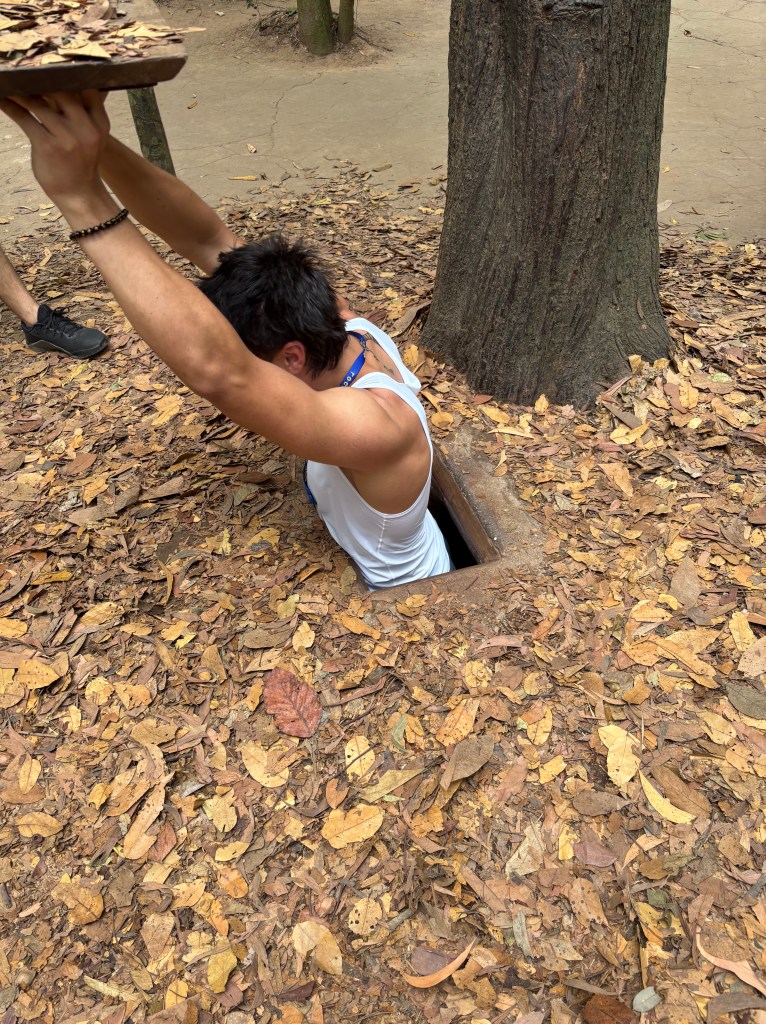
The Viet Kong tunnels are enlarged and sanitised for the tourists but still sufficiently narrow and tight to make one realise both how awful it all was and how ingenious and inventive the Vietnamese were. Ho Chi Minh’s leadership is celebrated everywhere and the cult of his personality continues.
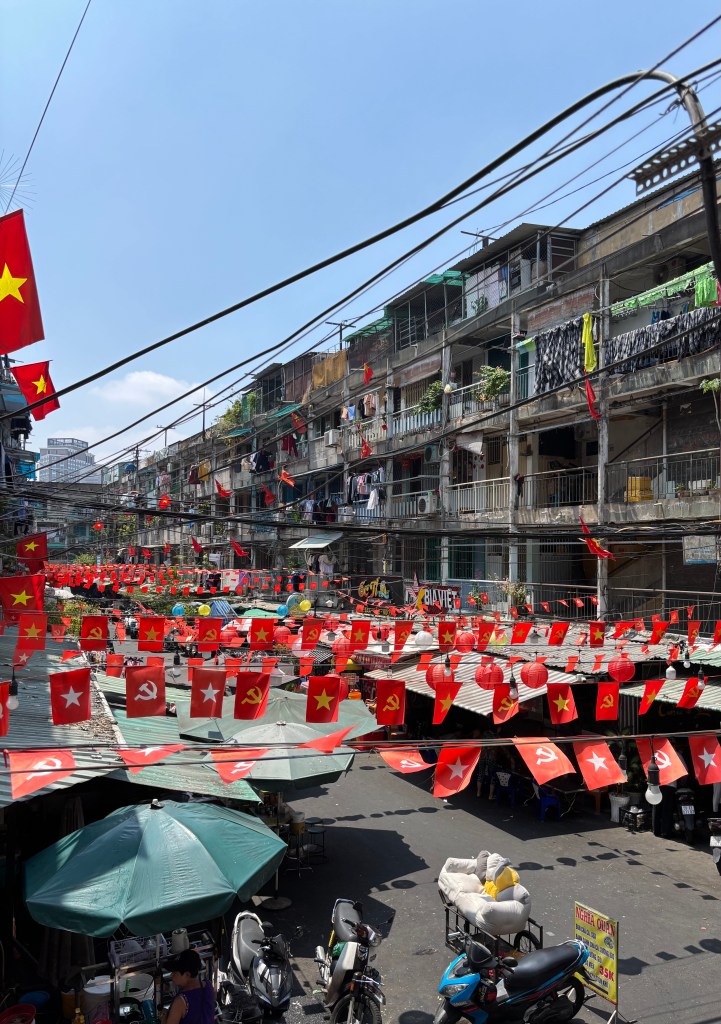
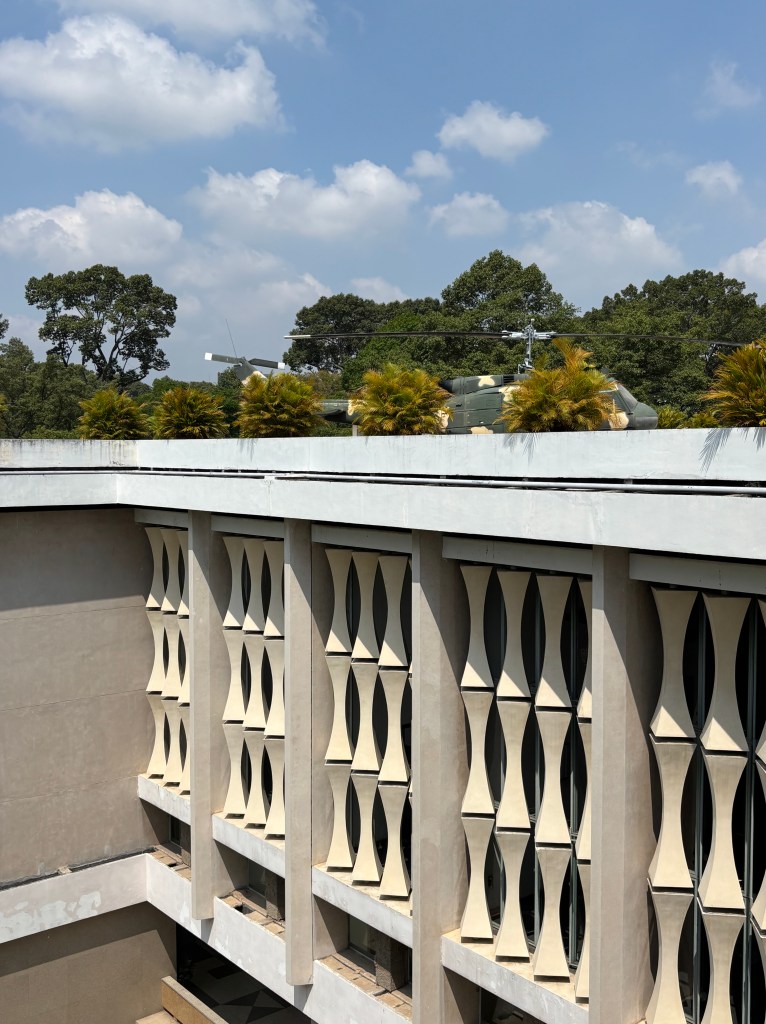
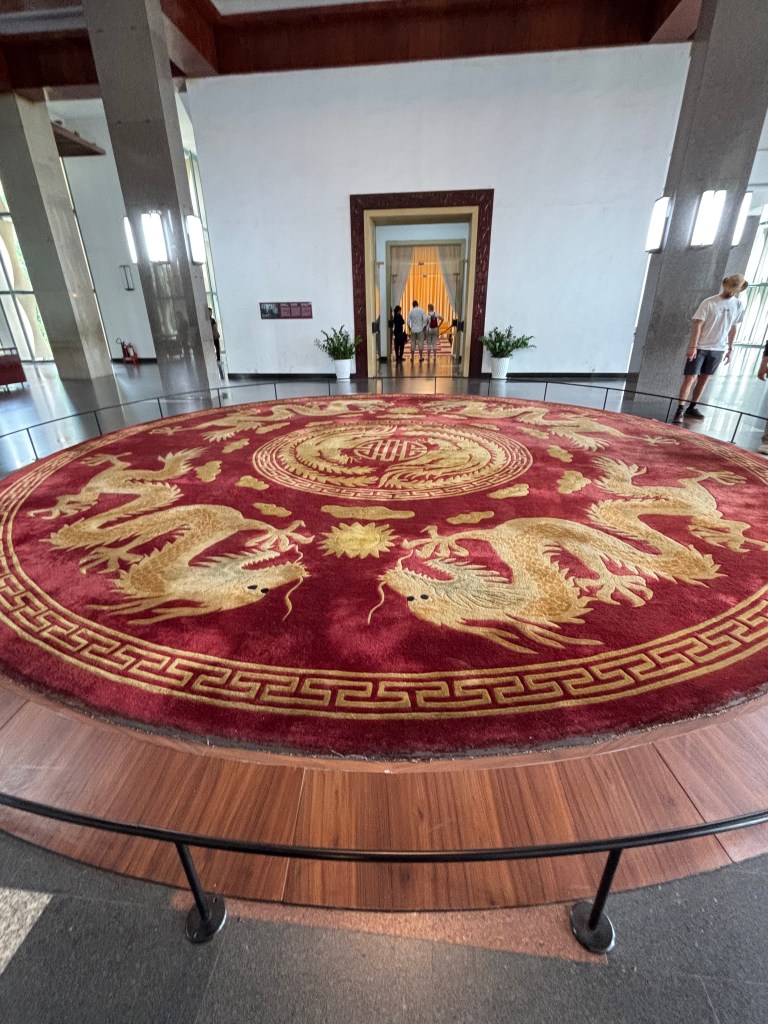
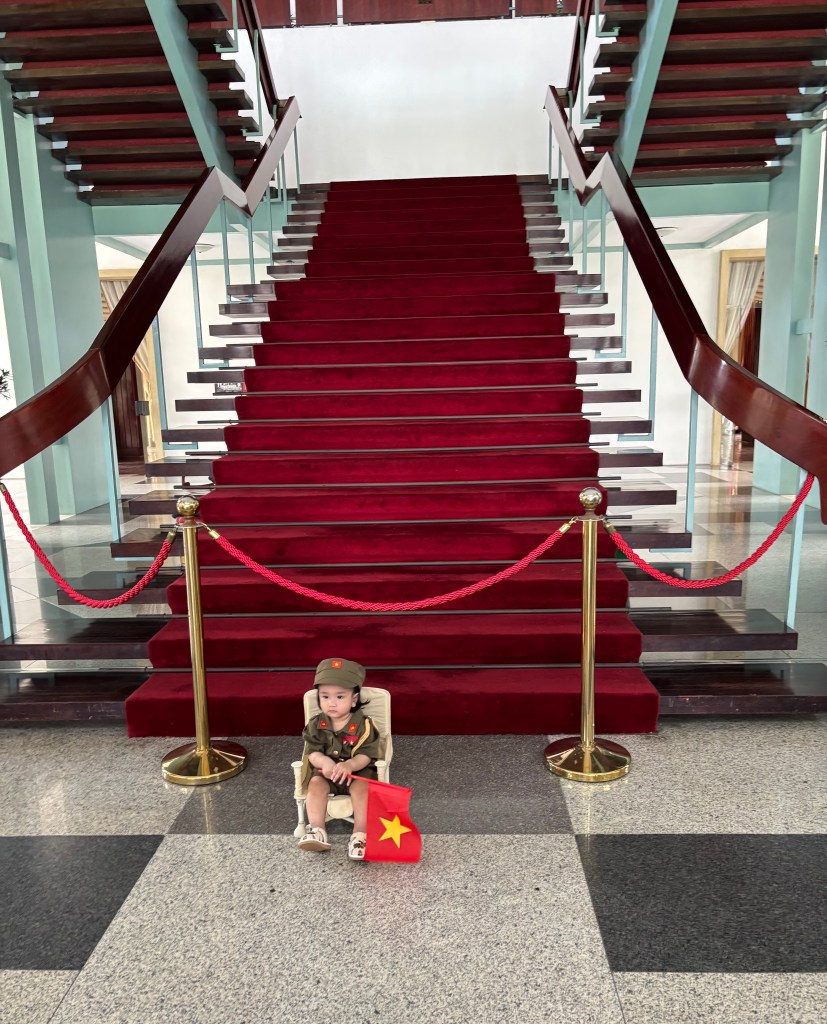
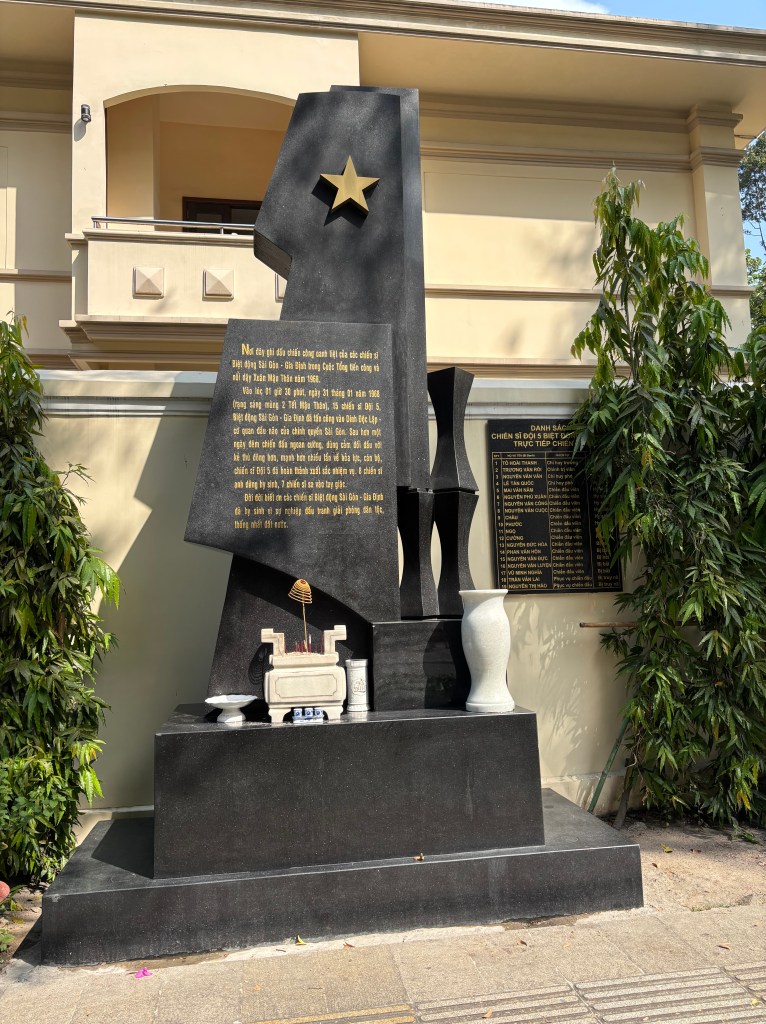
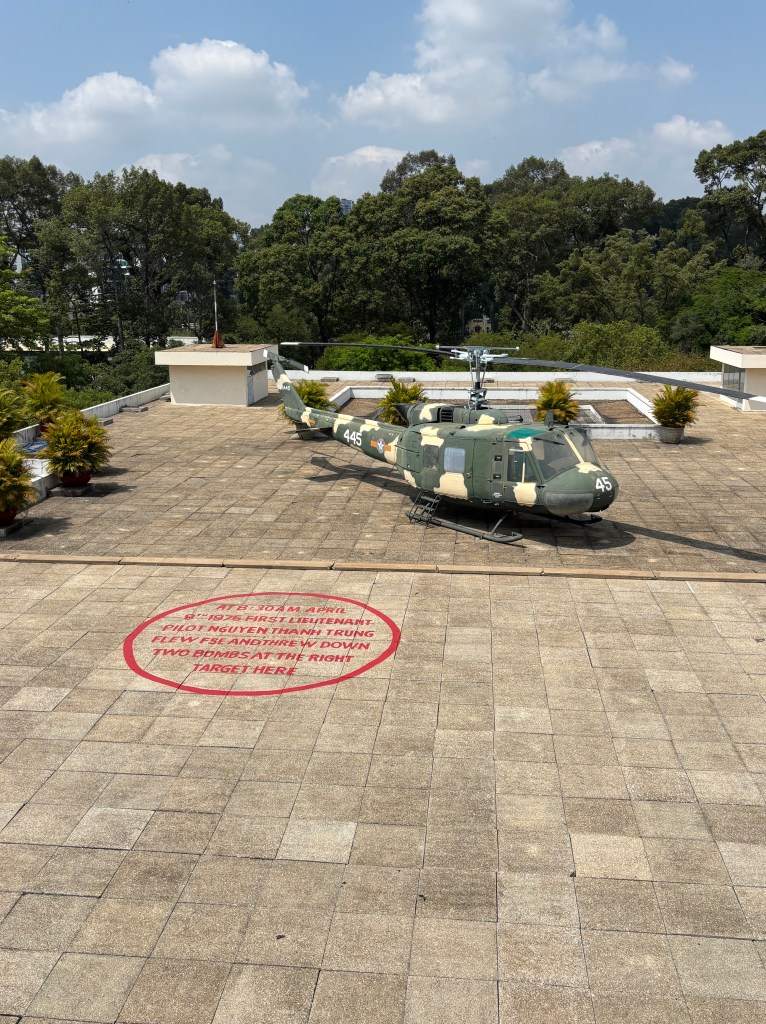
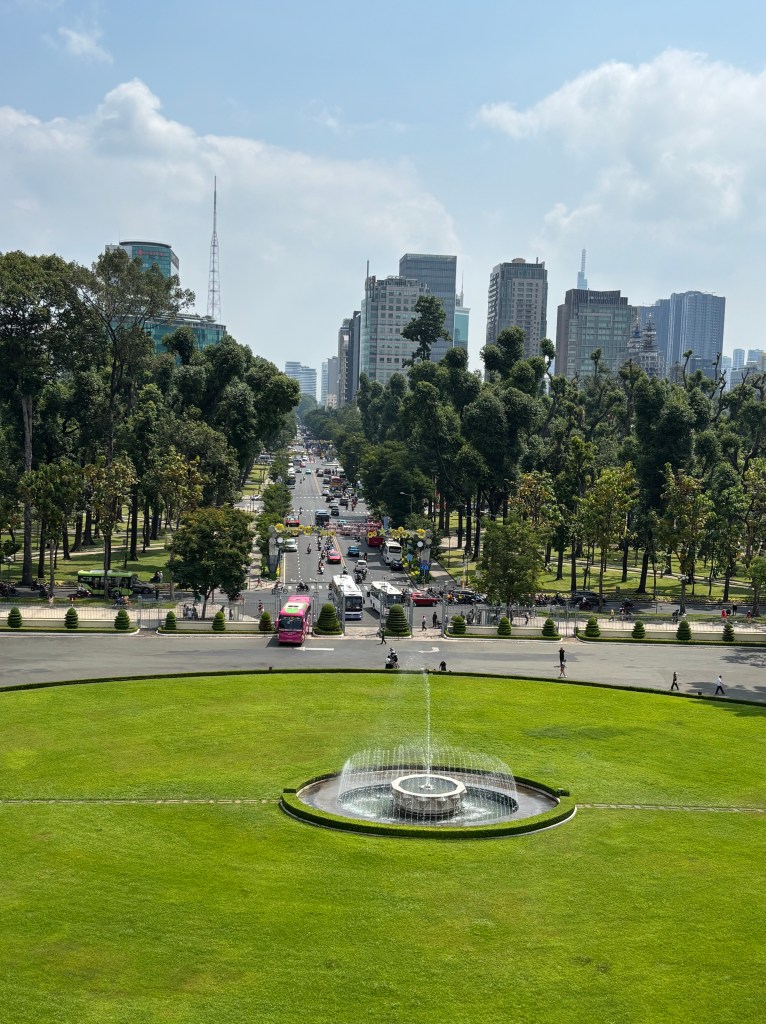
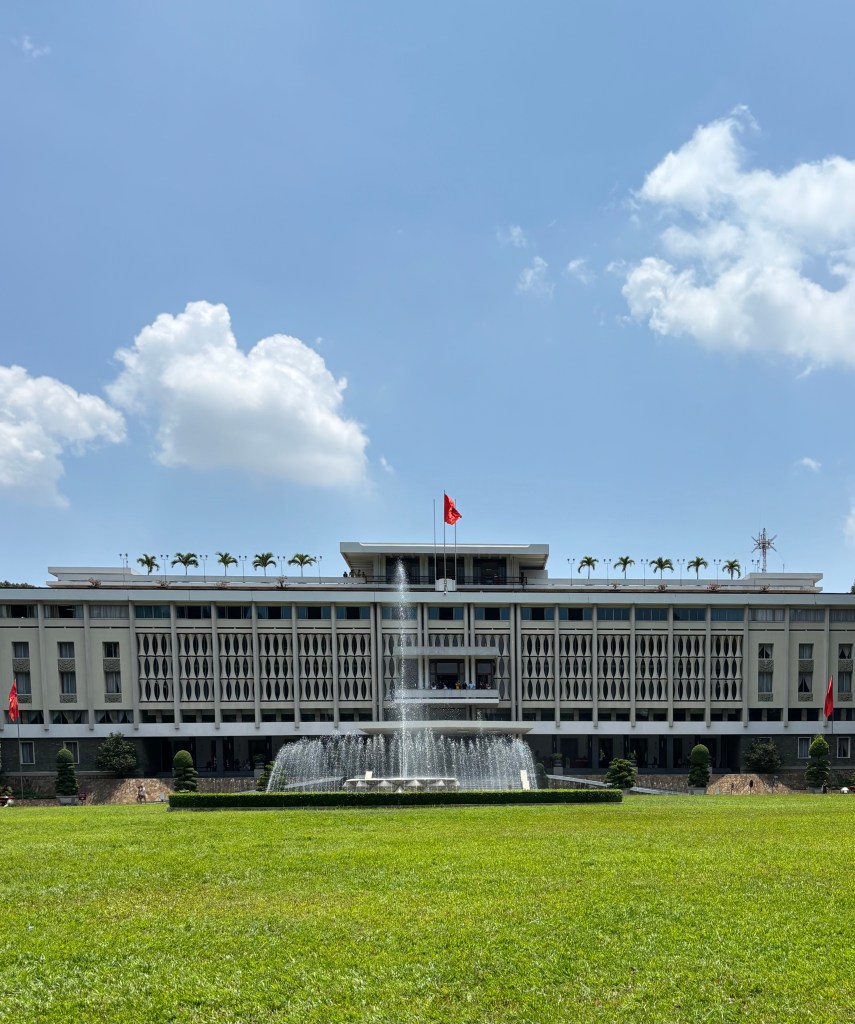
Vietnam is a “socialist” country with a religious Buddhist population. There are interesting compromises and tolerances, such as communist monuments with religious offerings. The Independence Palace, a 60’s architectural gem, is a place of pilgrimage and reverence, as is the Ho Chi Minh mausoleum.
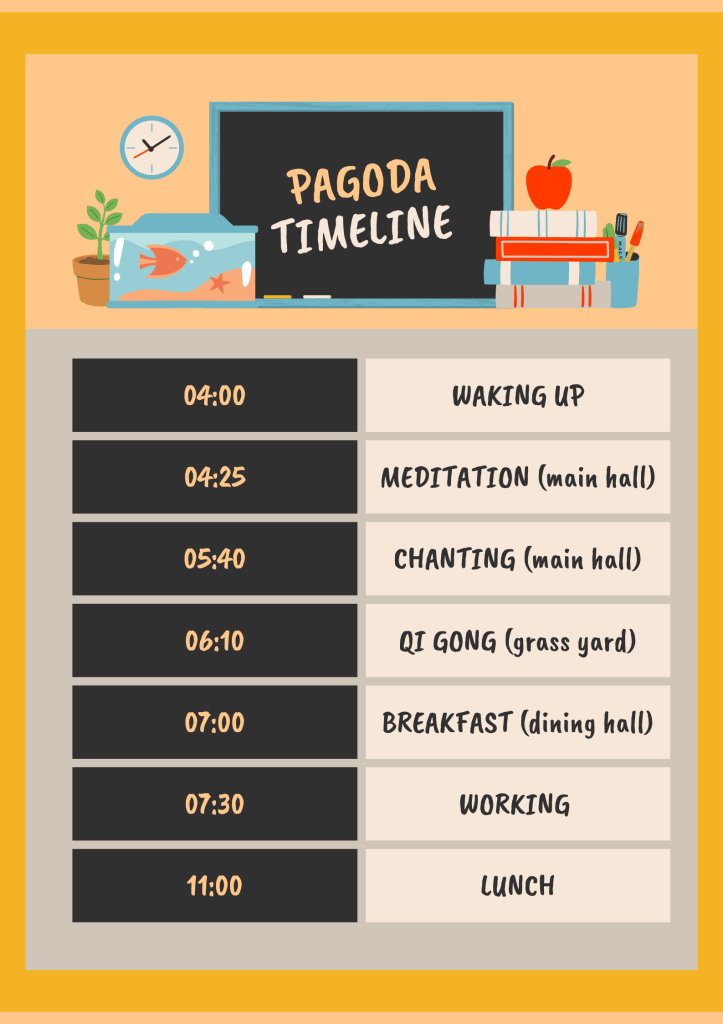
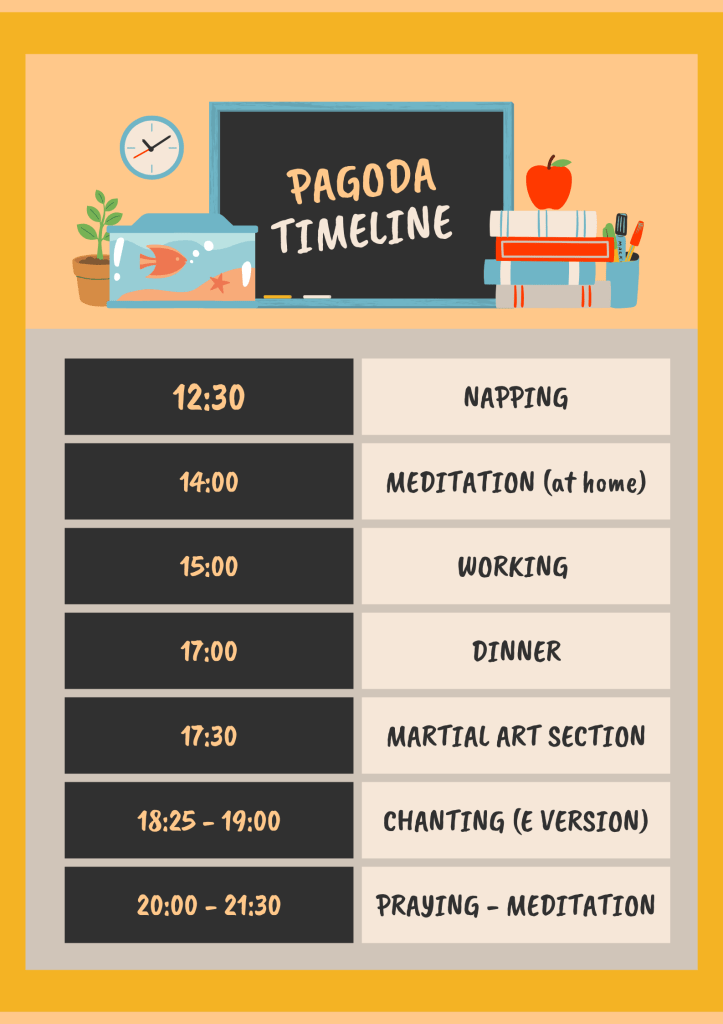
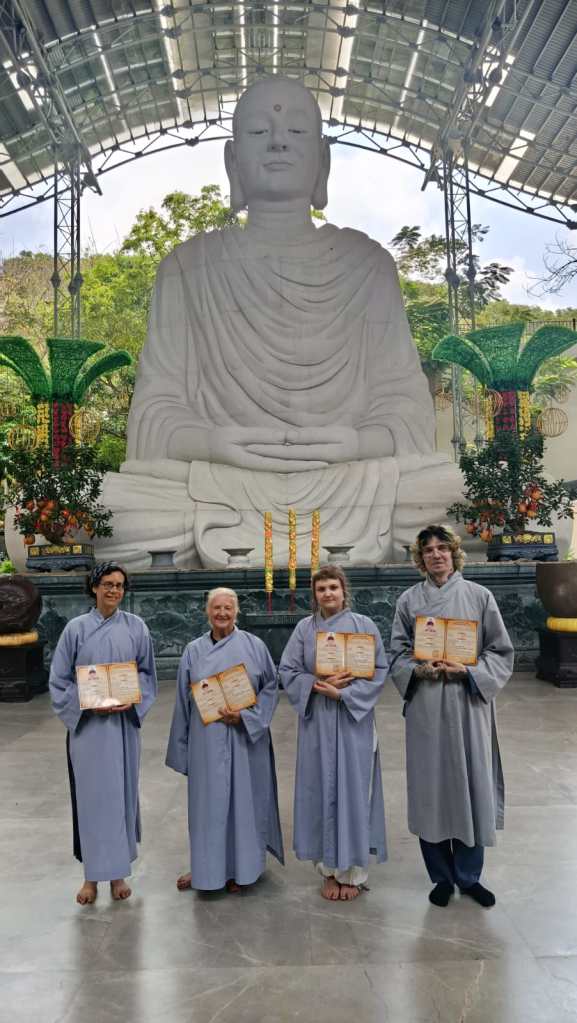
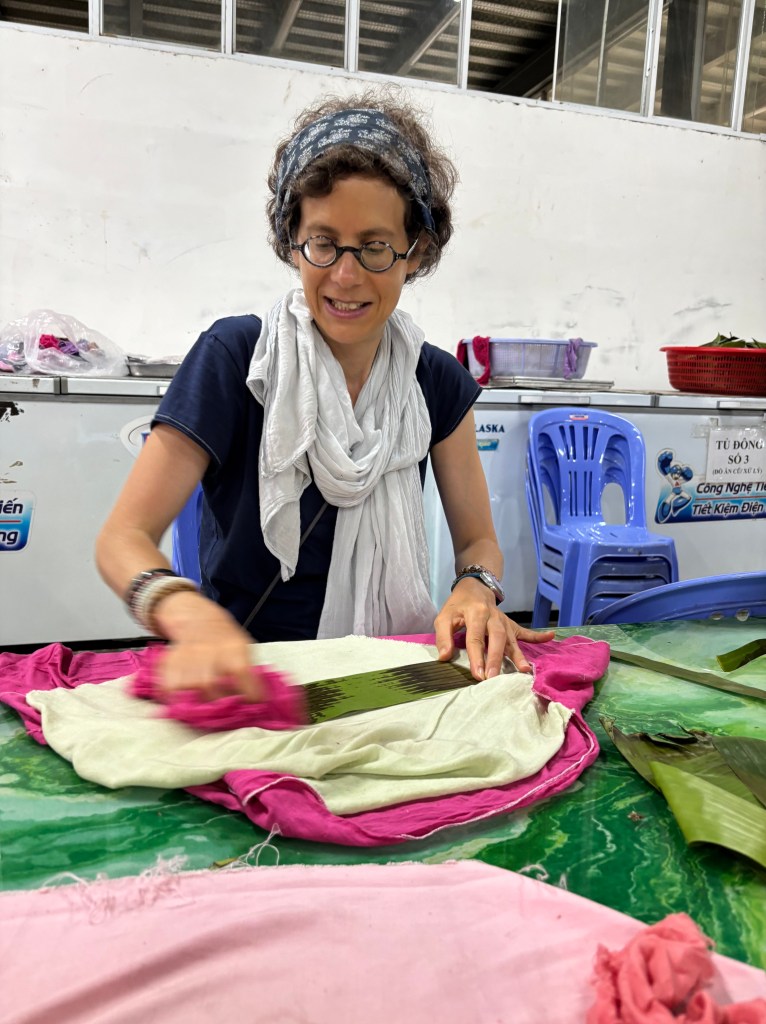
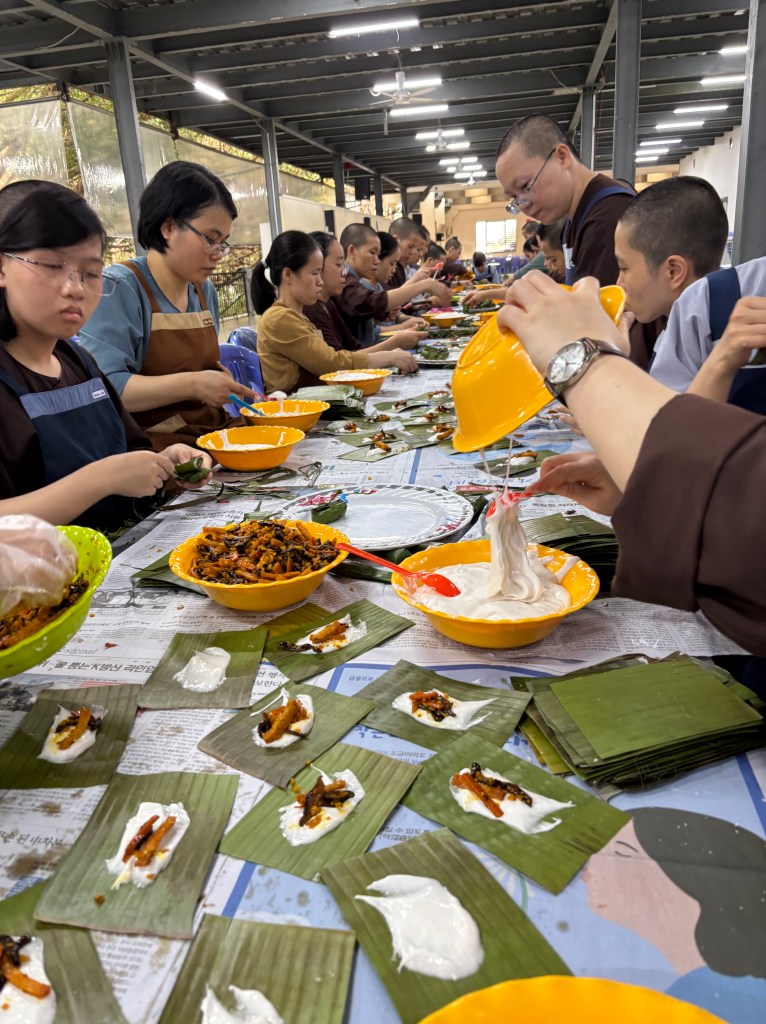
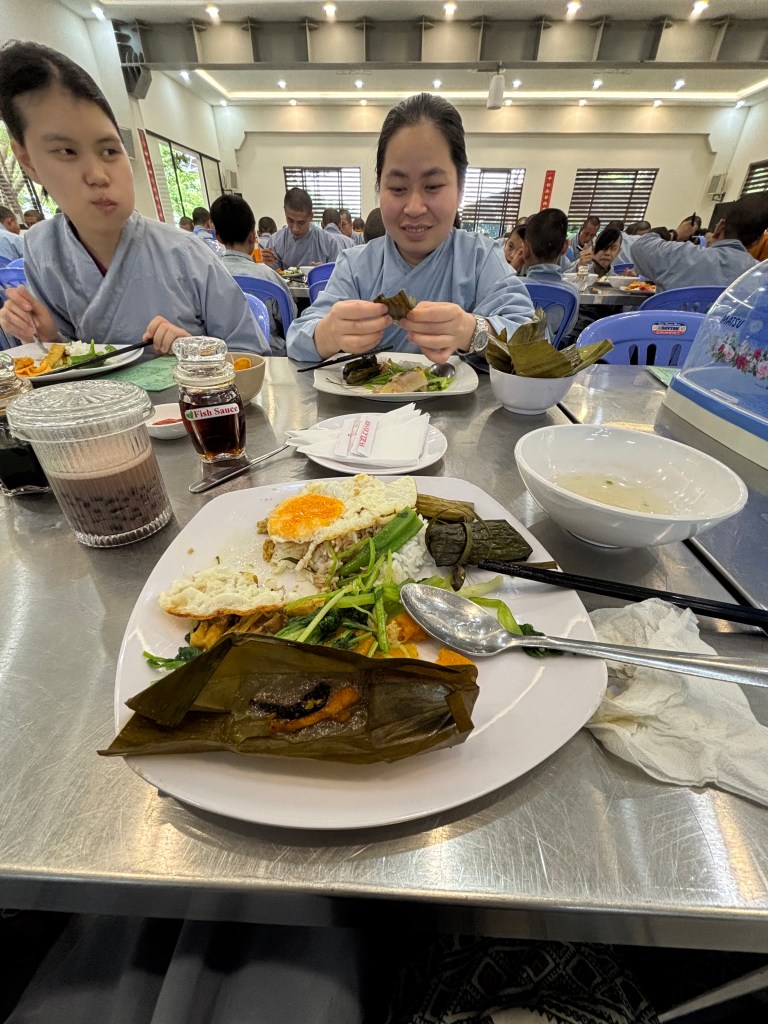
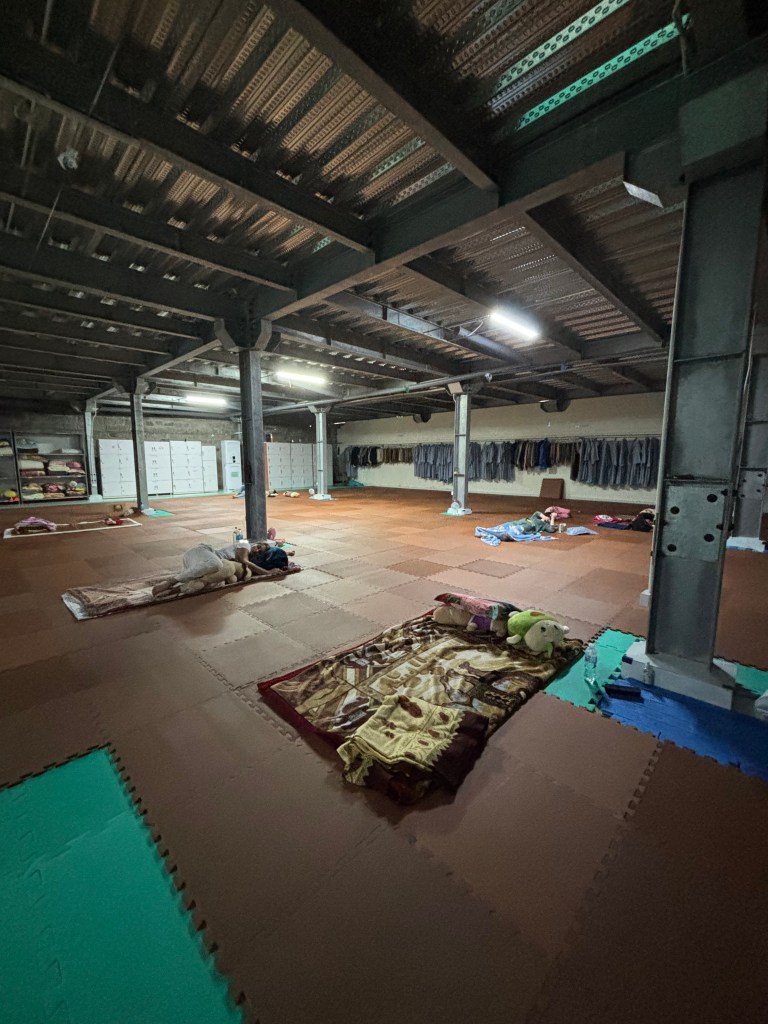
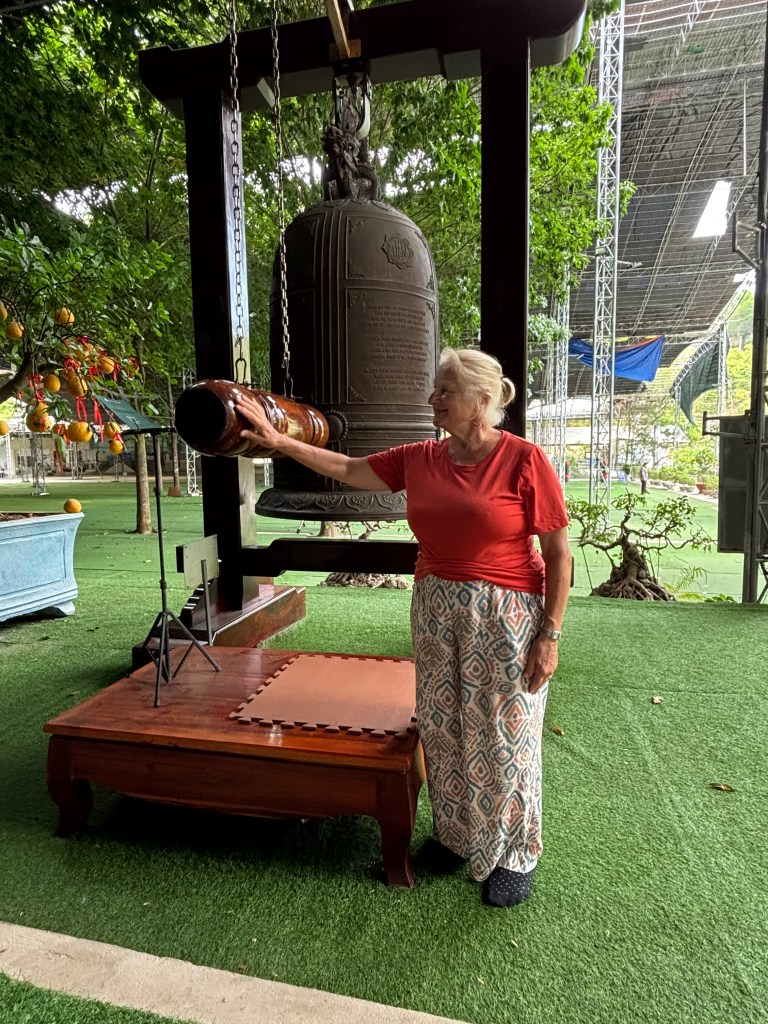
I’ve used all sort of public transport on this trip – trains, coaches, buses, motorbikes, taxis (Grab and Bolt are the apps to have) and electric cars (Vie app in Vietnam). This last one took me to the Buddhist retreat in Ba Ria. I’d learnt about it from Patricia, a fellow traveller who I met in Kampot, Cambodia – she was travelling from Vietnam, the country that had impressed her very much. She had done a lot of research (I benefitted) and found one could stay at the pagoda for free; there is also a paying stay, sold by travel agencies. The Thien Ton Phat Quang monastery was founded by the Venerable Master Thich Chan Quang. The monastery is a living, working place, with some 300+ monks, nuns and novices. The day begins at 4 am, when the giant gong is sounded, calling all to meditation and prayer. Some of the chanting was in English, and several novices and nuns came to speak to me, wishing to improve their English. Within a day I was known as “Teacher”. We helped in the kitchen, exercised, read books on Buddhism (printed in Vietnamese and English), meditate and rested, following the timeline. It was a pleasant, illuminating break in the journey.
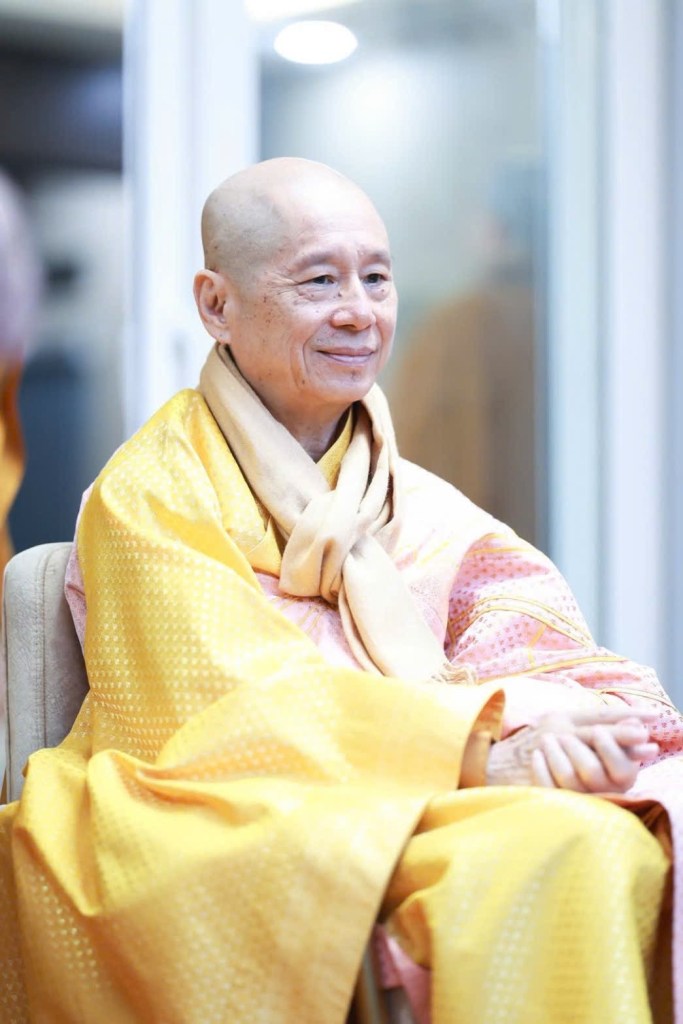
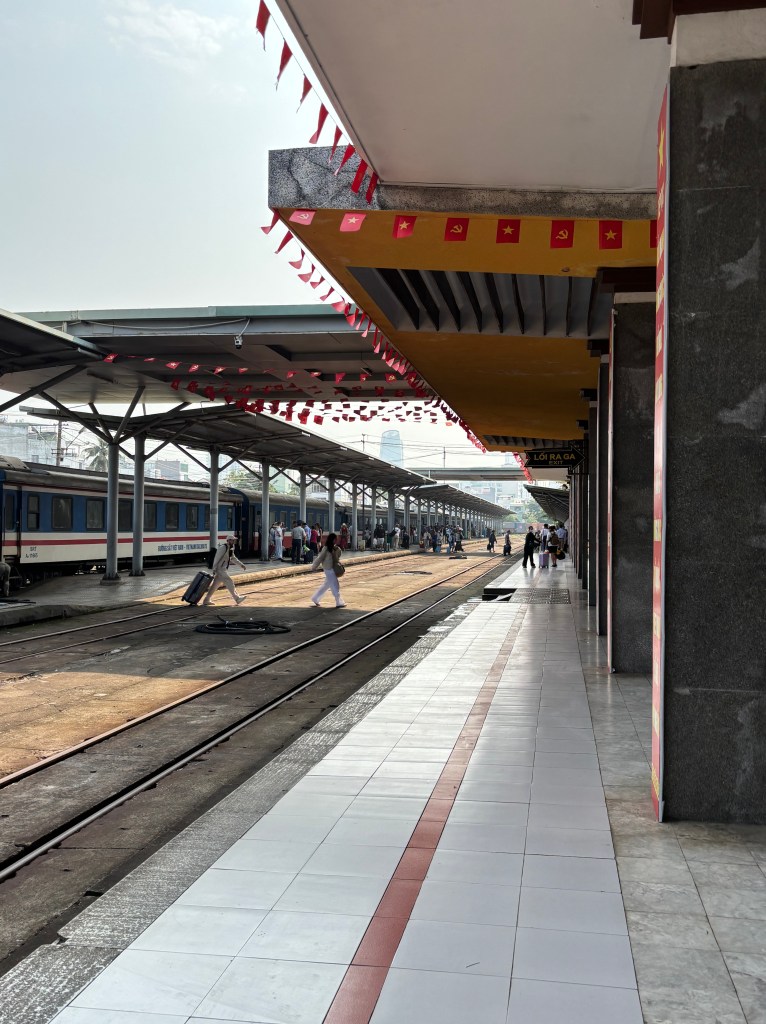
My guide, Mia, and a few others, came to see me off at the end of my stay – they’d prepared a packed lunch for me and organised the taxi to the train station in Long Khanh where I picked up the 15+ hour train to Danang. The couchette was comfortable – it is important to book the lower bunk or you might end up not seeing much from the upper bunk. (It is a great train journey along the Vietnamese coast.)
 Maribibi_travels