The fog lay heavy on Tashkent as the Baku flight landed late on a Friday night. It seemed to be a surprise to everyone, including the 36 pilgrims returning from the Hajj – numerous phones were out videoing and photographing the fog. Fog aside, it makes a wonderful difference that entry into Uzbekistan is now visa free for UK and EU citizens.
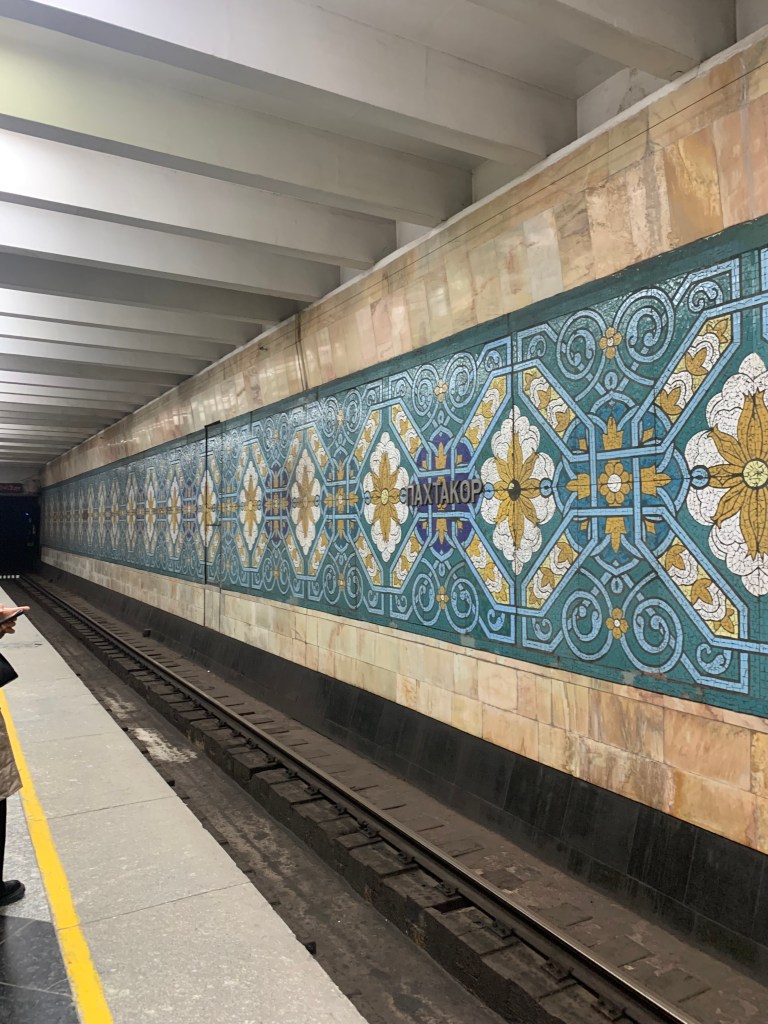
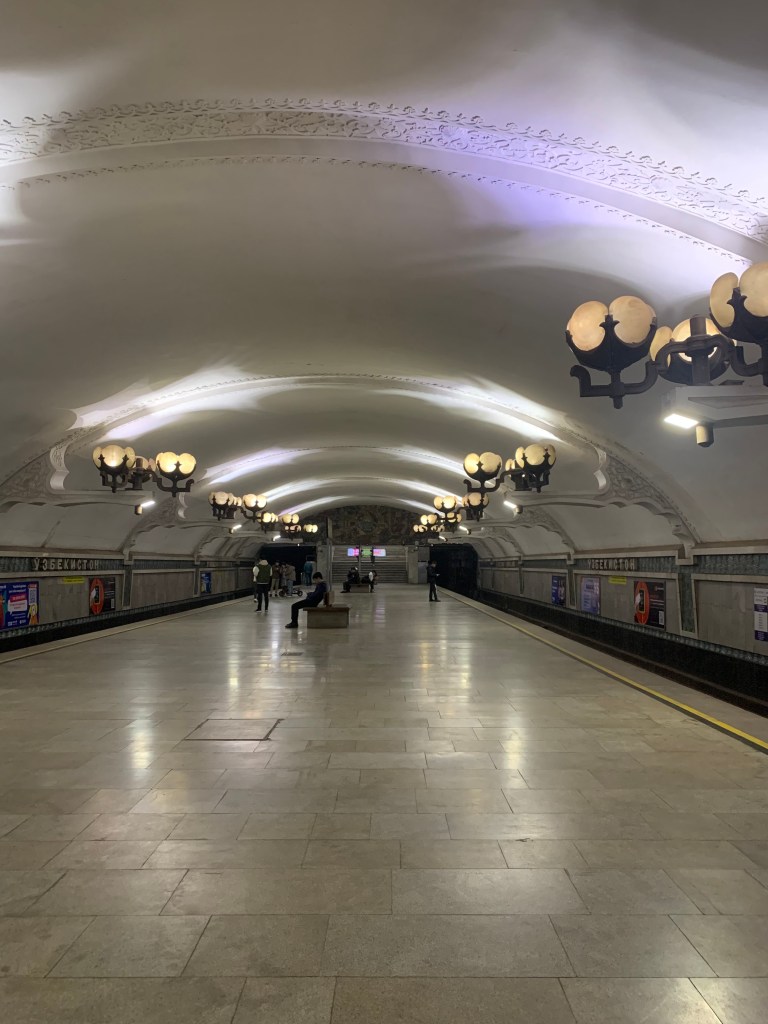
Staying with friends also makes a difference, the feel of a home rather than the impersonality of a hotel. And the weather has obliged too – it may be January, but the sun has been shining (or squinting through thin clouds) and it feels quite balmy. Having read so much about the Metro, had to go and have a look at a few stations. Tashkent has but recently introduced the Oyster type card (it costs 15000 sum = £1 to purchase, plus what you need to ride) and can be used on the buses as well. Each ride is ridiculously cheap – about 12-14p (cheaper on the card than buying individual tickets). And the stations are magnificent.
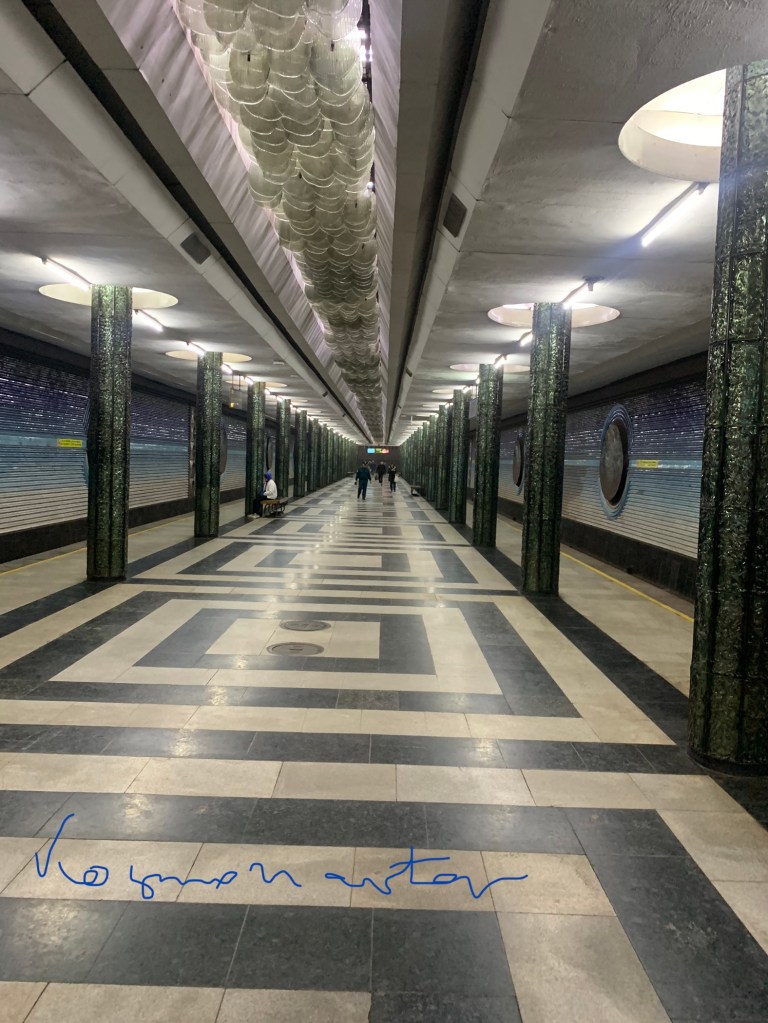
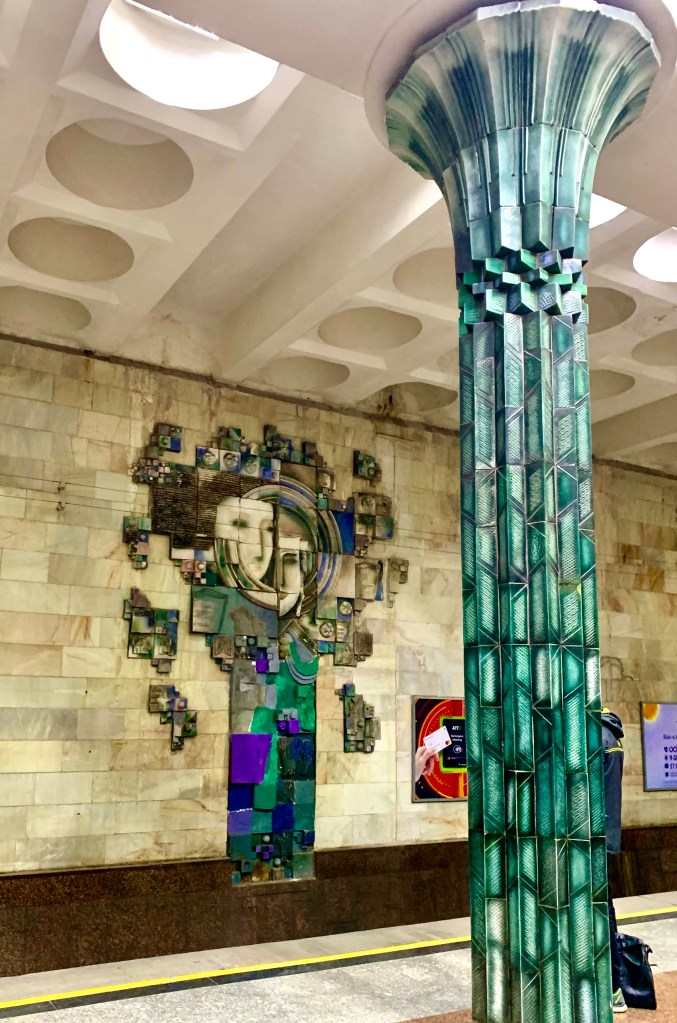
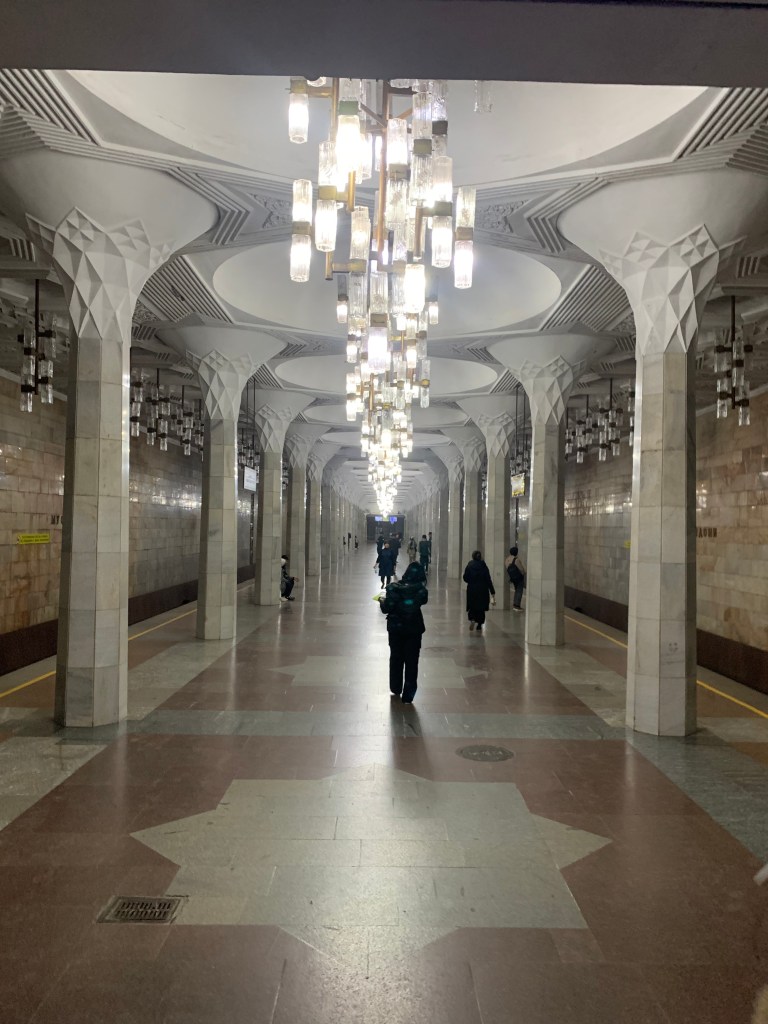
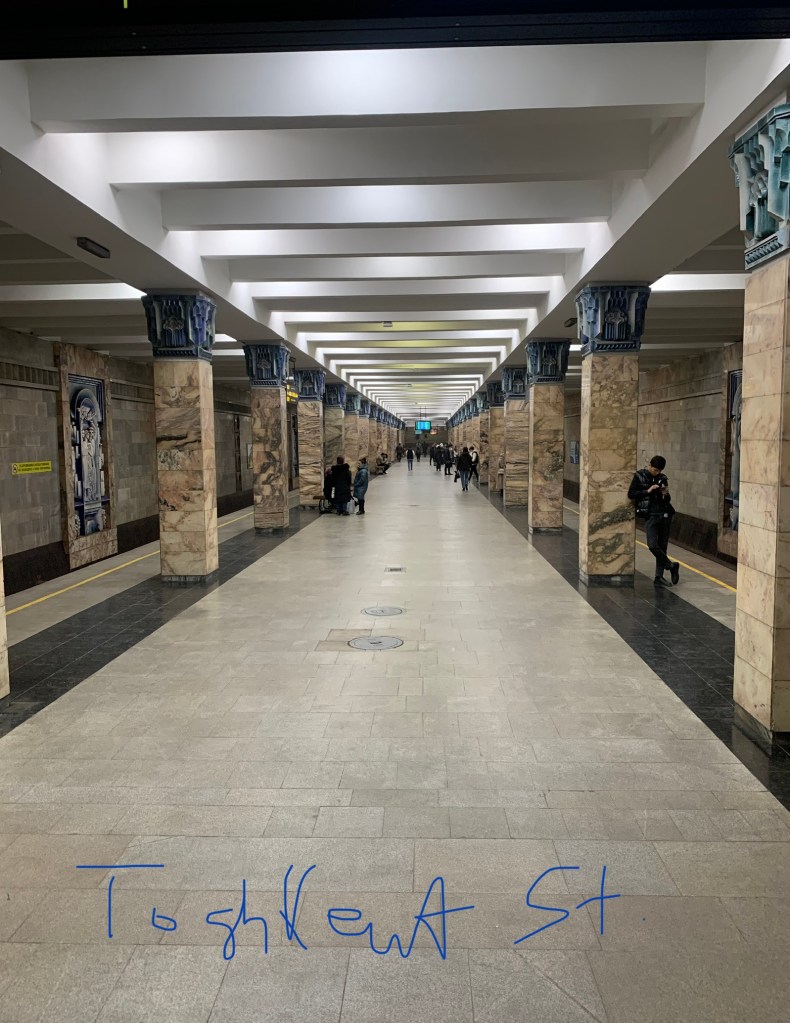
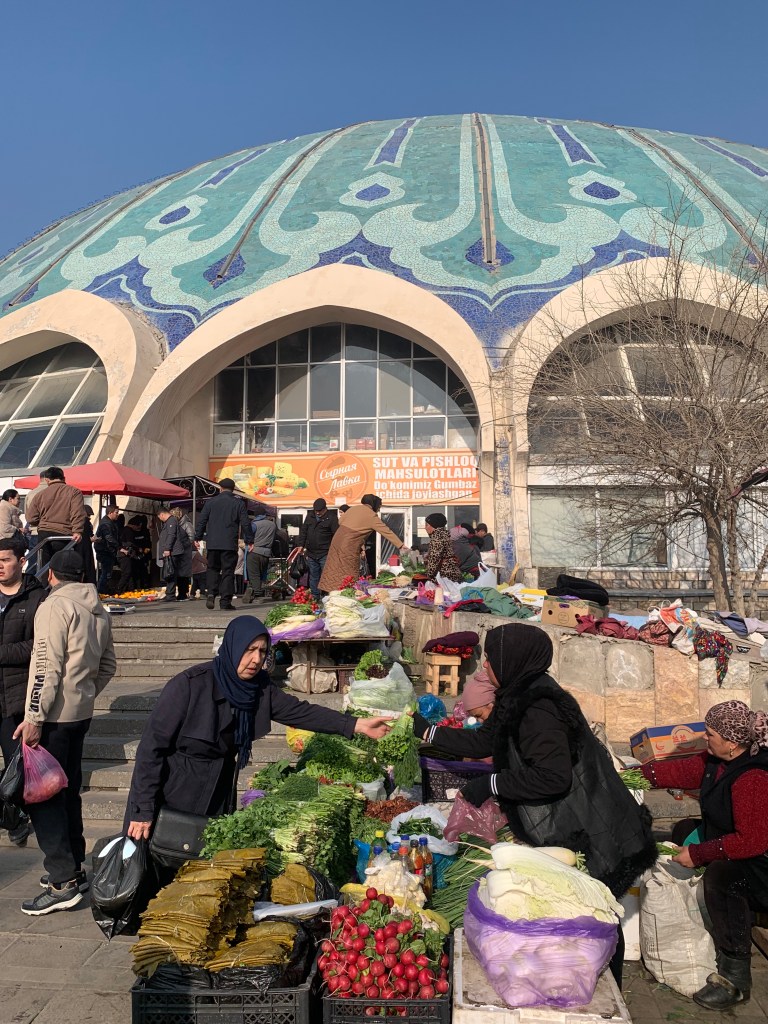
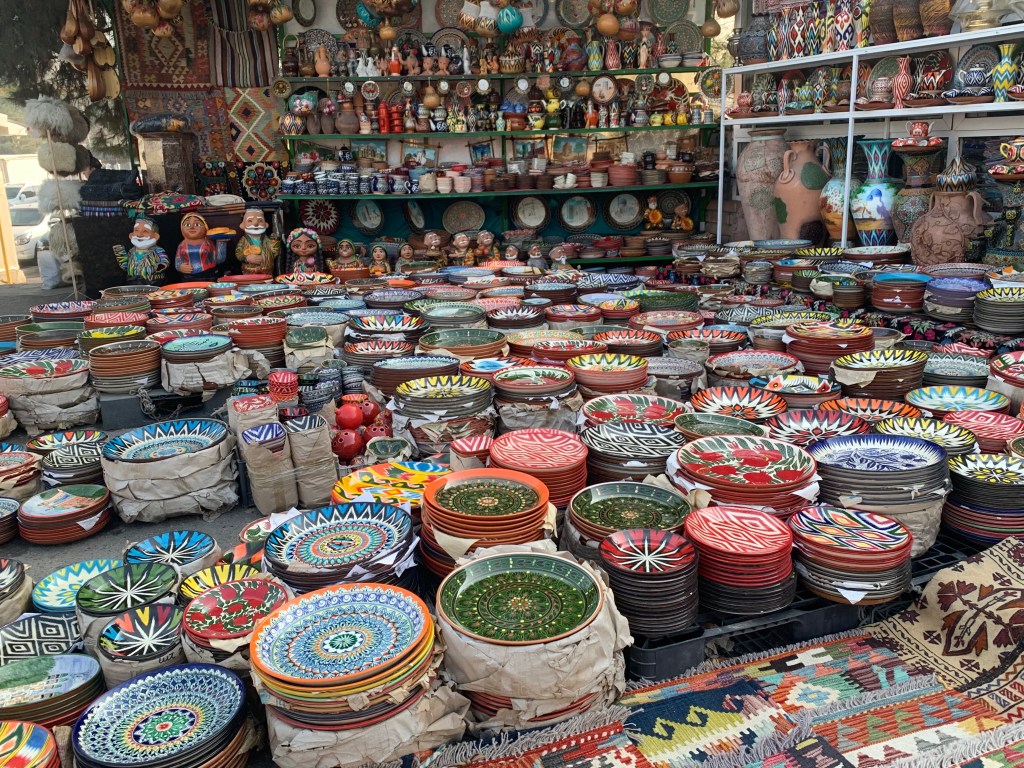
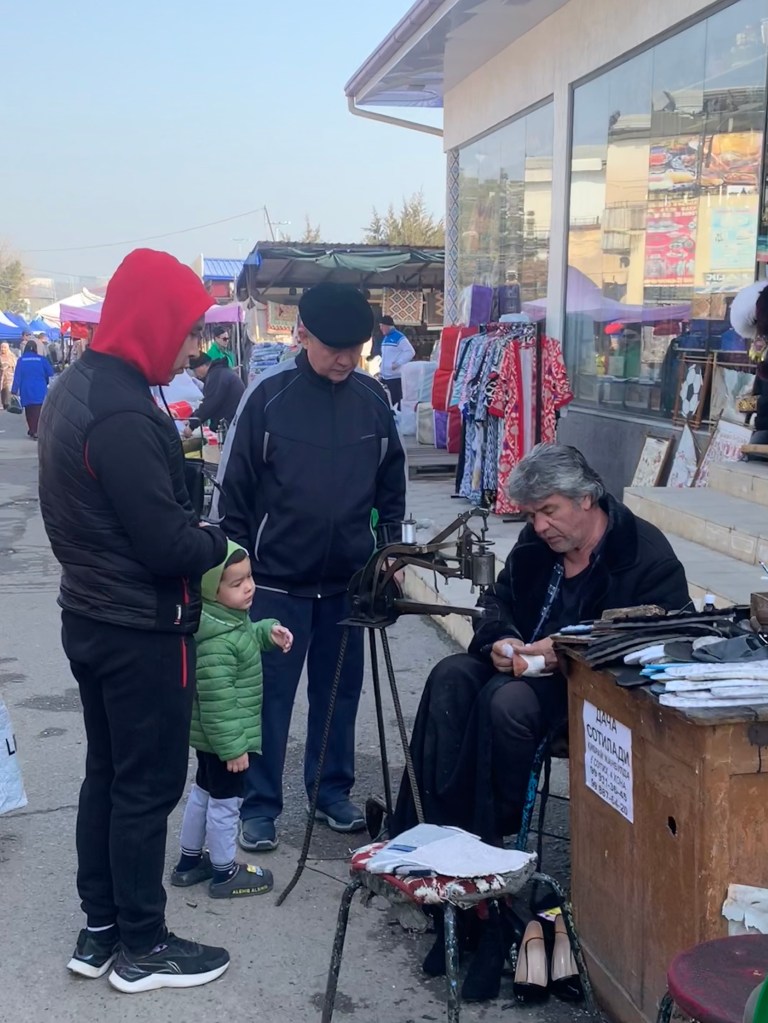
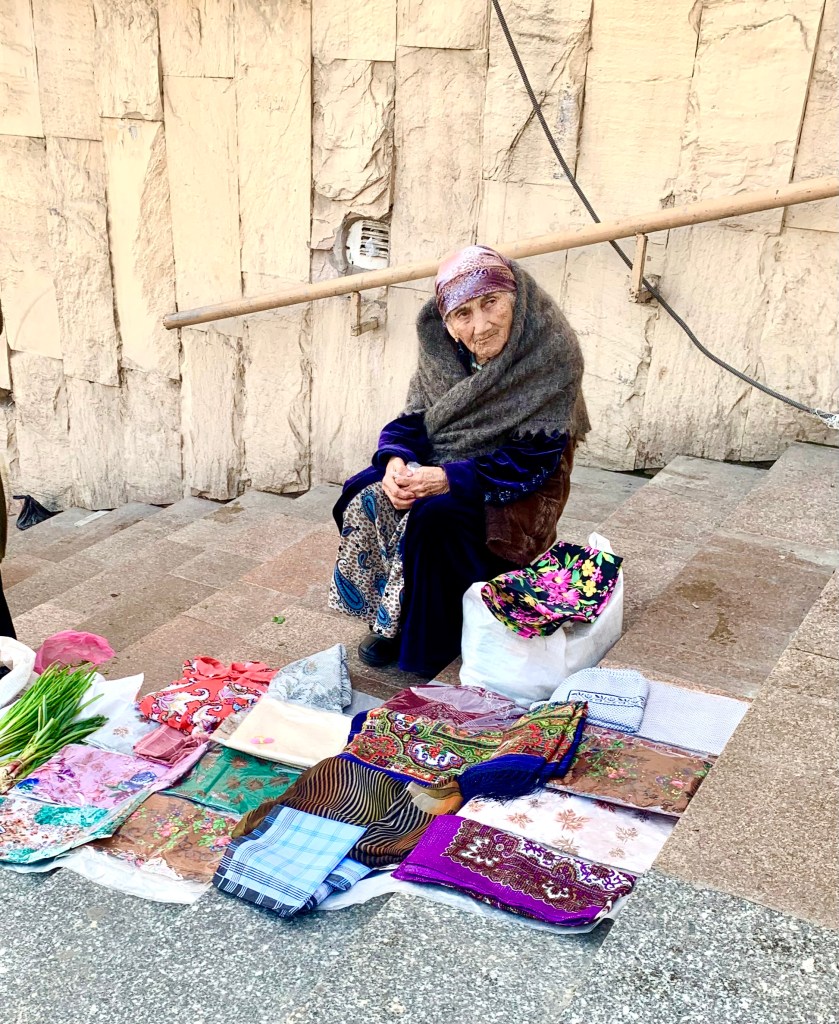
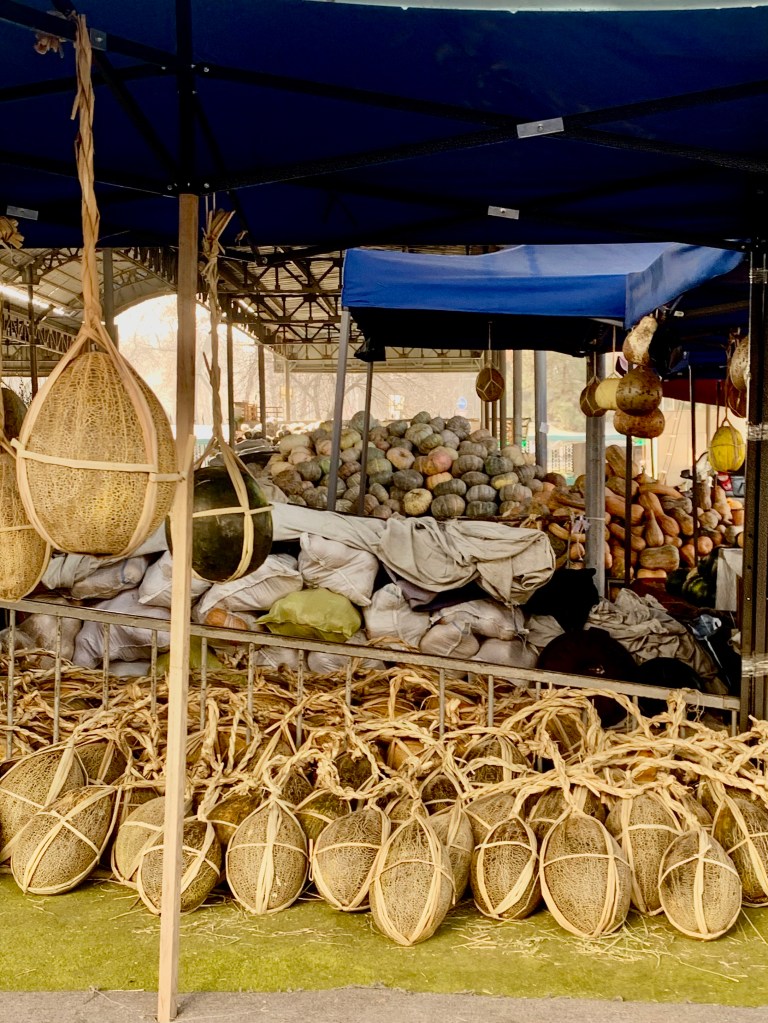
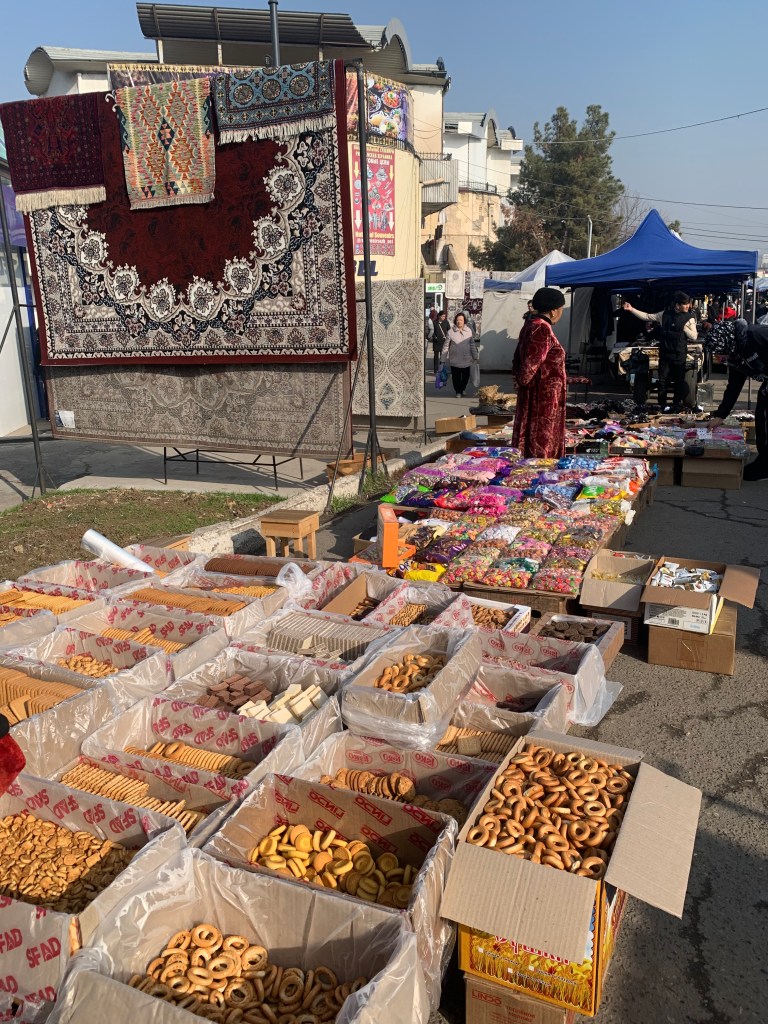
Tashkent was very much at the centre of the Silk Roads trade from the start and Chorsu market still exemplifies that. It is ENORMOUS, and if you look hard enough, you can probably find everything there, fruit, vegetables, nuts, spices, souvenirs, ceramics, fabrics, shoe repair, knife grinders, gold and silver, fur hats and shoes, meat and eggs, cheese… I still love being able to taste the wares before buying – a few nuts and dry fruits at lunchtime can stave of hunger. :))
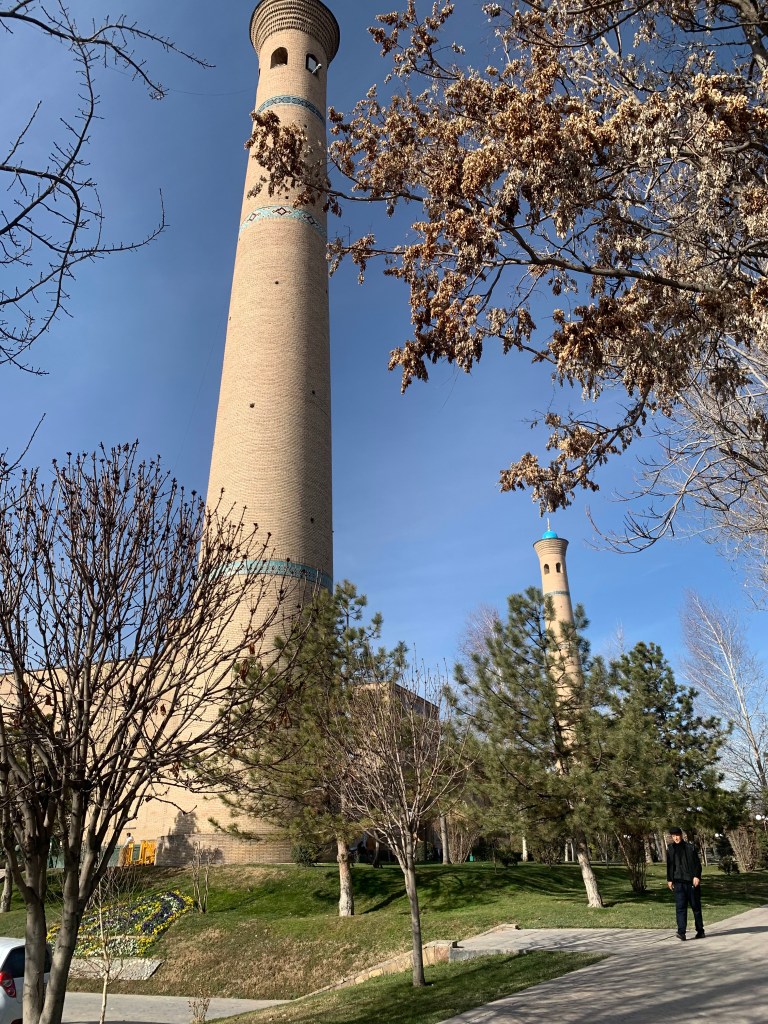
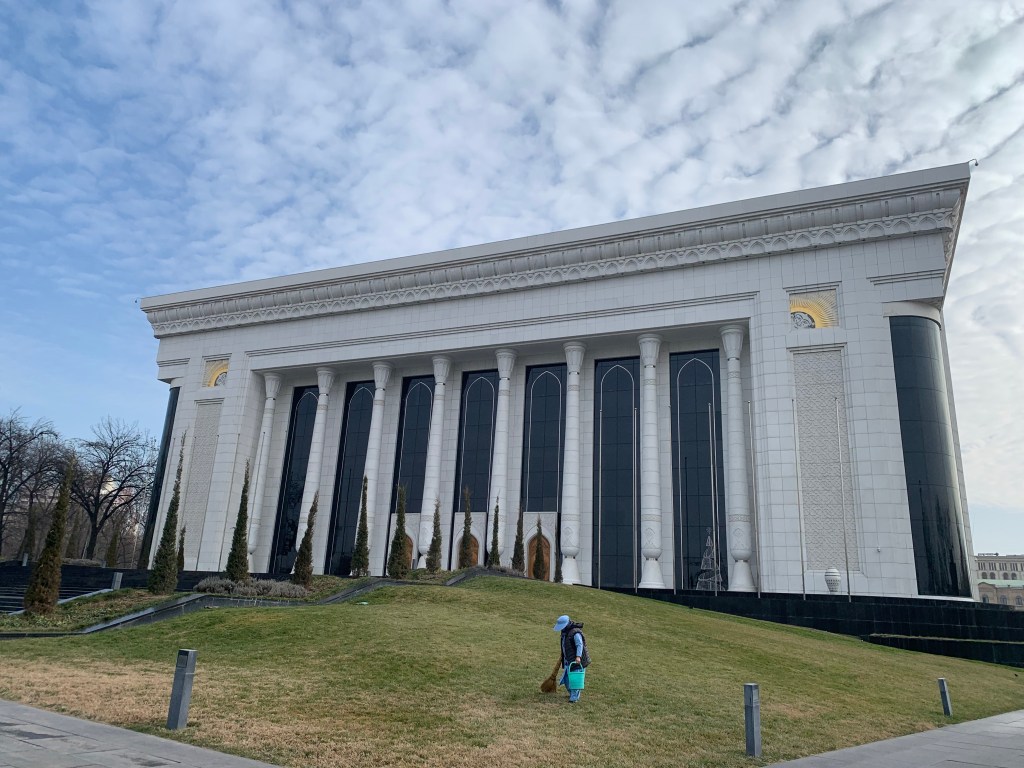
The Hazrati Imam Complex is impressively grand (the mosque is still one of the largest around) and the area will be even grander once the Centre for Islamic Civilisations is finished. One of the oldest Qurans in the world is kept in the museum nearby, with a number of other Koranic scripts.
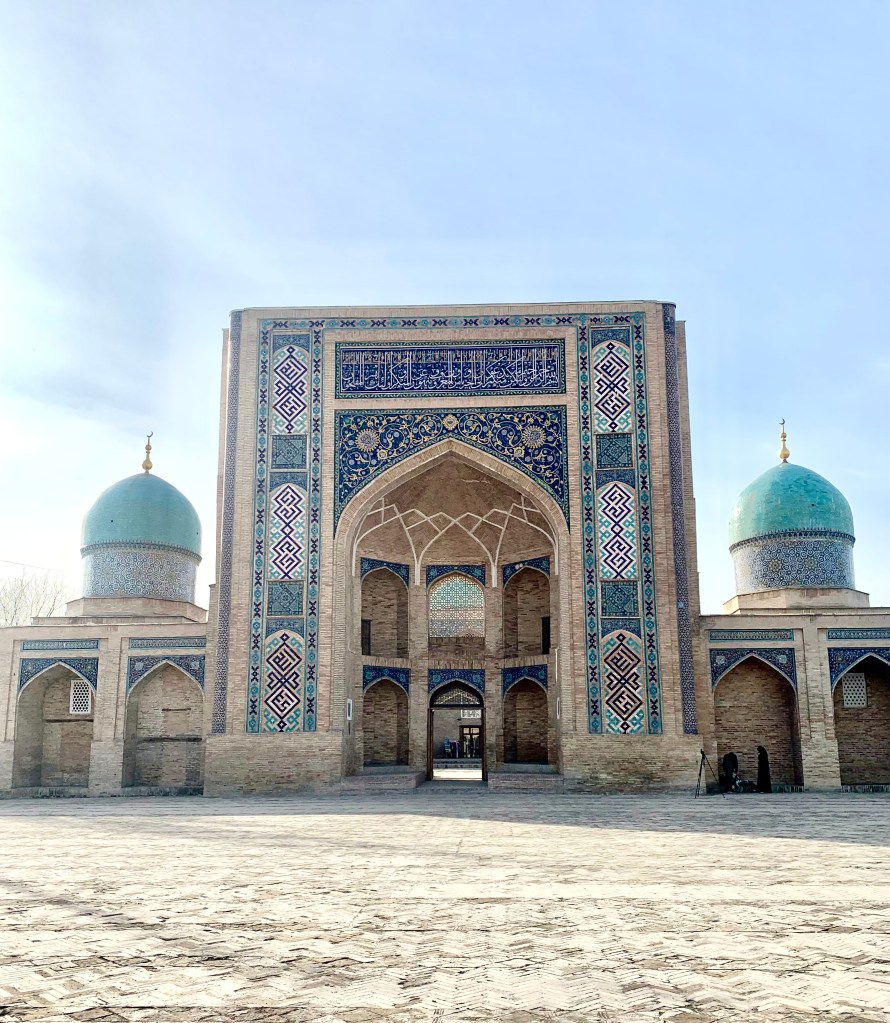
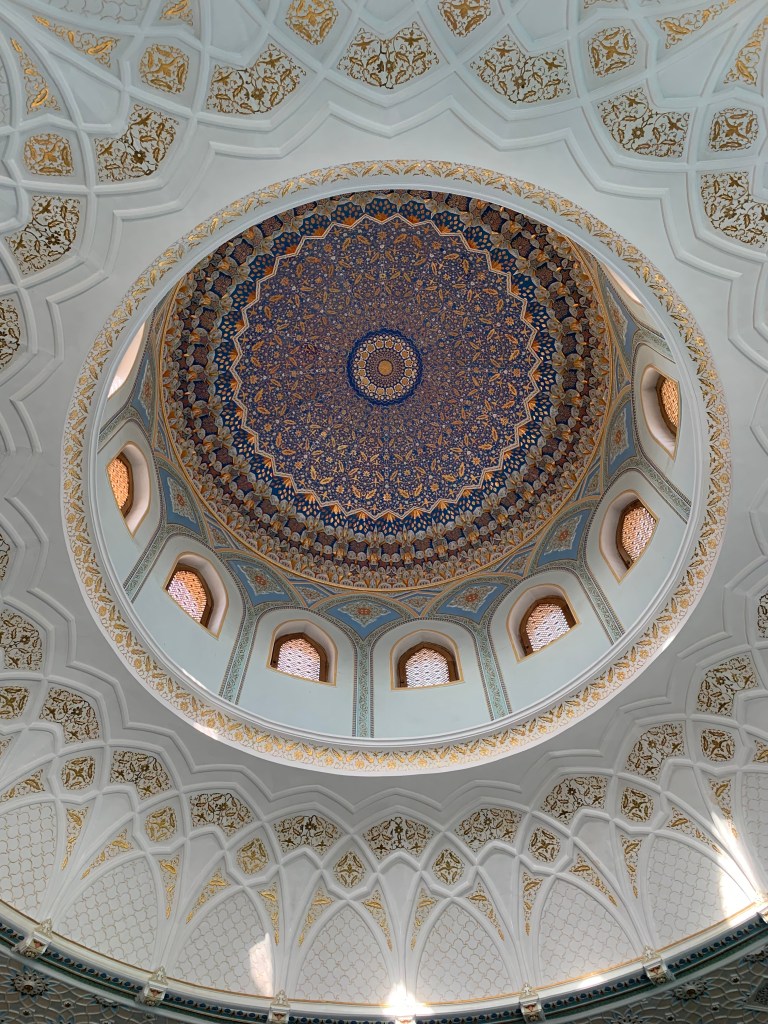
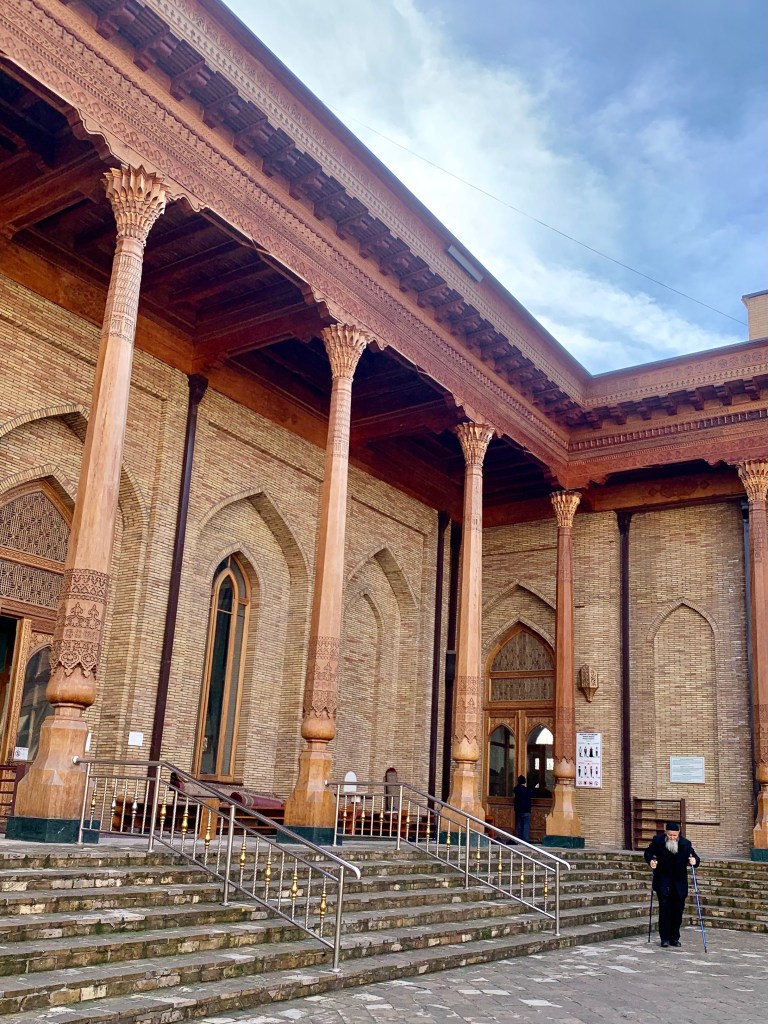
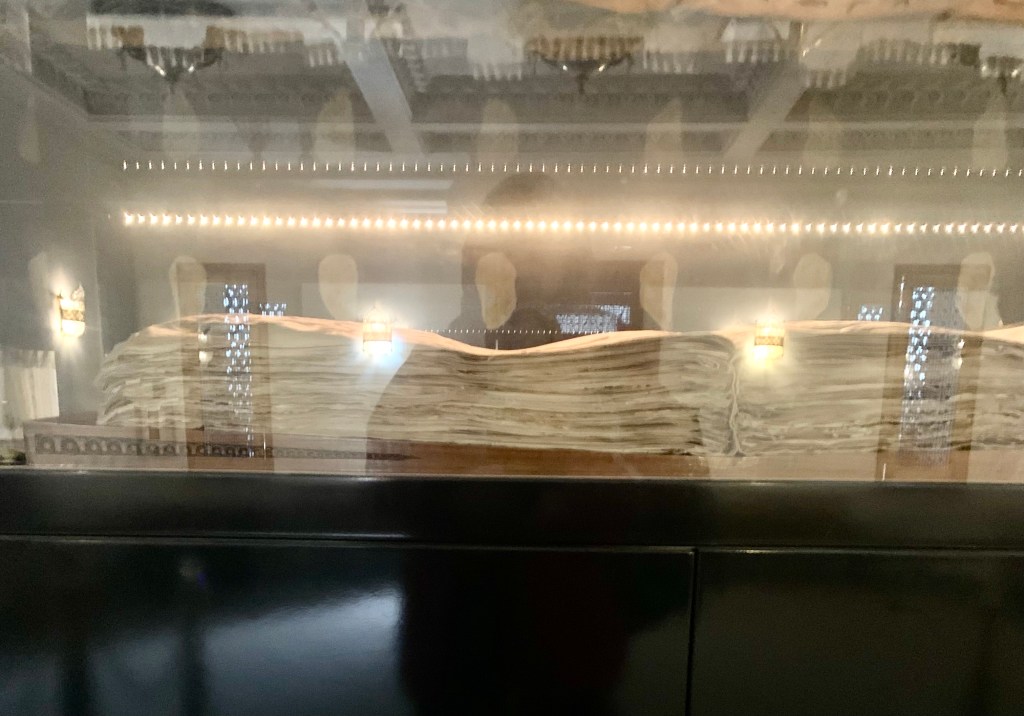
Also tried a local dish, a samsa – an Uzbek pasty. The fillings vary – potatoes, pumpkin, beef or mutton. Delicious and satisfying – the pastry is short, crumbly and moreish. Some good local tea to wash it down with, and all for less than £2.
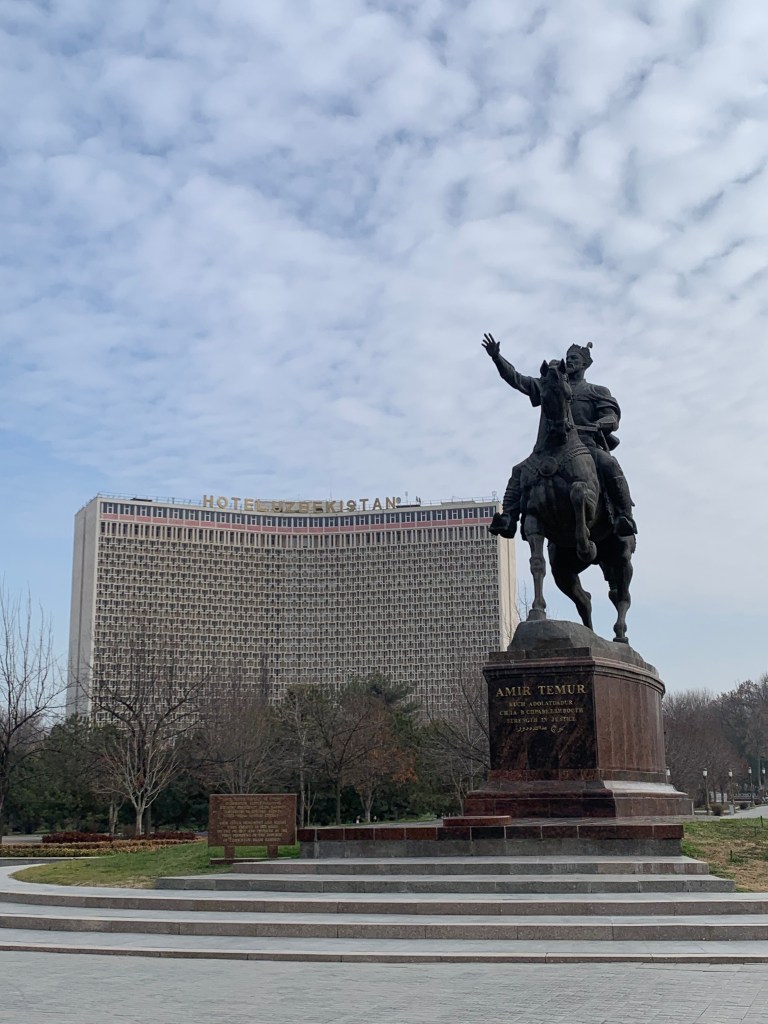
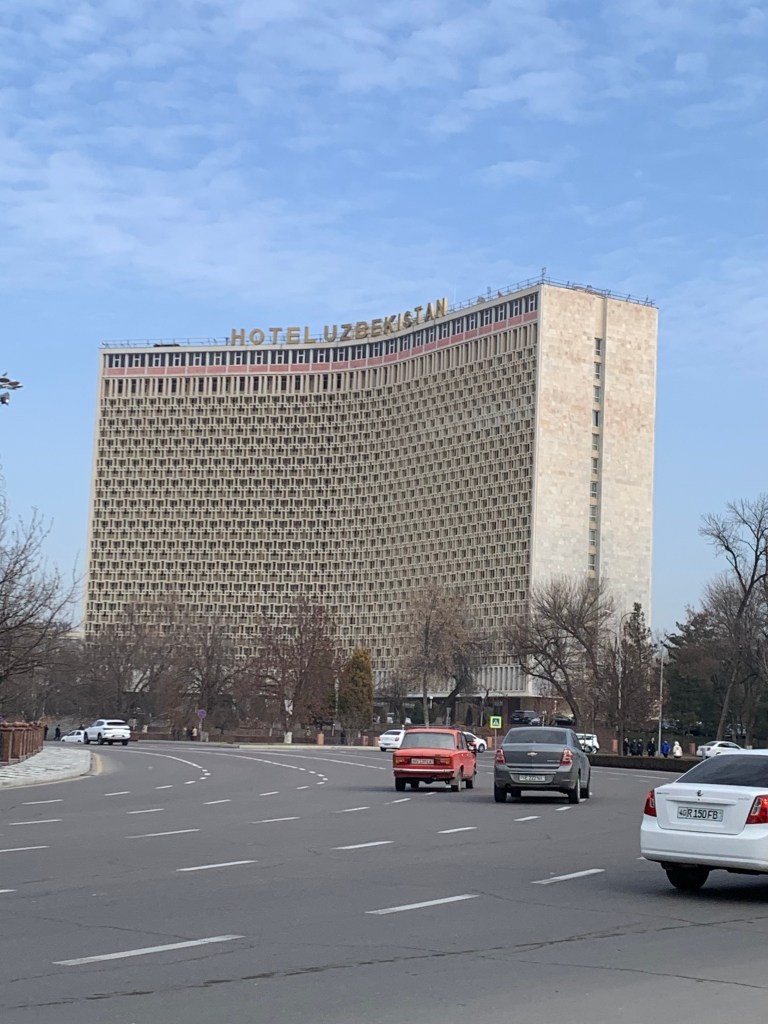
The city sprawls – the 1966 earthquake, which had flattened most of the town, has also made the town planners decide to build out, not up. There are high rises, but no skyscrapers. The roads are wide, there are parks and recreation areas and plenty of trees. The Amir Timur Square is green, though the trees are very young. There had been a major outcry over the cutting of old trees in 2009, especially large chinars (plane trees) – the protesters called it “the tree genocide”. The wholesale cutting of trees took place suddenly, with no consultation, warning or explanation. When asked, the mayoralty reluctantly explained that it was done as an “aesthetic decoration” of the capital, “to make the city even more beautiful and landscaped.”
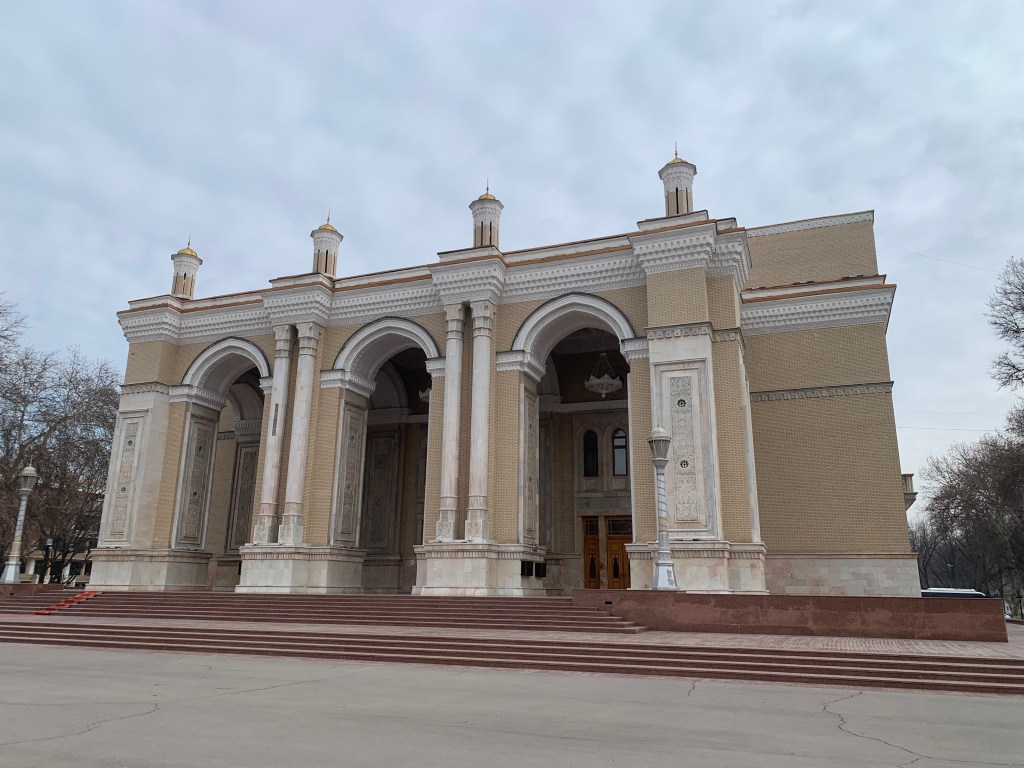
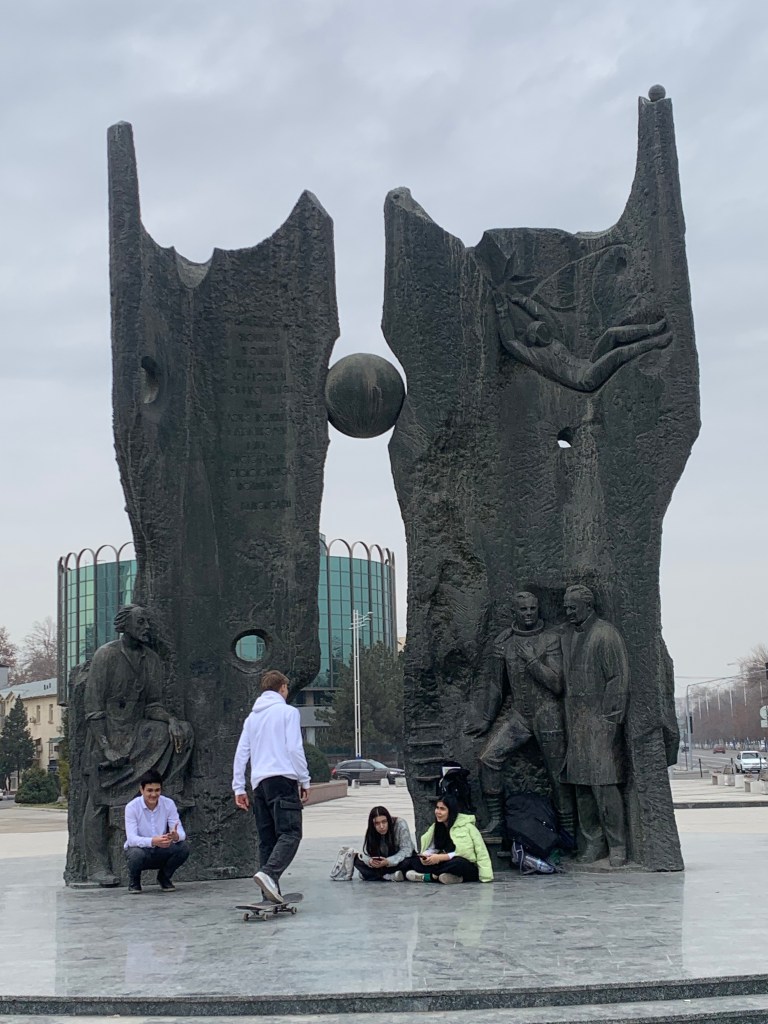
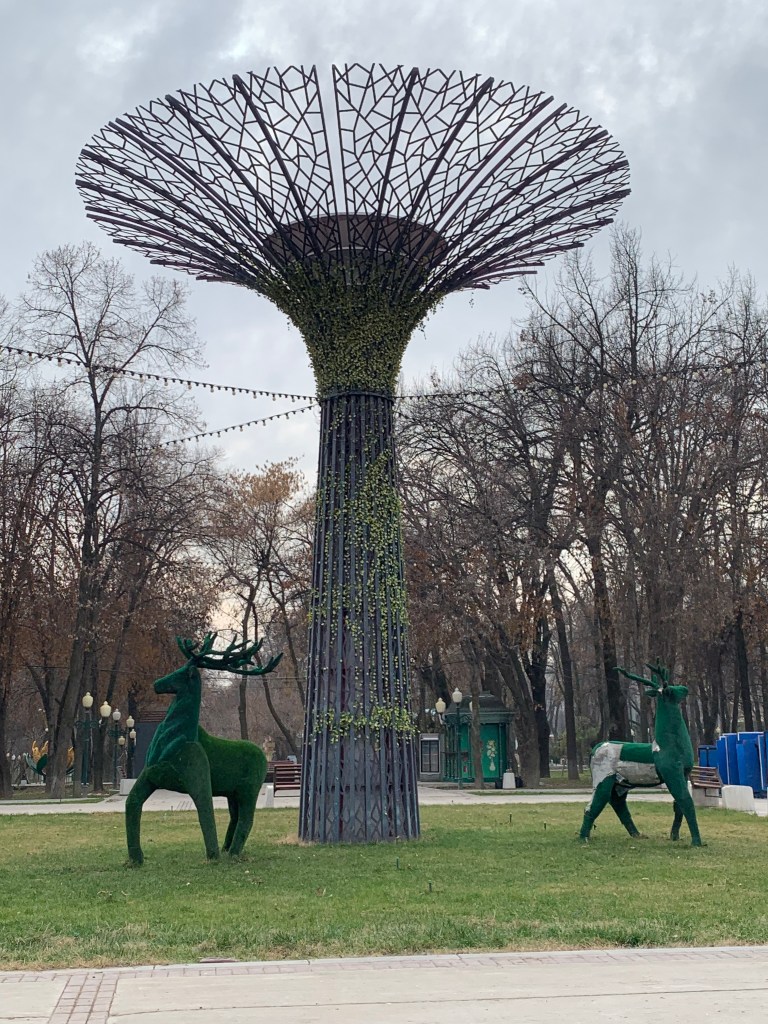
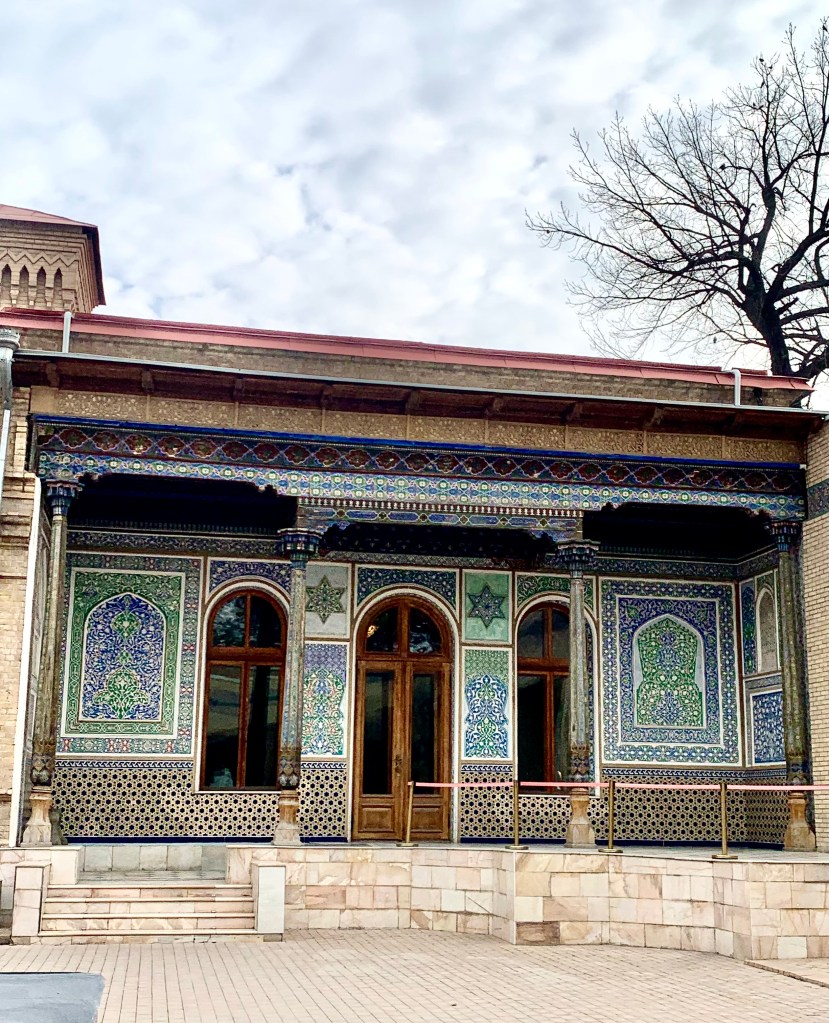
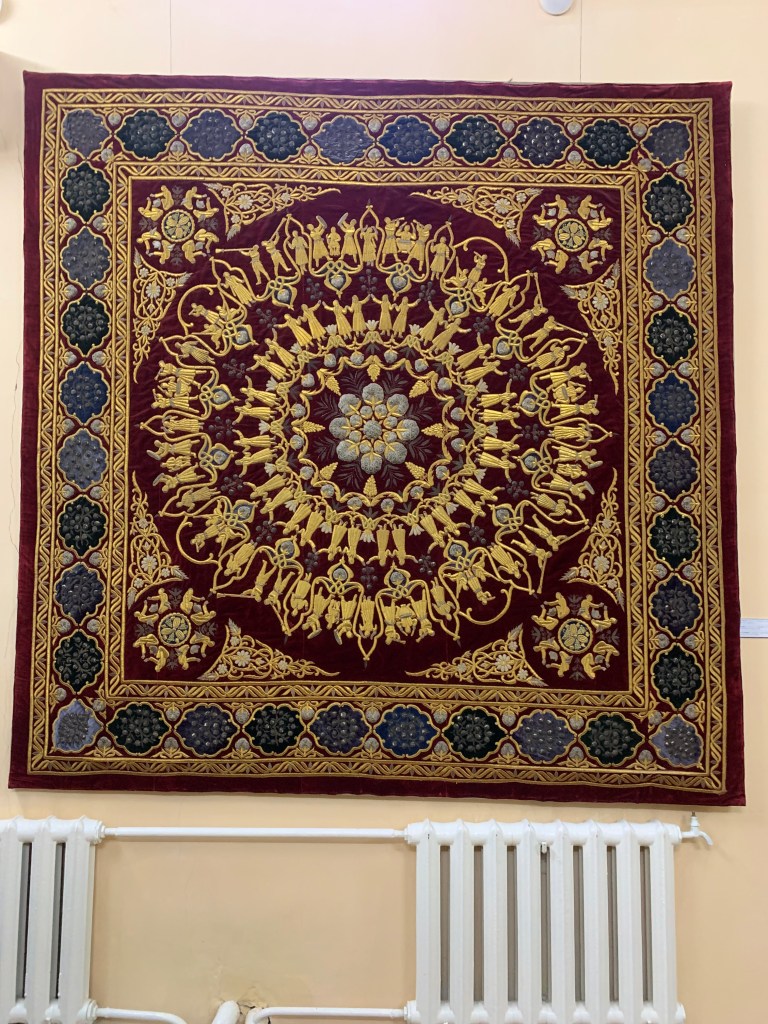
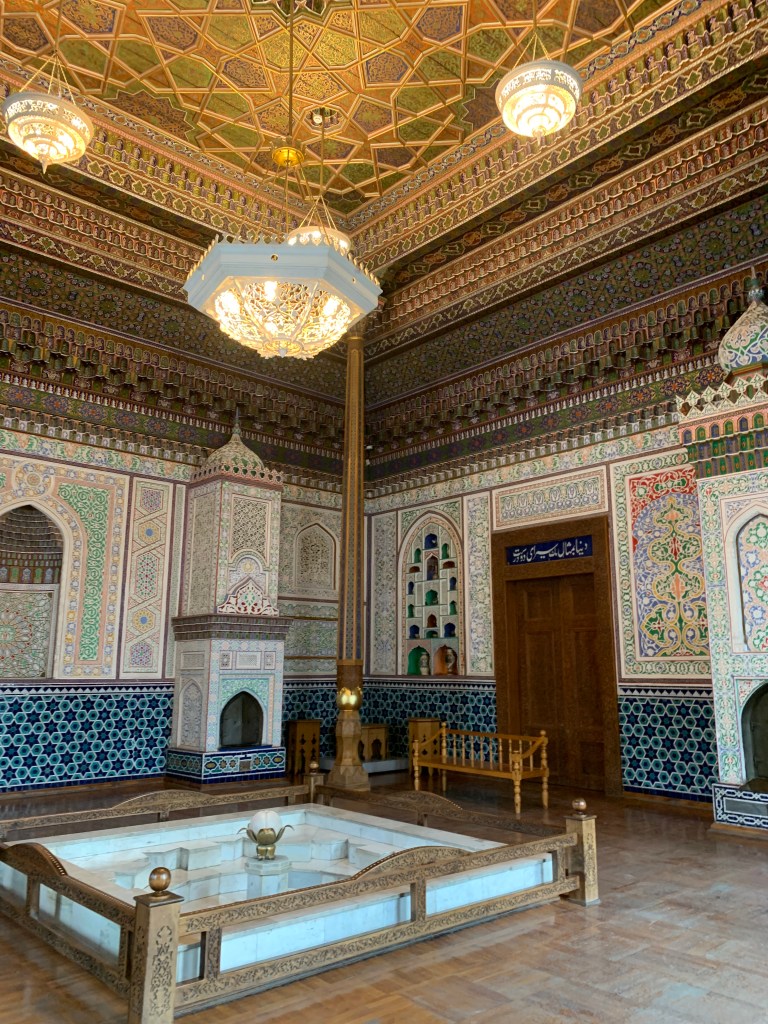
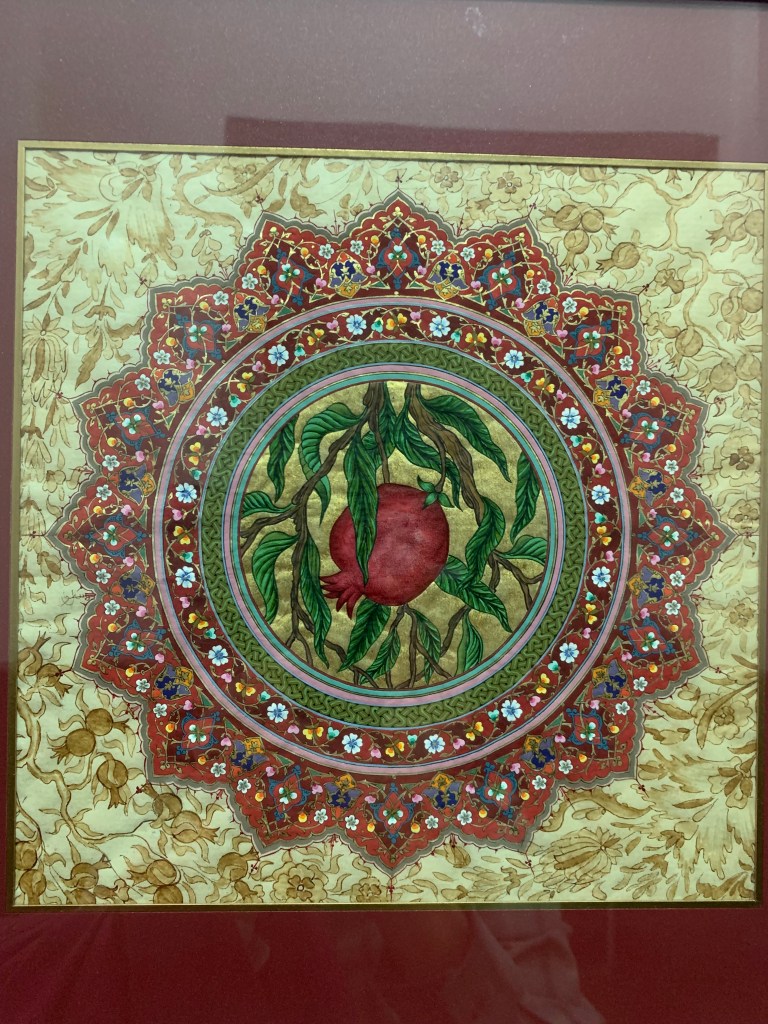
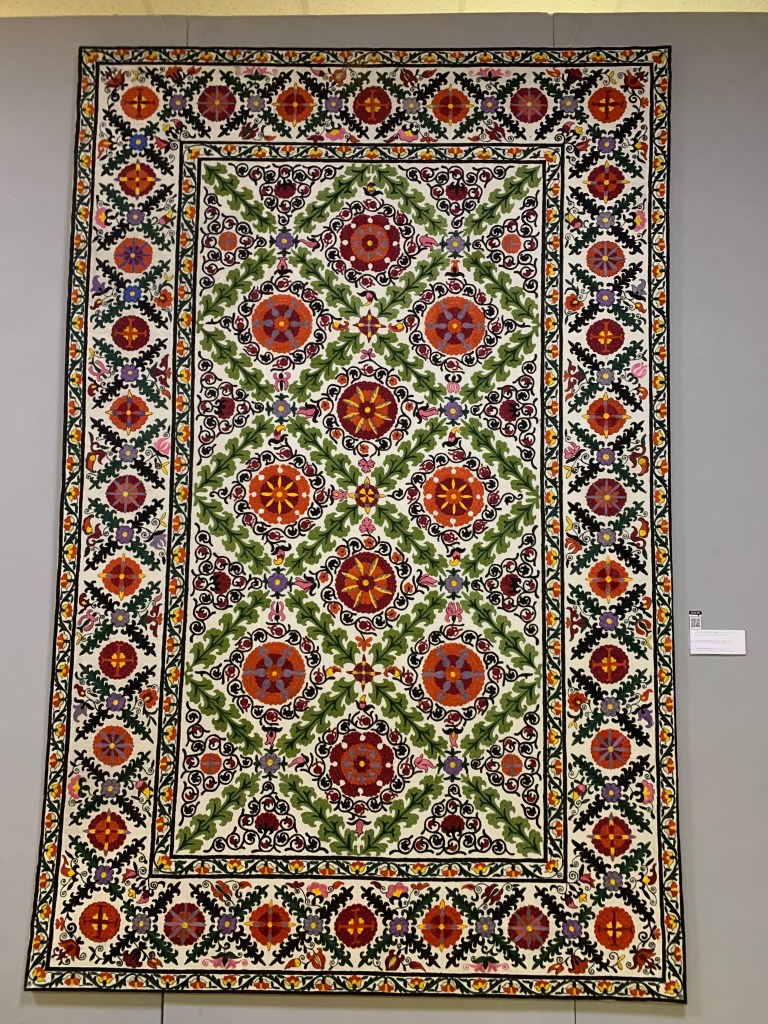
The Museum of Applied Arts showcases the intricate, painstaking work done in textile, embroidery, wood, metal, musical instruments. The detail is stunning and one can but stare at such dedication, skill and patience.

And tomorrow – Samarkand.
 Maribibi_travels
2 responses to “Tashkent, Uzbekistan”
Thanks for this article, hoping to get to Uzbekistan this year!!! X
LikeLike
Fantastic pictures and wonderful buildings in amazing colours and designs … absolutely fabulous ! Anne
LikeLike