The 2 trains from Bukhara to Khiva are the night ones that start in Tashkent or Andijan, in the east of the country. Got up at 02:30 for the 03:52 train, which I caught by the skin of my teeth – the taxi booked by the hotel turned up late and I had to run – the station entrance is a long way away from the drop off. Running with a heavy rucksack on your back may be ok if you want to join the SAS, but it’s not for me.
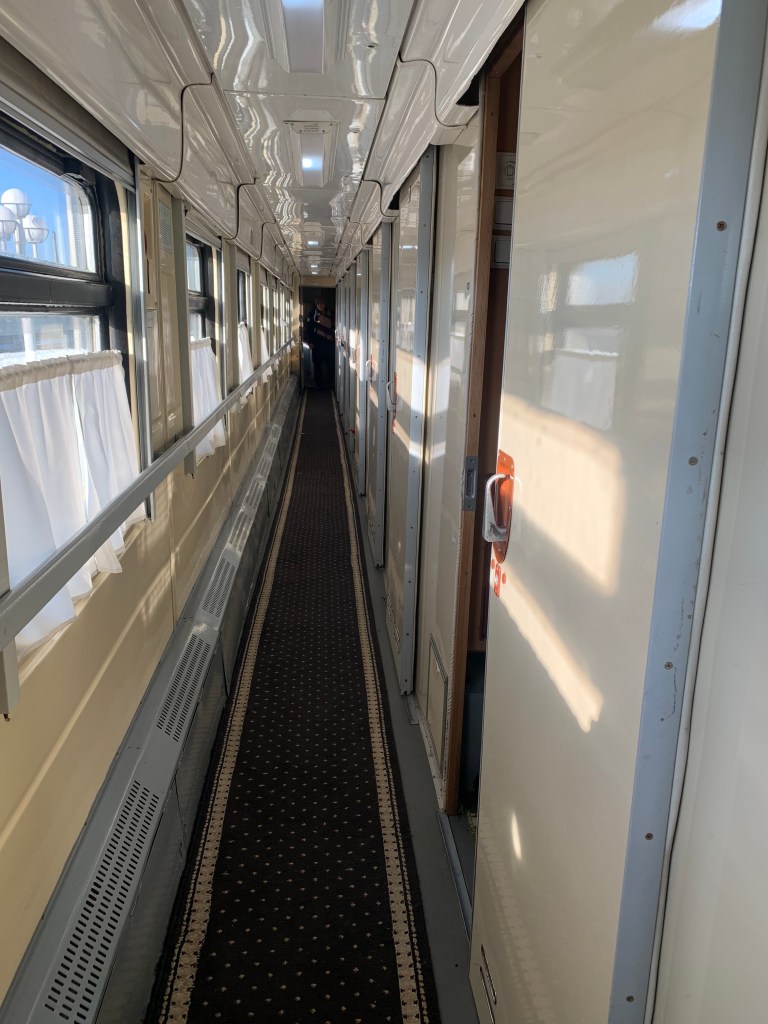
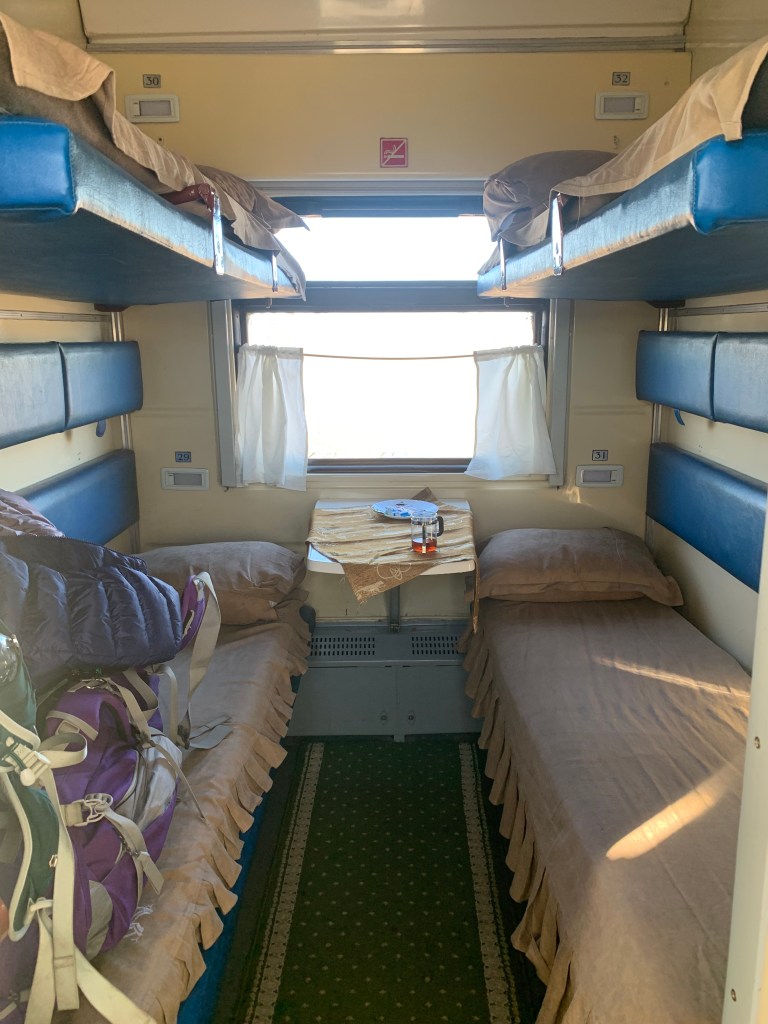
This train was the old Soviet stock, with a diesel engine (the line is not electrified beyond Bukhara) and old-fashioned coupe style sleeping berths. I settled quietly in mine in the dark, aware there were 2 people in the bunks opposite. (They were two brothers, in their 50s or so, returning home to Urgench from a wedding in Navoi. Their womenfolk (four) were in a different cabin. We had a nice chat in the morning over the railway- provided cup of tea and they gave me a large round of filo pastry bread (patir). Chewy and very tasty - a kind of borek with no filling.
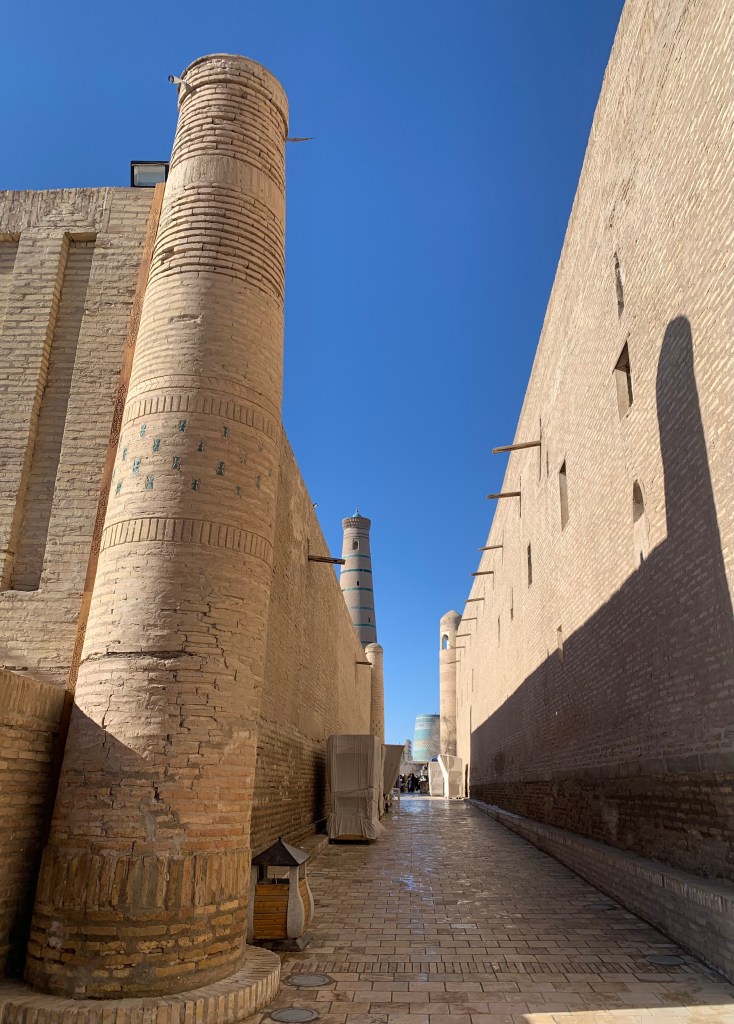
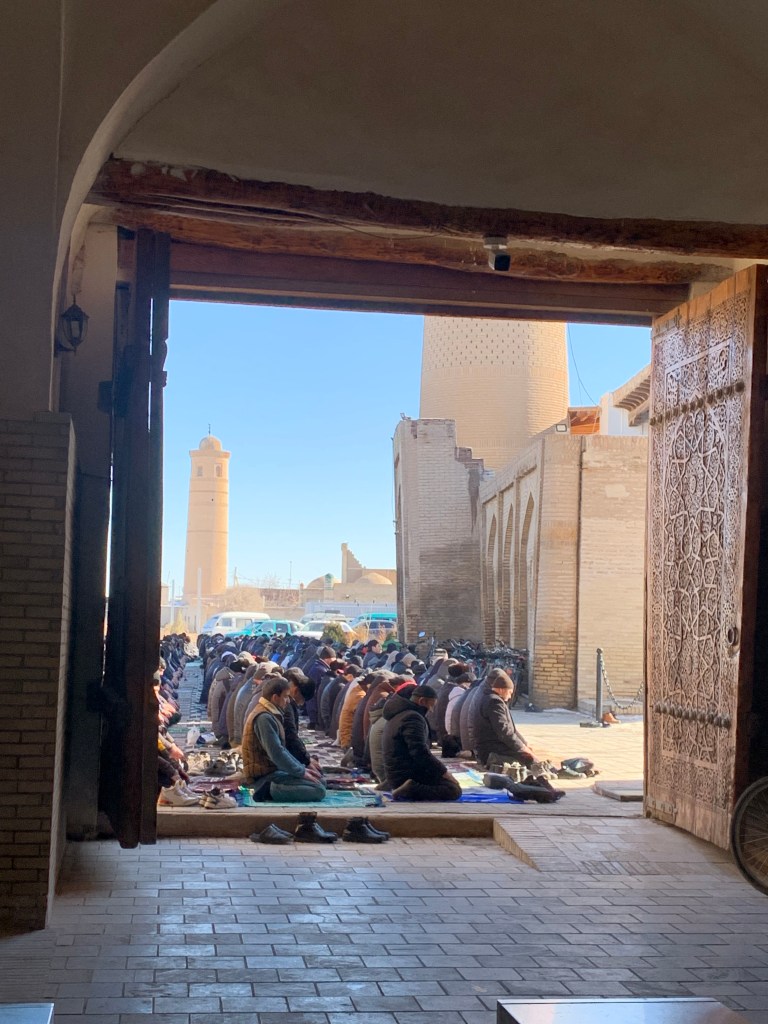
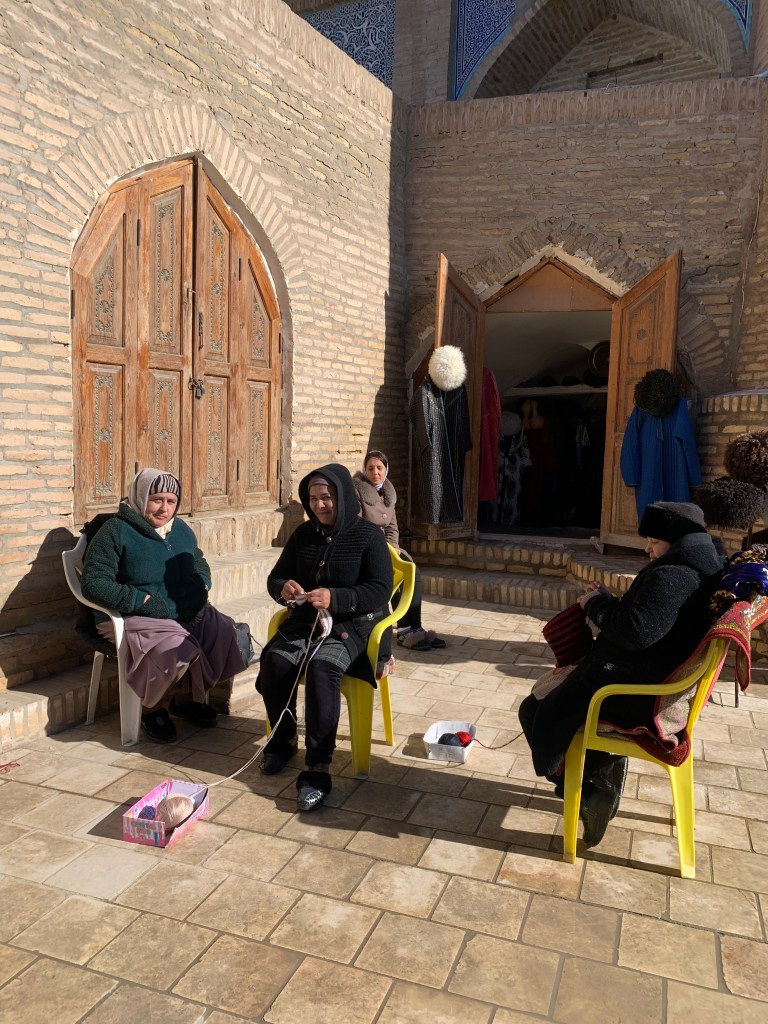
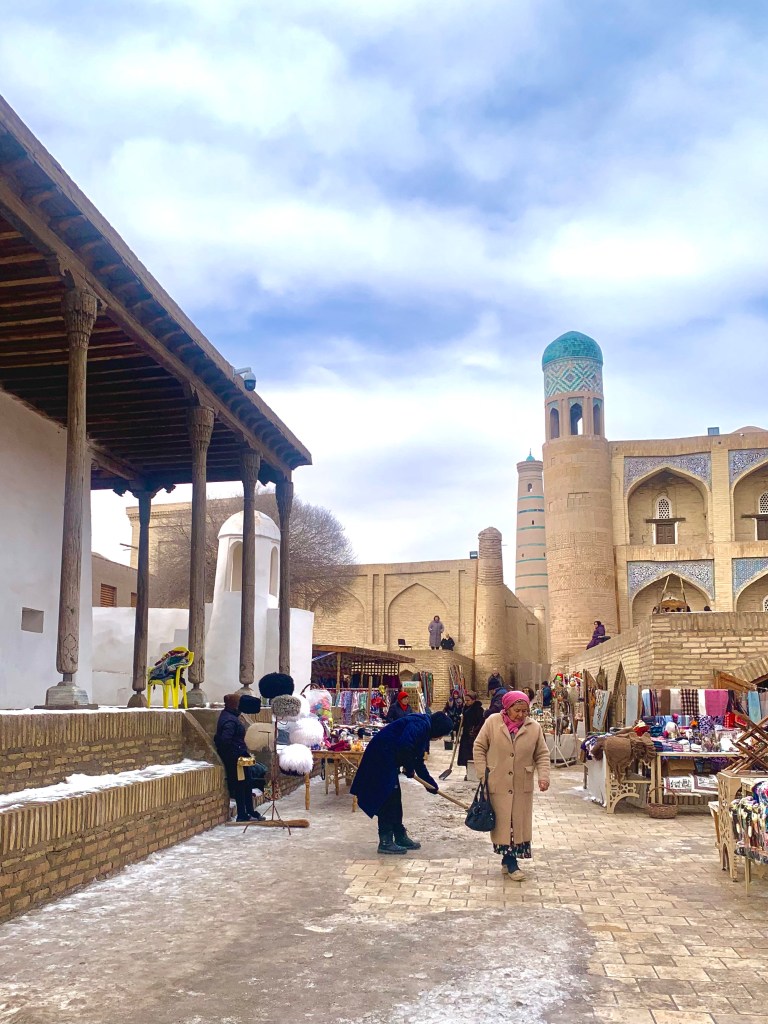
I was, yet again, the only guest in my hotel, the Khan’s Palace. (A friend has suggested that I should call my blog “I was the only visitor”. ) All of the Old Khiva inner city, the Ichan Qala, is a museum. The thick walls surround it, and the guide says it is possible to walk along part of them – at present, very little, maybe 50 meters near the North Gate. The town thrived for centuries (and was sacked and rebuilt) and grew on the Silk Road goods travelling to and fro. As it spread, another wall was built further out to accommodate this – Dichan Qala, much bigger and having 11 gates. There are some buildings of interest there (such as the 19th century Nurallabay palace, and some of the walls are still there, but it is the Ichan Qala we all come to see.
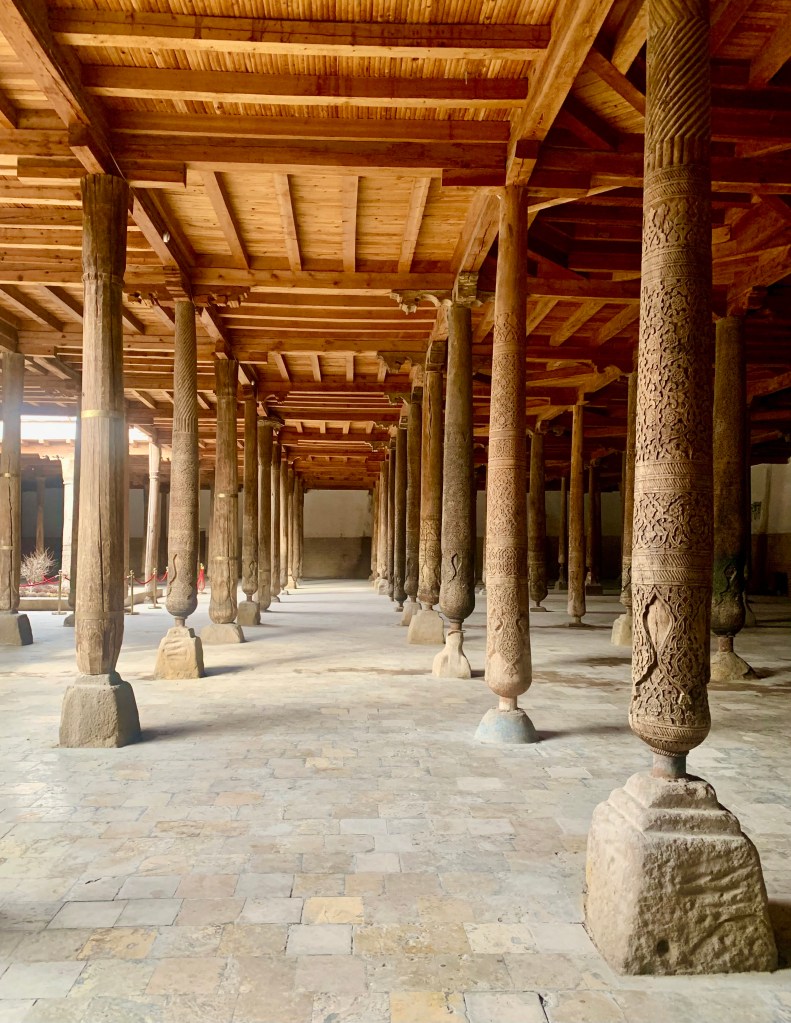
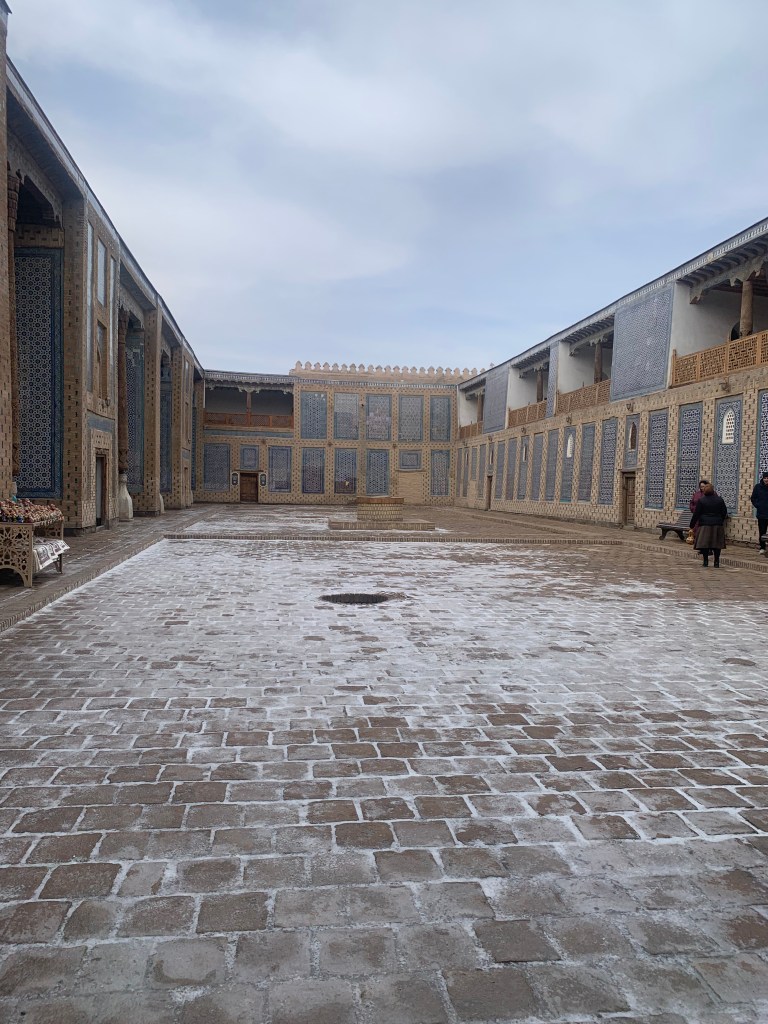
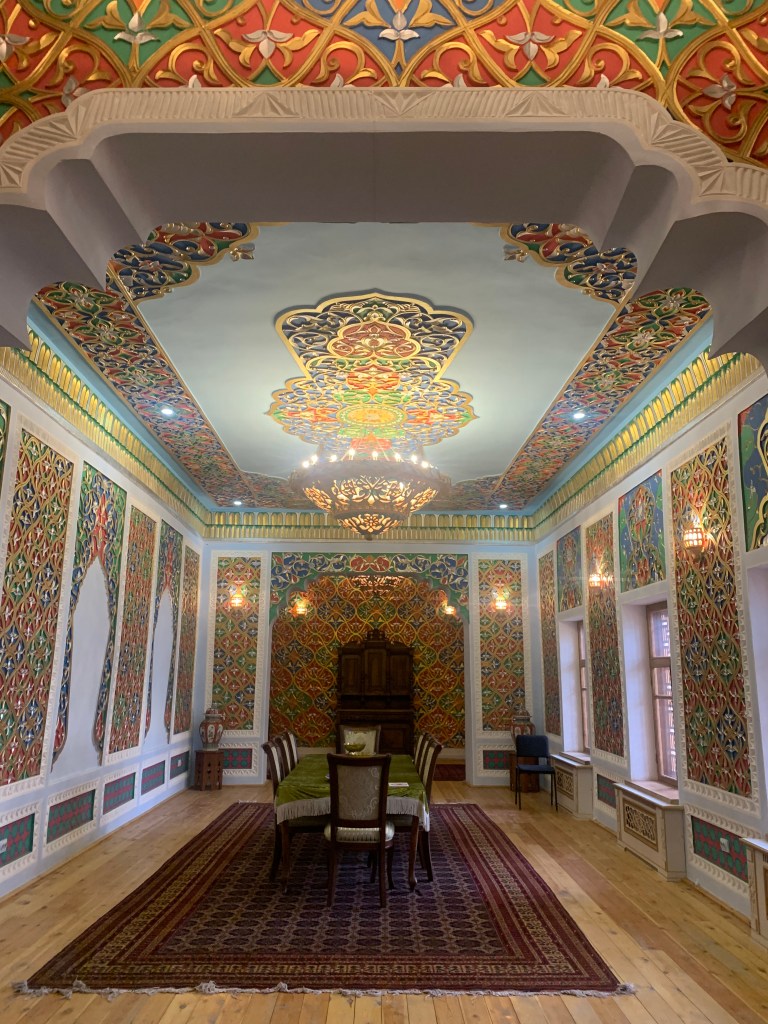
One of the courtyards in the palace is surrounded by the buildings of the Khan’s harem. The 4 official wives on the left, the 40 concubines on the right. Though it may not have been exactly 40 – it is a number used in muslim lore to denote ‘many’ – Alibaba and the 40 thieves, the 40 virgins being pursued by the enemy and hiding in caves…
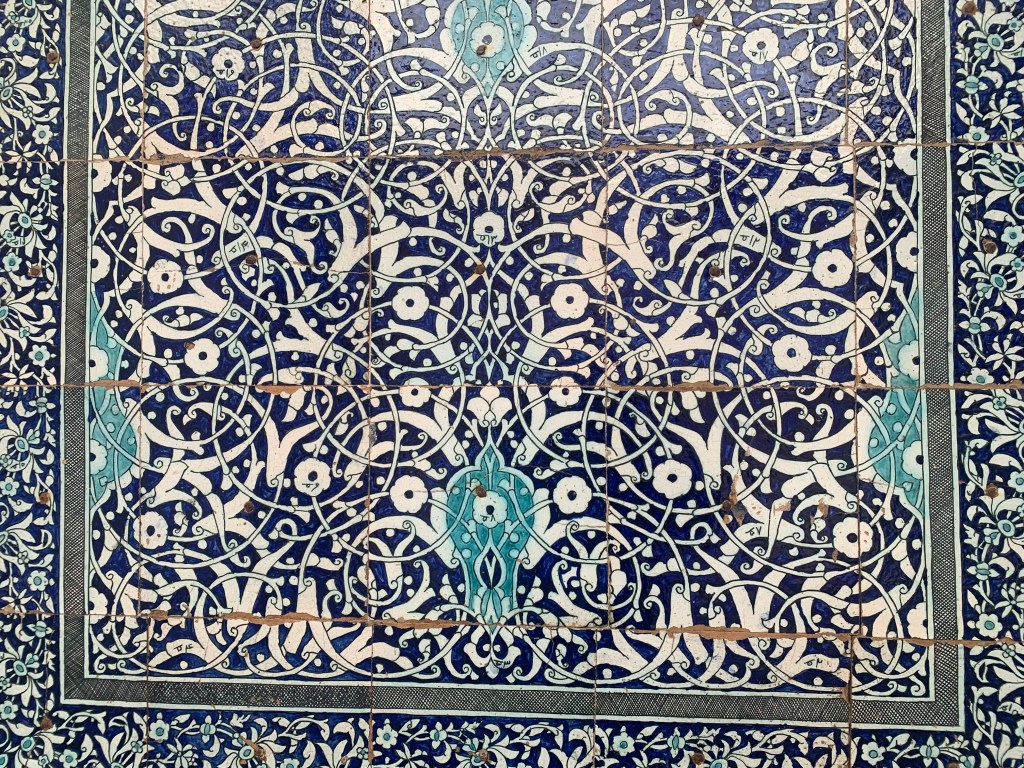
The beautiful, original majolica tiles from the 18 ct can be recognised by their Arabic markings (to help match patterns). The new ones have the markings in latin script.
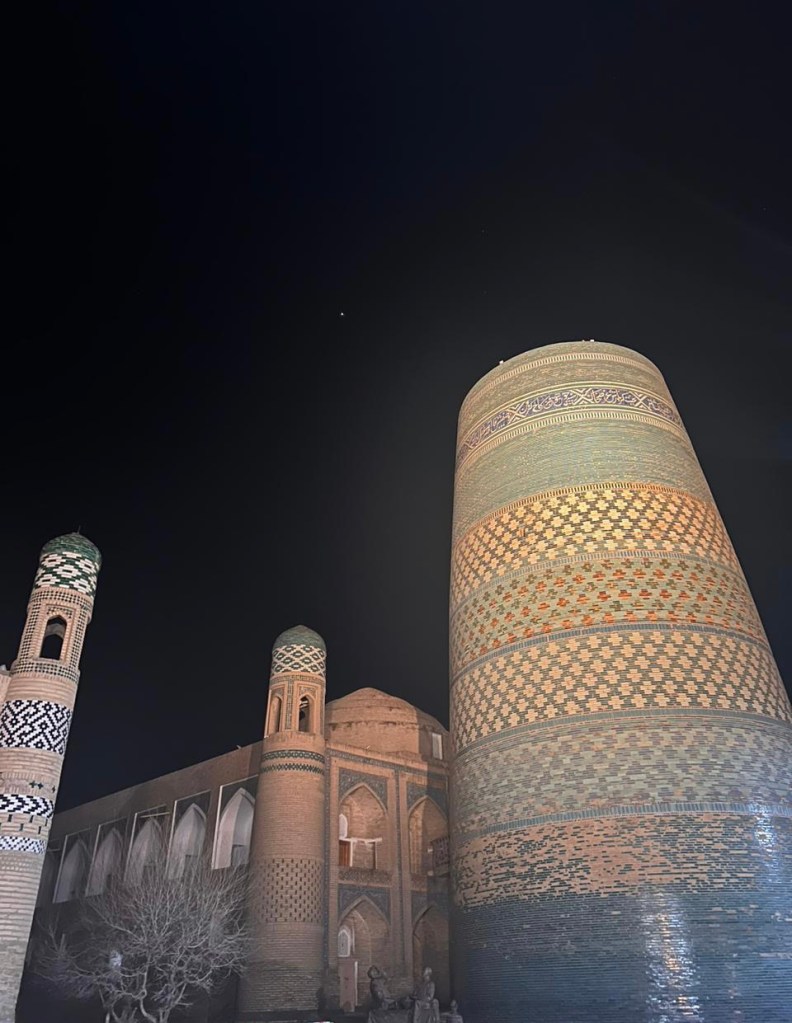
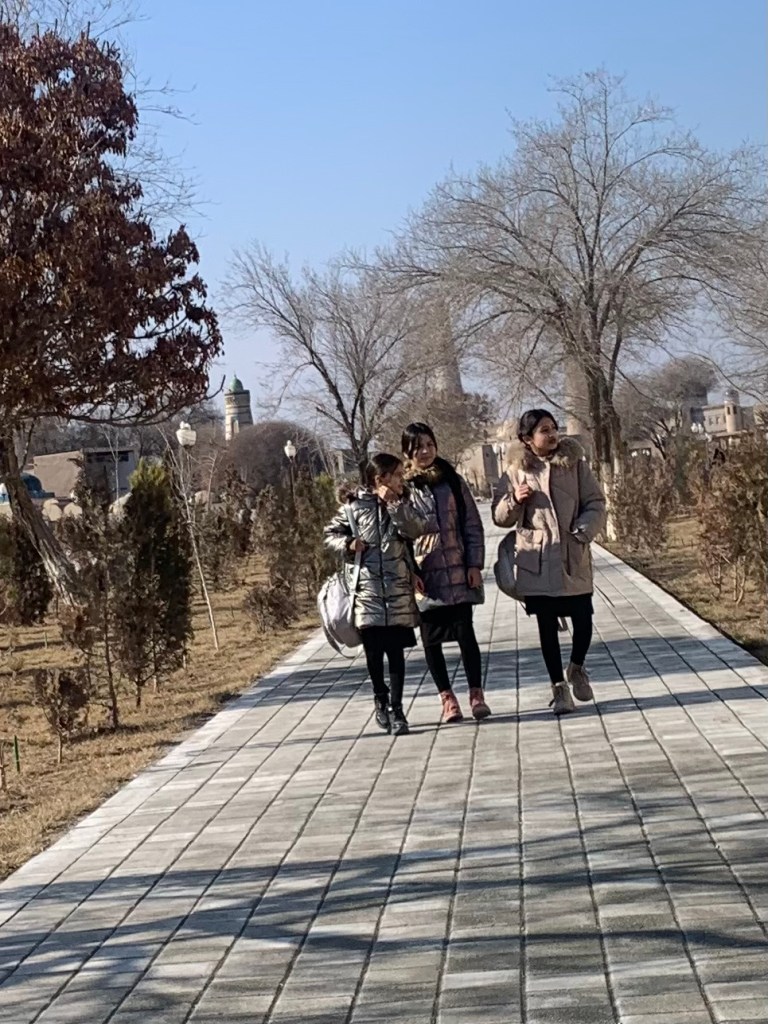
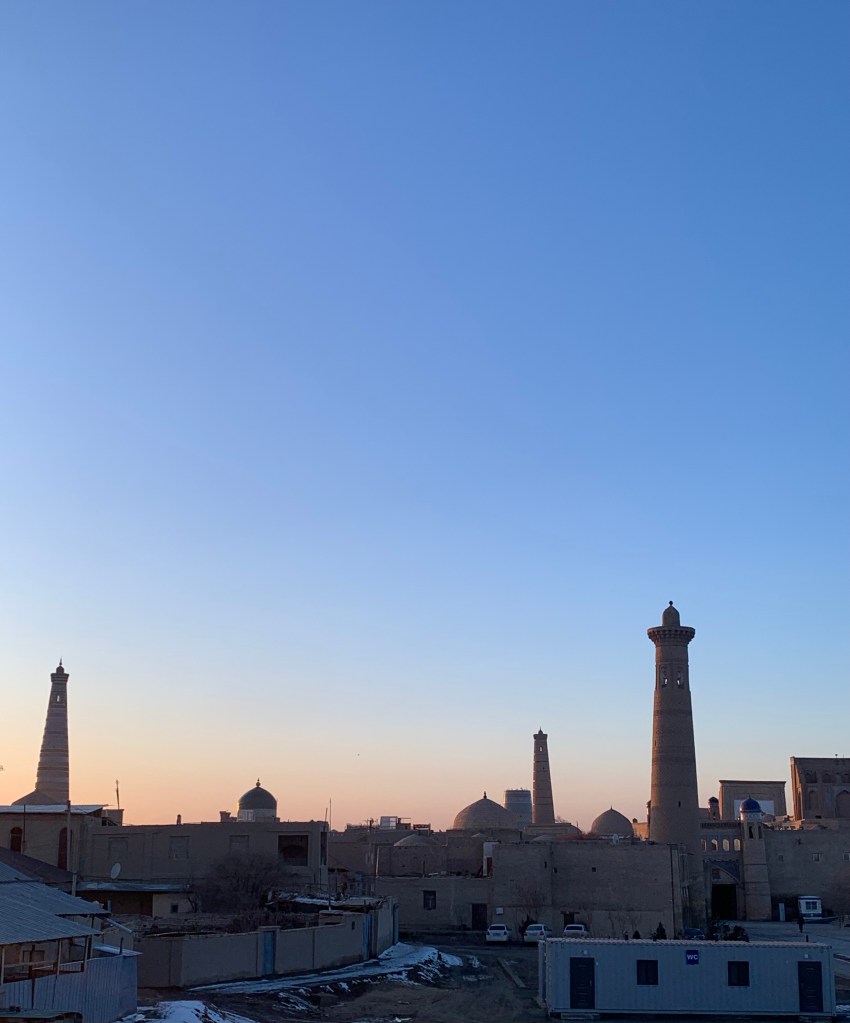
There is a timeless feel to walking along the quiet streets of the old town of an evening, minarets rising by the mosques, madrasahs and caravanserais standing shoulder to shoulder, the large, carved gates to the Khan’s palace closed for the day.
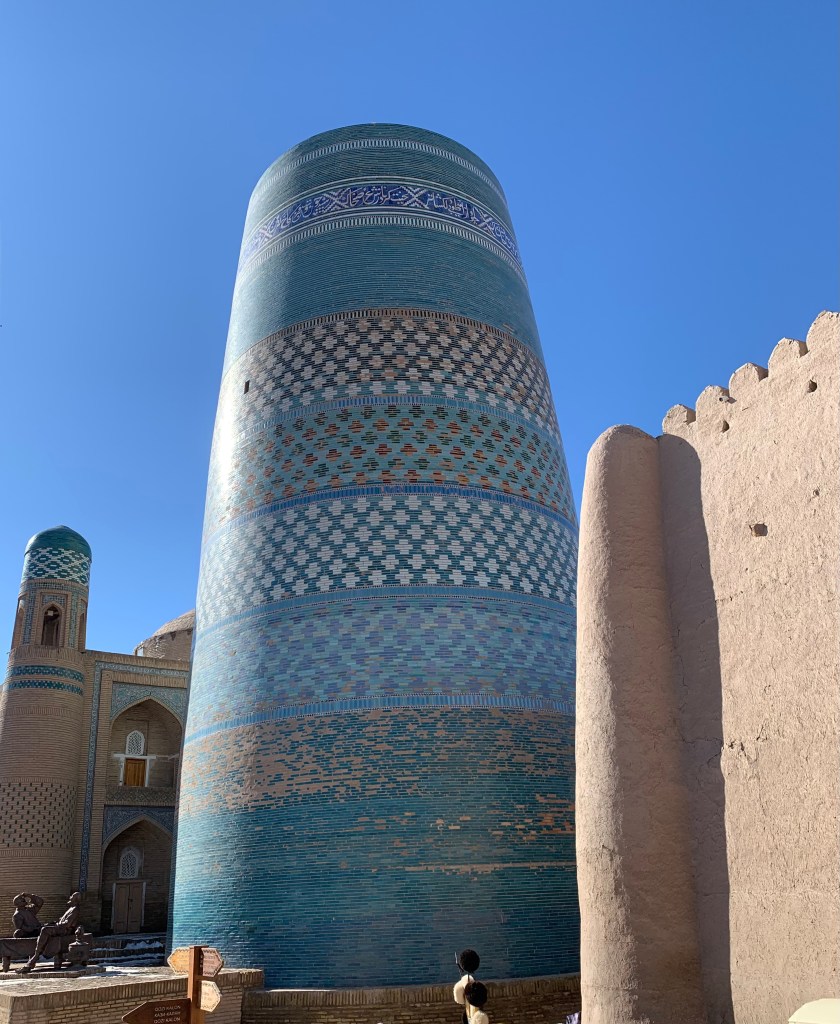
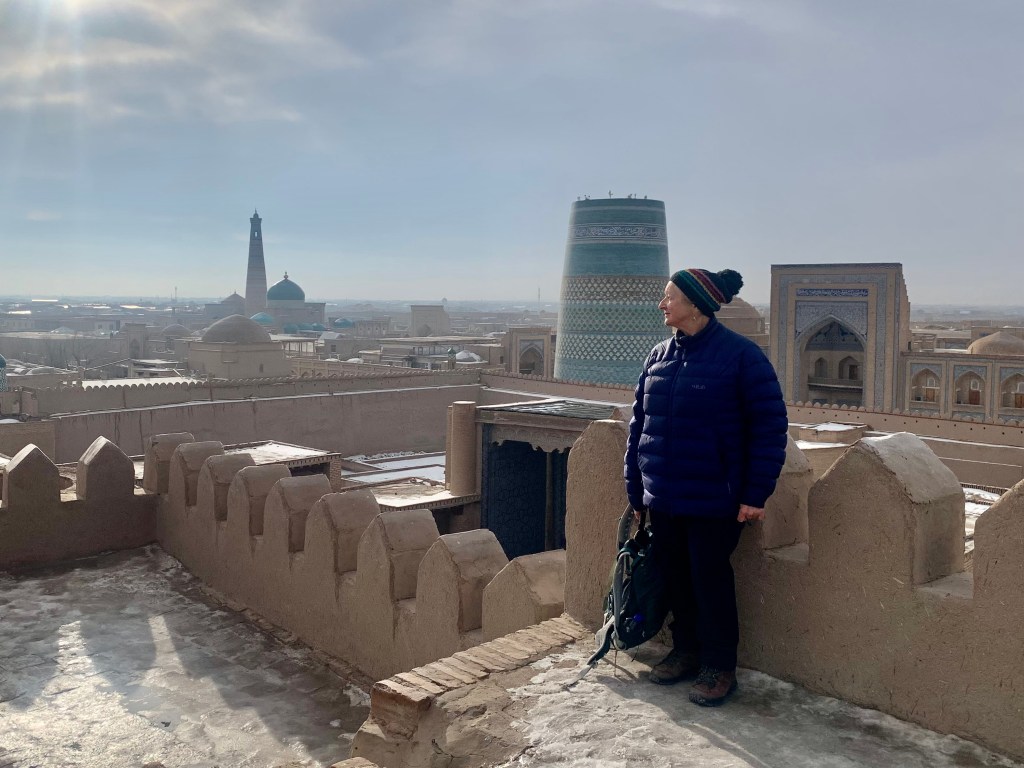
Old Khiva is under UNESCO protection. The renovations are done sympathetically. Some madrasahs have been made into hotels – one of the biggest is the East Star hotel, next to the postcard pretty 19ct Kalta Minor minaret, the large, beautifully glazed but unfinished minaret ( 29m – it was to be 70-80m tall, but Muhammad Amin Khan died in battle half way through the construction and the heirs did not carry on). Several more caravanserais and madrasahs are in the process of being converted to hotels and crafts and souvenir shops. There has been a suggestion from the Presidential office that the remaining 250 or so families that still live within the old walls should be moved out and the dwellings made into tourist accommodation. Thankfully, it has not been enacted (so far).
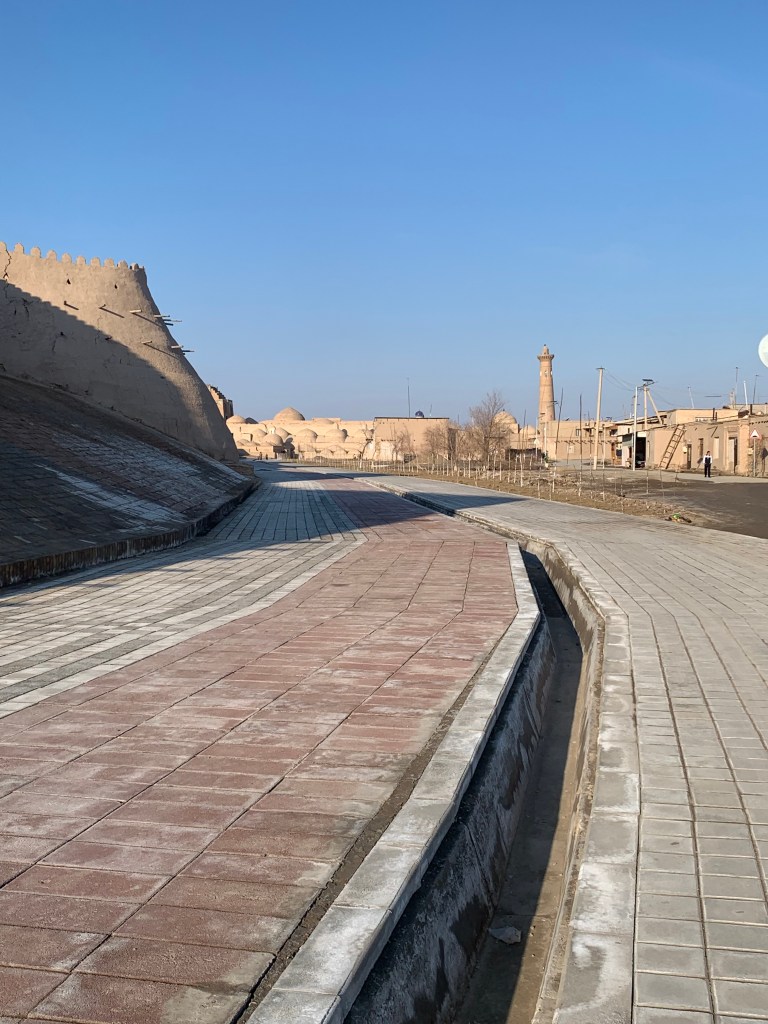
I’m not certain why all the culverts are left uncovered – even at pedestrian crossings. It must be a nightmare for pushchairs and wheelchair users (haven’t seen many).
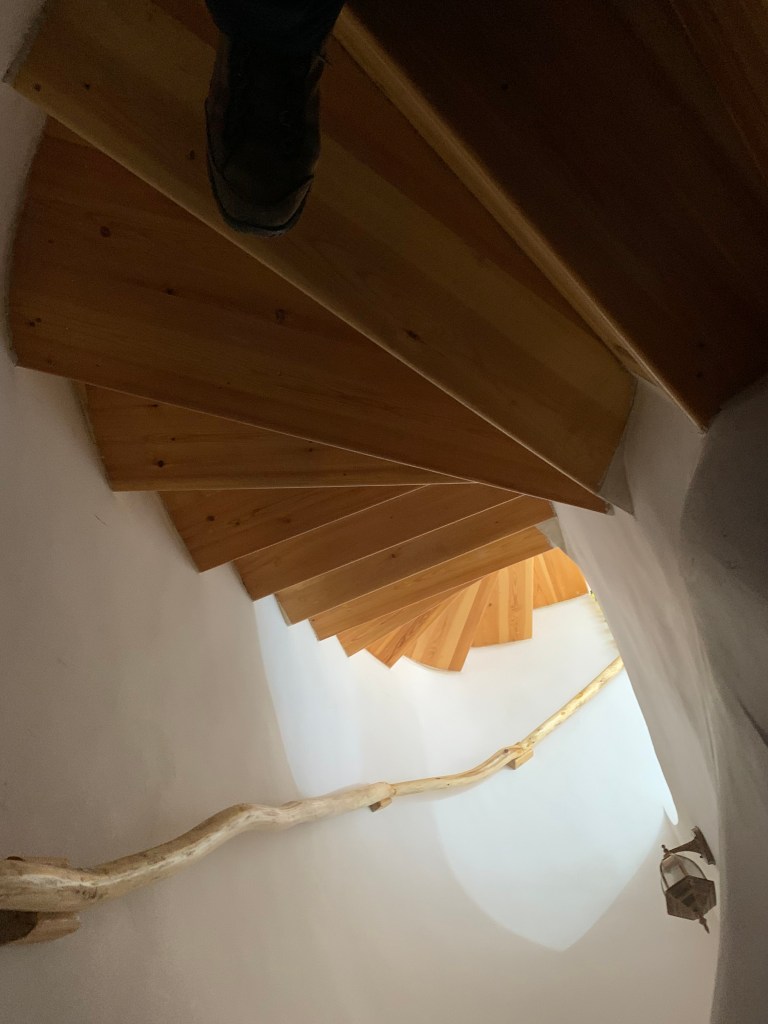
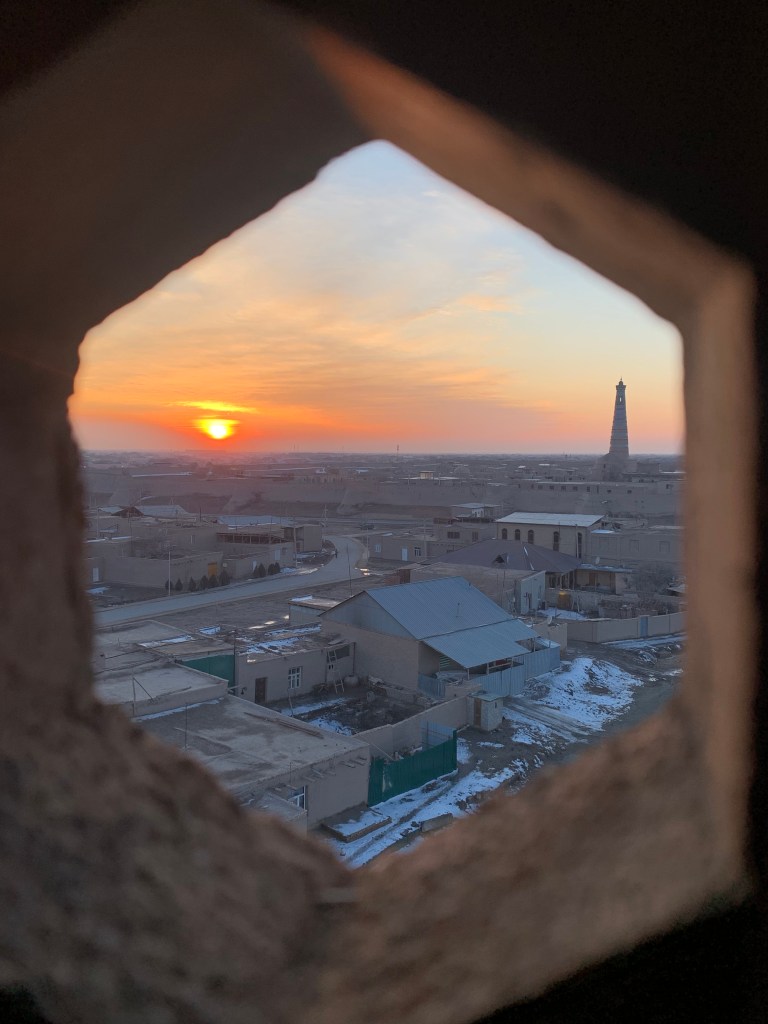
I was told that the best view of sunsets over Khiva was from the Polvon Ota hotel, near the East Gate. The hotel used to be a madrasah, and access to the upper floor is a challenge – steep, spiral staircase (and no lift) – how do they take the luggage up?. But the views over the city are rewarding. They are even more spectacular from the adjacent minaret. Even if the climb is up yet another spiral, dark, narrow, uneven staircase.
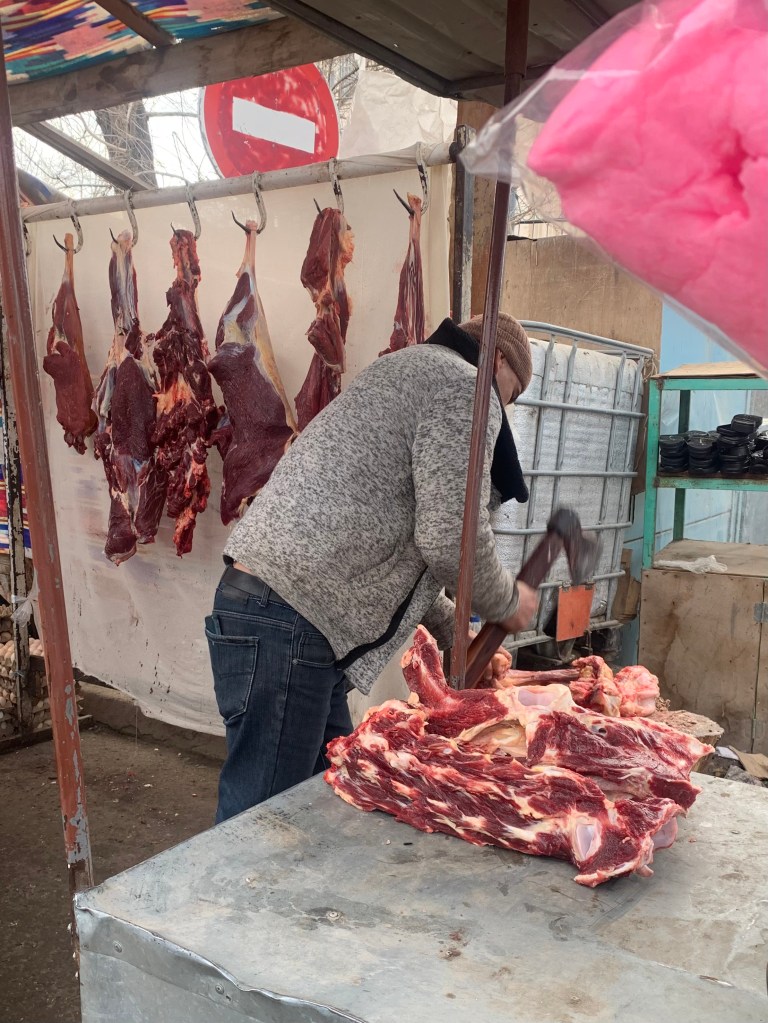
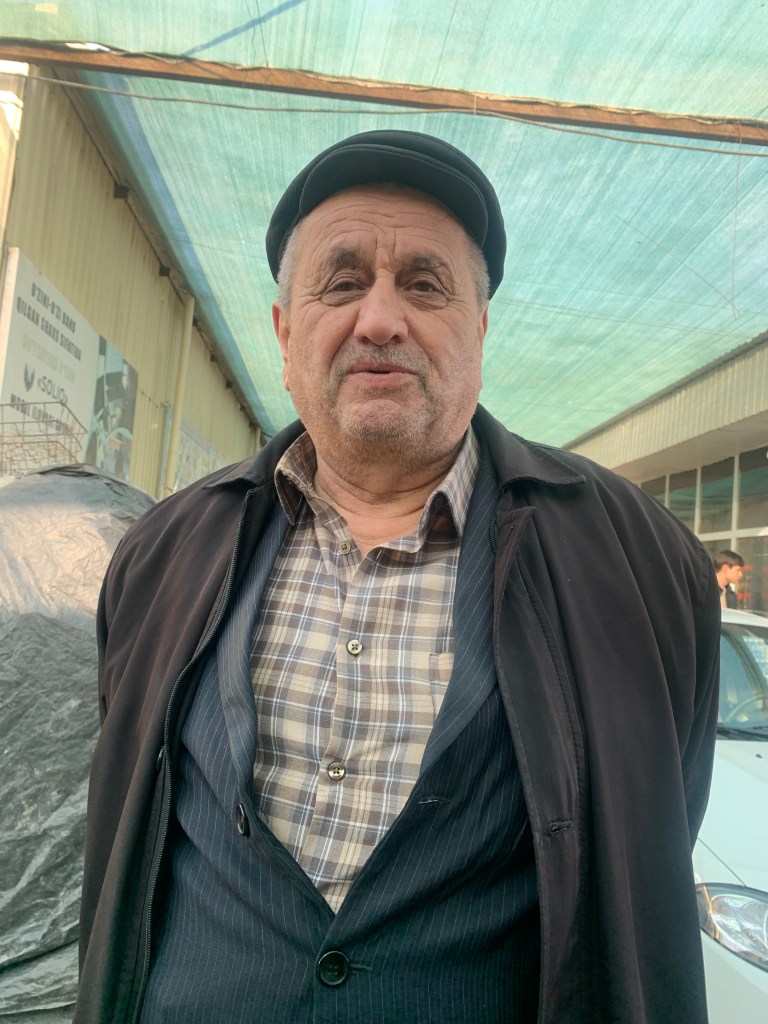
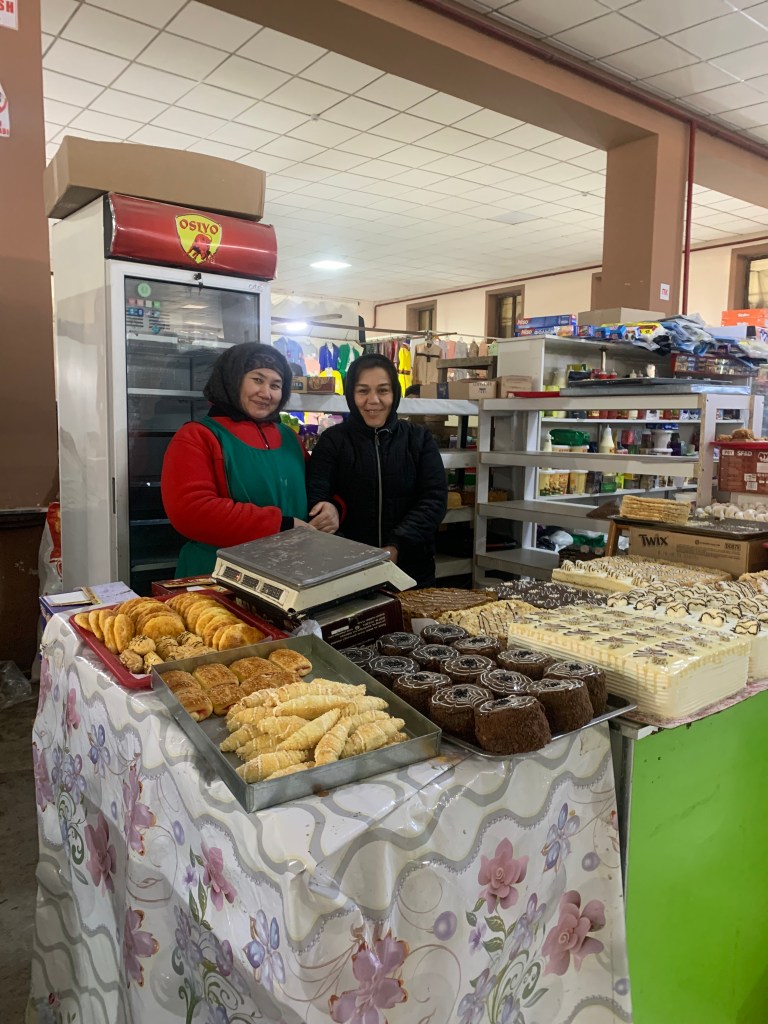
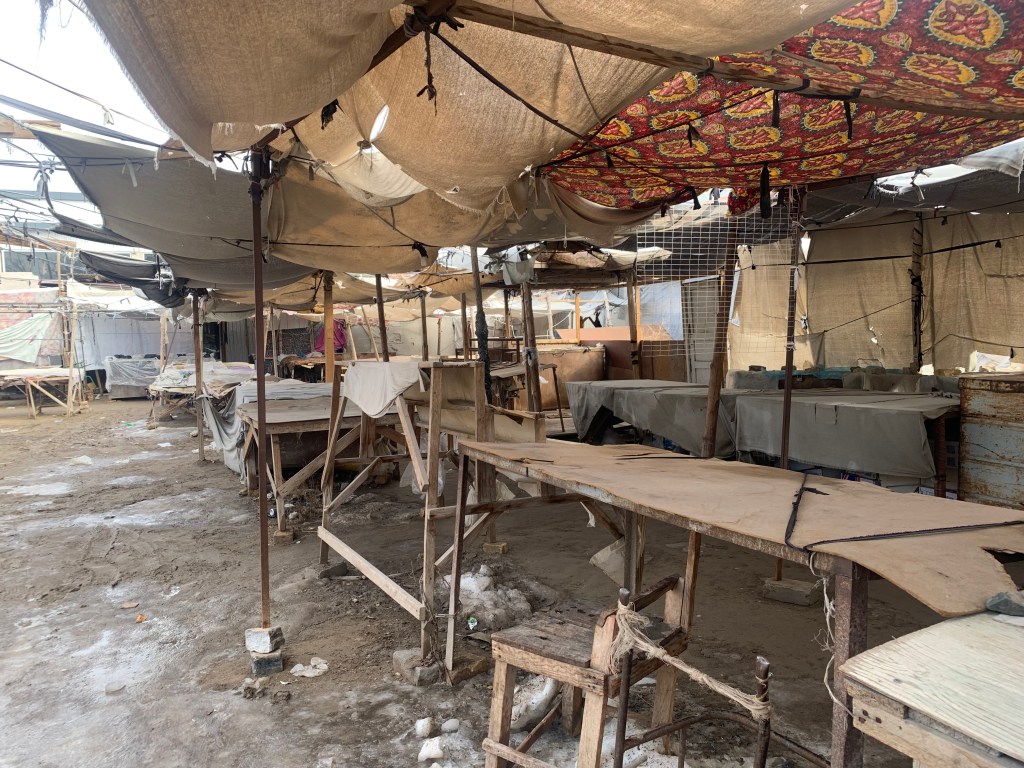
The markets are places that permanently fascinate me. The way food and goods are displayed, the variety of merchandise, the way people behave. I have been greeted often as I wander around, asked where I was from (and, of course – how old I was), what did I think of their city… And whenever I needed help in finding a place, people have been invariably helpful – often taking me to within sight of where I wanted to go.
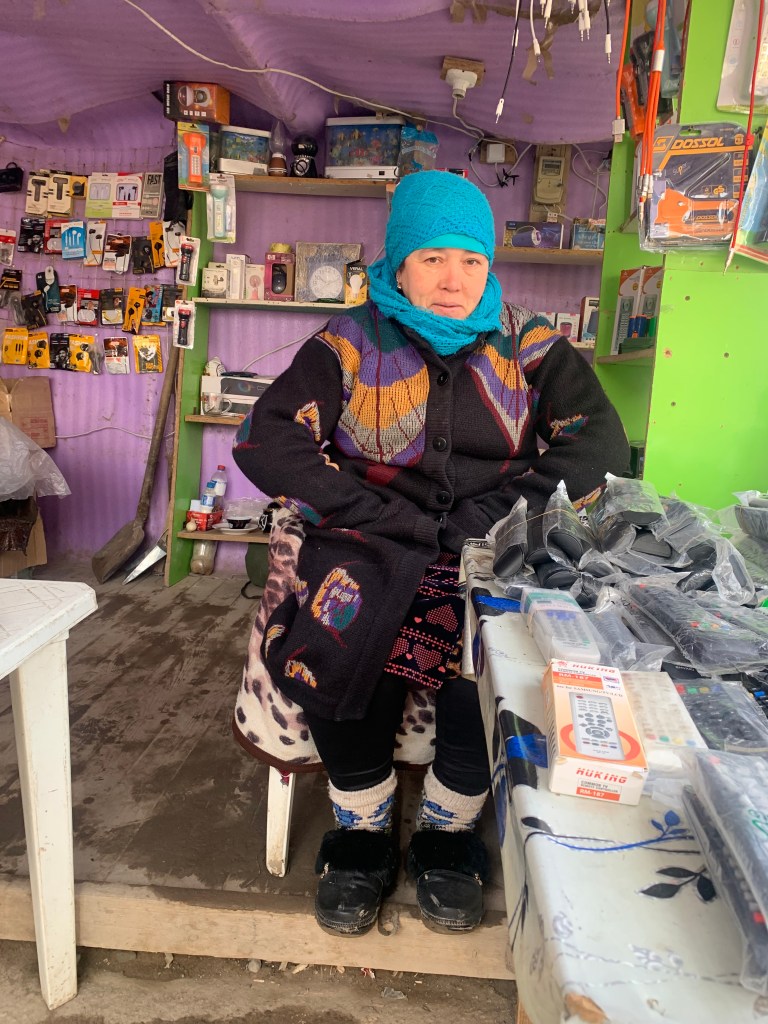
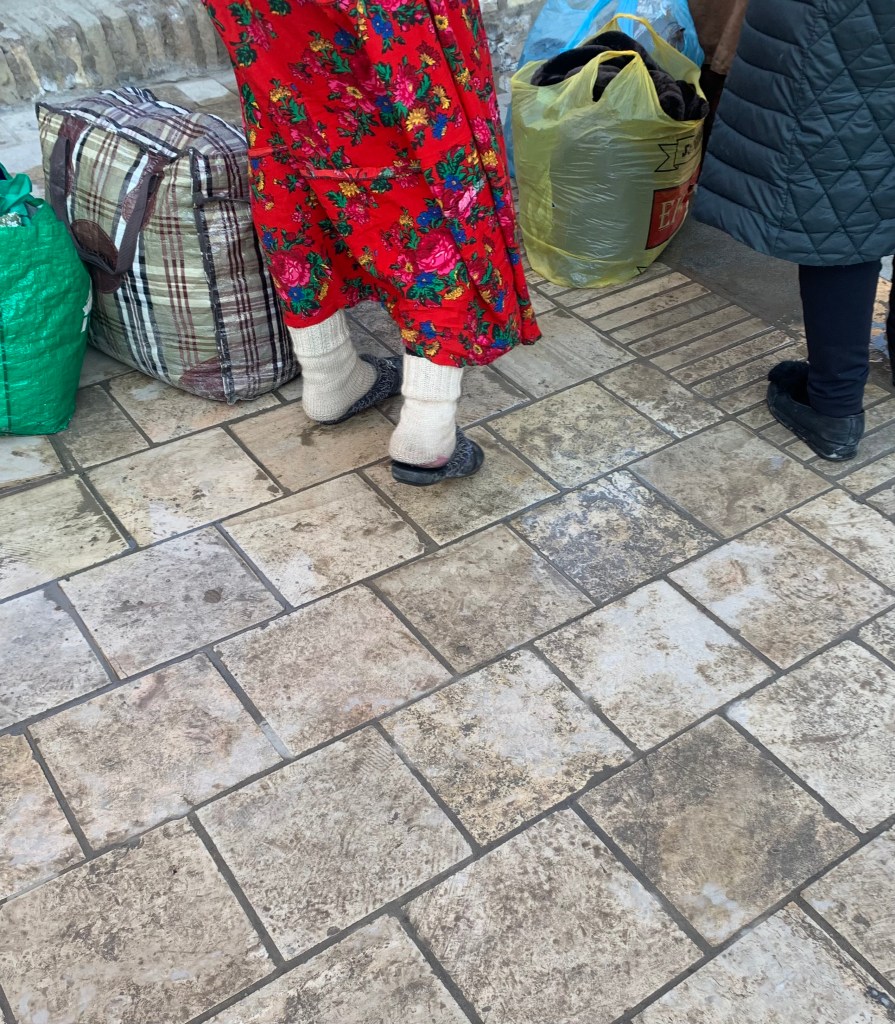
The women’s footwear was another thing that caught my attention, especially the vendors at the market. They wear several layers of (hand-knitted) woolen socks and then stick their feet, or however much or little will fit in, into a slipper. Most of the time the heels are hanging free.
So many people have gold teeth. I wondered why – one explanation was that it was a hangover from Soviet times, but no explanation as to purpose – was it decorative or needed because of poor teeth/diet or poor dentistry?
I shared a dinner with the Chinese girls I had met along the walk to the taxi “rank” at Khiva station- between us we drove a hard bargain and got a ride to the old town for a third of the asking price. We were going to share the cost of the excursion to see the forts in the Karakalpak desert and the Igor Savitsky museum of disapproved 20th ct Soviet artists in Nukus, but it didn’t work out (Jing is doing a PHD in anthropology and wanted to go to 10 fortresses – I wanted to see the art).
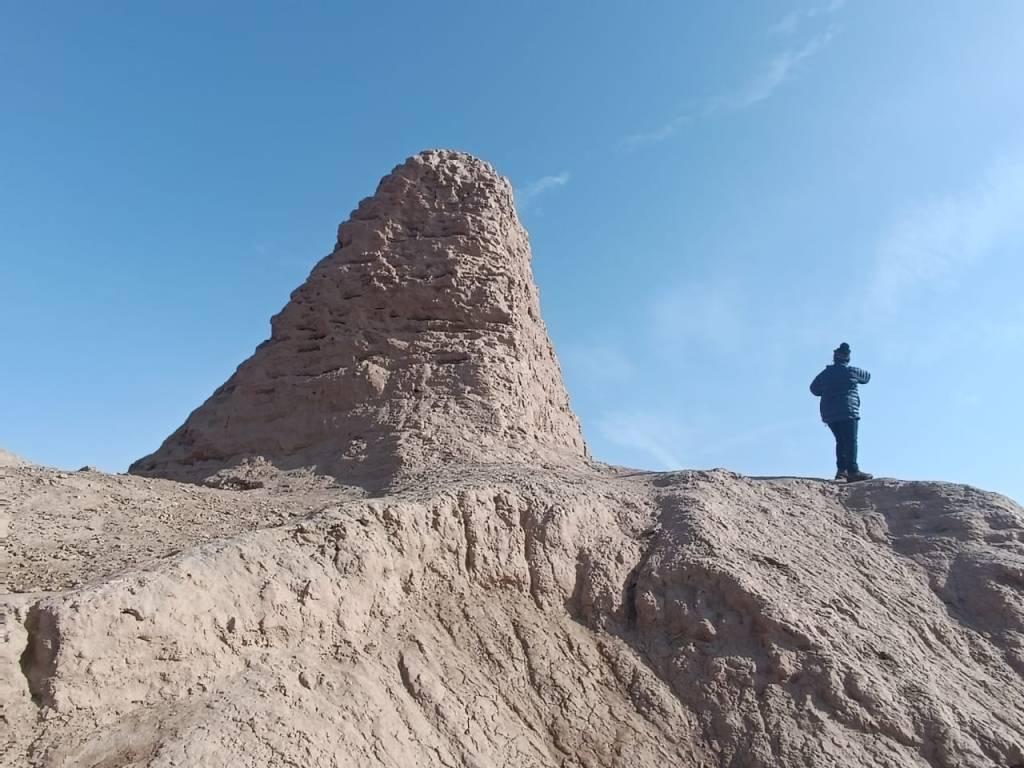
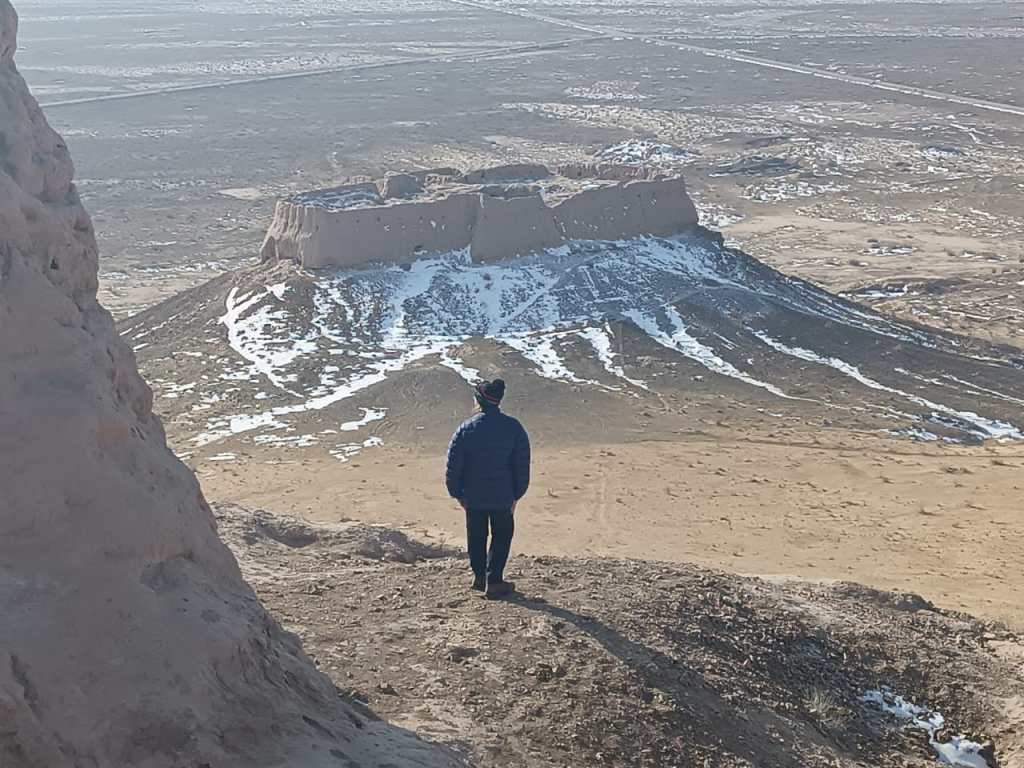
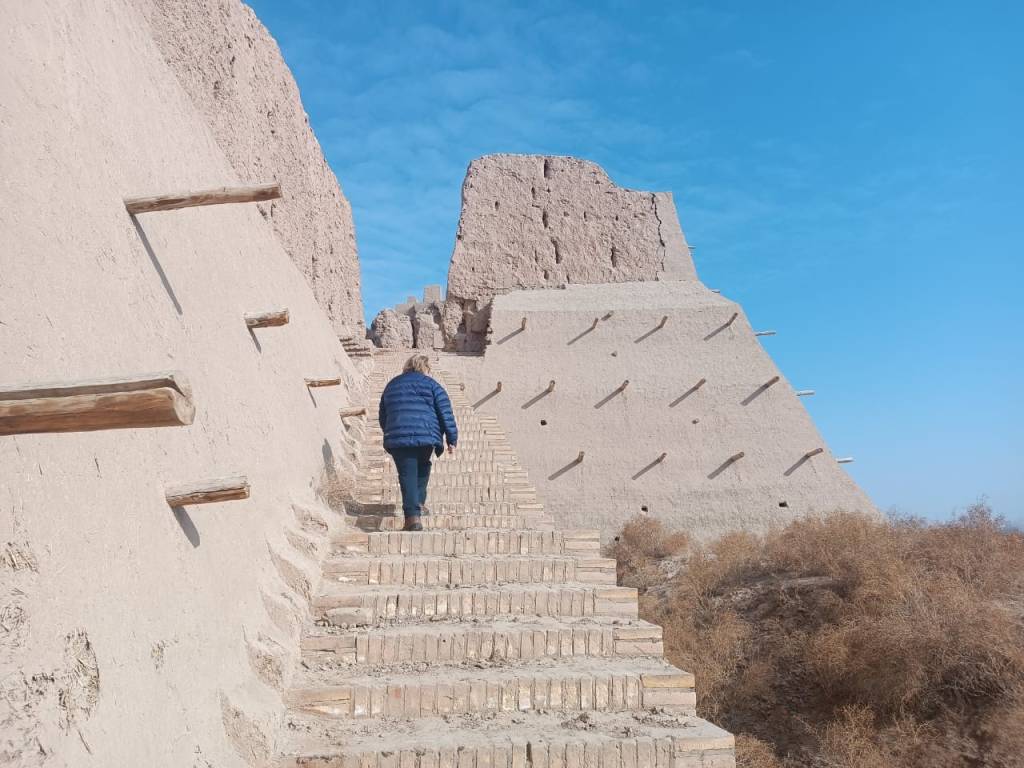
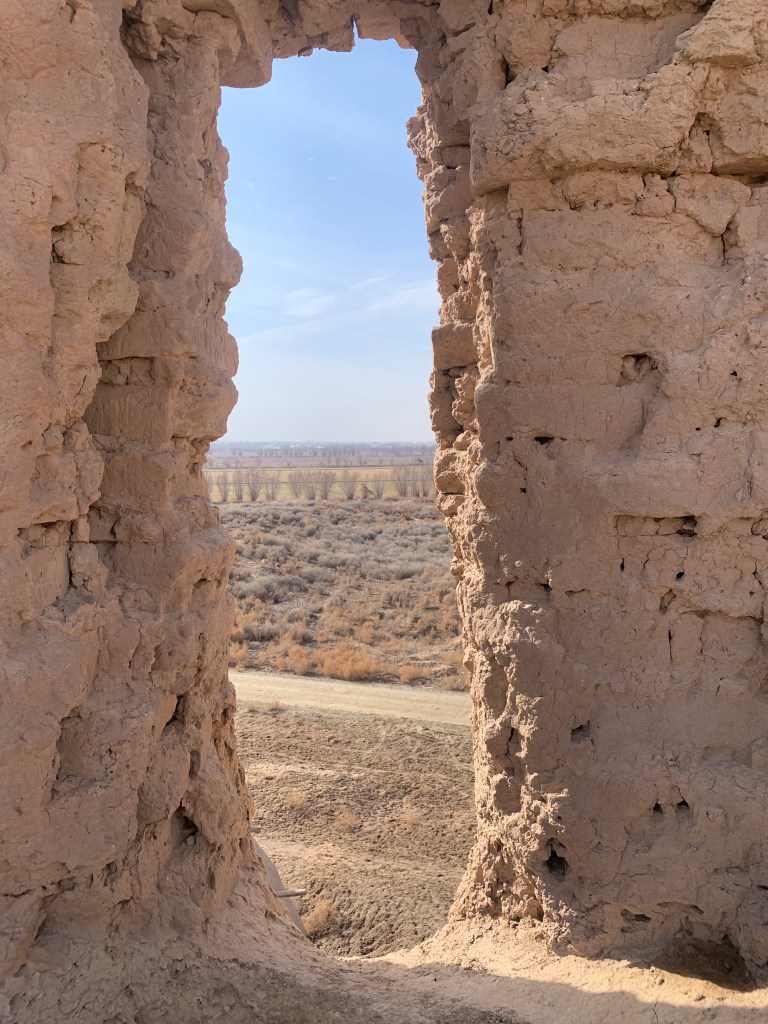
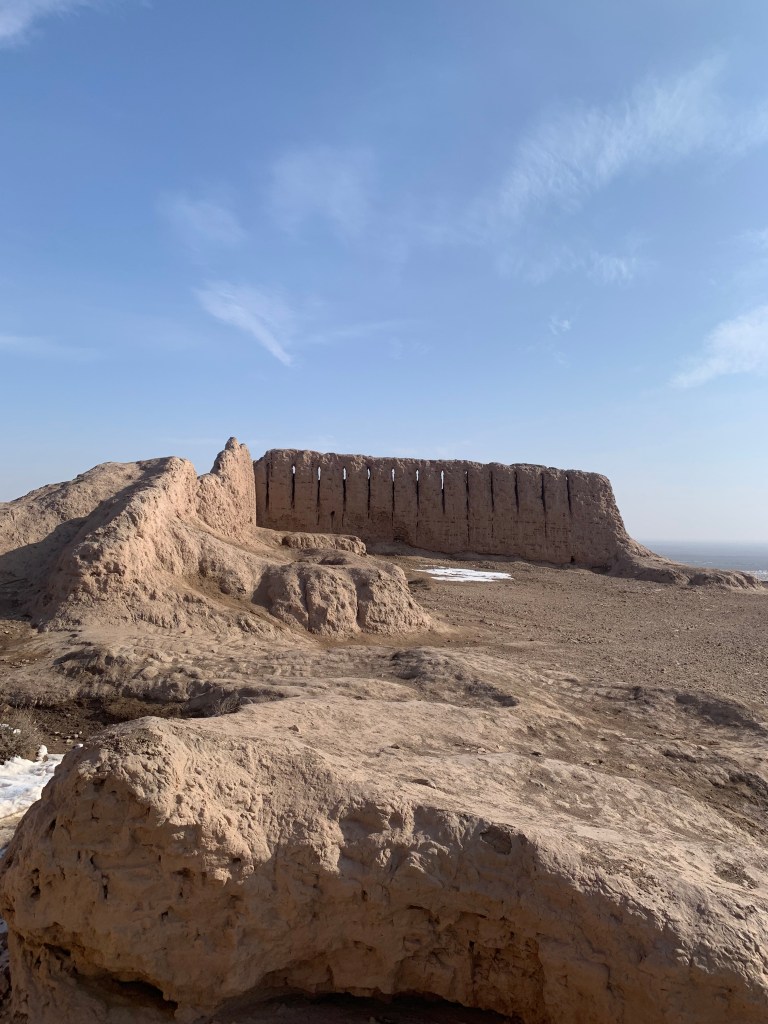
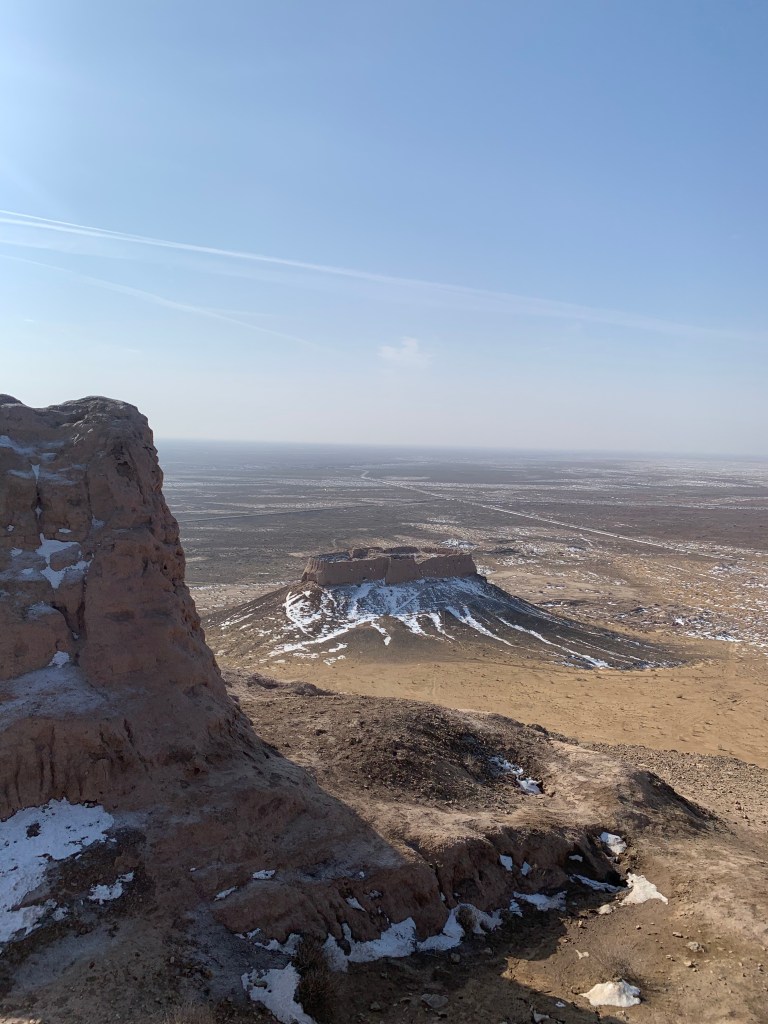
There are some 50 forts dotted around the Karakalpak (kara= black, kalpak=hat/cap – the land of men who wear black hats) desert, though not all have been excavated or explored. The 4 I visited gave me a good idea of what they may have been like in their heyday: thick, well fortified walls, 360 degree views over the plain, room for the garrison and villagers.
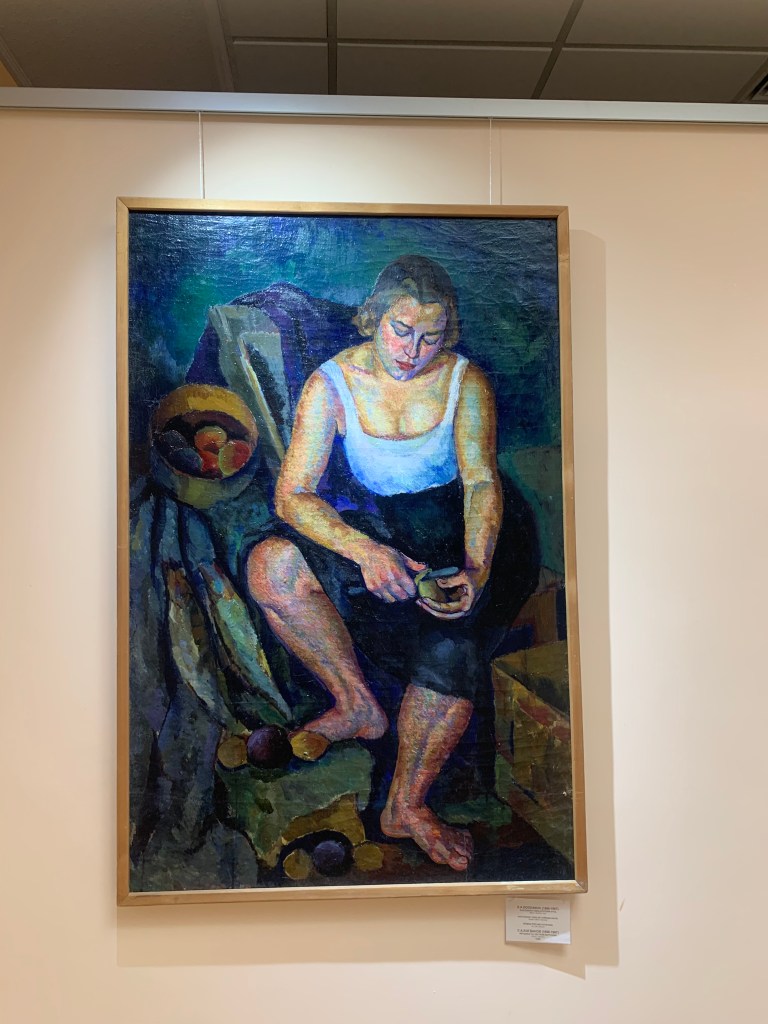
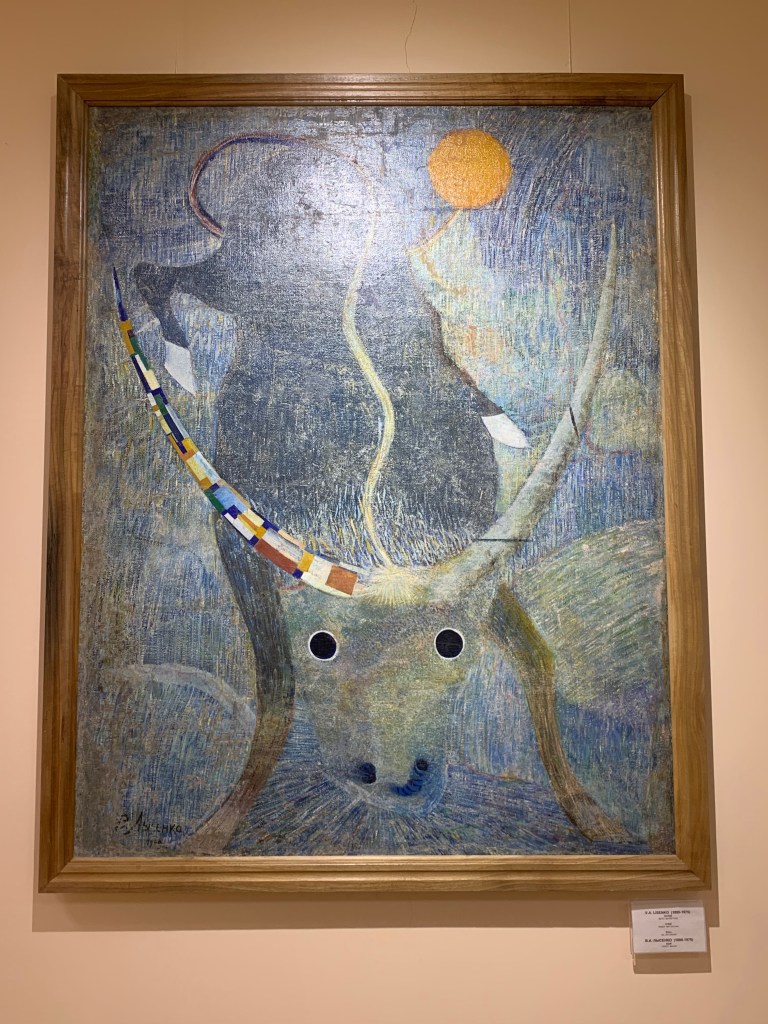
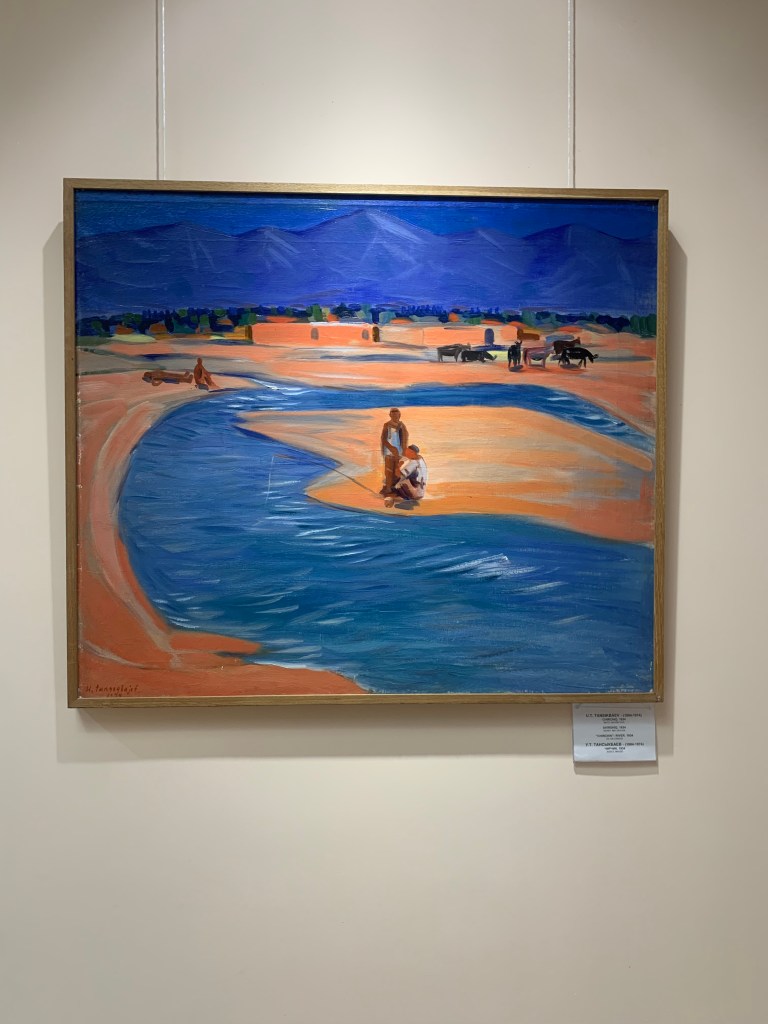
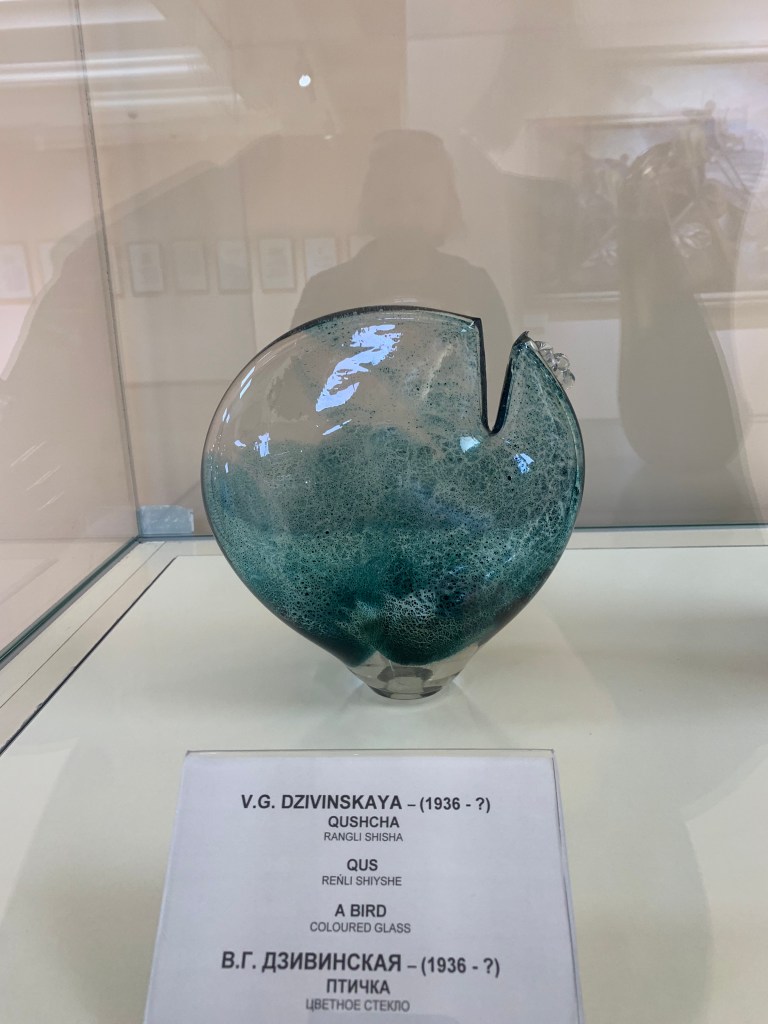
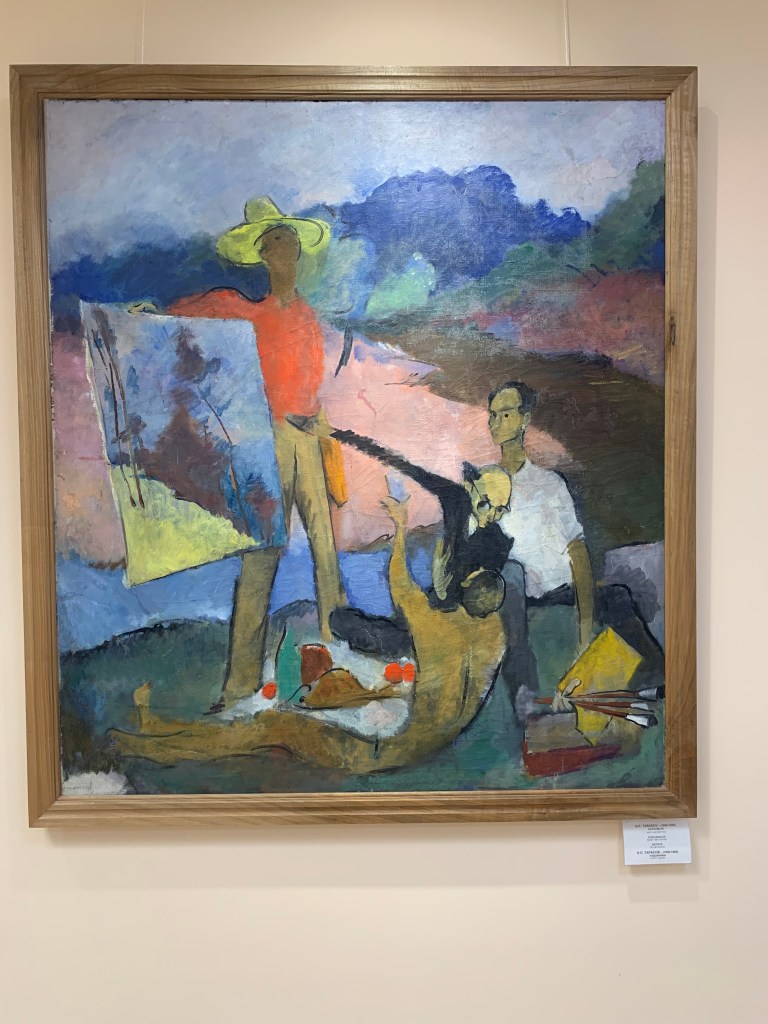
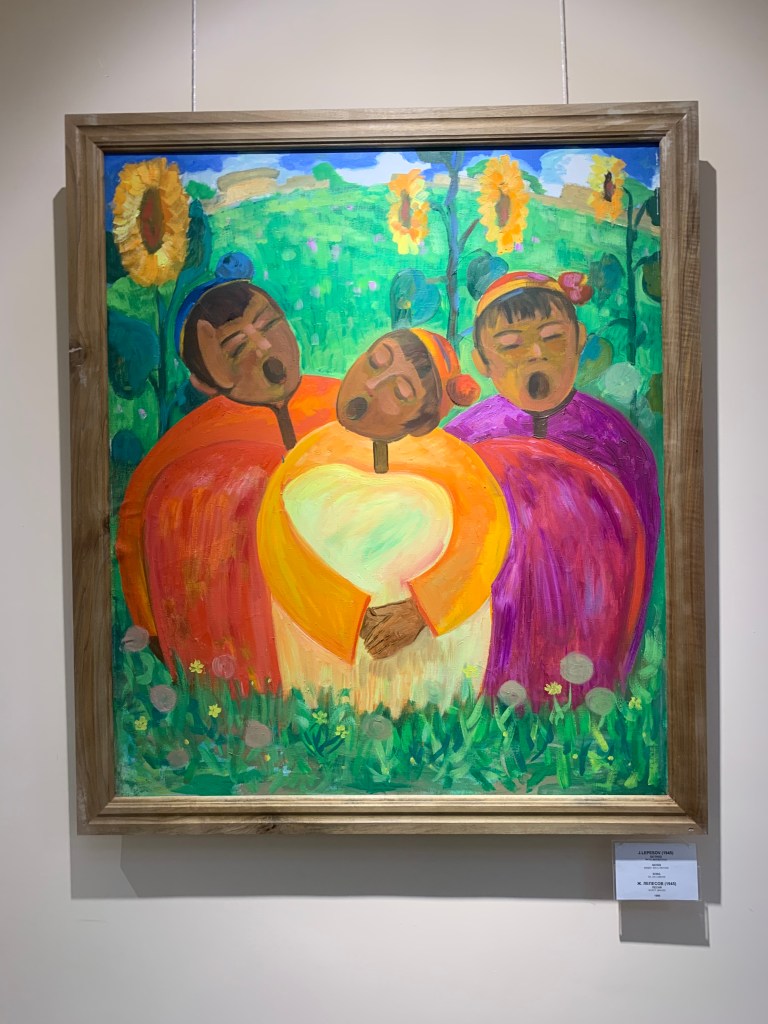
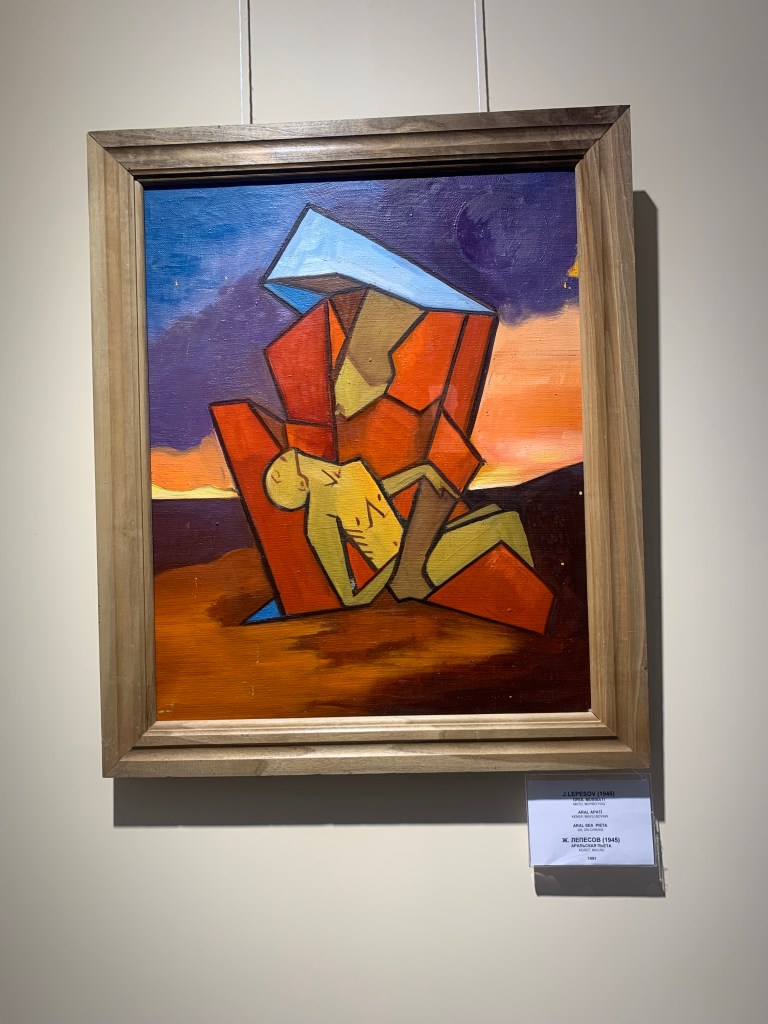
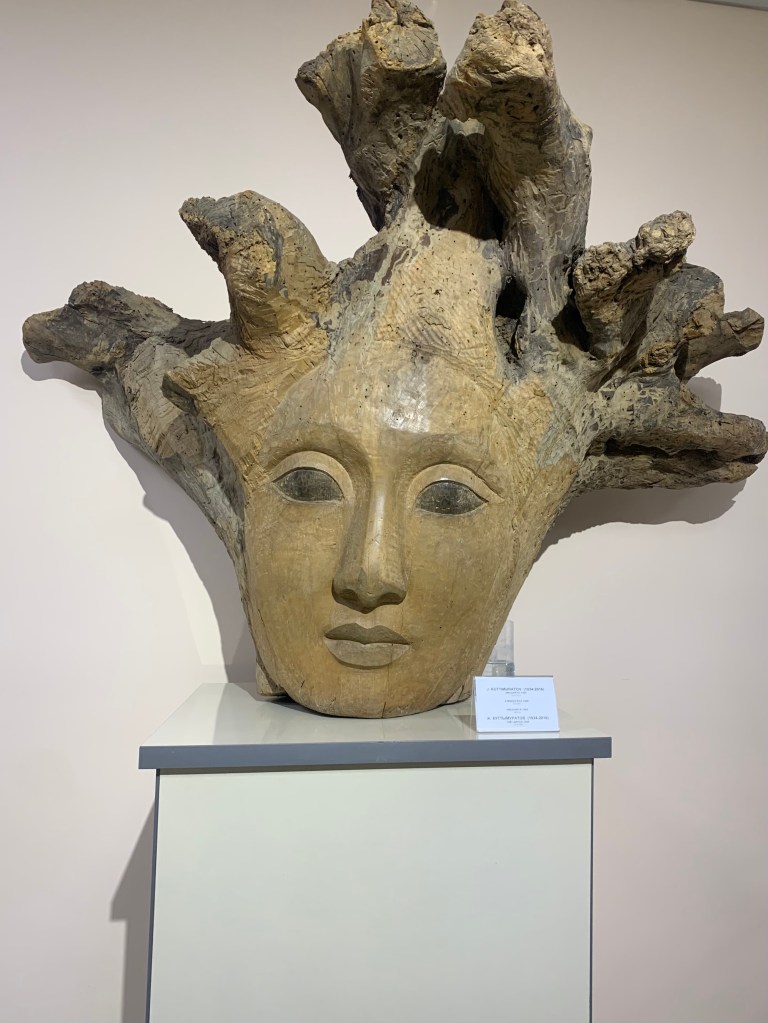
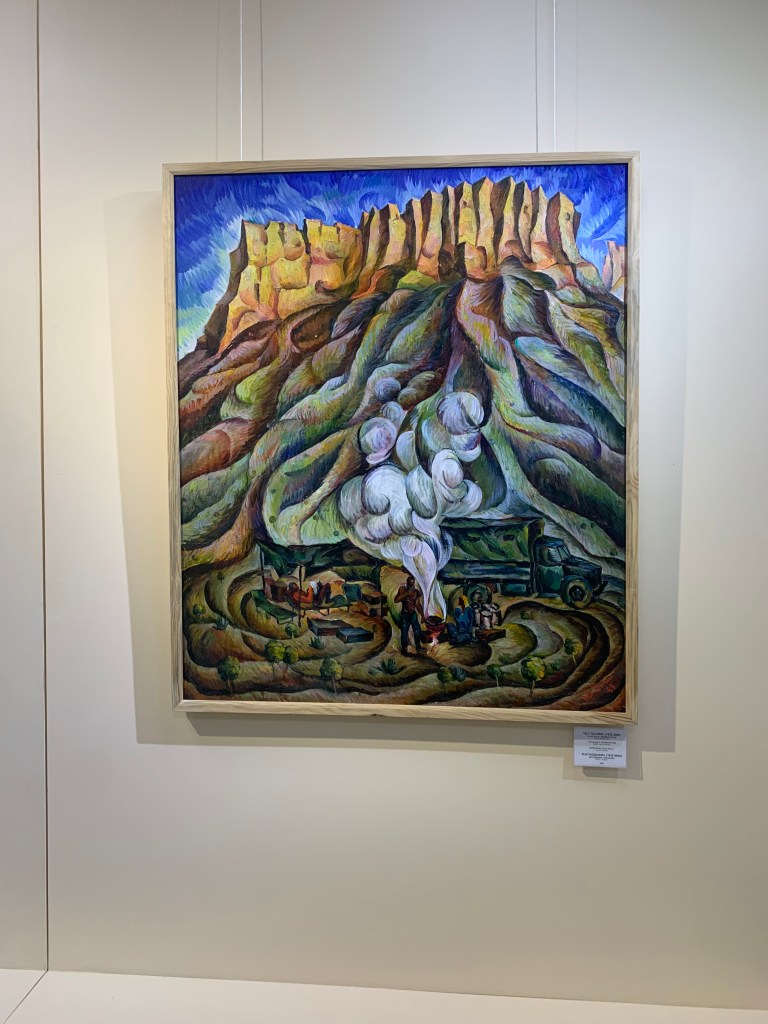
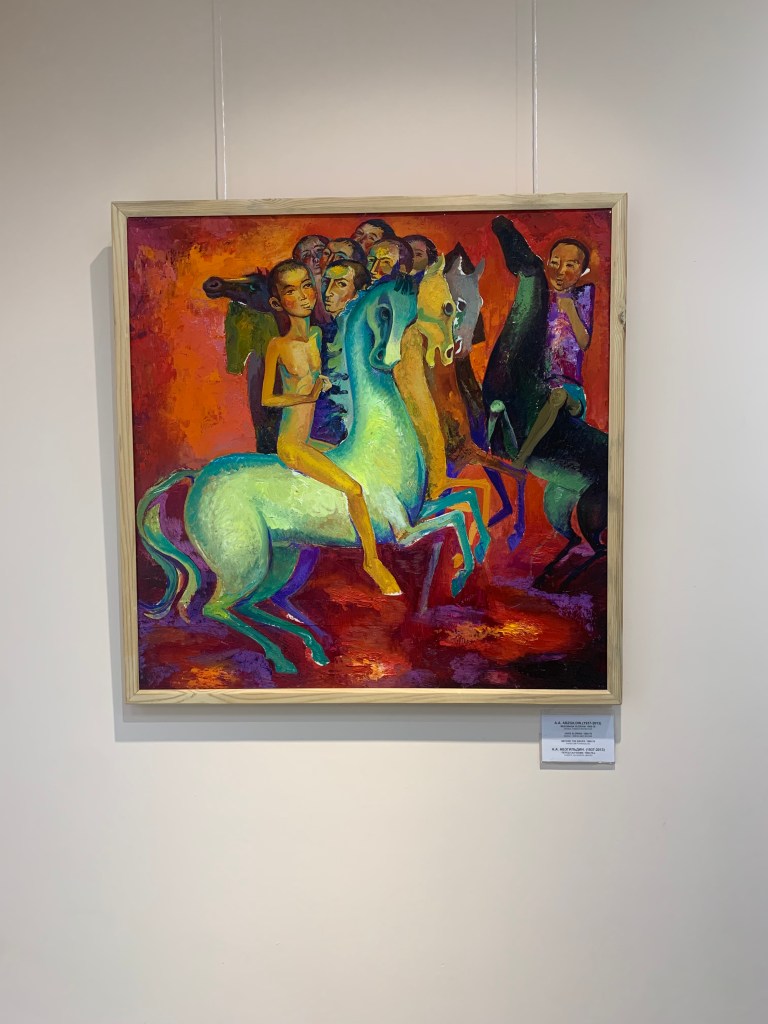
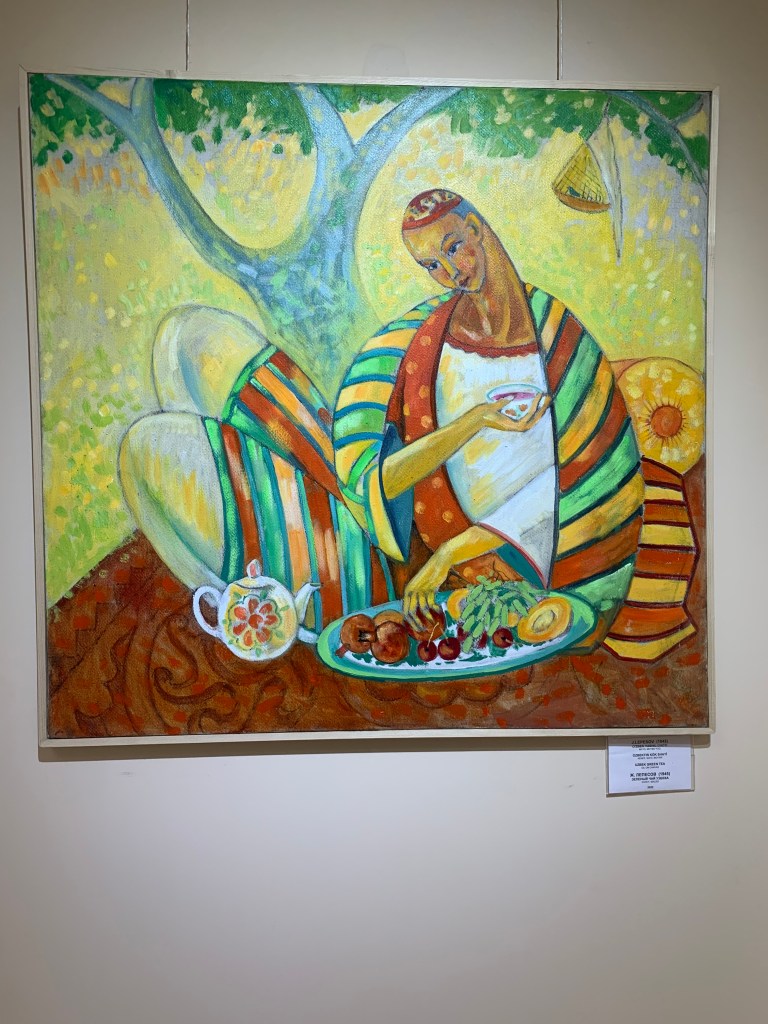
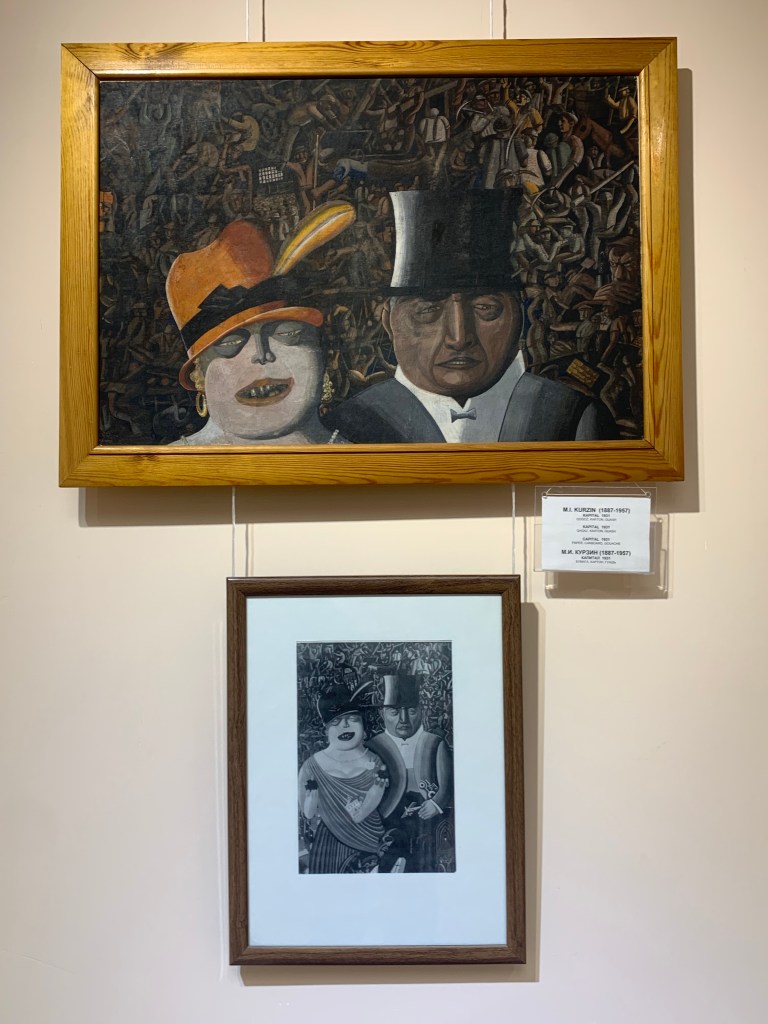
The Savitsky museum in Nukus. The works collected are so varied it is now hard to see what was the objection – the socialist realism may have been the tune to which all artists had to sing, but a number of artists have been disapproved of for reasons that had little to do with art.


2 responses to “Khiva”
I have not heard of the Savitsky museum. The artworks are fascinating. I’m not sure what you mean about the objections- were these censored?
On a more prosaic level, I’m not sure I could have slept in the train bunks without falling out- they look seriously narrow!
LikeLike
The artists Savitsky collected were, for various reasons, disapproved of as un- Soviet. Some ended in Siberia, others couldn’t find outlets for their work… The story of Savitsky and the museum is interesting. X
LikeLike