The overnight bus from Kanchanabury to Chiang Mai made very good time (a bit too good…) – it arrived at 5 am, an hour earlier than advertised. The seats recline, a blanket is provided (the a/c is ferocious), a snack and a drink given. However, the hostel doors do not open till c 7 am and there was a huddle of us (and our backpacks) waiting for dawn at the bus terminal. The little hotel I was staying at (The Pai Residence – small hotels are often cheaper than the private rooms at a hostel, and it had a pool) had no-one at the reception till 9:30. But I was able to squirrel away my case safely and go for a breakfast.
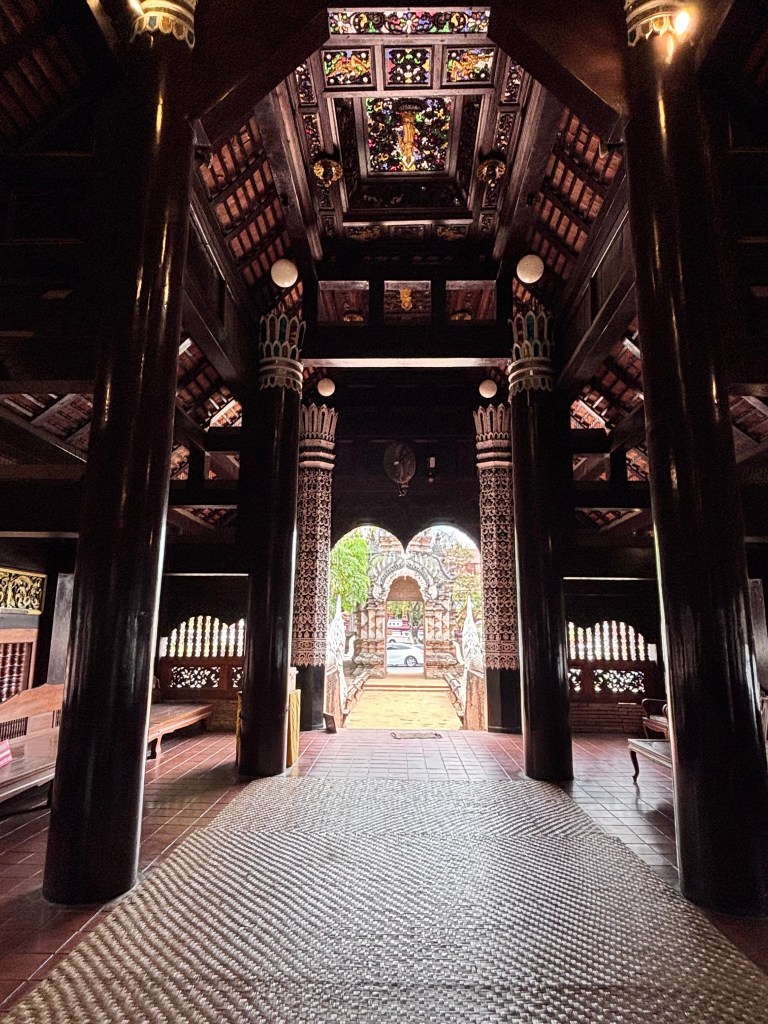
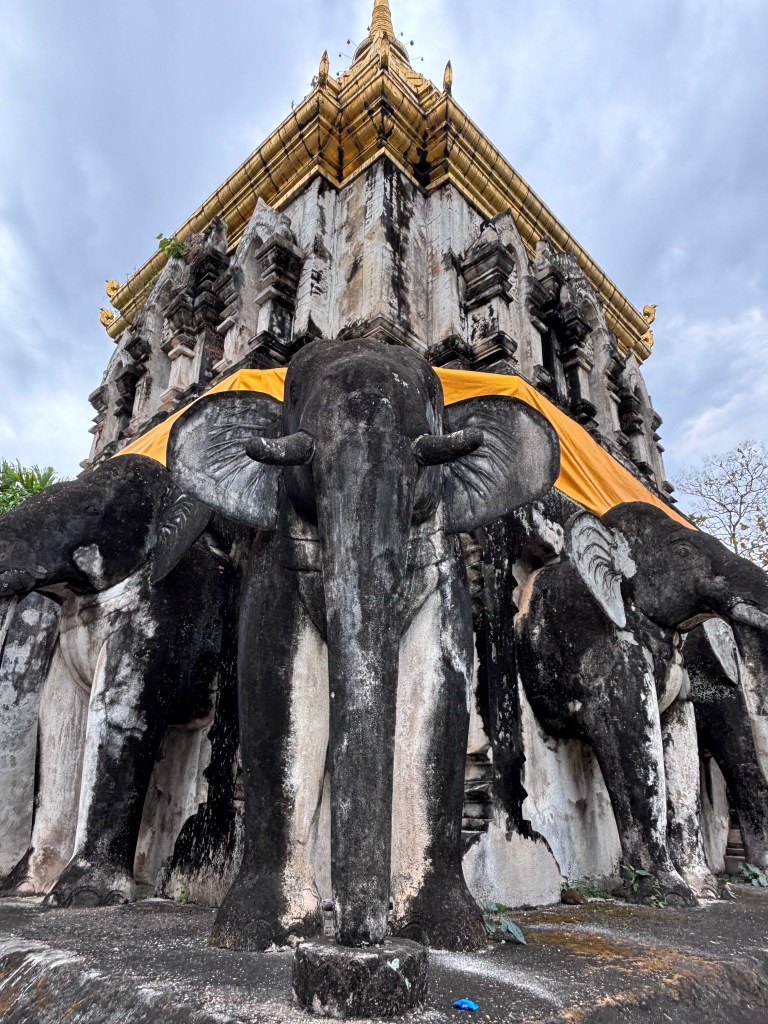
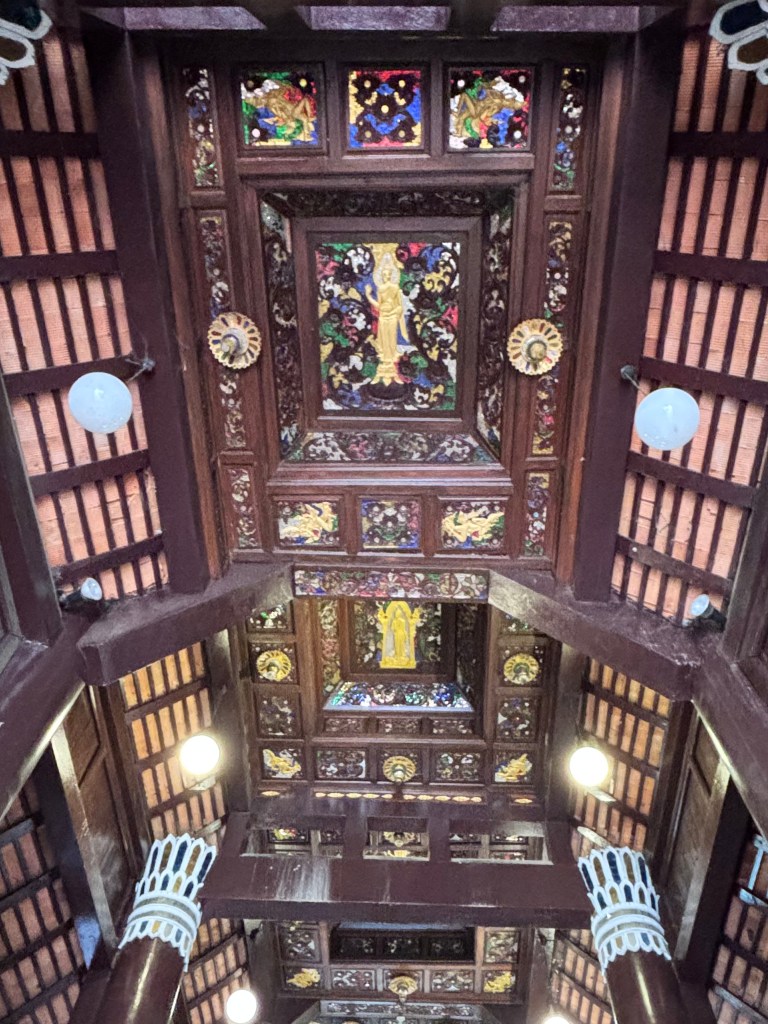
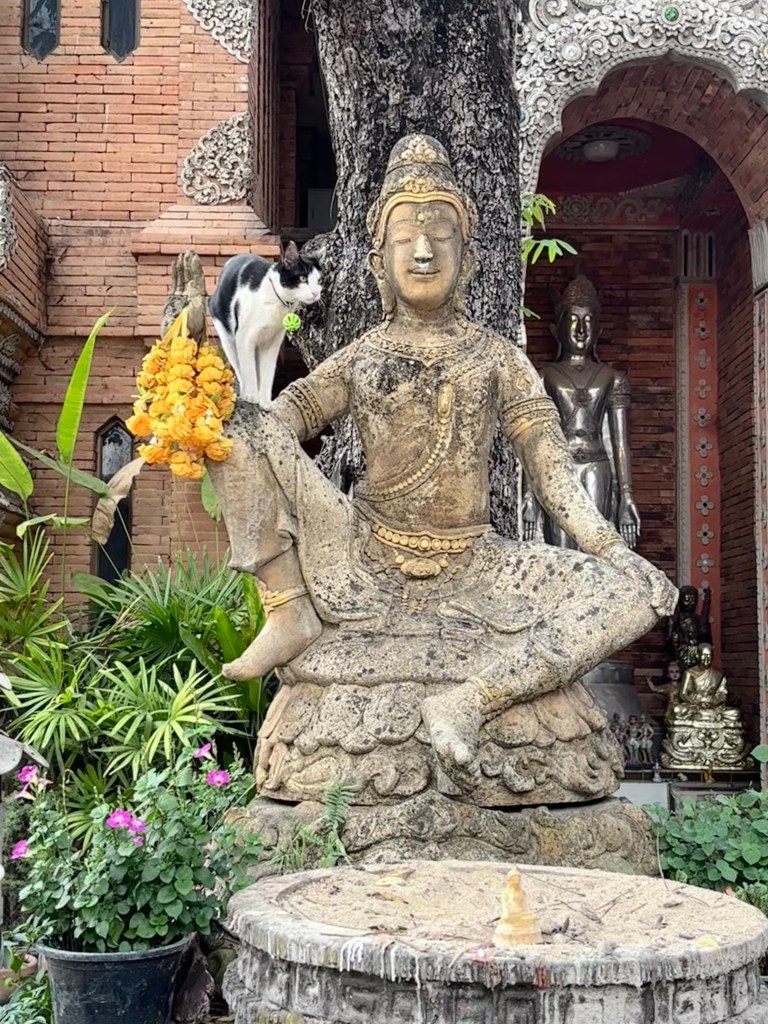
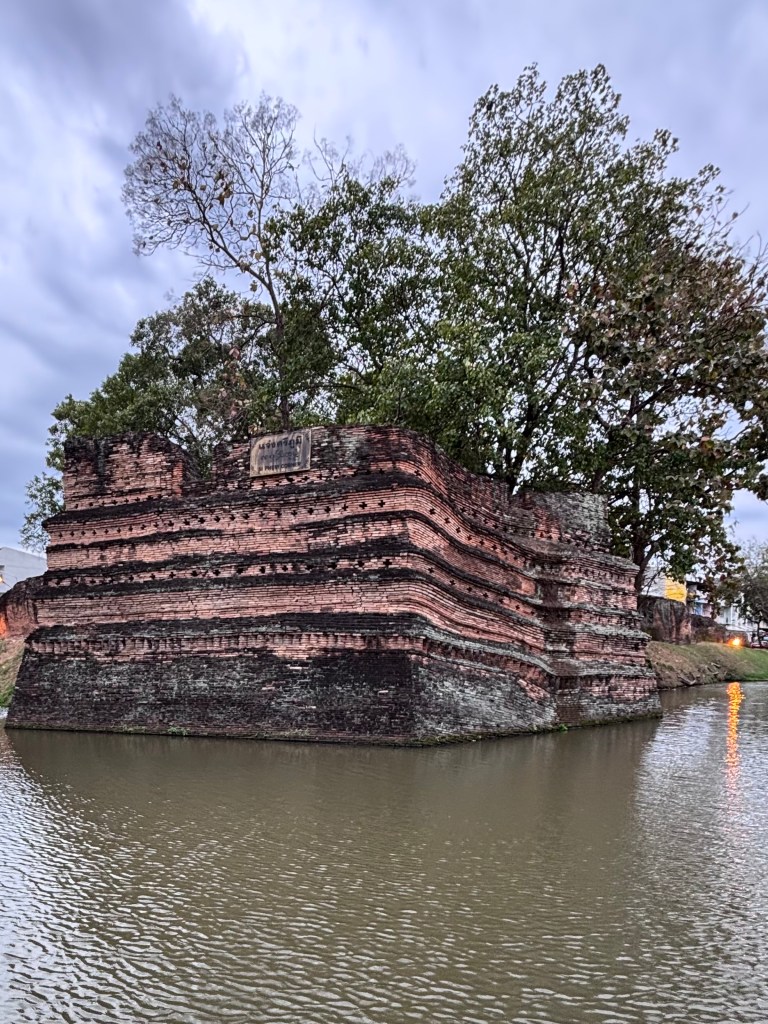
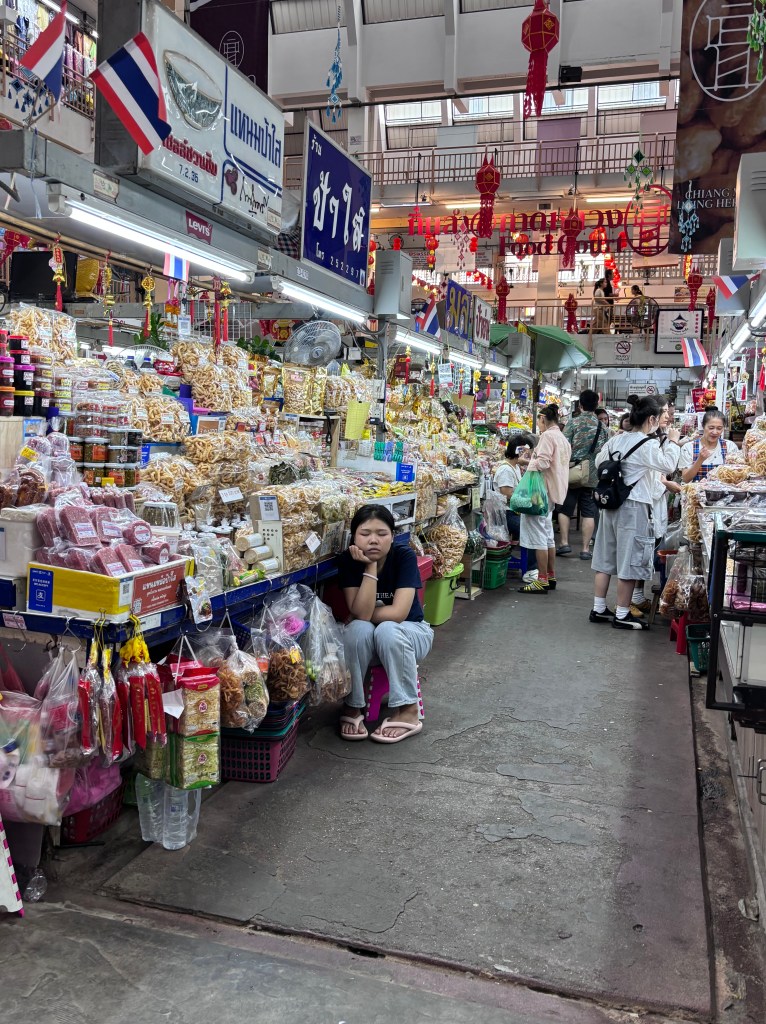
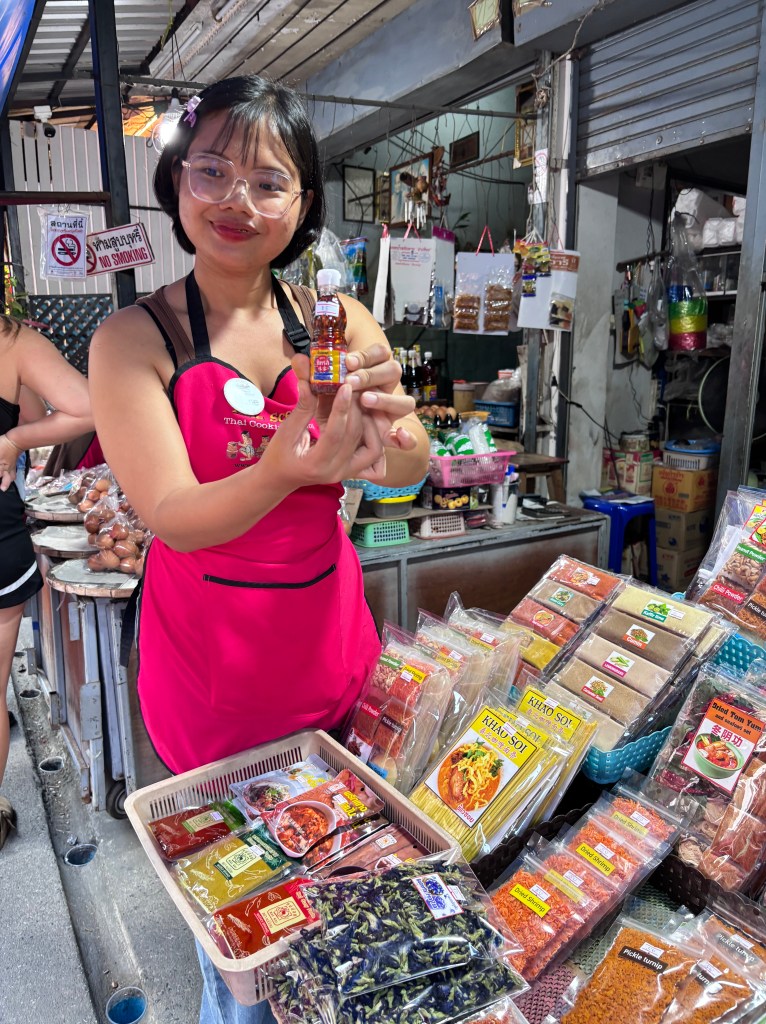
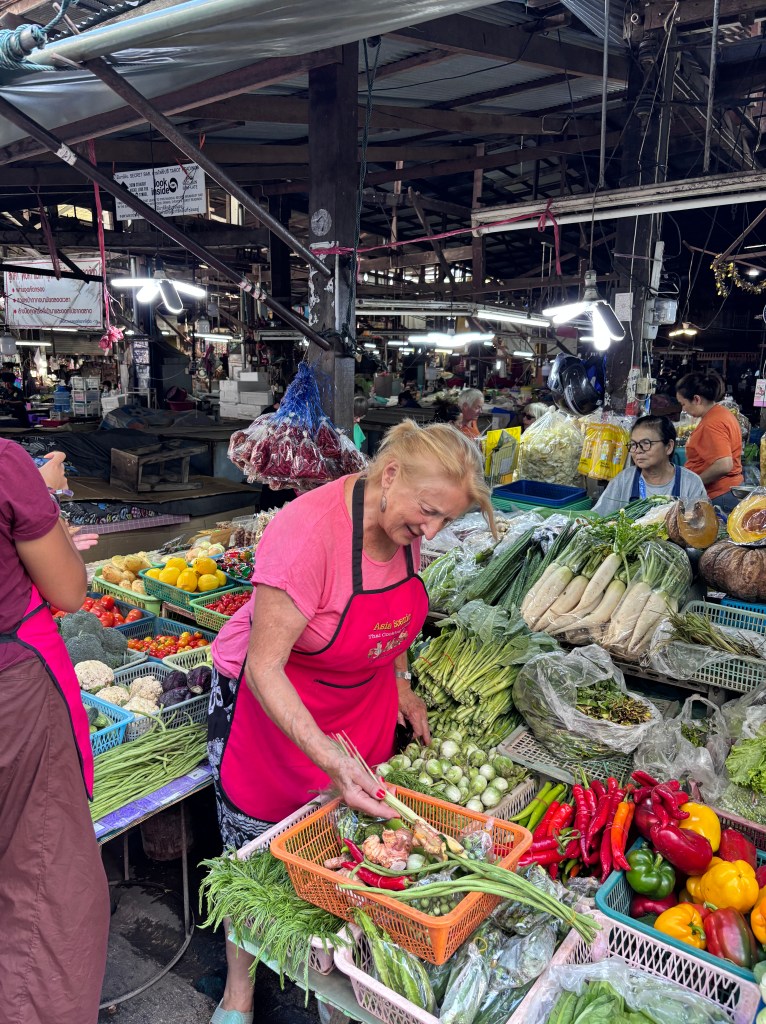
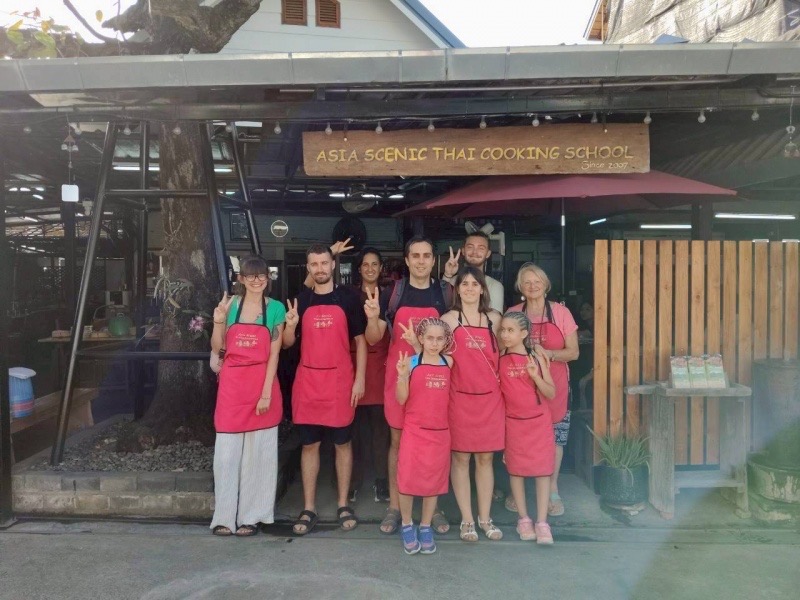
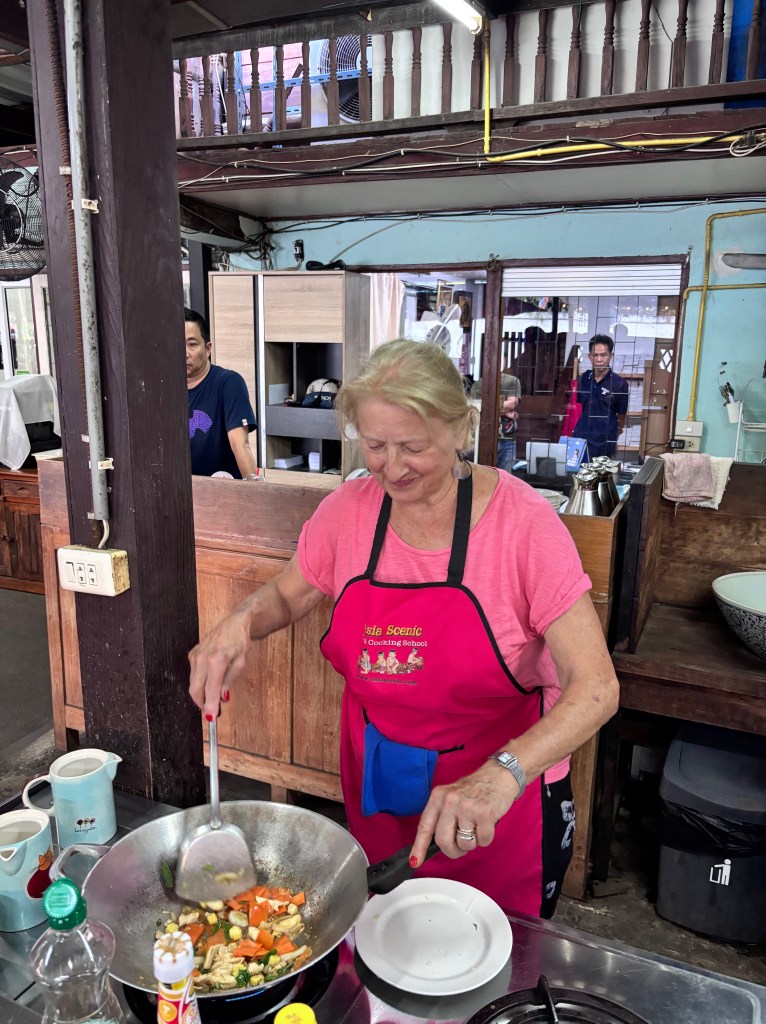
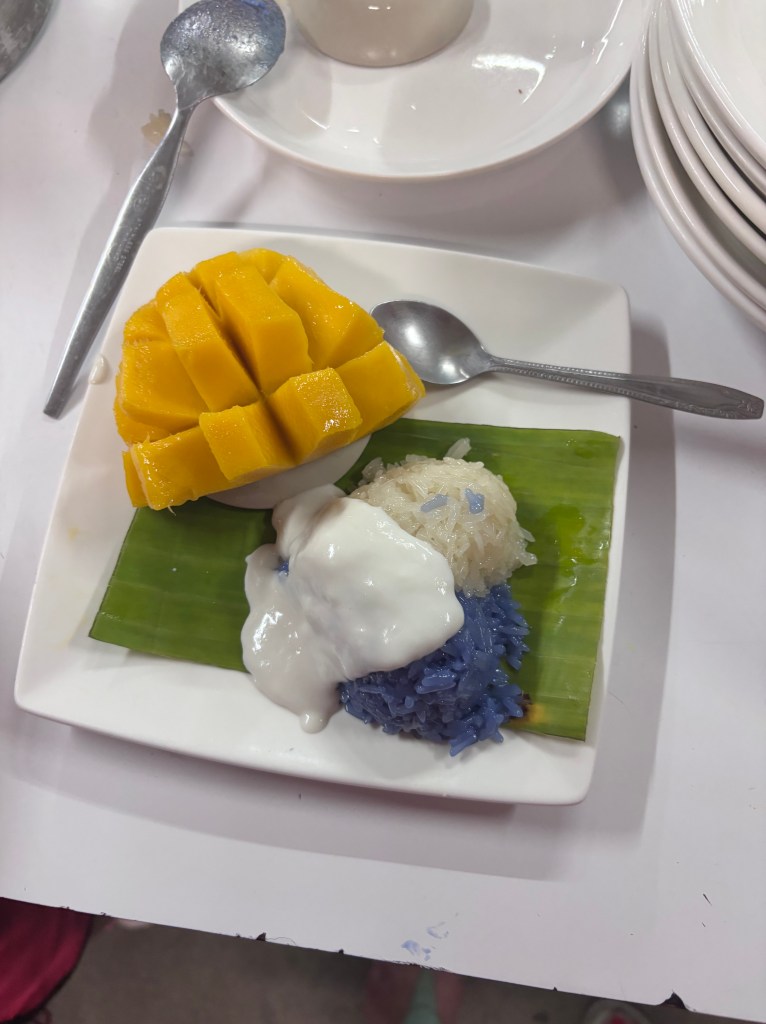
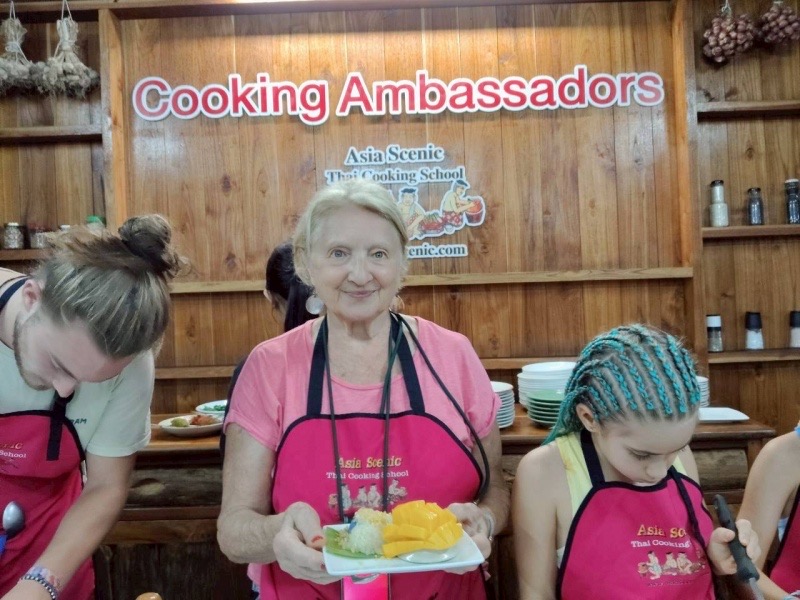
Chiang Mai old town is surrounded by a square moat. Wonderful wats, lots of history. Fun night market with terrific street food ( had grilled fish – delicious – and a green papaya salad, washed down with cool beer, all for about £4). Enjoyed a 1/2 day cooking class, well presented, fun (Nune, our Thai chef at Asia Scenic cookery school, was impressive) and tasty.
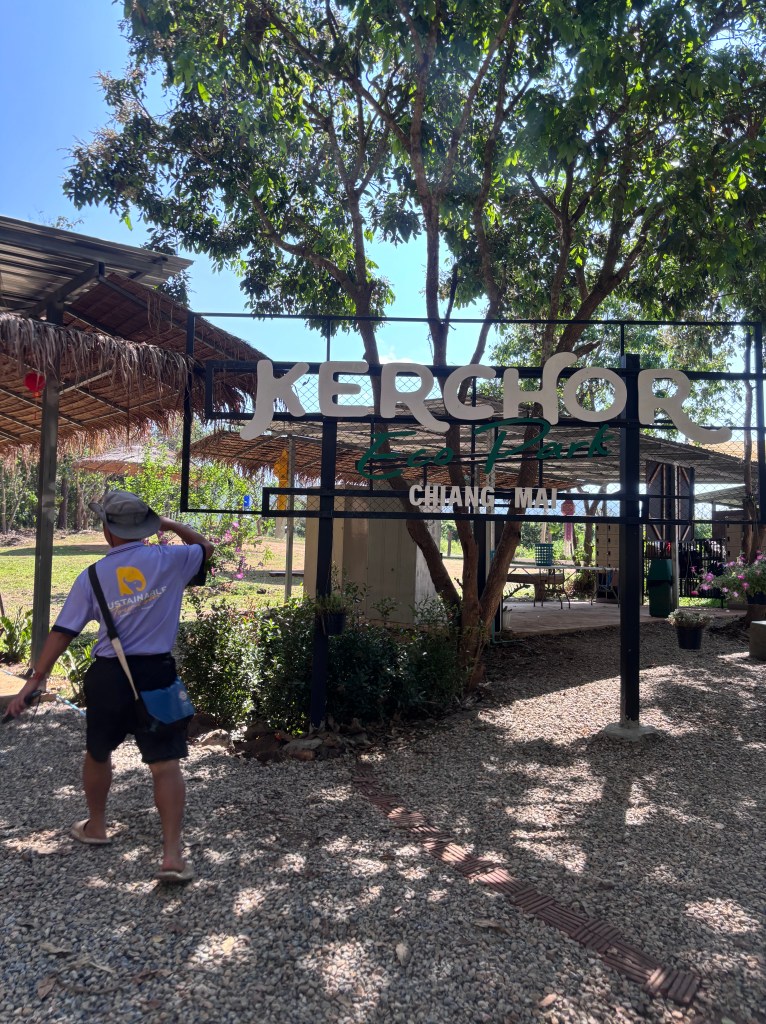
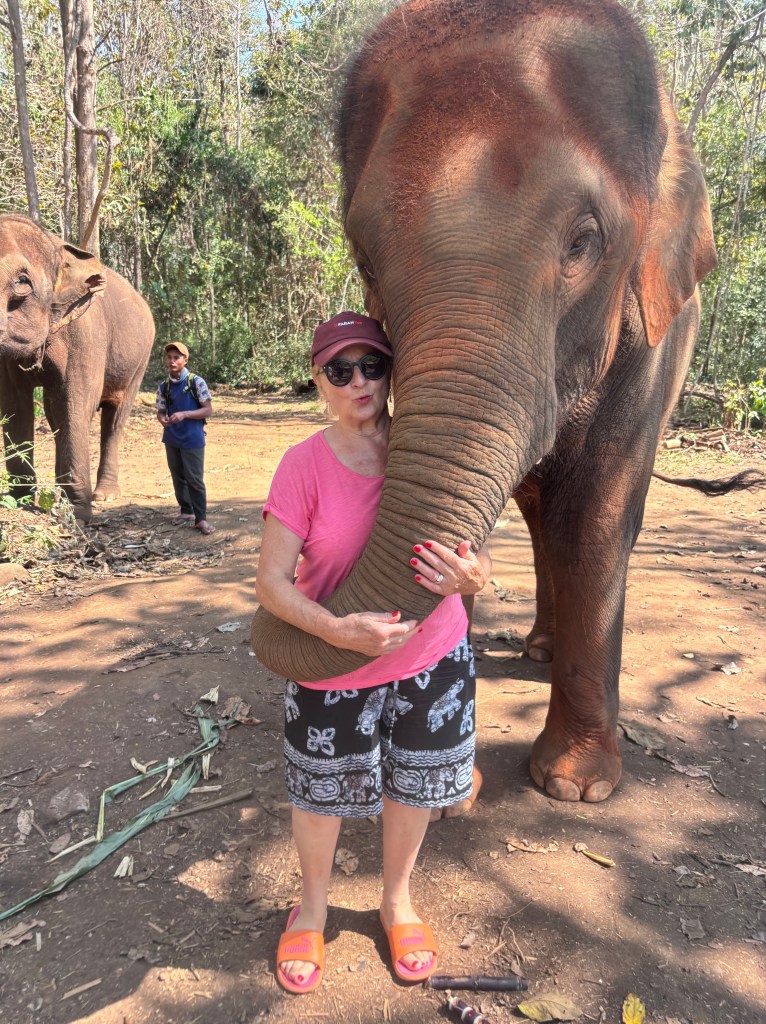
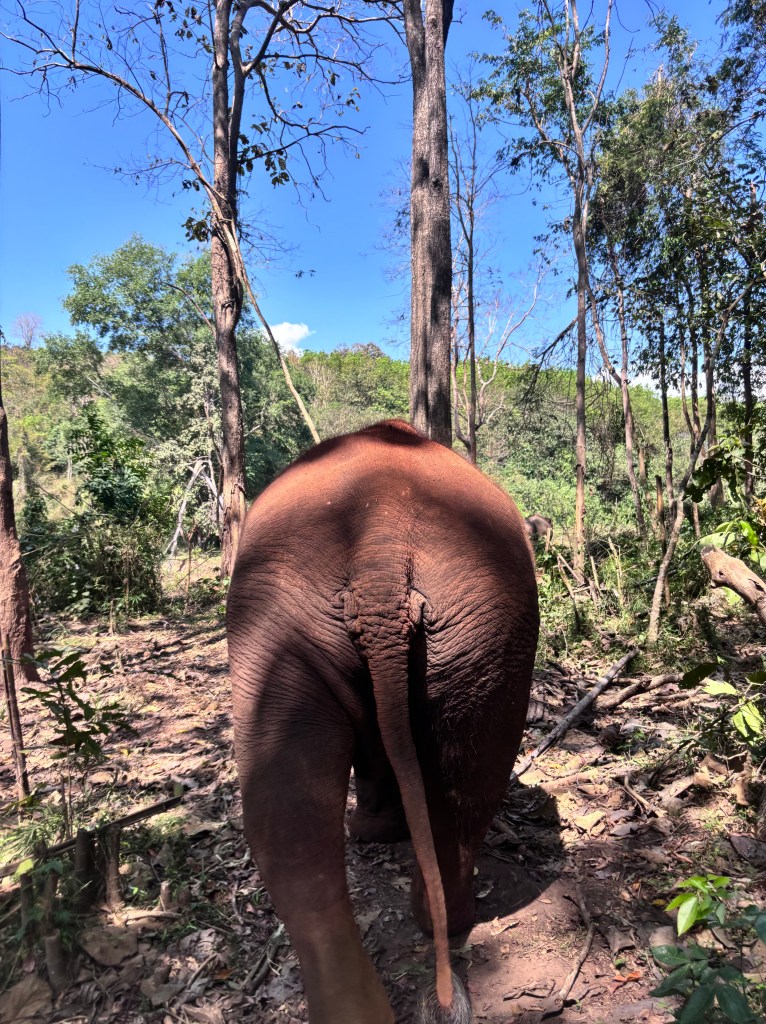
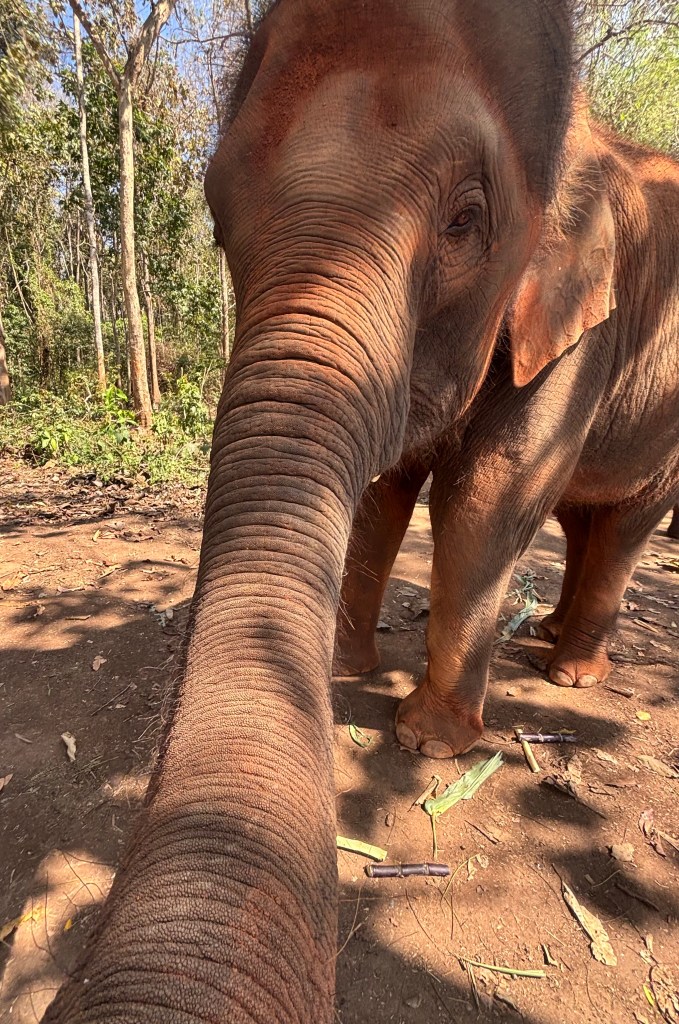
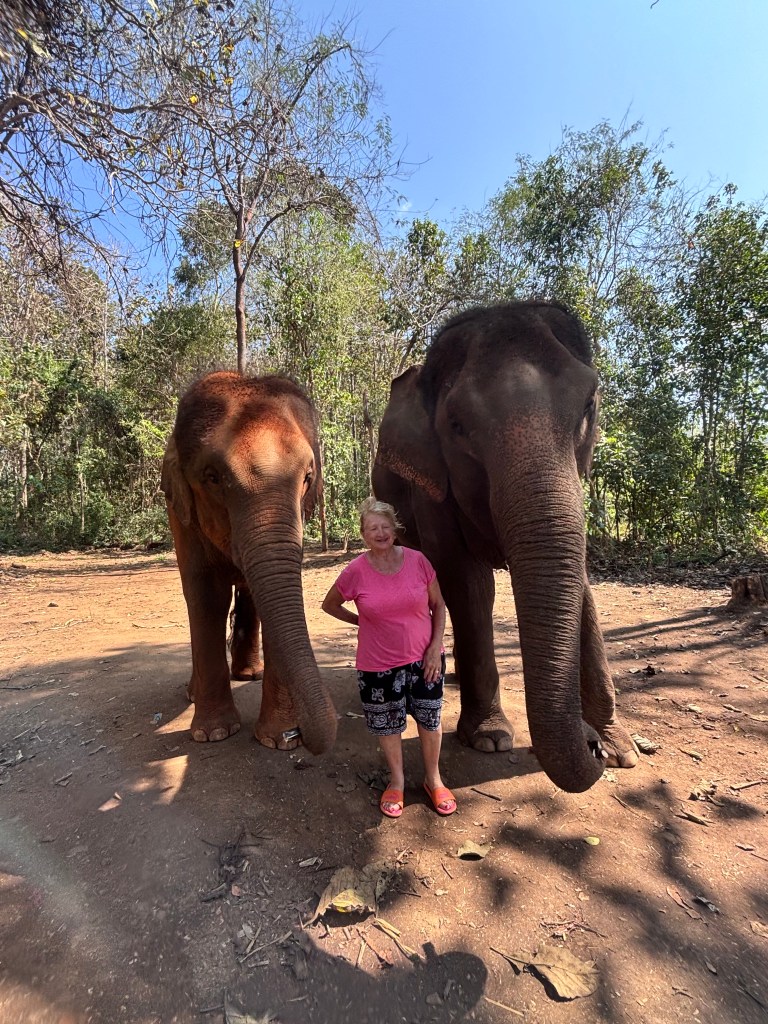
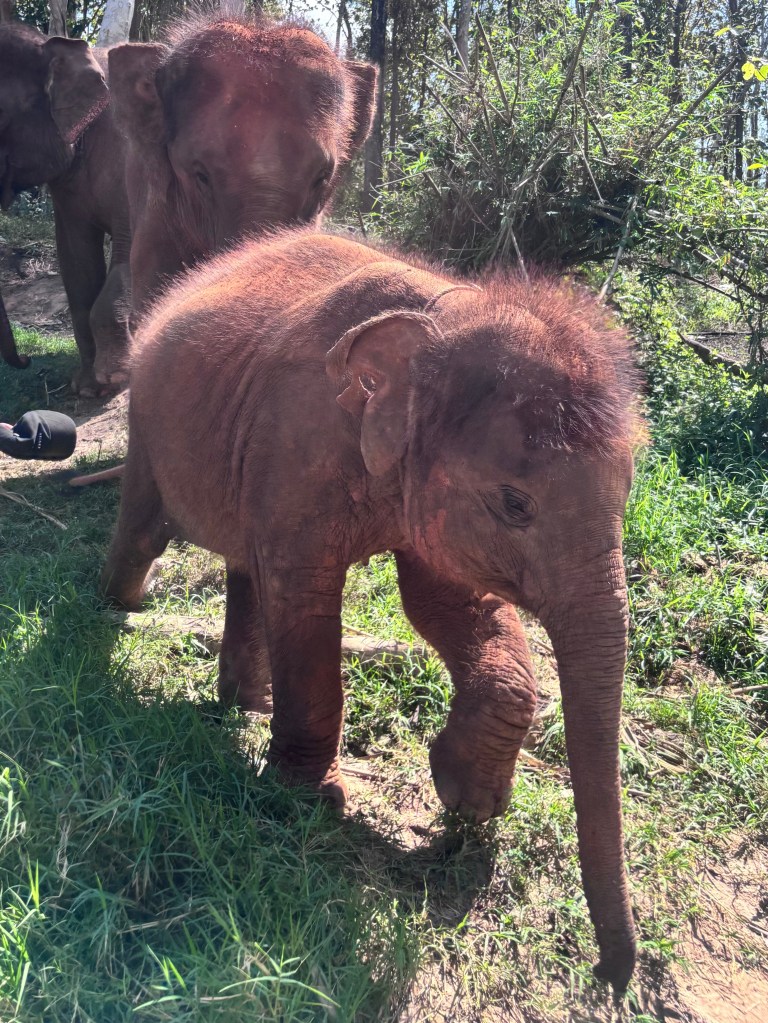
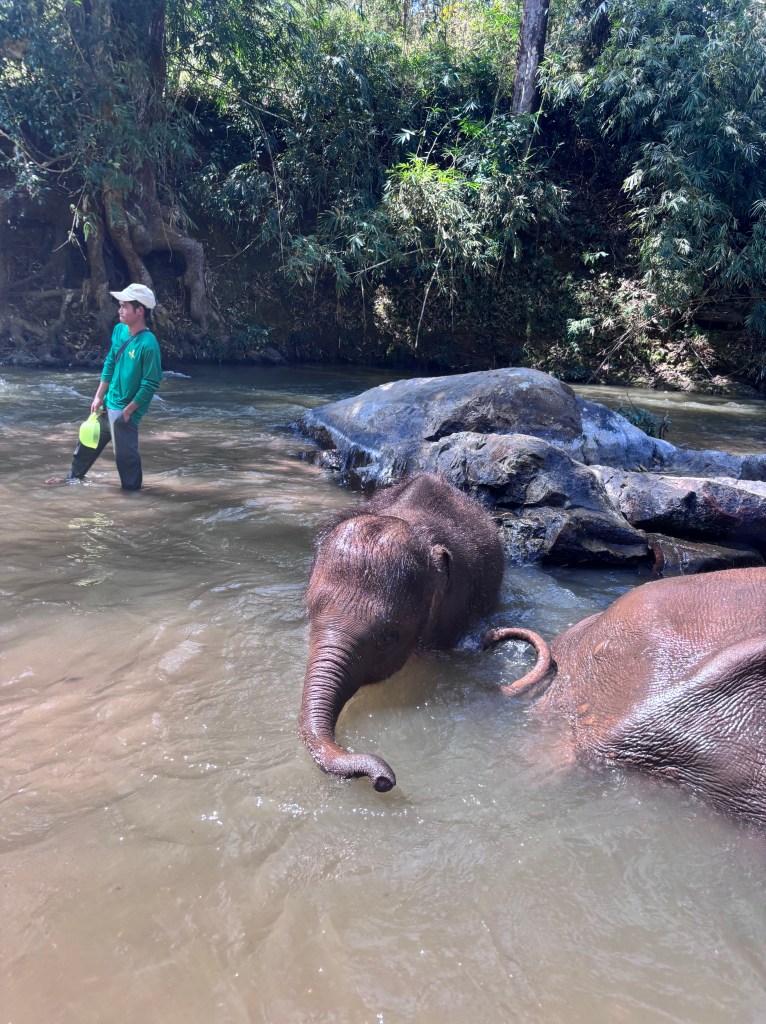
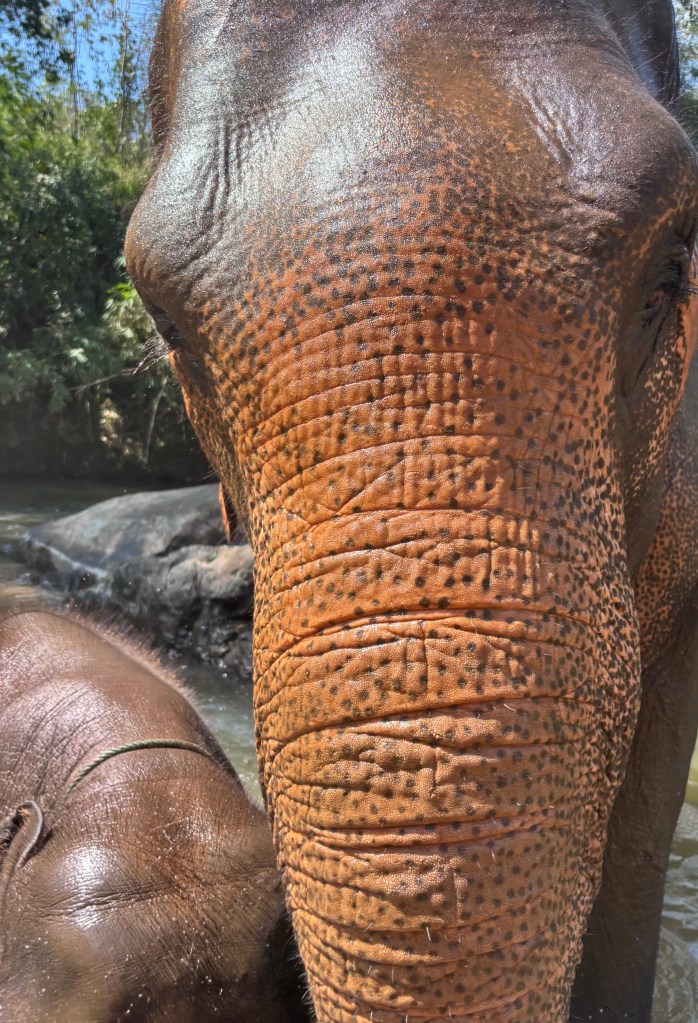
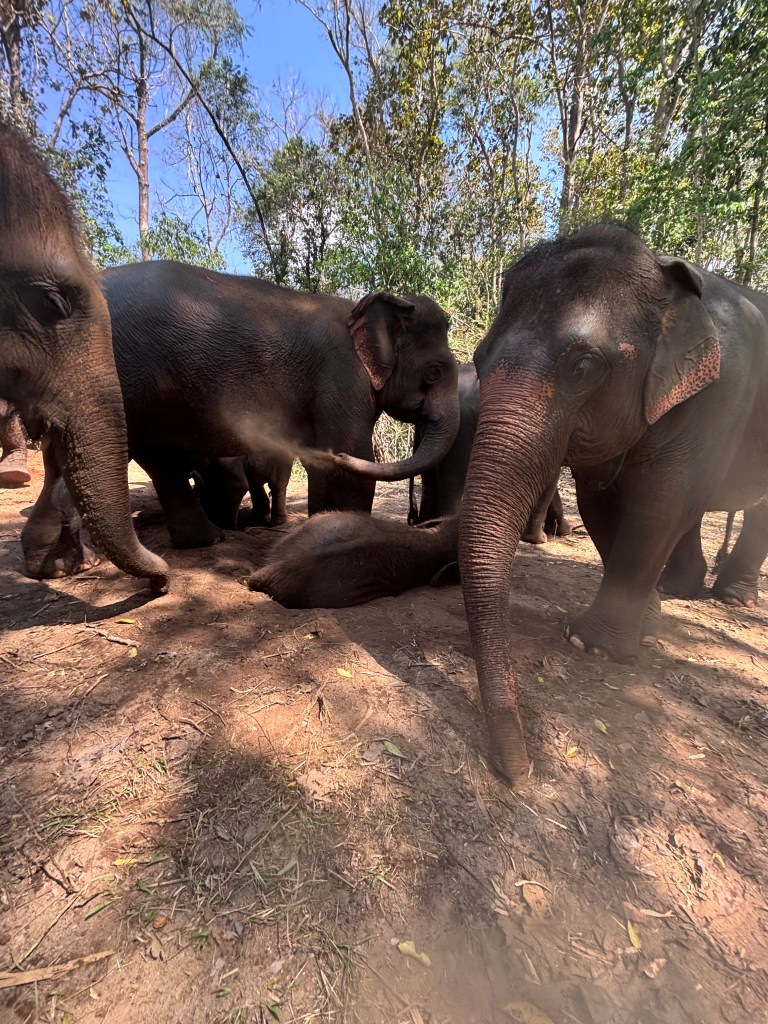
Took a day trip to an elephant sanctuary (Kerchor) that advertises its ethical approach. There are some 30-40 places around the Chiang Mai area that have elephants. When the government banned the use of elephants for logging (2018), many elephants were “redirected to tourism or sold”. Some places still offer rides, though not many, thank goodness. Kerchor, which has 8 adult elephants and 2 babies) gave us the opportunity to feed the elephants, walk with them to the river, observe them. The elephants are still being trained to “perform” – to interact with tourists – though the mahouts (all from Karen tribe, traditionally mahouts) do not use hooks and pikes but food.) I liked that I could be so close to them but also felt uncomfortable when they “posed” for photos. One could say that they contribute to their keep – conservation is not cheap. But will not be visiting another.
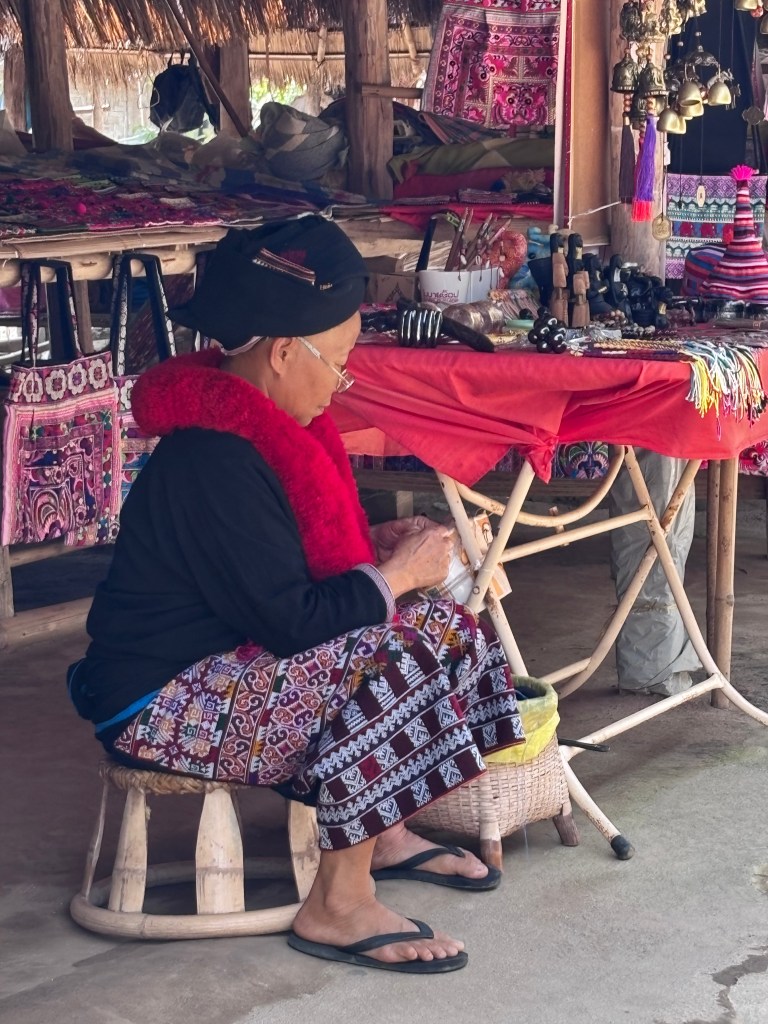
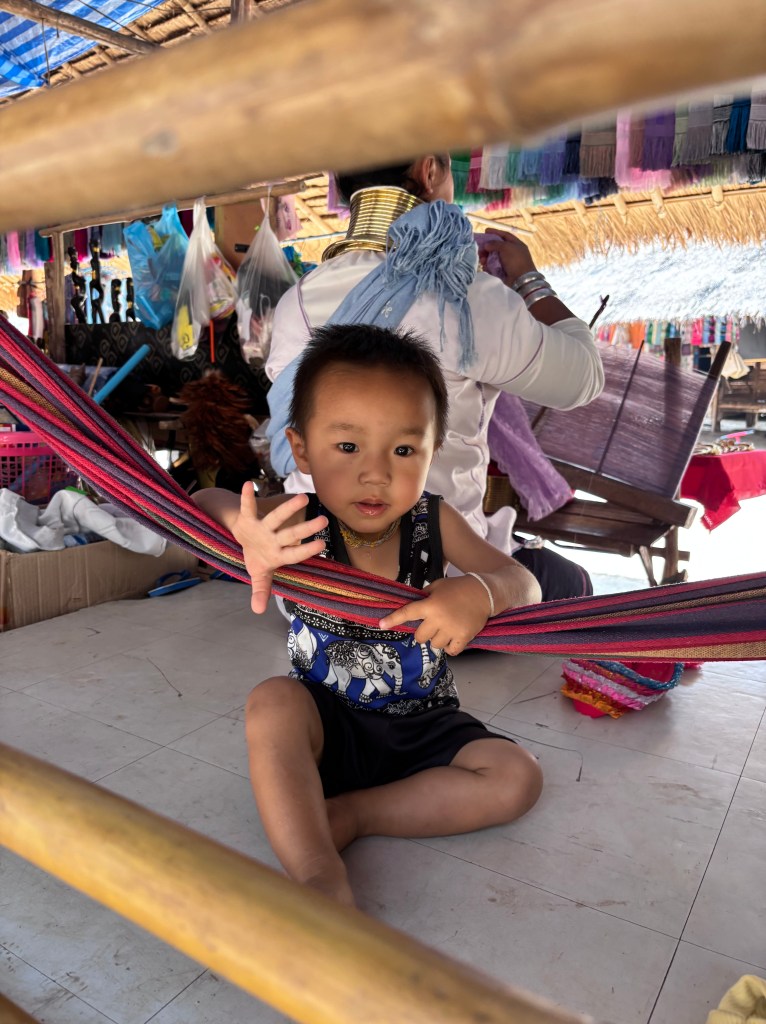
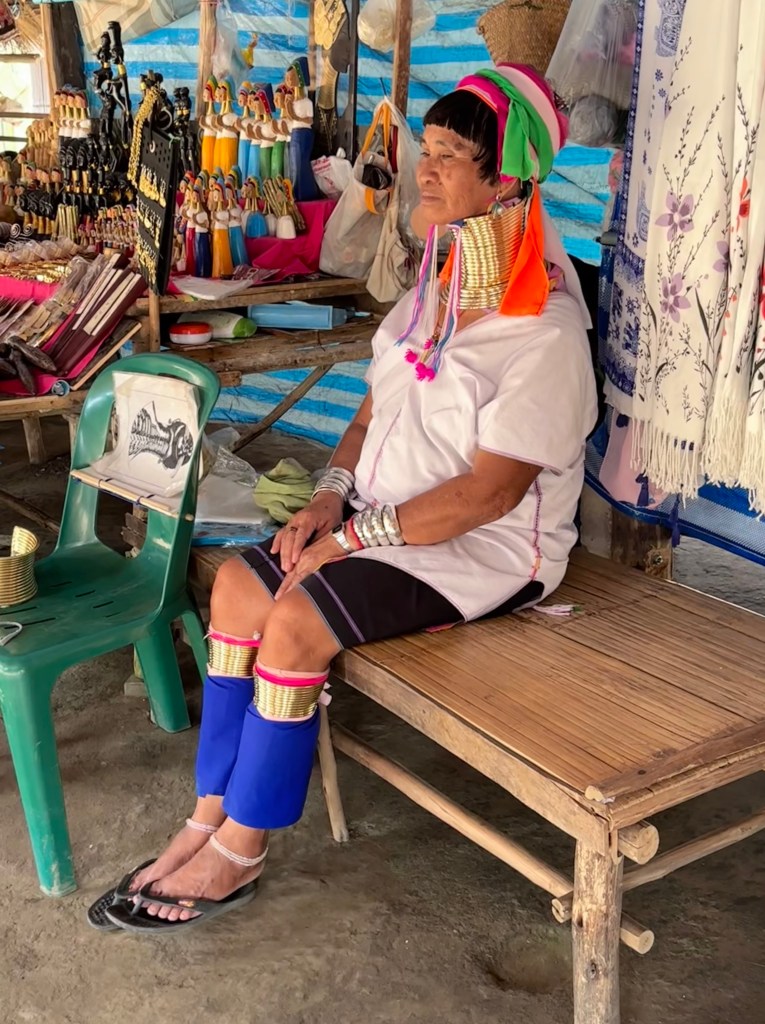
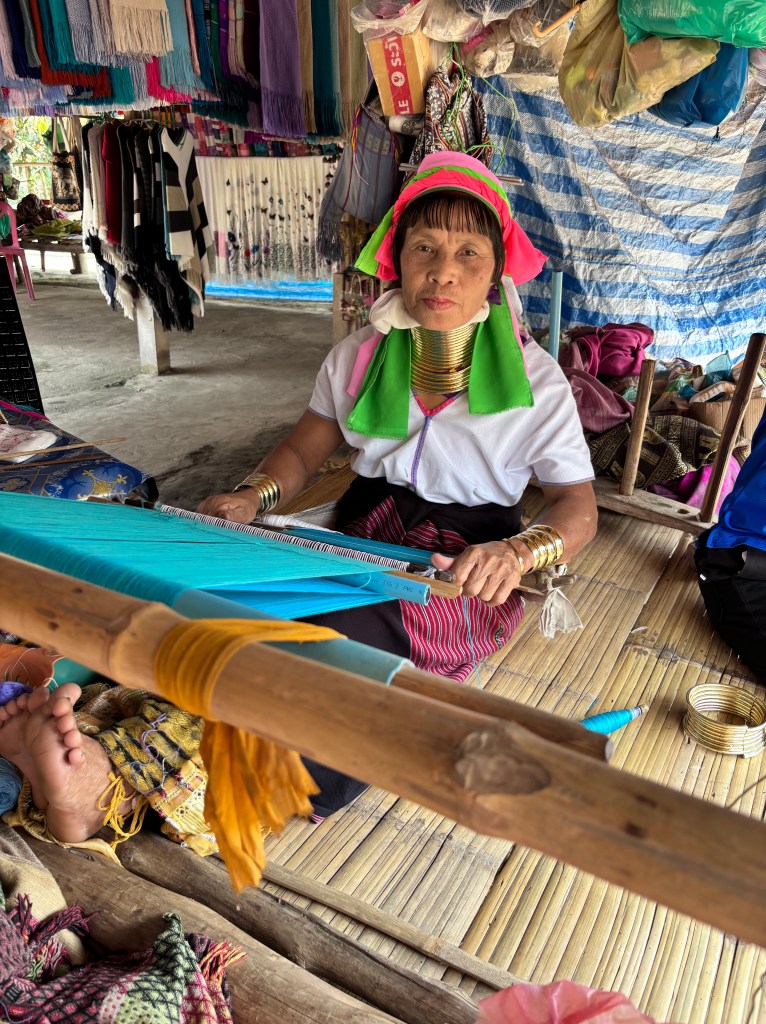
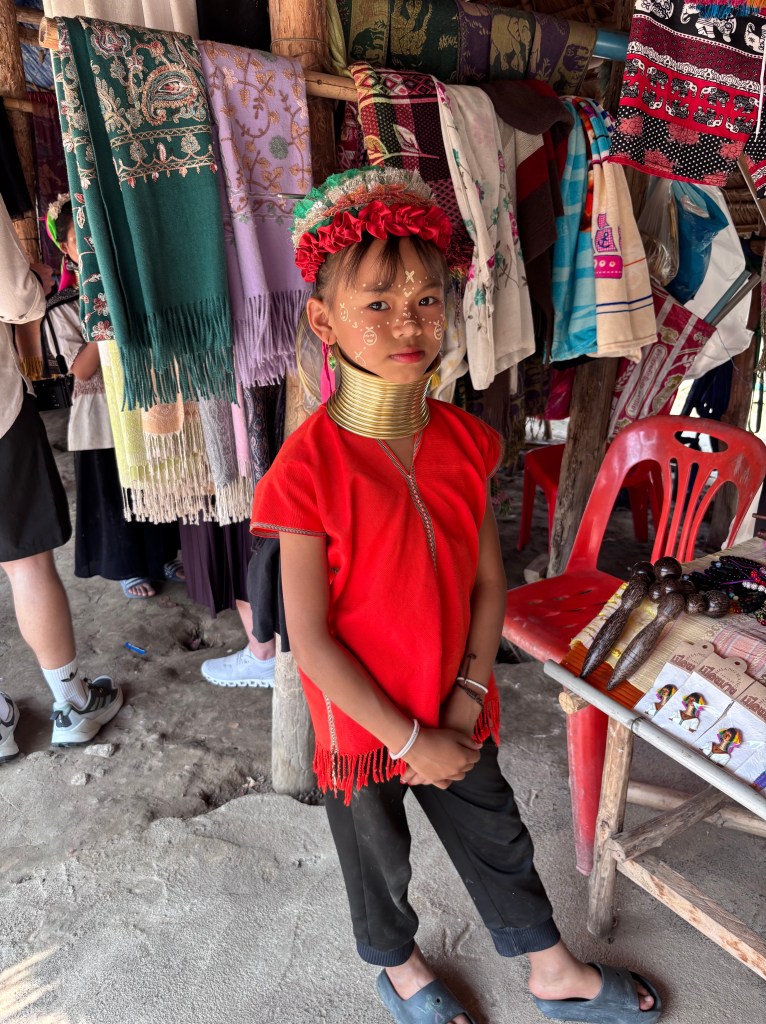
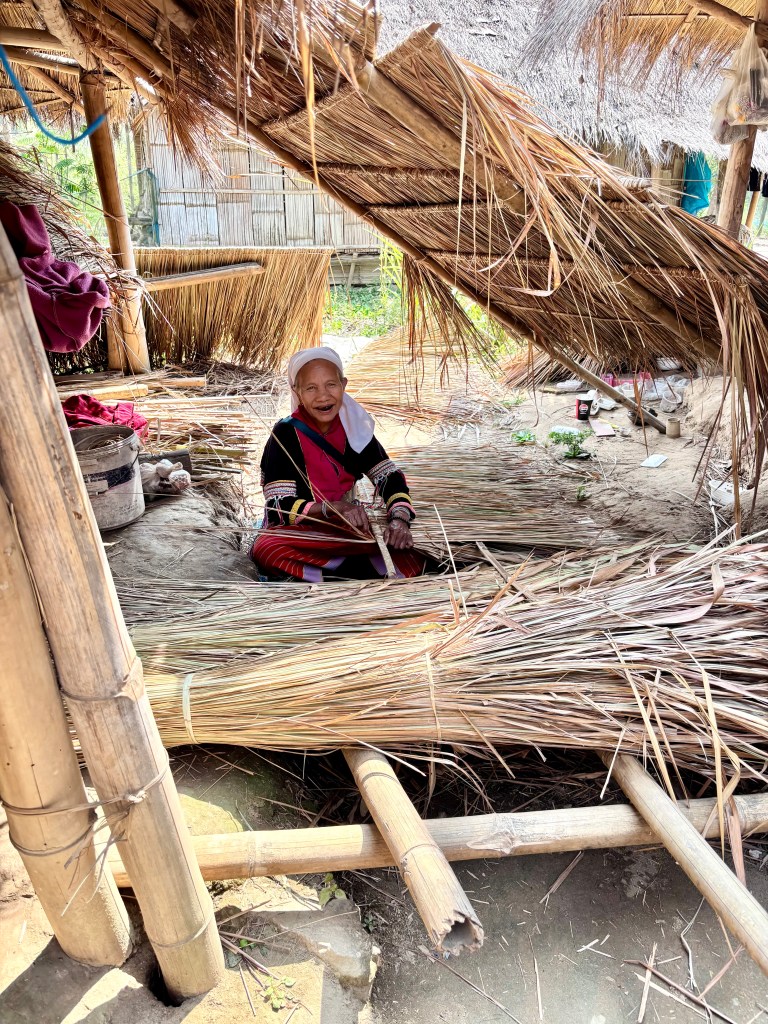
Also visited the Long Neck Women (Kayane Karen tribe, refugees from Myanmar). Horrible practice, placing (eventually) 4 kilos of brass on the neck – the weight pushes down on the shoulders, which gives the appearance of the neck length. There are still some who do this to their female children now, but most don’t – children who attend local schools cannot have the rings. Though some use removable ones (the classic ones are wound onto the neck and only removable by unwinding…)
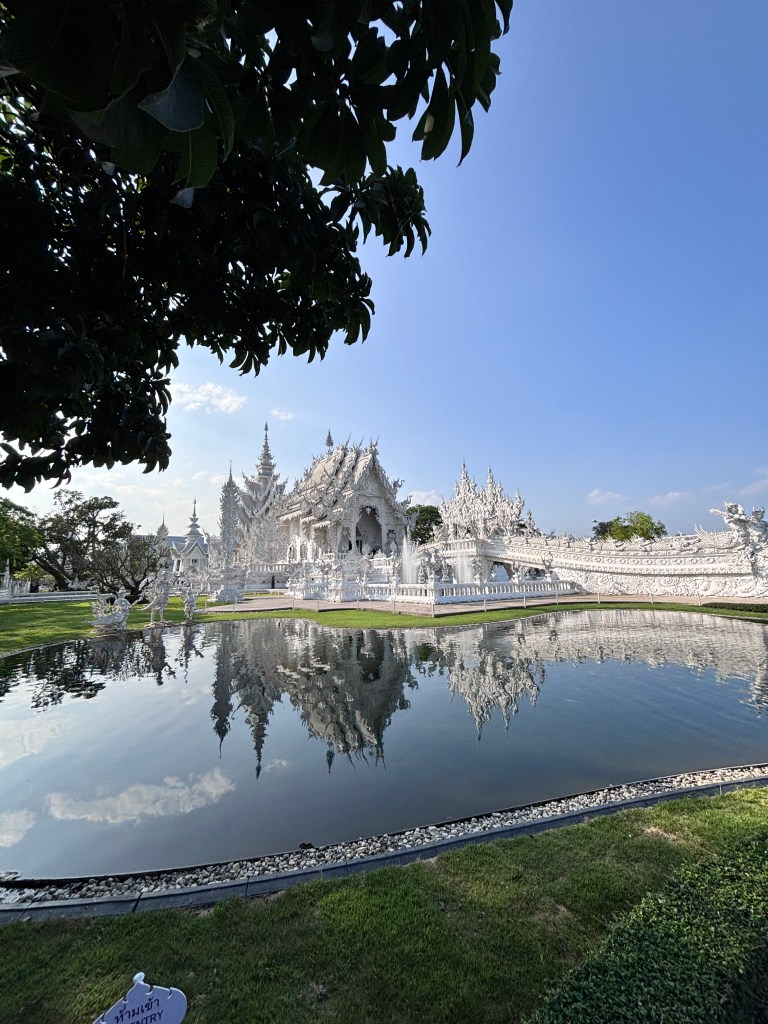
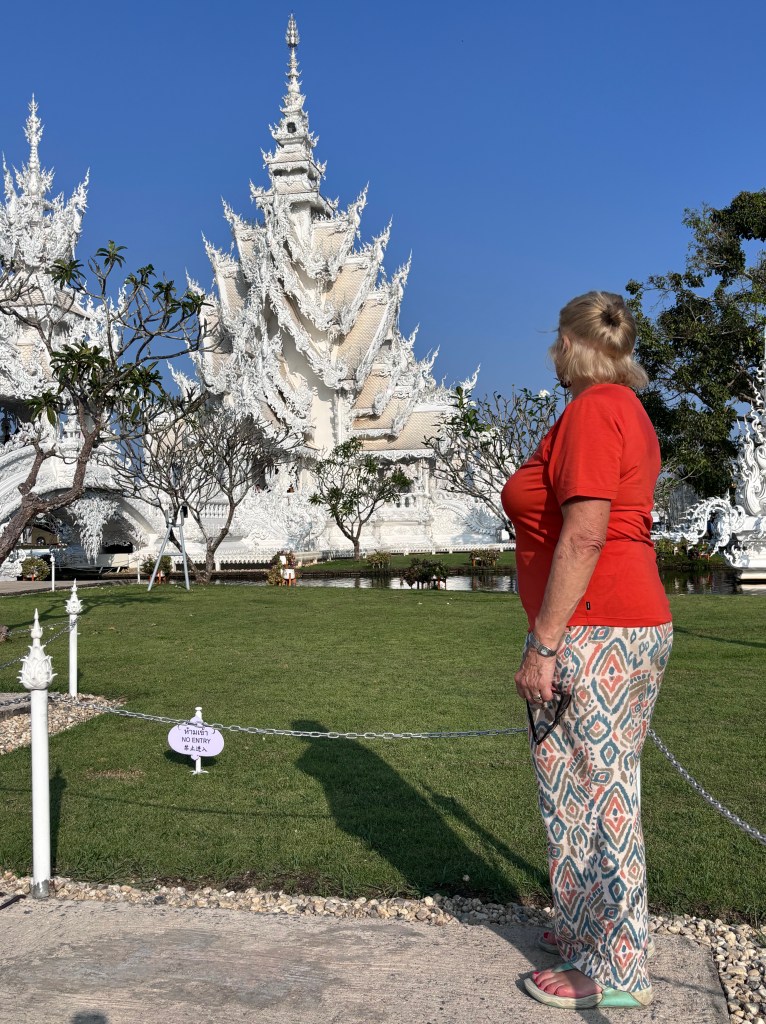
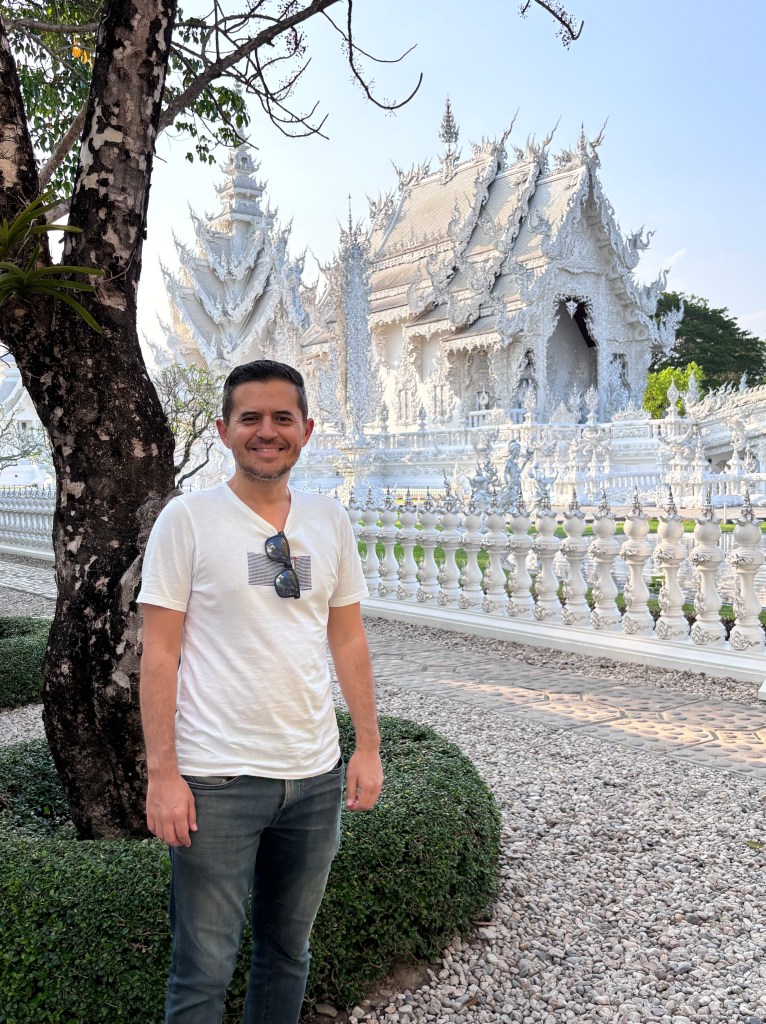
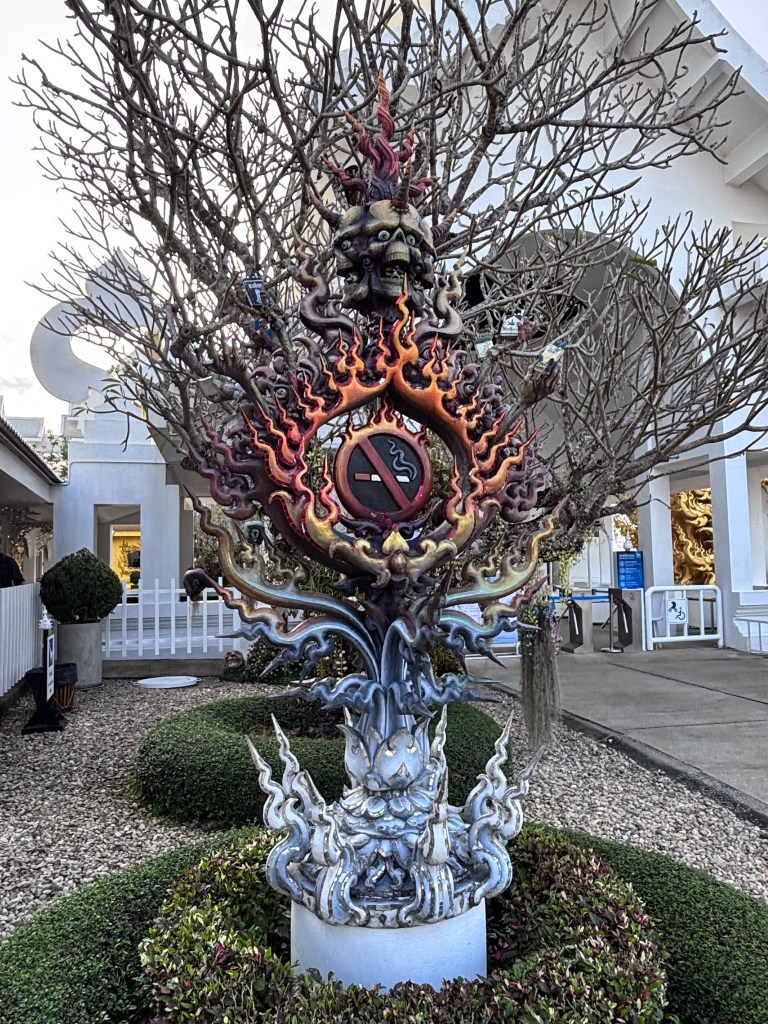
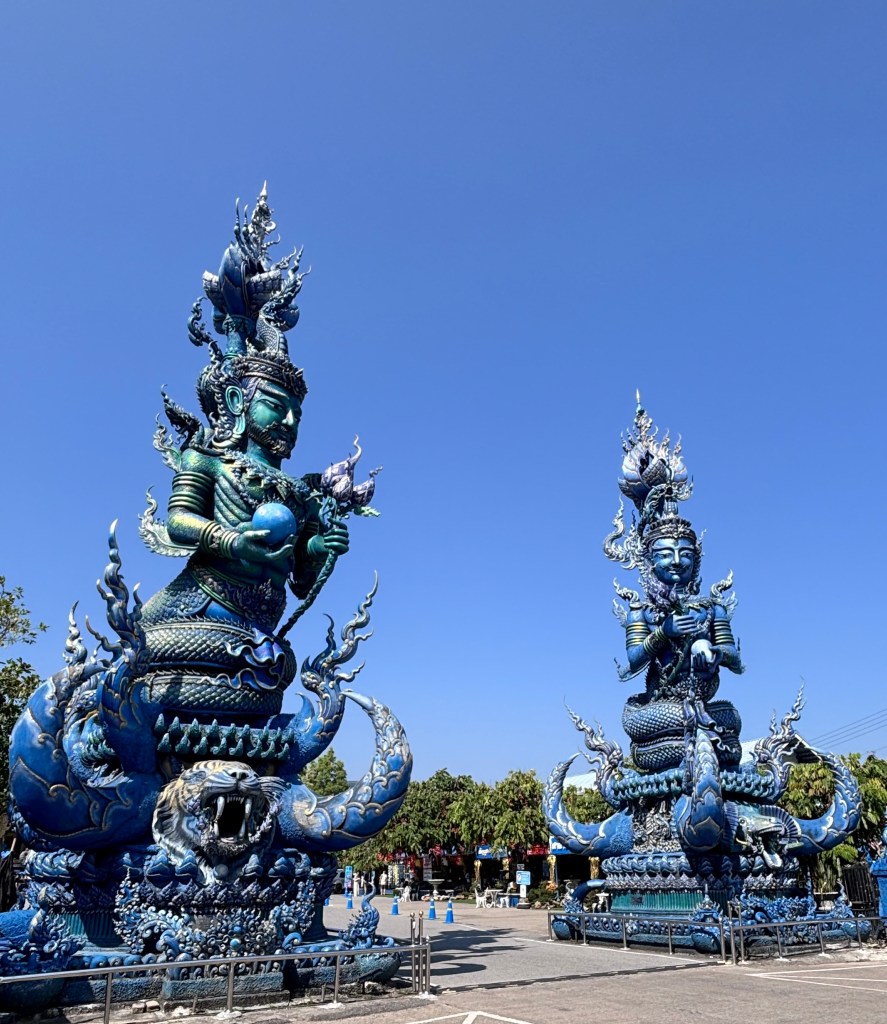
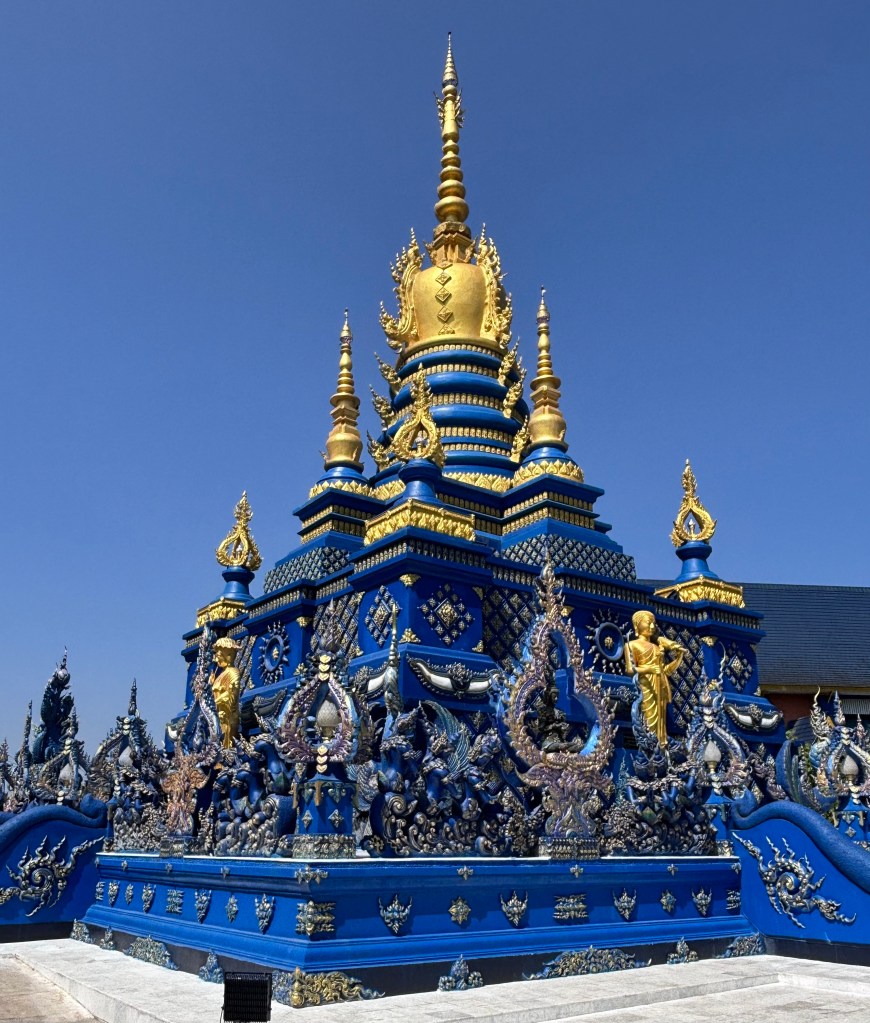
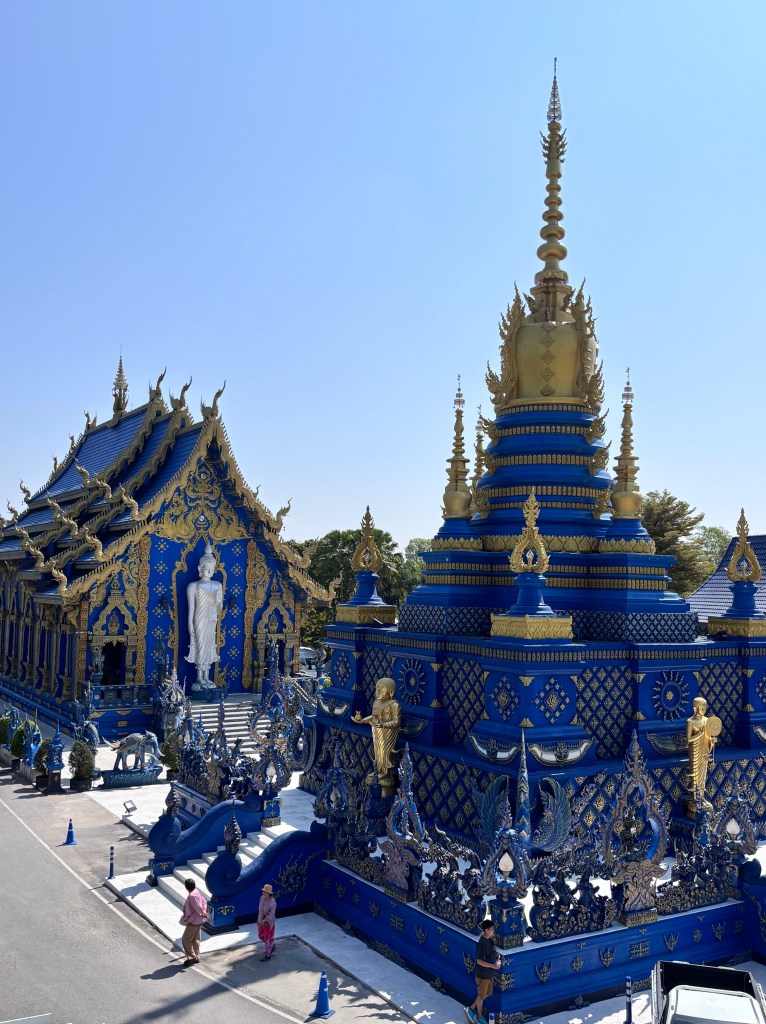
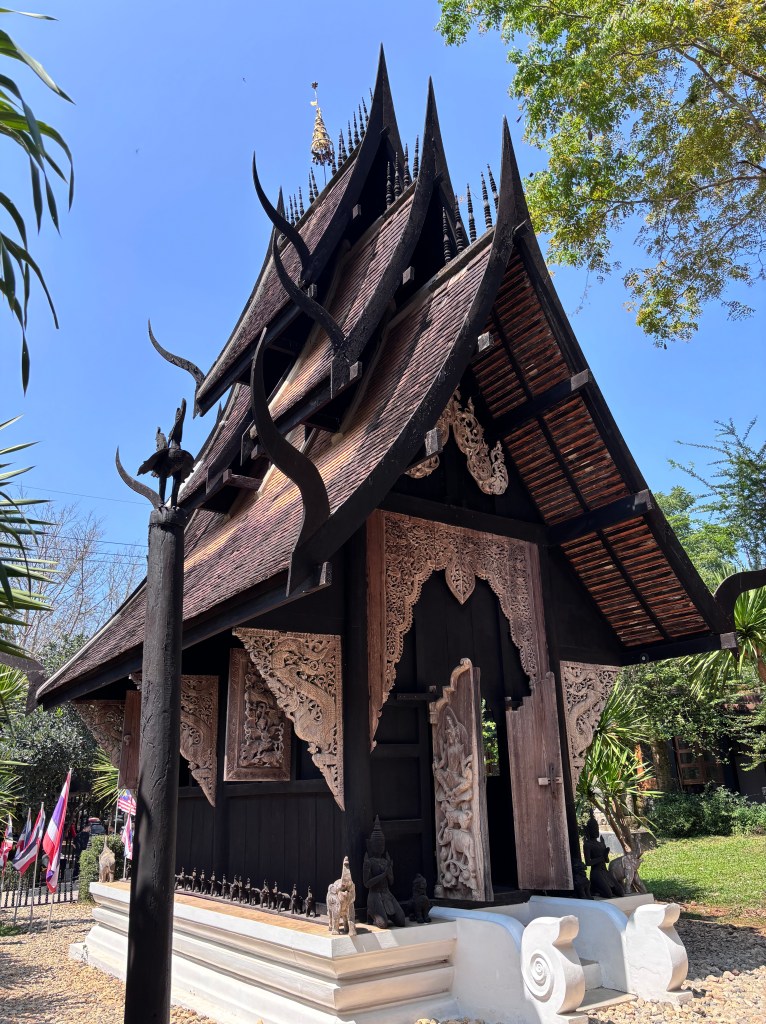
The bus from Chiang Mai to Chiang Rai takes about 4 hours. Met a nice Turkish chap, Sarkan, who helped me drag my backpack/case to the Chiang Rai Clock Tower hostel. We visited the White Wat together before he caught his flight to Cambodia (cheaper from Chiang Rai than from Chiang Mai!). Chiang Rai is advertised as a culture town. Various Lao artists have contributed to this reputation – the White, Blue and Black wats are the main ones.
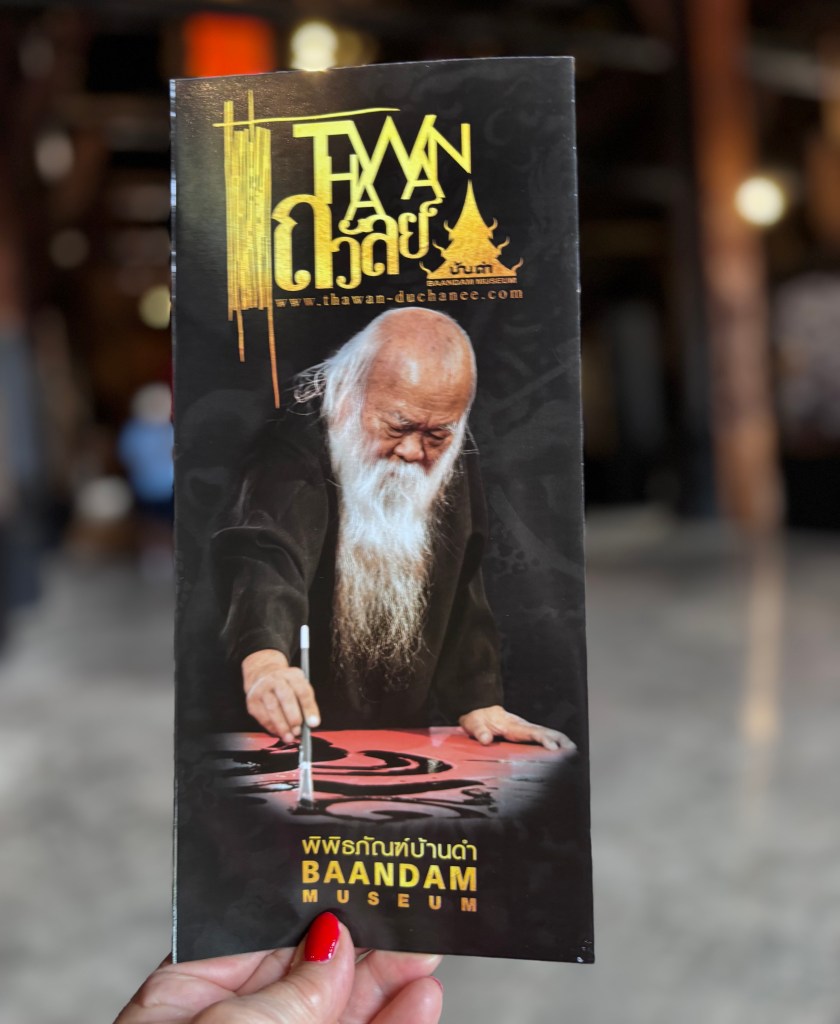
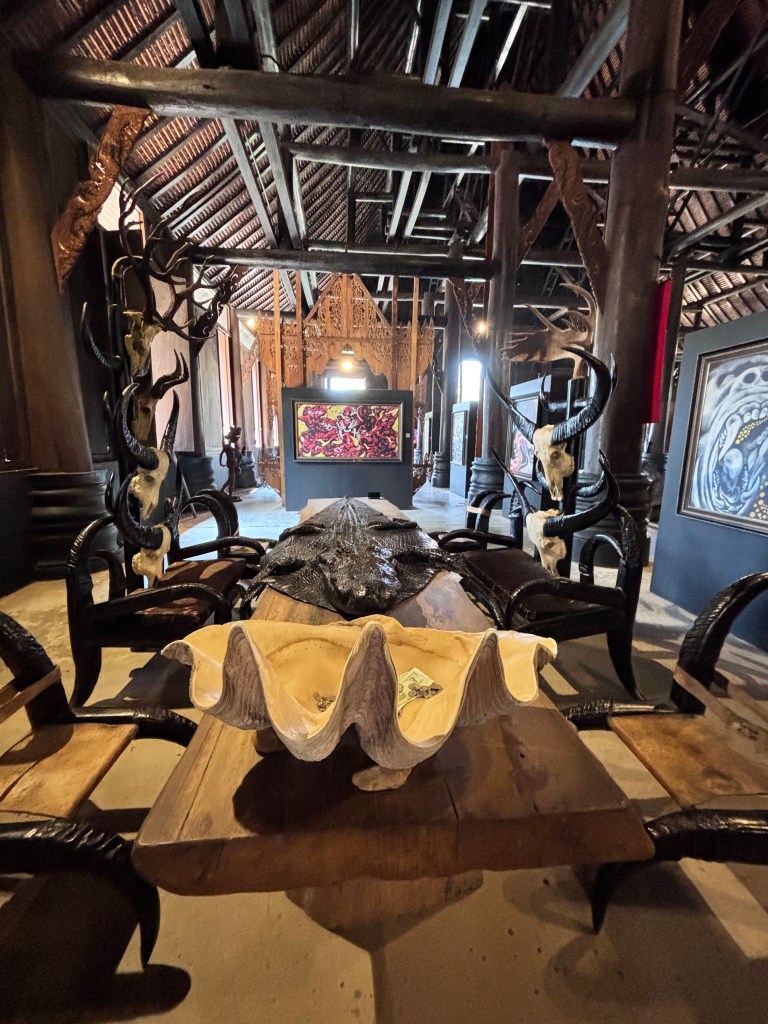
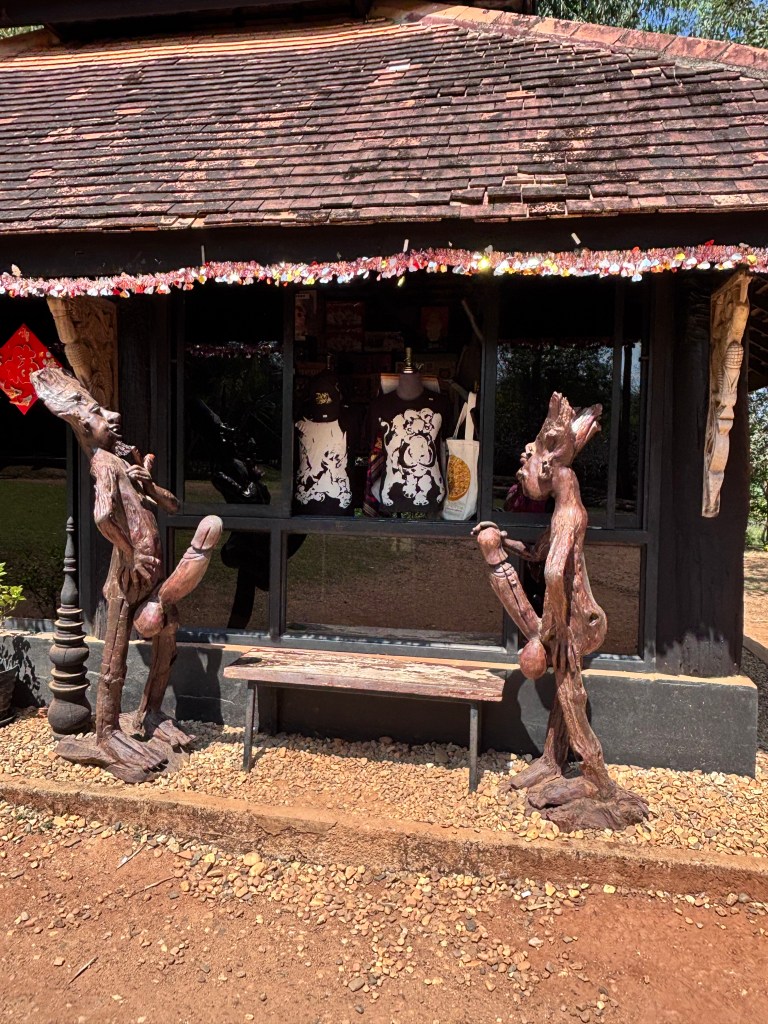
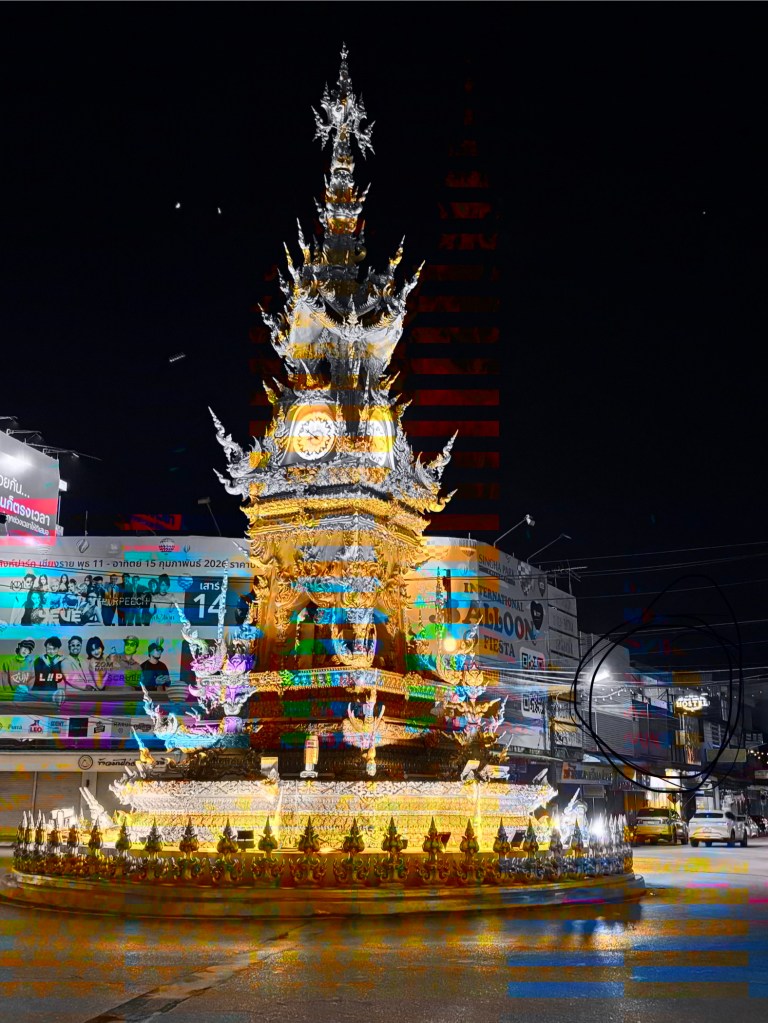
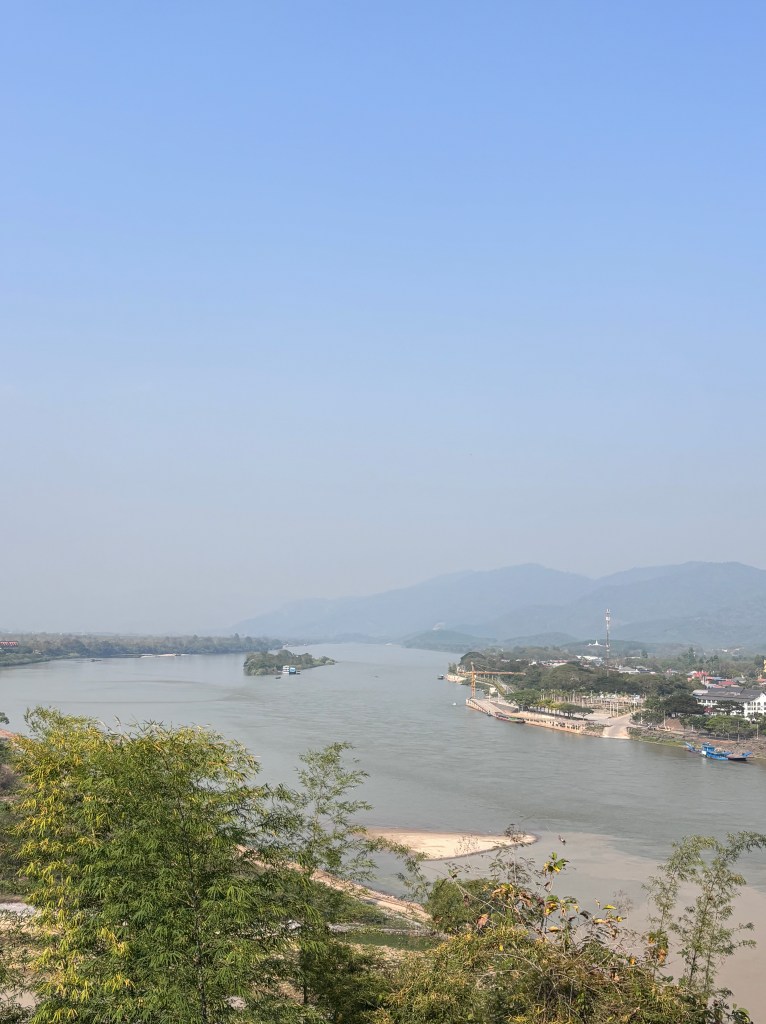
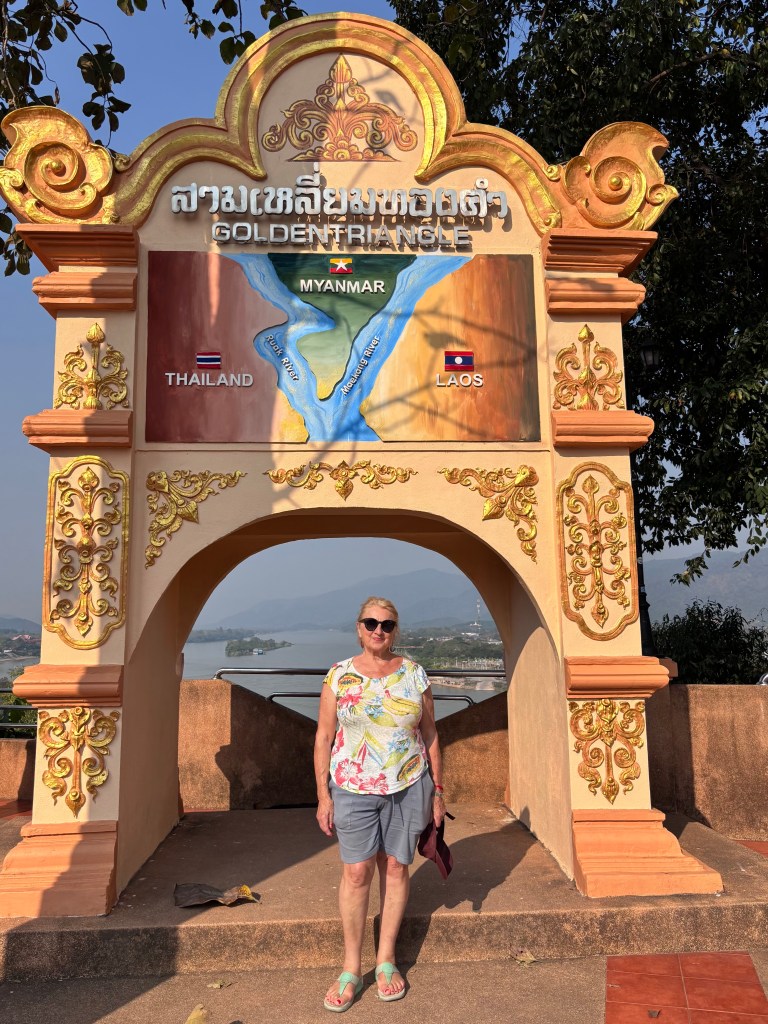
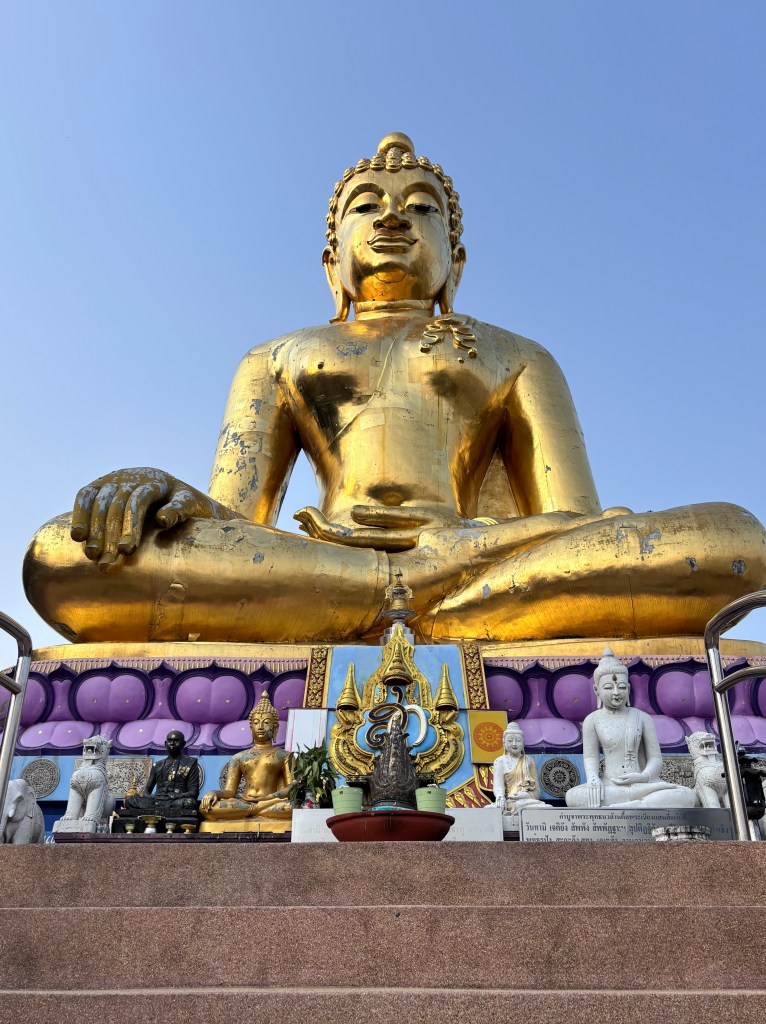
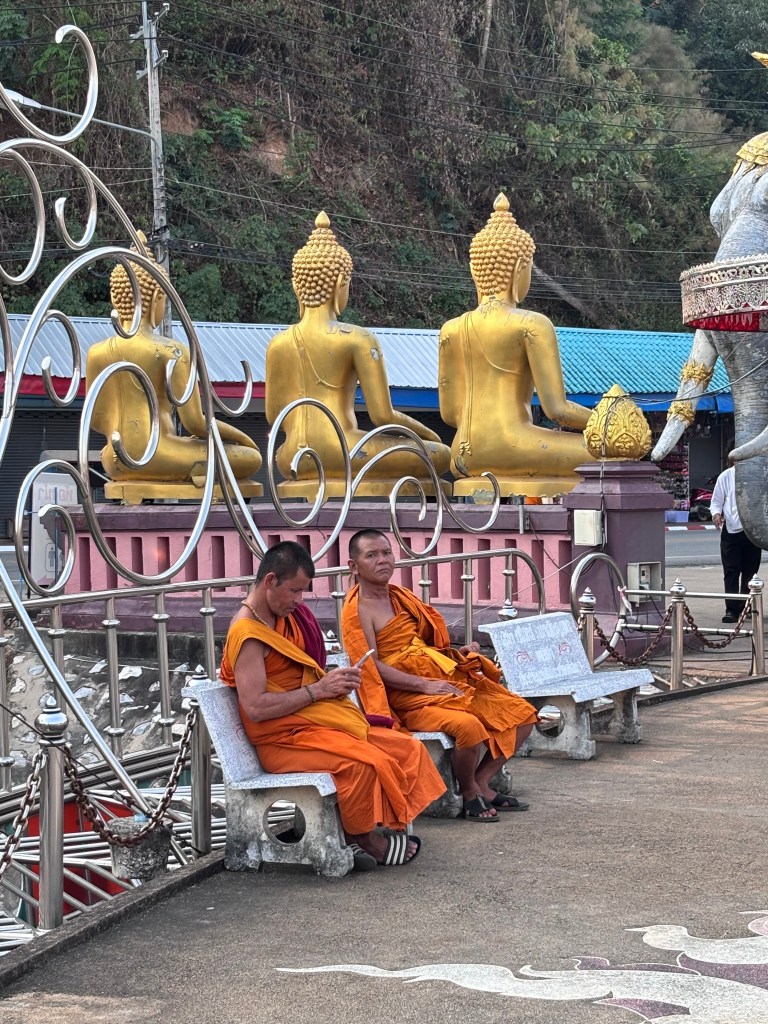
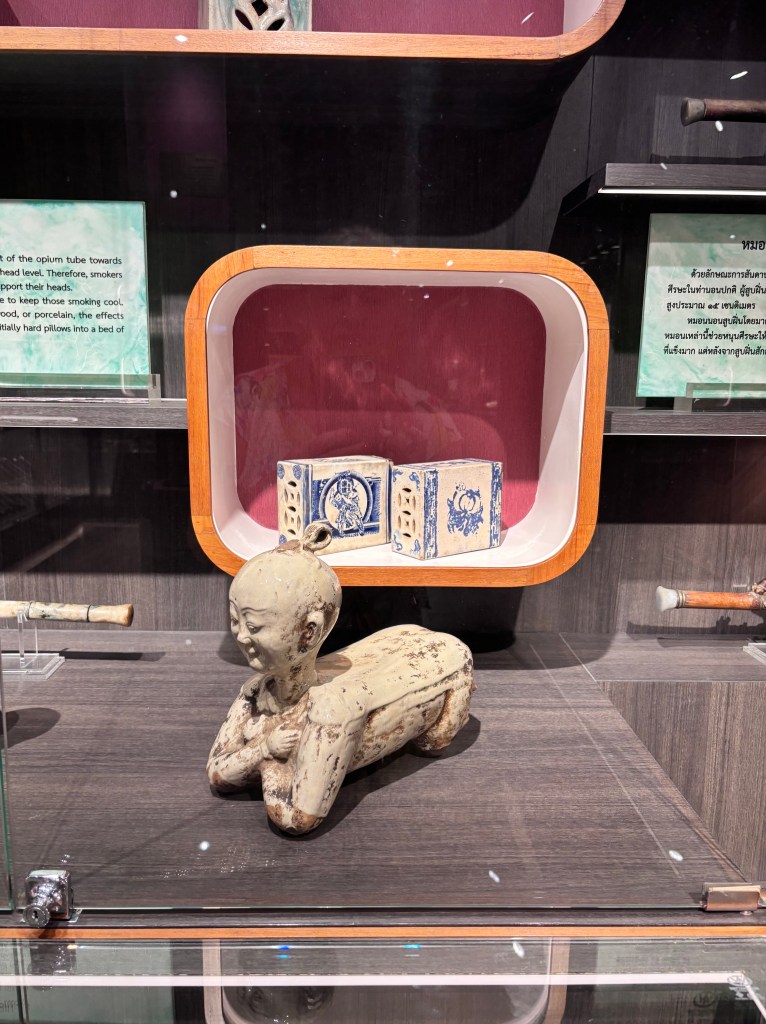
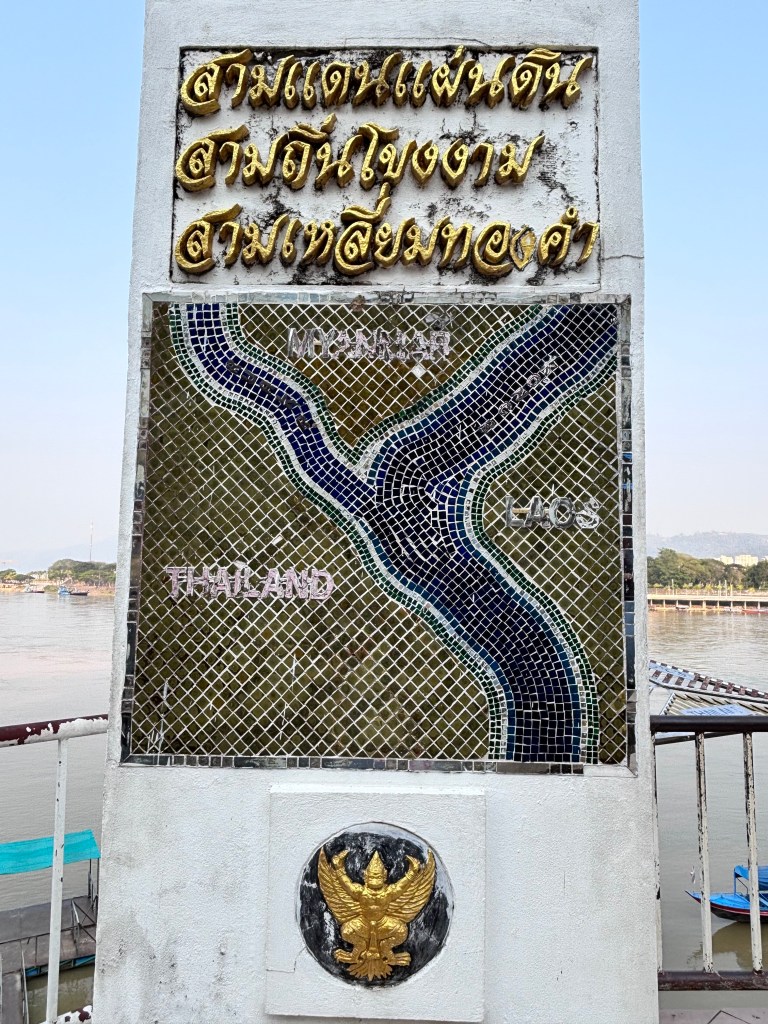
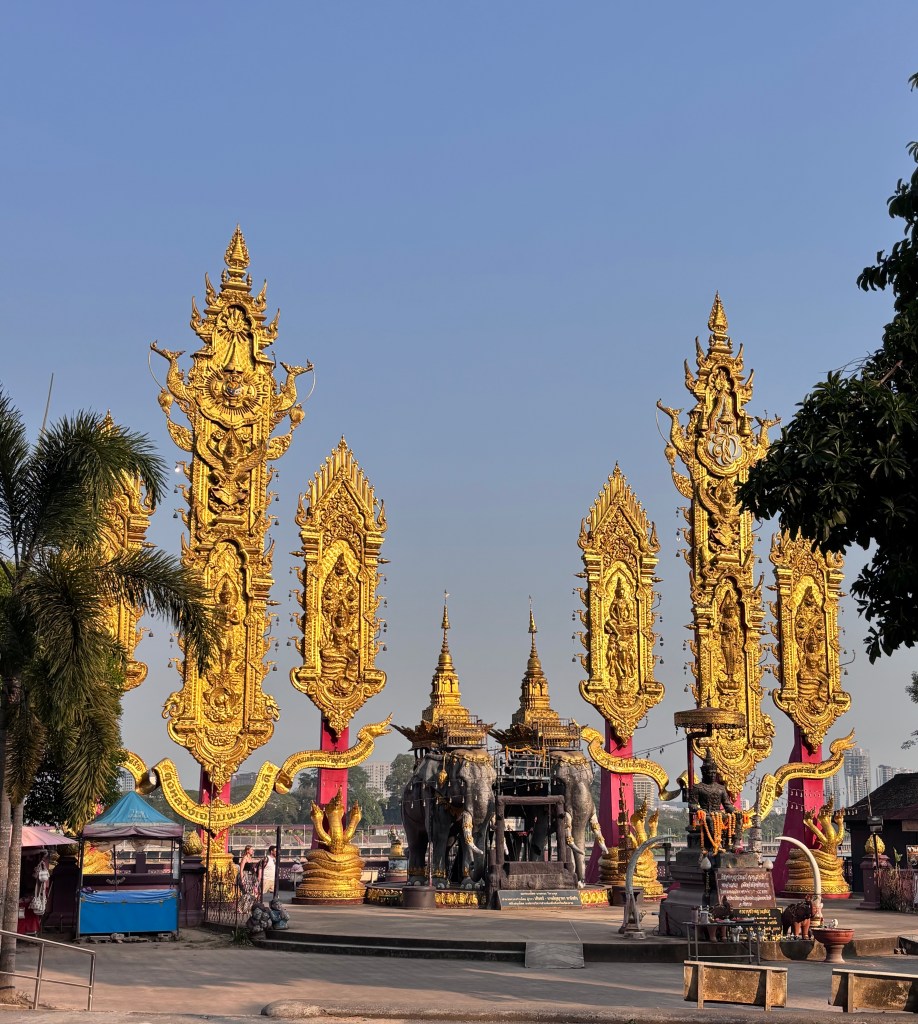
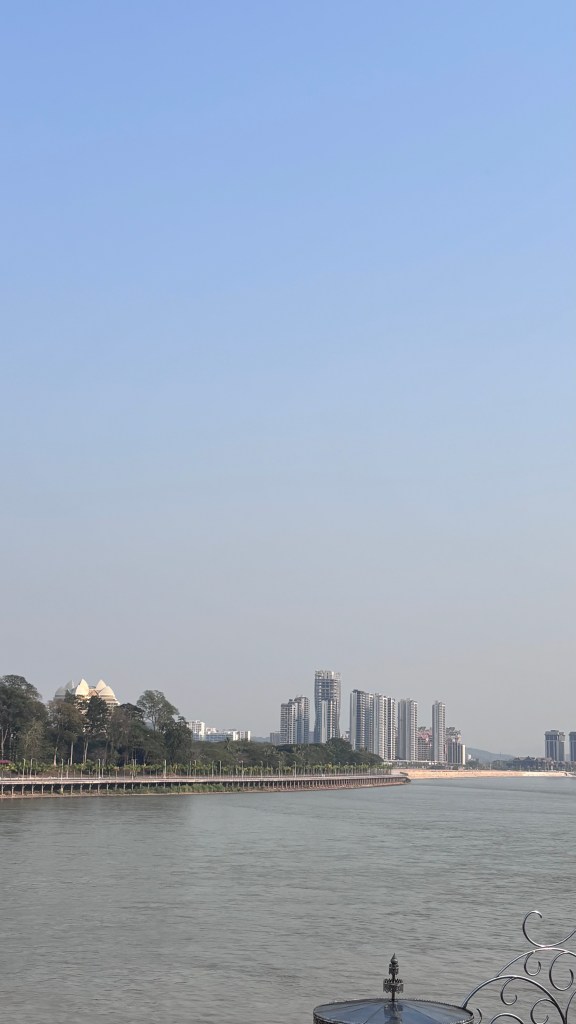
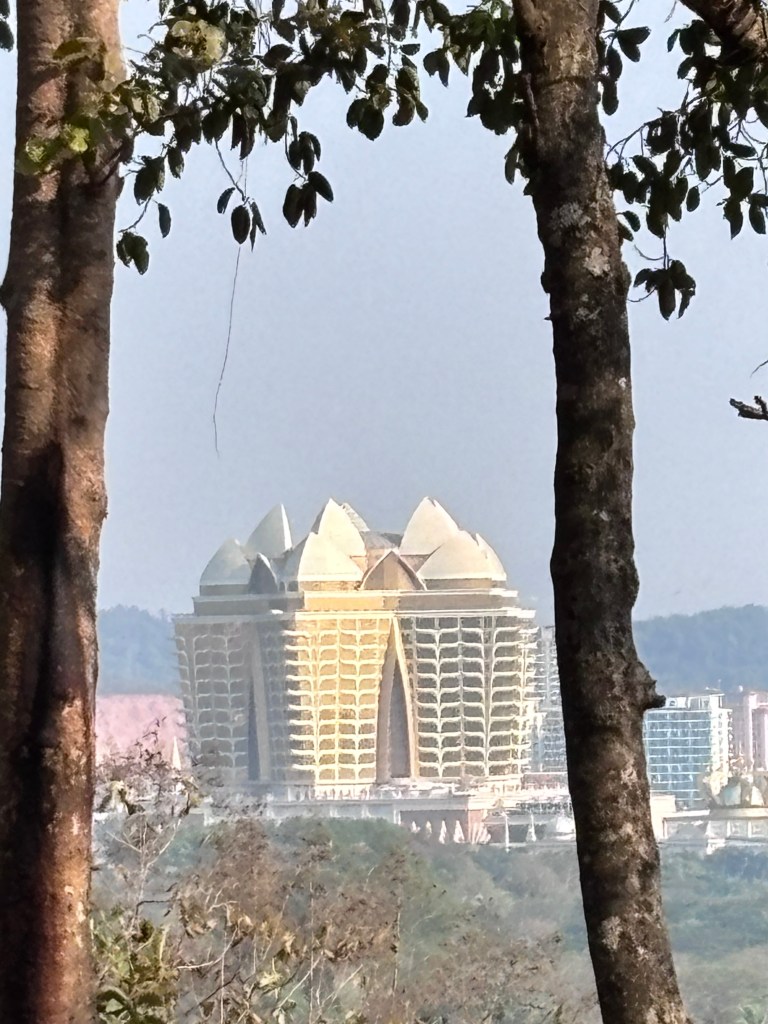
The Golden Triangle – the tripartite border between Thailand, Laos and Myanmar, famous because of the Opium trade (when opium was weighed in gold) and all the criminal activity that went with it – is now a tourist spot. The small Opium museum is good – interesting shape weights. Nice views from the peak above where the Ruak river flows from Myanmar into the Mekong over the landscape. Interestingly, the Chinese have taken a 99-year lease on a large chunk of land on the Laos side and have built a casino city there for the Chinese to visit (no gambling allowed in China…), with an airport and loads of skyscraper hotels. Looks totally out of place.
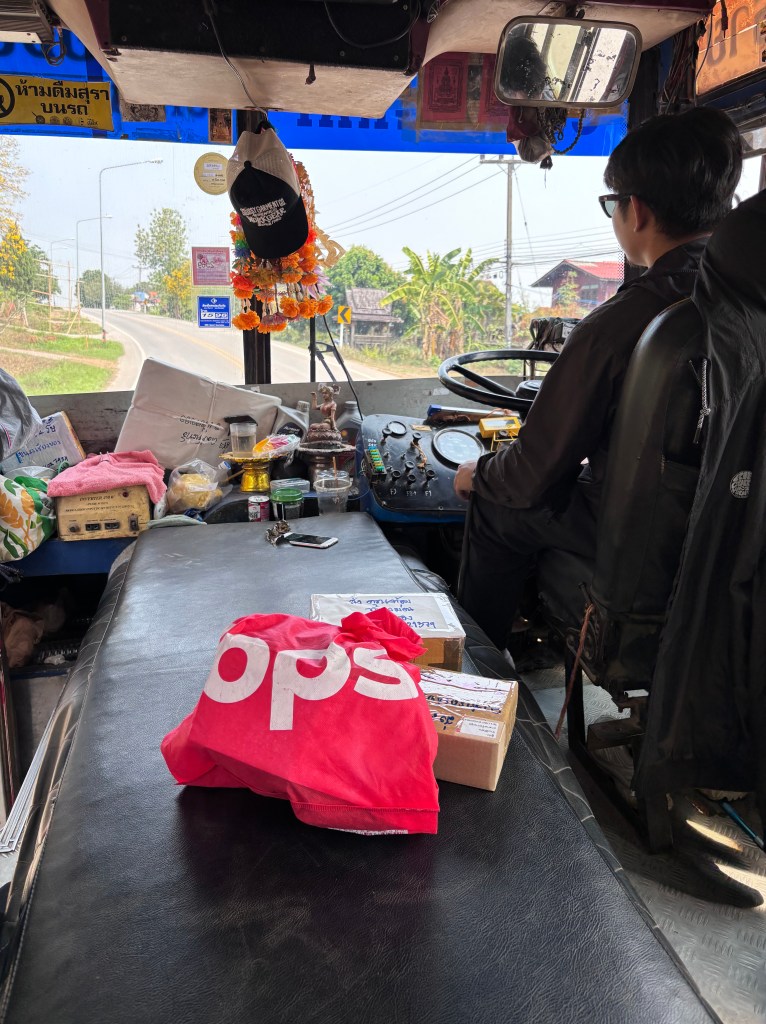
Took the local bus from Chiang Rai to the Friendship Bridge border crossing. The bus station timetable said 09:30 departure, but it only got going when it was full – over an hour later. Cost 140 Baht. The bus has seen better times. Everyone must take the shuttle across the bridge – no walking. (The cost is minimal. )
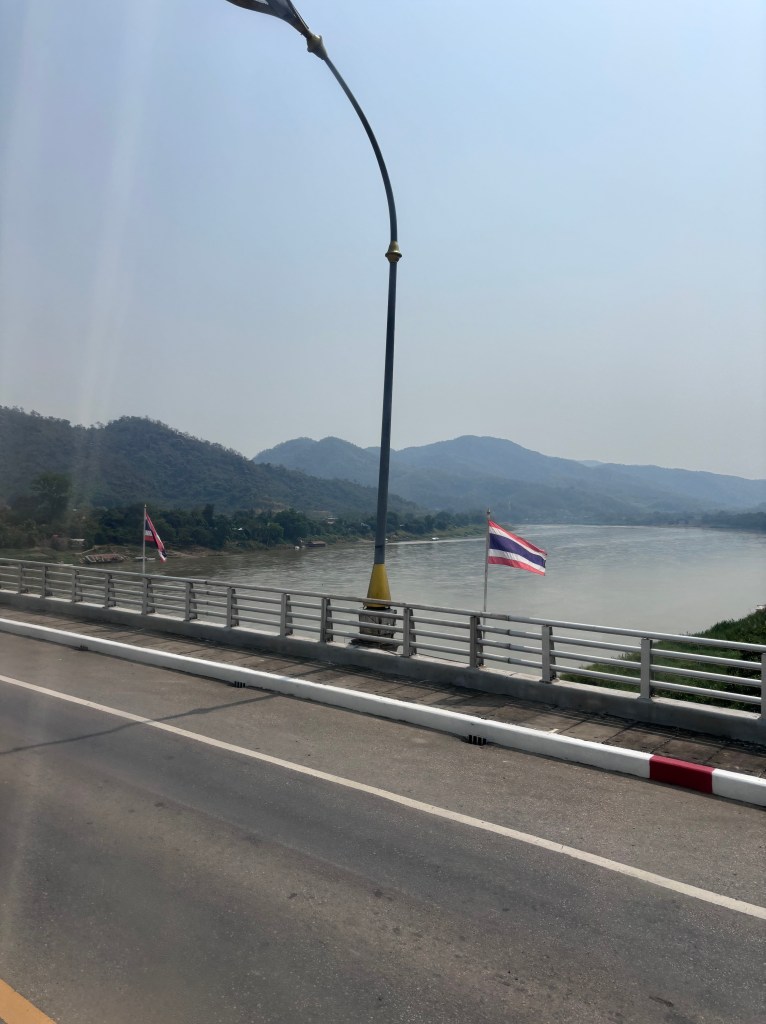
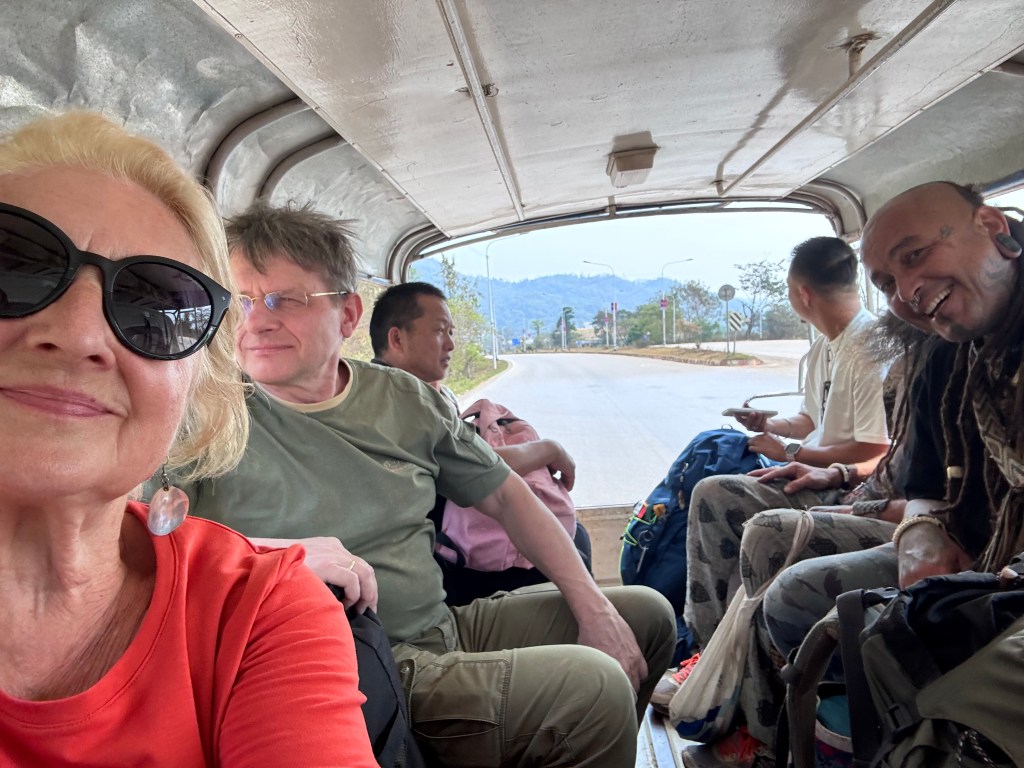
The Lao visa on arrival requires $40 in crisp, unfolded notes, a photograph and a couple of forms. The shuttle bus into Huayxay had to be negotiated though the drivers know they’ve got you – there is no other way to get into town. We paid 100K kip each. The Lao kip is fairly worthless – £200 got me some 5,5 million kip.
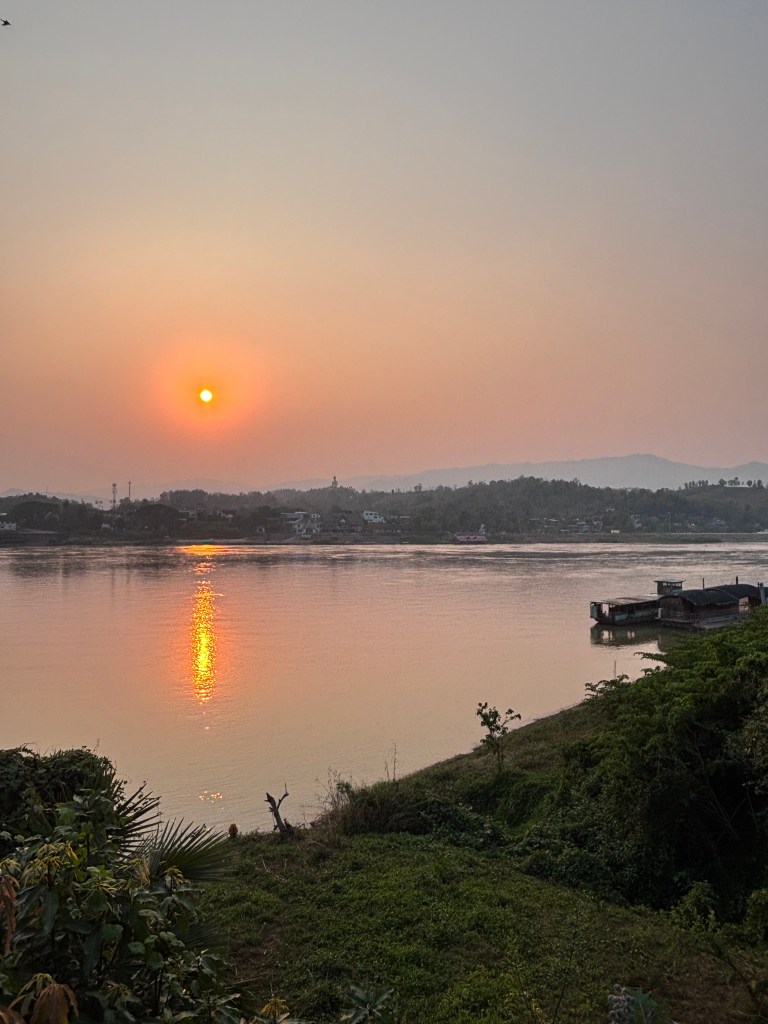
Huayxay is a small riverside village, distinguished by two things: it is the home of The Gibbon Experience, a conservation project combined with zip-lining and staying in tree houses, and it is from where the slow boat goes down the Mekong to Luang Prabang, a two day journey.
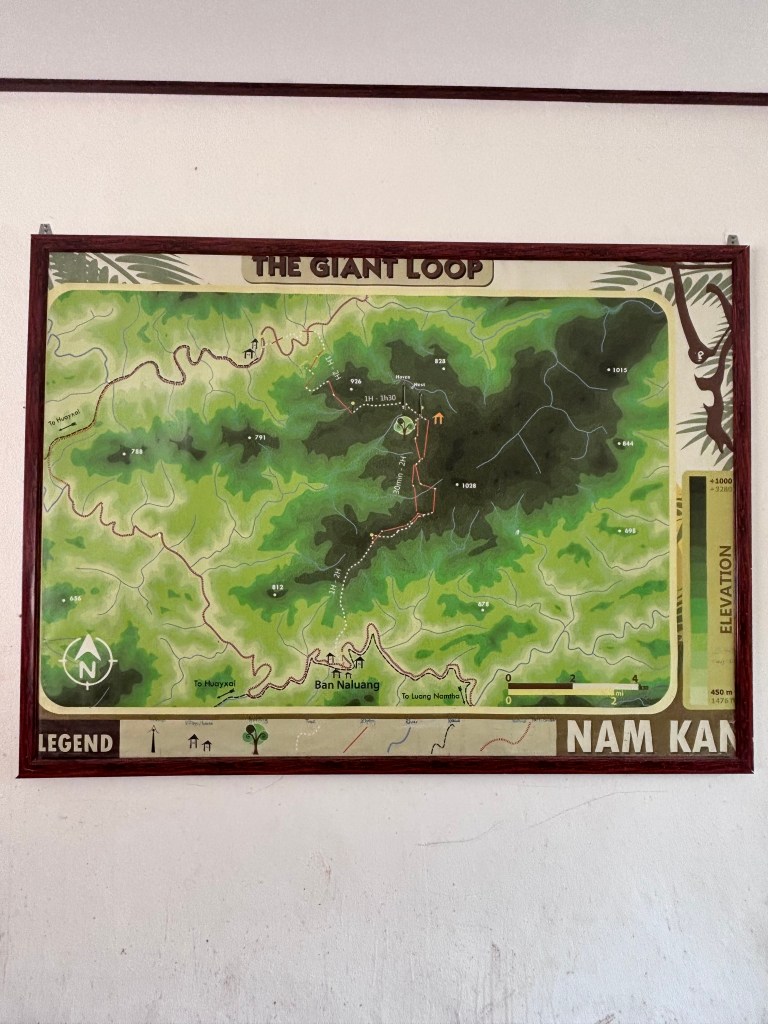
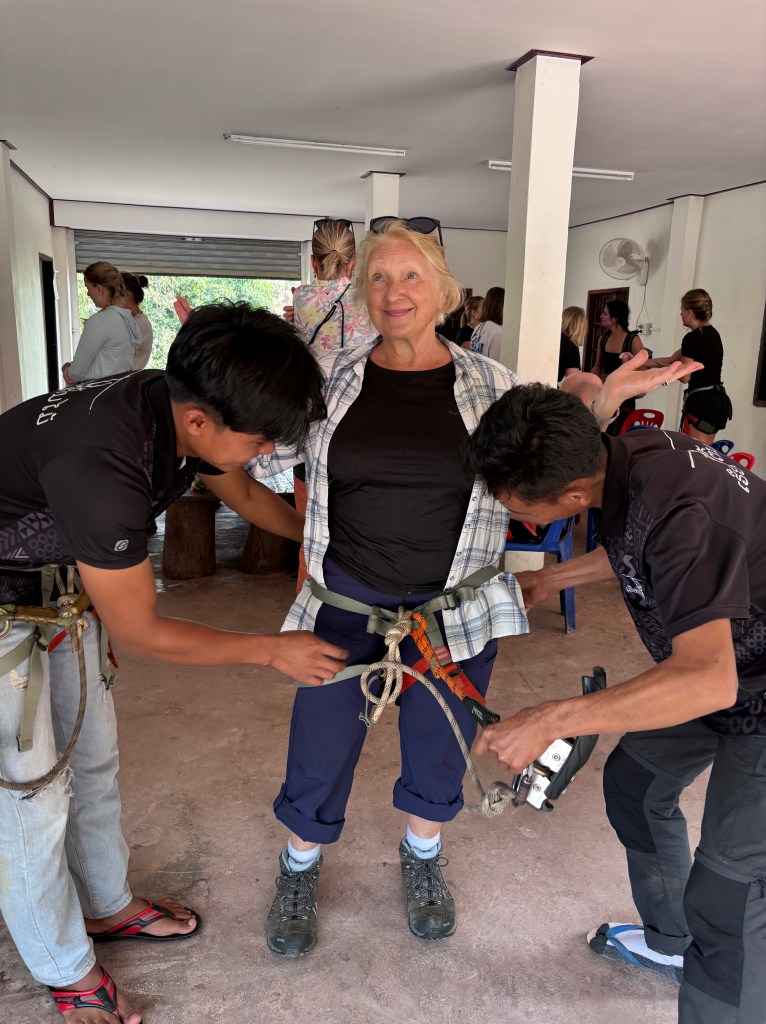
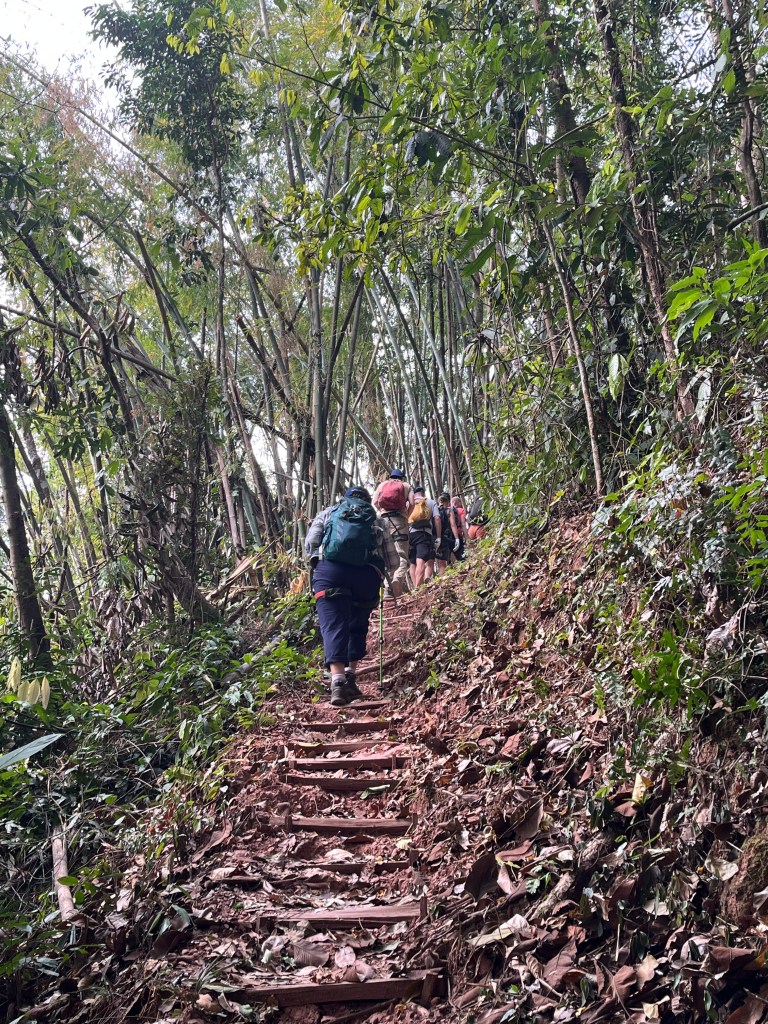
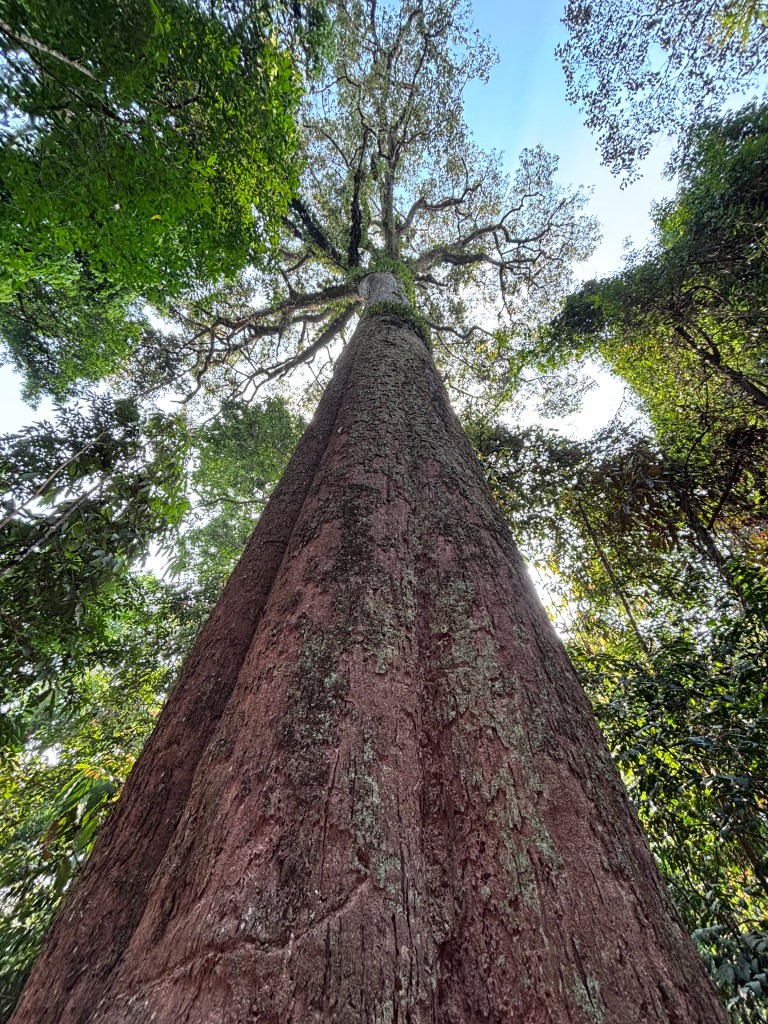
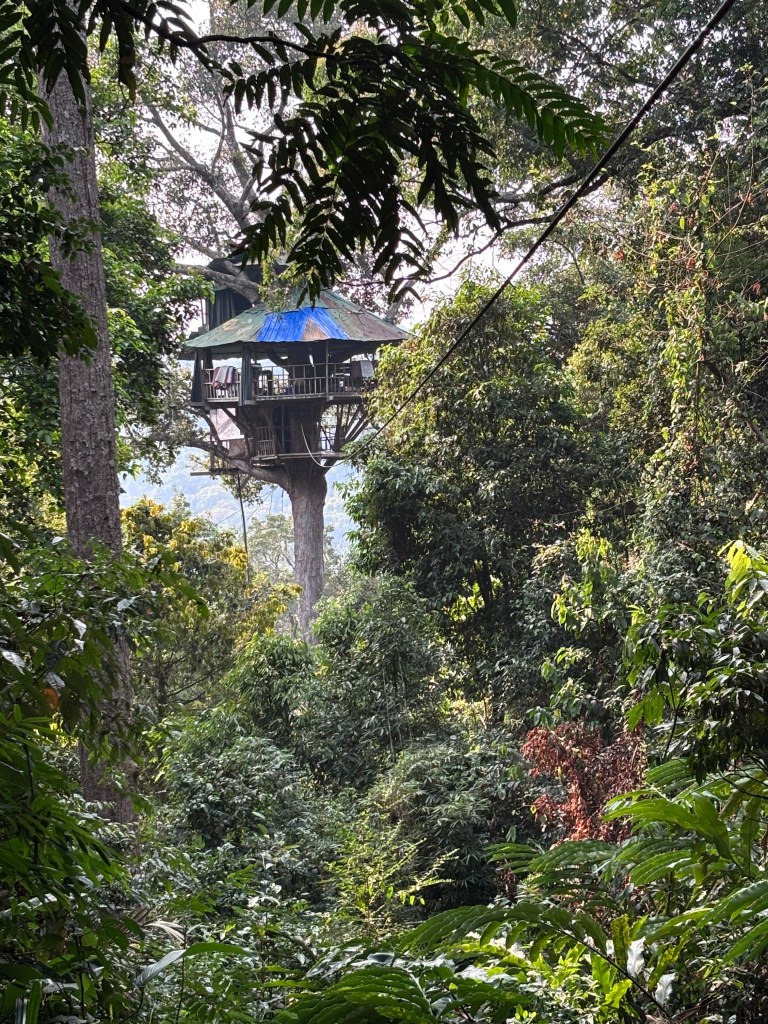
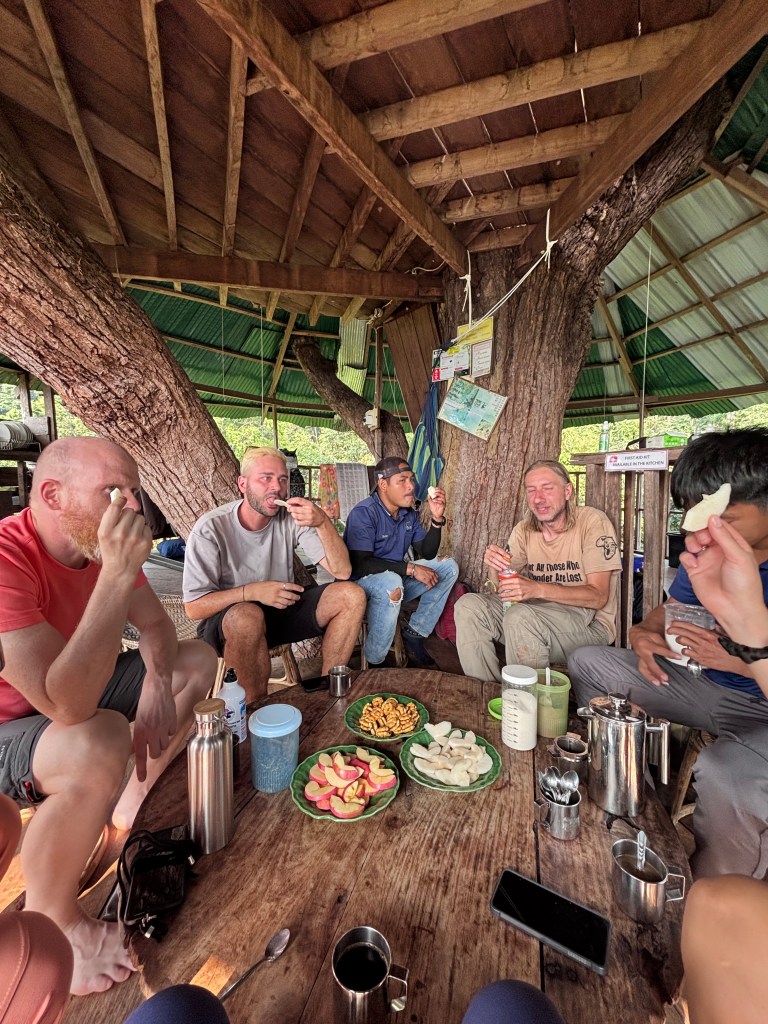
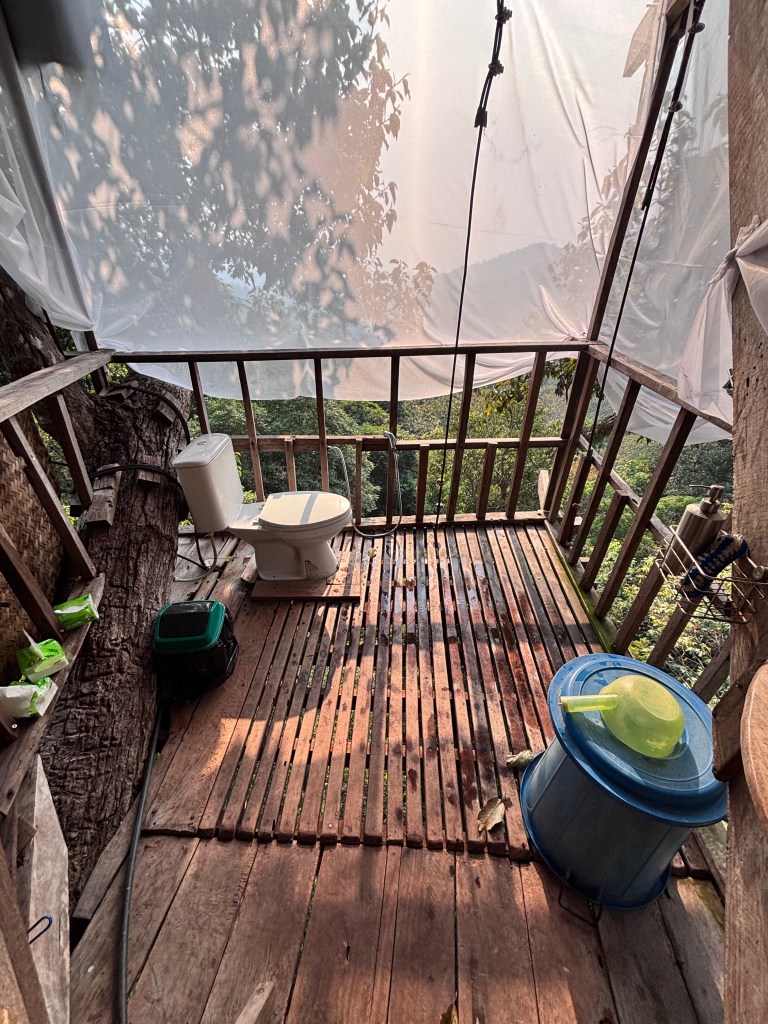
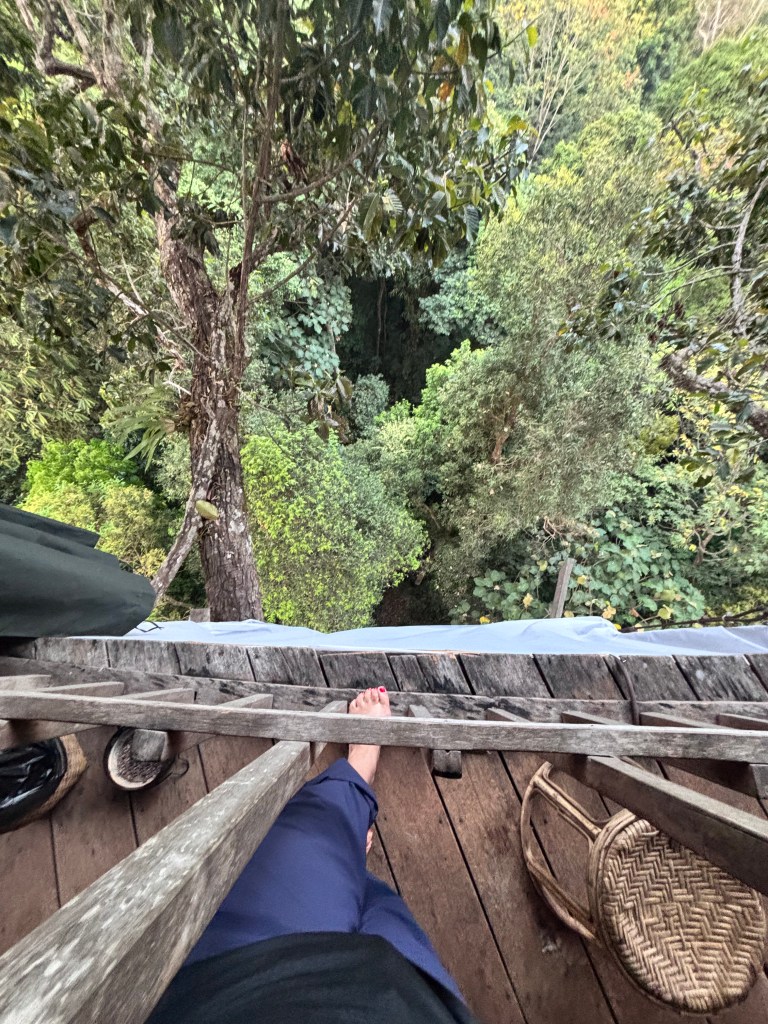
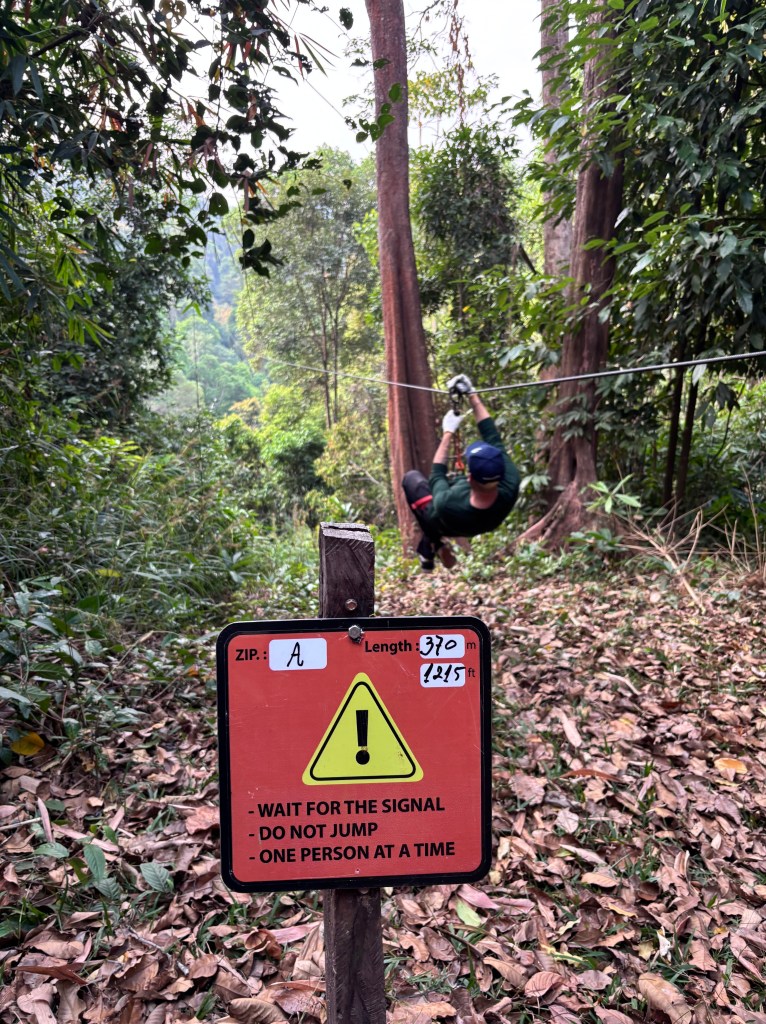
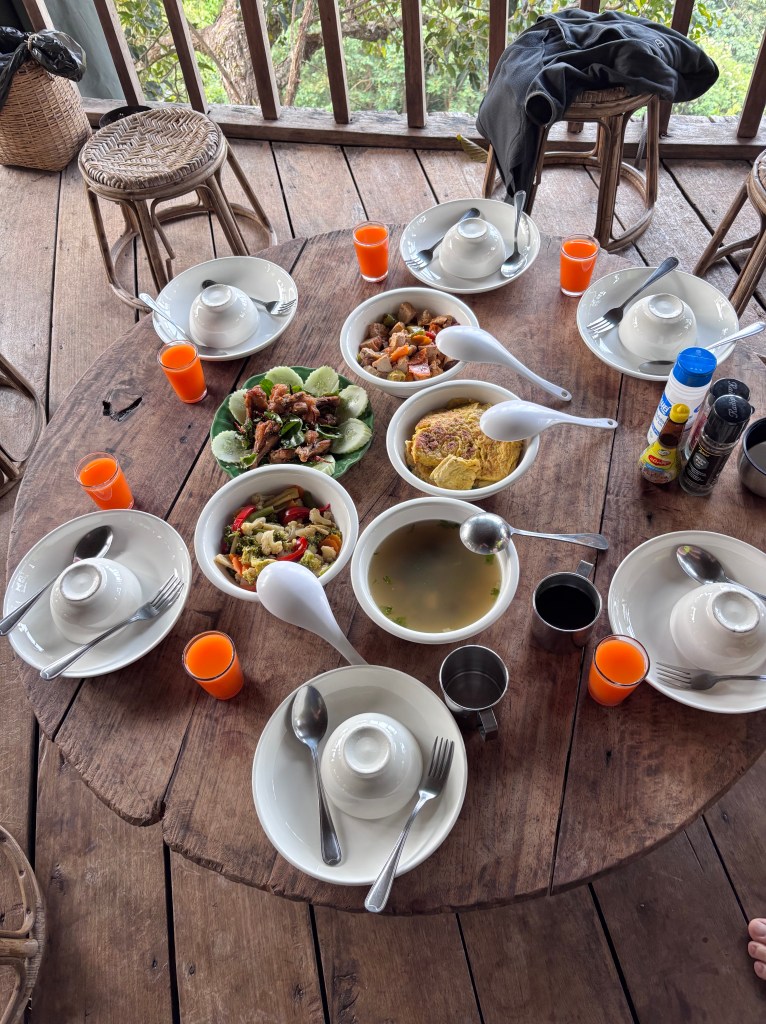
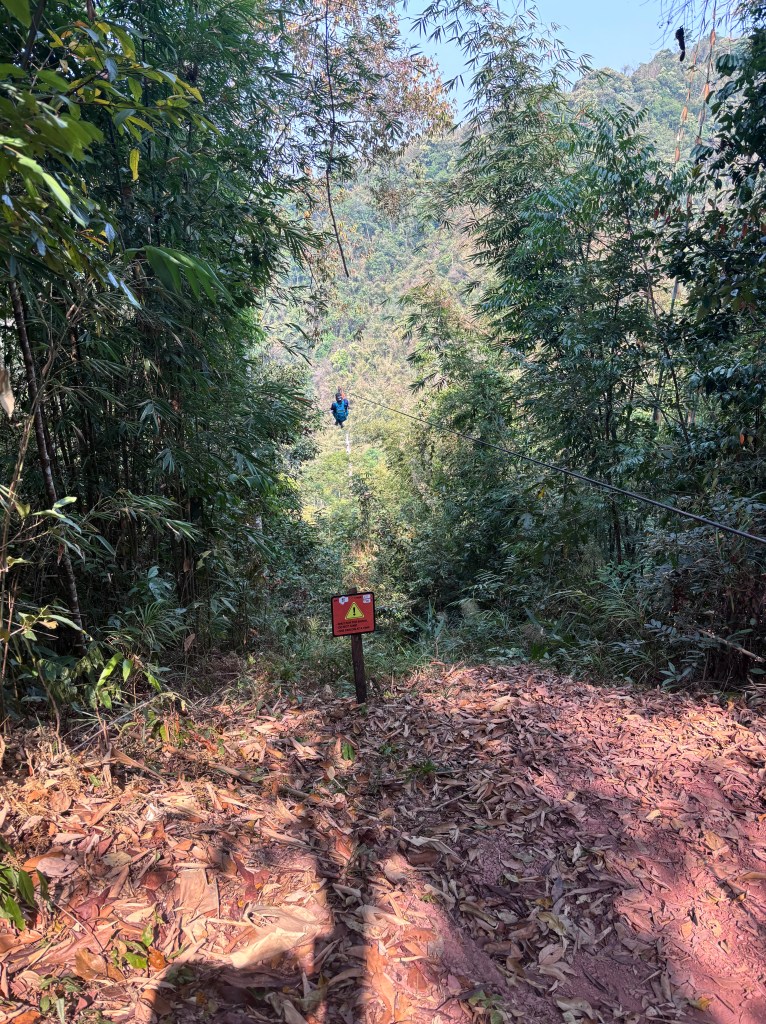
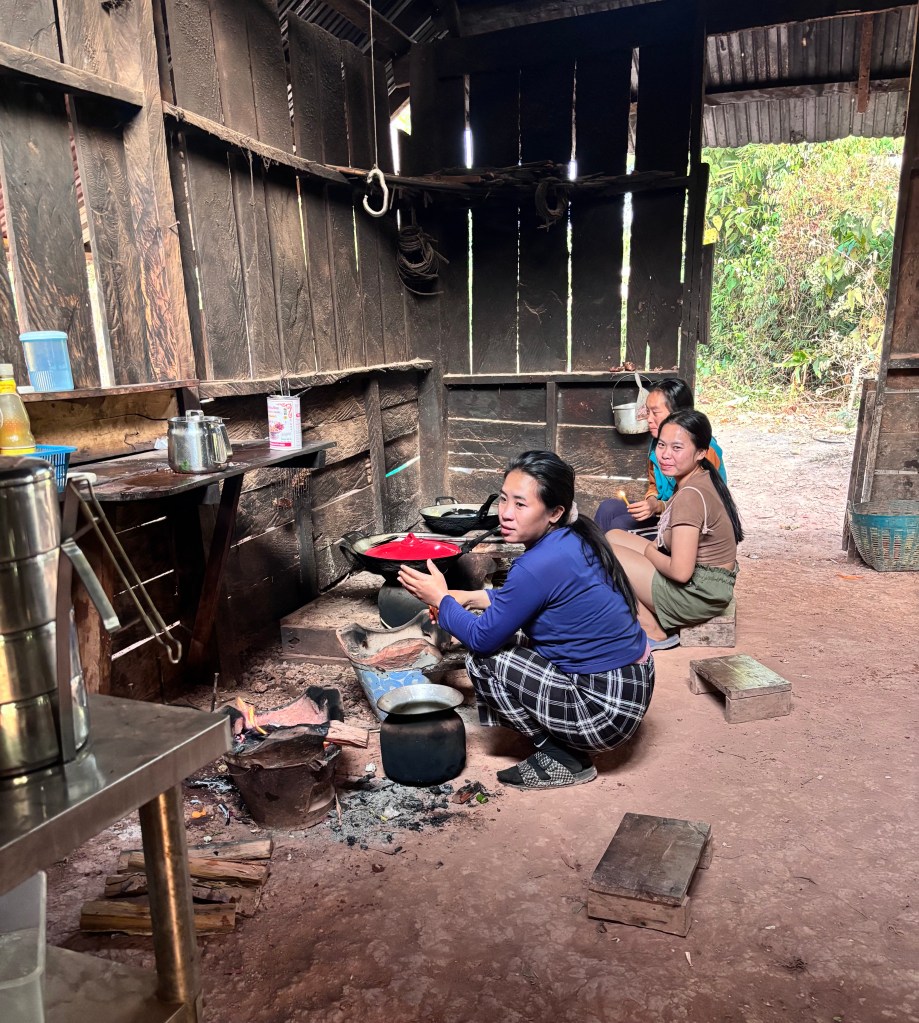
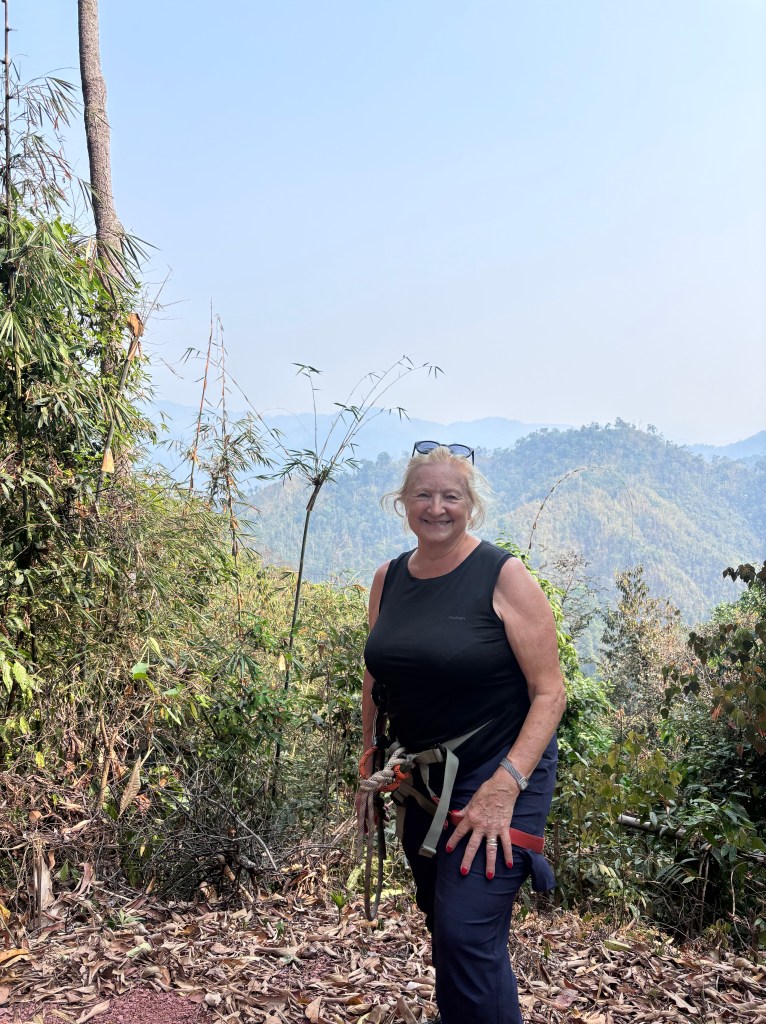
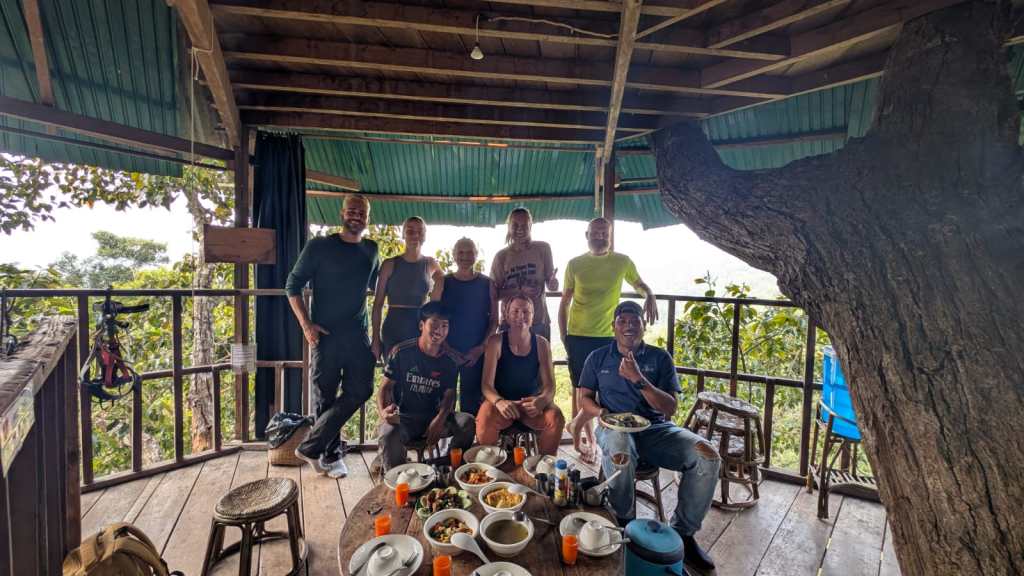
The gibbons we did not see – they have moved further into the jungle – there have been forest fires and the area is too busy with humans.
Huayxay is now a thriving tourist spot and though the slow boat still sees a local person coming on and off, 98% is tourists. The cost of the boat trip is 400,000 kip (and 50,000 for the tuk tuk to take you to the landing). The boat stops for the night about half way, in Ban Pakbeng, and everyone must get off. A lot of hostels, restaurants and guesthouses have sprung in this hamlet on the steep side of the Mekong. The next day, we were on different boat – it looks like they are sharing the burden and the income.
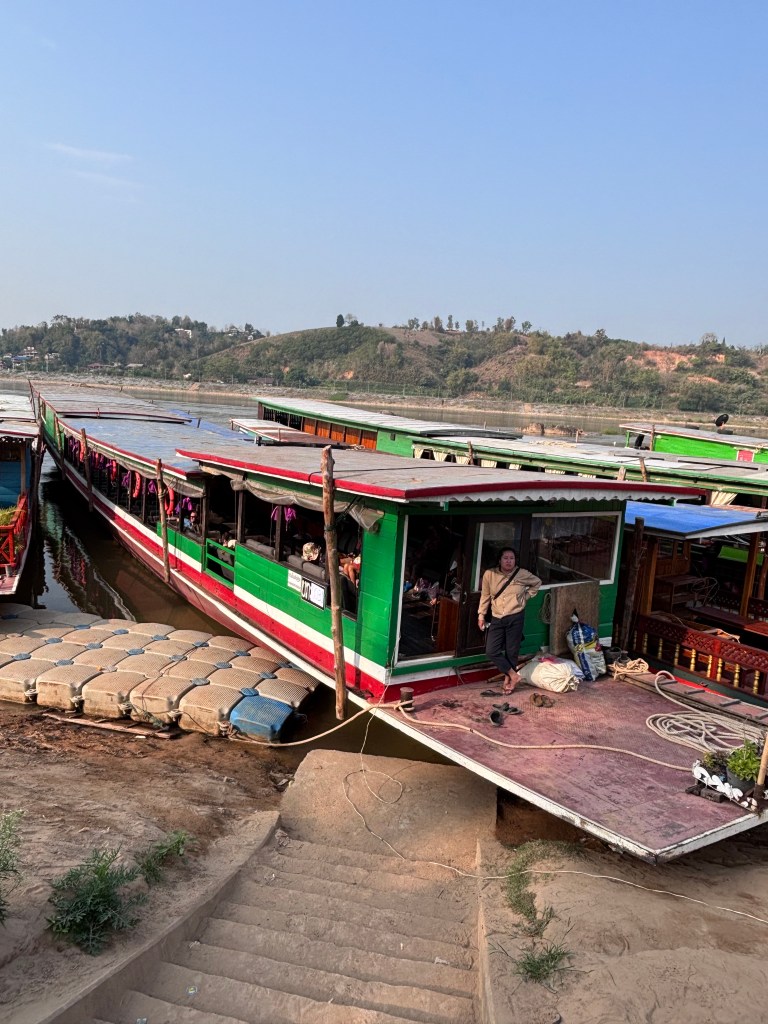
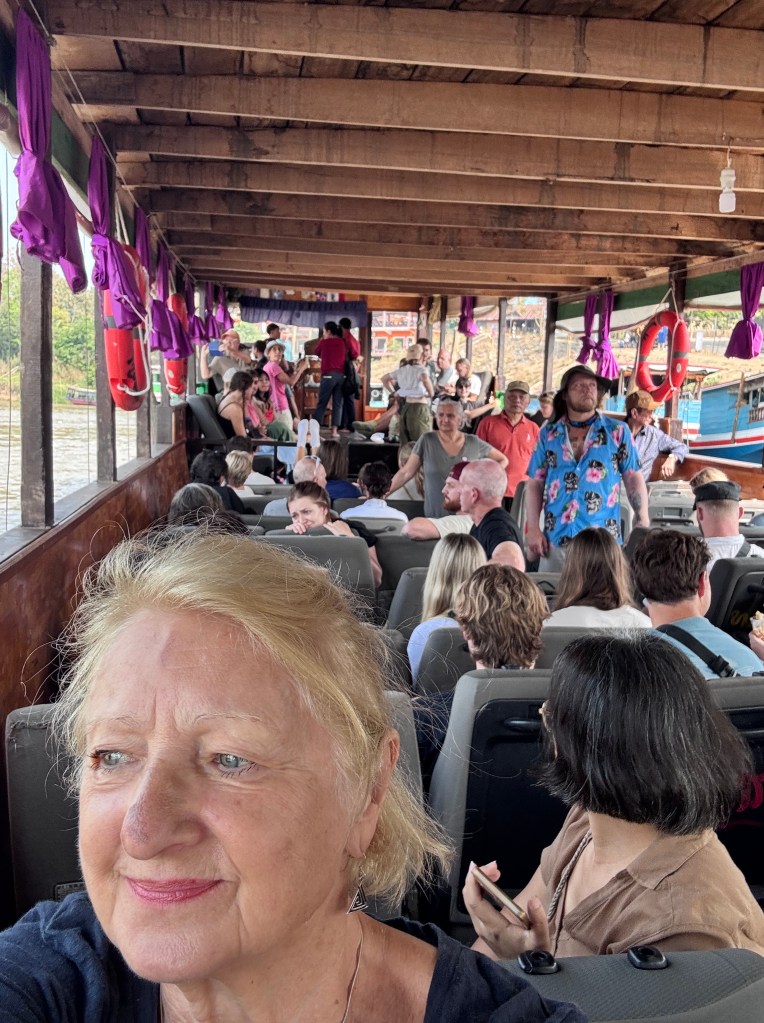
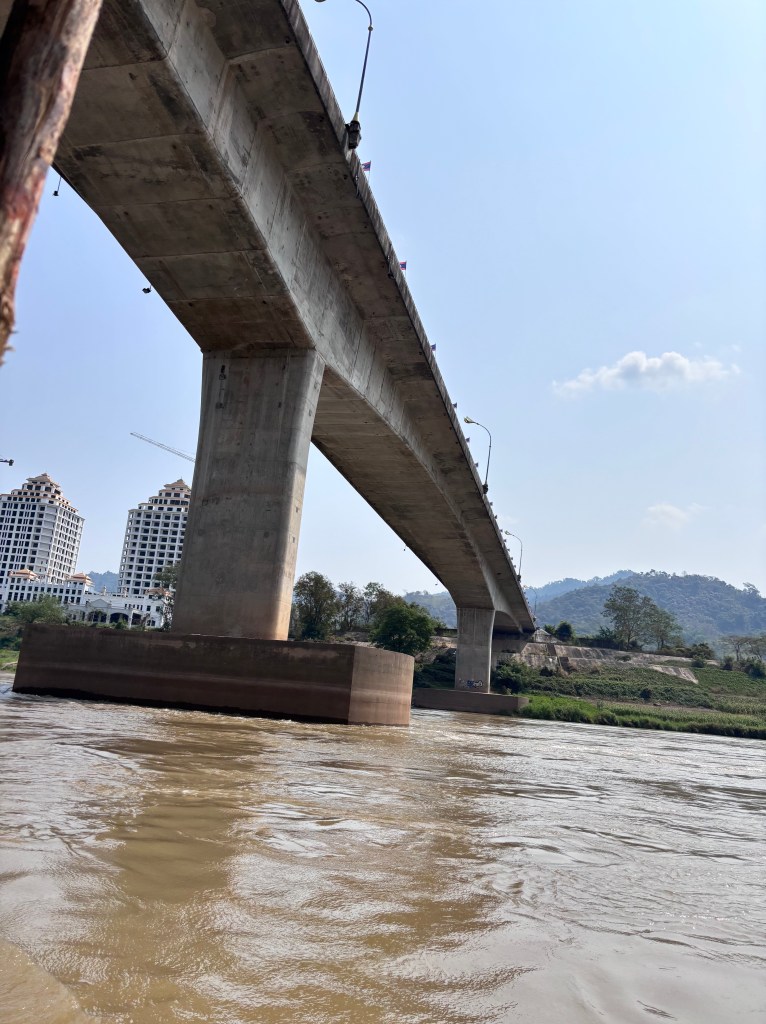
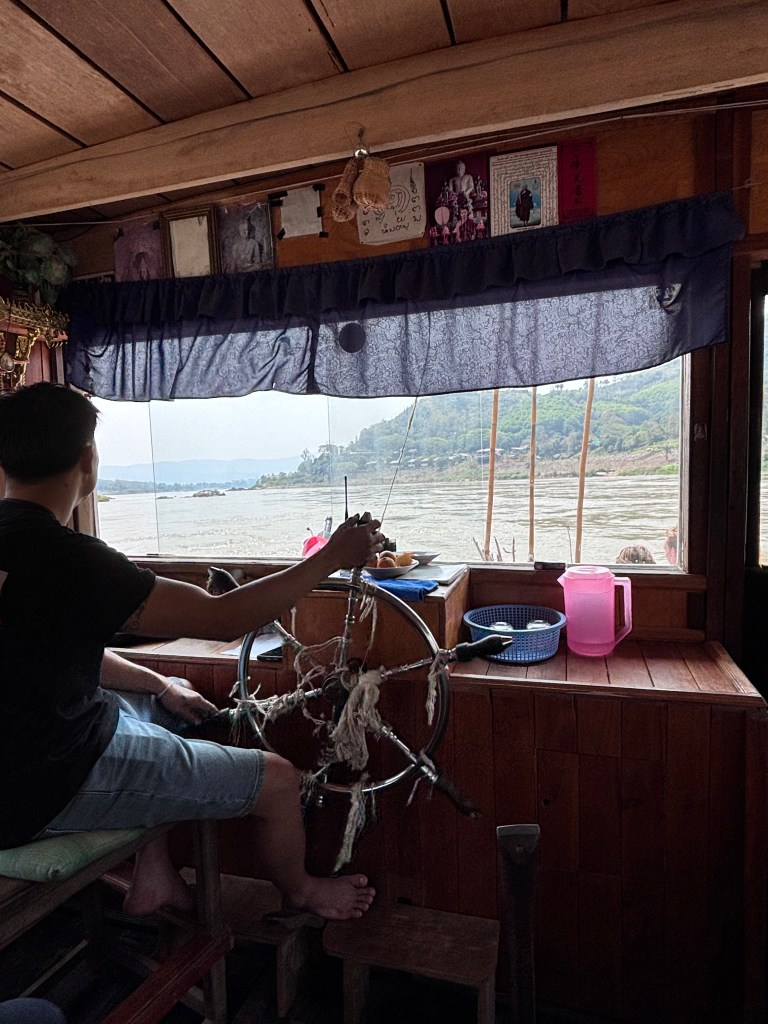
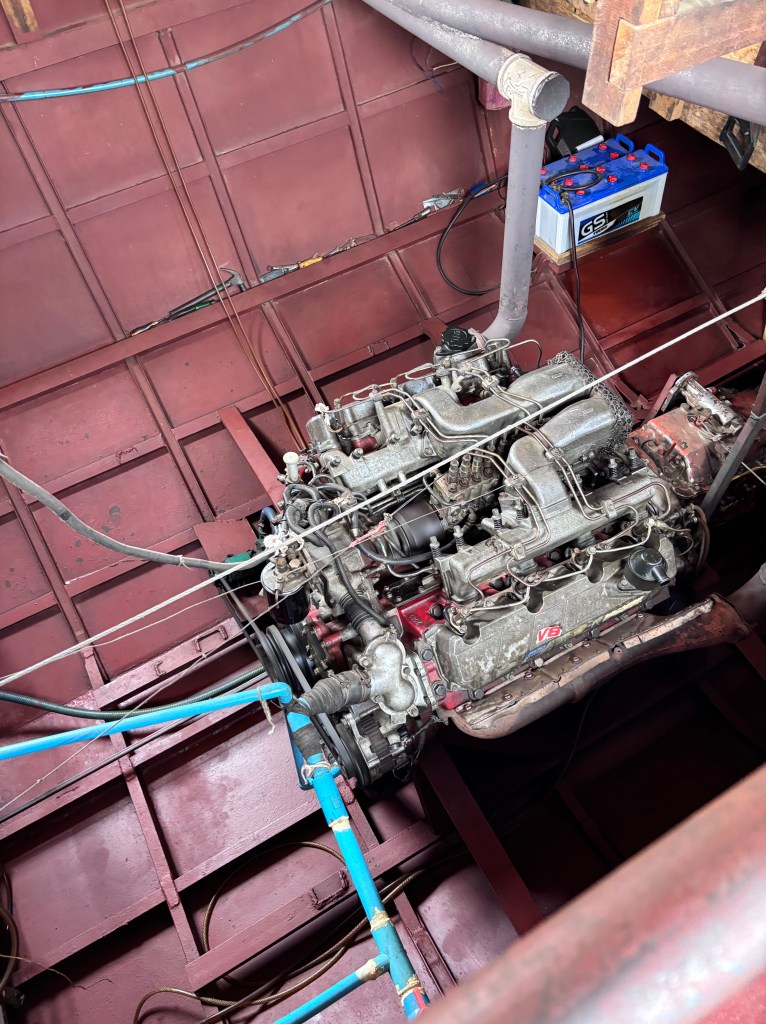
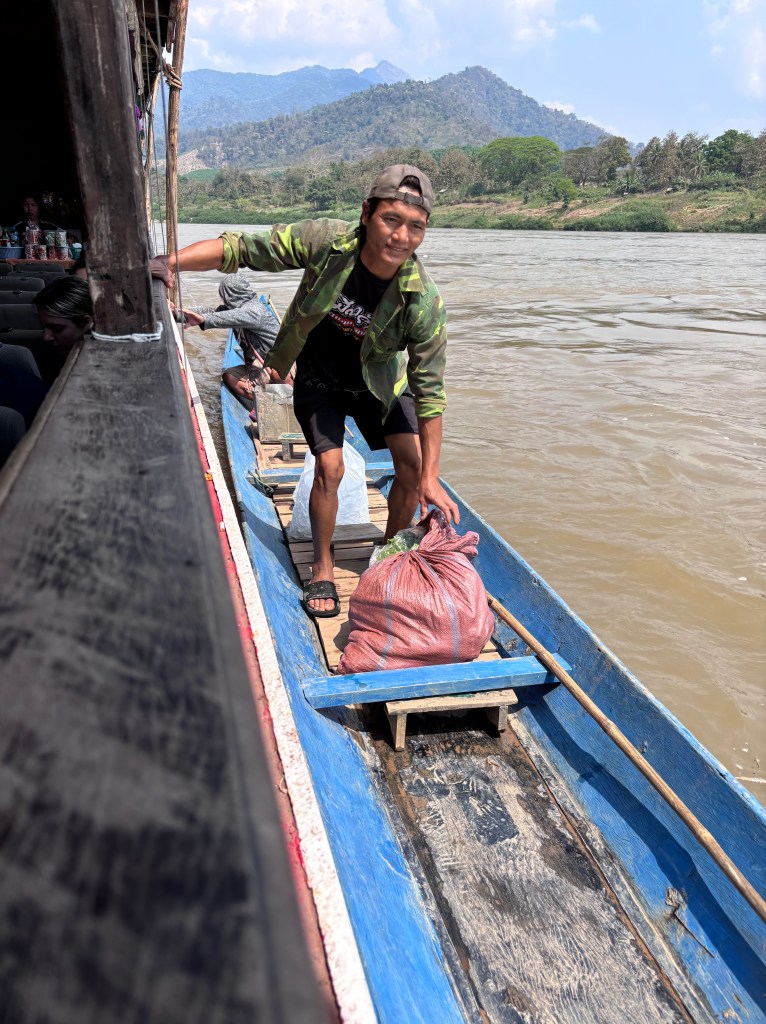
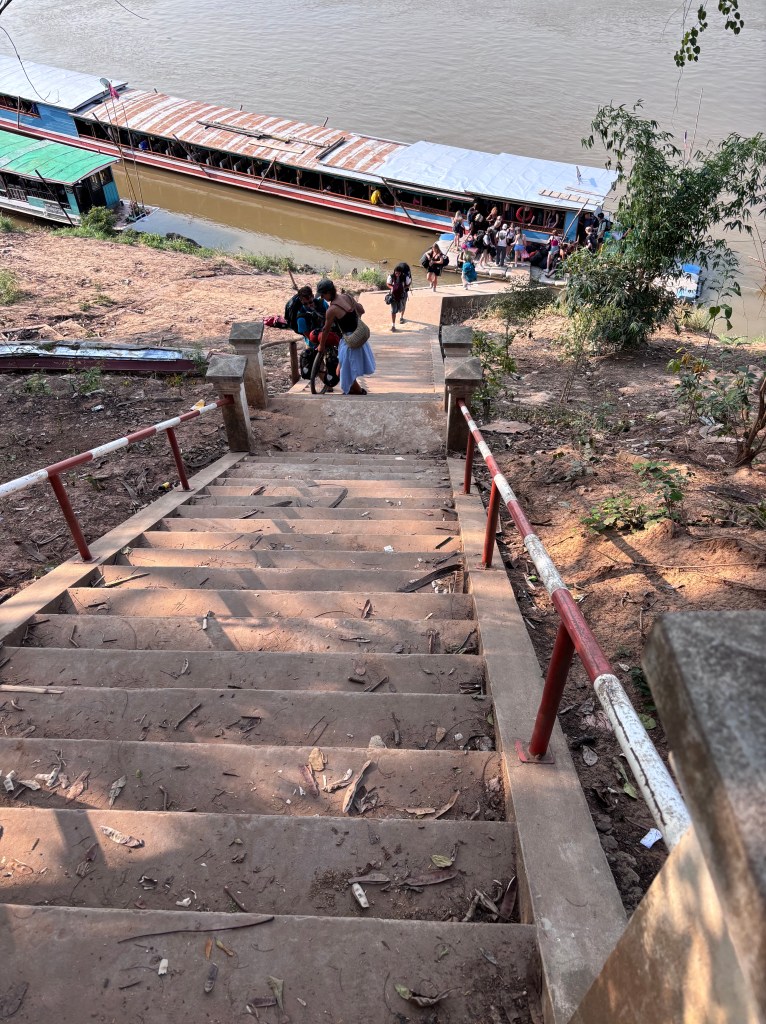
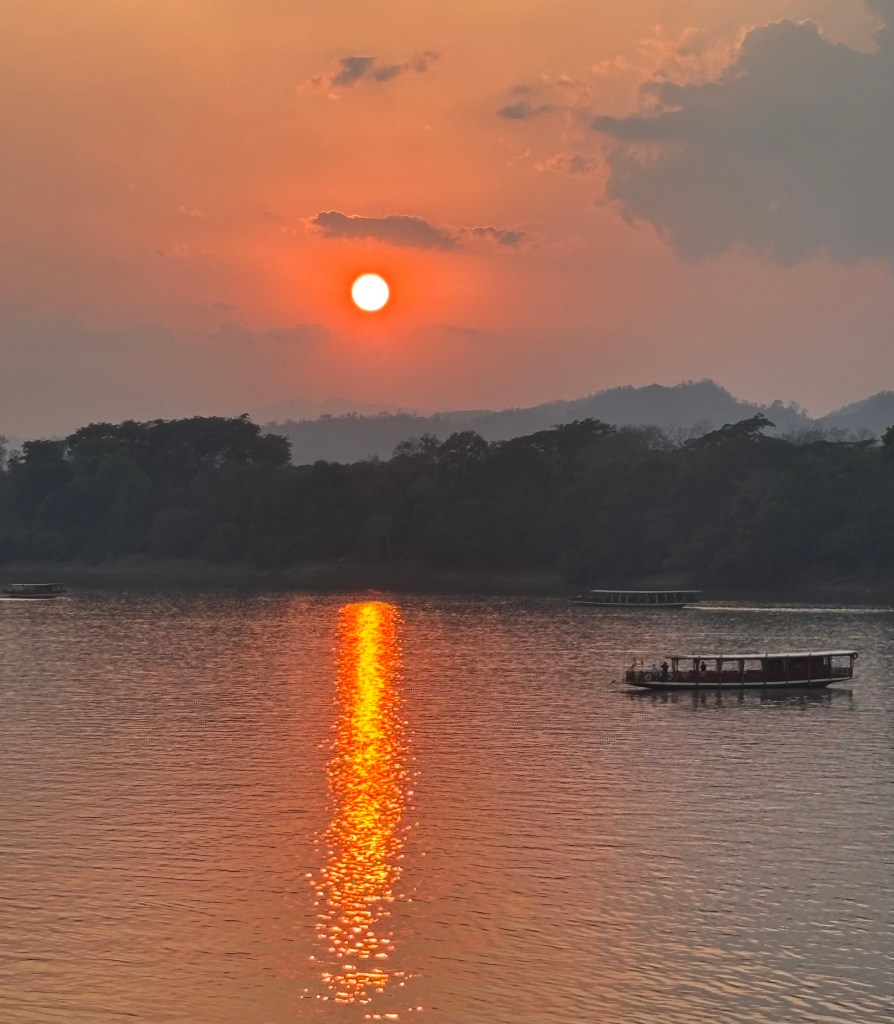
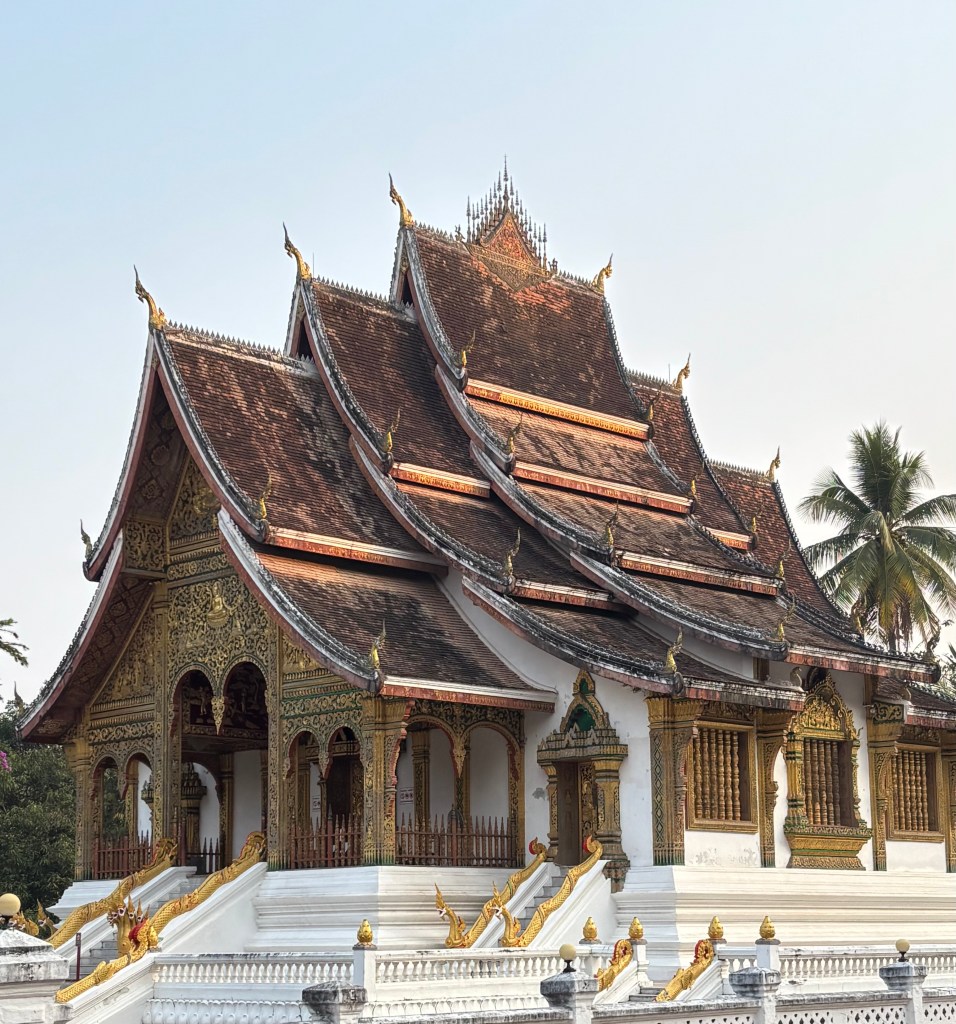
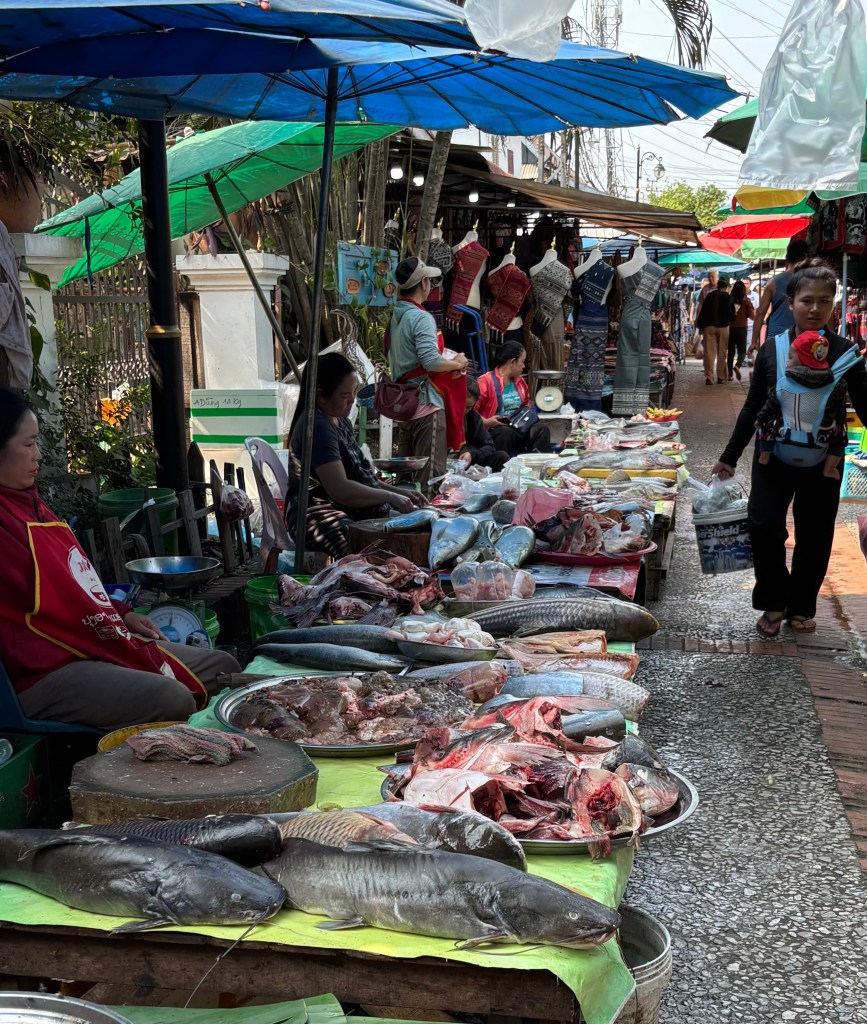
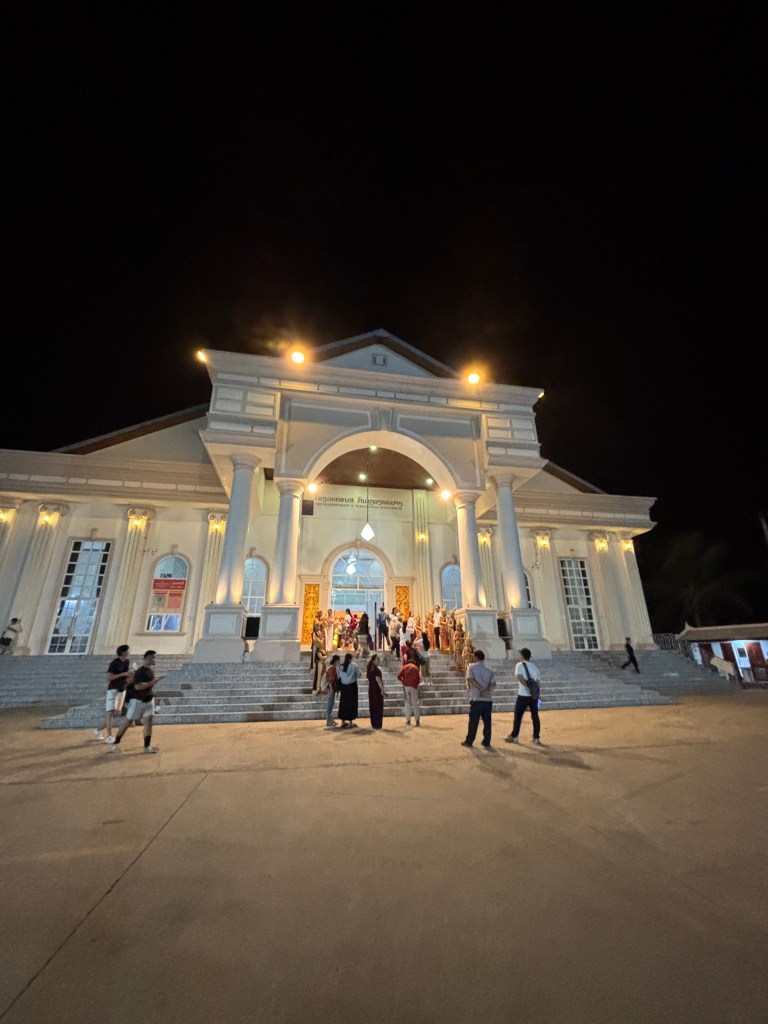
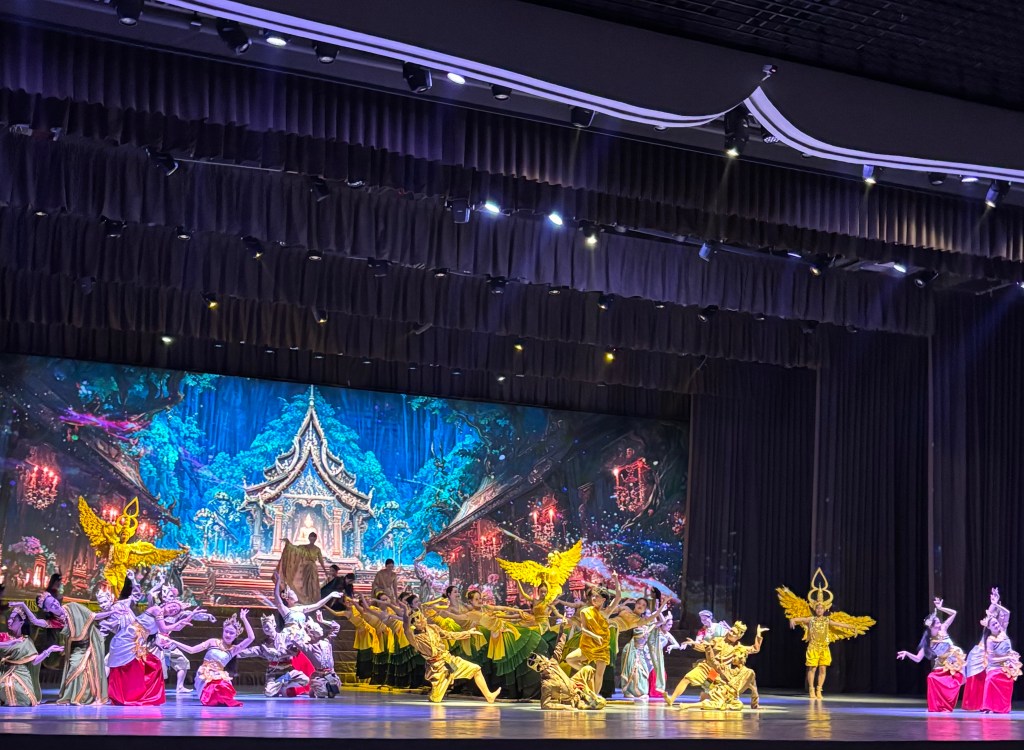
The Slow boat pier at Luang Prabang is some distance from the town and the tuk tuks charge 100,000 kip pp – and no negotiating gets it down as they know they’ve got us. Luang Prabang is pretty, packed with ancient wats, Buddhist seminaries, markets and night markets, nice views of the Mekong, restaurants offering local and western food. There’s even an International Opera house, a grandiose, socialist style columned edifice where I saw the Buddhist Light, a dance performance combining stories from the life of Buddha with stories of Lao life.
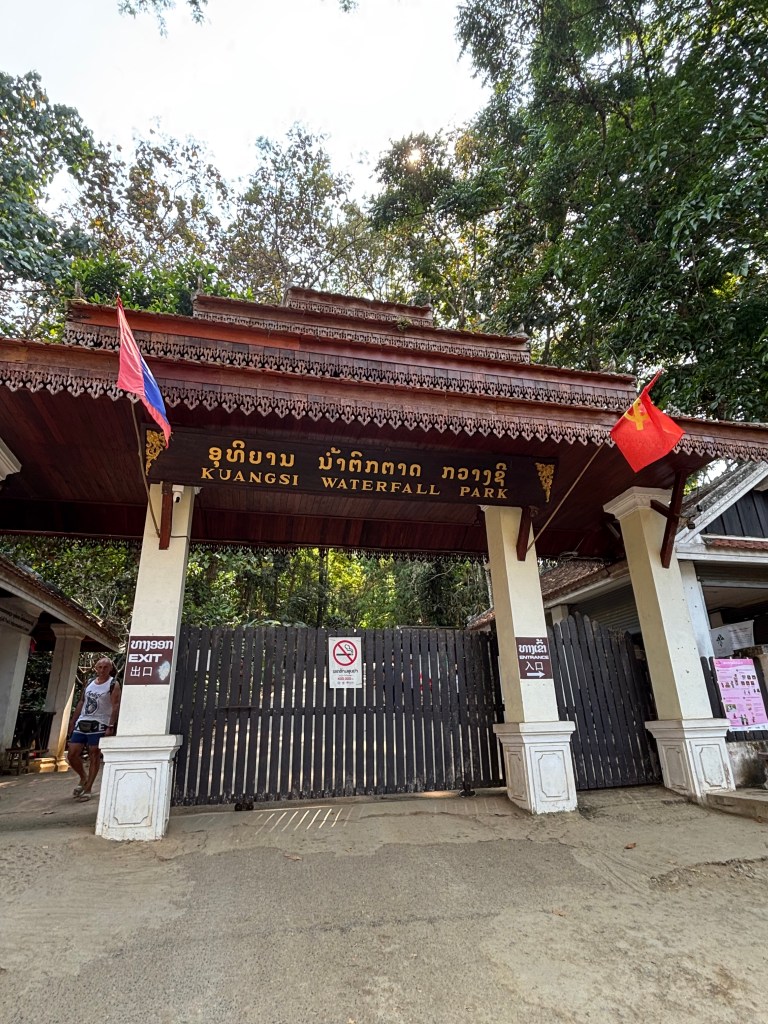
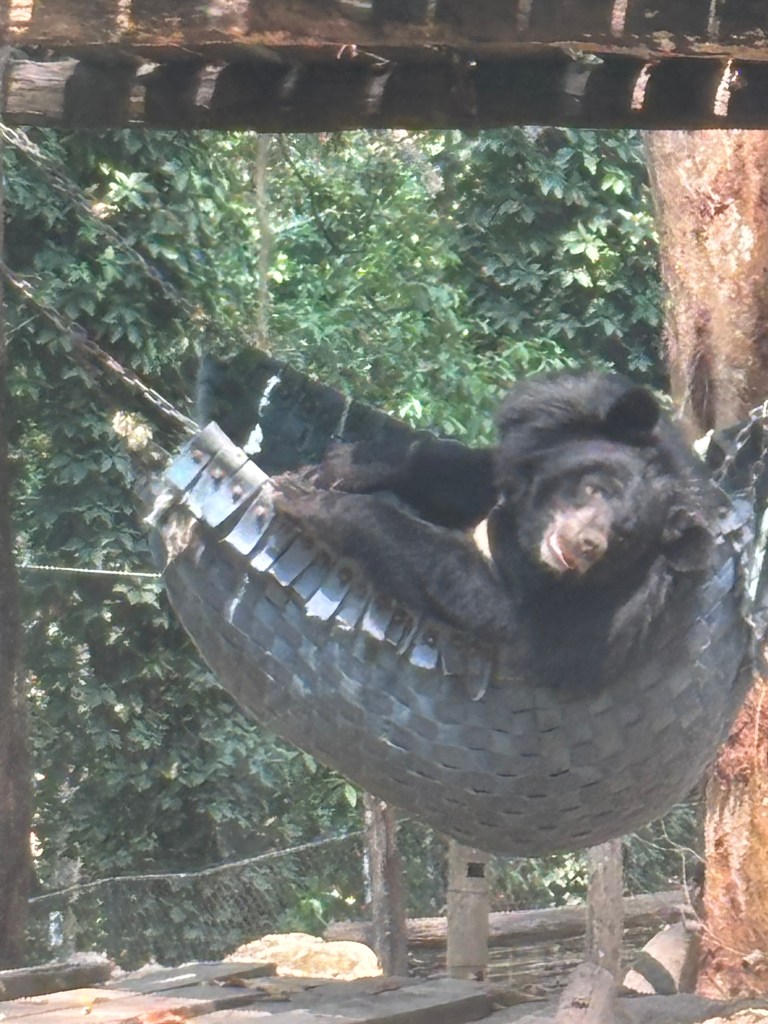
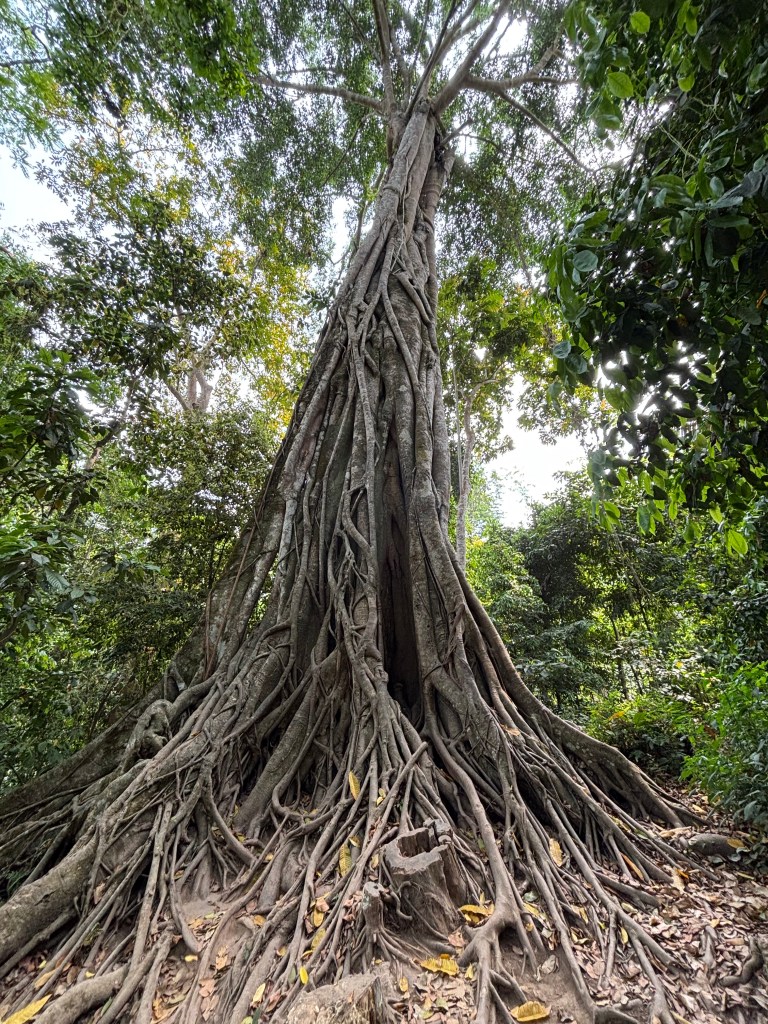
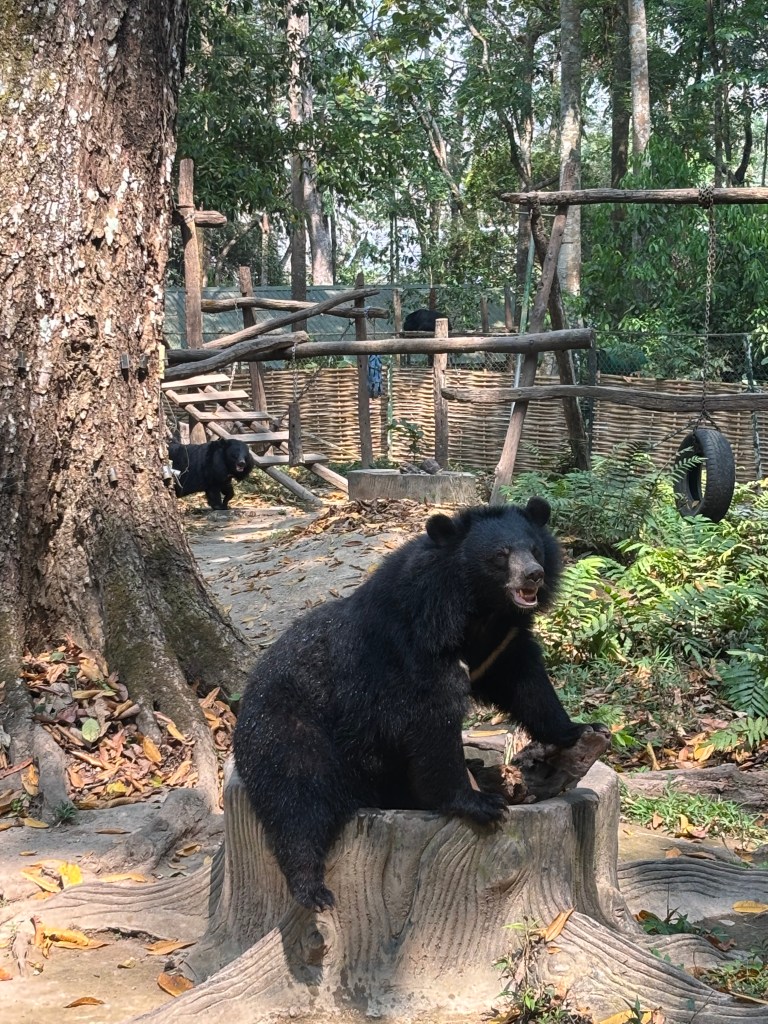
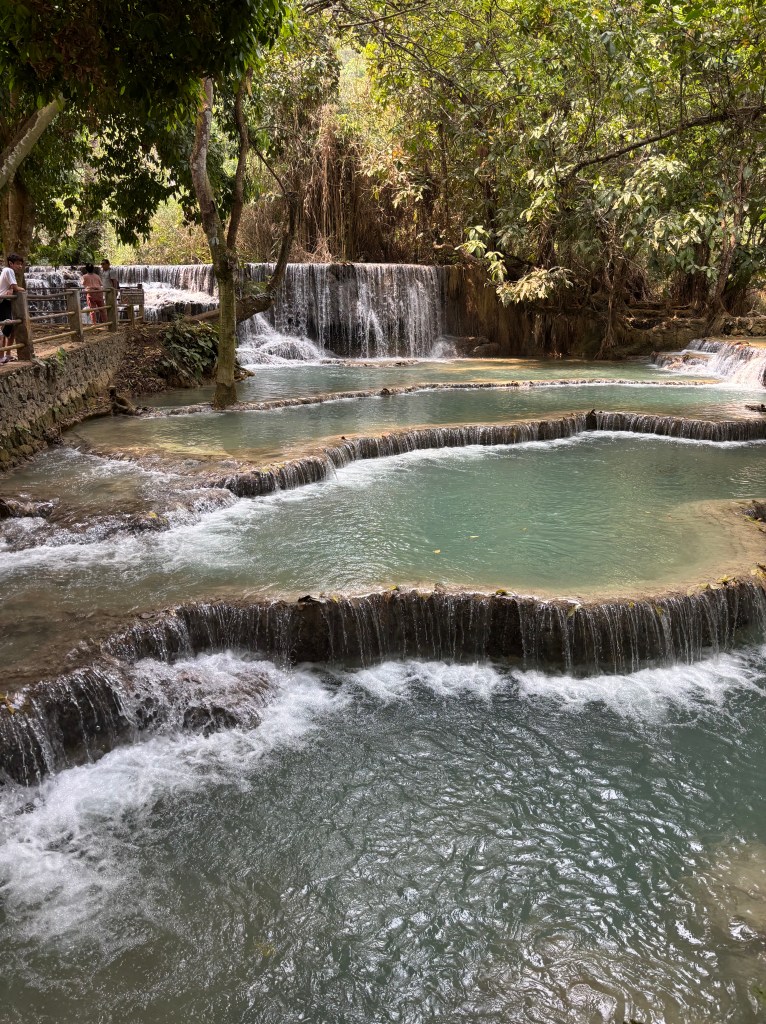
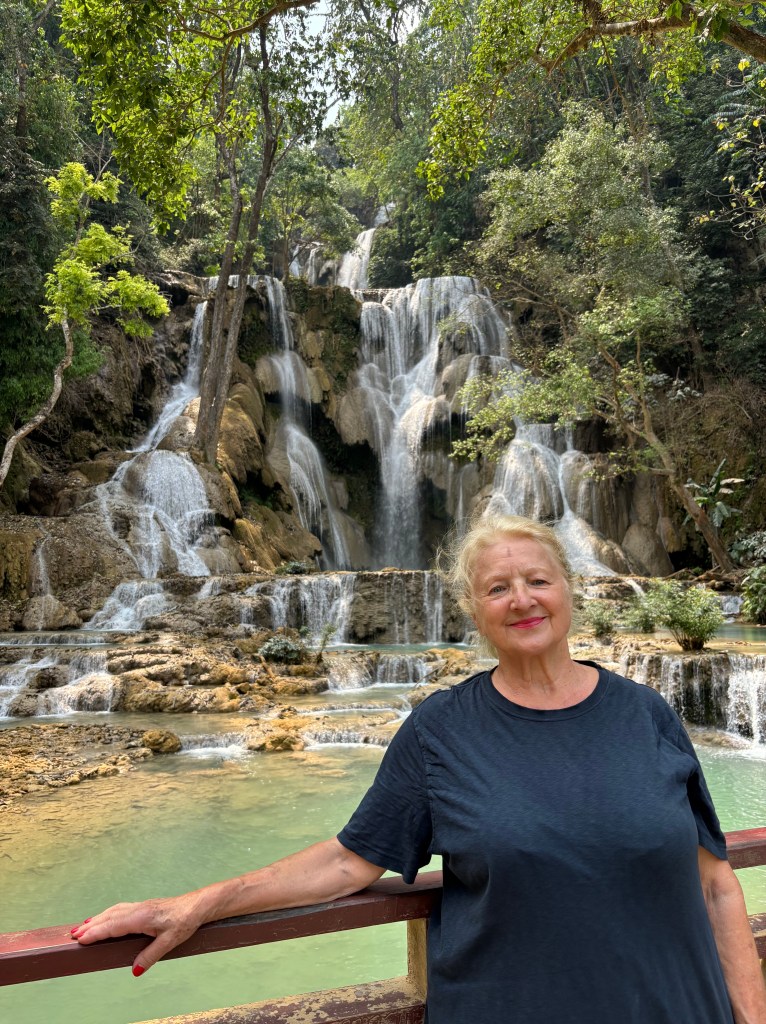
Enjoyed a visit to the Kuangsi Falls (despite the fact the foreigners have to pay 3x the local entry fee, the usual practice in Laos), especially the Free the Bears black bear sanctuary near the entrance of the national park. (The bear’s have been hunted to extract their bile – part of the Chinese medicine….) The water is refreshing, especially after a hot, winding, dusty, uncomfortable road.
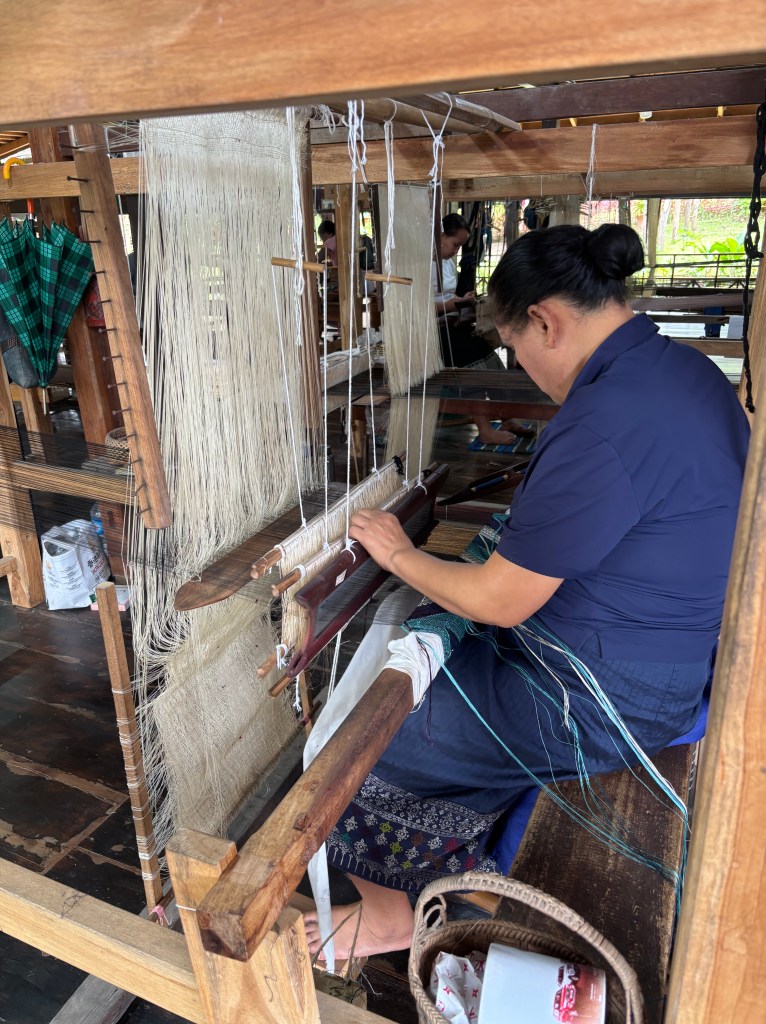
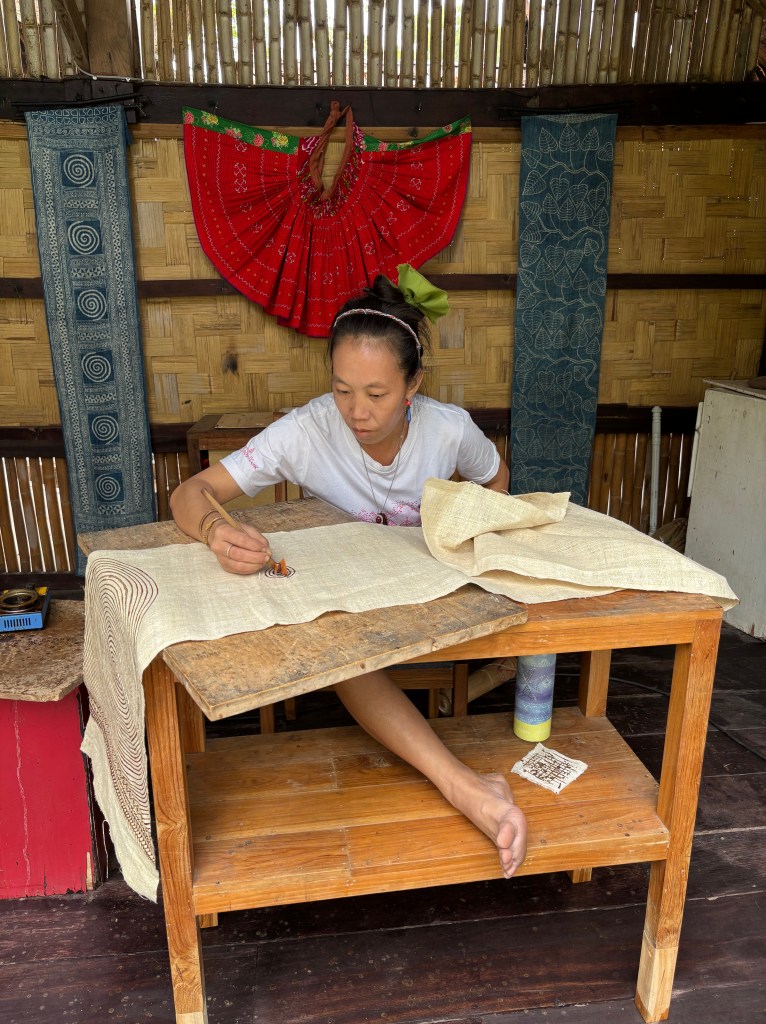
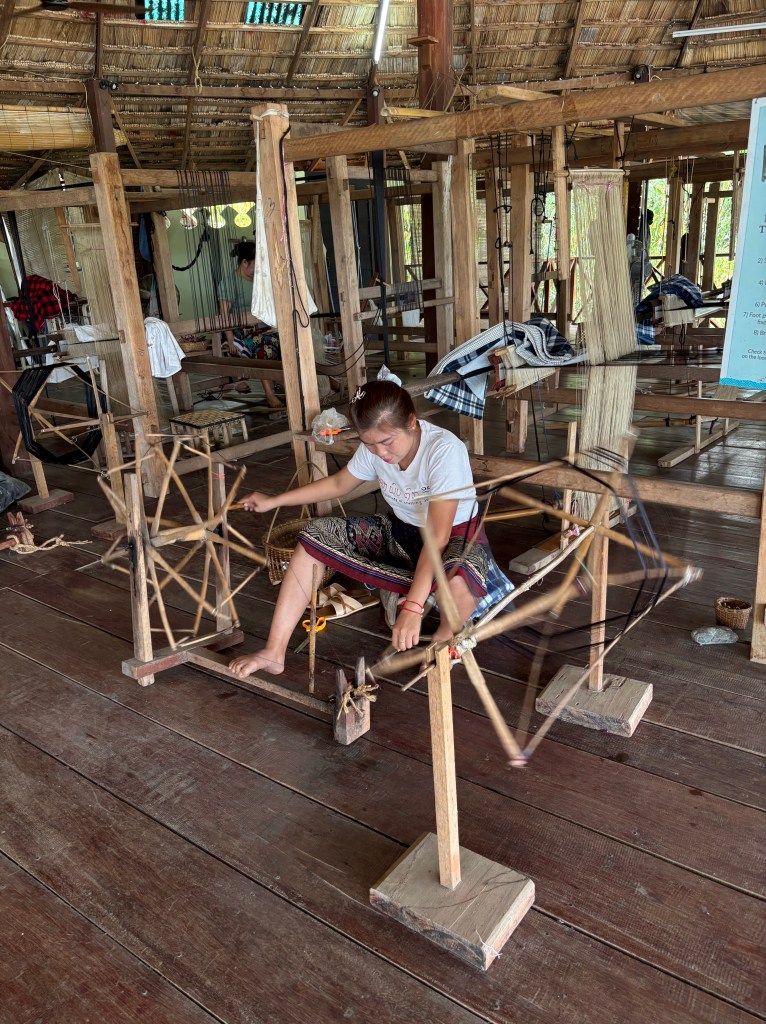
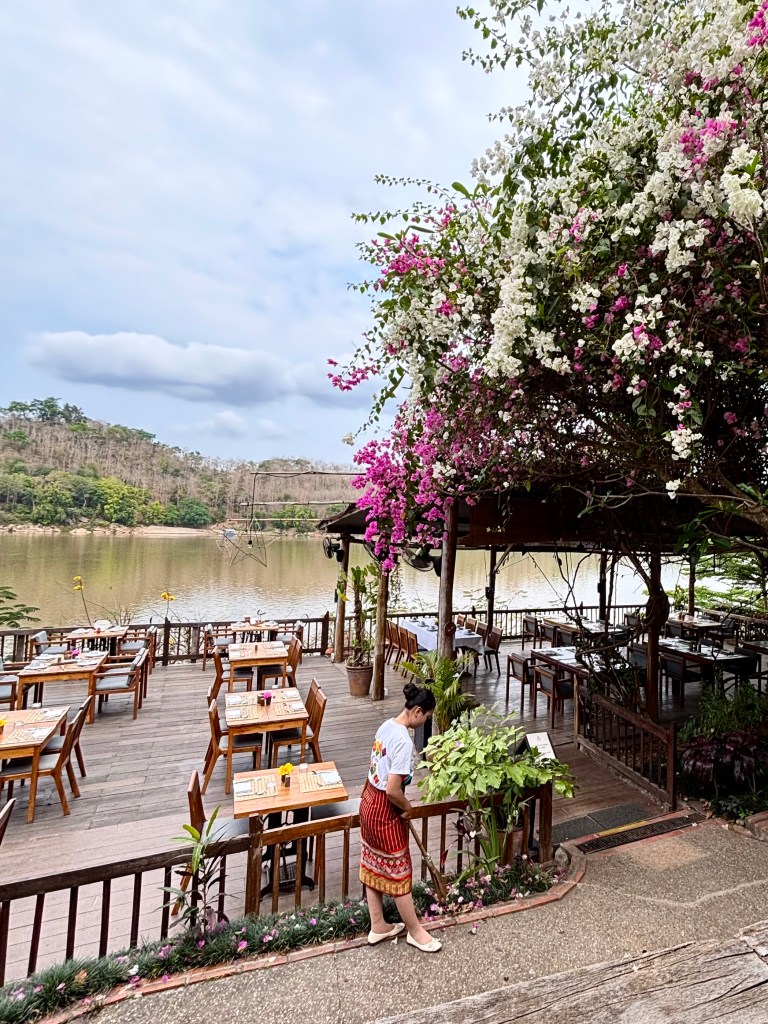
A daughter of a Prom friend lives in Luang Prabang. The Ock Tok Pok (East meets West) cooperative works with local women on traditional crafts – silk and cotton dying and weaving, and much more, at their place by the Mekong. A great initiative and thriving. (And excellent coffee.)
 Maribibi_travels