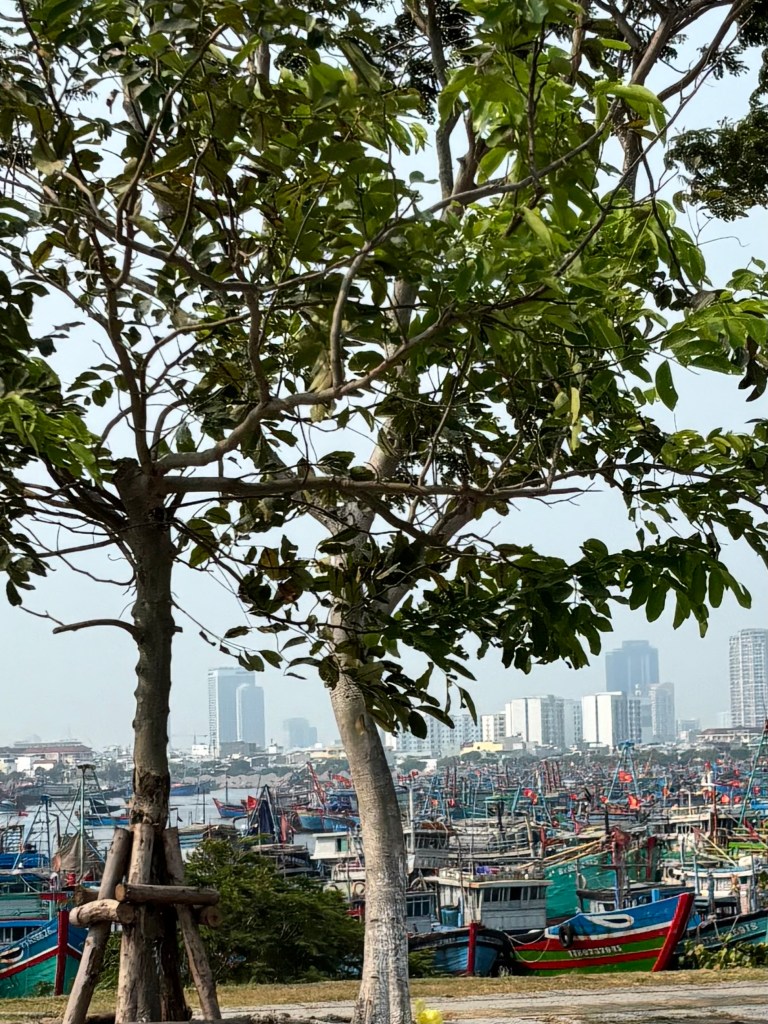
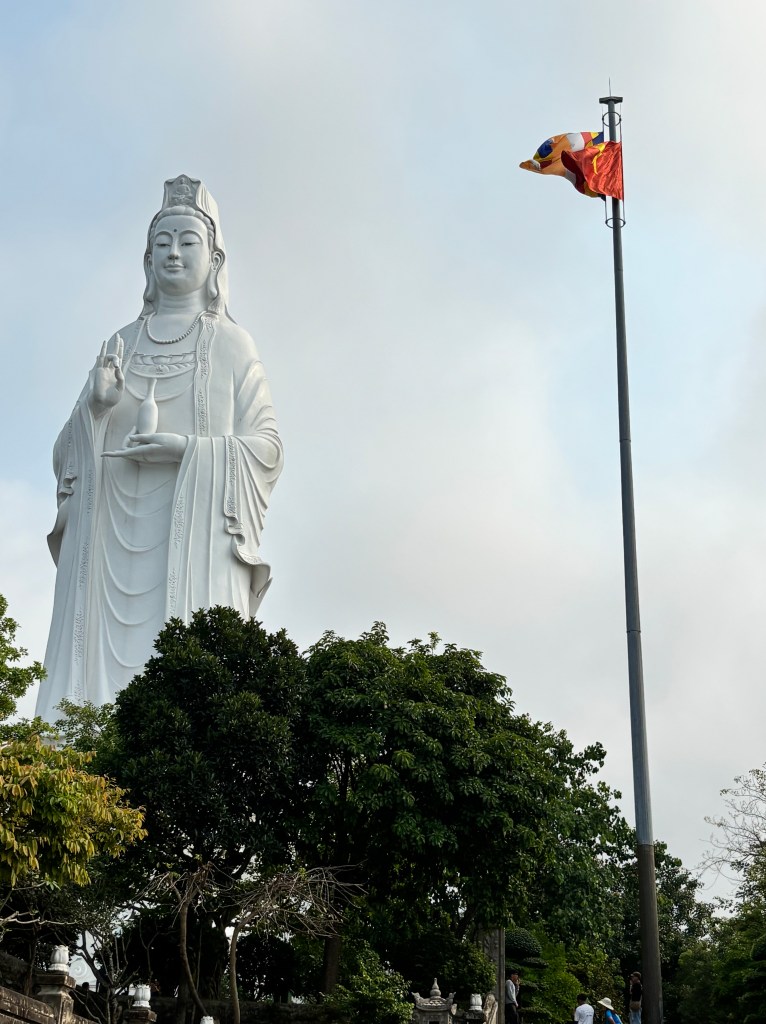
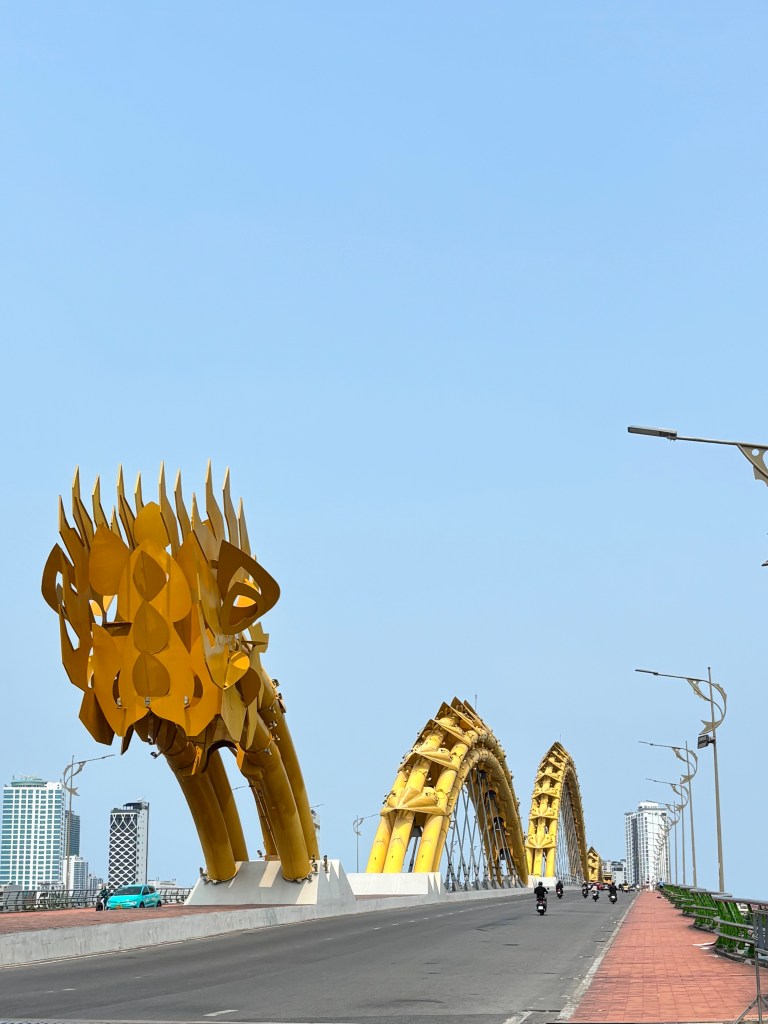
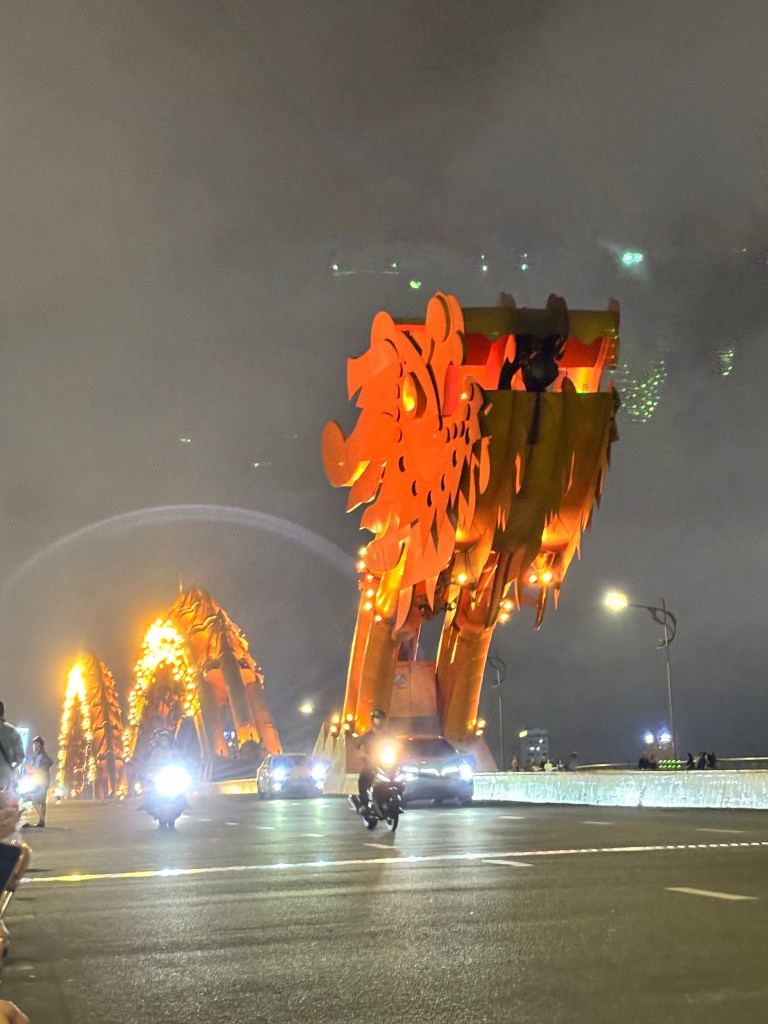
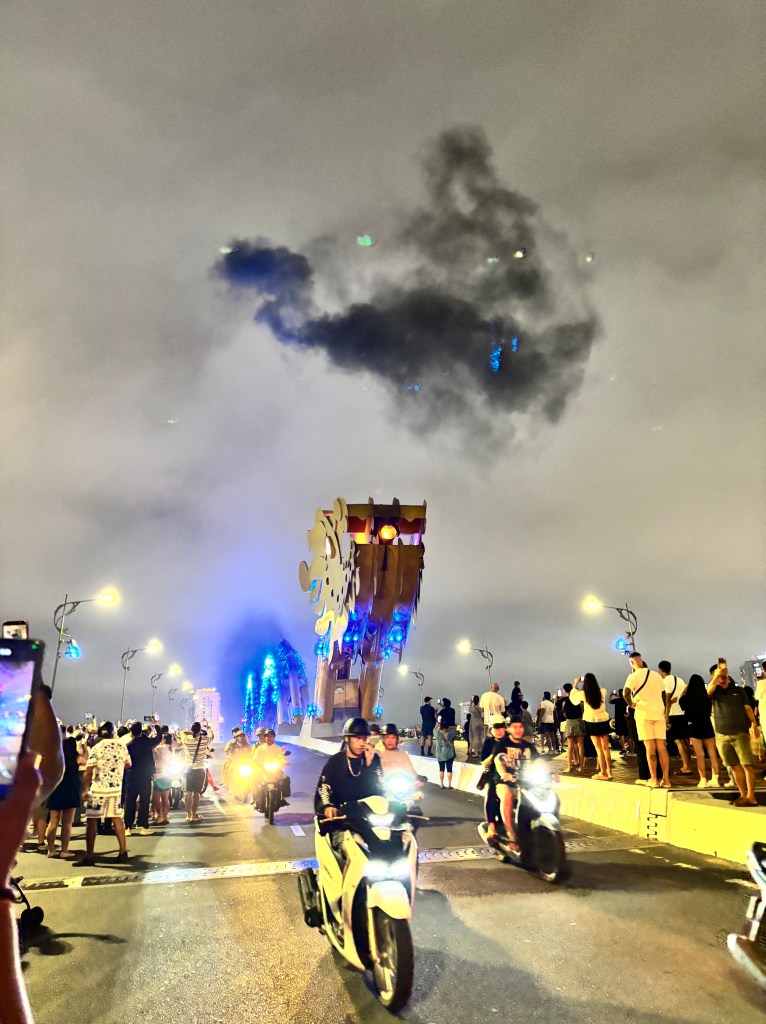
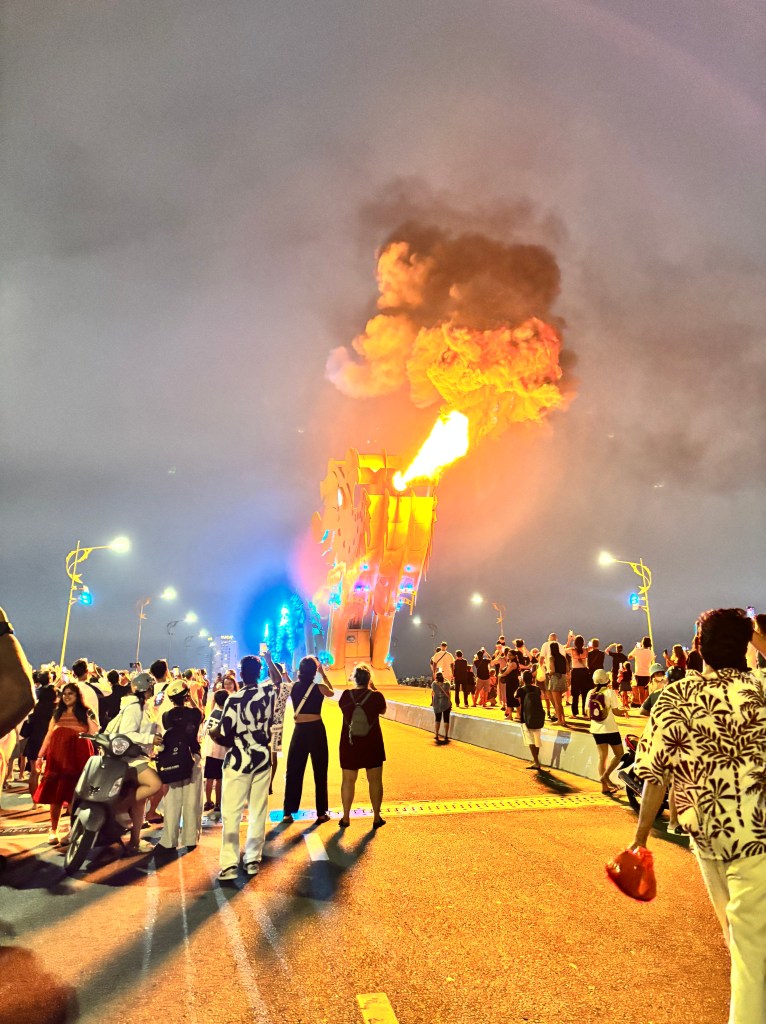
Danang is a well developed seaside town, with a gorgeous sandy beach stretching for miles and hotels lining the road alongside it. The shapely curve of the beach reminded me of Copacabana – but here there were no crowds like in Brazil. The water temperature is comfortable yet no-one ventures far from the shore – the currents are strong here. Looking across the bay, high up on the distant hill, is a giant statue (60m!) of the Lady Buddha, the protector of Danang. The river Han, on which Danang sits, is crisscrossed by several bridges, all prettily lit at night. The main tourist attraction on the river is the Dragon bridge -there’s a fire and water spewing display at weekends and people start gathering on the bridge quite early for the best viewing spots. (The traffic across the bridge slows down, but never actually stops.)
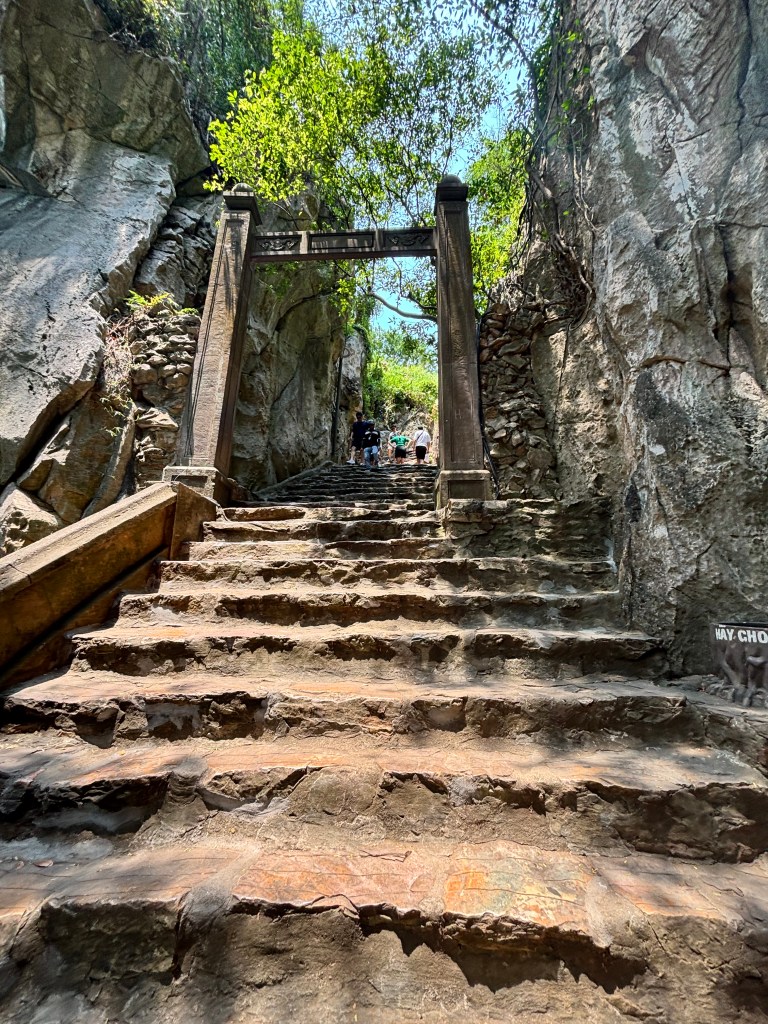
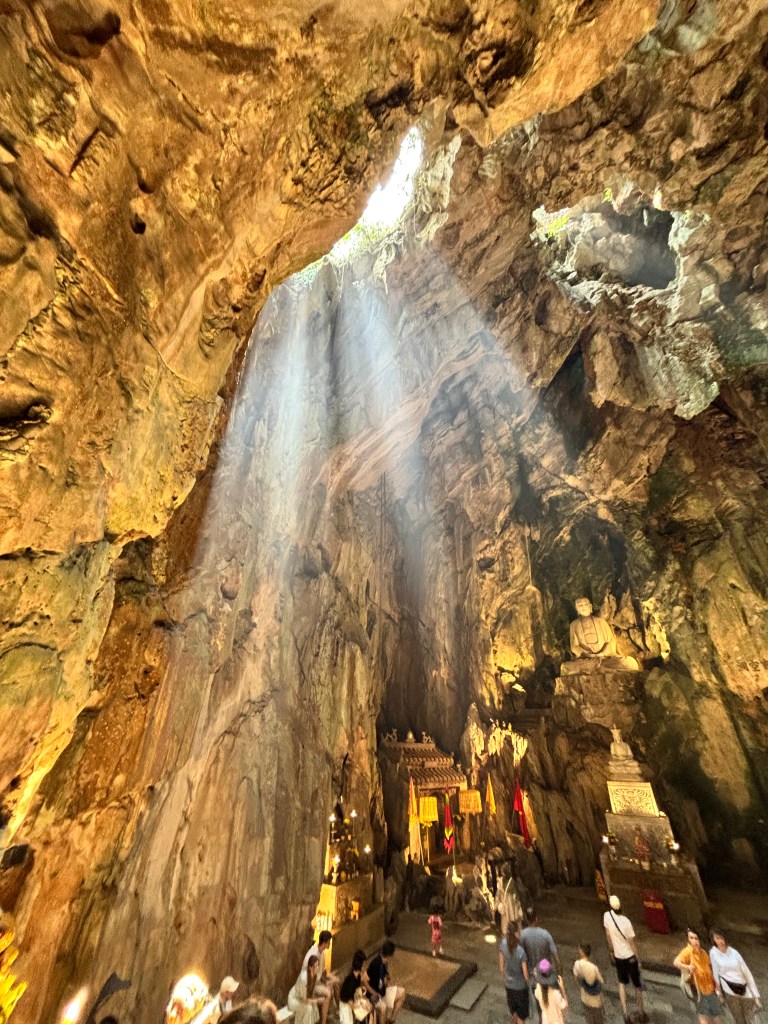
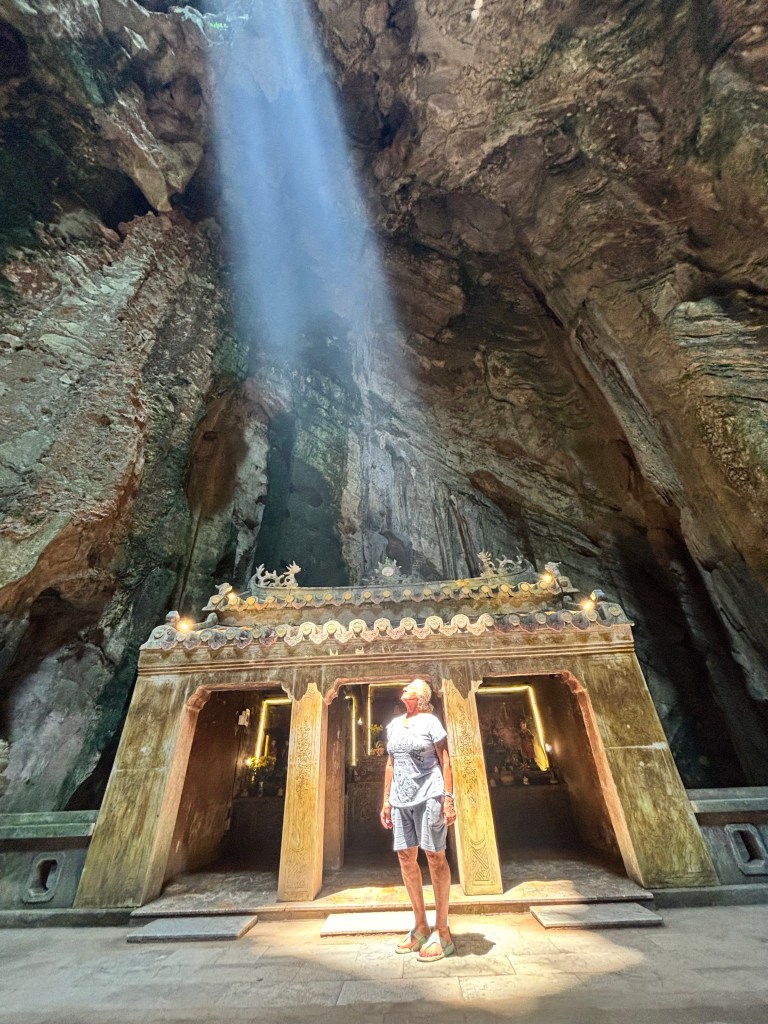
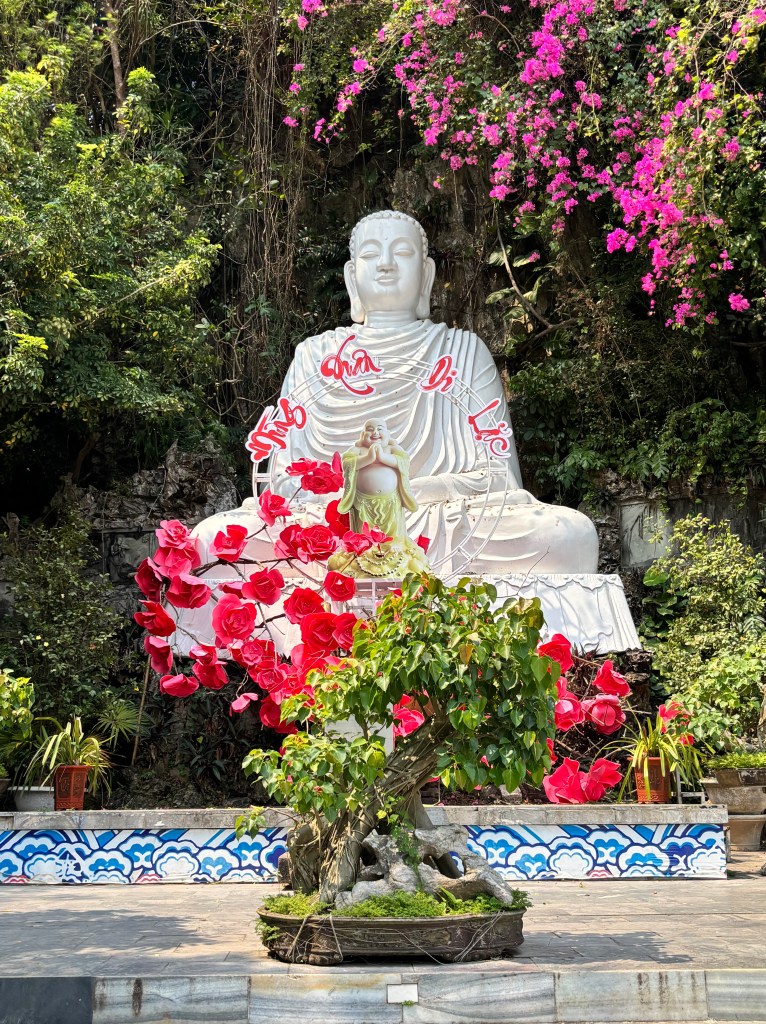
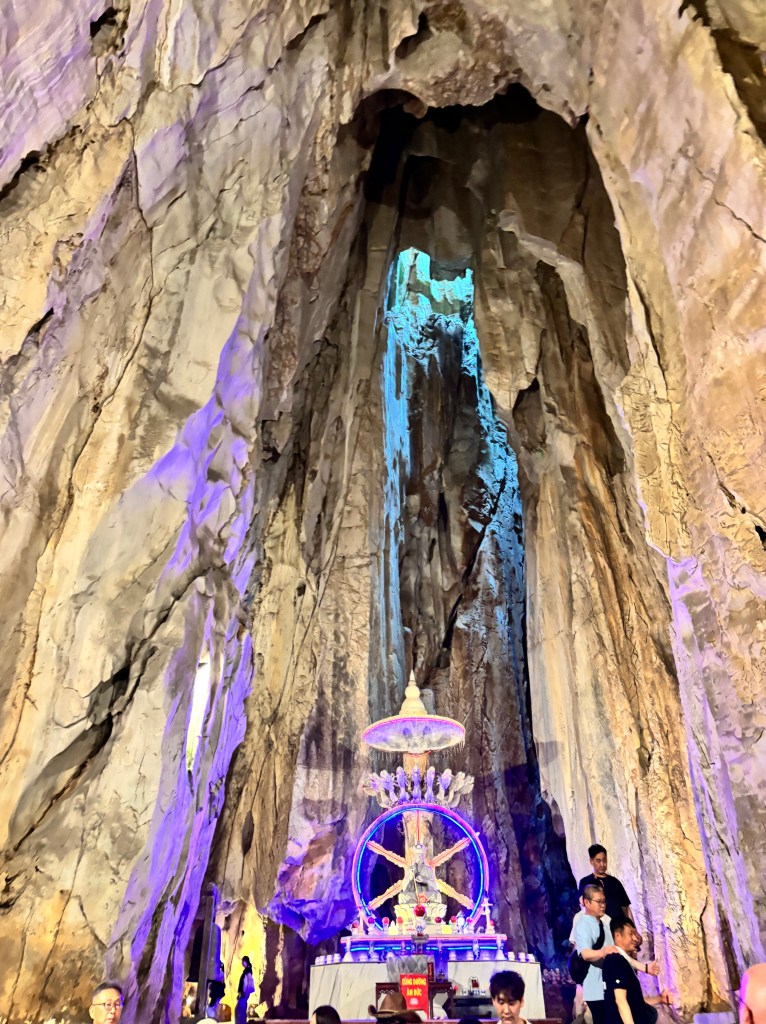
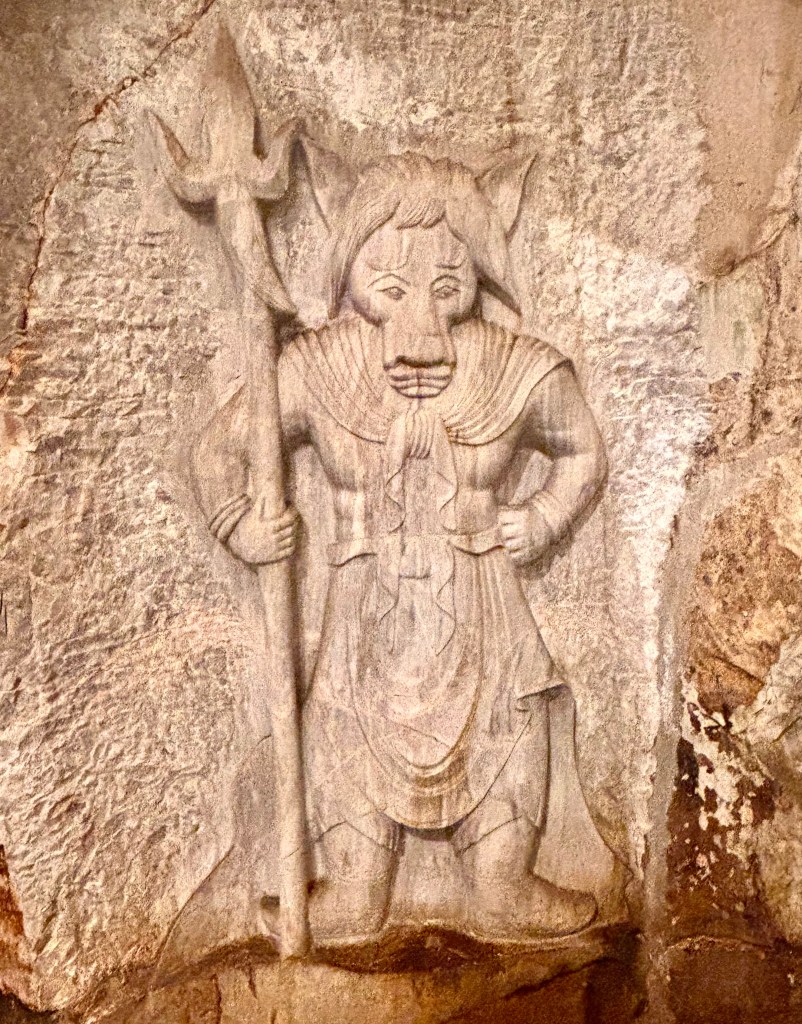
The Marble Mountain, within the city limits, is a place of pilgrimage – both religious and tourist. There is a lift (at a price) or one can climb the long, warn marble steps, with small caves along the way and the Pagoda on top. The views from the top are rewarding, even if the place is very crowded. Vietnamese pagodas and statuary look very Chinese -Buddhism has arrived here from India via China. There’s a lot of gaudy neon lighting (which doesn’t enhance the experience).
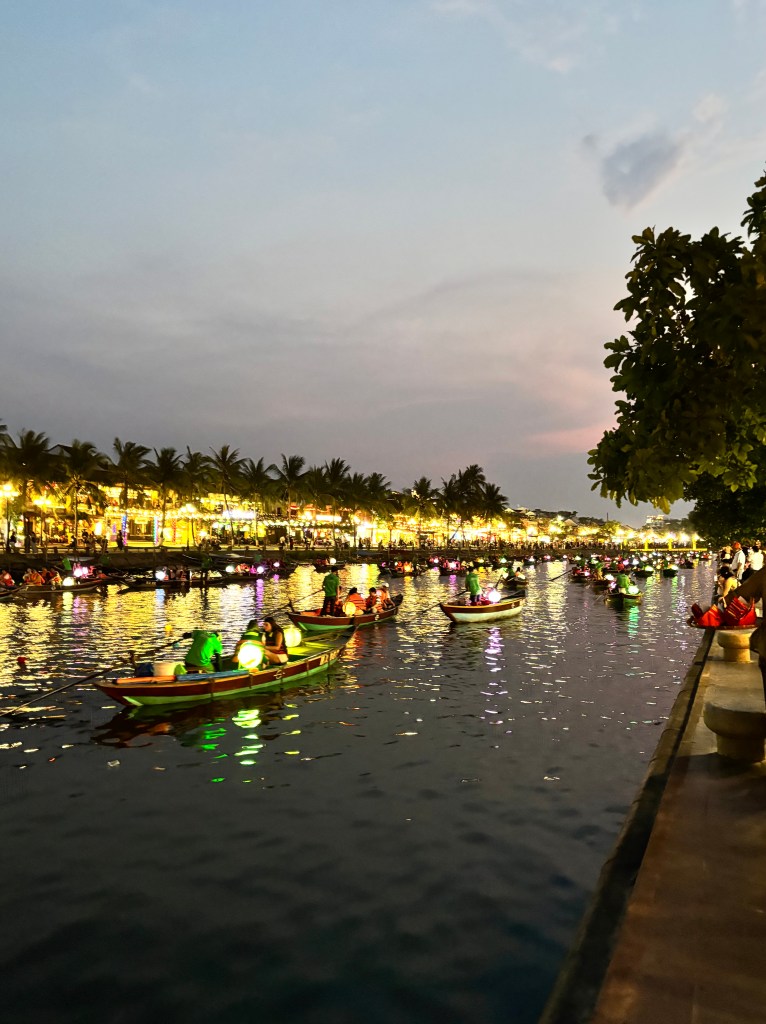
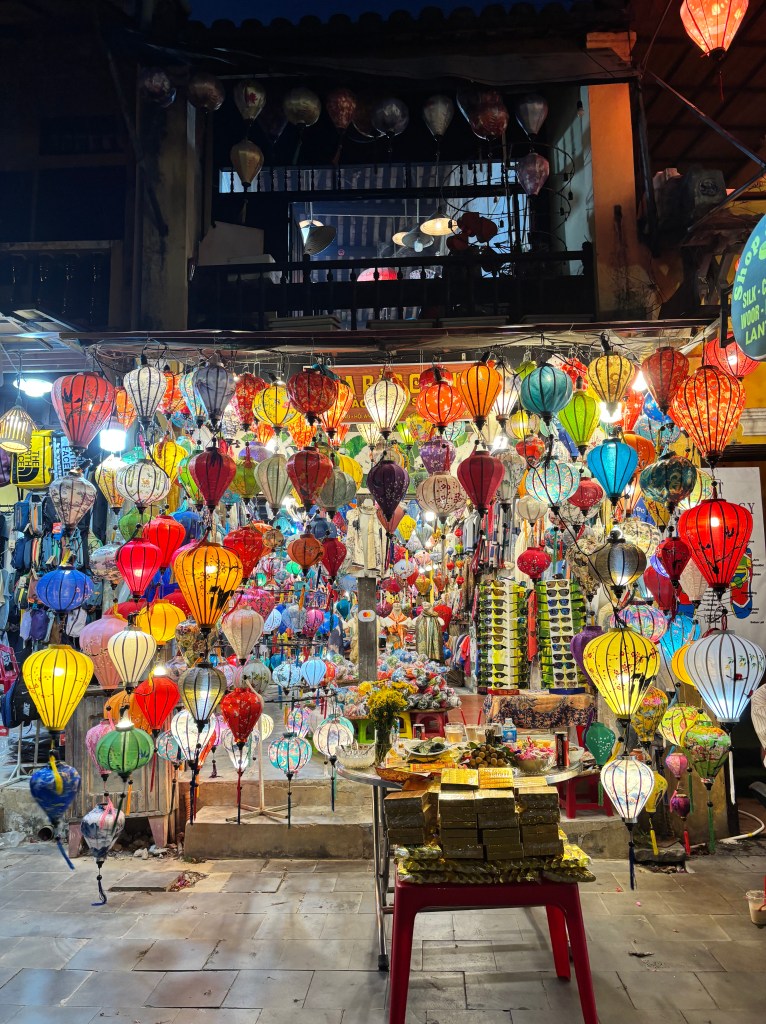
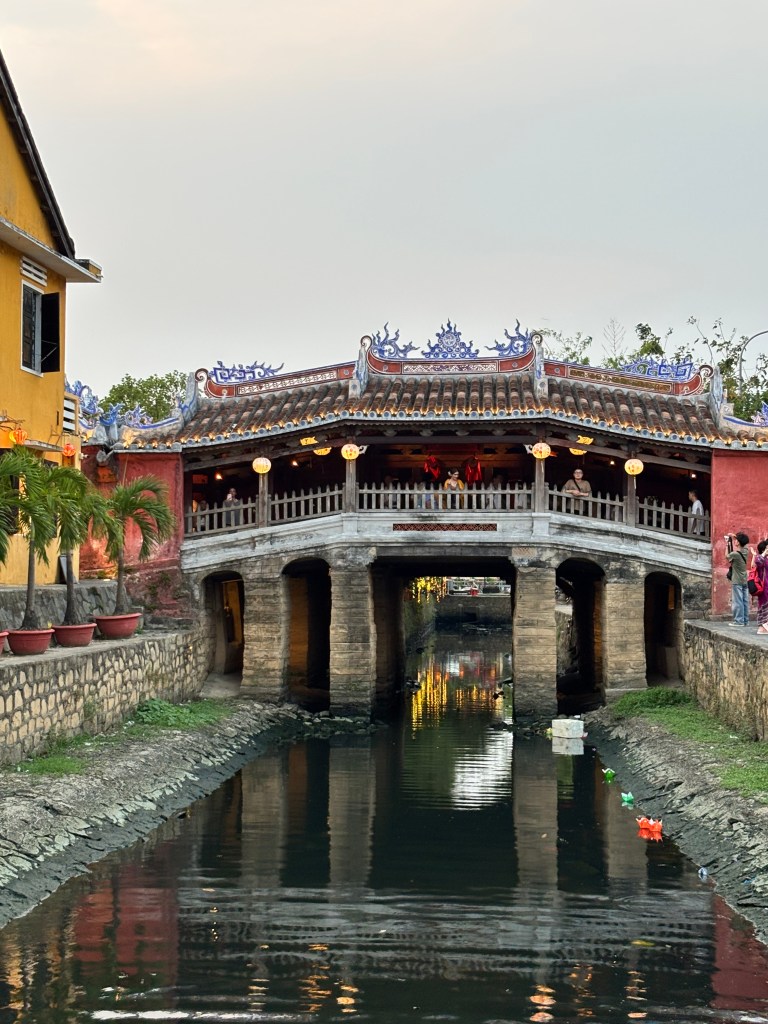
A long ride on the back of a Grab motorbike took me to the postcard pretty Hoi An – old cobbled streets and merchants’ mellow coloured houses, temples, lanterns and water.
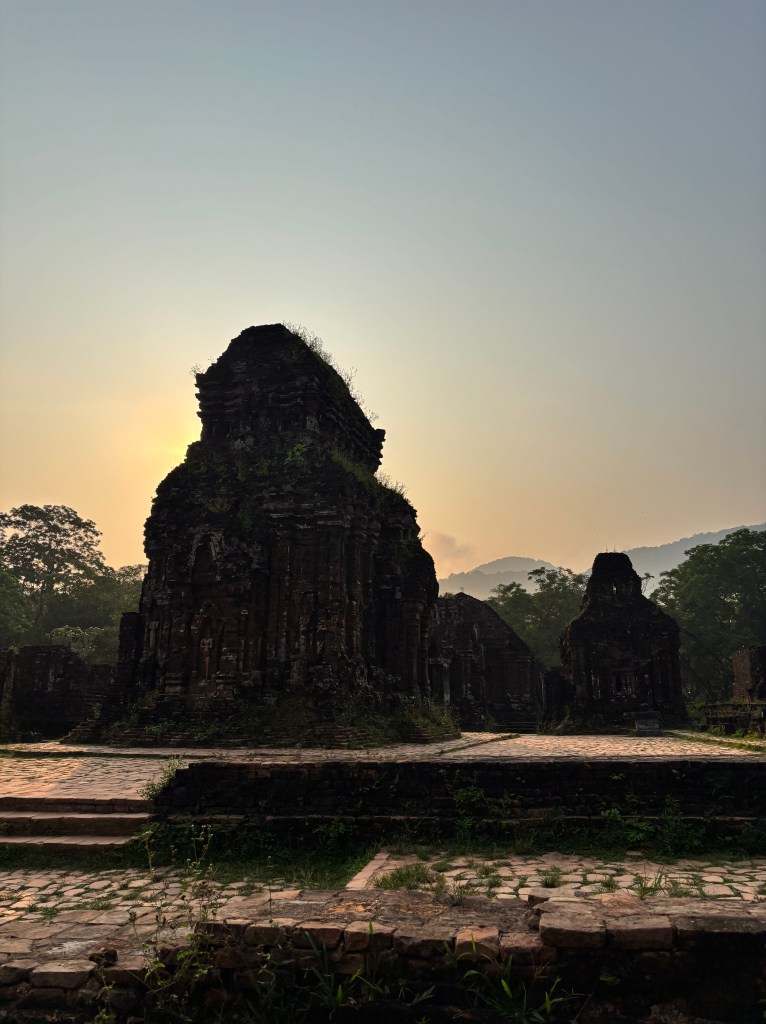
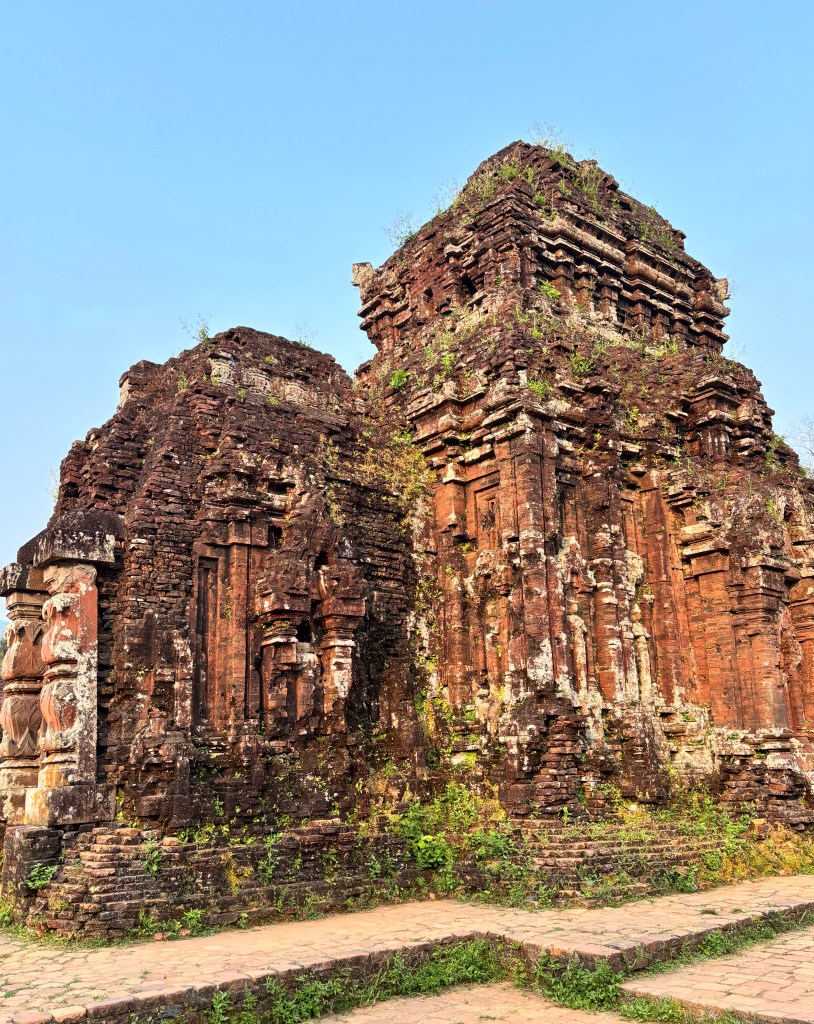
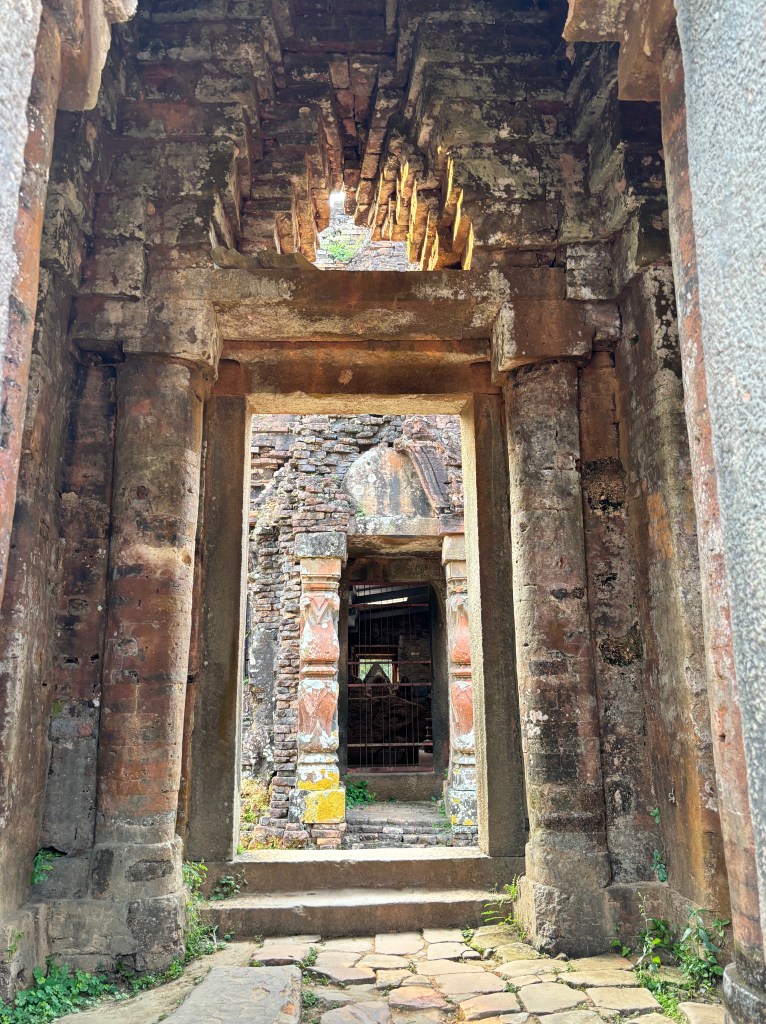
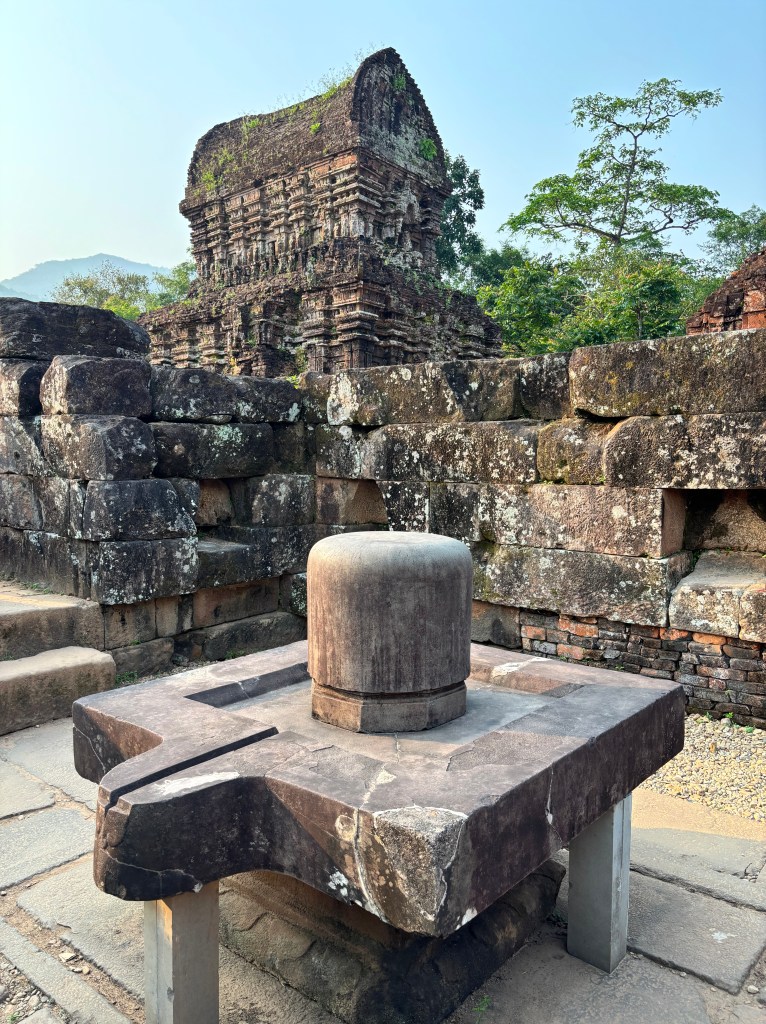
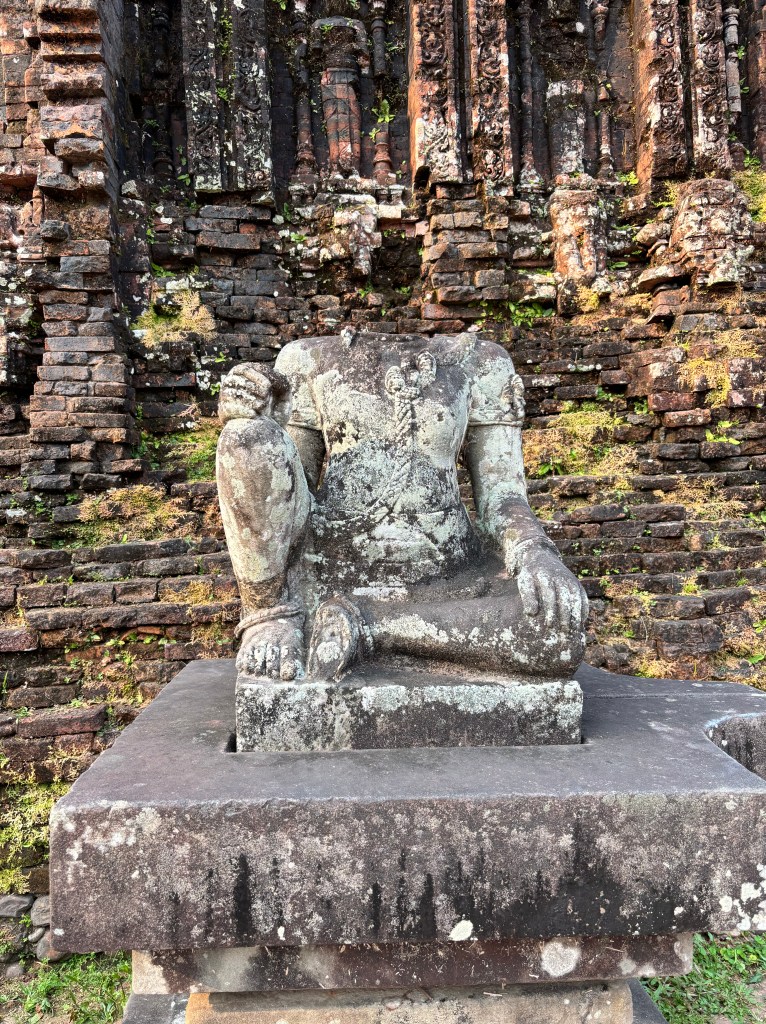
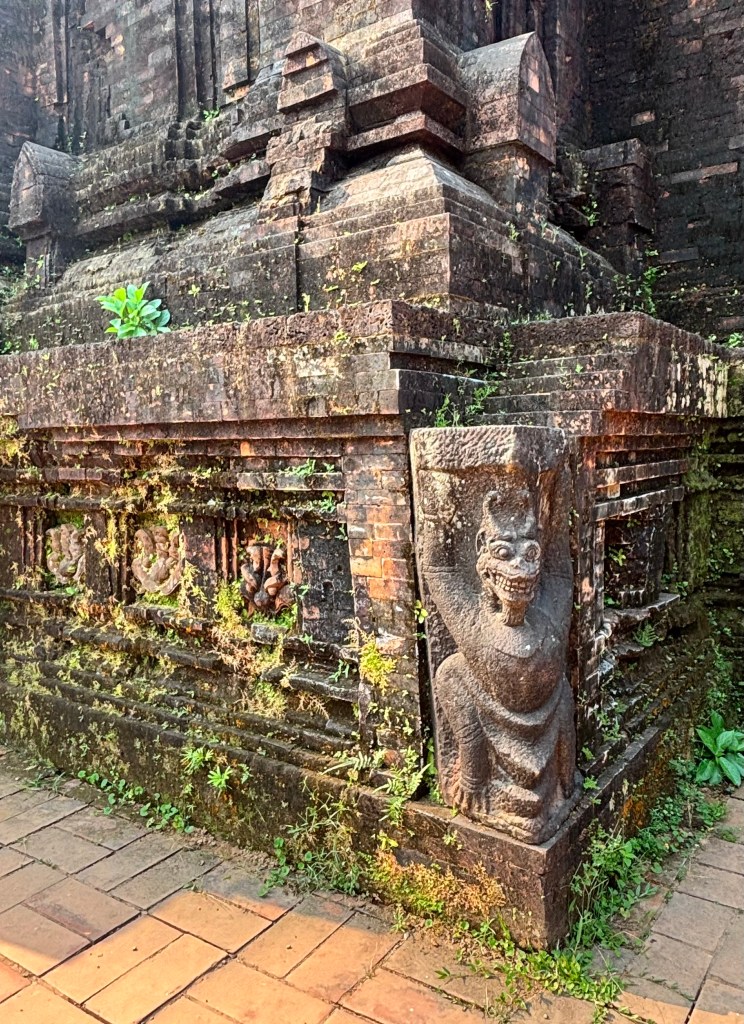
A day trip to the MY SON temple complex (pronounced Me Shaun – beautiful mountain) offered more of the gorgeous ruins South East Asia is full of. Here, among other things, there is a lunar year represented in the shape of 4 monkeys (the seasons) and 52 mythical goat heads (the weeks). Much is still uncovered.
A small aside: as a linguist, I am interested in the way languages relate (or not) to one another; I note the sentence tune, often a useful indication of the mother tongue. Vietnamese is so different – when the Vietnamese speak English, it sometimes needs careful listening to discern the meaning, despite the correct words. The dropping of the last syllable of a word, or the final consonant, is common – you hear “massa”, when “massage” is meant; “guy” when “guide” is meant; “grey” when “great” is meant…
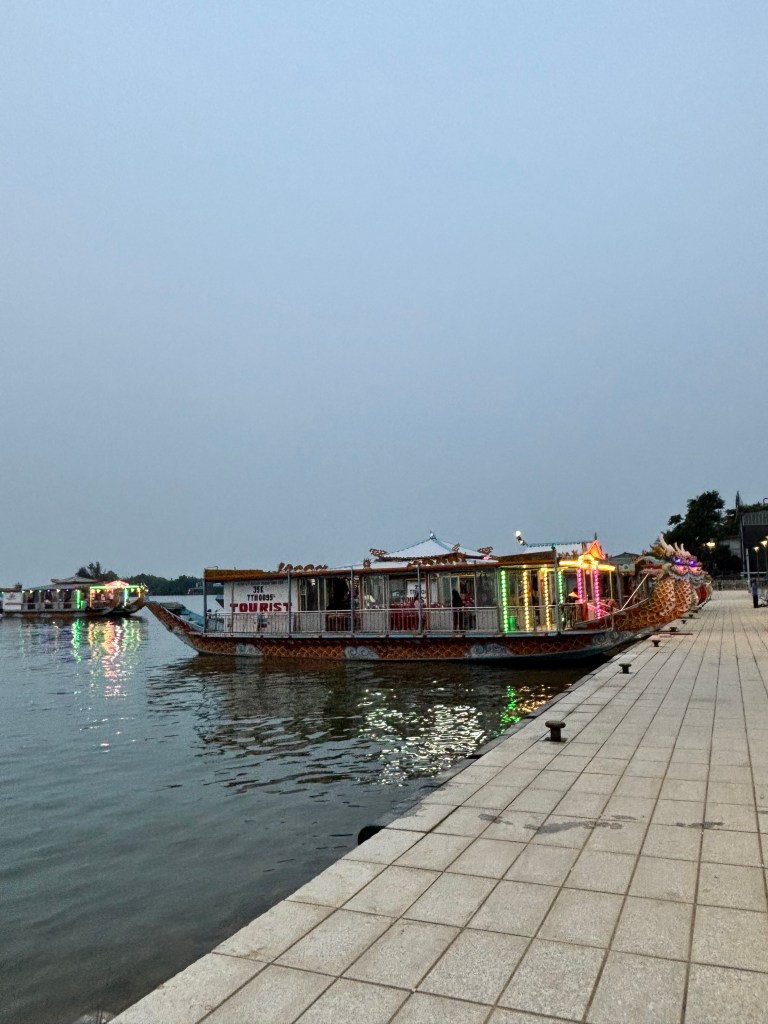
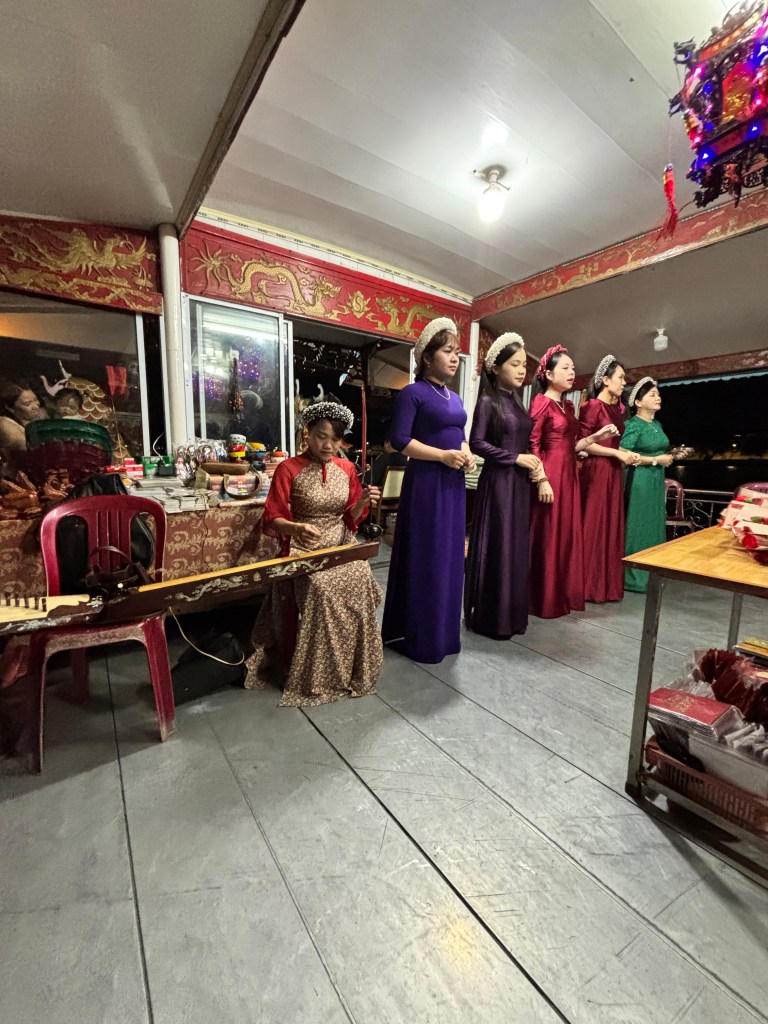
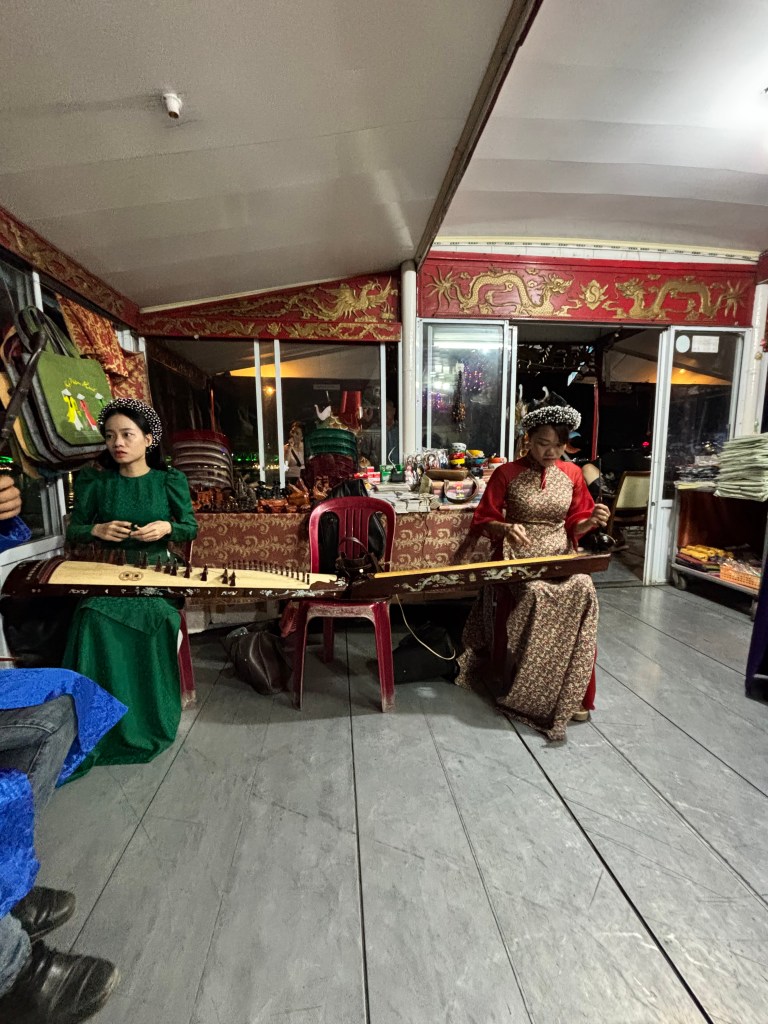
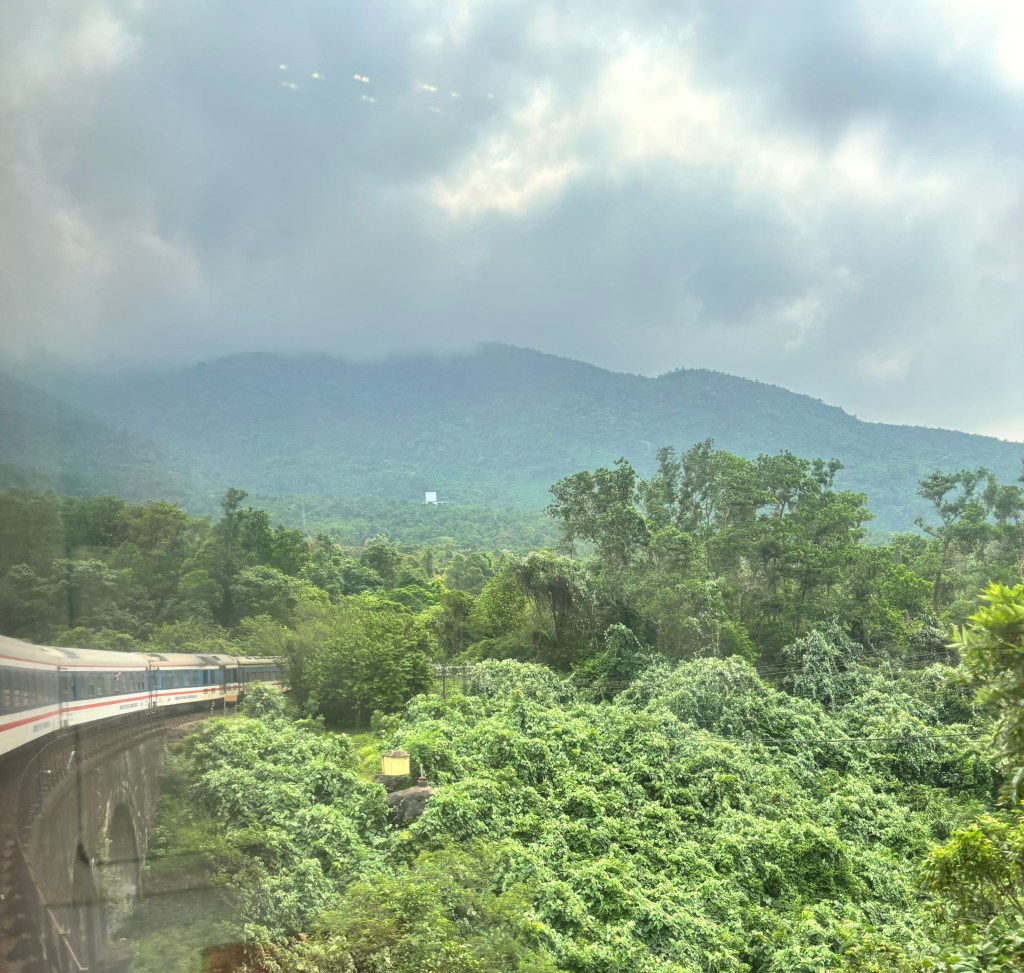
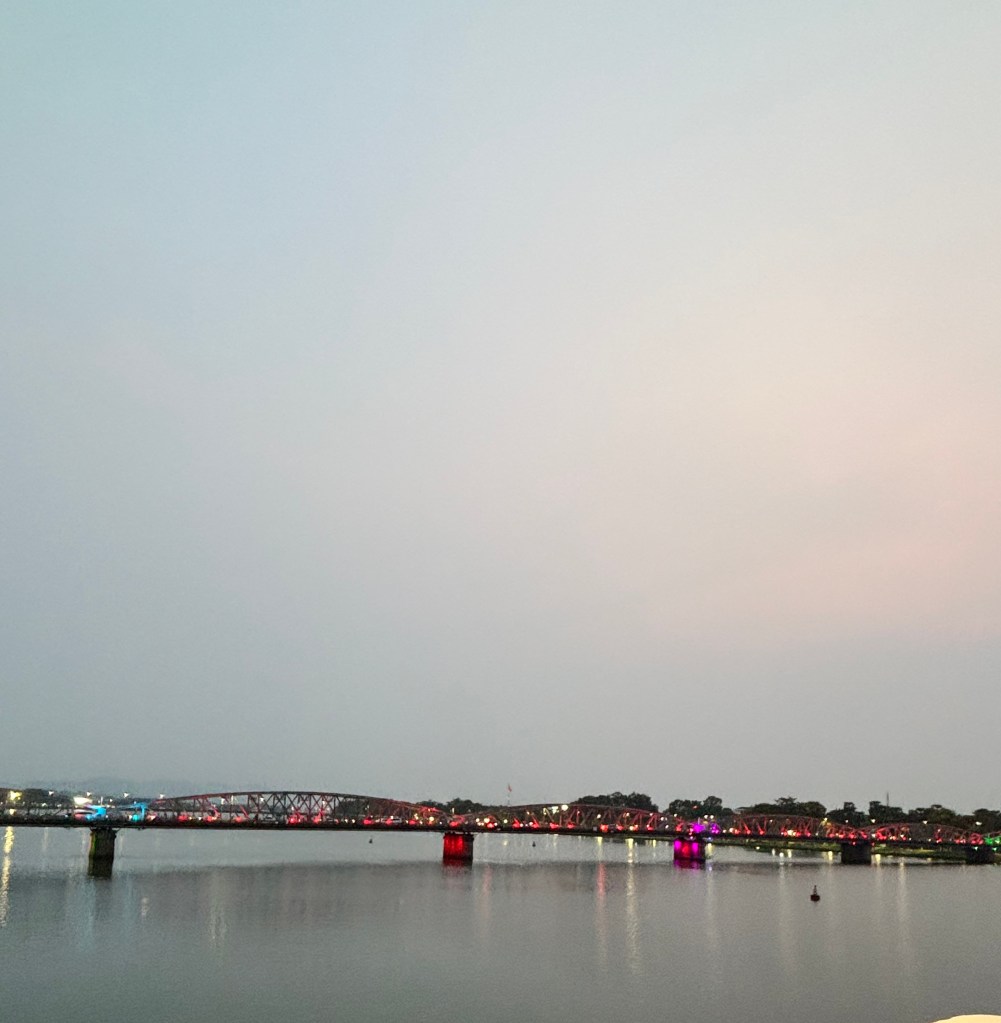
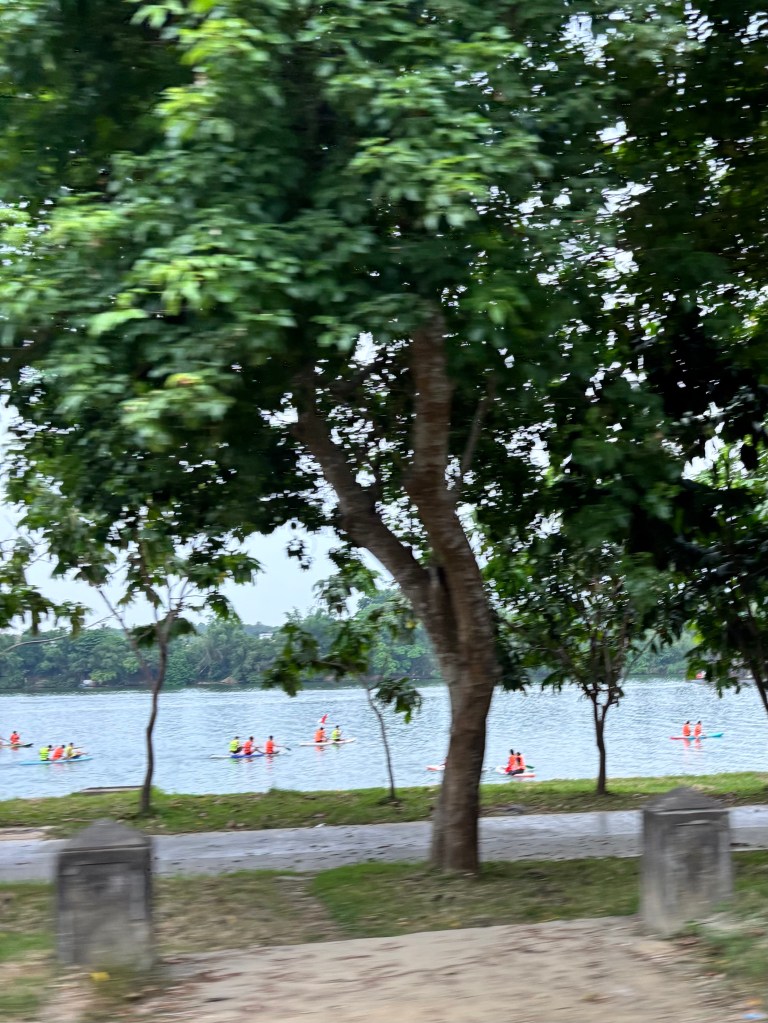
Time to move on. Taking the train to Huê, the Imperial capital. The berth looks comfortable (it is important to book the bottom berth as it appears to be the custom that one stay in the berth booked, and the views from the top bunk are limited). The view of the coast is spectacular as the train snakes along high above the turquoise sea and the time passes quickly. I am staying at the Poetic Hue, a 5 storey hostel with no lift. I’m on the third floor, room with “a city view” – i.e. a wall. The Perfume river looks wide and as the evening approached I thought a short cruise along the river, with some music, would be nice. It was my mistake to imagine the boat would cruise – it barely moved away from the shore but there was music. Intriguing instruments and harmonies and the other guests (all Vietnamese) clearly had a great time.
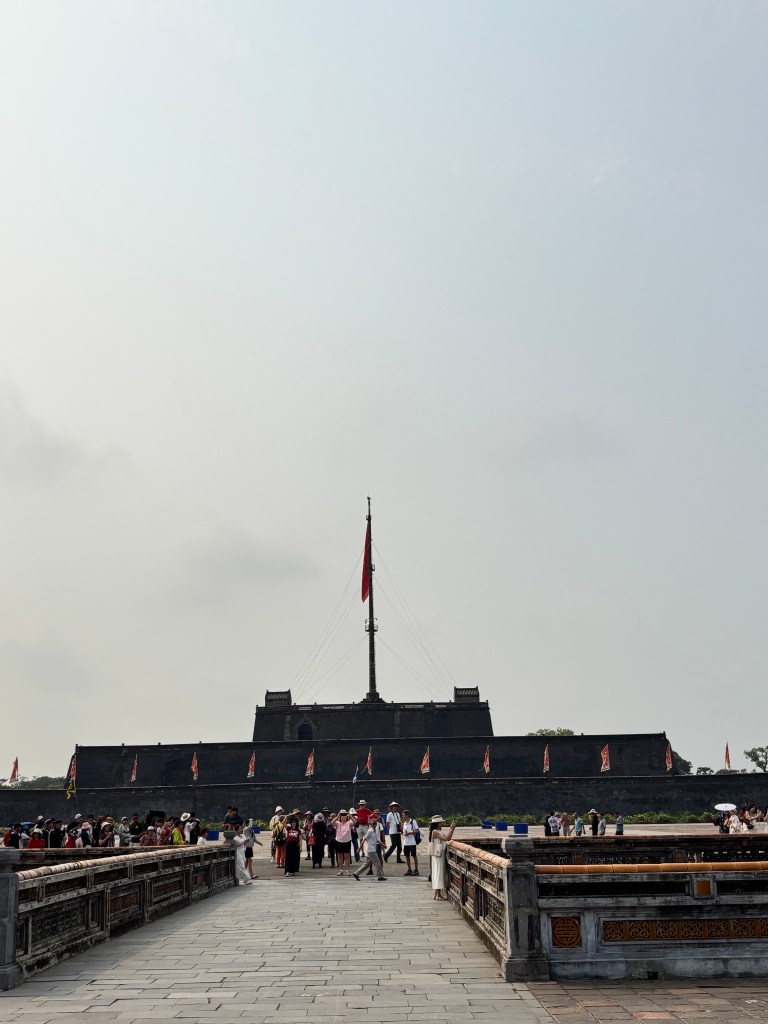
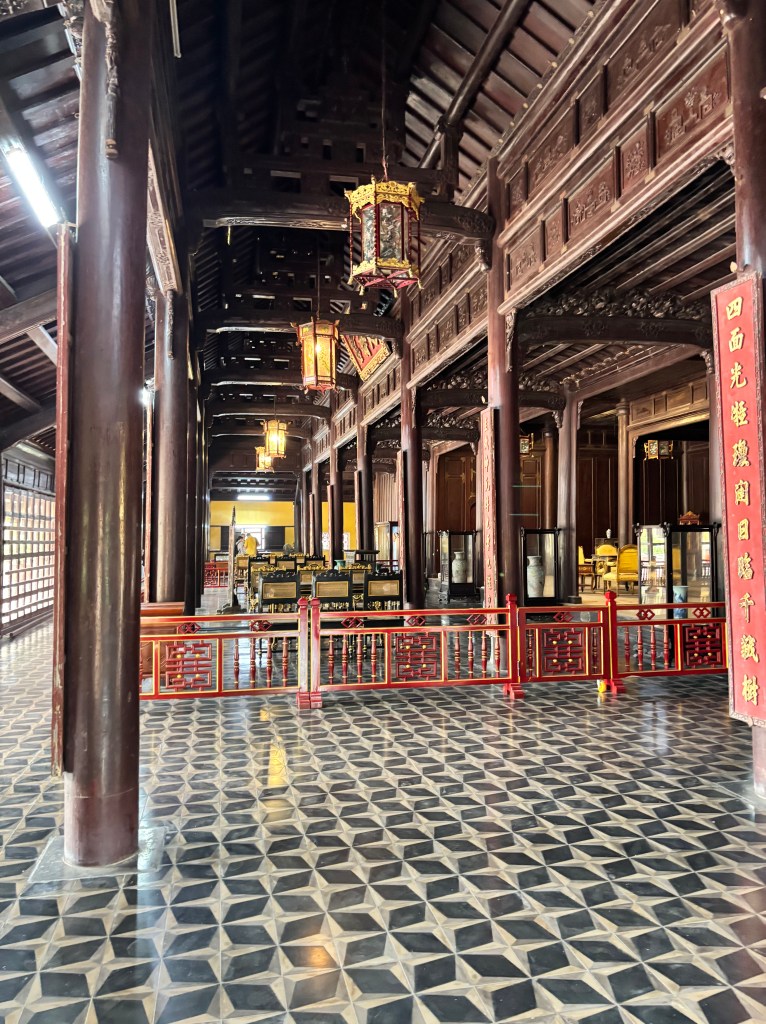
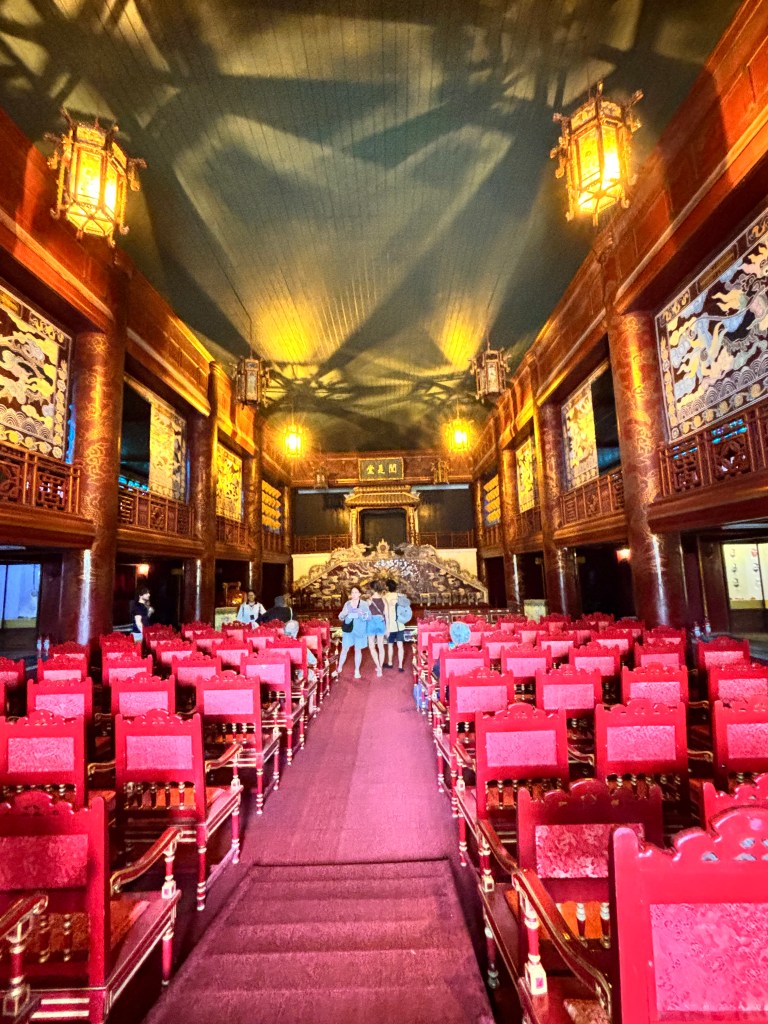
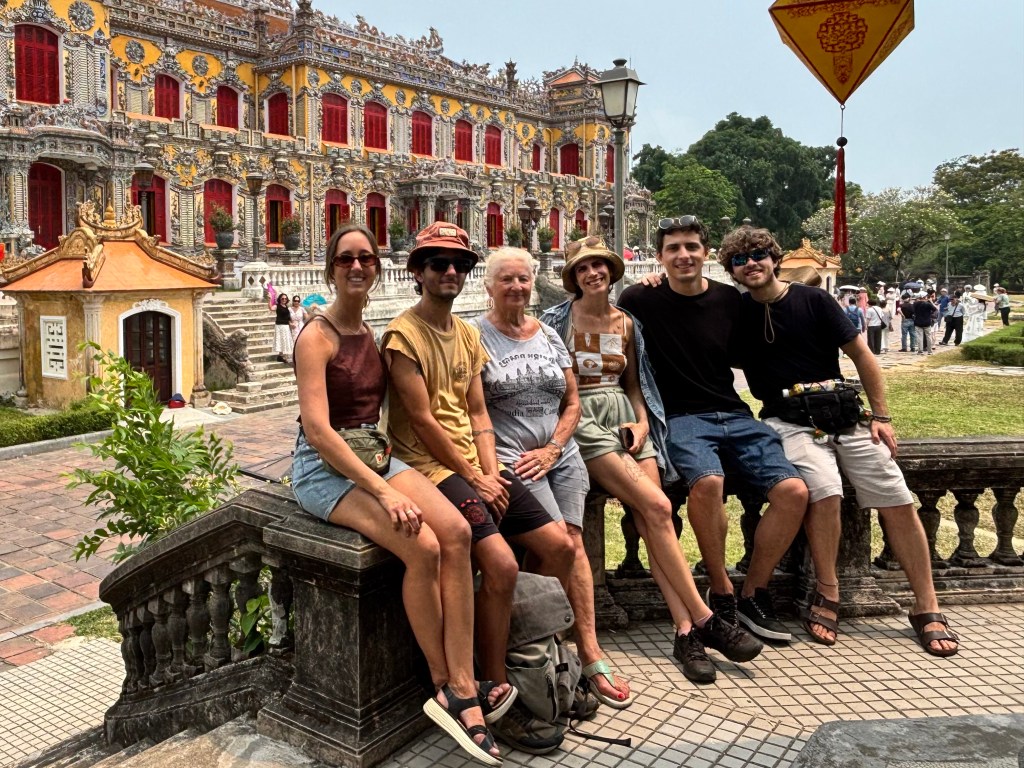
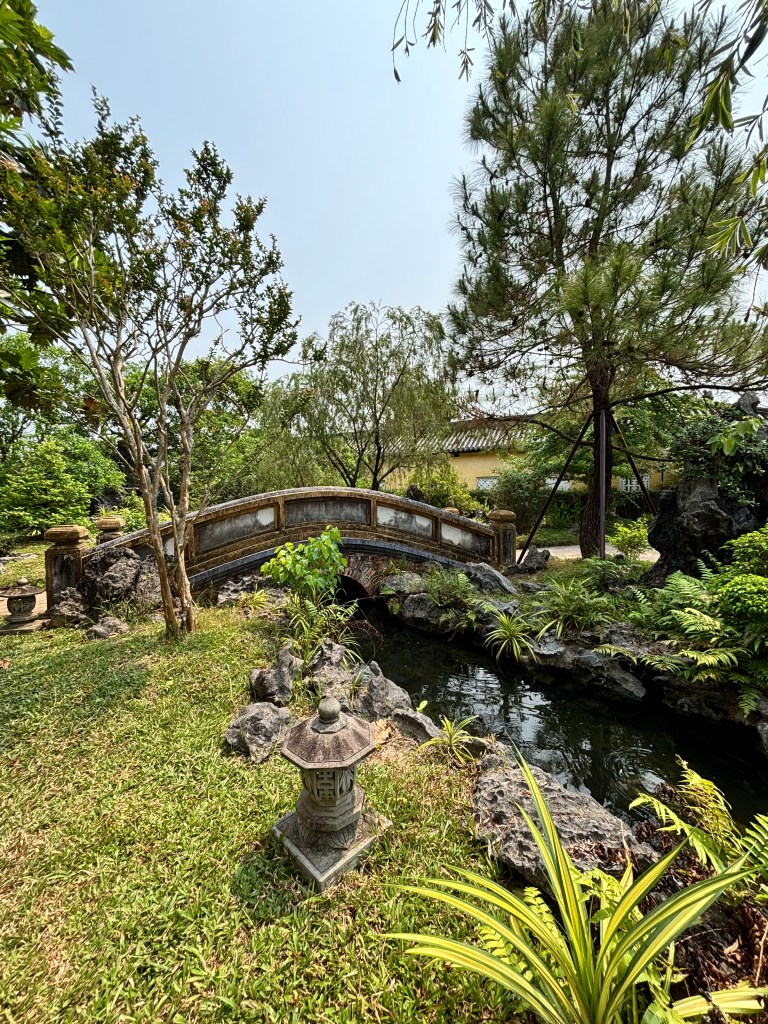
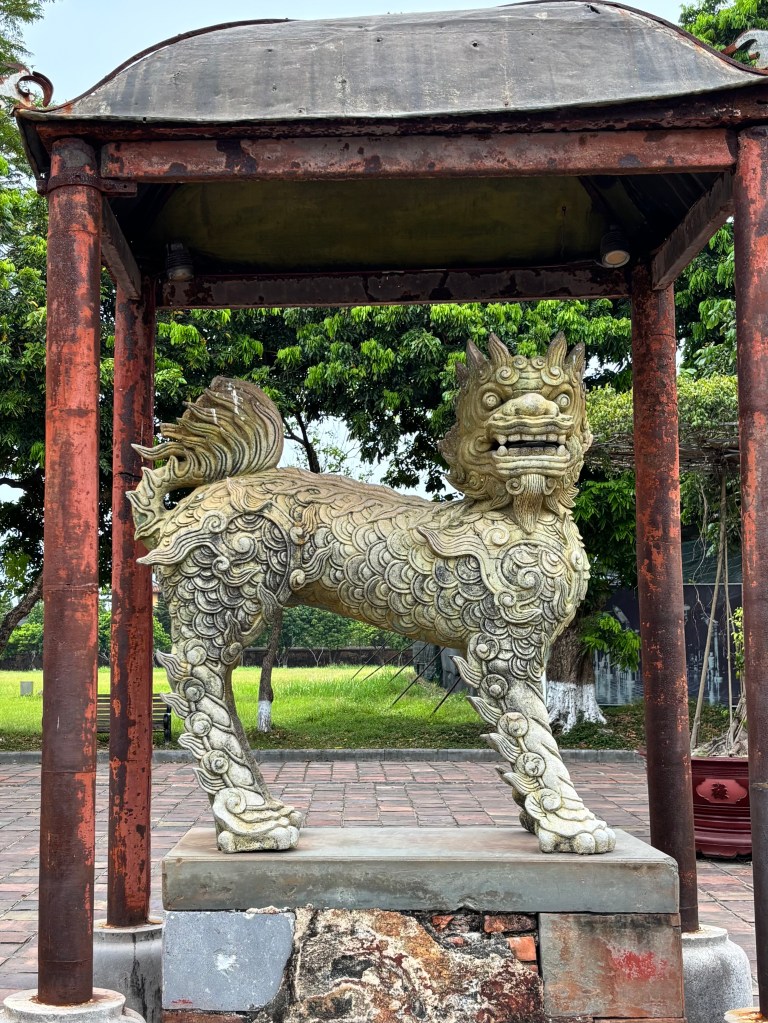
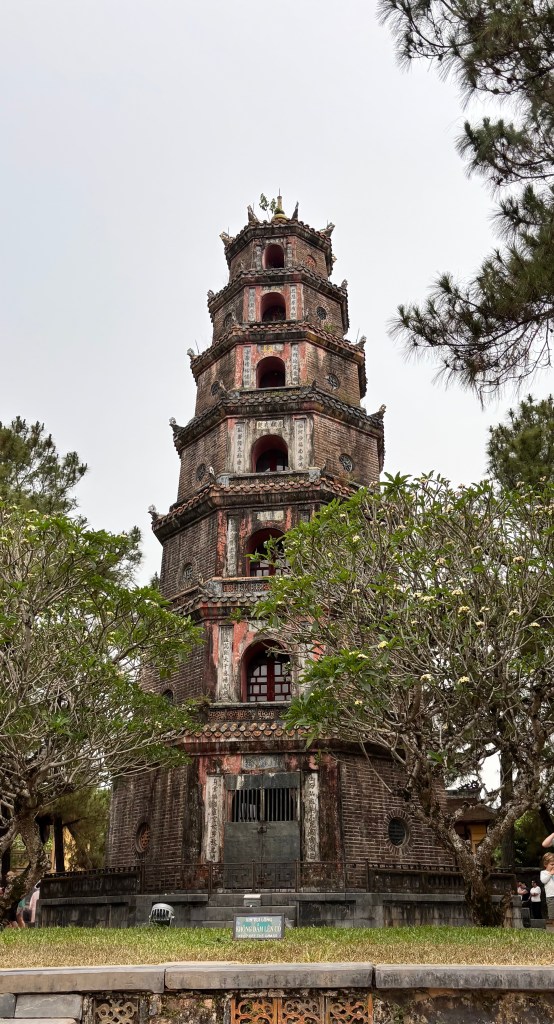
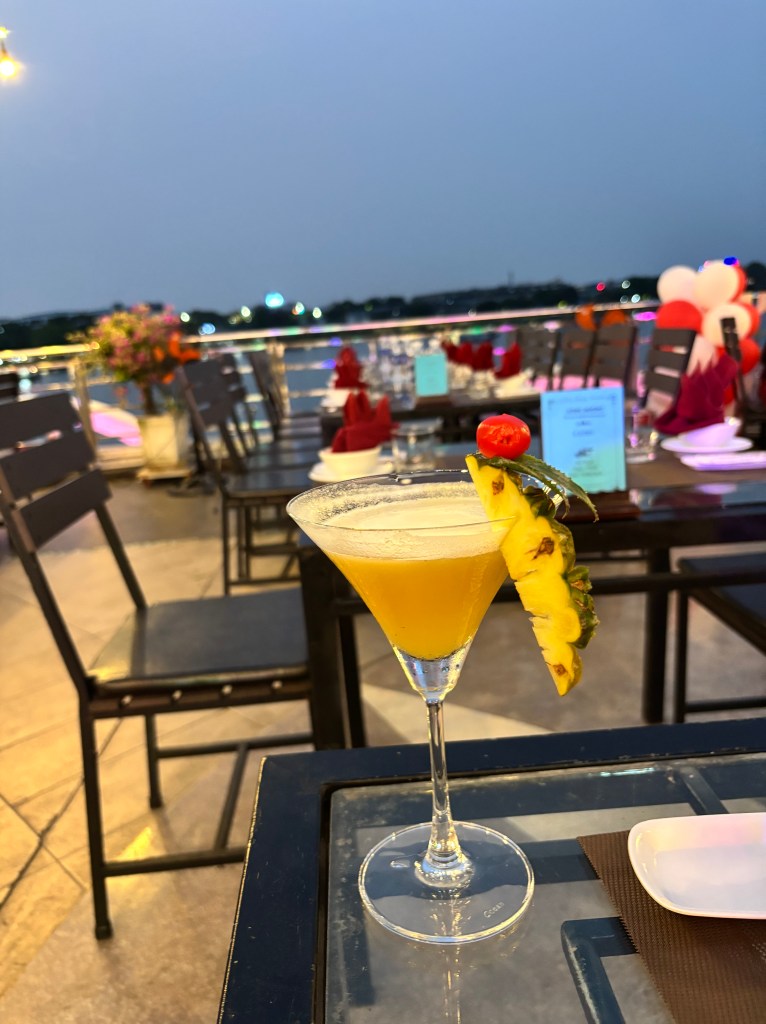
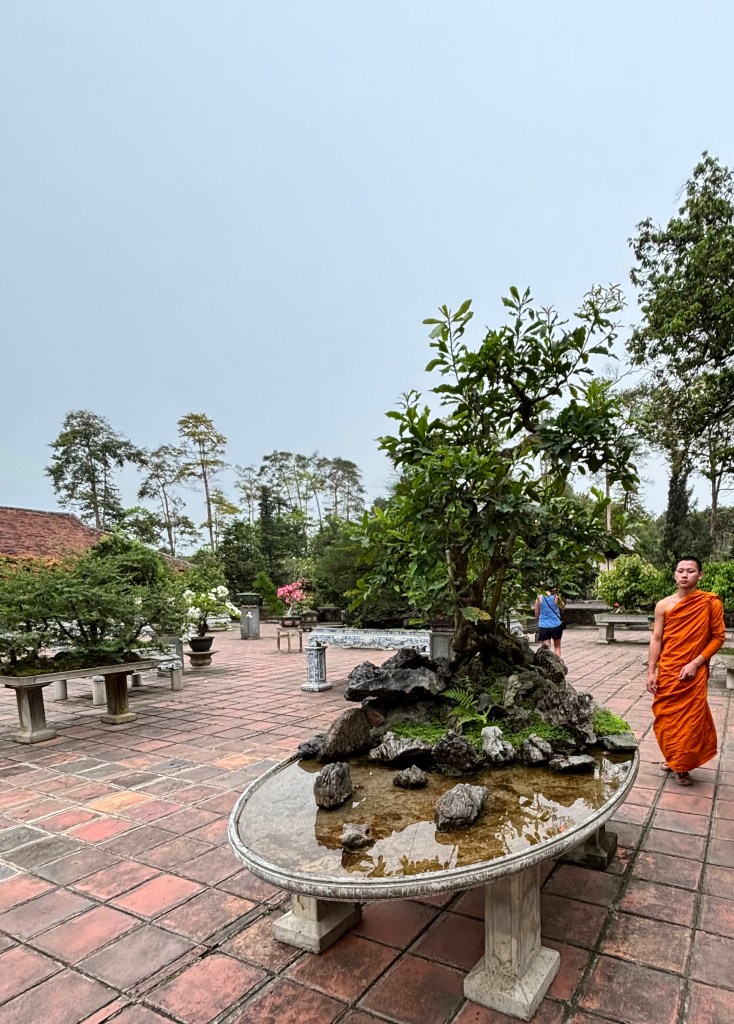
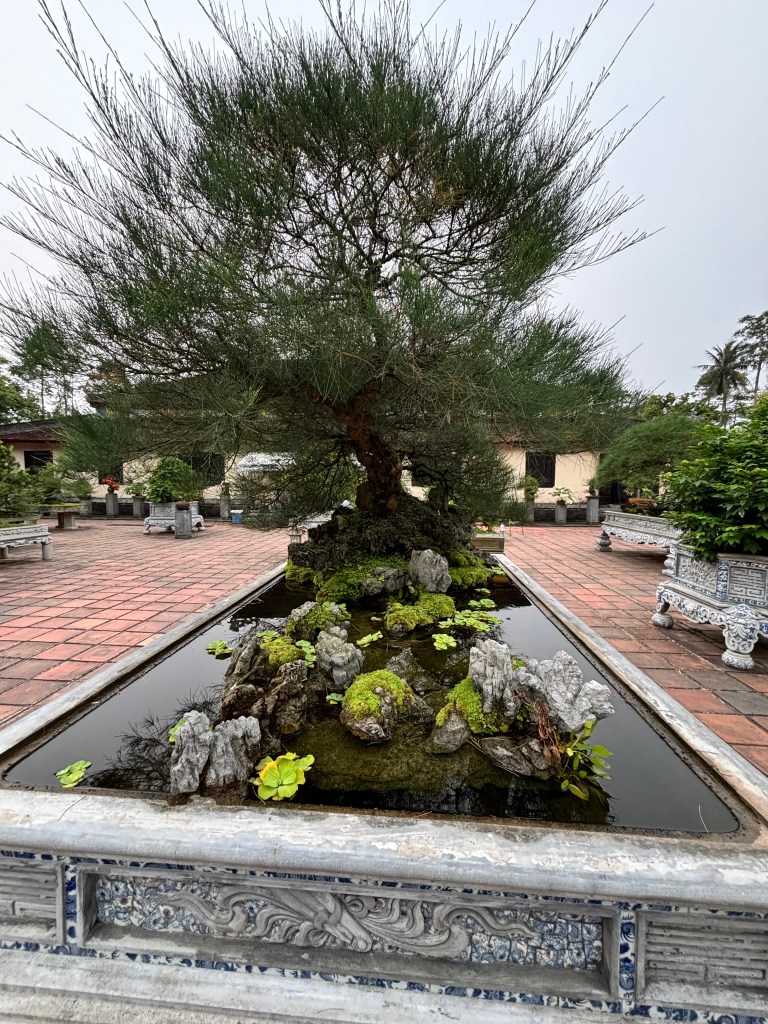
The Thien Mu monastery is a working one, with lovely gardens and pretty bonsai display in giant urns. After a full day, a cocktail on the rooftop was welcome, and then packing for the next part of the journey – to Phong Nha National park.


2 responses to “Vietnam: Seaside and history”
Looks like another fabulous trip. Keep enjoying and keep sending the pics!
LikeLike
I’ve heard good things about touring Vietnam. Another place for the list…
LikeLike